
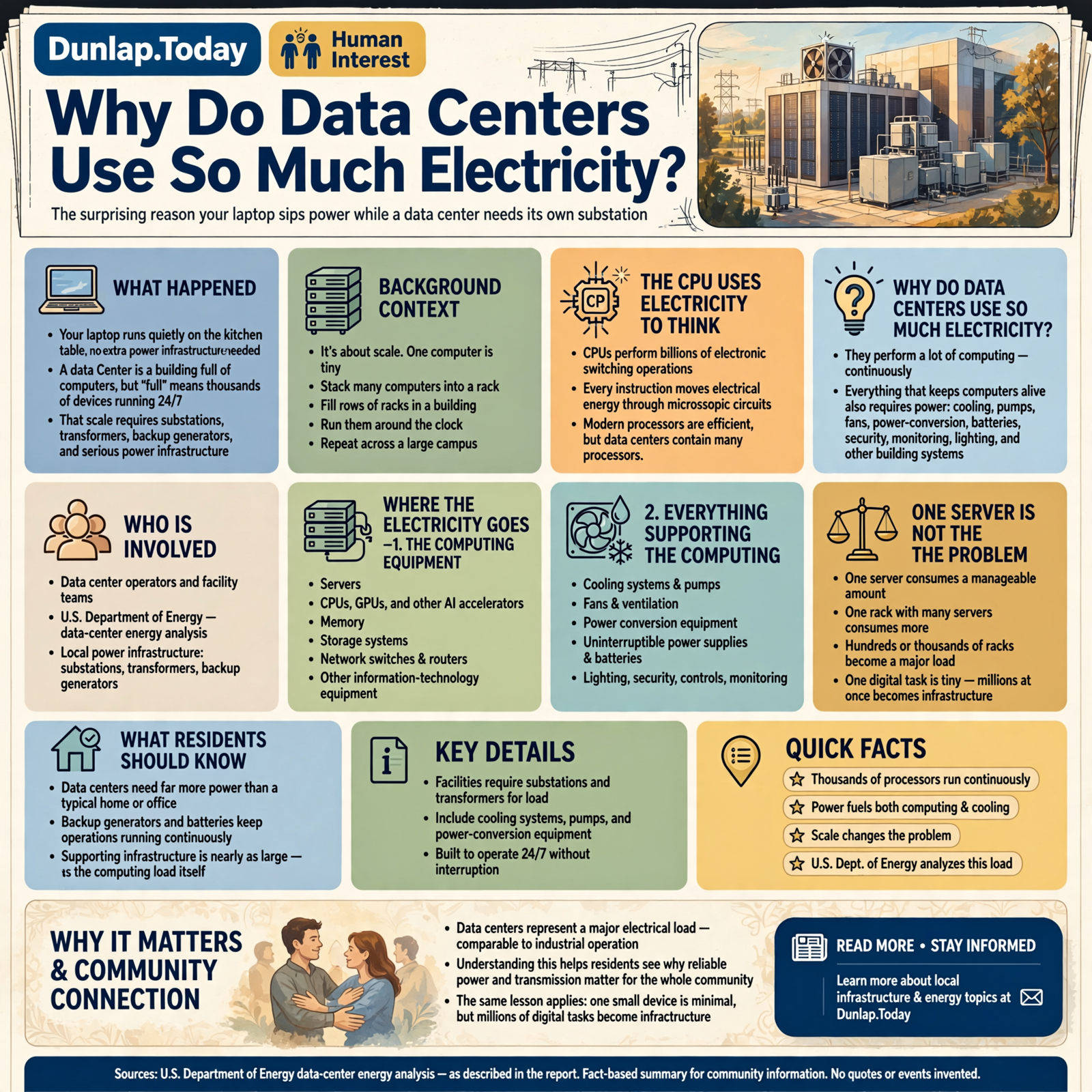
Why Do Data Centers Use So Much Electricity?
Your laptop can spend all day sitting on the kitchen table without causing TVA to call and ask what in the world you are doing.
So why can a large data center require enough electrical infrastructure to justify substations, transformers, backup generators and serious discussions about power plants and transmission lines?
After all, aren’t data centers just buildings full of computers?
Yes.
But that little word full is doing a tremendous amount of work.
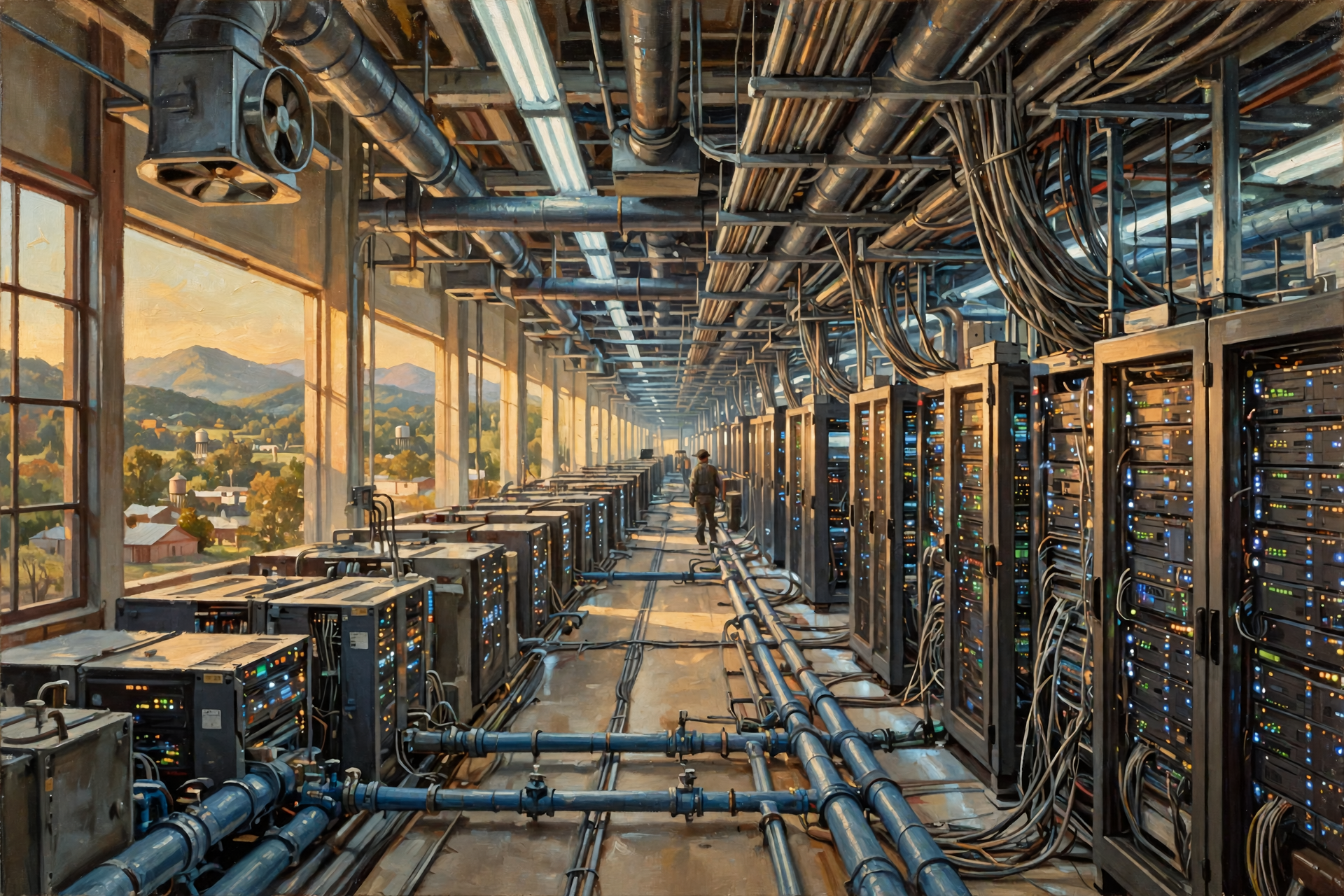
A data center can contain thousands upon thousands of processors, memory chips, storage devices, network switches and other electronics operating continuously.
Then we have to power everything that keeps those computers alive:
- cooling;
- pumps;
- fans;
- power-conversion equipment;
- batteries;
- security systems;
- monitoring;
- lighting;
- and other building infrastructure.
The short version is:
A data center uses a lot of electricity because it performs a lot of computing—and nearly everything required to perform, move, store and protect that computing also requires electricity.
Start With One Computer
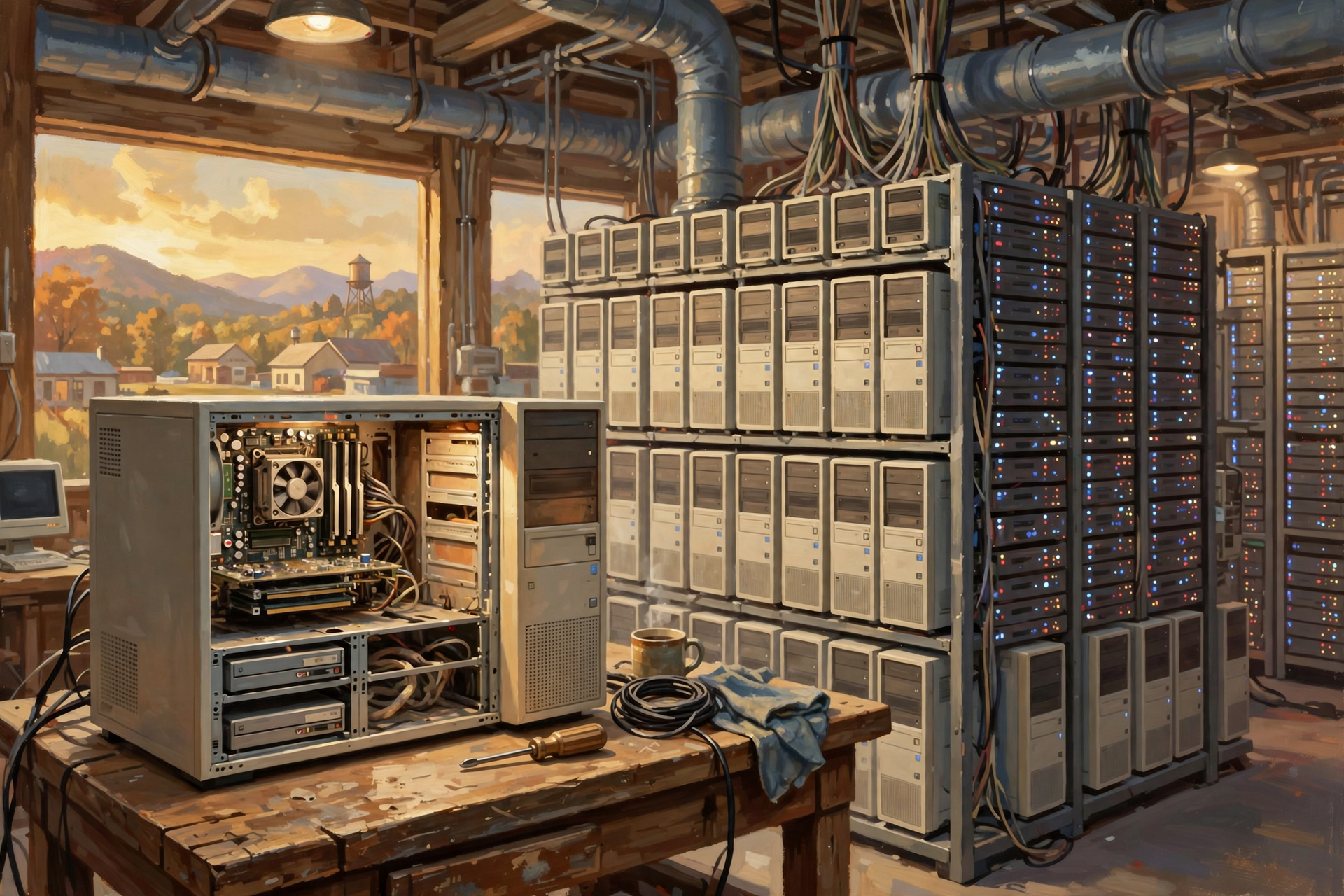
Think about the computer on your desk.
Electricity powers its:
- CPU;
- GPU, if it has one;
- memory;
- storage;
- networking;
- fans;
- display;
- and other electronics.
Depending on what you are doing, that machine might sip electricity or work considerably harder.
Now remove the monitor.
Put the computer into a rack.
Stack many computers into that rack.
Put rows and rows of racks into a building.
Run them around the clock.
Connect them with high-speed networks.
Add industrial cooling.
Add batteries and backup generators.
Now repeat the building several times across a large campus.
We have left the kitchen table.
One Server Is Not the Problem
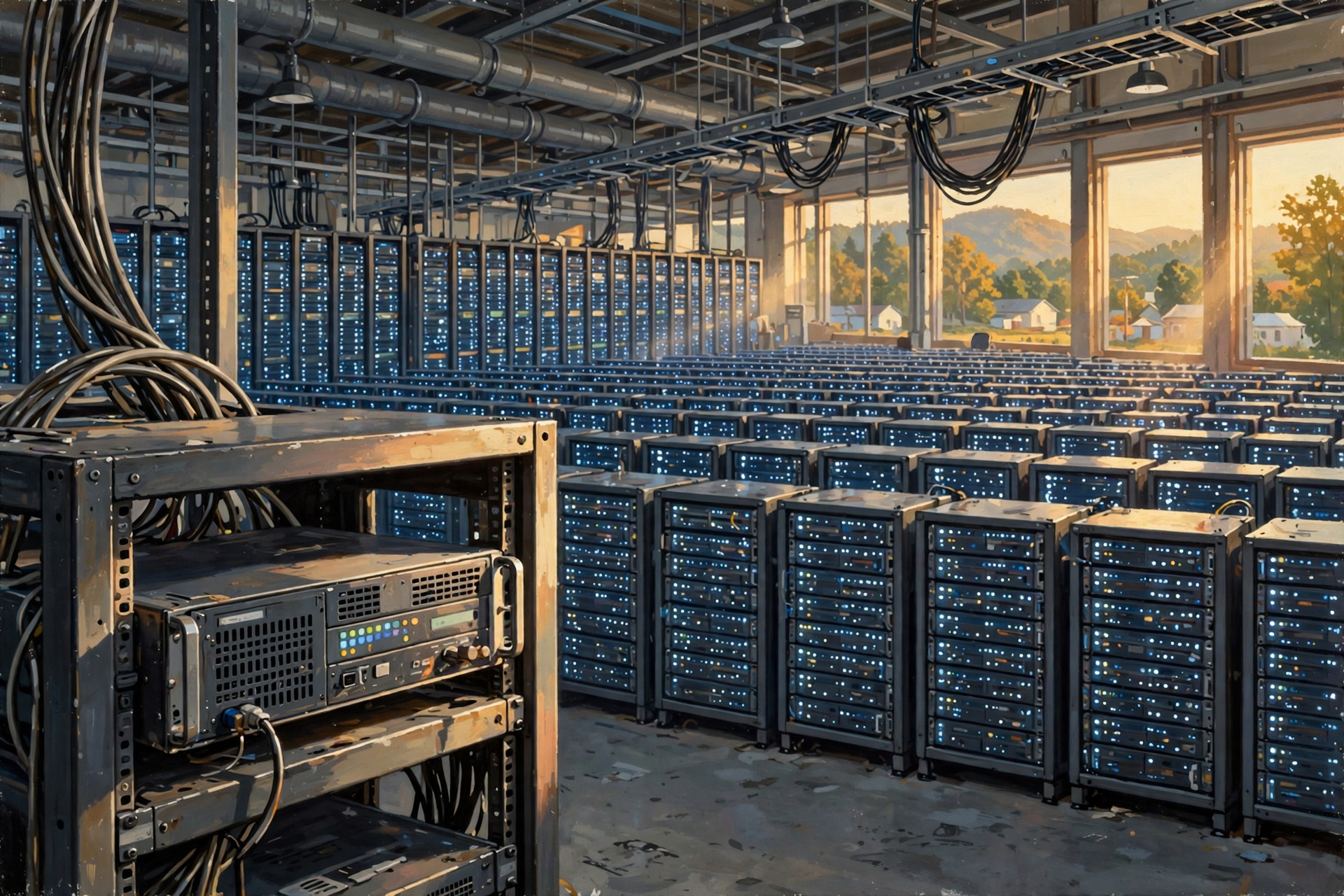
One server can consume a manageable amount of electricity.
One rack containing many servers consumes more.
Hundreds or thousands of racks become a major load.
This is a recurring lesson throughout this series:
One digital task is tiny. Performing millions of digital tasks simultaneously becomes infrastructure.
A single refrigerator does not require a new electrical substation.
A refrigerated warehouse full of industrial cooling equipment might.
Scale changes the problem.
Where Does the Electricity Actually Go?
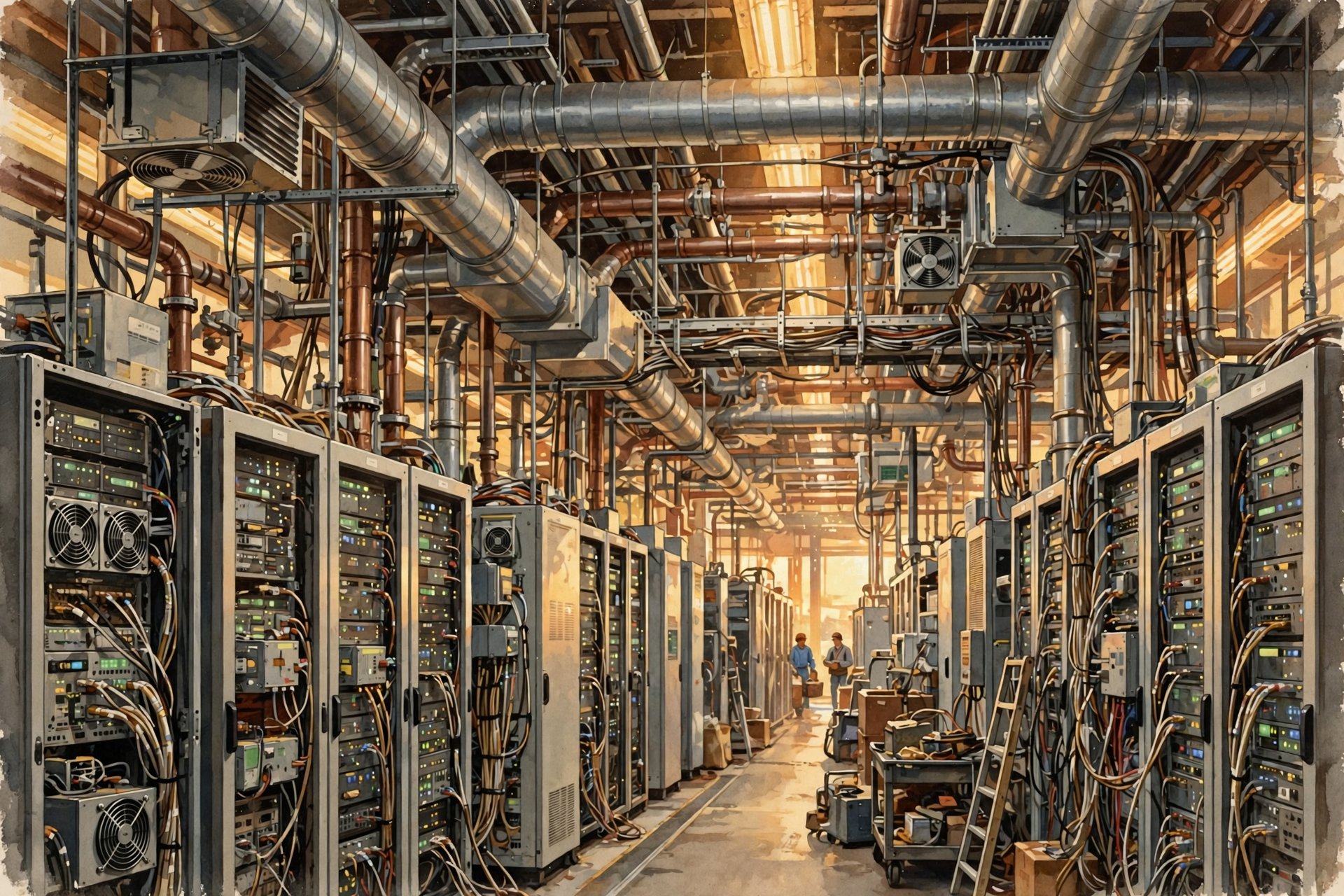
It helps to divide data-center electricity into two broad categories.
1. The Computing Equipment
This includes:
- servers;
- CPUs;
- GPUs and other AI accelerators;
- memory;
- storage systems;
- network switches;
- routers;
- and other information-technology equipment.
2. Everything Supporting the Computing
This includes:
- cooling;
- pumps;
- fans;
- power conversion;
- uninterruptible power supplies;
- batteries;
- lighting;
- security;
- controls;
- and other facility systems.
The U.S. Department of Energy’s data-center energy analysis specifically accounts for servers, storage, networking equipment and supporting infrastructure when estimating total data-center electricity consumption.
That distinction matters because the computers themselves are only part of the electrical load.
The CPU Uses Electricity to Think
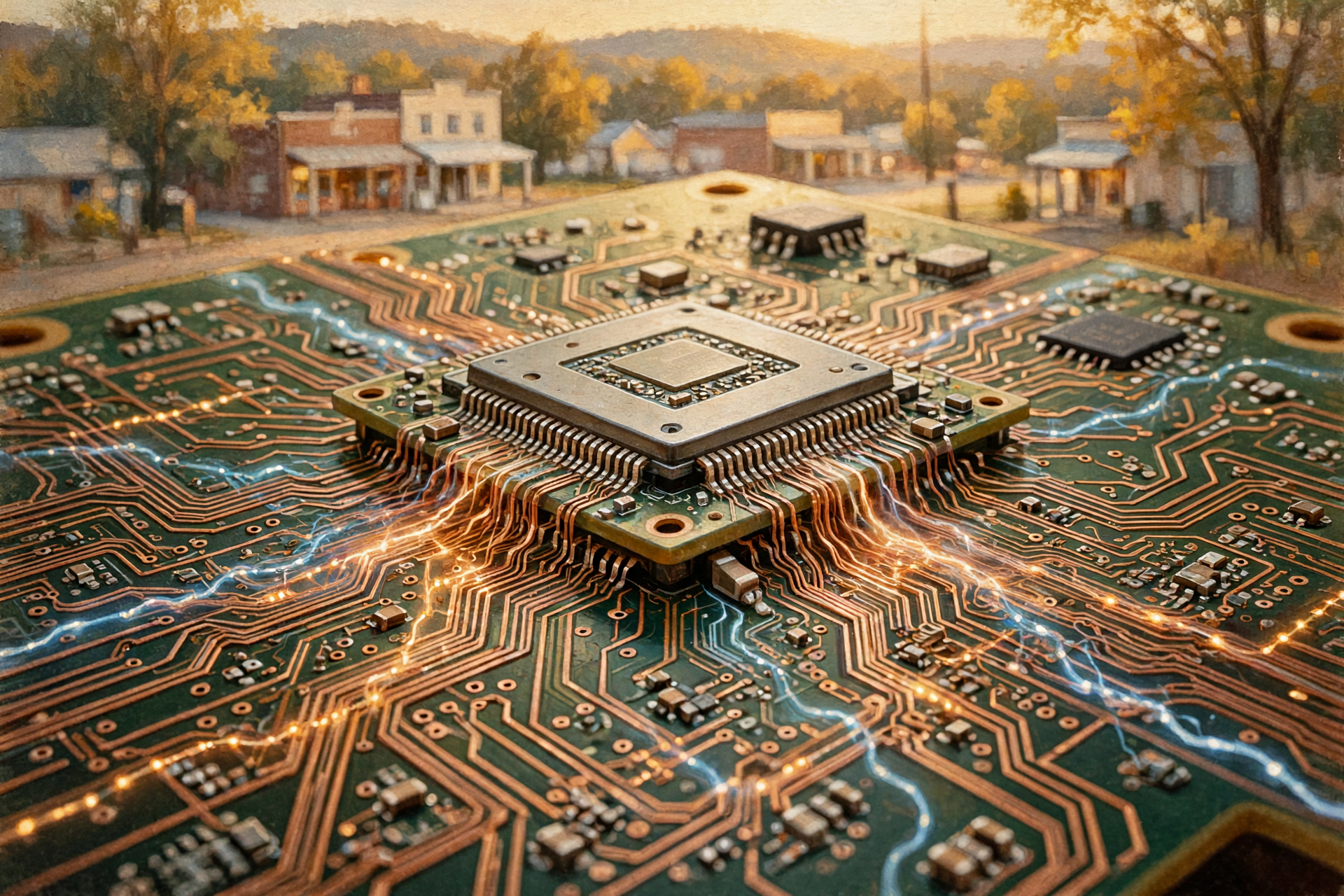
In our previous article, we described the CPU as the general-purpose worker inside the computer.
A CPU performs instructions.
That means billions of tiny electronic switching operations.
Every time the processor works, electrical energy moves through microscopic circuits.
A modern processor can perform an astonishing amount of useful computation from a relatively small amount of electricity.
But a data center contains a lot of processors.
And they may operate continuously.
Then the GPU Arrived With a Bigger Appetite
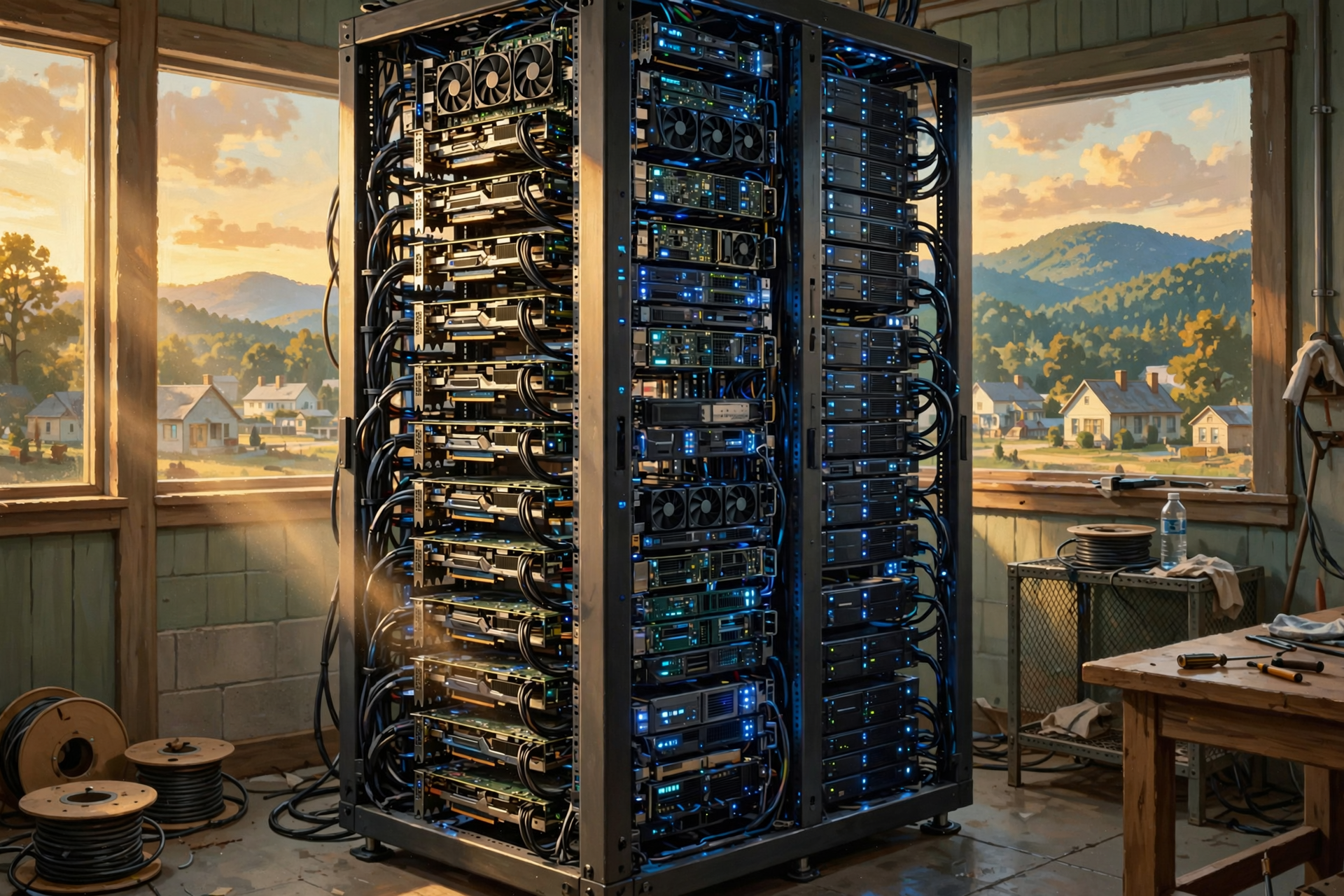
Artificial intelligence has changed the electrical profile of many newer data centers.
GPUs and other AI accelerators can perform enormous numbers of calculations simultaneously.
That makes them incredibly useful.
It also means very powerful processors can consume substantial amounts of electricity.
One or several high-powered accelerators inside one server is manageable.
Put them into many servers.
Fill a rack.
Fill hundreds or thousands of racks.
Suddenly we are talking about megawatts.
AI Is Making Each Rack Much Hungrier
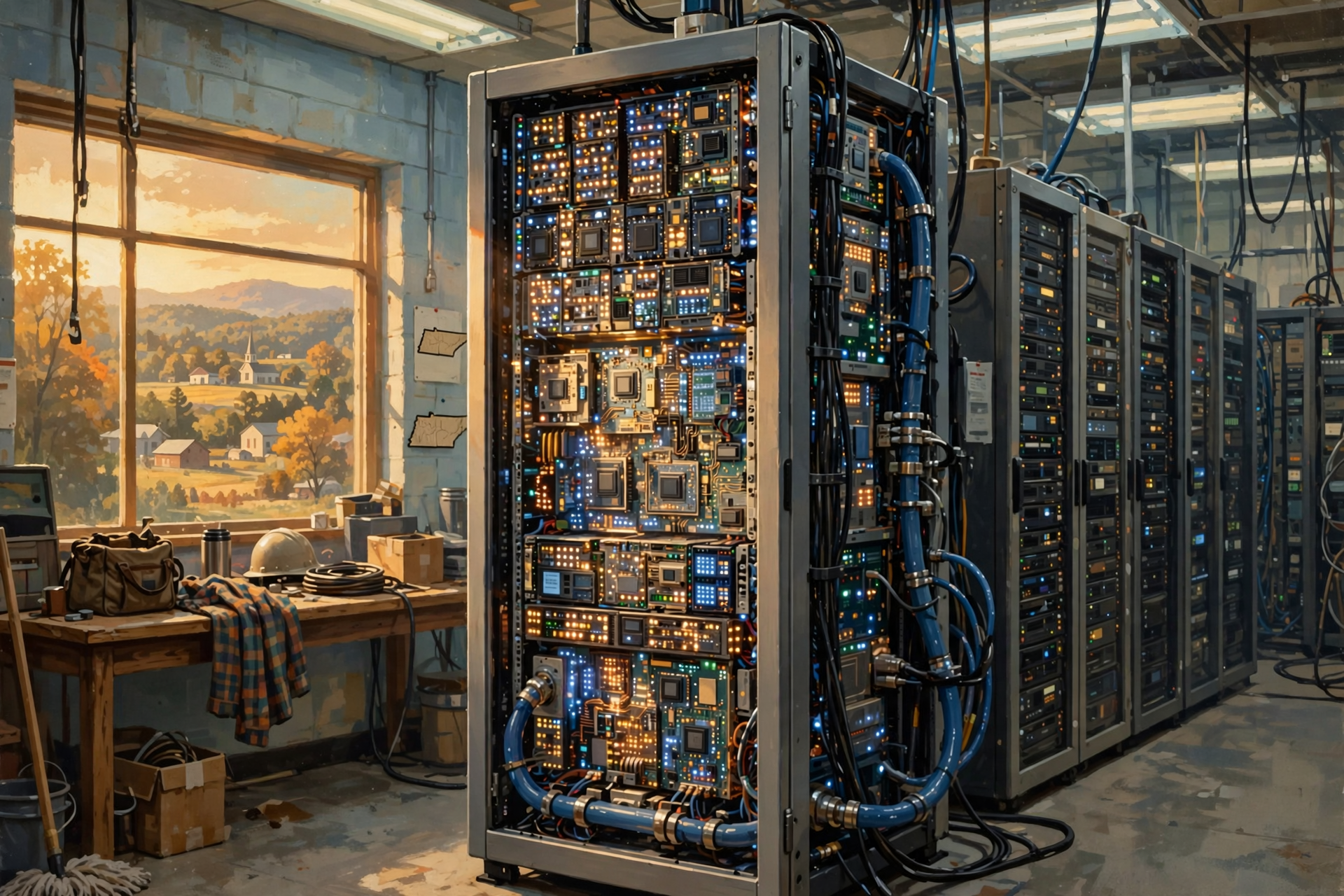
This is one of the most important changes happening inside data centers.
Historically, operators could estimate how much power a typical rack of conventional servers required.
AI allows vastly more computation to be concentrated in the same physical space.
The International Energy Agency’s 2026 analysis says the power density of AI servers increased elevenfold between 2020 and 2025 and is expected to increase further as advanced systems pack more computing into each rack.
In its central analysis, the IEA estimates that by 2027 an advanced rack roughly the size of a large refrigerator could have peak electrical demand comparable to dozens of U.S. households.
That comparison should not be interpreted as saying every rack in every data center uses the electricity of dozens of houses.
It illustrates how extraordinarily dense the newest AI equipment can become.
Same Rack, Very Different Electricity
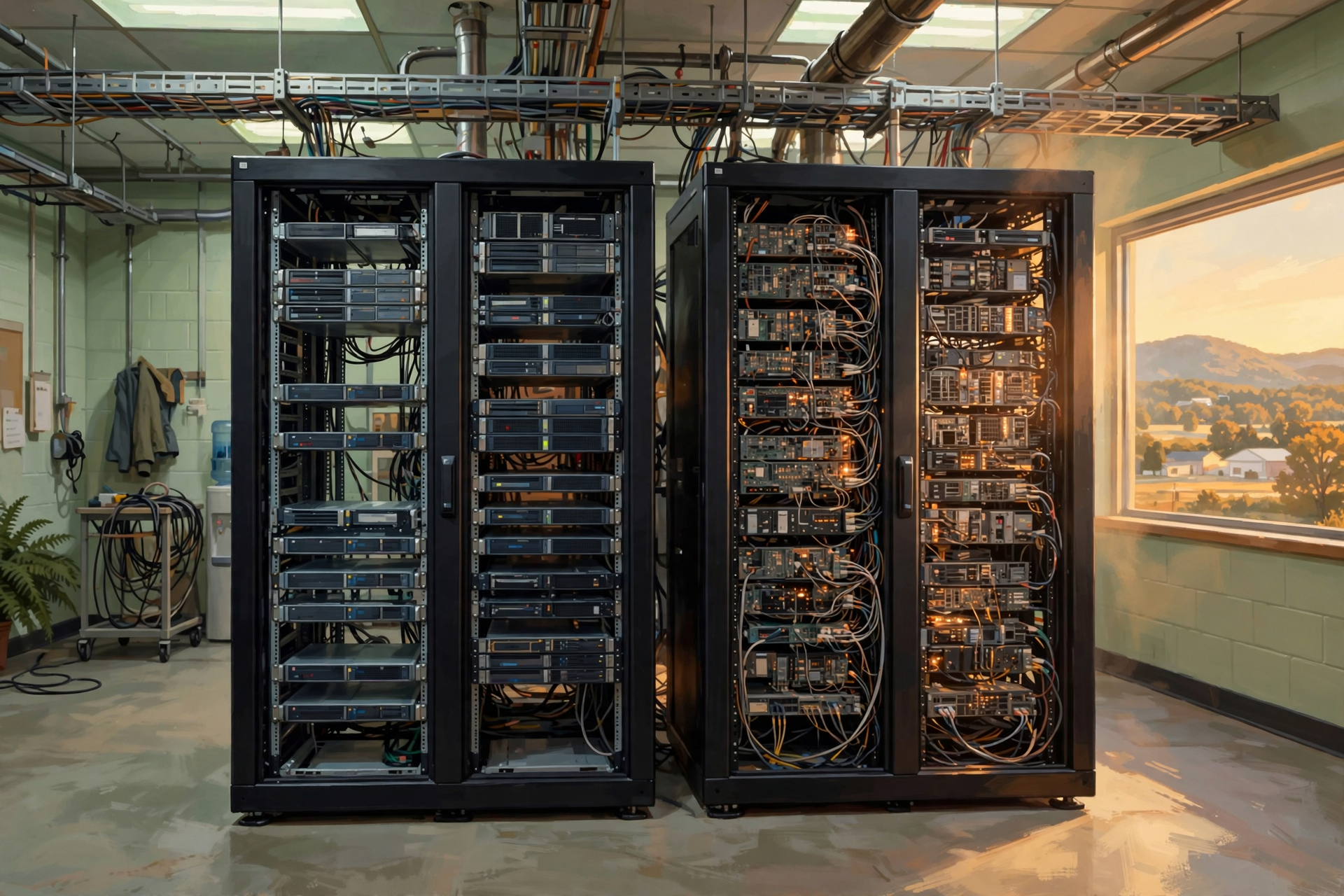
Remember our tool-chest analogy?
Two server racks can have identical dimensions.
One might contain general-purpose servers.
The other might be packed with high-performance AI accelerators.
Their floor space is nearly identical.
Their electrical requirements may not be.
This is why square footage alone tells us surprisingly little about a modern AI data center.
The more useful question is:
How much computing power is being installed per rack?
Memory Needs Electricity Too
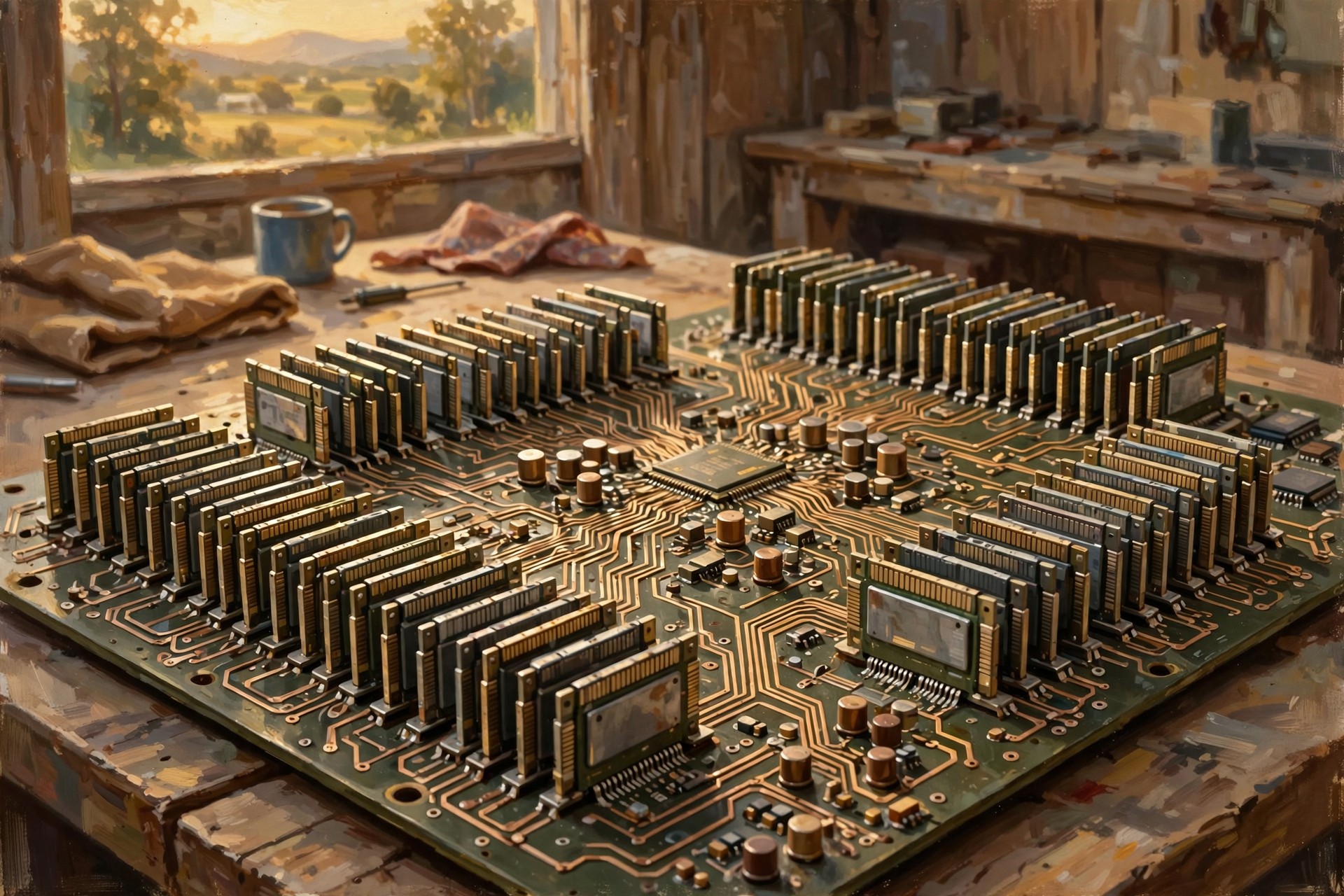
Processors cannot work efficiently if they spend their time waiting for information.
Modern servers therefore contain large amounts of fast memory.
AI systems can use especially large quantities because models and working information need to remain close to processors.
Memory chips consume electricity.
So does the circuitry moving information between memory and processors.
Again, one memory module does not create a utility problem.
Thousands upon thousands of them contribute to the total load.
Storage Is Another Electrical Load
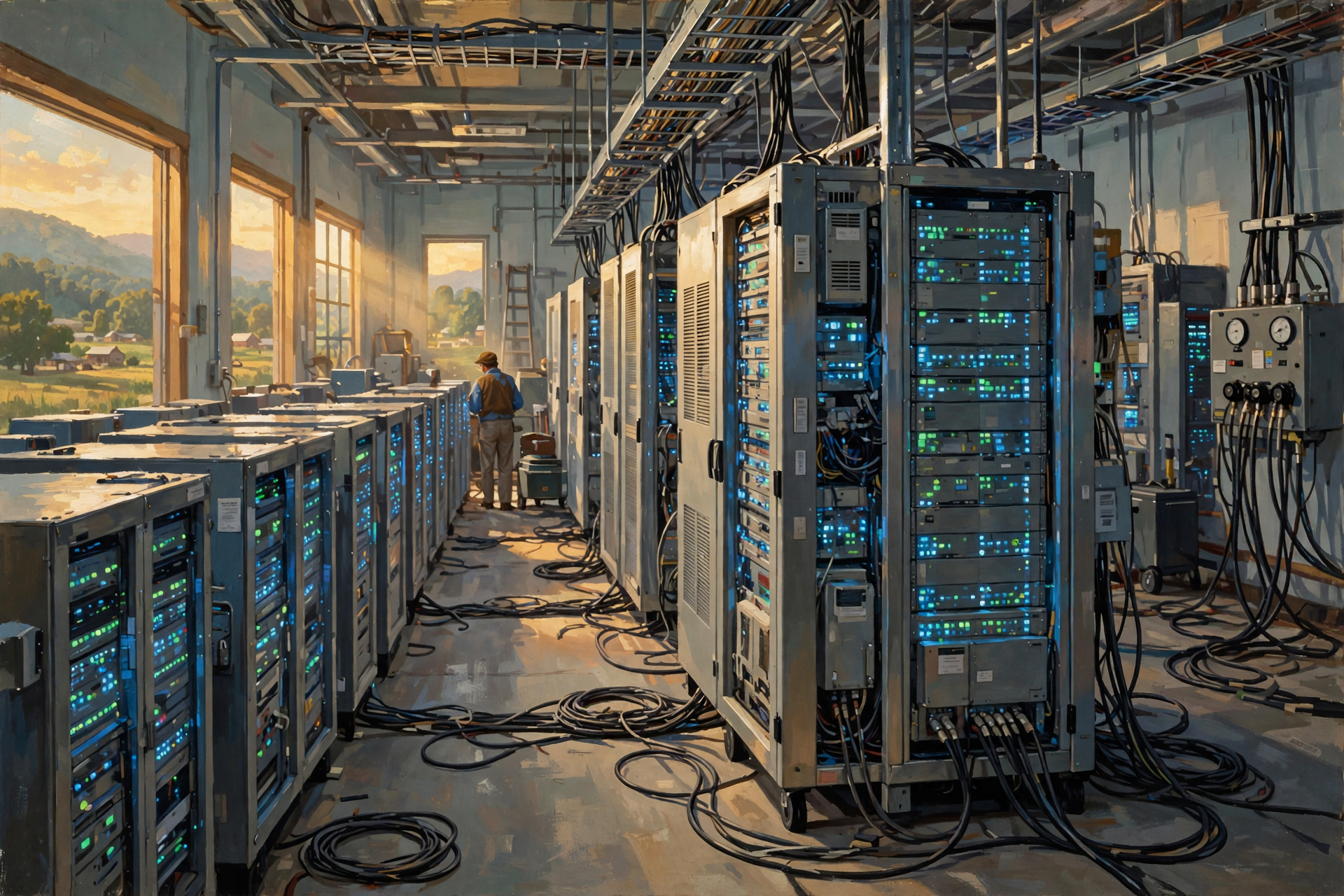
Data centers store enormous quantities of information.
Storage systems may contain:
- solid-state drives;
- hard drives;
- storage controllers;
- network equipment;
- and specialized storage servers.
Those devices consume electricity while keeping information available.
And depending on the design, important information may exist in multiple copies for reliability.
If you store one photograph in “the cloud,” the underlying system may involve considerably more infrastructure than one file sitting on one disk somewhere.
Then the Computers Have to Talk to Each Other
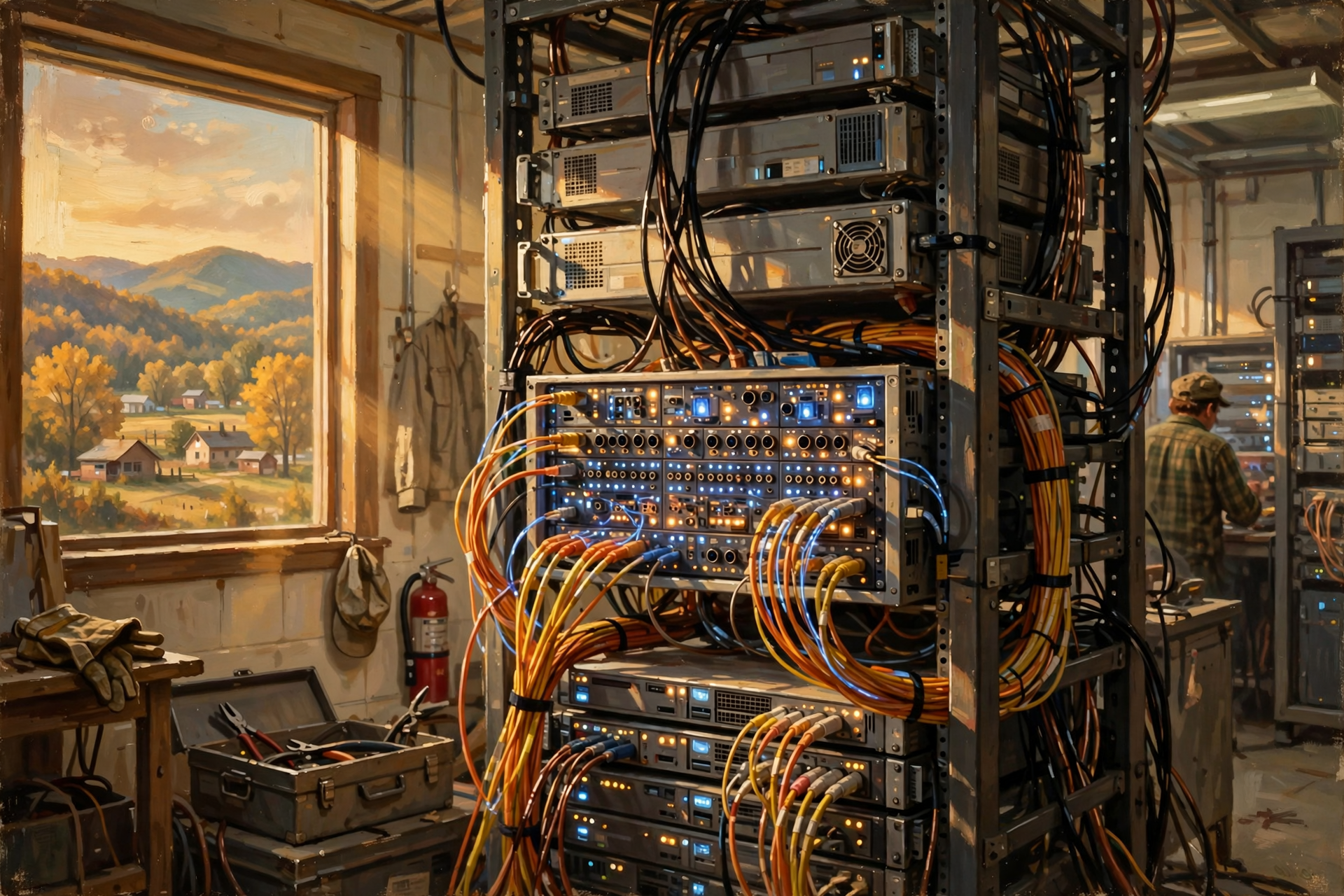
Networking consumes electricity too.
Data centers can contain extremely powerful network switches and routers moving enormous quantities of information among servers and to users outside the building.
This becomes particularly important for AI.
Thousands of processors may need to communicate while working on the same model.
At that scale, the network effectively becomes part of the computer.
Fast processors connected through slow networking would be like putting race-car engines into vehicles and then forcing all of them onto a one-lane gravel road.
The network has to keep up.
Now Comes Cooling
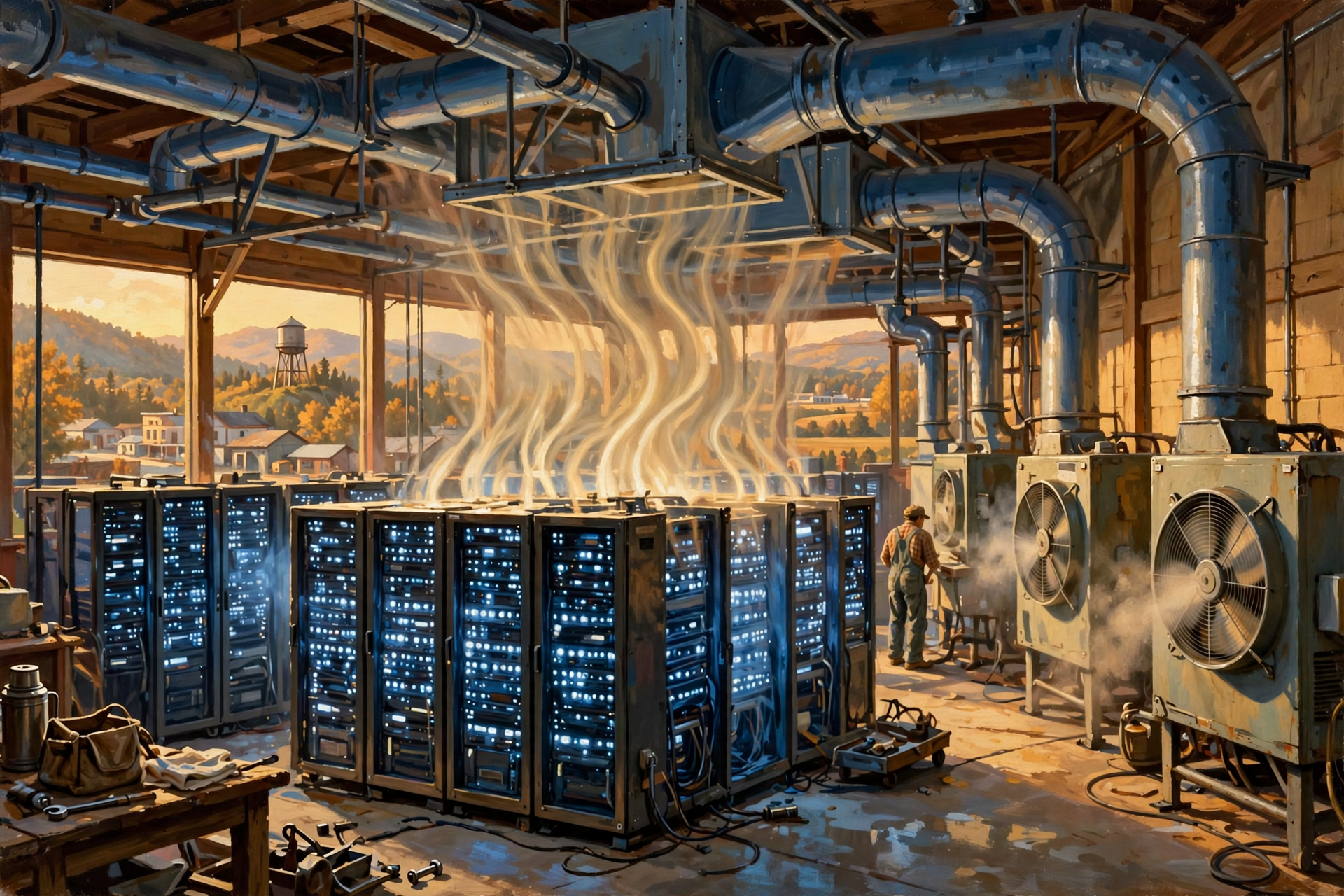
We have arrived at the part people often overlook.
Nearly all the electrical energy used by computing equipment eventually becomes heat.
The processors do useful mathematical work.
The electricity does not disappear afterward.
It largely ends up as heat that must be removed from the building.
This gives data centers a strange two-part problem:
- Use electricity to run the computers.
- Use additional infrastructure to deal with the heat produced by running those computers.
It is a little like running thousands of space heaters while simultaneously trying to keep the room cool.
Except those “space heaters” happen to be performing the world’s searches, AI calculations, banking transactions and cloud applications.
The Better the Computers Get, the More Heat We Can Concentrate
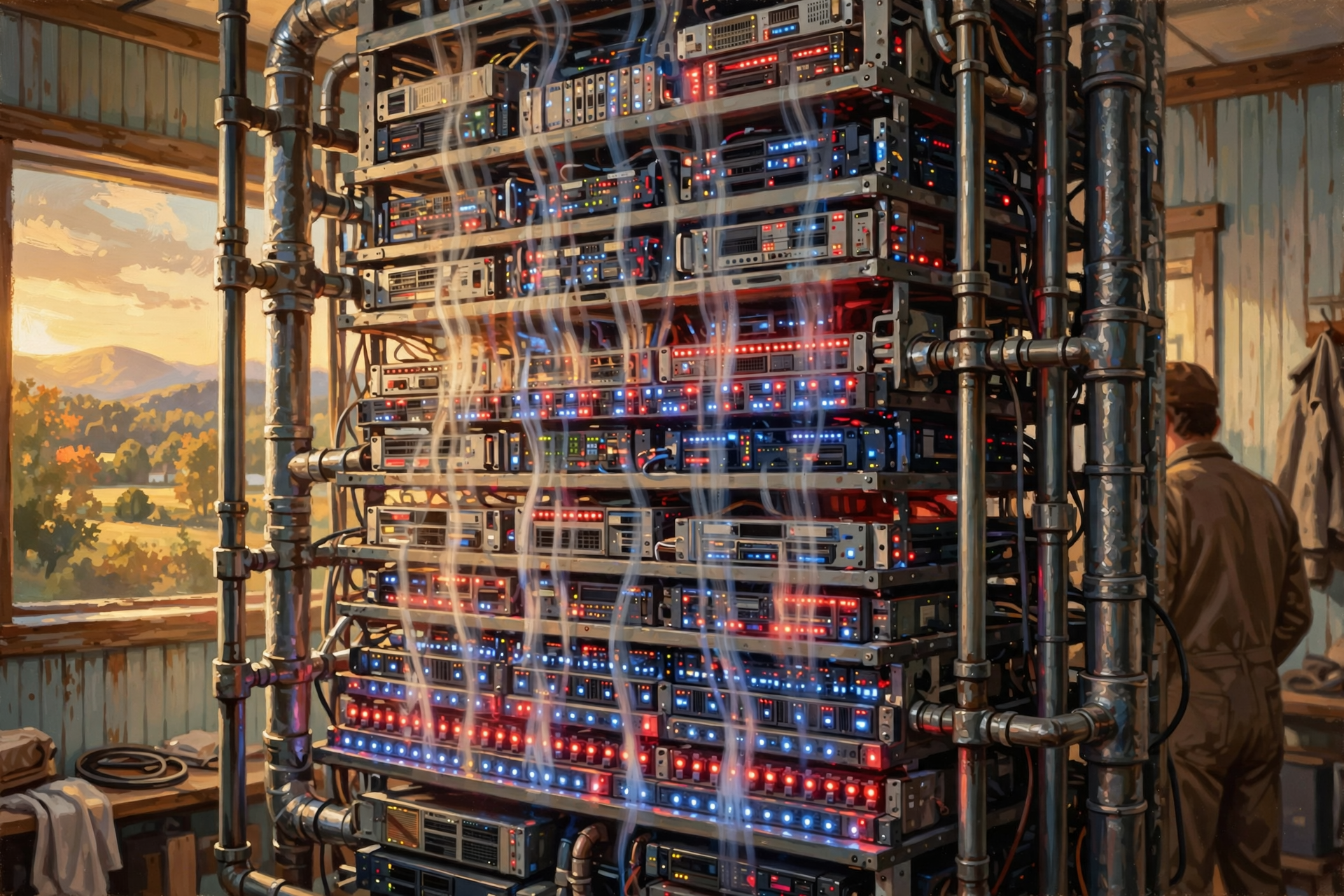
This sounds backwards, but it is important.
Computers have become vastly more efficient.
Each generation can perform more useful work for a given amount of energy.
But improved technology also lets operators pack more computing into the same physical space.
So a newer rack may be dramatically more efficient per calculation while still consuming more electricity overall because it is performing vastly more calculations.
This is the same distinction we explored earlier in this series:
Efficiency per task can improve while total demand grows.
Cooling Can Use Air
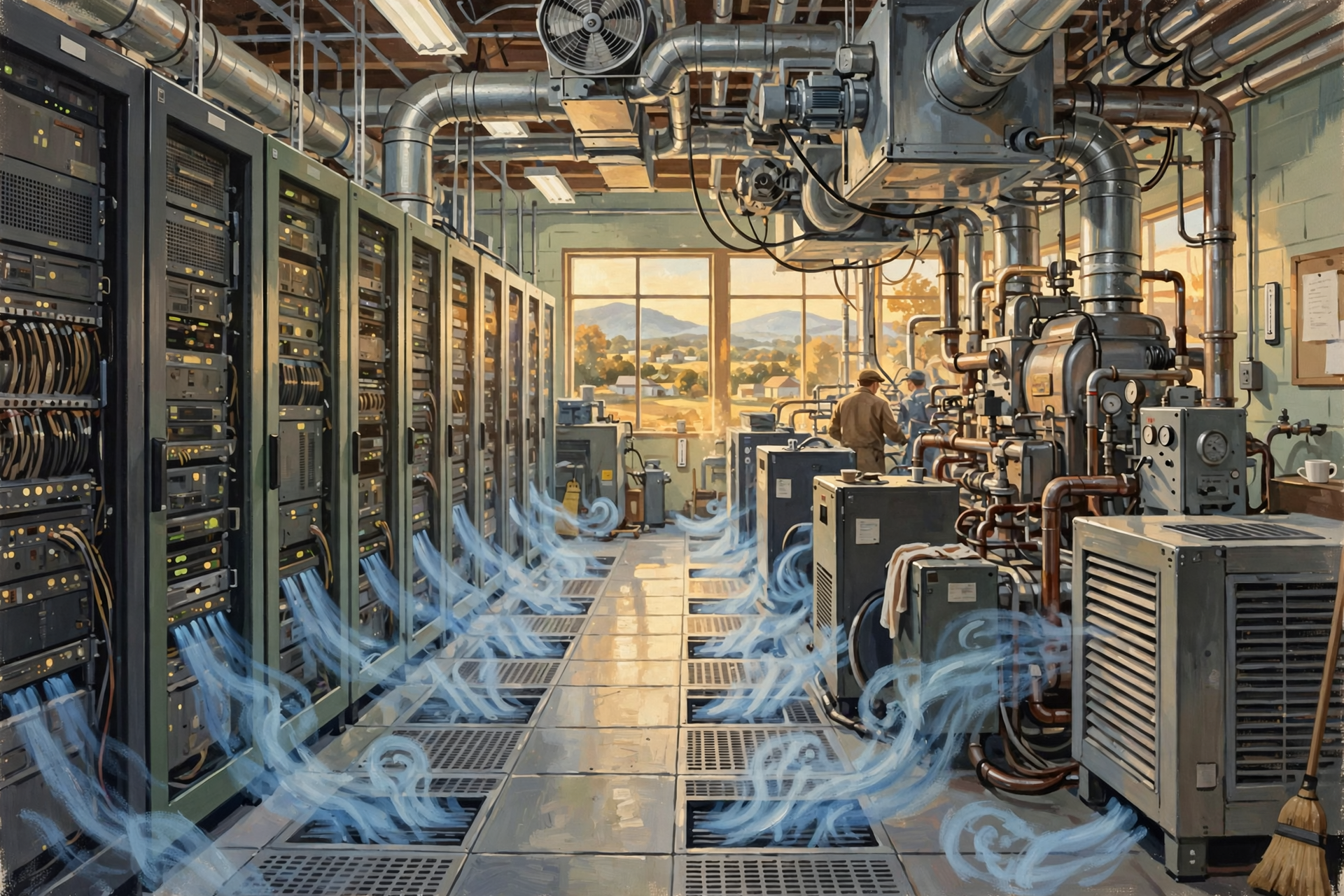
Traditional server rooms often move large quantities of conditioned air around the equipment.
Servers pull cooler air in.
Fans move it across hot components.
Warmer air leaves the server.
Building cooling systems then remove that heat.
Moving enormous quantities of air requires:
- fans;
- air handlers;
- compressors;
- chillers in some systems;
- controls;
- and other equipment.
All of that uses electricity.
Or Cooling Can Bring Liquid Closer to the Chips
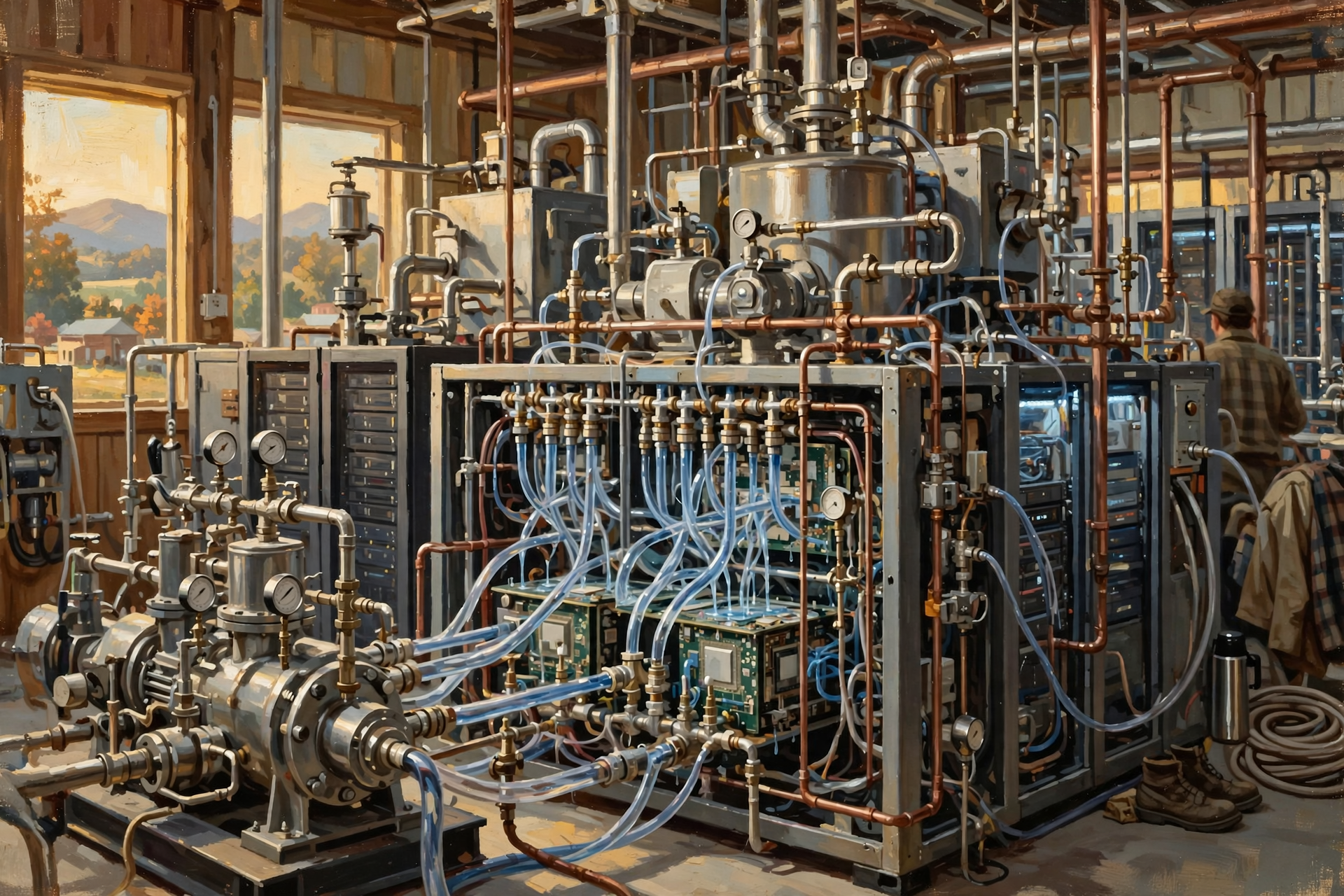
As AI racks become more power-dense, moving enough heat away using air alone can become difficult.
That is why newer AI facilities increasingly use forms of liquid cooling.
Liquid can carry heat more efficiently than air.
Depending on the design, cooling liquid can travel much closer to the processors producing the heat.
But liquid cooling still requires infrastructure:
- pumps;
- heat exchangers;
- controls;
- cooling distribution systems;
- and equipment for rejecting heat outside the building.
We will devote separate articles to cooling and water because those topics deserve their own careful explanations.
Follow the Electron: From TVA to an AI Answer
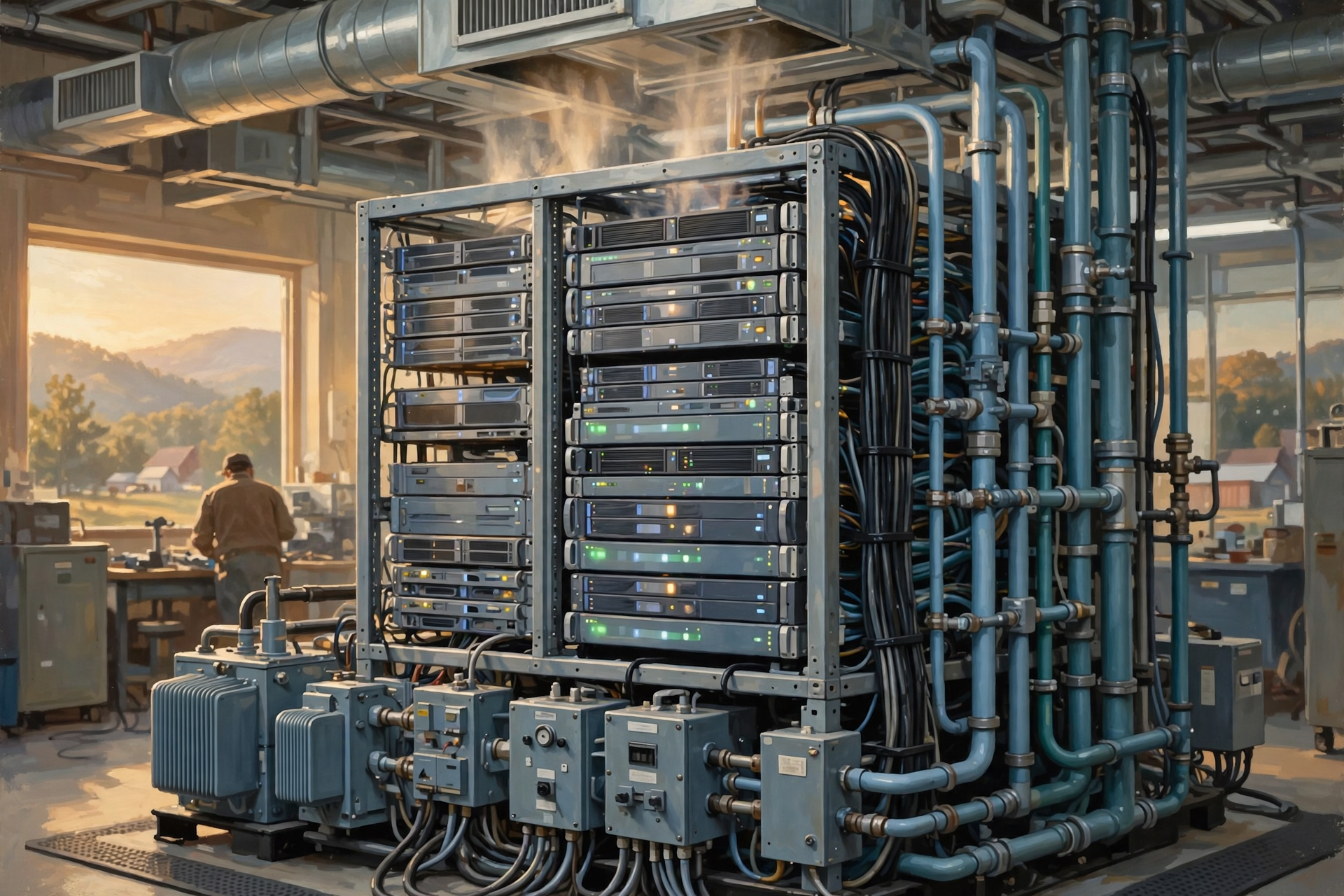
Let’s follow one tiny piece of electricity through an imaginary data center.
- Electricity enters from the utility grid.
- Transformers adjust the voltage.
- Switchgear routes and protects the power.
- Power-conversion equipment prepares electricity for the servers.
- The server power supply converts it again into voltages the electronics can use.
- CPUs and GPUs perform calculations.
- Memory supplies information to those processors.
- Network equipment moves information between computers.
- Storage systems retrieve or preserve data.
- The electronics produce heat.
- Fans, pumps or liquid-cooling systems move the heat away.
- Cooling equipment ultimately releases the heat somewhere outside the computing environment.
You asked:
What’s the weather tomorrow?
The physical infrastructure saw an electrical engineering project.
Power Conversion Is Not Perfect
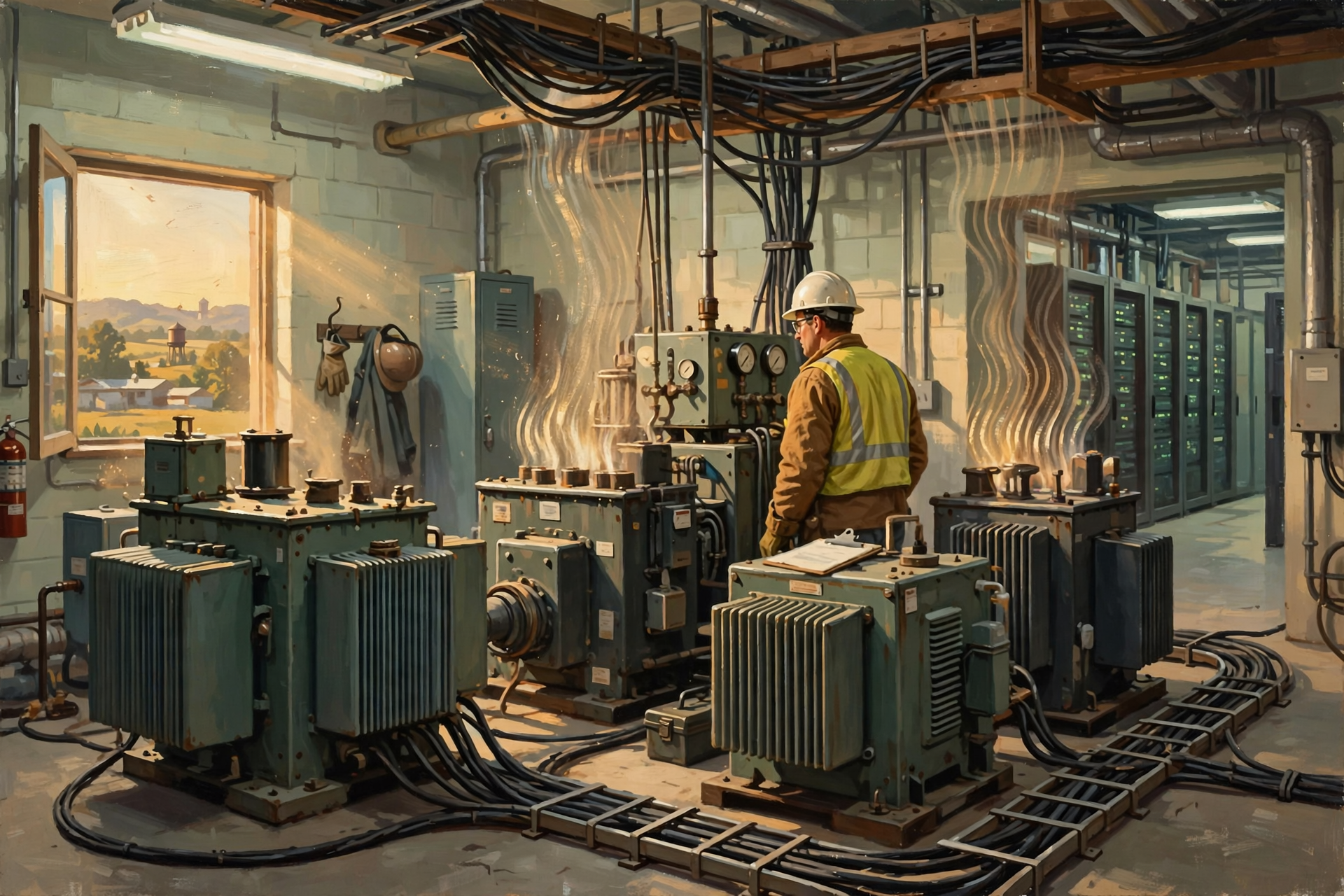
Electricity arriving from the grid cannot simply be run directly into every microchip.
Data centers use multiple stages of power transformation, conversion and distribution.
Those processes are highly efficient, but not perfectly efficient.
Some energy is lost as heat along the way.
At small scale, a tiny percentage may not seem important.
At hundreds of megawatts, small efficiency improvements become financially significant.
That gives operators a powerful incentive to reduce waste.
Then We Add Redundancy
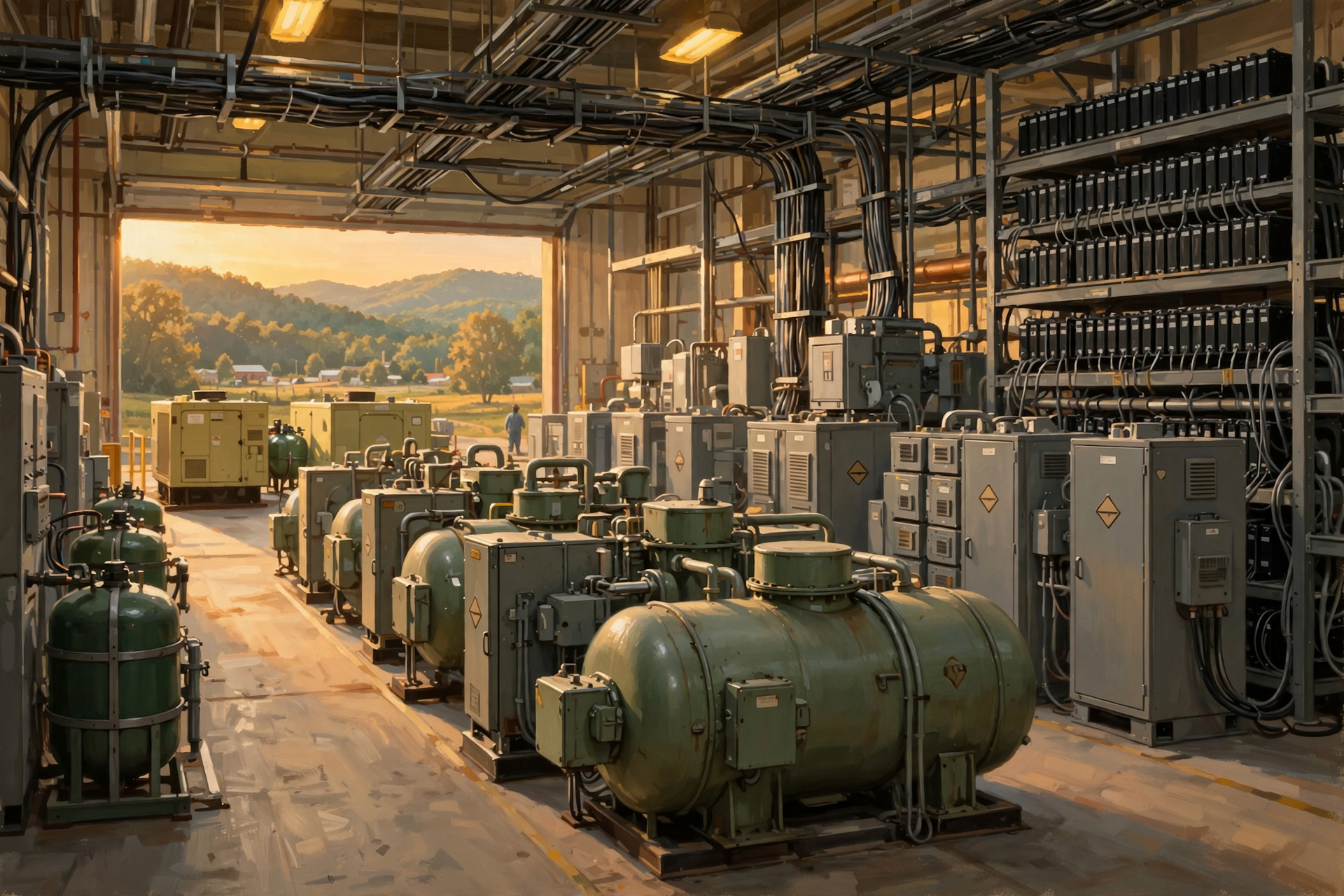
Data centers are expected to keep running even when equipment fails.
That means they can contain additional electrical infrastructure beyond what is required merely to power the computers during normal operation.
Examples may include:
- multiple utility feeds;
- redundant transformers;
- multiple power-distribution paths;
- uninterruptible power supplies;
- battery systems;
- backup generators;
- and duplicated equipment.
Some of this equipment may spend most of its life waiting.
That is the point.
A spare tire looks terribly unproductive until the tire goes flat.
Why Batteries?
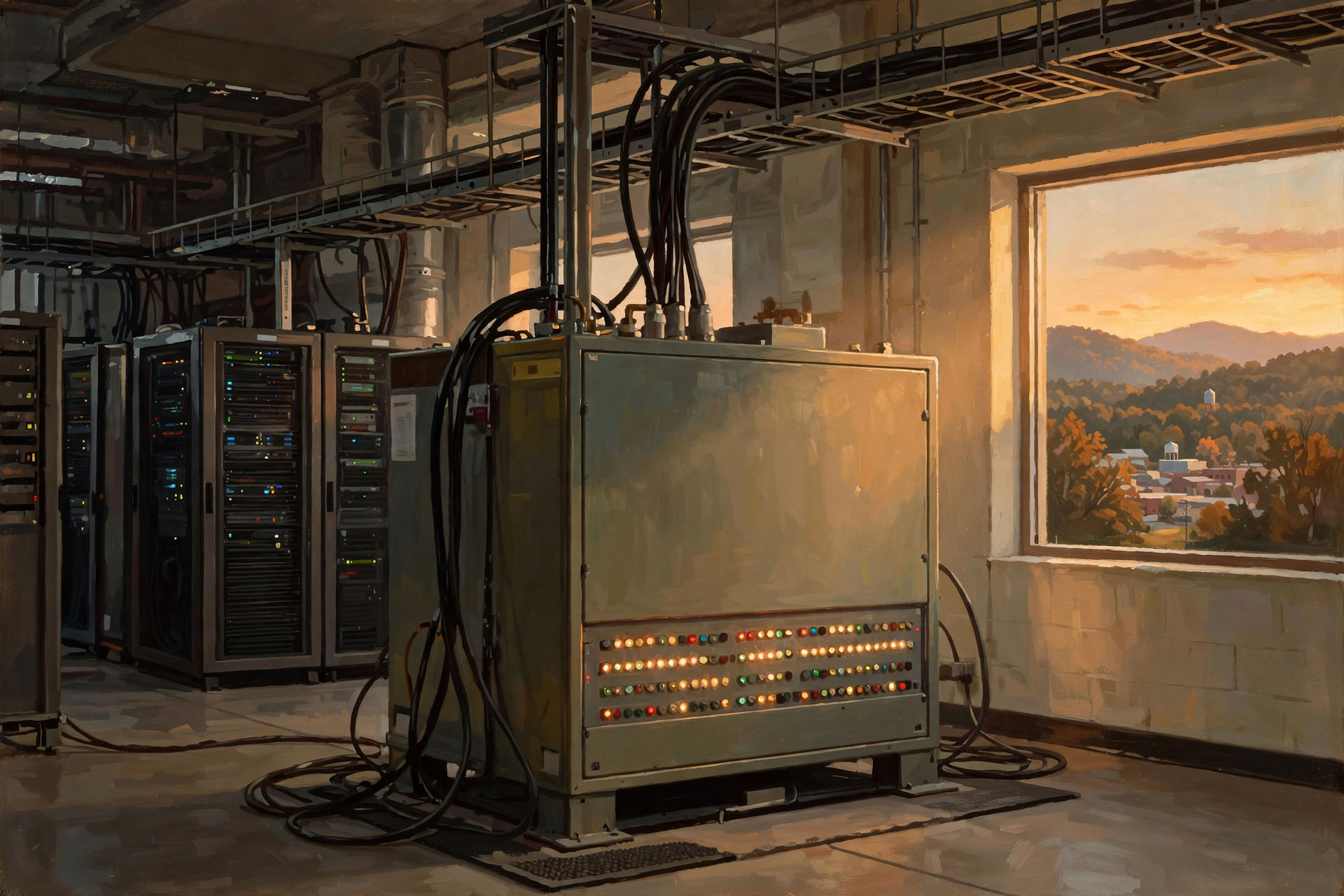
Computer systems do not appreciate even brief interruptions in electricity.
A backup generator cannot necessarily provide full power at the exact instant utility service disappears.
It has to detect the problem, start and stabilize.
Battery-backed uninterruptible power supplies can bridge that gap.
The transition might last only seconds.
But for computers, seconds without electricity are not a small inconvenience.
They are an outage.
Why Backup Generators?
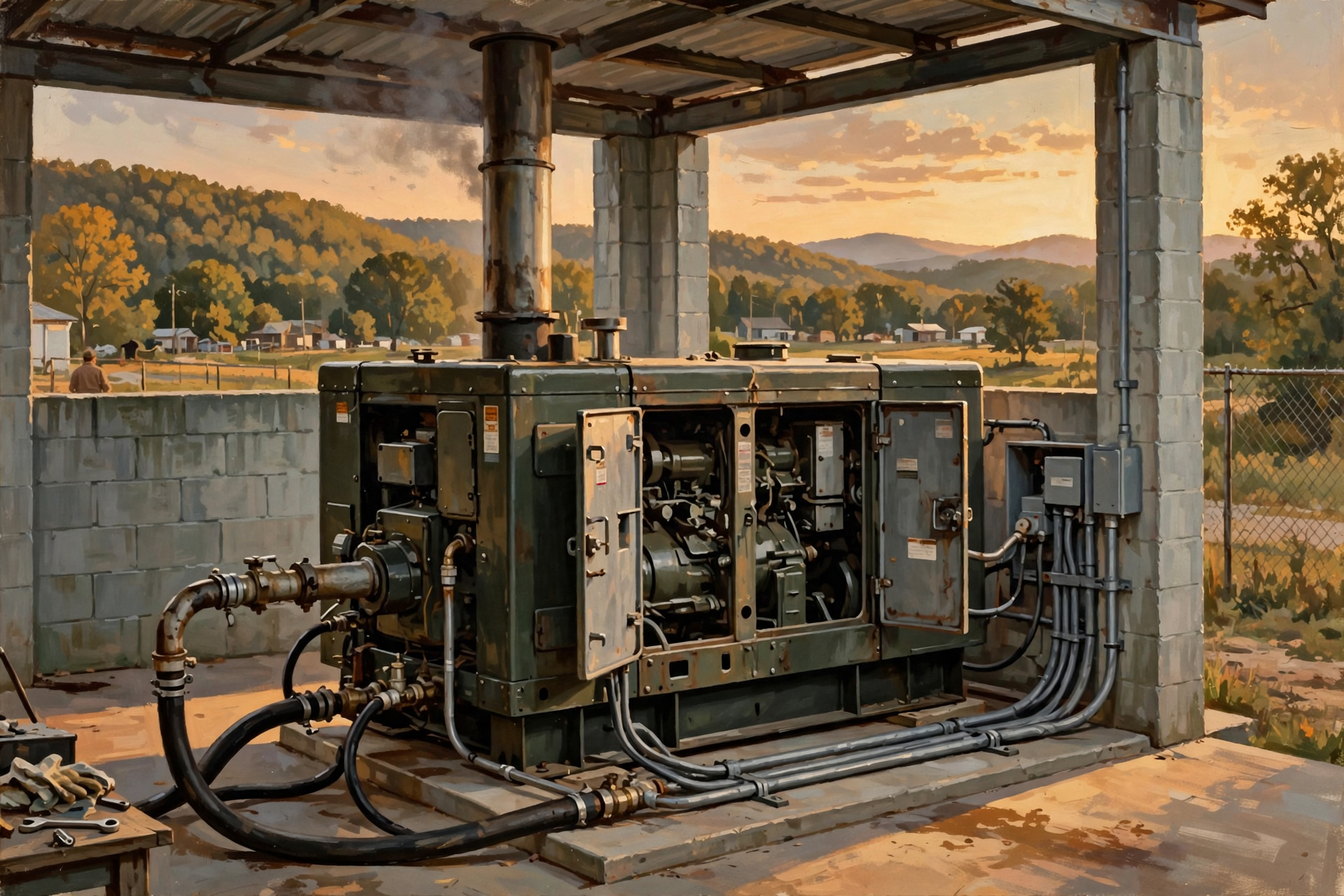
Batteries can provide immediate power, but many facilities also need a way to survive longer utility interruptions.
Backup generators can provide that capability.
The exact design varies enormously among facilities.
Generators also create separate questions about:
- fuel;
- air emissions;
- testing;
- maintenance;
- noise;
- and operating permits.
This is another example of why a data center is more than a computer building.
So What Does a Megawatt Actually Mean?

Large data-center discussions quickly begin throwing around megawatts.
One megawatt equals one million watts of power.
But there is an important distinction between power and energy.
A megawatt tells us the rate at which power is being used or supplied at a moment in time.
A megawatt-hour describes one megawatt used continuously for one hour.
Think about water.
Gallons per minute describes flow rate.
Total gallons describes how much water moved over time.
Megawatts and megawatt-hours have a somewhat similar relationship.
Power Versus Energy: Don’t Mix Them Up

This distinction becomes important in public discussions.
If someone says a proposed data center requires 200 megawatts, that describes potential electrical demand—not necessarily exactly how much energy it will consume every hour of every day forever.
Actual consumption varies with:
- how much equipment is installed;
- how heavily the equipment is used;
- construction phases;
- cooling conditions;
- maintenance;
- efficiency;
- and workload.
Electrical capacity and annual electricity consumption are related.
They are not the same number.
How Much Electricity Are U.S. Data Centers Using?
The U.S. Department of Energy’s 2025 update estimated that U.S. data centers consumed about 192 terawatt-hours of electricity in 2024, representing approximately 4.7 percent of total U.S. electricity consumption.
Those numbers cover the entire U.S. data-center sector, not one facility.
DOE’s reference forecast shows substantially higher consumption later this decade as conventional computing and AI infrastructure grow.
Forecasts can change as technology, economics, construction and AI demand change.
But the current direction is clearly upward.
Globally, the Same Trend Is Happening

The International Energy Agency estimated that data centers consumed roughly 415 terawatt-hours globally in 2024, about 1.5 percent of worldwide electricity consumption at the time.
The IEA’s newer 2026 outlook estimates around 485 terawatt-hours in 2025 and projects roughly 950 terawatt-hours by 2030 in its central case.
That is a projection, not a guarantee.
Efficiency improvements, AI adoption, economics, grid bottlenecks and construction constraints could move the actual number higher or lower.
But the important point for local communities is slightly different.
The Global Percentage Can Be Small While the Local Impact Is Huge
This is a crucial distinction.
A few percentage points of global or national electricity consumption may not sound enormous.
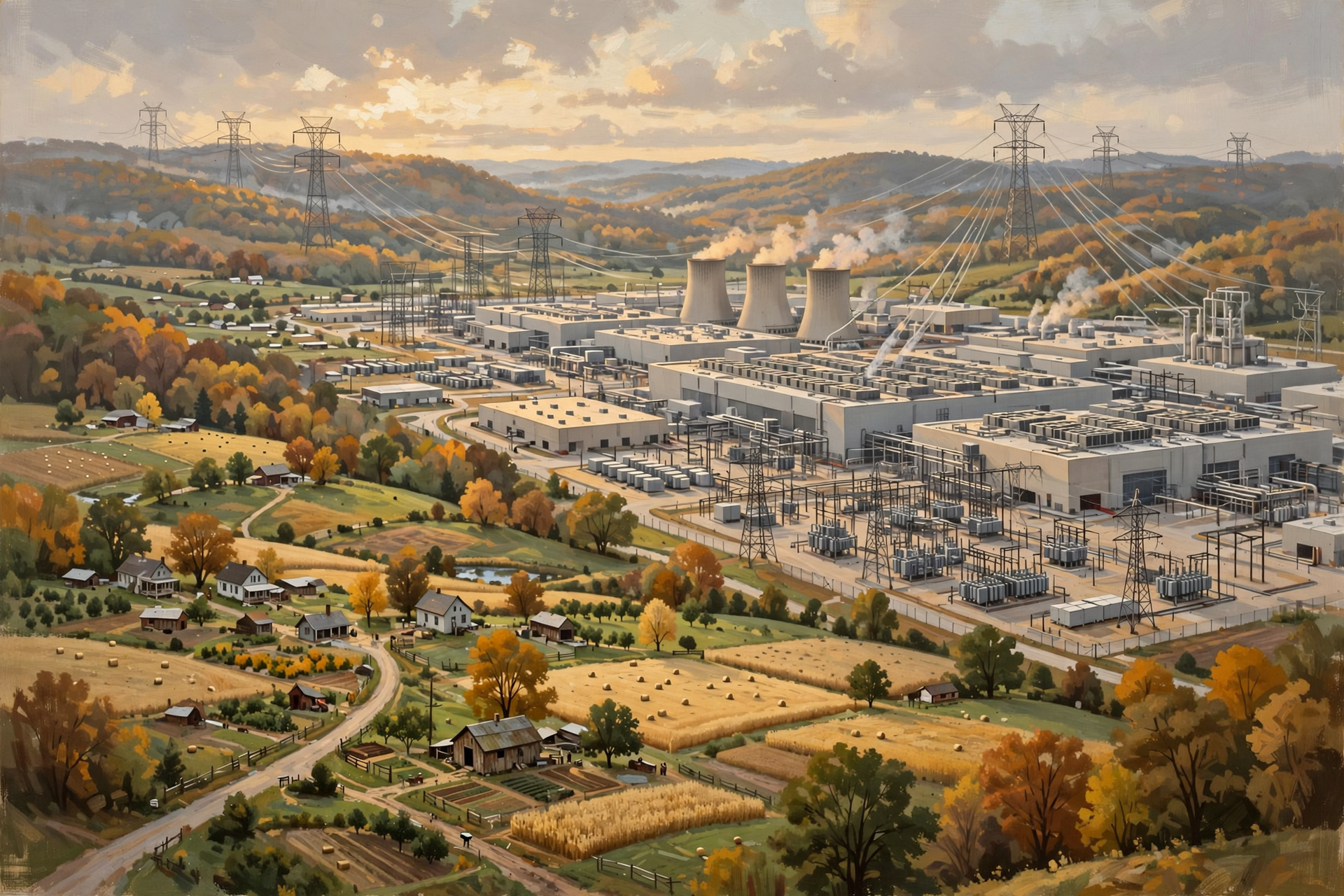
But data centers are concentrated in particular locations.
The IEA emphasizes that large data-center loads can have much greater effects on local electrical systems than their share of worldwide electricity consumption might suggest.
Imagine adding one very large industrial customer to a small electric system.
Nationally, almost nothing changes.
Locally, everything can change.
That Is Why Communities Care About Megawatts
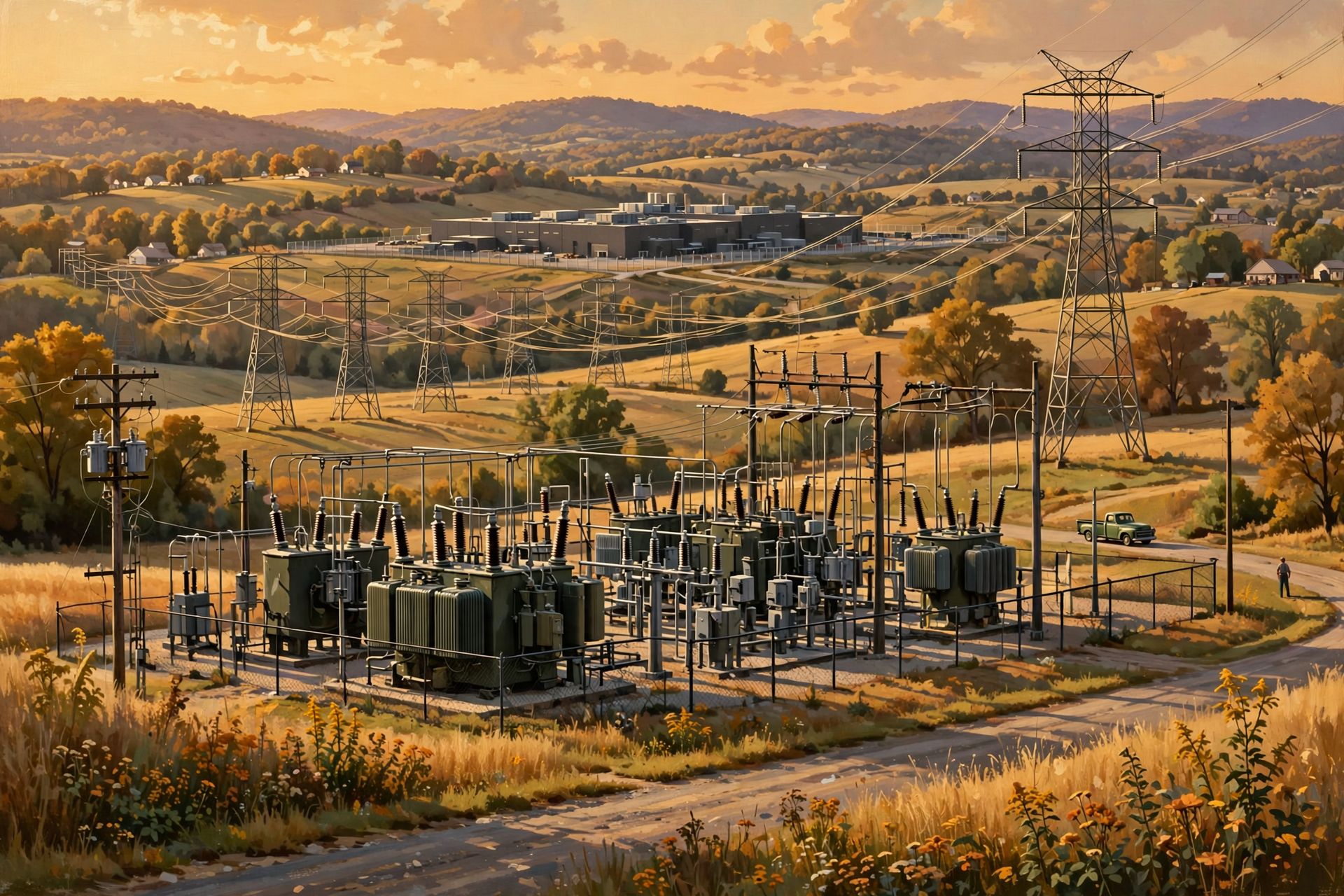
A large data center might require:
- a new substation;
- larger transformers;
- new transmission lines;
- distribution upgrades;
- additional generation capacity;
- or some combination of those investments.
The data center may occupy one property.
The electrical infrastructure supporting it can extend far beyond the fence.
This Is Directly Relevant to TVA

The Tennessee Valley is not watching this trend from a distance.
In its 2026 Integrated Resource Plan process, TVA identified population growth and data-center growth as major contributors to increasing electricity demand in the region.
That does not mean every new TVA power project exists solely because of data centers.
Electric demand also grows because of population, industry, economic development, electrification and other factors.
But data centers are now large enough to appear explicitly in long-range utility planning.
That is an important change.
Why Can’t TVA Just Make More Electricity?
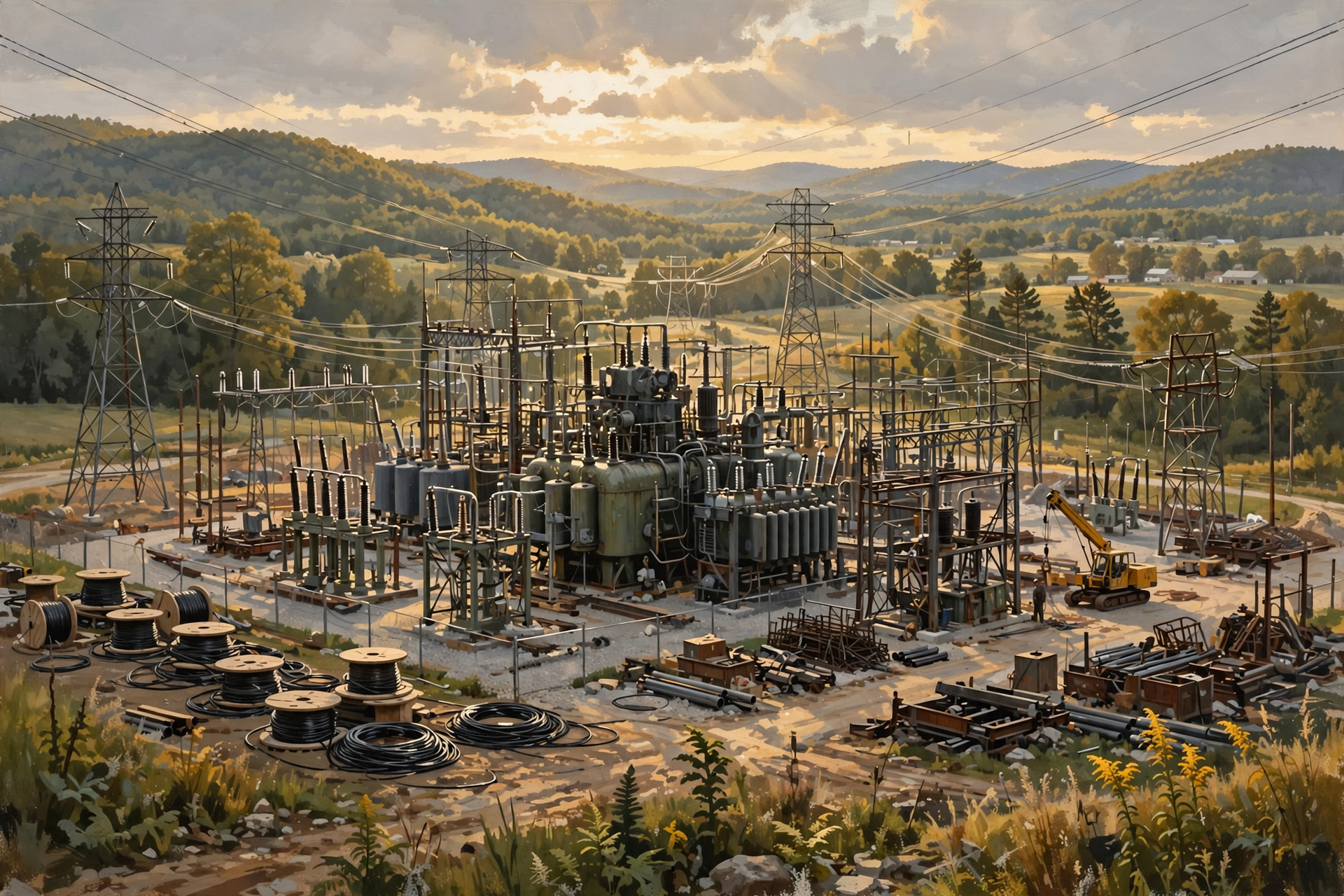
It can build or obtain more generation.
But the word just hides most of the difficulty.
Power systems require planning.
New generating resources can require:
- permits;
- land;
- fuel arrangements;
- transmission;
- equipment;
- financing;
- construction;
- and years of lead time.
Large transformers and other grid equipment can also have long manufacturing lead times.
The IEA notes that major transmission projects in advanced economies can require years to complete and that electrical-equipment supply chains have become an important constraint on data-center growth.
You can install servers much faster than you can build an electric grid.
The World’s Most Advanced AI Chip Can Still Wait on a Transformer
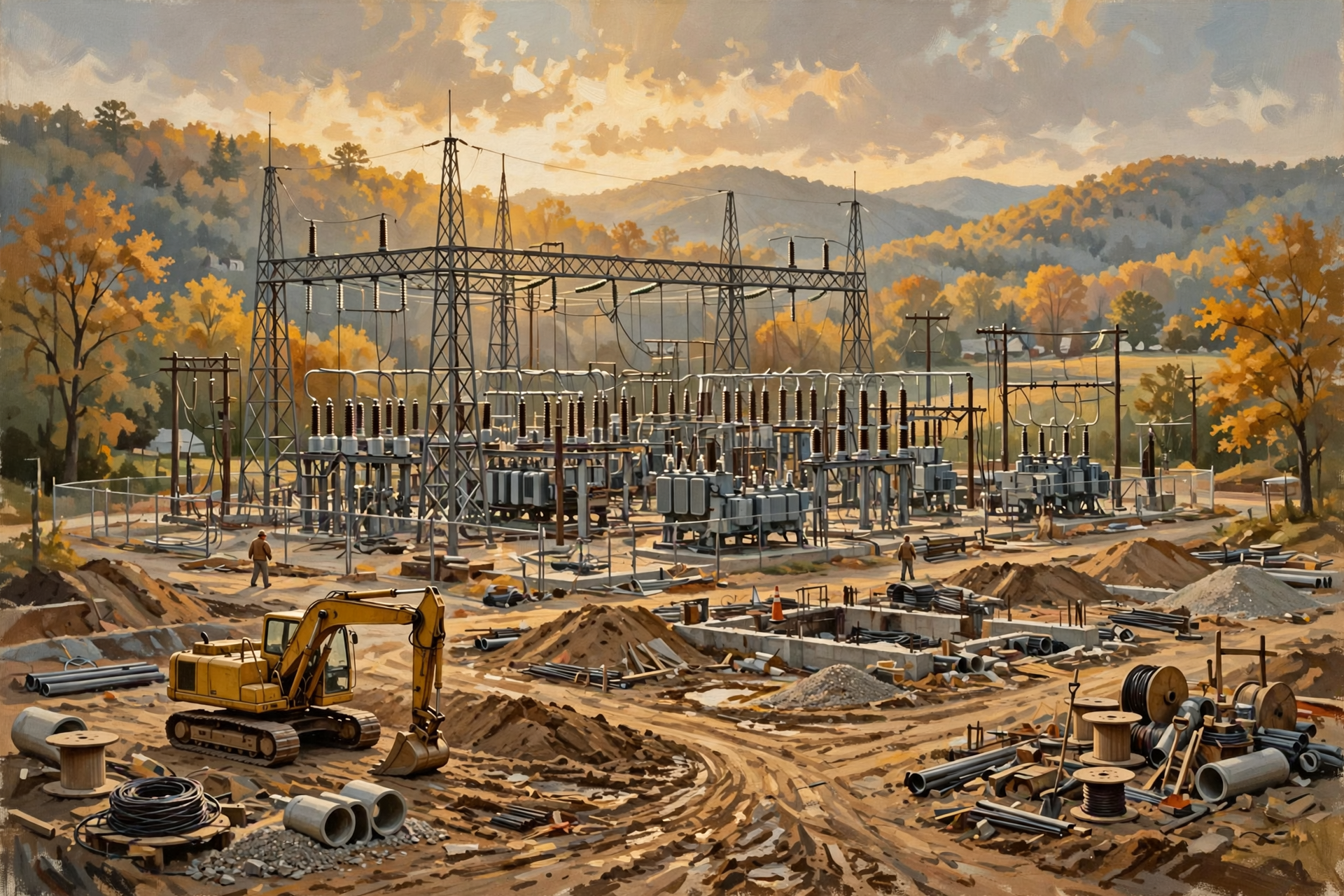
There is something wonderfully humbling about this.
A company may possess processors capable of performing astonishing quantities of artificial-intelligence computation.
It may employ some of the world’s best engineers.
It may have billions of dollars available for construction.
And the project can still be delayed because:
The substation is not ready.
Artificial intelligence may be futuristic.
Electrical infrastructure remains stubbornly physical.
Do Data Centers Run at Full Power All the Time?
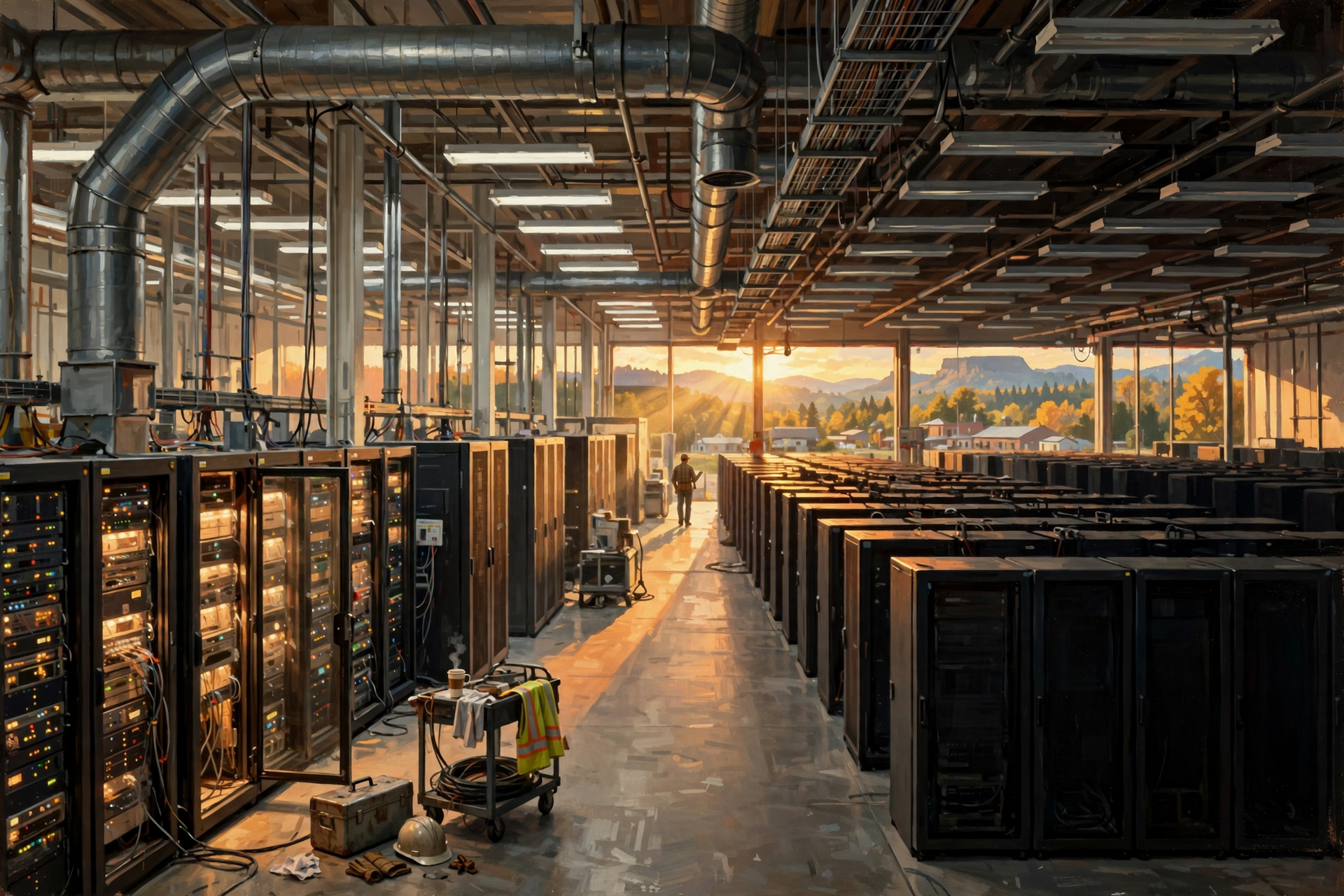
Not necessarily.
Computing loads change.
Some services have daily peaks.
AI training can produce different electrical patterns from ordinary web hosting.
Equipment may be idle.
Servers may be taken offline.
New buildings may not yet be fully populated.
And large campuses may take years to reach full buildout.
This is why communities should distinguish among:
- requested electrical capacity;
- expected peak demand;
- average demand;
- annual electricity consumption;
- and full-buildout projections.
Those are not interchangeable numbers.
AI Can Also Create Rapid Changes in Power Demand
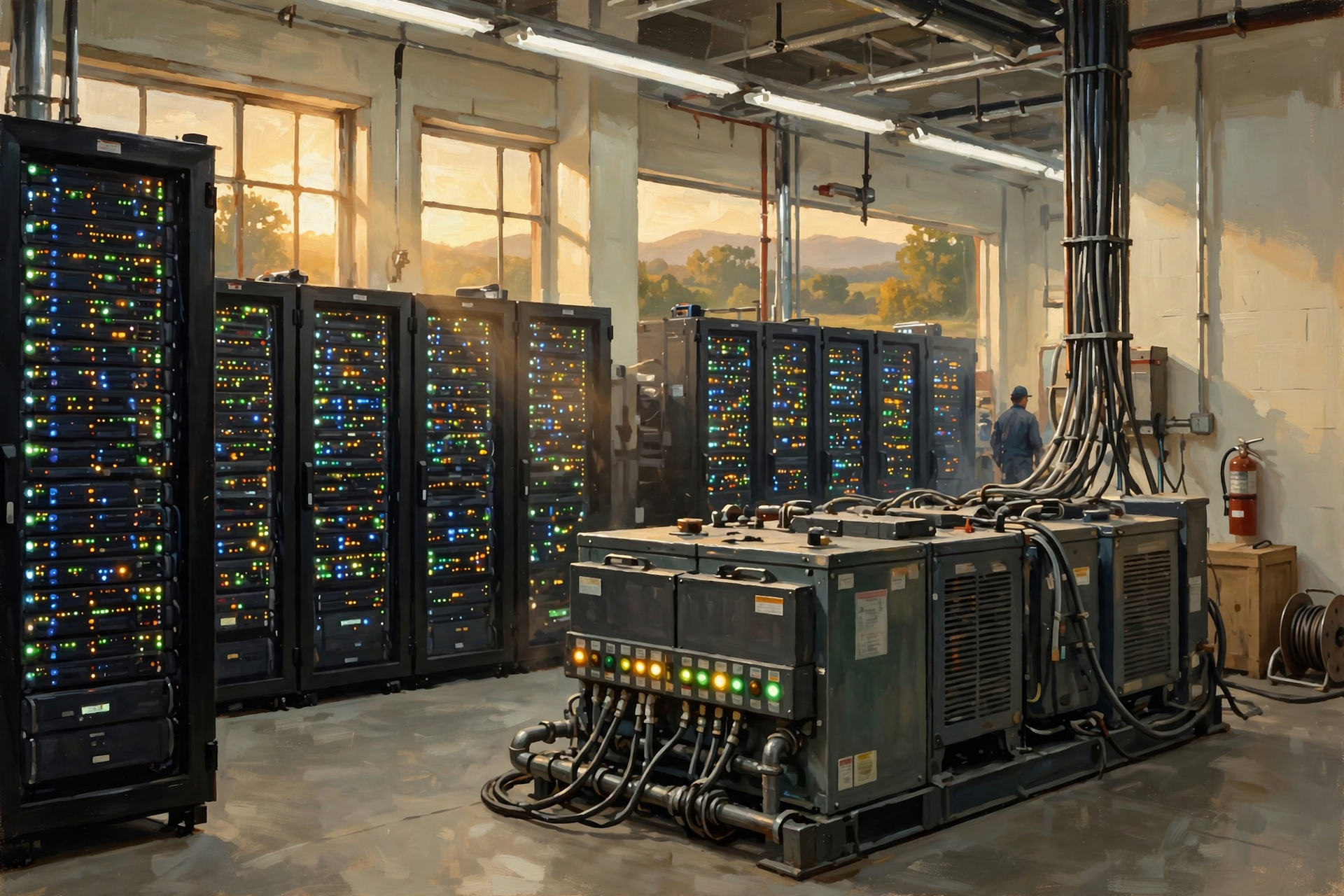
The newest AI workloads introduce another engineering challenge.
Thousands of accelerators can begin or finish computational work together.
The IEA’s 2026 analysis notes that AI training and model use can create rapid power swings compared with some traditional data-center operations.
That means operators increasingly consider batteries and other energy-management technologies not merely for outages, but also as tools for stabilizing electrical demand inside the facility.
Could Data Centers Help the Grid Instead of Hurting It?
Potentially, in certain arrangements.
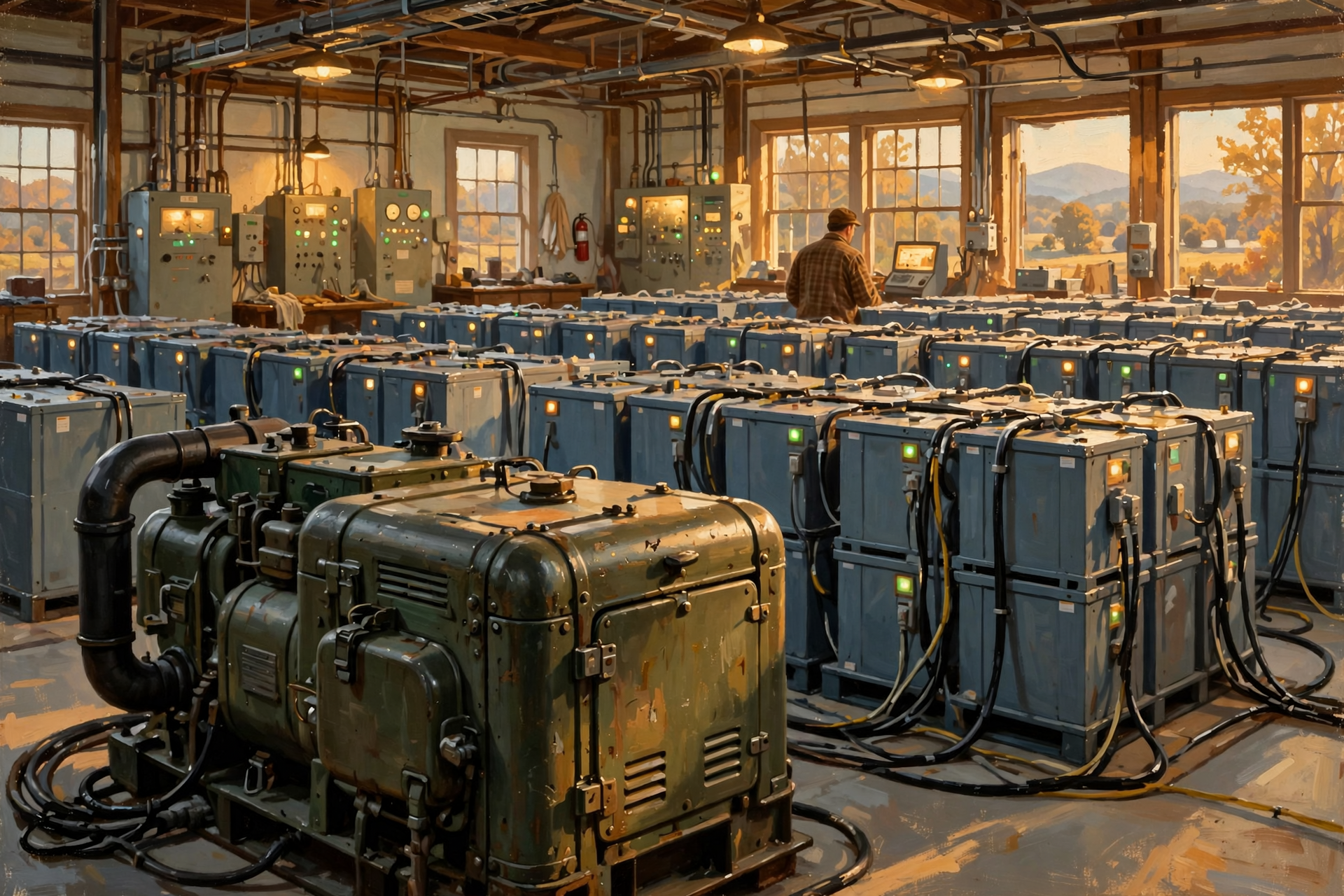
Data centers may have assets such as:
- batteries;
- backup generation;
- flexible computing workloads;
- and spare server capacity.
In principle, some workloads could be shifted away from periods when the grid is stressed.
Battery systems could potentially participate in grid-support programs.
Backup generation might play a limited role under carefully structured arrangements.
The IEA identifies this flexibility as an area with significant potential but notes that it remains underused.
So the relationship between a data center and the electric grid does not necessarily have to be:
Data center demands power; utility supplies it.
Future arrangements could become more sophisticated.
But Flexibility Is Not Free
Imagine paying enormous amounts of money for AI hardware and then shutting it off every afternoon because electricity is expensive.
That may not be economically attractive.
Some computing jobs can be delayed.
Others cannot.
A backup operation scheduled overnight is flexible.
A customer asking an AI service a question expects the answer now.
So one of the interesting future questions will be:
Which data-center workloads can move in time, and which must run immediately?
Efficiency Matters Enormously
Electricity is expensive.
Cooling equipment is expensive.
Substations are expensive.
Transmission capacity is expensive.
Therefore, operators have strong financial incentives to squeeze as much useful computing as possible from each megawatt.
Improvements can come from:
- better processors;
- better software;
- more efficient AI models;
- better power conversion;
- improved cooling;
- higher server utilization;
- better workload scheduling;
- and more efficient facility design.
Saving one percent at enormous scale can represent serious money.
How Do We Measure Data Center Efficiency?

One commonly used measure is Power Usage Effectiveness, or PUE.
In simplified terms, PUE compares the electricity used by the entire data center with the electricity used directly by the computing equipment.
If nearly all incoming electricity reaches the computing equipment, the facility is highly efficient from that particular perspective.
If a large portion goes to cooling and other supporting systems, the number is worse.
PUE is useful.
But it does not tell us everything.
A highly efficient 500-megawatt data center can still consume much more electricity overall than an inefficient 5-megawatt facility.
Efficiency and total consumption remain different questions.
Hold On—Is That True? “Most Data Center Electricity Is Wasted on Air Conditioning”
No.
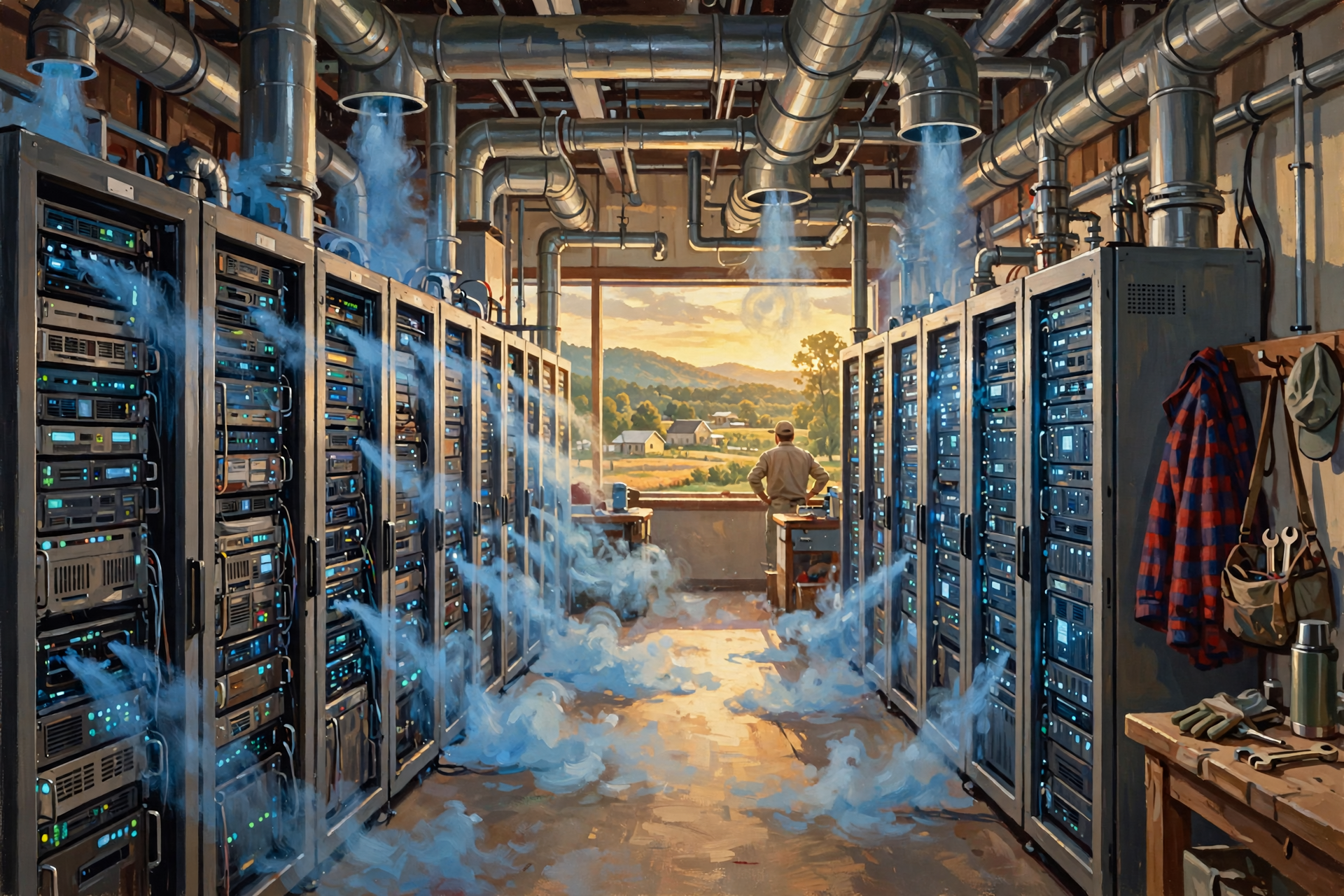
Cooling can be a meaningful part of data-center electricity demand, but servers and other computing equipment are typically major consumers themselves.
The exact breakdown varies by facility, climate, equipment, design and operating conditions.
Modern operators also work aggressively to reduce cooling overhead because wasted electricity costs money.
Hold On—Is That True? “AI Uses More Electricity Because the Computers Are Inefficient”
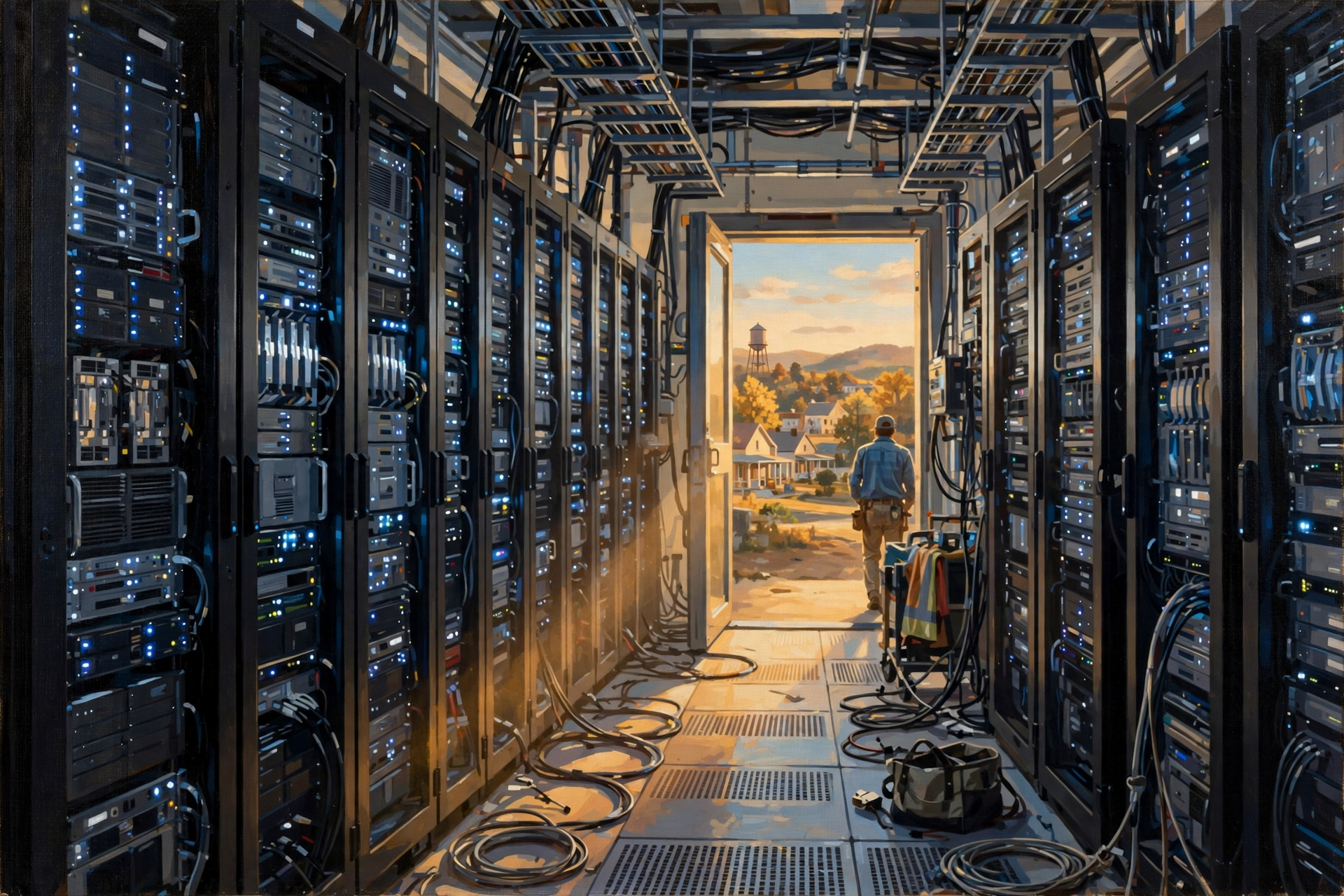
That is misleading.
Modern AI chips can be extraordinarily efficient at the computations they were designed to perform.
The issue is that we are performing an enormous number of calculations and packing increasingly powerful processors into each rack.
Efficiency per calculation can improve dramatically while total electricity demand still increases.
Hold On—Is That True? “Every Megawatt Used by a Data Center Is Taken Away From Somebody’s House”

Not that simply.
Electric systems are planned around generation, transmission, distribution, expected demand and reliability.
New large customers can cause utilities to add infrastructure or generation.
The important questions are:
- what new capacity is required;
- how quickly it can be built;
- who pays for it;
- how costs are allocated;
- and whether existing customers are protected from inappropriate cost shifting.
That is a utility-planning question, not a matter of one extension cord being unplugged from a house and plugged into a data center.
Hold On—Is That True? “More Data Centers Automatically Mean Higher Residential Electric Bills”

Not automatically.
Large new electric loads can create costs, but they can also create substantial utility revenue.
Whether other customers benefit, pay more, pay less or see little effect depends on:
- rate design;
- infrastructure costs;
- special contracts;
- generation investment;
- transmission investment;
- how costs are allocated;
- and whether projected demand actually materializes.
This deserves an entire article of its own.
And it will get one.
The Most Important Local Question May Be “Who Pays?”
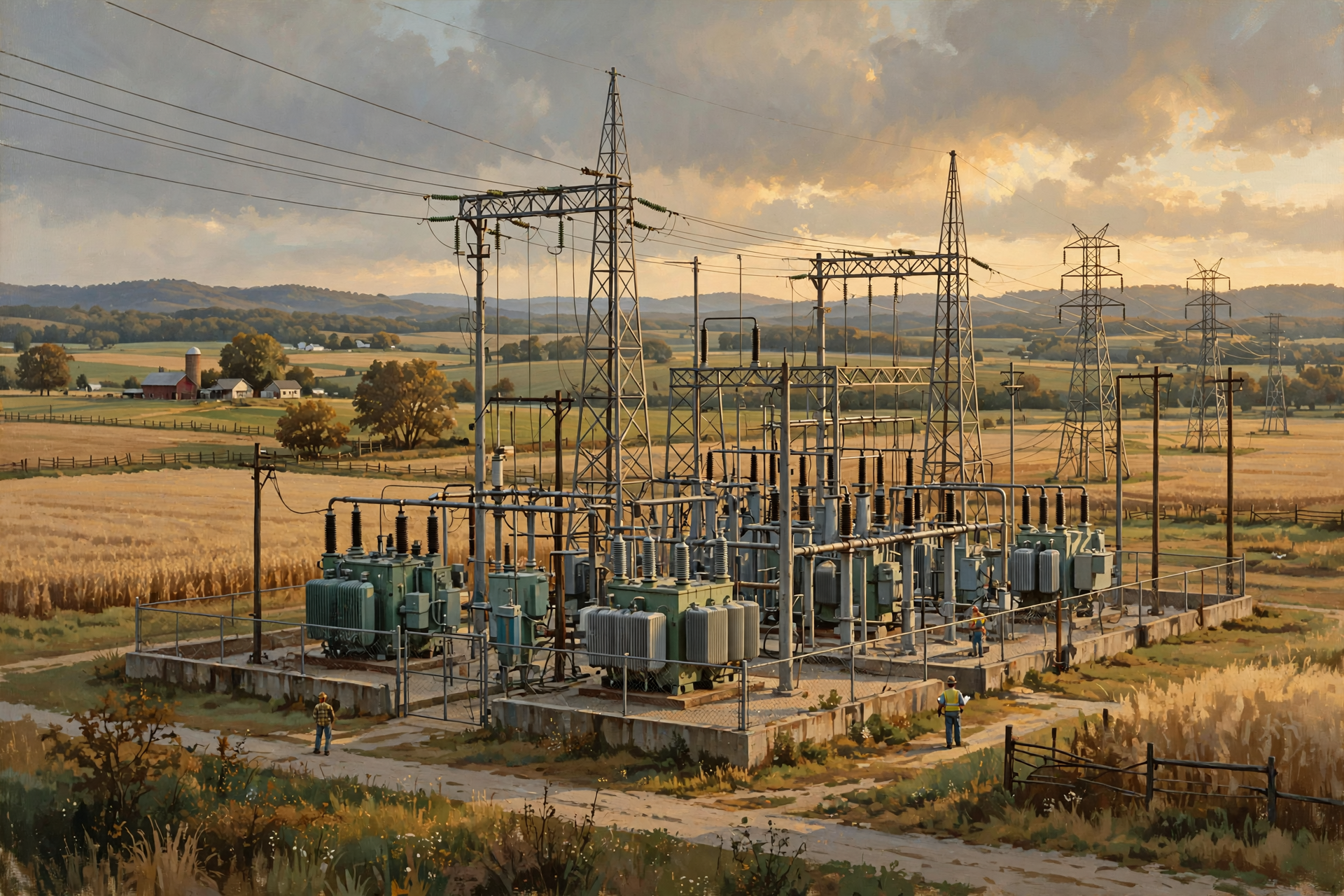
Suppose a data center requires:
- a new substation;
- additional transmission;
- new generation;
- large transformers;
- and other utility equipment.
Those assets cost money.
The useful civic question is not simply:
Does the data center use a lot of power?
The better questions are:
What new electrical infrastructure is required?
and:
Who is financially responsible for it?
That is where a technical electricity discussion becomes a community economic discussion.
Ten Electricity Questions to Ask About a Data Center

- What is the electrical requirement of Phase One?
- What is the maximum requirement at full buildout?
- What is the expected average demand compared with peak demand?
- Does the project require a new substation?
- Does it require transmission upgrades?
- Does additional generation need to be built or contracted?
- Who pays for each infrastructure upgrade?
- What rate structure will apply to the data center?
- What protections exist for other utility customers if projected demand does not materialize?
- Can any of the facility’s computing load, batteries or backup resources operate flexibly during grid stress?
Plain-English Glossary
Watt: A unit measuring the rate at which electrical power is being used or produced.
Kilowatt: One thousand watts.
Megawatt: One million watts.
Gigawatt: One billion watts, or 1,000 megawatts.
Megawatt-hour: The amount of energy represented by one megawatt used continuously for one hour.
Peak demand: The highest electrical load reached during a particular period.
Average demand: The average amount of power used over a period of time.
Power density: The amount of electrical power used within a particular physical area or server rack.
Substation: Electrical infrastructure used to transform, switch and distribute electricity between different parts of the power system.
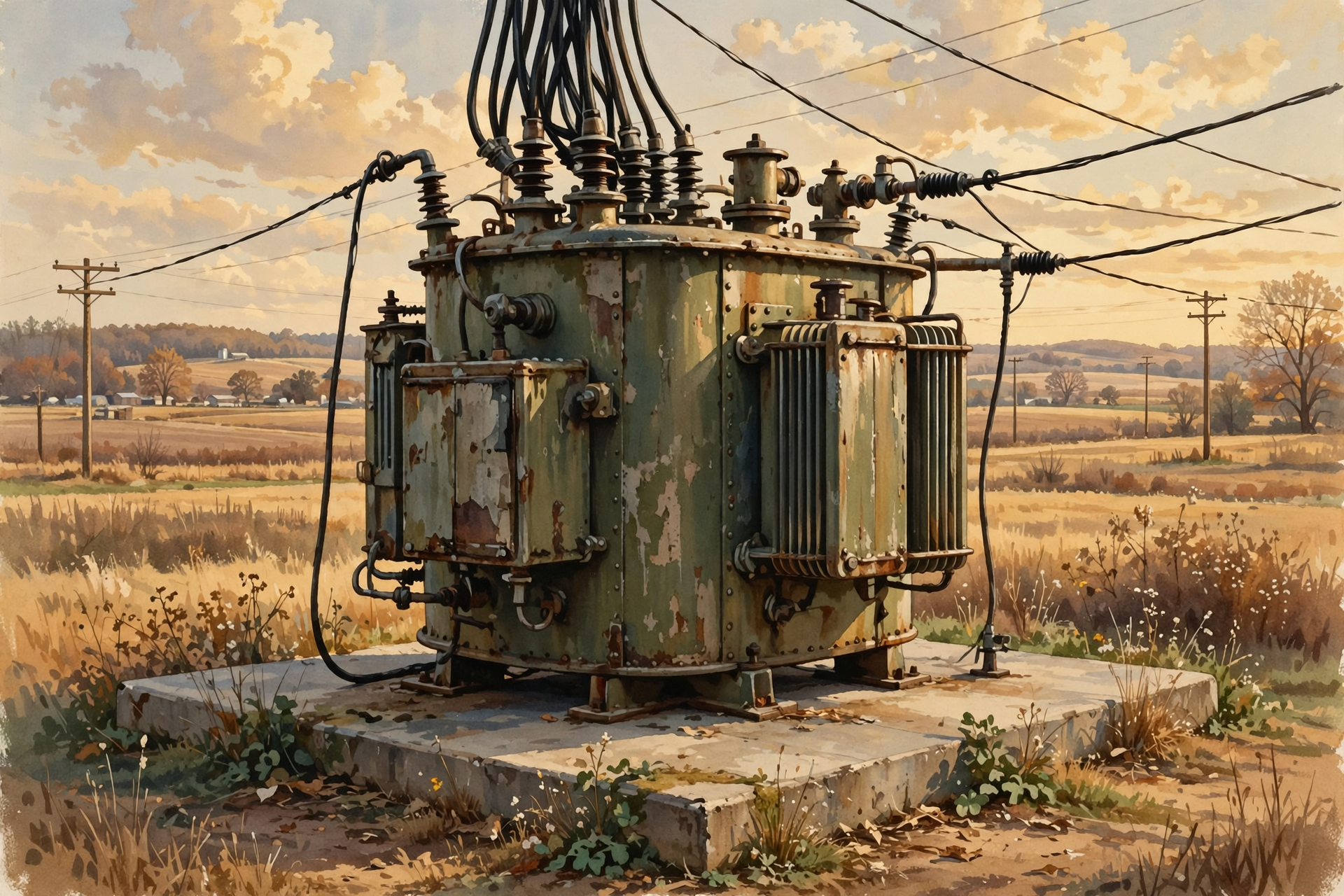
Transformer: Equipment used to change electrical voltage.
Transmission: High-voltage infrastructure used to move large amounts of electricity over longer distances.
UPS: Uninterruptible power supply. Equipment that provides immediate temporary electricity when normal power is interrupted.
PUE: Power Usage Effectiveness, a metric comparing total data-center electricity use with the electricity used directly by computing equipment.
FAQ
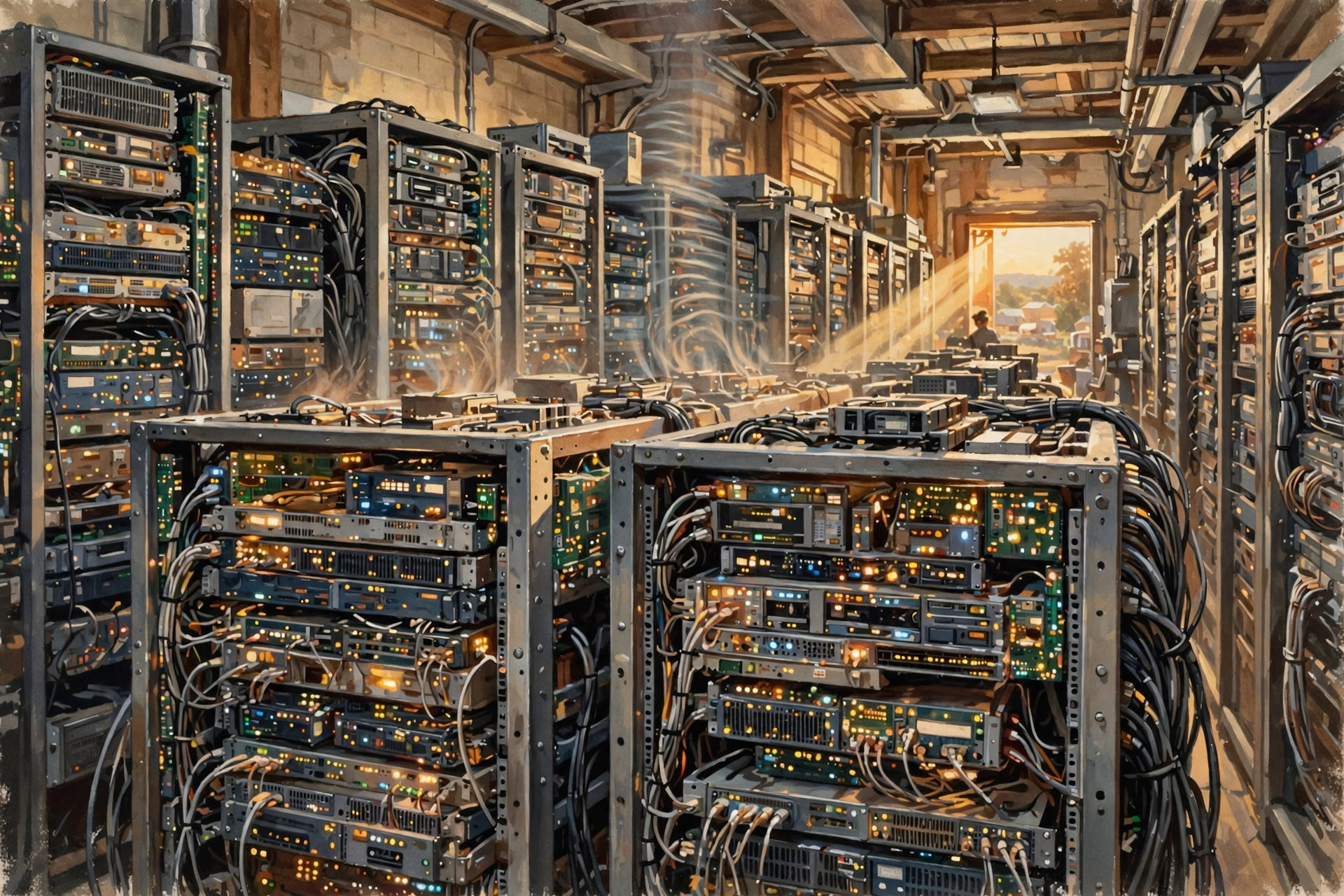
What uses the most electricity in a data center?
Servers and other computing equipment are major consumers, while cooling and supporting infrastructure add additional demand. The exact breakdown varies by facility and workload.
Why does AI use more electricity than ordinary computing?
Some advanced AI workloads use large numbers of high-powered accelerators performing enormous numbers of calculations. AI also allows very high computing power to be concentrated into each rack.
Does a data center use its full electrical capacity all the time?
Not necessarily. Actual demand can change with workload, equipment installation, operating conditions and construction phases. Maximum electrical capacity, peak demand and average consumption should be treated as different measurements.
Why can’t data centers simply use less electricity at night?
Many data centers operate around the clock because users and businesses operate around the world. Some workloads can be shifted in time, while interactive services and other real-time applications must respond when users need them.
Can batteries power a data center?
Batteries can provide short-term backup and potentially other grid-support functions, but powering a large facility for extended periods requires very large amounts of stored energy. Backup generation or utility supply generally remains important.
Does better technology mean data-center electricity demand will eventually fall?
It could if efficiency improves faster than computing demand grows. At present, however, computing demand—especially from AI—is growing quickly enough that major energy organizations project continued increases despite improving efficiency.
Are data centers a large share of all electricity consumption?
Nationally and globally they remain a minority share, but large facilities are geographically concentrated. That means their effect on a particular local grid can be much larger than national or global percentages suggest.
Wisdom From the Front Porch

One electric fence charger isn’t much of a load. Ten thousand of anything eventually gets the utility’s attention.
That is the simplest answer to today’s question.
A data center does not use enormous amounts of electricity because computers are inherently wasteful.
It uses enormous amounts because there can be an enormous amount of computing happening in one place.
Processors compute.
Memory feeds them.
Storage remembers.
Networks move information.
Cooling carries away the heat.
Batteries stand ready for interruptions.
Generators provide backup.
And electrical infrastructure keeps the entire operation running.
Once that computing grows to hyperscale or AI-campus proportions, electricity stops being merely a monthly operating expense.
It becomes one of the central questions determining where the data center can be built at all.
Want to Learn More About Data Centers and Tennessee’s Electric Future?

If today’s explanation left you wondering how a very large new electrical customer fits into TVA’s grid, who pays for substations and transmission upgrades, whether residential customers are affected, and how communities should judge those tradeoffs, those are exactly the questions worth asking next.
The Van Buren Digital Frontier Symposium on November 19 offers an opportunity to continue learning about data centers, artificial intelligence and the physical infrastructure behind them.
You do not need an electrical-engineering degree to participate. People who understand utilities, construction, local government, farms, manufacturing, land, business and household budgets already understand many of the practical issues involved when a new project requires industrial-scale electricity.
The purpose is not to decide in advance that a data center’s electricity demand is either automatically good or automatically bad. The useful questions are how much power a particular project needs, what infrastructure that requires, who pays for it, what economic value the project creates and whether the agreement protects the broader community.
For more information, visit the Van Buren Digital Frontier Symposium listing on Dunlap.Directory or the Van Buren Digital Frontier Symposium Facebook page. Either resource can be used for additional information and event updates.
Other Articles In This Data Center Series

- What Is a Hyperscale Data Center—and Just How Big Is “Hyperscale”?
- CPU, GPU, Server, Storage: What Are All These Machines Actually Doing?
- Why Does Artificial Intelligence Need So Many Data Centers?
- What Happens When You Search Google? Follow One Question Through a Data Center
- What Happens When You Google Something? Follow a Search on a 500-Mile Digital Road Trip
- Not All Data Centers Are the Same: From a Server Closet to an AI Mega-Campus
- If AI Keeps Getting More Efficient, Why Do We Need More Data Centers?
- What Is the Difference Between My PC and an AI PC in a Data Center?
- What Is a Data Center—and What Does It Actually Do?
- A Tour Inside a Data Center: Servers, Racks, Cables and a Whole Lot of Air Conditioning




0 Comments