
Okay, So Data Centers Aren’t Land Hogs. What About Electricity?
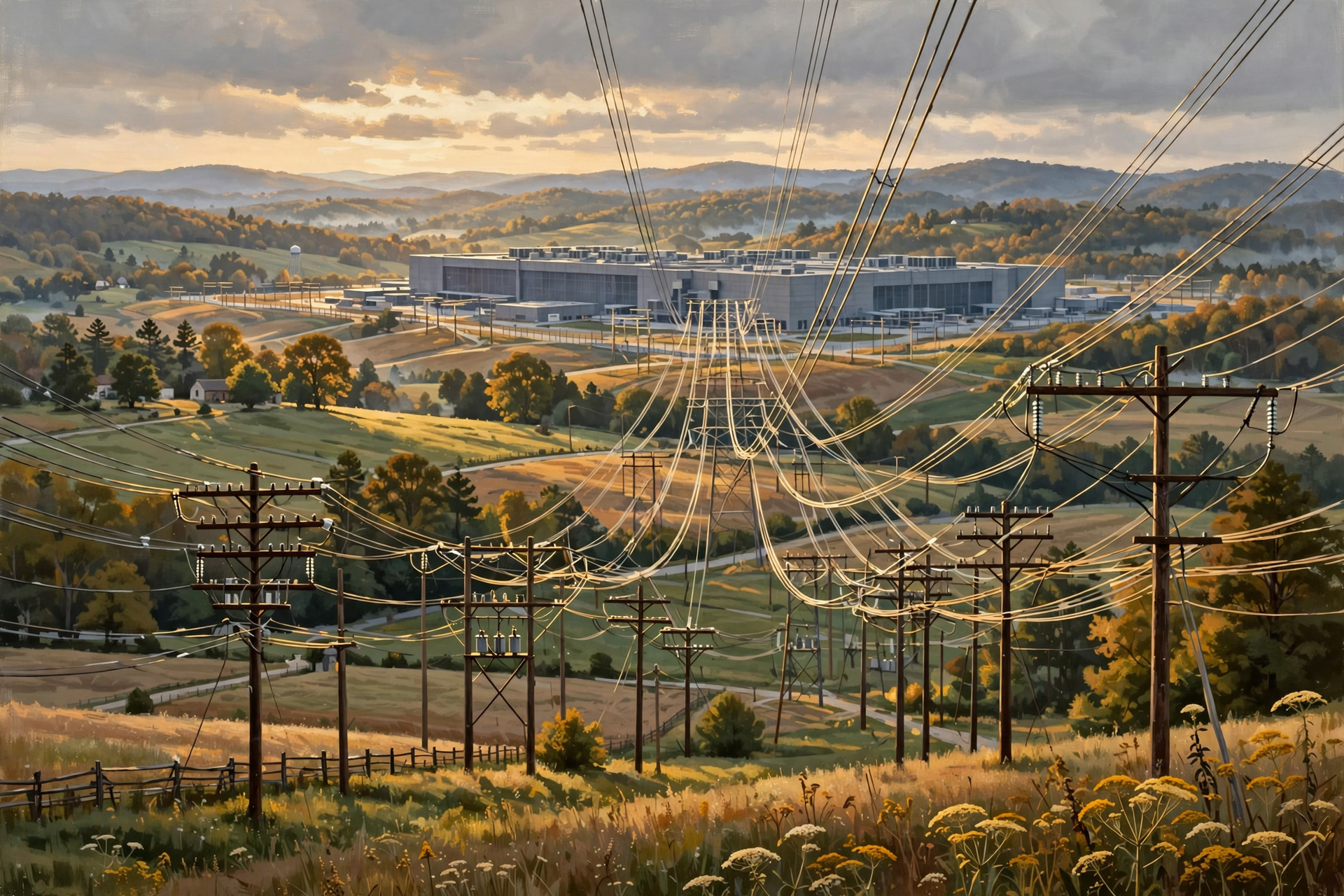
⚡🖥️ Well, we did the acreage.
And if you were hoping I was going to tell you that every concern about data centers disappears once somebody finds a calculator…
I have some bad news.
Land was the easy one.
Electricity?
That’s where this gets interesting.
In our previous discussion, we looked at America’s roughly 2.26 billion acres of land, including nearly 874 million acres classified as land in farms, and compared those numbers with a national data-center footprint measured in perhaps a few hundred thousand acres.
From a national perspective, data centers simply aren’t gobbling up America.
But plug those same buildings into the electrical grid and the story changes.
These things can use a tremendous amount of electricity.
And unlike the land argument, this is not something rural communities should wave away.
But we shouldn’t panic about it either.
Because there’s another possibility hiding inside those power lines.
What if the enormous electricity demand created by artificial intelligence becomes one of the reasons America finally modernizes the electrical system the rest of us depend upon?
⚡ First, Yes: Data Centers Really Do Use That Much Power
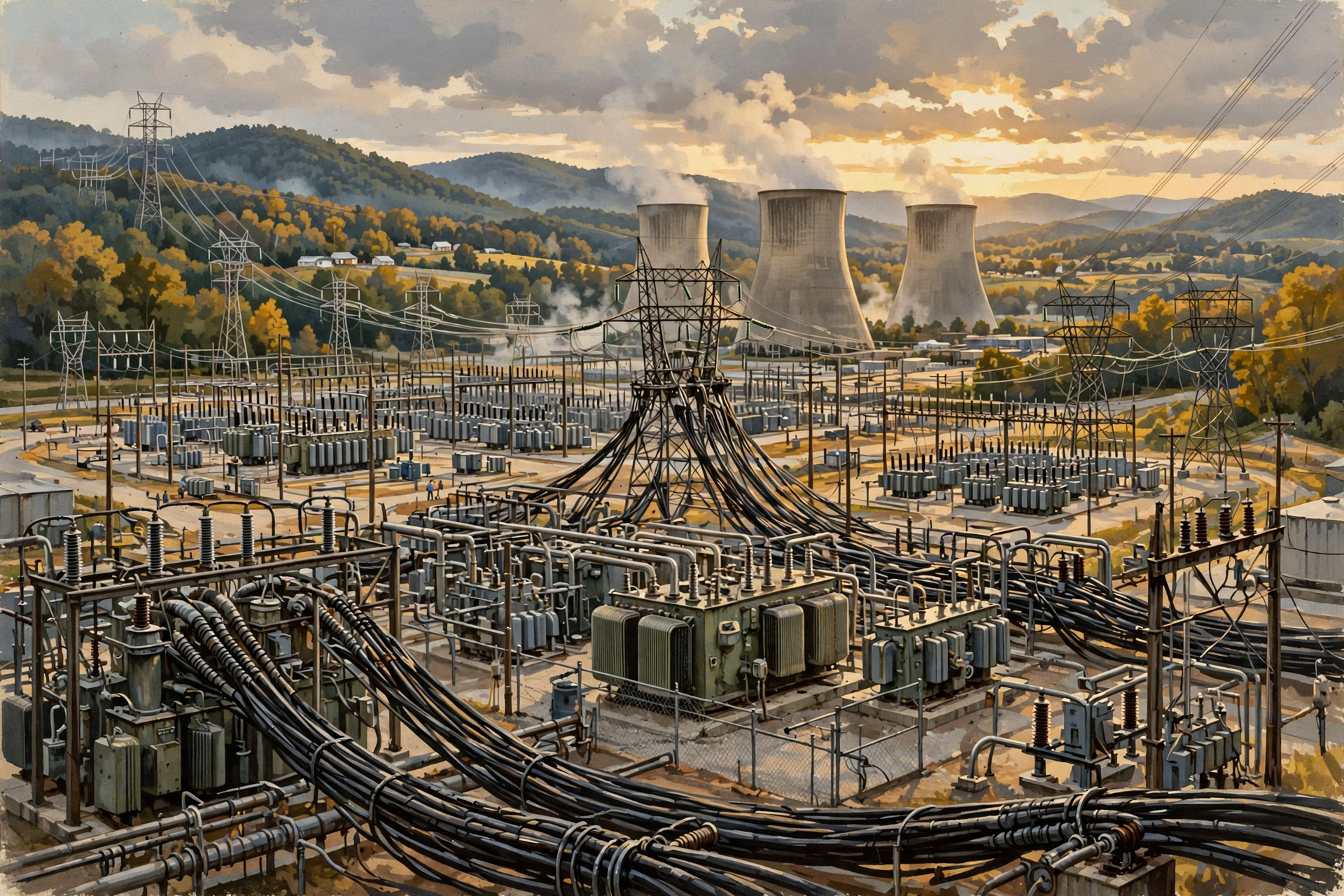
Let’s get something out of the way.
If somebody tells you that modern AI data centers don’t use very much electricity, hand them a calculator.
Then perhaps hand them a larger calculator.
Traditional data centers might consume tens of megawatts.
Large hyperscale AI facilities can demand more than 100 megawatts.
Projects currently being developed or proposed can reach hundreds of megawatts, and some enormous campuses are being discussed in the gigawatt range.
A gigawatt is 1,000 megawatts.
That is no longer a building with a large electric bill.
That is an industrial electrical load large enough to influence the planning of an entire power system.
🏠 Think of It as a Town Full of Computers
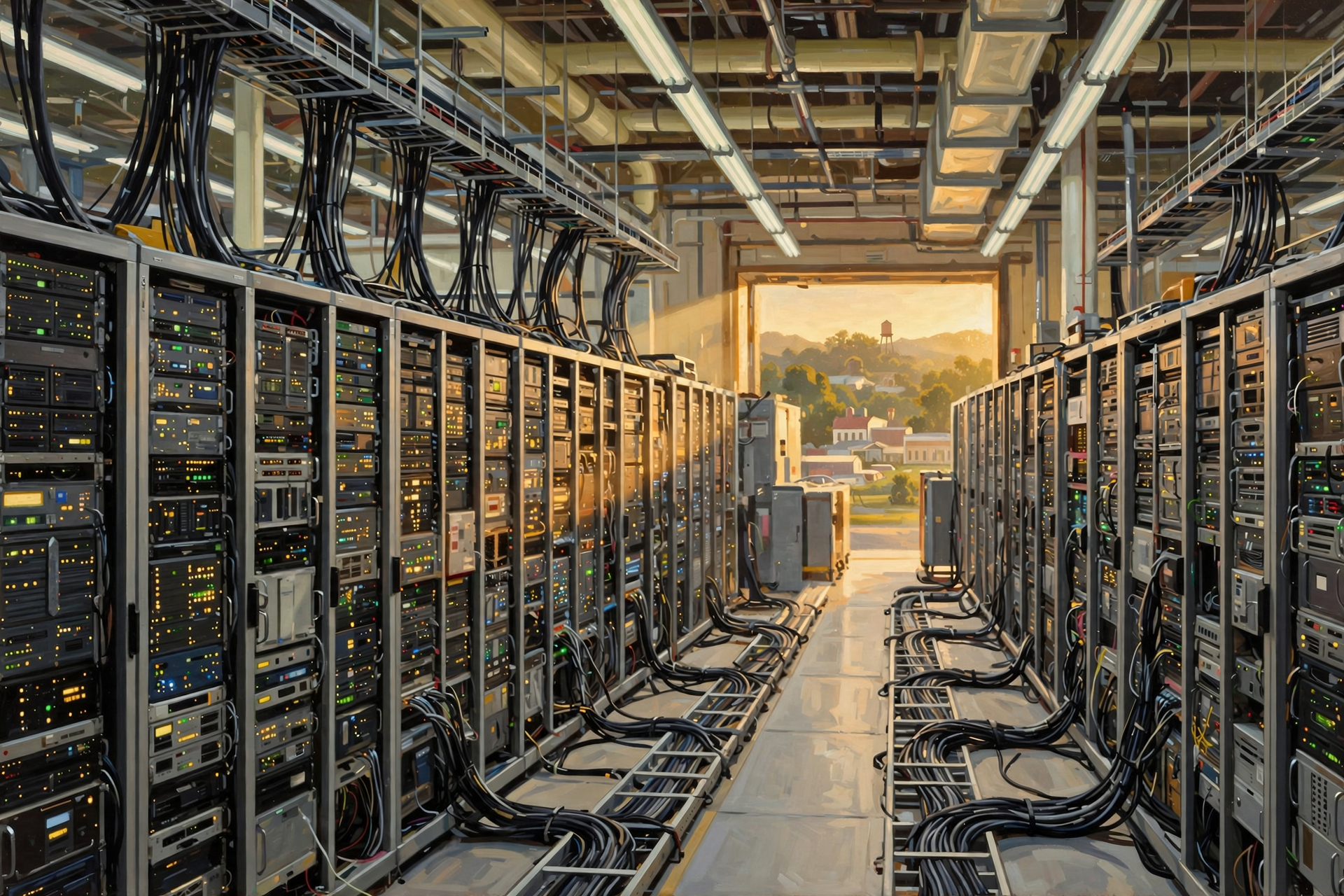
Megawatts aren’t numbers most of us encounter over breakfast.
So let’s put this in human terms.
The International Energy Agency has used a useful comparison.
A hyperscale facility drawing around 100 megawatts can consume electricity on the general scale associated with roughly 100,000 American households.
Now imagine something ten times larger.
Suddenly we aren’t talking about plugging another factory into the wall.
We’re talking about adding the electrical equivalent of an entire population center.
Except there aren’t thousands of refrigerators, washing machines and porch lights inside.
There are rows and rows of computers.
And those computers don’t go to sleep at 10 o’clock.
📈 America Hadn’t Planned on Needing This Much New Electricity This Quickly

Here’s the part of the story that matters most.
For years, American electricity consumption grew very slowly.
Utilities became accustomed to planning in a world where demand was relatively predictable.
Then several things began happening at once.
Factories started coming back.
Vehicles began becoming electric.
Heating began becoming more electric.
Manufacturing facilities became more technologically intensive.
And then artificial intelligence showed up asking where we’d like to plug in the equivalent of a small city.
⚡
The result is something the American power industry hasn’t dealt with in quite a while:
rapid load growth.
📊 The Numbers Really Are Big This Time
⚡ How Big Is the Data Center Power Boom?
2023: Data centers consumed about 4.4% of U.S. electricity.
2030 Berkeley Lab central estimate: approximately 11.8%.
2030 Berkeley Lab scenario range: approximately 9.5%–15.3%.
U.S. electricity-demand growth through 2030: the IEA expects data centers to contribute roughly half.
TVA region: TVA’s 2026 planning identifies the potential need for 11–32 gigawatts of additional generation capacity through 2040.
Forecasts vary significantly because AI adoption, computing efficiency, construction schedules, electricity prices and technology continue changing rapidly. These figures should be understood as planning scenarios rather than guarantees.
Berkeley Lab’s latest national analysis estimates that data centers could consume about 11.8% of all U.S. electricity by 2030 under its central scenario.
Its range runs from approximately 9.5% to 15.3%.
That is worth reading again.
Not one percent.
Potentially somewhere around one-tenth or more of America’s electricity.
The International Energy Agency reaches the problem from another direction.
It expects American electricity consumption to increase substantially through 2030 and estimates that data centers could account for approximately half of the growth.
So unlike the land issue, where zooming out makes the problem look smaller…
zooming out on the electricity issue makes it look bigger.
🤠 And Right Here in Tennessee, TVA Has Noticed
This isn’t merely a Northern Virginia problem.
It isn’t merely a Silicon Valley problem.
And it isn’t a problem that lives somewhere on the other side of the Internet.
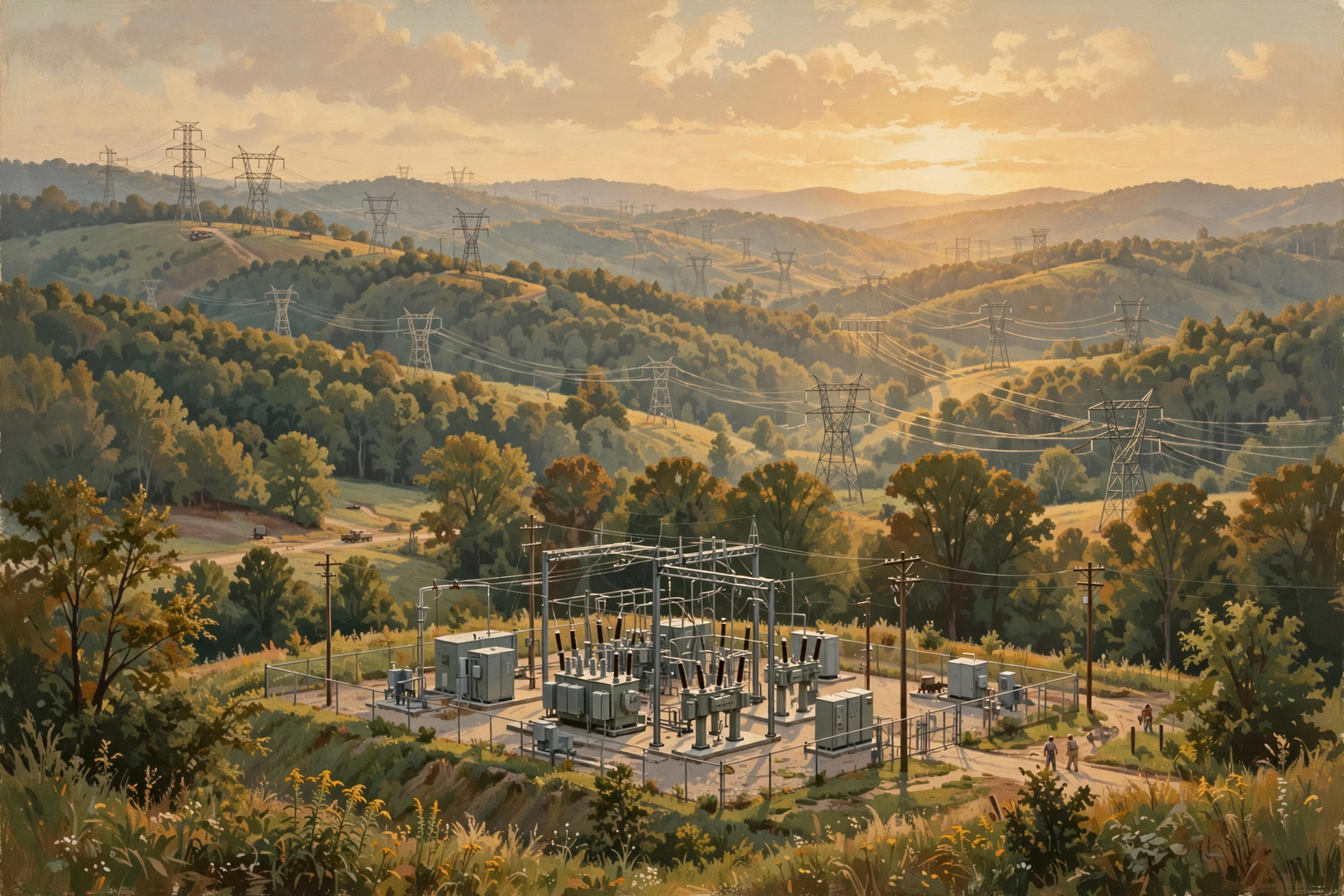
It’s increasingly a Tennessee Valley question.
TVA’s 2026 Integrated Resource Plan specifically identifies increasing electricity demand associated with population growth and data-center growth.
TVA now says the Valley could need approximately 11 to 32 gigawatts of additional generation capacity by 2040, depending upon how demand and other conditions develop.
That’s an enormous range because predicting the future is hard.
But notice something important.
The low end is still 11 gigawatts.
TVA is already building thousands of megawatts of additional generation.
It is planning transmission.
It is evaluating natural gas.
It is evaluating storage.
It is considering additional nuclear generation and advanced nuclear technologies.
It is looking at solar and distributed resources.
The electrical conversation is already happening.
Whether rural residents participate intelligently in that conversation is another matter.
🔌 Before We Panic, Remember Why the Grid Exists
Here’s where I think the conversation often goes sideways.
Somebody hears:
“That data center needs 500 megawatts!”
And the immediate reaction becomes:
“Good grief! They’re going to take all our electricity!”
But electricity doesn’t work quite like a pie sitting on Grandma’s table.
There aren’t eight permanent slices where giving one to the data center means you have seven left forever.
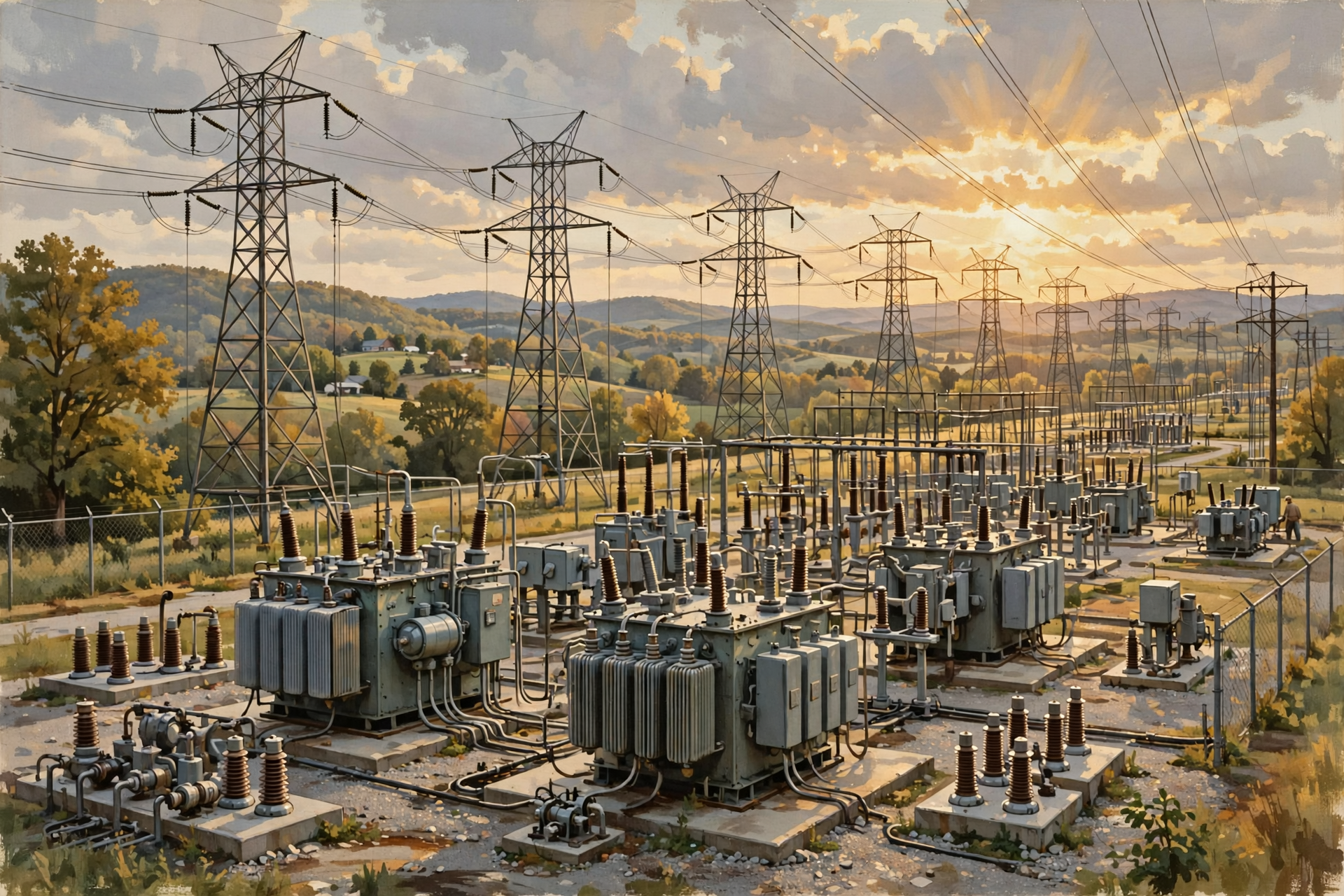
The electric system can grow.
We build power plants.
We build substations.
We increase transformer capacity.
We construct transmission lines.
We add storage.
We improve efficiency.
We manage demand differently.
We interconnect regions.
We’ve been doing this for more than a century.
The harder question isn’t:
“Will the data center use electricity?”
Of course it will.
The question is:
“Who builds the new capacity, who pays for it, and who benefits from it afterward?”
💵 Who Pays May Be More Important Than How Much They Use

This may be the most important paragraph in the whole article.
Suppose a company wants to build a gigantic new data center requiring hundreds of megawatts.
The project might require:
⚡ new generation
🔌 new transmission
🏗️ new substations
🔋 new storage
🚧 new utility corridors
🛠️ upgraded local distribution infrastructure
Someone must pay for those things.
If the customer creating the extraordinary demand shoulders the extraordinary costs, we have one kind of deal.
If a grandmother living on Social Security sees her residential electric bill increase so that one of the world’s wealthiest corporations can operate cheaper, we have a very different deal.
That’s where the argument belongs.
🏭 A Giant Customer Can Also Make New Infrastructure Economically Possible
But here’s the other side.
Imagine a rural region where residents have wanted better electrical infrastructure for 30 years.
There was never enough demand to justify the investment.
Then suddenly a customer arrives willing to purchase hundreds of millions of dollars’ worth of electricity over the life of a facility.
Everything changes.
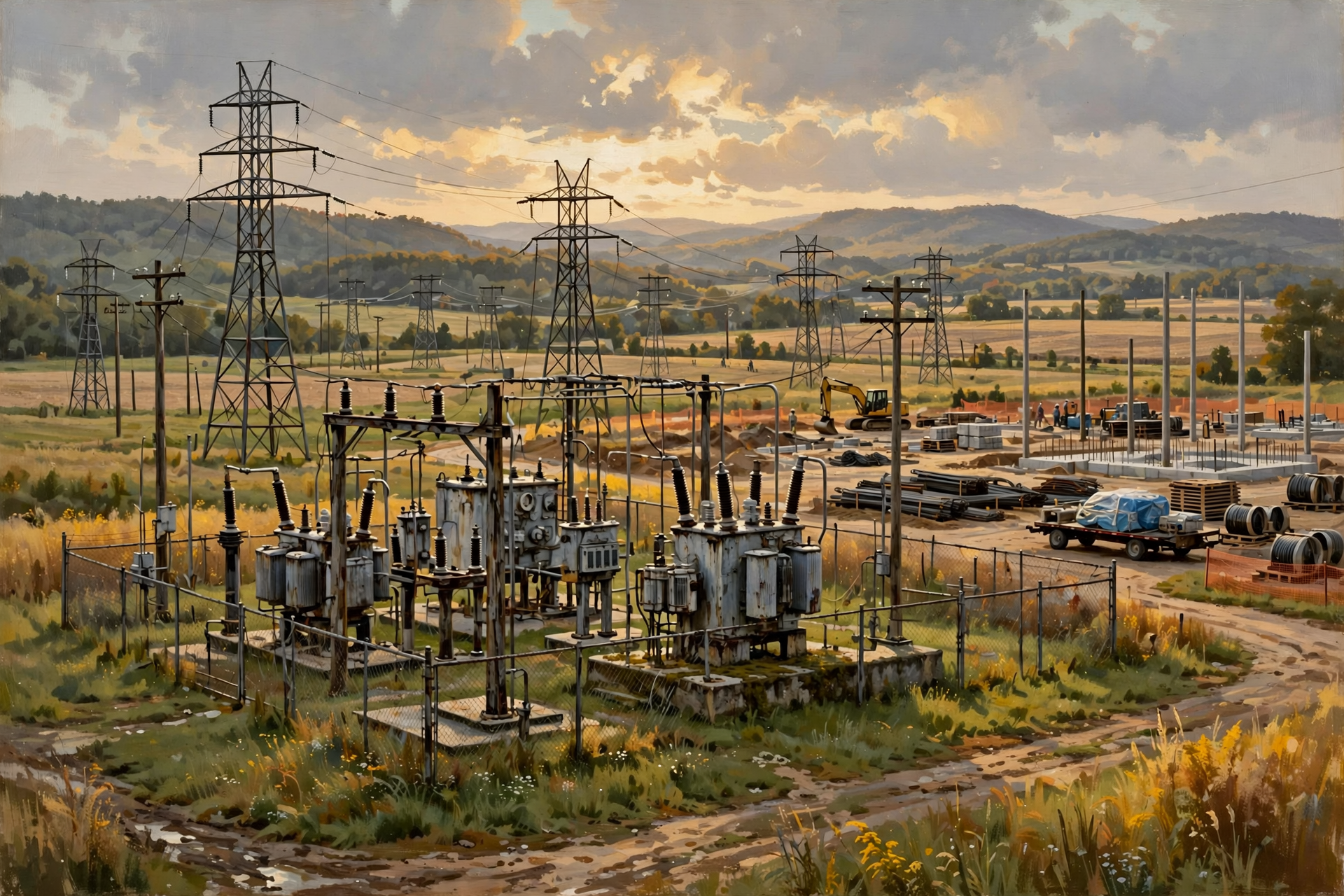
Transmission that couldn’t previously be justified may become economically feasible.
New substations become practical.
Generation investments become financeable.
Grid hardening becomes more valuable.
Redundant connections become more reasonable.
Suddenly the economics behind infrastructure that everybody wanted but nobody could afford may begin working.
That doesn’t happen automatically.
But it can happen.
🚂 We’ve Seen This Movie Before

America has been through versions of this before.
Railroads didn’t come only because farmers wanted easier transportation.
Big industrial customers helped make railroad infrastructure financially worthwhile.
Telephone systems expanded partly because businesses became valuable customers.
Interstate highways weren’t built merely so families could take Sunday drives.
Natural-gas infrastructure followed industrial demand.
Fiber-optic networks often reached communities because somebody finally created enough economic demand to justify pulling the fiber.
Infrastructure frequently arrives when a large customer makes the economics work.
Then everyone else discovers they live closer to better infrastructure than they did before.
The question is whether communities negotiate intelligently enough to capture some of that benefit.
🌄 This Could Matter Enormously to Rural Tennessee
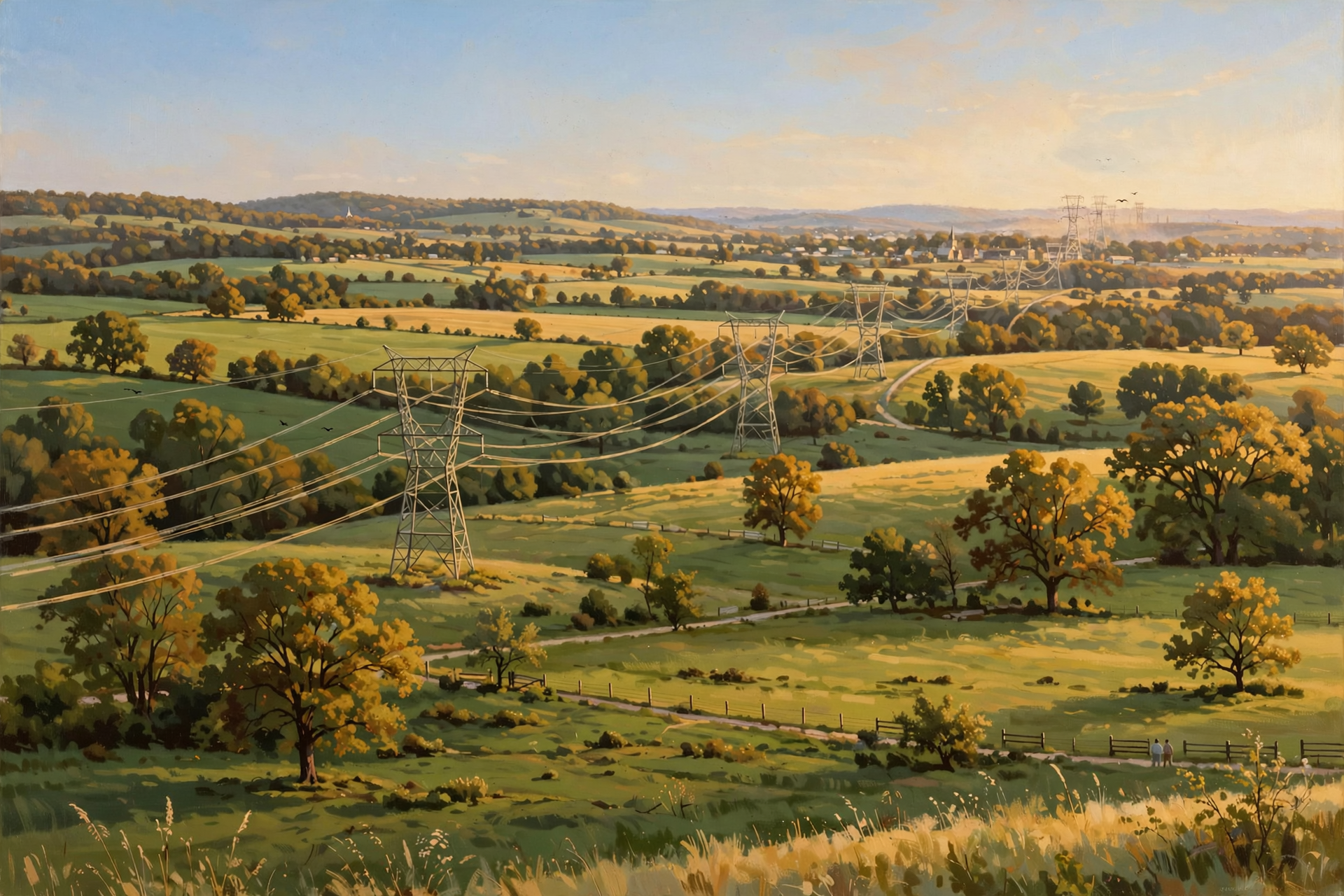
For decades, one of rural America’s disadvantages has been infrastructure.
Our towns often didn’t have enough customers to justify the newest systems first.
Big cities got the airport.
Big cities got the interstate interchange.
Big cities got the fiber.
Big cities got the corporate campus.
Big cities got the newest communications infrastructure.
Rural communities were often told:
“Someday.”
Then something interesting happened.
Fiber changed the economics of distance.
And now AI may change the economics of electrical infrastructure.
Suddenly some rural places possess assets that gigantic computational facilities need:
land, transmission corridors, available sites, water in appropriate locations, transportation access, political stability and proximity to power-generation resources.
That doesn’t mean every rural county should chase a data center.
But it does mean we should understand what bargaining chips we’re holding.
⚛️ Data Centers May Accidentally Help Bring Nuclear Power Back
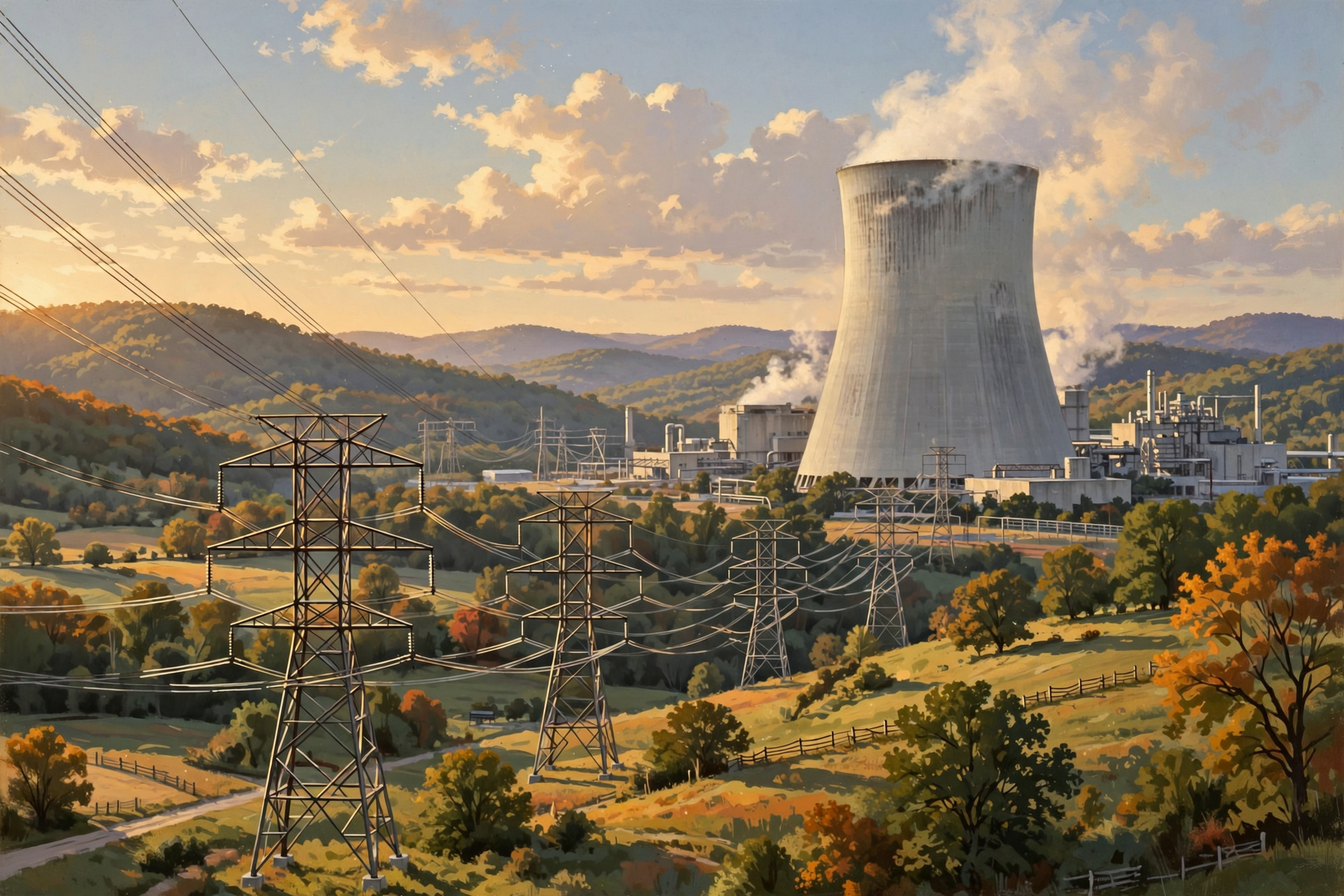
Here’s one of the most interesting possibilities.
Large data centers don’t merely need enormous quantities of electricity.
They want electricity that is available all the time.
Day.
Night.
Summer.
Winter.
Windy.
Calm.
Sunny.
Cloudy.
That creates renewed economic interest in what the electric industry calls firm generation.
Natural gas can provide it.
Existing nuclear plants provide it.
Hydroelectric resources contribute to it.
Storage can support it.
And advanced nuclear technologies may eventually provide another option.
This is especially interesting in the Tennessee Valley, where nuclear energy has already been part of the electric system for generations.
TVA’s 2026 planning explicitly includes exploring advanced nuclear technologies as part of its longer-term reliability strategy.
Twenty years ago, somebody proposing a new nuclear reactor might have first faced the question:
“Who needs all that electricity?”
AI may have answered that one.
☀️ But This Isn’t Nuclear Versus Solar Versus Gas
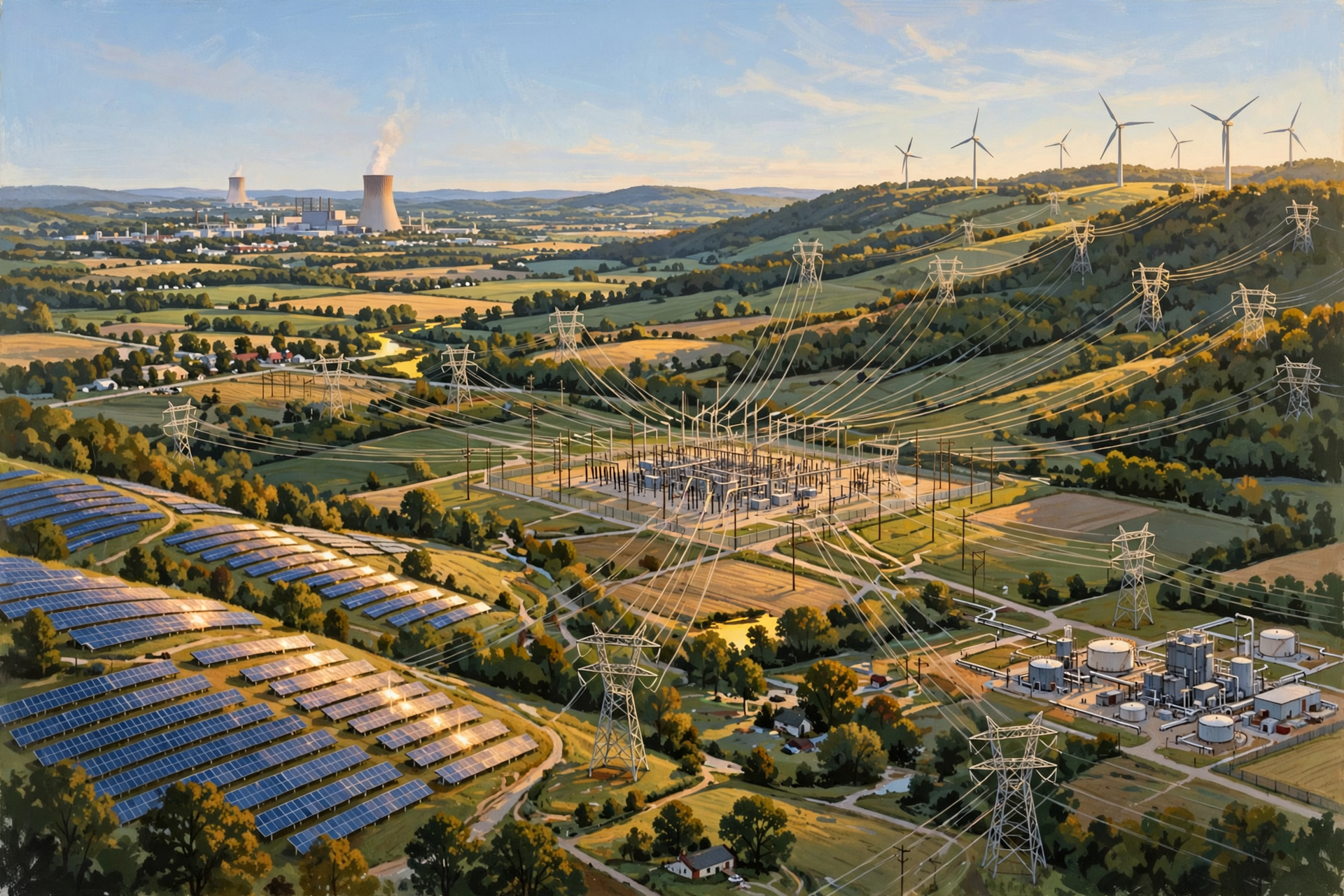
Another trap would be turning the conversation into a political football over which technology gets to generate the electrons.
The power grid doesn’t care how angry our Facebook arguments become.
It has a much simpler requirement.
Supply has to equal demand.
Every second.
That means our future grid will probably contain a mixture of technologies serving different purposes.
Nuclear provides large quantities of steady power.
Natural gas can provide dispatchable generation.
Hydroelectric power can respond quickly.
Solar can provide inexpensive daytime production.
Batteries can move energy across portions of the day and provide grid services.
Demand-response technologies can reduce load when the system becomes stressed.
Transmission lets regions share resources.
There isn’t a trophy awarded because your favorite electron won.
We need the lights to come on.
🧠 Here’s Something Else AI Might Do: Use Electricity More Intelligently
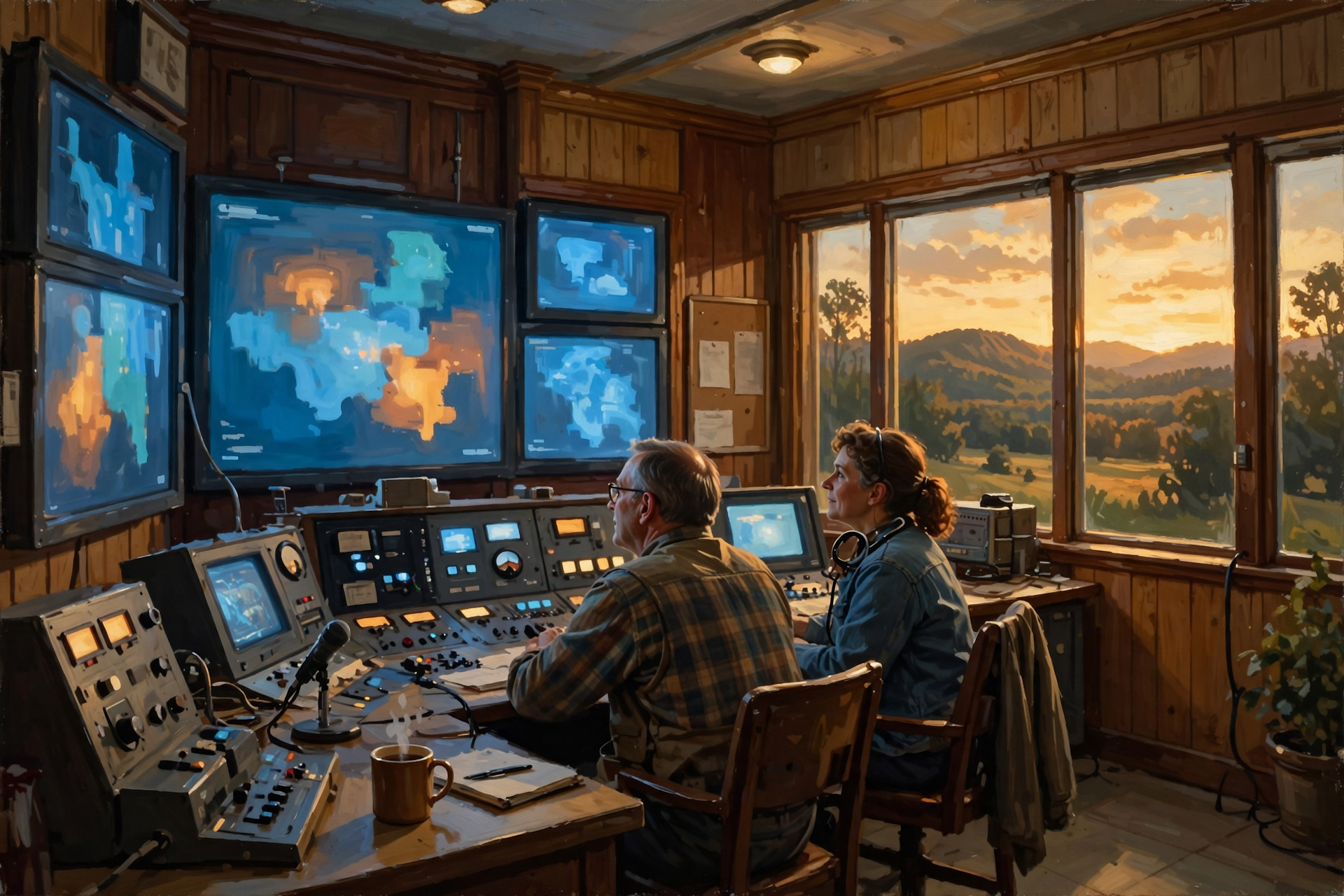
This part gets less attention.
A gigantic computational workload isn’t always identical to a steel furnace or hospital.
Some computing tasks can potentially move in time.
Some can move geographically.
Some facilities can reduce noncritical workloads temporarily.
Some can operate when electricity is abundant and change behavior when the grid is stressed.
That opens the door to a concept called load flexibility.
Imagine a factory that could tell the utility:
“You’re having trouble at 5:30 this afternoon. I’ll reduce my demand for two hours and catch up overnight.”
Not every data-center workload can do that.
But some potentially can.
A well-designed data center therefore doesn’t necessarily have to be merely a giant dumb load sucking power from the grid.
It could become a participant in managing it.
⚠️ But None of This Means We Should Write a Blank Check

This is where enthusiasm for economic development can get communities into trouble.
A company arrives.
There’s a press conference.
Somebody stands beside a giant cardboard check.
Everybody wears a hard hat that has never encountered dirt.
Politicians announce billions of dollars of investment.
And somewhere in the excitement nobody asks:
“Who’s paying for the substation?”
Or:
“What happens if this company leaves?”
Or:
“Do residential customers carry any of this risk?”
Or:
“Who owns the infrastructure afterward?”
Or:
“Does this improve reliability for everyone or merely serve one private campus?”
Those aren’t anti-business questions.
They’re business questions.
💡 The Community Should Receive Something Permanent
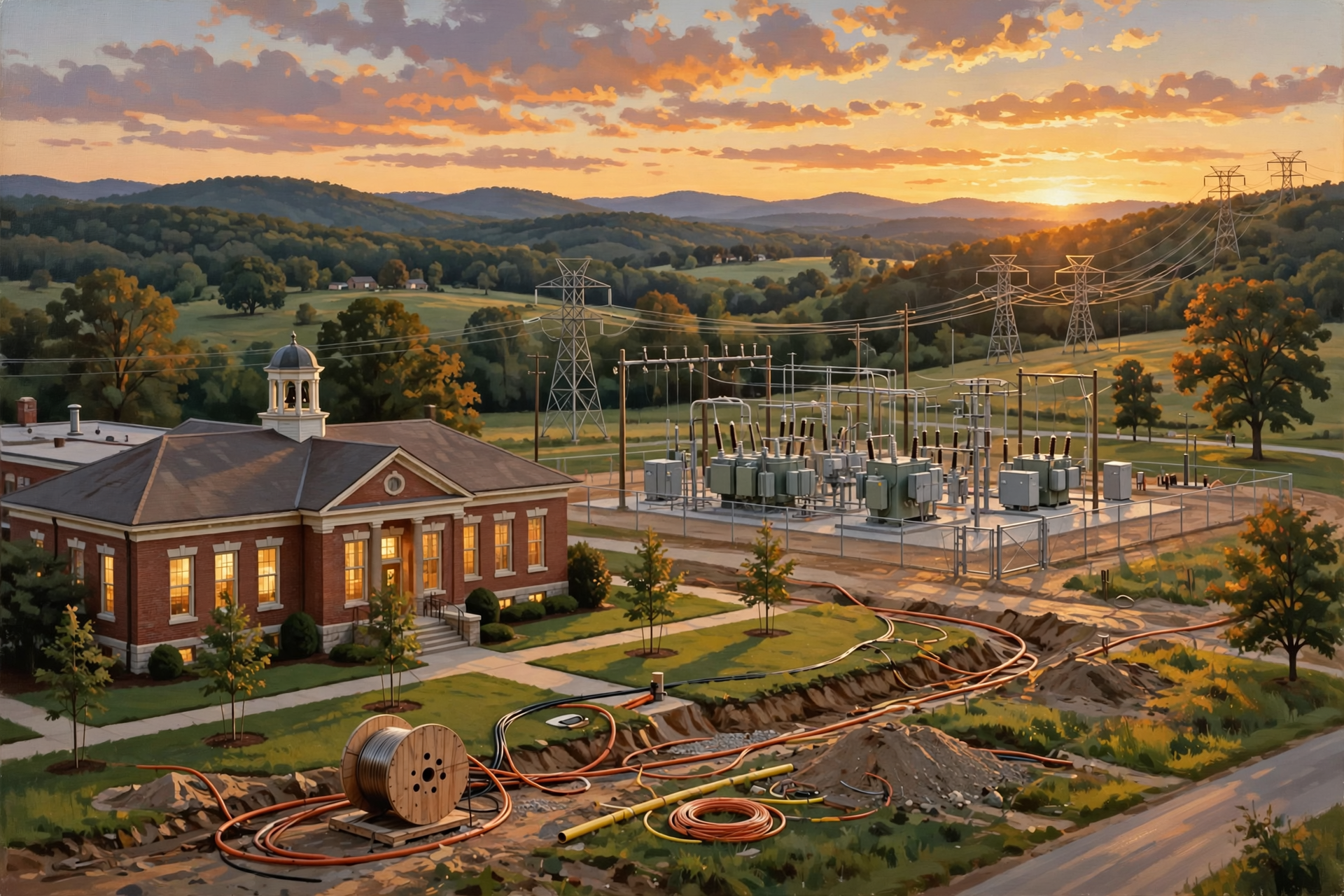
This is the principle I keep coming back to.
If rural communities are going to host infrastructure serving an increasingly digital national economy, then our communities should receive benefits that remain after the ribbon-cutting photographs disappear.
Maybe that’s a stronger substation.
Maybe that’s additional transmission capacity.
Maybe it’s a dedicated industrial electric rate that protects households.
Maybe it’s tax revenue.
Maybe it’s funding for schools.
Maybe it’s fiber.
Maybe it’s workforce training.
Maybe it’s local contracting.
Maybe it’s emergency-service investment.
Maybe it’s a combination.
But there should be something we can point toward twenty years from now and say:
“That project left this place stronger.”
🐷 So Are Data Centers Electricity Hogs?
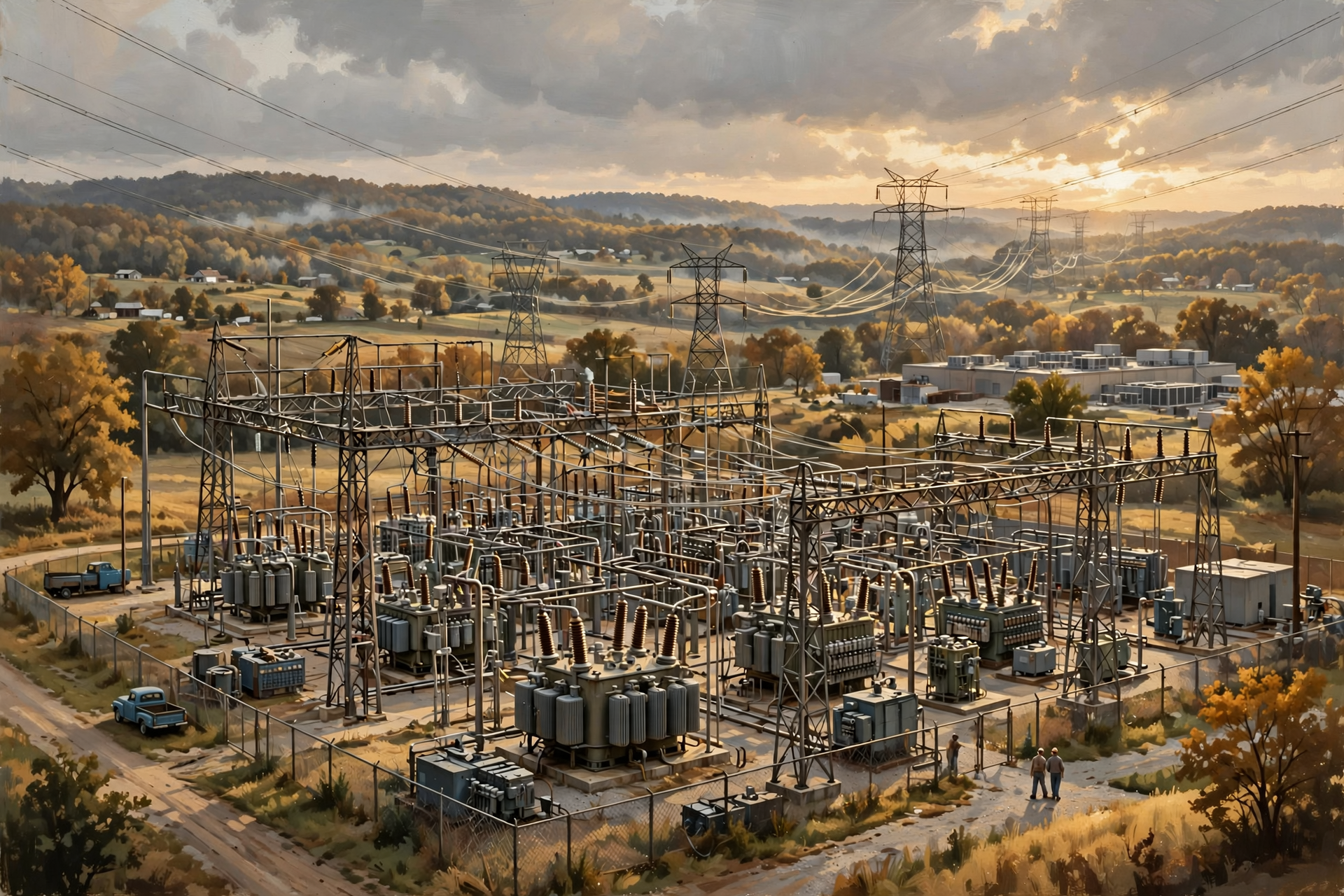
Sure.
If we’re going to use the word hog, this is a much stronger place to use it than land.
Modern AI facilities can consume extraordinary amounts of electricity.
Nationally, they may represent somewhere around a tenth or more of U.S. electricity consumption by the end of this decade, depending upon how rapidly deployment grows.
That is significant.
It deserves planning.
It deserves scrutiny.
It deserves investment.
And it absolutely deserves questions about who pays.
But electricity demand itself isn’t automatically bad.
Demand is what gives somebody a reason to build supply.
The important question is whether we build intelligently.
🔌 Maybe the Power Problem Is Also a Power Opportunity
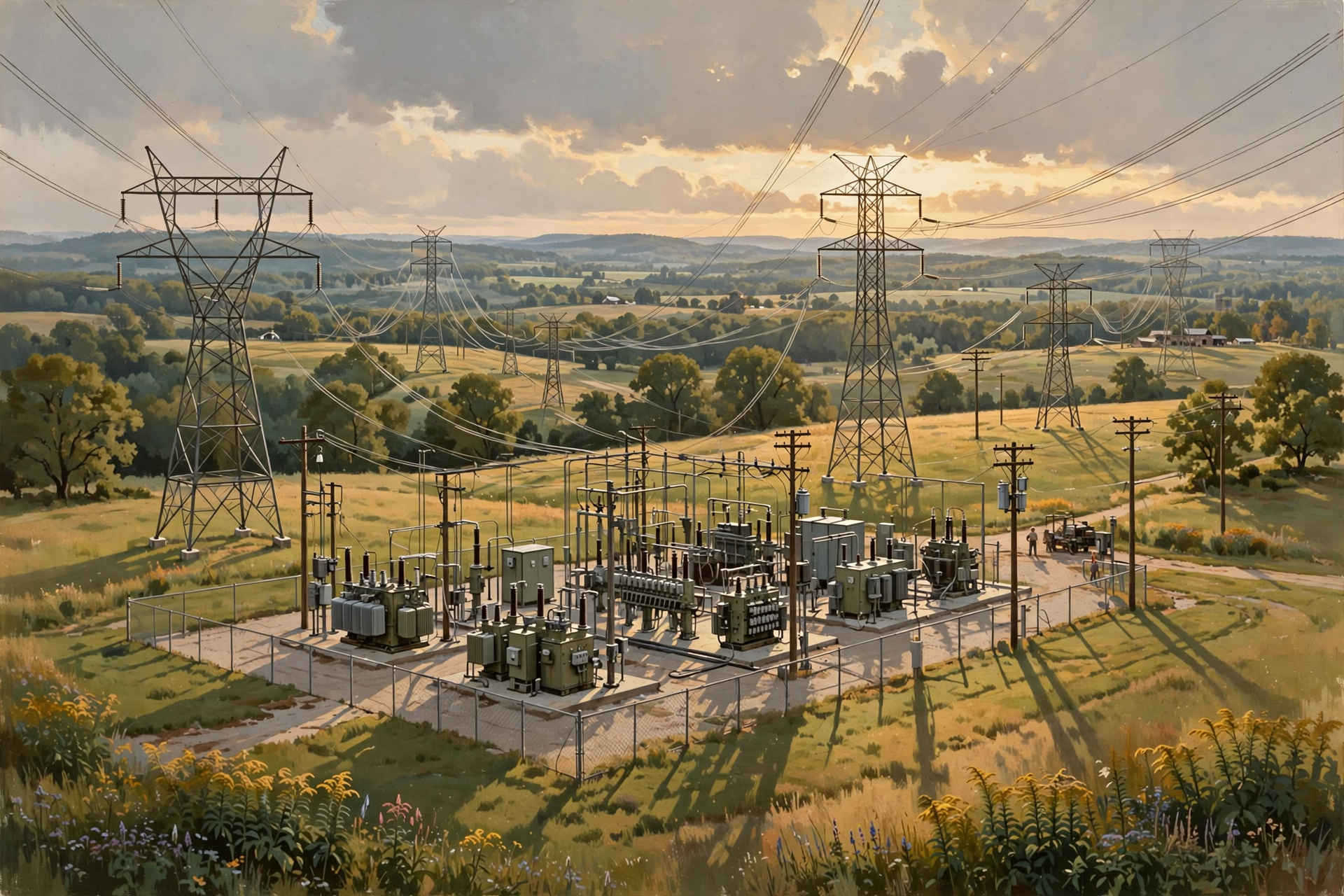
We tend to think about infrastructure shortages as if the existing infrastructure is permanent.
There’s only so much power.
There’s only so much transmission.
There’s only so much generating capacity.
Therefore anybody new must be stealing some from us.
But that’s a snapshot.
America’s electric grid isn’t a museum exhibit.
It’s a machine we’re still building.
TVA itself is currently planning for substantial additional generating capacity across the Tennessee Valley.
Data centers are part of the reason.
So are population growth, manufacturing, electrification and economic development.
The challenge before rural communities isn’t simply deciding whether we’re willing to share today’s electrical system.
It’s deciding what tomorrow’s electrical system should look like — and whether the people living here today will benefit from building it.
🌄 And That May Be the Bigger Story
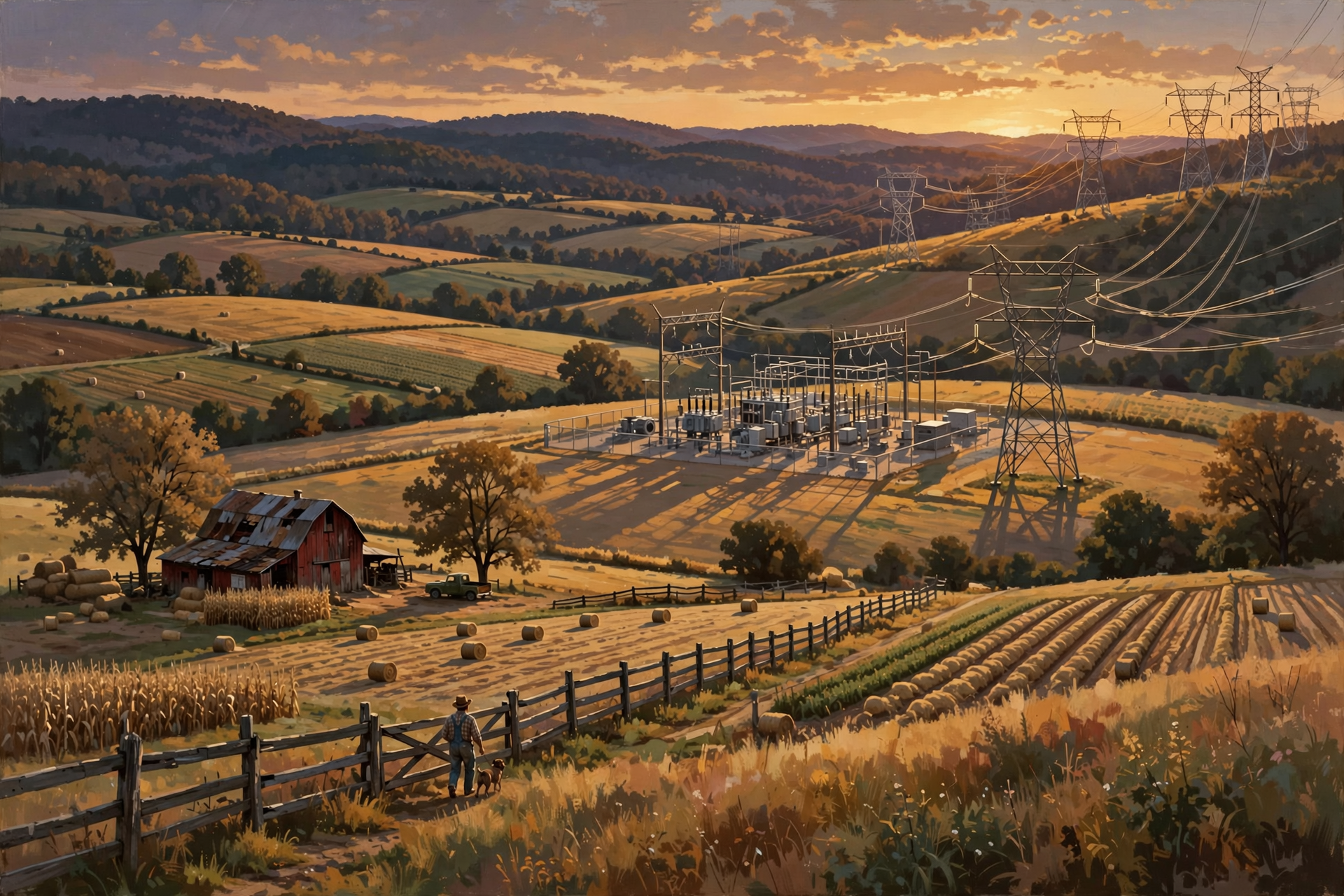
First we worried the computers were going to eat the farmland.
The numbers suggest they aren’t.
Now we’re worried they’re going to eat the electricity.
This time, the appetite is real.
But perhaps that’s not where the story ends.
Perhaps one day we’ll look across the Tennessee Valley and see stronger transmission lines, modern substations, new generation, advanced nuclear reactors, energy storage, solar installations, more resilient local grids and businesses that couldn’t have existed here before.
And perhaps somebody will ask:
“Why did they finally build all of this?”
The answer may turn out to be:
“Because somebody finally needed enough electricity to pay for it.”
That doesn’t mean saying yes to every project.
It means asking a better question.
Not:
“How much electricity will they take from us?”
But:
“If we’re going to generate all this new electricity, what kind of electrical system can we build for all of us?”
⚡
Now that’s a conversation rural Tennessee ought to be part of.
❓ Frequently Asked Questions About Data Centers and Electricity
How much U.S. electricity do data centers use?
Berkeley Lab estimated data centers consumed approximately 4.4% of U.S. electricity in 2023. Its June 2026 update projects a central estimate of approximately 11.8% by 2030, with scenarios ranging from 9.5% to 15.3%.
Why do AI data centers require so much electricity?
Modern AI uses extremely powerful processors operating in large clusters. Those processors consume electricity directly and also generate heat that must be removed by cooling systems. Large AI-oriented campuses therefore can require hundreds of megawatts of electrical capacity.
Will data centers cause residential electric rates to rise?
That depends heavily upon utility regulation, rate design and how required generation and grid upgrades are financed. A critical policy question is whether extraordinary costs created by large industrial customers are borne by those customers or shifted to other electricity users.
Can the electrical grid simply produce more power?
Yes, but additional electricity requires investment in generation, transmission, substations and other infrastructure. Those projects can take years to permit, finance and construct, making planning especially important when very large loads are proposed.
Could data centers improve rural electrical infrastructure?
Potentially. Large long-term electricity customers can improve the economics of new generation, transmission and substations. Whether surrounding communities benefit depends upon how projects, utility rates and infrastructure investments are structured.
What is TVA doing about growing electricity demand?
TVA’s 2026 Integrated Resource Plan anticipates substantial growth and identifies a need for approximately 11 to 32 gigawatts of additional generation capacity through 2040 across its planning scenarios. TVA recommends a portfolio including firm generation, storage, nuclear development, solar, distributed generation and other resources.
🌄 Data Centers And The Future Use Of Land

This story is part of an ongoing series exploring artificial intelligence, broadband, technology, economic opportunity, cybersecurity, community, and the future of rural Tennessee.
Part 1 – The Data Center Ate the Farm? Not Quite. Let’s Look at the Acres.
Follow the series and join the conversation.




0 Comments