
What If Geography Isn’t Our Biggest Disadvantage Anymore?

For generations, rural communities have had a pretty convenient explanation for why certain opportunities passed us by.
We’re too far away.
Too far from the jobs.
Too far from the universities.
Too far from the customers.
Too far from the capital.
Too far from the people making decisions.
Too far from the markets.
Too far from the technology.
Too far from everything.
And for a long time, that explanation was mostly true.
Geography mattered.
A lot.
If opportunity existed in another city, another state, or another country, distance created a real barrier.
But what happens when technology starts removing part of that barrier?
What happens when broadband reaches the mountain?
What happens when artificial intelligence puts capabilities into the hands of one person that once required a staff?
What happens when customers can be hundreds of miles away?
What happens when the job no longer has to be located where the worker lives?
Then we have to ask a slightly uncomfortable question:
What if geography isn’t our biggest disadvantage anymore?
🌄 Distance Used to Explain a Lot
If you grew up in a rural community, you probably heard some version of this:
“You’ll have to go somewhere else if you want to do that.”
Sometimes it meant college.
Sometimes it meant a career.
Sometimes it meant medical care.
Sometimes it meant specialized training.
Sometimes it meant starting a business.
Sometimes it simply meant finding enough customers.
Distance was a real limitation.
So we adapted.
We drove farther.
We moved away.
We accepted fewer choices.
We learned how to make do.
There is a lot of strength in that.
But there is a danger, too.
If you spend generations adapting to limitations, eventually some of the limitations become assumptions.
🧠 The Road May Be Gone Before the Roadblock in Our Heads Is

Technology can change faster than human expectations.
A fiber line can be installed in months.
A new software tool can appear overnight.
Artificial intelligence can suddenly make a task easier that was expensive or difficult last year.
But people may continue thinking:
We can’t do that here.
Nobody around here does that.
You’d have to move.
You’d need a big company.
You’d need a whole staff.
We’re too small.
We’re too rural.
Sometimes those statements remain true.
But perhaps fewer of them are automatically true than we think.
🌐 The Digital Road Is Already Open
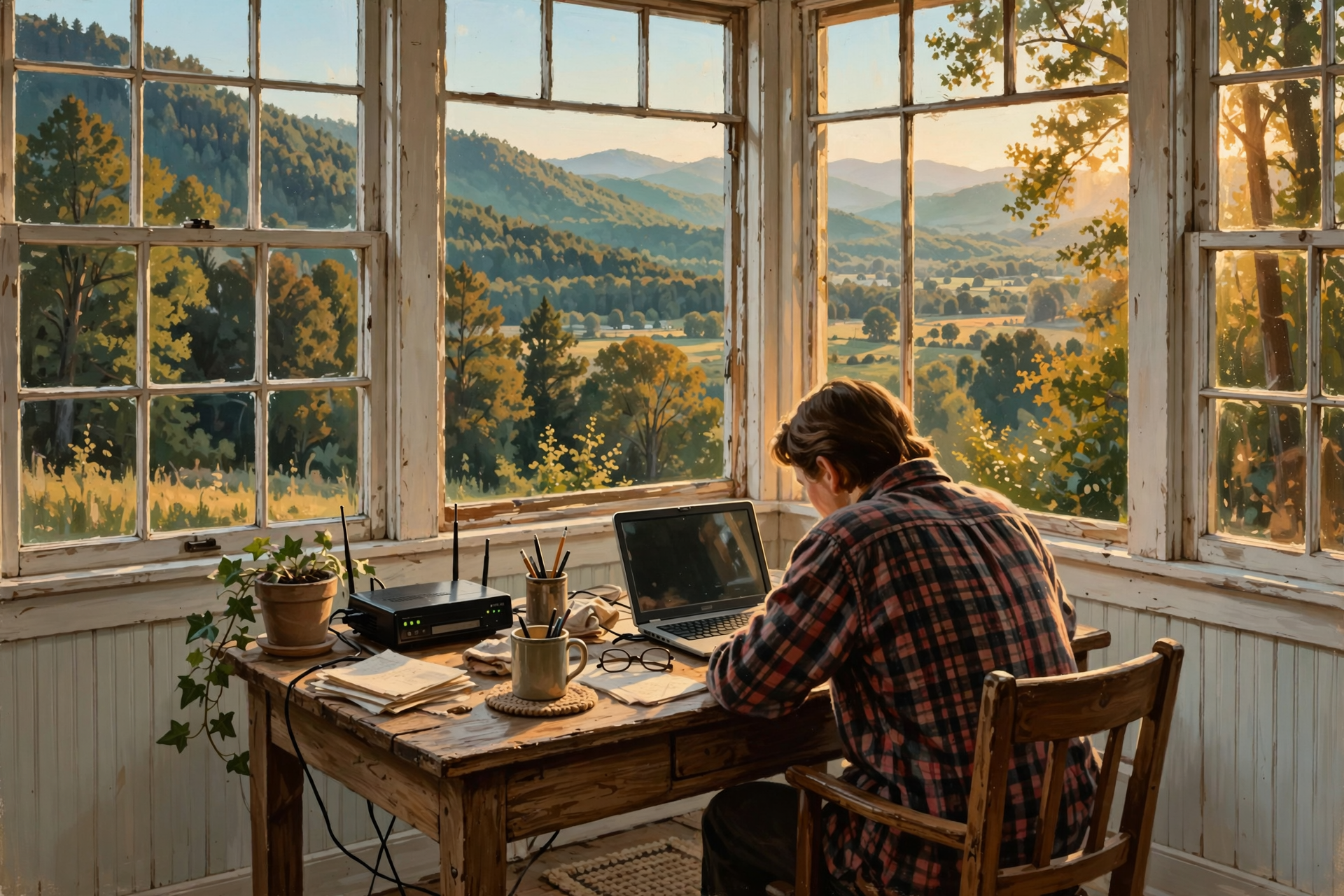
Yesterday we talked about the strange reality that a place can be geographically remote while being digitally connected.
A house can sit on a mountain road and still have fiber.
A business can operate from a small town and sell nationally.
A worker can participate in an organization located somewhere else.
A student can access information once locked inside a distant university.
A small operation can use technology once affordable only to large organizations.
If those things are increasingly possible, then the problem starts changing.
It isn’t only:
Do we have access?
It becomes:
Do we know what to do with it?
🛠️ Maybe the New Divide Is Capability

We’ve spent years talking about the digital divide.
Usually that means the difference between people who have reliable internet and people who don’t.
That divide still matters.
But another divide may be growing right beside it.
Two people can have the same fiber connection.
The same computer.
The same access to artificial intelligence.
The same search engines.
The same online marketplace.
The same digital tools.
Yet one person may use those tools to:
✅ Start a business
✅ Reach customers outside the local market
✅ Learn a new skill
✅ Work remotely
✅ Automate paperwork
✅ Research opportunities
✅ Improve an existing business
✅ Build something entirely new
While the other person uses the same connection mainly to watch videos and scroll Facebook.
The difference isn’t connectivity.
It’s capability.
👀 Visibility May Be a Bigger Problem Than Distance

Here’s something I run into constantly with local businesses.
A business can be ten minutes away from a customer and still be almost impossible to find.
The business may do excellent work.
People may trust the owner.
Customers may recommend them.
But online?
The address is missing.
The phone number is outdated.
The hours are wrong.
The website doesn’t exist.
The service area isn’t explained.
The Facebook page hasn’t been updated.
Google doesn’t quite understand what they do.
And increasingly, artificial intelligence won’t understand it either.
Think about how strange that is.
The customer and business may be physically close.
But digitally, they might as well be a thousand miles apart.
Sometimes the modern rural problem isn’t distance.
It’s discoverability.
💬 Communication May Be a Bigger Problem Than Distance
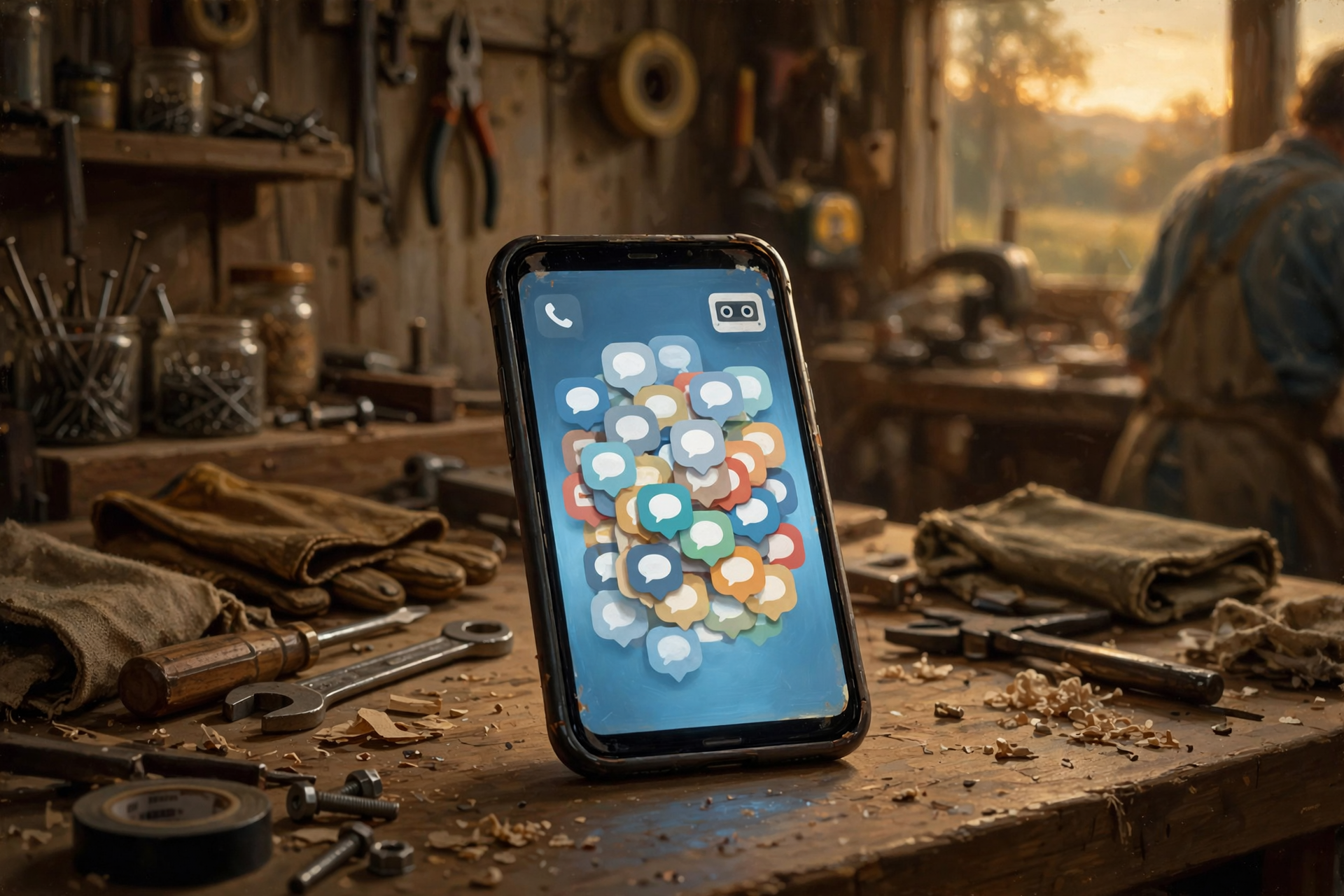
Some very good small businesses are also extremely difficult to communicate with.
No voicemail.
Full voicemail.
No email.
No website contact form.
No clear hours.
Messages buried inside Facebook Messenger.
Texts mixed together with family messages.
Phone calls missed while somebody is underneath a house, on a tractor, or standing on a roof.
Again, these are not bad businesses.
Often they’re busy precisely because they’re good.
But connectivity doesn’t automatically create communication.
The technology exists.
The workflow doesn’t.
📚 Skills May Be a Bigger Problem Than Distance

You can put the world’s information in someone’s pocket.
That doesn’t automatically teach them how to use it.
You can give a business artificial intelligence.
That doesn’t mean the owner knows what problems it can solve.
You can install fiber at a house.
That doesn’t automatically teach somebody how to work remotely.
You can give students access to online education.
That doesn’t automatically show them which skills will create opportunities.
This is why I think the next phase of rural technology has to focus less on gadgets and more on capability-building.
Teach people how to ask better questions.
Teach them how to evaluate information.
Teach them how to verify what they’re seeing.
Teach them how to automate repetitive work.
Teach them how to market.
Teach them how to describe what they do.
Teach them how to reach people outside the local market.
Teach them how to use technology without becoming dependent on every shiny new tool that comes along.
😬 Confidence May Be a Bigger Problem Than Distance
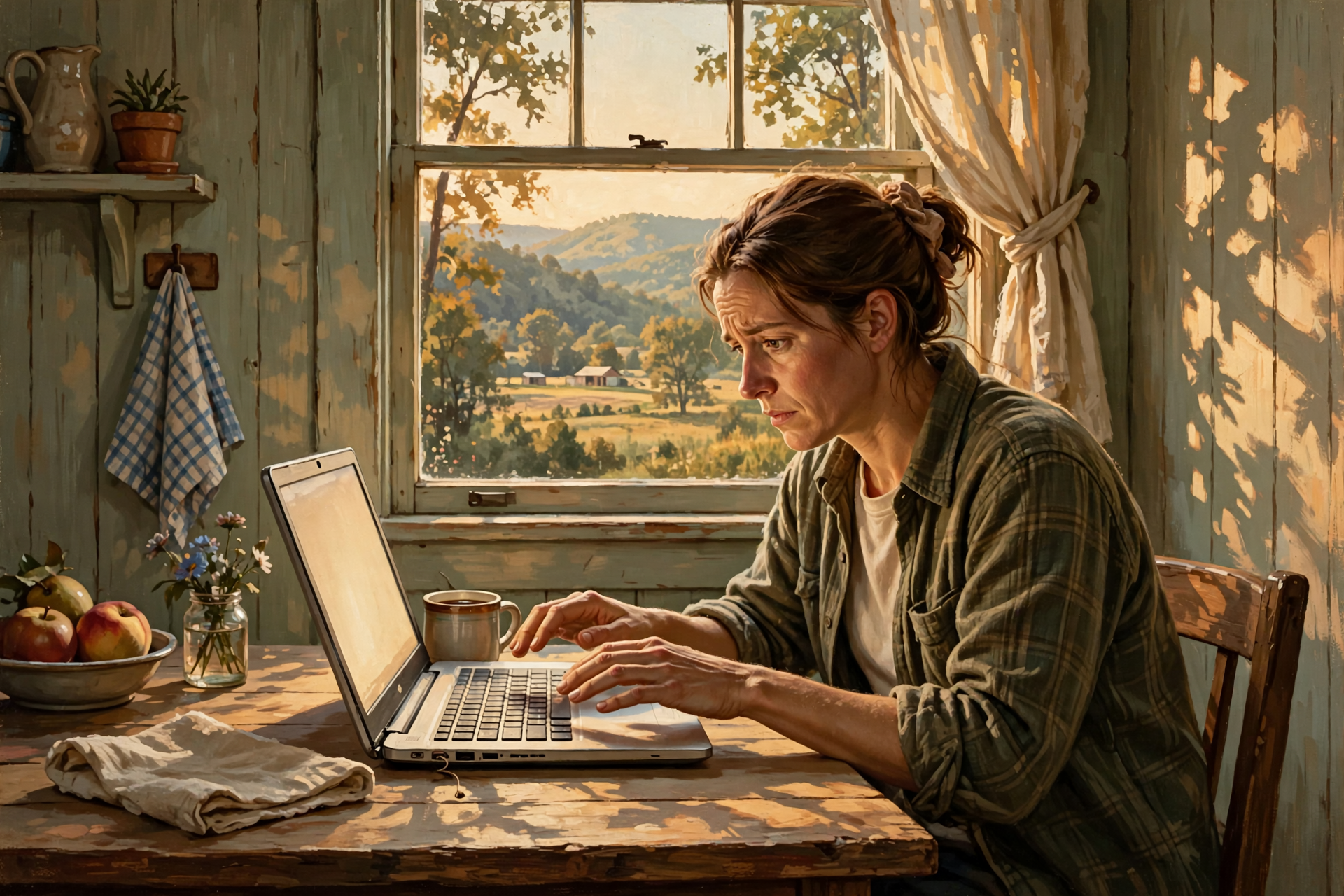
I think this one matters more than we realize.
Technology intimidates people.
Artificial intelligence especially intimidates people.
It sounds technical.
Complicated.
Expensive.
Possibly dangerous.
Possibly something meant for younger people.
Or computer people.
Or big companies.
So people decide:
That’s not for me.
Sometimes before they’ve even tried it.
But much of modern technology no longer requires understanding how it works internally.
I don’t understand every mechanical process happening inside my truck before I drive it.
I don’t understand the electrical grid before I flip on a light.
I don’t understand every packet traveling through fiber before I send an email.
We learn enough to use the tool safely and effectively.
Artificial intelligence may eventually become much the same.
🤖 AI Doesn’t Need to Become Your Hobby
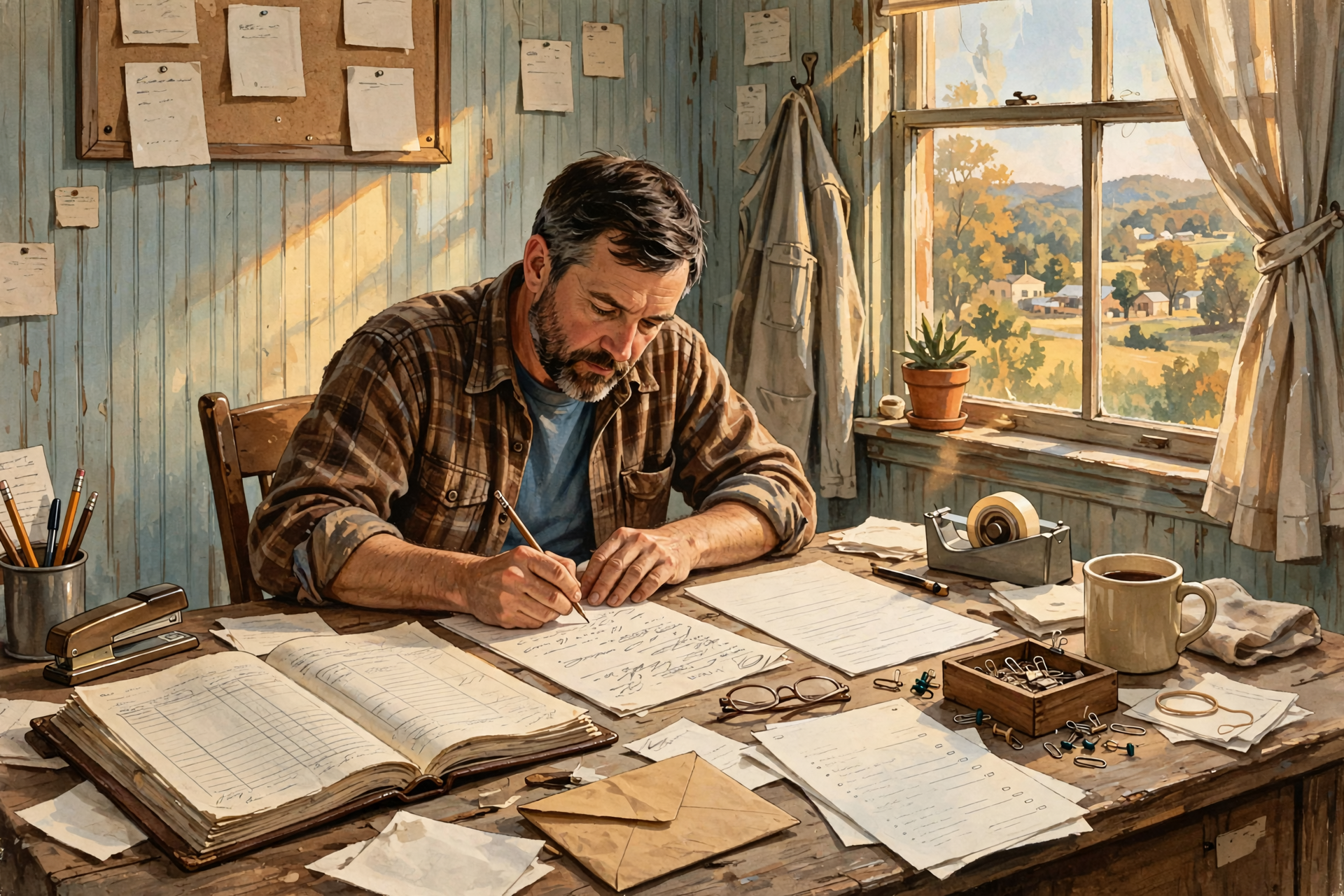
This is another place where technology conversations go sideways.
The average small-business owner does not need to become fascinated by AI.
They don’t need to memorize model names.
They don’t need to know which company released which benchmark last Thursday.
They don’t need to spend their evenings watching videos about artificial general intelligence.
They have work to do.
The question should be:
What annoying thing do you have to do tomorrow?
Write an estimate?
Respond to a customer?
Update a menu?
Explain a service?
Organize invoices?
Create a job description?
Research equipment?
Write an advertisement?
Summarize a document?
Start there.
Technology should earn its place by solving a problem.
💡 Imagination May Be a Bigger Problem Than Distance

This might be the most important one.
It is difficult to pursue an opportunity you don’t know exists.
If you’ve never seen someone work remotely, remote work feels strange.
If you’ve never watched a one-person business sell nationwide, that model seems unrealistic.
If you’ve never seen a farmer use AI, it sounds like something designed for Silicon Valley.
If you’ve never seen a retiree turn decades of experience into online consulting, you may assume retirement ends the economic value of that knowledge.
If nobody around you is doing something, it’s easy to conclude that it can’t be done.
This is why examples matter.
Not theoretical possibilities.
Examples.
Show me somebody doing it.
Show me how.
Show me what it costs.
Show me where it failed.
Show me what I could try tomorrow.
👨🔧 Adoption May Be a Bigger Problem Than Access
Sometimes we already have the tool.
We simply aren’t using it.
A business may have:
Broadband.
A smartphone.
A computer.
A Google Business Profile.
A Facebook page.
An email address.
Access to AI tools.
But half of those things are outdated, ignored, disconnected, or misunderstood.
The problem isn’t lack of technology.
It’s turning technology into a habit.
That’s harder than buying something.
🏢 Institutions Can Get Stuck Too

This isn’t only about individuals.
Schools can become stuck.
Governments can become stuck.
Businesses can become stuck.
Churches can become stuck.
Nonprofits can become stuck.
Organizations often develop processes around yesterday’s limitations.
Then the limitation disappears.
But the process survives.
That’s how you end up printing something so somebody can scan it so somebody else can email it so another person can print it again.
At some point, somebody has to ask:
Why in the dang world are we doing this?
Sometimes technological progress doesn’t require buying anything.
It requires questioning the process.
🧱 Culture Can Be Both a Strength and a Barrier
Rural communities are often proud of independence.
And they should be.
We value self-reliance.
Privacy.
Personal relationships.
Doing business with people we know.
Not telling everybody on Earth our business.
Those values have strengths.
But they can conflict with a digital economy that rewards visibility.
A local contractor may intentionally avoid publishing an address.
They may not want strangers knowing where they live.
That’s understandable.
But if they also don’t publish a service area, website, phone number, credentials, photos, or clear description of what they do, machines—and customers—have difficulty deciding whether the business is legitimate.
Now we’re facing an odd modern problem:
A real rural business trying to protect its privacy can look less legitimate online than a fake company designed specifically to look legitimate.
That is a problem we need to solve.
Not by throwing privacy away.
By learning how to establish digital trust intelligently.
⚙️ Productivity May Be the Rural Superpower Nobody Is Talking About
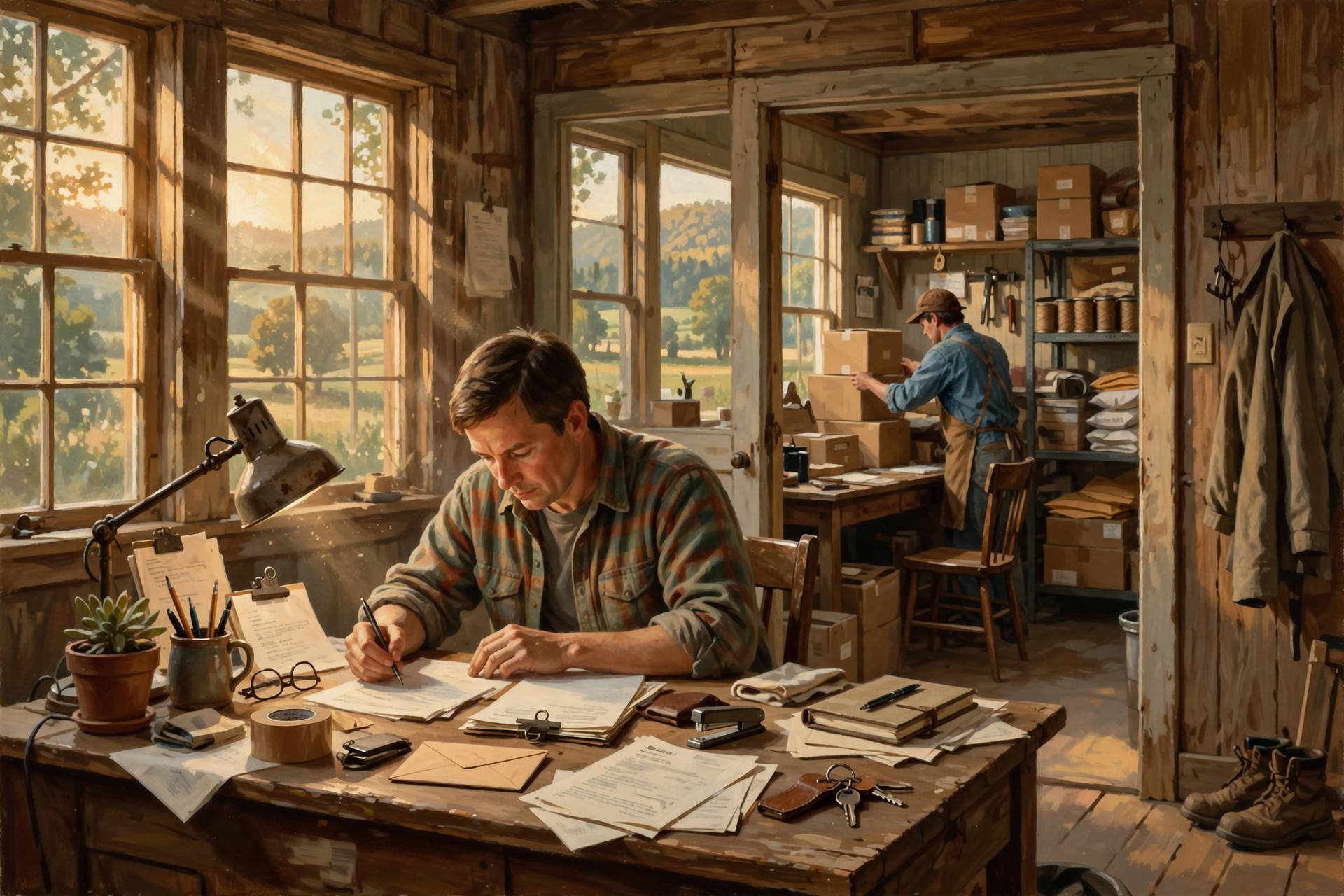
Suppose artificial intelligence makes one small business 10 percent more productive.
That’s useful.
Suppose hundreds of businesses become 10 percent more productive.
Now something bigger happens.
Calls get returned faster.
Estimates go out sooner.
Paperwork gets completed.
Customers get better information.
Businesses become easier to find.
Owners reclaim some evenings.
More work gets done without necessarily requiring more people.
That matters tremendously in communities where labor is already scarce.
We often think economic development has to arrive as one huge project.
Maybe some of it can arrive as thousands of tiny improvements.
📈 What If Economic Development Is Also About Capability?
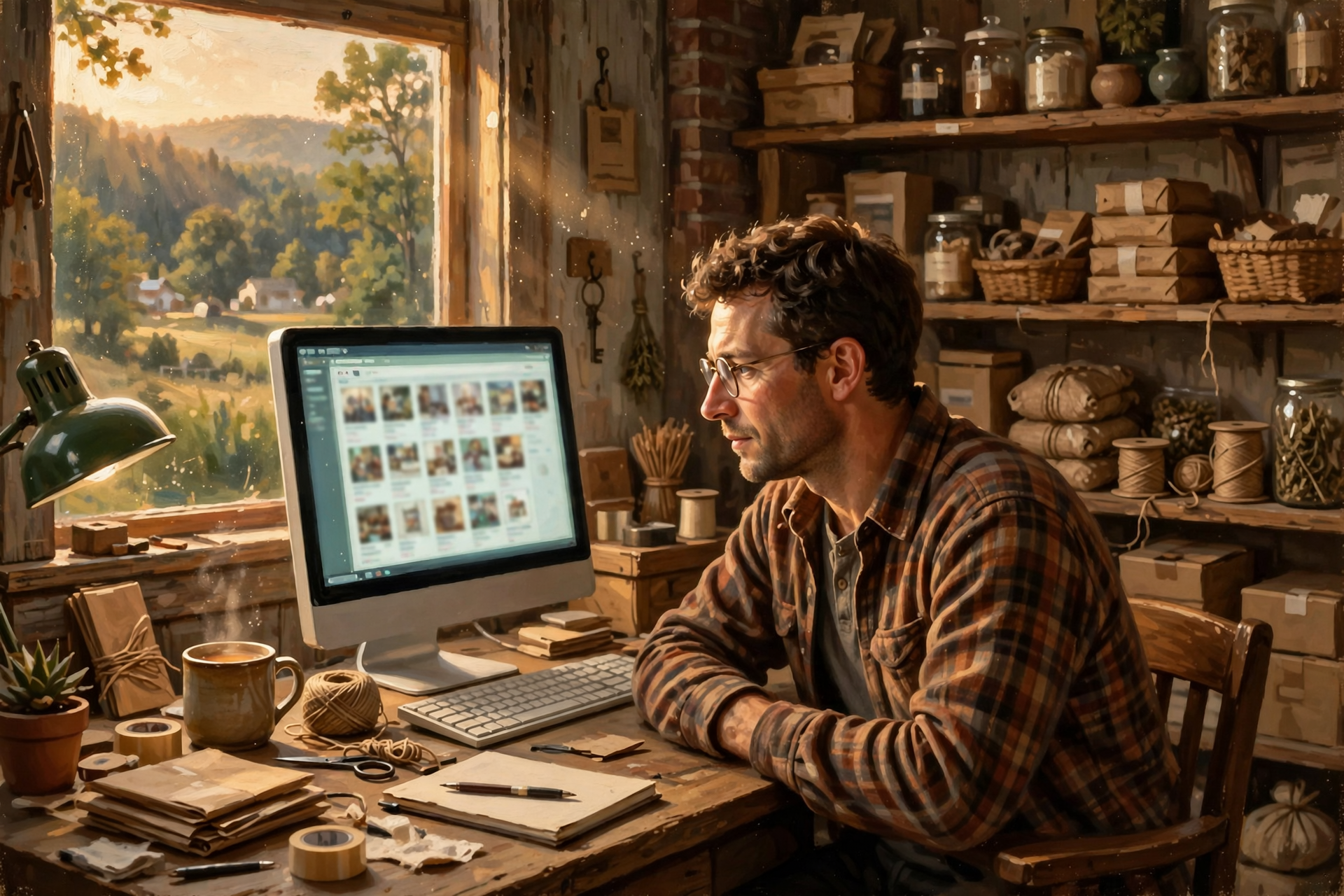
Imagine measuring rural economic development differently.
Not only:
How many companies relocated here?
How many buildings were constructed?
How many jobs were announced?
But also:
How many existing businesses became stronger?
How many people learned a valuable skill?
How many remote workers stayed?
How many entrepreneurs reached customers outside the county?
How many young people discovered they could build something from here?
How many small organizations learned to accomplish more with the people they already had?
How many legitimate local businesses became visible enough to be found?
Those gains aren’t as easy to celebrate with a giant pair of scissors and a ribbon.
But they may matter just as much.
🪜 Maybe Our Next Infrastructure Is Human
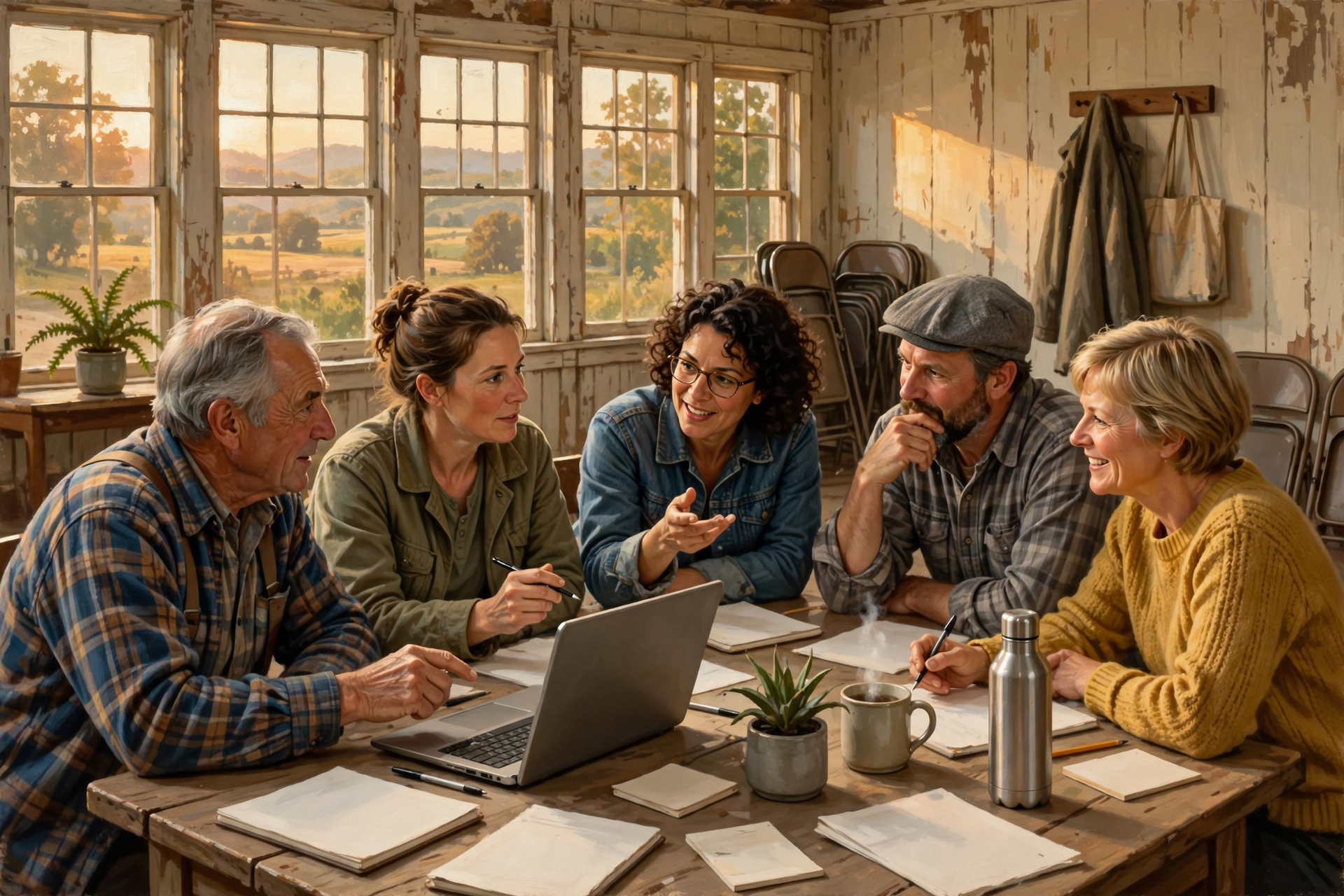
We spent decades building physical infrastructure.
Roads.
Electricity.
Water.
Broadband.
Those things matter enormously.
But perhaps the next infrastructure project is different.
Skills.
Confidence.
Digital literacy.
Entrepreneurship.
Cybersecurity awareness.
Business visibility.
Critical thinking.
Imagination.
Those things can’t be strung from utility poles.
But without them, the fiber doesn’t reach its full potential.
📅 This Is Why November 19 Matters
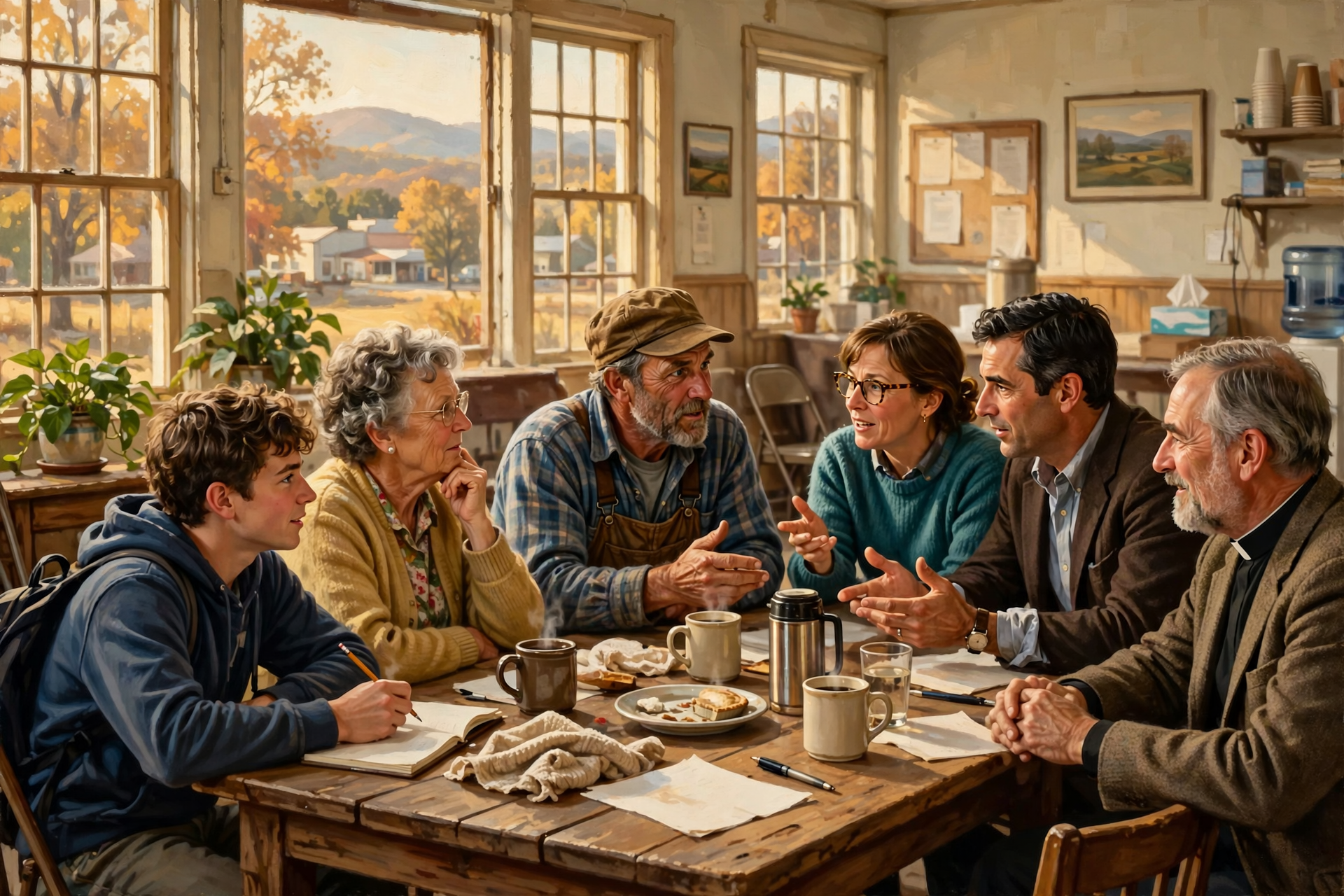
Between now and November 19, we’re exploring the choices rural communities face as broadband, artificial intelligence, automation, cybersecurity, and emerging technologies become part of everyday life.
And here’s what I hope we avoid:
A room full of people talking about technology as though rural residents are simply waiting for somebody else to deliver the future to them.
We’re not.
We already have capabilities previous generations could hardly have imagined.
The question is what we do with them.
That means the conversation belongs to:
Farmers.
Contractors.
Teachers.
Parents.
Students.
Pastors.
Business owners.
Retirees.
Public officials.
People who love technology.
And people who don’t trust it worth a dang.
Especially those people.
💬 Today’s Question

So here’s the question I want to put in front of you today:
If geography suddenly became less important, what would still hold our community back?
Skills?
Education?
Confidence?
Money?
Internet access?
Leadership?
Fear?
Business visibility?
Resistance to change?
Lack of time?
Something else entirely?
I genuinely want to know.
Because if we can identify the real barriers, perhaps we can stop spending so much time fighting the ones that technology has already begun removing.
🌄 We May Be Closer Than We Think
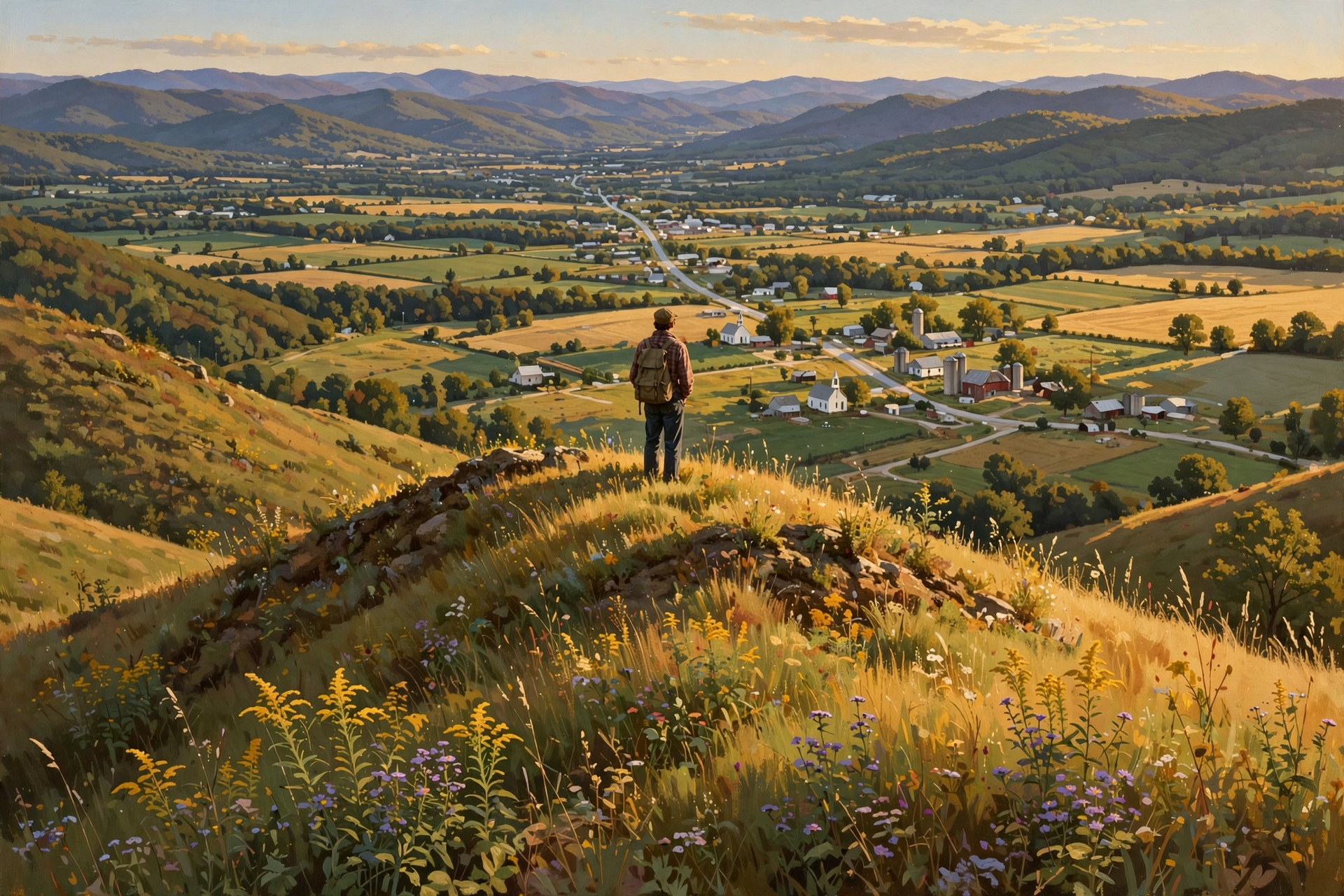
Rural Tennessee hasn’t suddenly lost all of its disadvantages.
Distance still matters.
Infrastructure still matters.
Transportation still matters.
Healthcare still matters.
Education still matters.
Capital still matters.
But perhaps something important has changed.
Maybe geography no longer gets to explain everything.
And that means some of the next barriers we have to overcome aren’t sitting on the other side of the mountain.
They’re sitting right here with us.
Skills can be learned.
Businesses can become visible.
Processes can change.
Confidence can grow.
Ideas can spread.
People can experiment.
That doesn’t make the problem easier.
But it makes the solution much more interesting.
Because for perhaps the first time, some of the biggest obstacles standing between rural communities and new opportunities may actually be things we can change ourselves.
🌄 The Rural Future Is Already Here
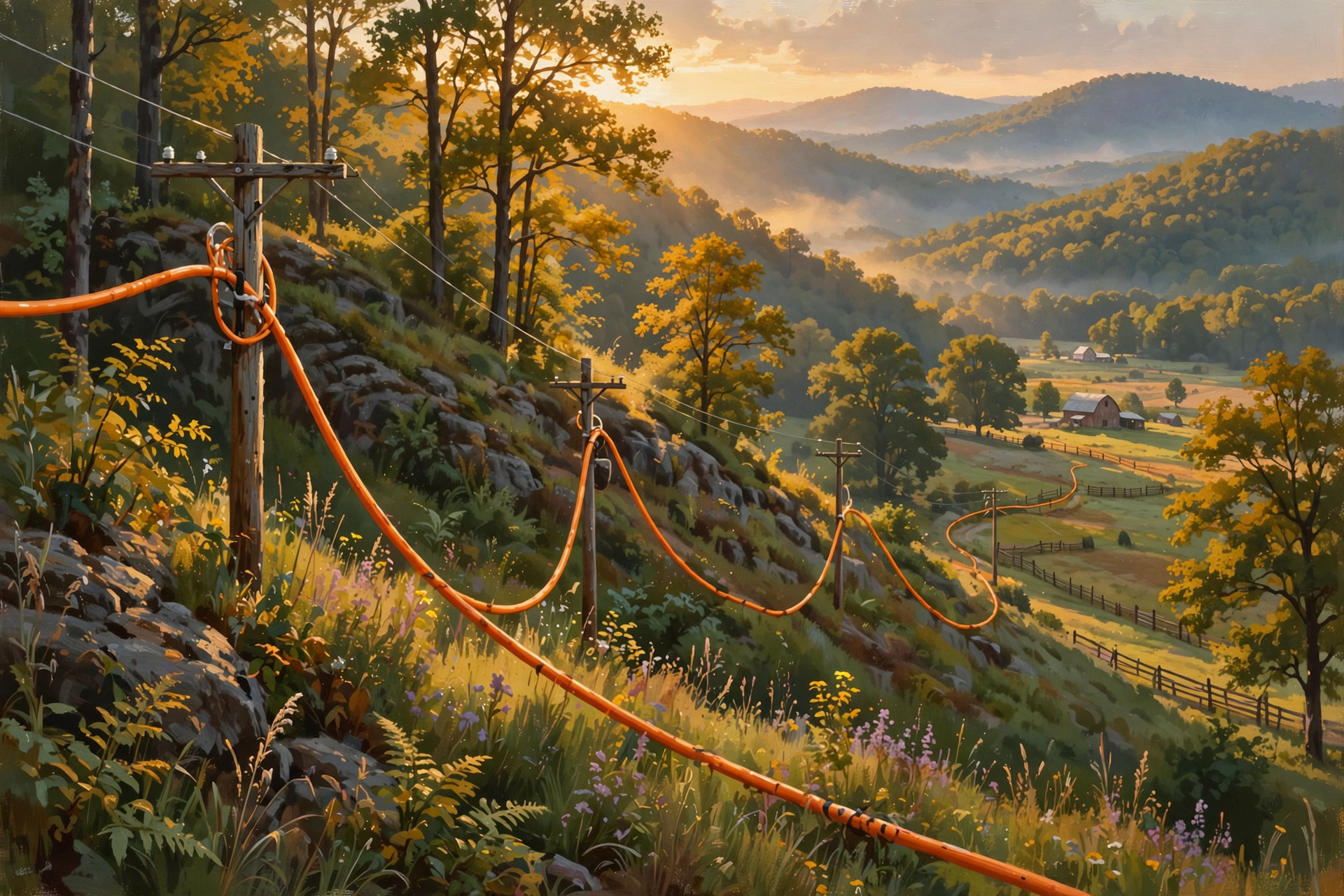
This story is part of an ongoing series exploring artificial intelligence, broadband, technology, economic opportunity, cybersecurity, community, and the future of rural Tennessee leading up to a regional technology symposium on November 19.
The Future Didn’t Ask Permission Before It Came to Rural Tennessee
We Spent Years Asking for Better Internet. Now What?
The Fiber Reached the Mountain. Did Opportunity Come With It?
We want your questions. What do you most want rural communities like ours to understand, protect, build, or figure out as technology changes around us? Follow the series between now and November 19—and join the conversation.

0 Comments