
Megawatts and Gigawatts Without the Engineering Degree

Data center conversations have a bad habit of turning into an electrical engineering class before anybody has passed out the textbooks.
Someone says:
“The project could require 300 megawatts at full buildout.”
Everybody nods thoughtfully.
Half the room is secretly wondering whether 300 megawatts is enough electricity to run a Walmart, the entire county or the Death Star.
Then somebody else mentions gigawatts.
At that point, anyone who grew up watching Back to the Future starts waiting for a DeLorean.
Fortunately, none of this is terribly difficult once we separate a few terms.
By the end of today’s article, you should be able to hear:
kilowatt
megawatt
gigawatt
megawatt-hour
and
electrical capacity
without immediately deciding you have somewhere else to be.
Start With the Watt

A watt is a unit of power.
Power tells us the rate at which energy is being used or produced at a particular moment.
Think about water flowing through a pipe.
We might describe the flow as gallons per minute.
That tells us how fast water is moving.
A watt plays a somewhat similar role with electricity.
It describes a rate.
Not how much electricity was used all month.
Not how much energy is stored somewhere.
It tells us how quickly electrical energy is being used or produced right now.
One Watt Is Tiny

One watt is not much power.
A modern LED light bulb might use several watts.
A phone charger might draw tens of watts while charging.
A laptop might operate somewhere in the tens of watts under light use and considerably more under heavier workloads, depending on the machine.
A desktop gaming computer may consume hundreds of watts.
Once we start talking about buildings and industrial equipment, using individual watts becomes inconvenient.
So we start adding zeros.
Meet the Kilowatt

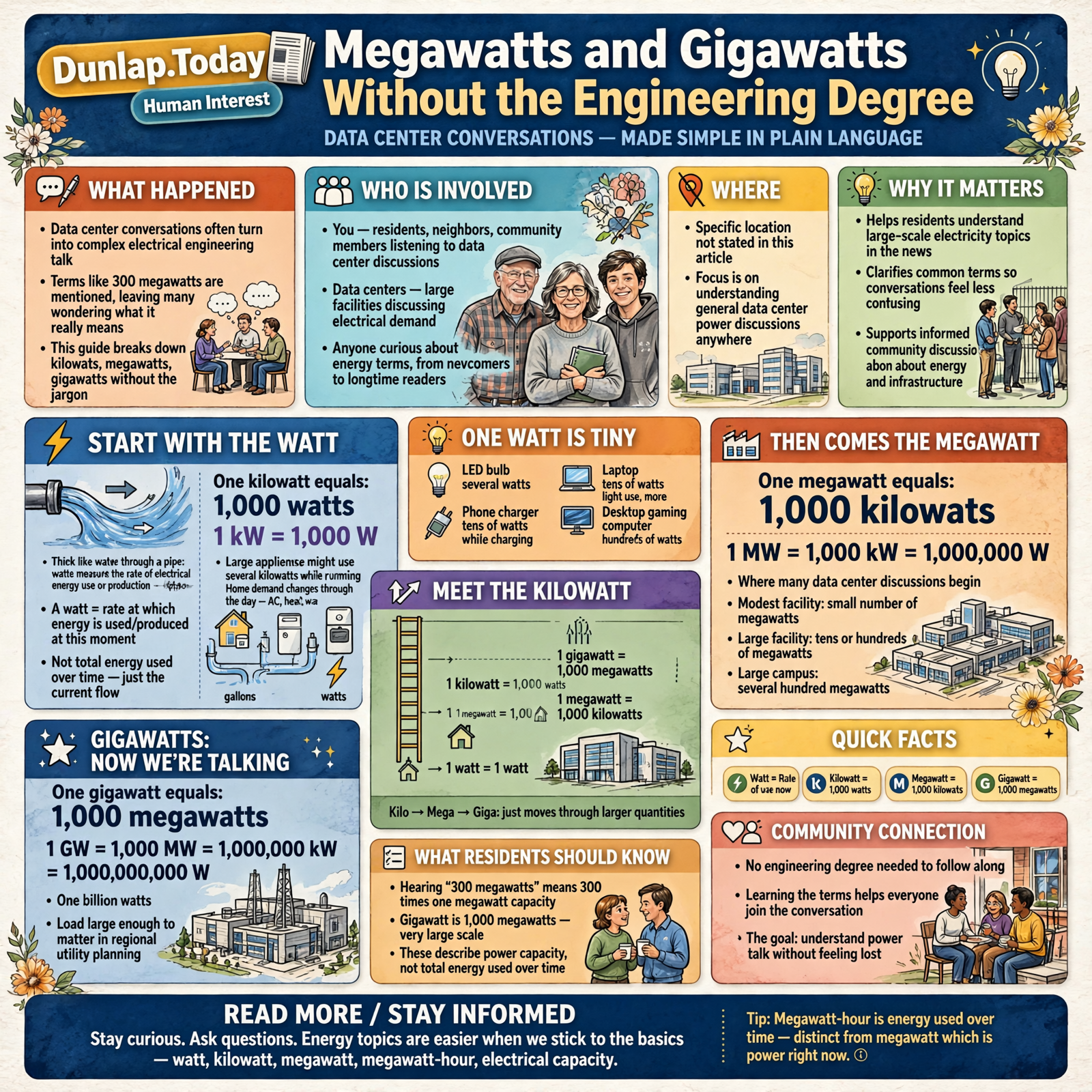
One kilowatt equals:
1,000 watts.
Written another way:
1 kW = 1,000 W
Now we are getting into a unit that feels more familiar around houses and small businesses.
A large electric appliance might consume several kilowatts while operating.
A home’s total electrical demand can move up and down throughout the day depending on whether air conditioning, electric heat, water heaters, dryers, ovens and other equipment are running.
So:
watts are useful for individual devices.
kilowatts become useful for larger devices, homes and small commercial loads.
Then Comes the Megawatt
One megawatt equals:
1,000 kilowatts
or:
1,000,000 watts.
Written simply:
1 MW = 1,000 kW = 1,000,000 W
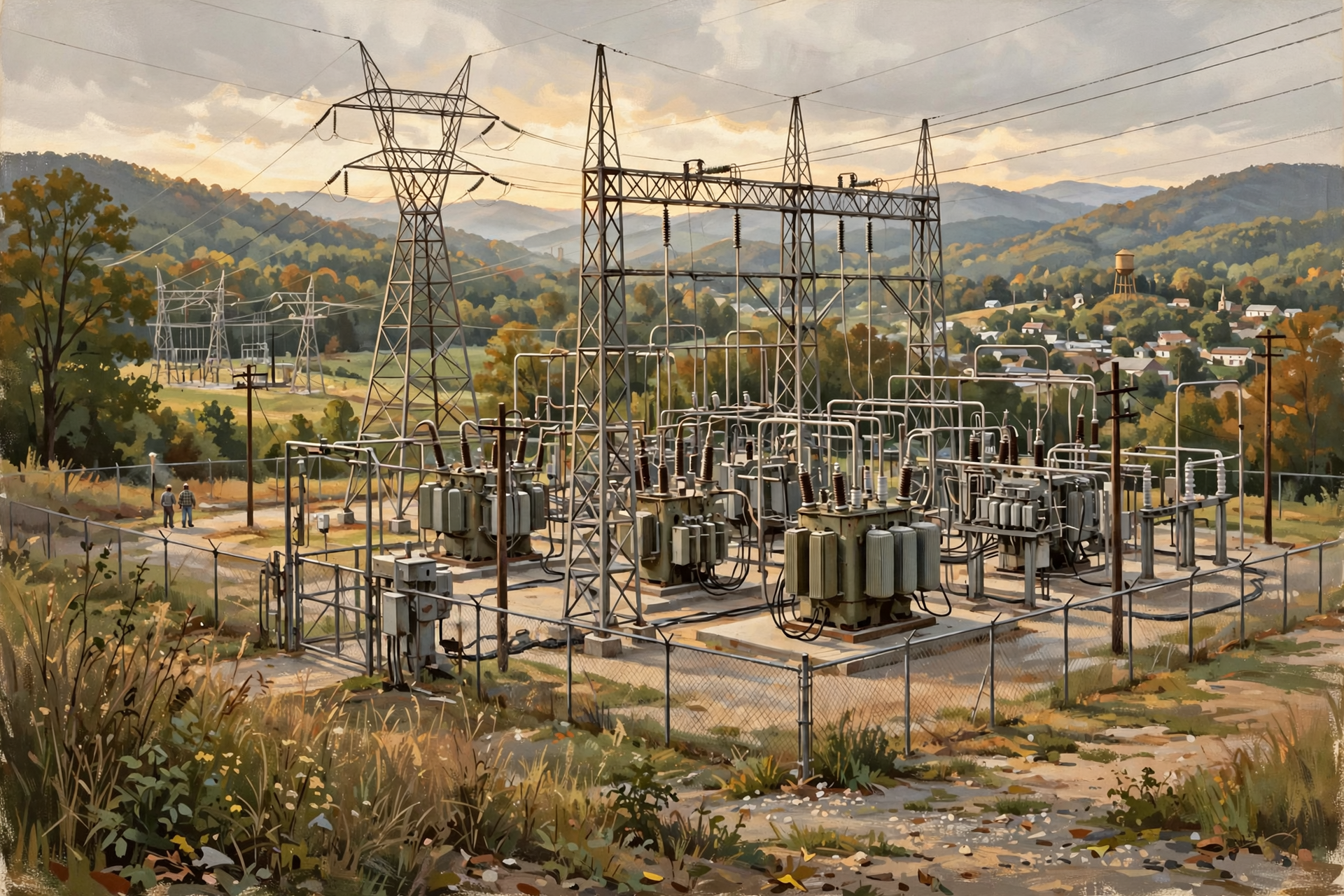
This is where data center discussions begin spending a lot of time.
A modest facility might require electrical capacity measured in a relatively small number of megawatts.
A large facility may require tens or hundreds of megawatts.
A large multi-building campus may be discussed in several hundred megawatts.
And the very largest proposals can push toward the next unit.
Gigawatts: Now We’re Talking About 1,000 Megawatts

One gigawatt equals:
1,000 megawatts.
Or:
1 billion watts.
Written:
1 GW = 1,000 MW = 1,000,000 kW = 1,000,000,000 W
If a data center campus is being discussed in gigawatts, we are no longer talking about a building with a large electric bill.
We are talking about an electrical load large enough to matter in regional utility planning.
Let’s Put the Ladder Together

- 1 watt = 1 watt
- 1 kilowatt = 1,000 watts
- 1 megawatt = 1,000 kilowatts
- 1 gigawatt = 1,000 megawatts
The names simply move us through increasingly large quantities.
Kilo.
Mega.
Giga.
Same basic unit.
More zeros.
Think Dollars Instead of Electricity

Another way to understand the progression:
A watt is like talking about one dollar.
A kilowatt is like talking about one thousand dollars.
A megawatt is like talking about one million dollars.
A gigawatt is like talking about one billion dollars.
The comparison is not electrical mathematics.
It is simply a way to feel the scale.
When a conversation jumps from megawatts to gigawatts, we did not make a small step.
We multiplied by one thousand.
But Here Comes the Important Part: Power Is Not Energy

This is where public discussions often go sideways.
A megawatt measures power.
A megawatt-hour measures energy.
They are related.
They are not interchangeable.
If you remember only one technical distinction from today’s article, remember this one.
The Garden Hose Explains It

Imagine water flowing through a garden hose.
Gallons per minute tells us the rate at which water is flowing.
Total gallons tells us how much water was delivered over time.
Electricity works similarly.
Megawatts describe the rate at which electricity is being used or produced.
Megawatt-hours describe the amount of electrical energy used over time.
One Megawatt for One Hour Equals One Megawatt-Hour

Suppose a facility draws exactly one megawatt continuously for one hour.
It has consumed:
1 megawatt-hour.
If it draws one megawatt for ten hours:
10 megawatt-hours.
If it draws 100 megawatts continuously for one hour:
100 megawatt-hours.
This is straightforward once we stop treating megawatts and megawatt-hours as the same thing.
Speedometer Versus Odometer

Here is another analogy.
A car’s speedometer tells you how fast you are traveling right now.
The odometer tells you how far you traveled over time.
Megawatts are somewhat like the speedometer.
Megawatt-hours are somewhat like the distance traveled.
One is a rate.
One accumulates over time.
Why Does This Matter for Data Centers?
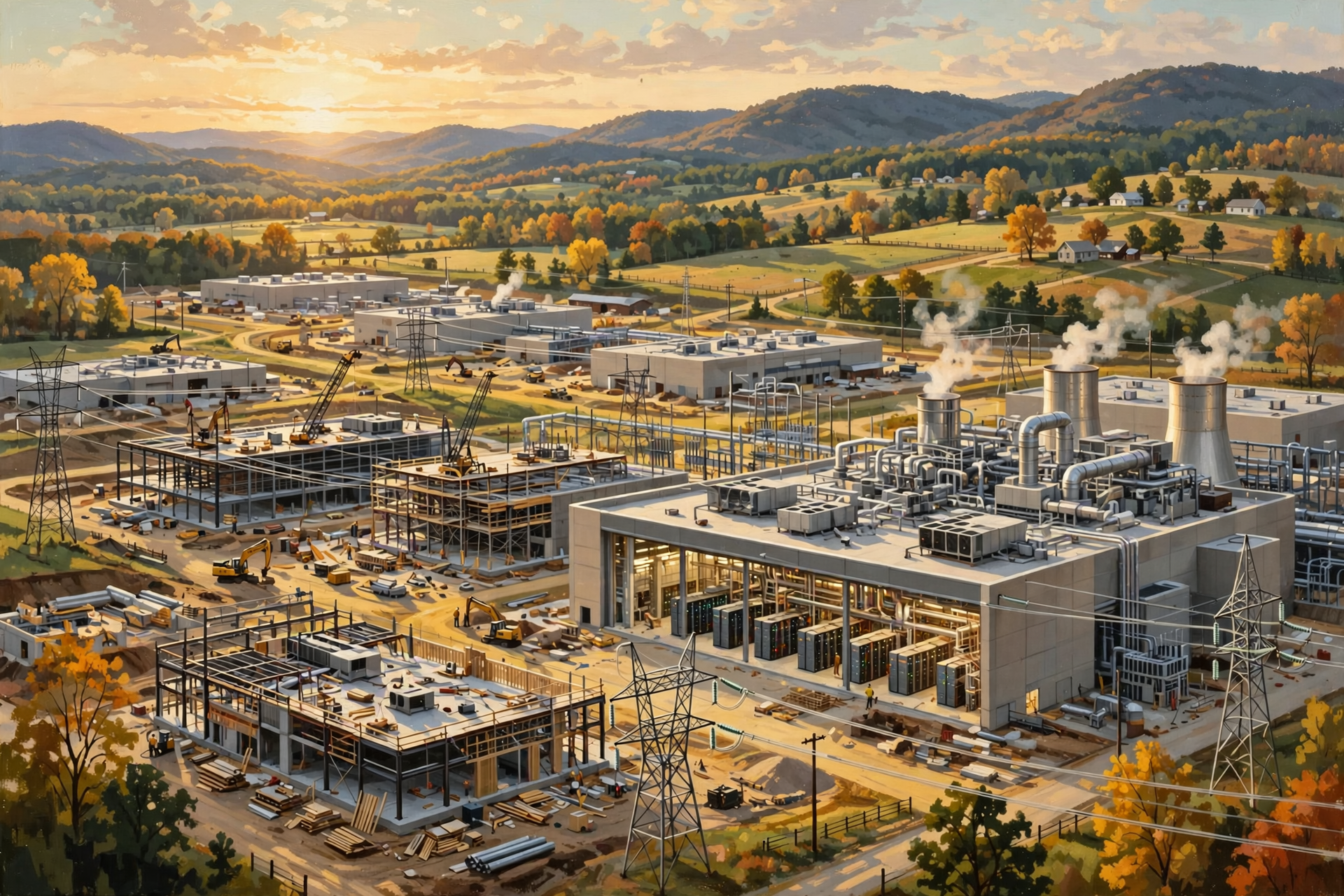
Suppose a developer says:
“The campus will have 200 megawatts of electrical capacity.”
That does not necessarily mean the campus will consume 200 megawatts every minute of every day.
It tells us something about the electrical load the site is designed to accommodate.
Actual demand can vary depending on:
- how many buildings are complete;
- how many server racks are installed;
- how heavily those computers are operating;
- maintenance;
- cooling requirements;
- time of day;
- software workloads;
- and whether the campus has reached full buildout.
Capacity tells us what the system may need to handle.
Consumption tells us what it actually used.
Electrical Capacity Is Like the Size of the Water Pipe

Imagine a building connected to a large water main.
The pipe might be capable of supplying 1,000 gallons per minute.
That does not mean 1,000 gallons flow every minute forever.
The pipe has been sized so it can deliver that much when required.
Electrical infrastructure works similarly.
A utility may need to size transformers, substations and transmission equipment around the maximum expected load even if the facility normally operates below that maximum.
Peak Demand Is the Biggest Moment

Peak demand is the highest electrical load reached during a particular period.
Utilities care enormously about peaks because the electrical system must be capable of meeting demand when customers need the most power.
Suppose your household usually draws relatively little electricity.
Then:
- the air conditioner starts;
- the water heater is running;
- the dryer is operating;
- the oven is on;
- and somebody plugs in an electric vehicle.
Your house suddenly reaches a much higher electrical demand.
The system supplying your home needs to tolerate that peak.
Now imagine the same principle at industrial scale.
Average Demand Is a Different Number

A data center might be capable of drawing 200 megawatts at peak but average something less than that over time.
The difference matters.
If somebody reports only the maximum capacity, you do not know annual consumption.
If somebody reports only annual consumption, you do not necessarily know the maximum electrical infrastructure required.
Both numbers tell us useful things.
Neither replaces the other.
Then There Is the Load Factor

A useful utility concept is load factor.
In simple terms, load factor compares average demand over a period with the highest demand during that period.
A facility that runs at a relatively steady load around the clock can have a high load factor.
A facility that occasionally reaches a large peak but spends much of its time at low demand has a lower one.
Why does that matter?
Because utilities care not only about how much electricity a customer consumes but when and how consistently that customer consumes it.
Data Centers Can Be Unusual Customers
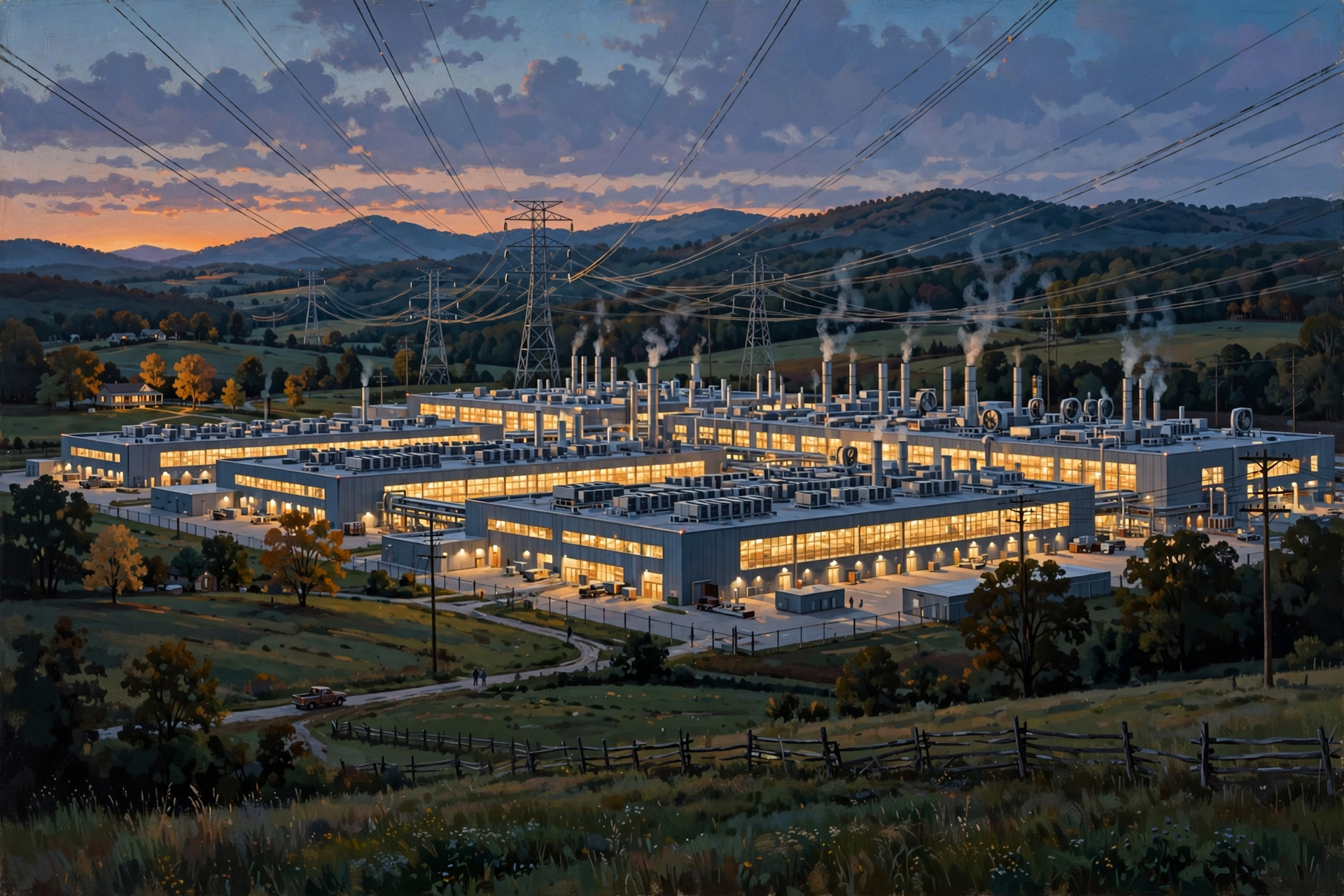
Many data centers operate around the clock.
Internet users do not collectively turn off Google, cloud storage, online banking, streaming services and artificial intelligence at bedtime.
And even when one part of the world sleeps, another part is awake.
That means some data centers can represent large, relatively steady electrical loads.
From a utility perspective, that is very different from something that operates only a few hours per day.
Why Does a Steady Load Matter?

Imagine owning a restaurant.
Customer A shows up once a year and orders a $10,000 dinner.
Customer B spends $100 every day.
Both can be valuable customers.
But their demand patterns are completely different.
Utilities similarly care about the shape and predictability of electrical demand.
A large customer using substantial electricity consistently can provide significant revenue.
But it can also require major infrastructure.
The economics depend on both sides.
How Big Is 100 Megawatts?

This is where everybody wants an analogy.
And this is also where analogies can get us in trouble.
You will often see claims such as:
“100 megawatts can power X number of homes.”
The problem is that there is no single universal home.
Homes use different amounts of electricity based on:
- climate;
- size;
- heating type;
- air conditioning;
- appliances;
- occupancy;
- efficiency;
- and time of day.
Even more importantly, comparing a data center’s peak megawatt capacity with a household’s annual energy consumption can accidentally compare two different measurements.
So whenever you hear:
“This data center uses as much electricity as 80,000 houses,”
ask:
Based on what measurement?
Peak demand?
Average demand?
Annual energy use?
Full buildout?
Current operation?
That one follow-up can eliminate a surprising amount of confusion.
The Better Way to Understand 100 Megawatts
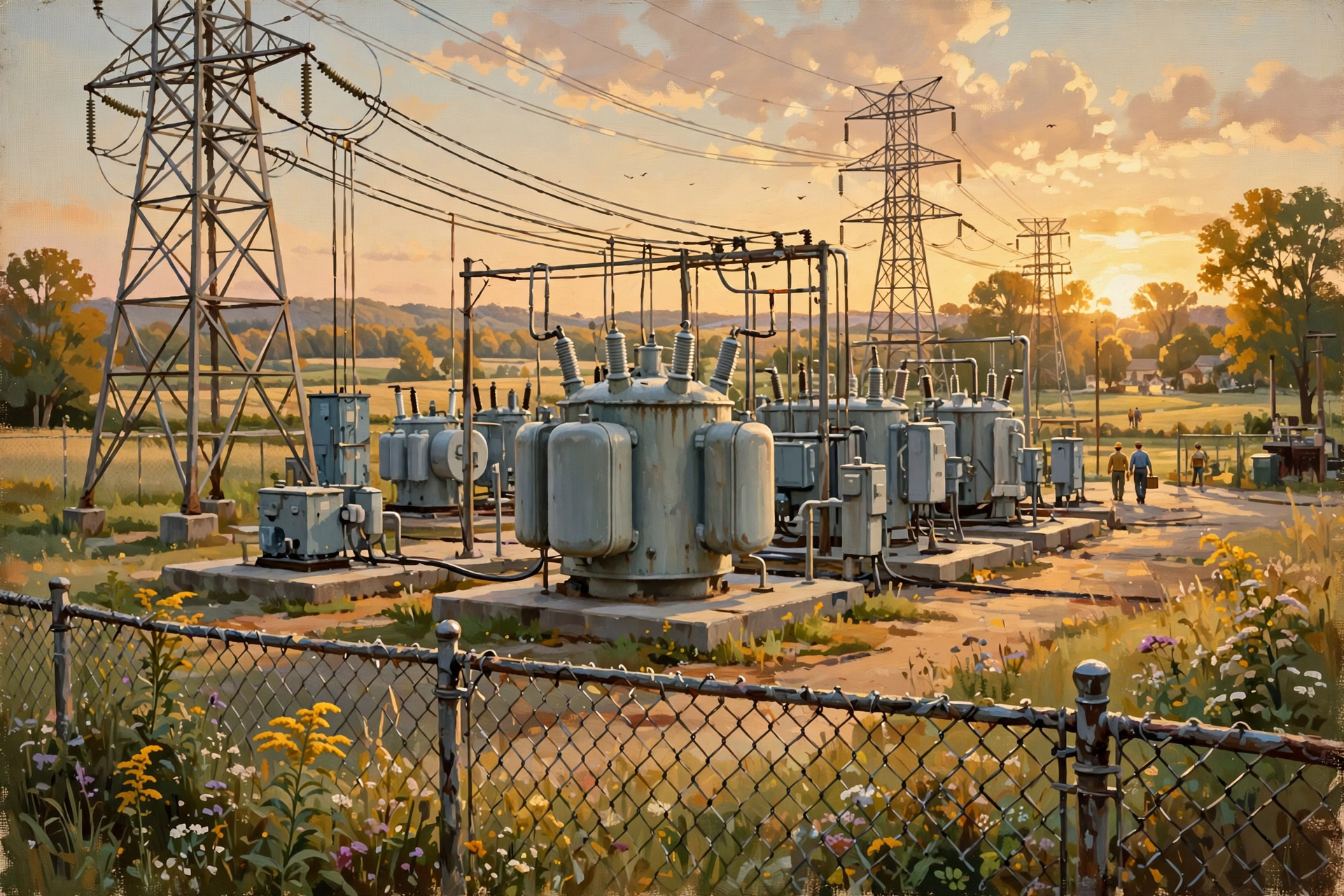
Instead of forcing everything into houses, start with the engineering reality:
100 megawatts is 100 million watts of electrical demand.
If a facility can sustain demand at that scale, it is a major industrial electrical customer.
That may justify:
- dedicated substations;
- large transformers;
- high-voltage transmission connections;
- substantial backup systems;
- and long-term utility planning.
You do not need to convert it into refrigerators, light bulbs or houses to understand that it is large.
How Big Is One Gigawatt?

One gigawatt is:
1,000 megawatts.
If 100 megawatts represents a major industrial load, one gigawatt is an entirely different scale.
A proposed campus approaching gigawatt territory is not simply asking:
Can we get electric service to this property?
The question becomes closer to:
How does this enormous new load fit into the regional power system?
This Is Why Gigawatt Projects Get Attention
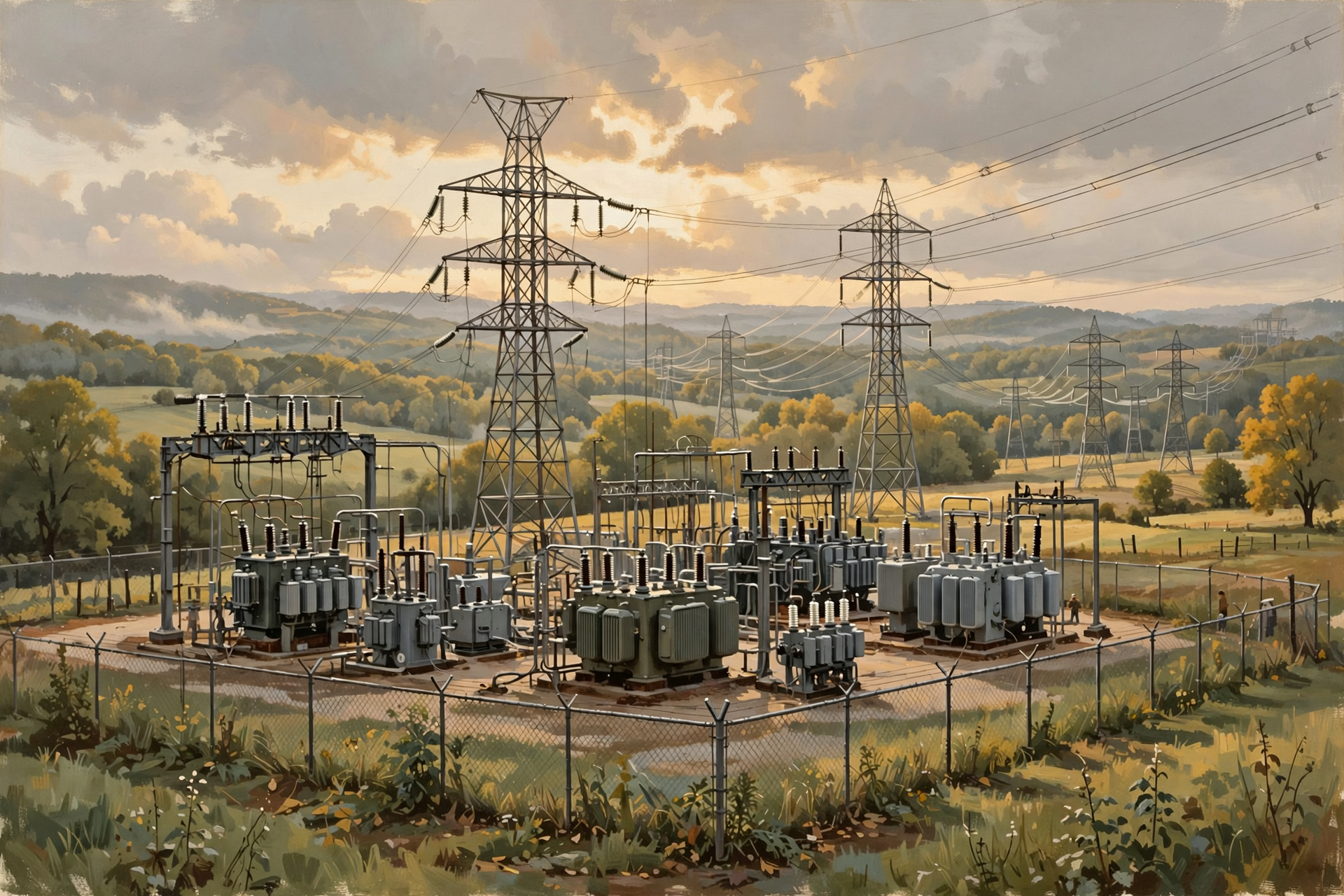
At that scale, discussions can involve:
- new generating capacity;
- major transmission upgrades;
- multiple substations;
- large transformer fleets;
- long lead-time electrical equipment;
- multi-year construction schedules;
- special utility agreements;
- and questions about who carries financial risk.
The computing may happen inside the fence.
The electrical consequences can extend far beyond it.
Follow the Numbers Through a Hypothetical Campus

Let’s imagine a fictional project called:
Front Porch Data Campus.
Phase One:
50 megawatts.
Phase Two:
another 50 megawatts.
Phase Three:
100 additional megawatts.
Full buildout:
200 megawatts.
When the developer first arrives, perhaps only Phase One is immediately under construction.
If citizens hear only:
“It’s a 50-megawatt project,”
they may misunderstand the long-term plan.
The better question is:
What is the maximum planned electrical requirement after every phase?
This Is Why “Full Buildout” Matters So Much
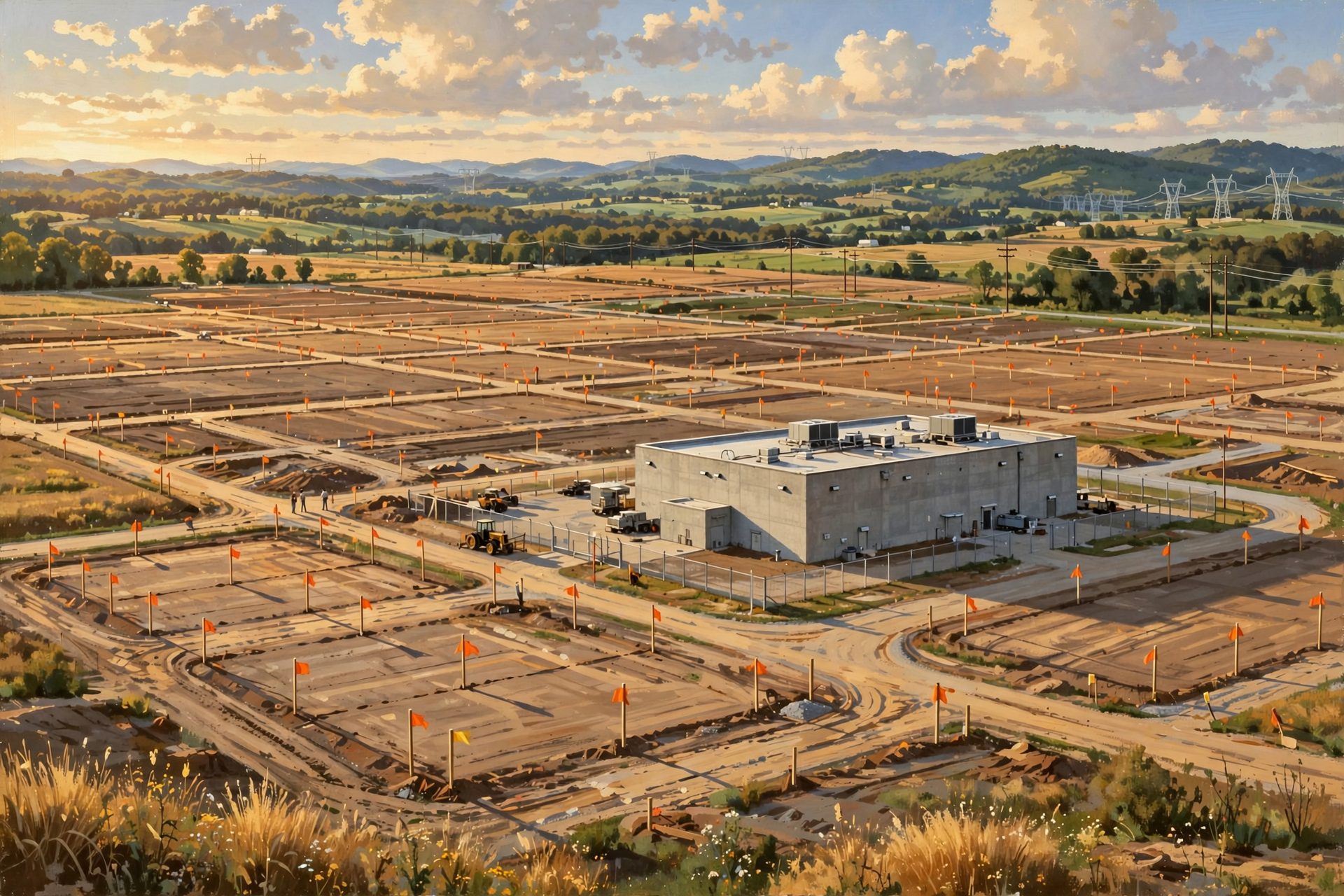
Large data centers and hyperscale campuses can develop over years.
The first building might represent a fraction of the eventual load.
Utility infrastructure might be constructed with later phases in mind.
Land could be reserved for future expansion.
The community therefore needs both:
- the Phase One number; and
- the full-buildout number.
One tells you what is coming first.
The other tells you what you may eventually be agreeing to.
Nameplate Capacity Is Not the Same as Actual Use

You may also hear the term nameplate capacity.
For electrical equipment or generation, this generally refers to the rated capacity of the equipment.
Again, capacity does not mean continuous output or continuous consumption at that exact level.
A pickup might be rated to tow 12,000 pounds.
That does not mean it spends every mile pulling 12,000 pounds.
The rating tells you what it is designed to handle.
Generation Has Capacity Too

Power plants are also described in megawatts.
A generating plant might have a rated capacity of several hundred or several thousand megawatts.
But different generation technologies do not necessarily produce their full rated capacity every hour of the year.
Maintenance happens.
Fuel availability matters.
Sunlight changes.
Wind changes.
Water conditions can change.
Grid operators dispatch generating resources differently.
This is another reason comparing one data-center megawatt directly with one generating megawatt can require context.
One Megawatt of Demand and One Megawatt of Generation Sound Alike—but Timing Matters

Imagine a data center needs one megawatt at 2:00 Tuesday afternoon.
A generator capable of producing one megawatt at midnight but nothing at 2:00 Tuesday afternoon does not solve that immediate problem by itself.
Electric grids have to match supply and demand continuously.
That is why reliability involves more than simply adding up all the megawatts printed on equipment labels.
Now Add Transmission
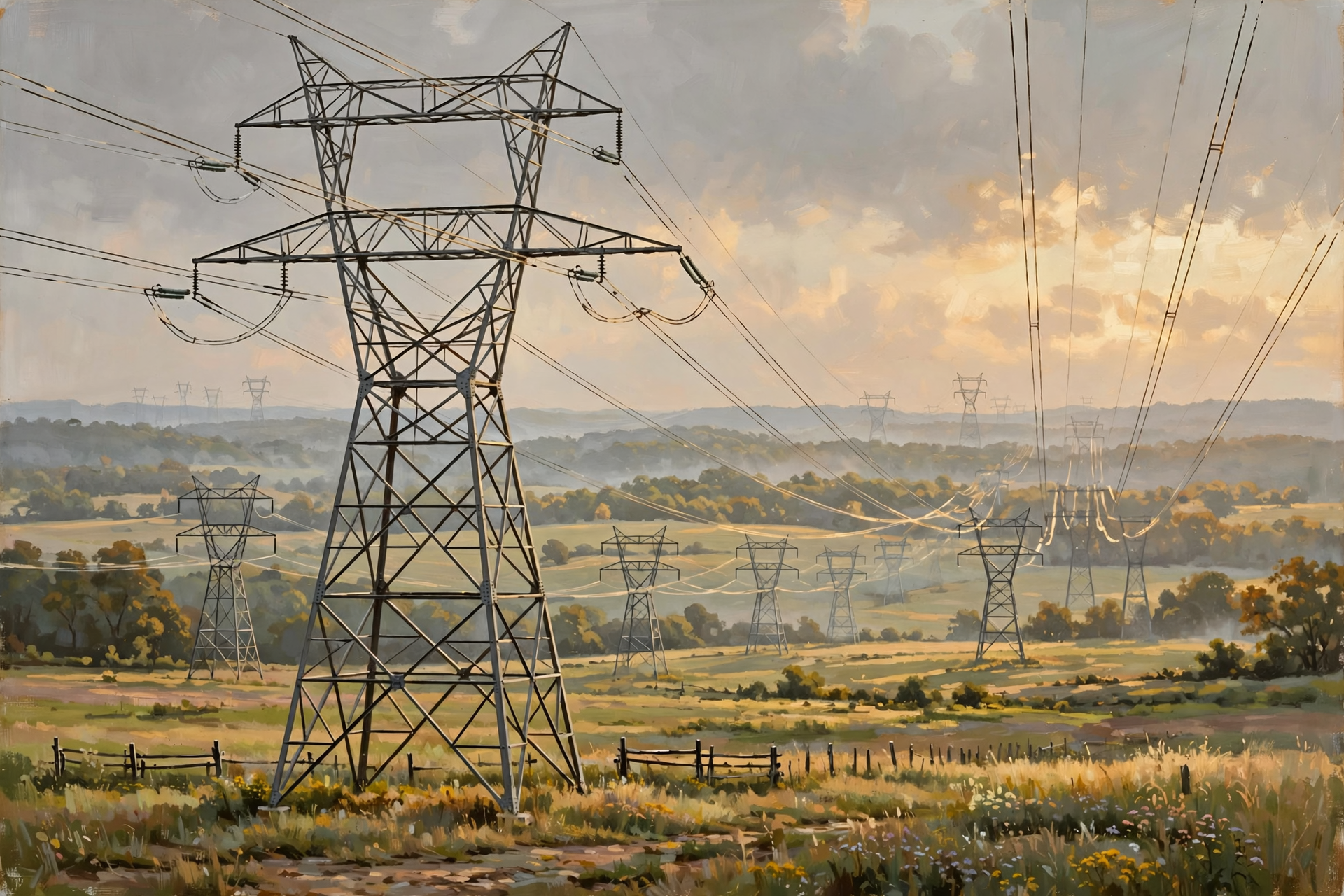
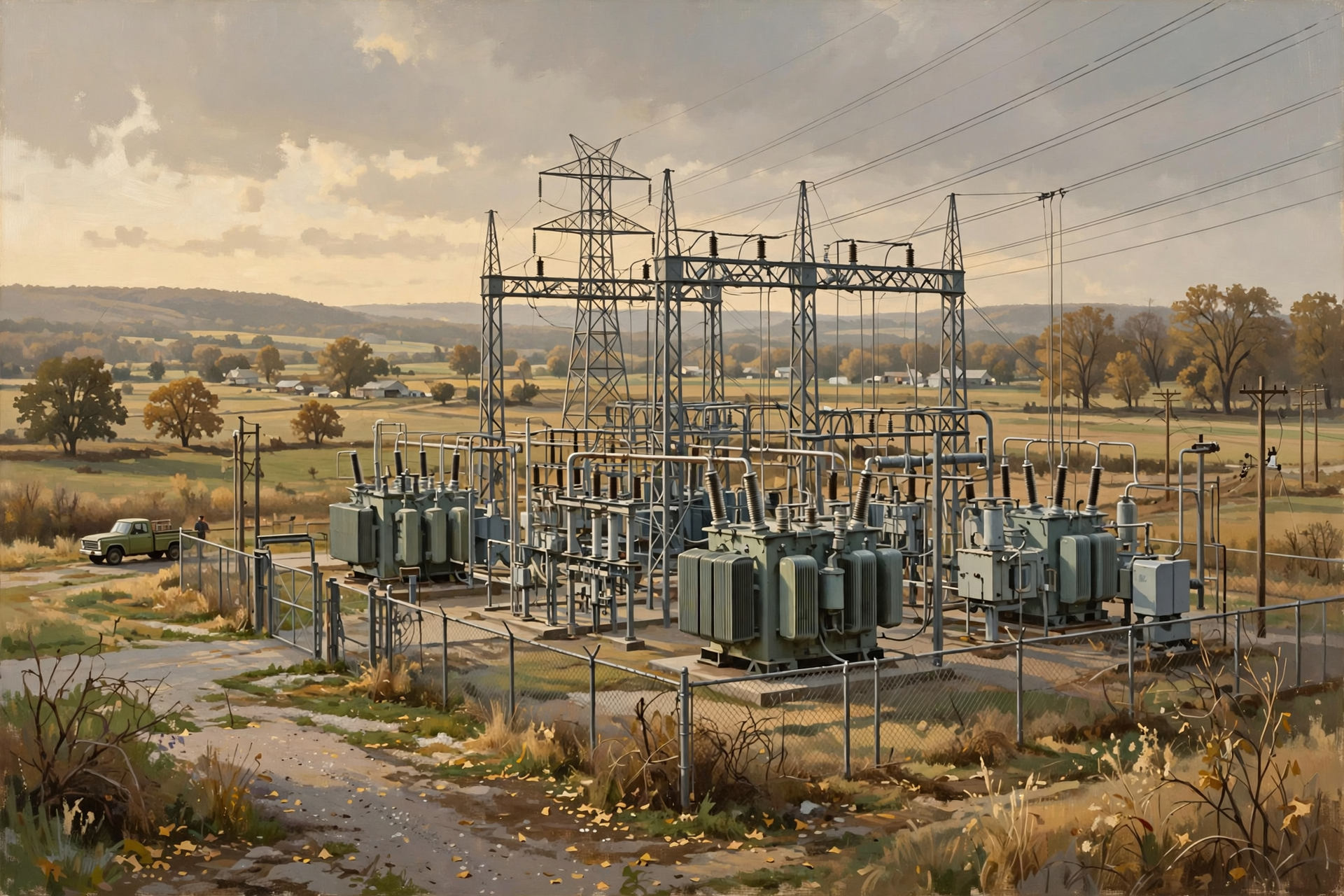
Even if enough electricity can be generated somewhere, it still has to reach the data center.
This is where transmission becomes important.
Transmission lines move large quantities of electricity across longer distances at high voltage.
A region can theoretically have enough total generation but still face a local constraint if transmission infrastructure cannot deliver enough power to the site.
Think of water again.
A reservoir might contain plenty of water.
That does not help if the pipe leading to your property is too small.
Then Comes the Substation
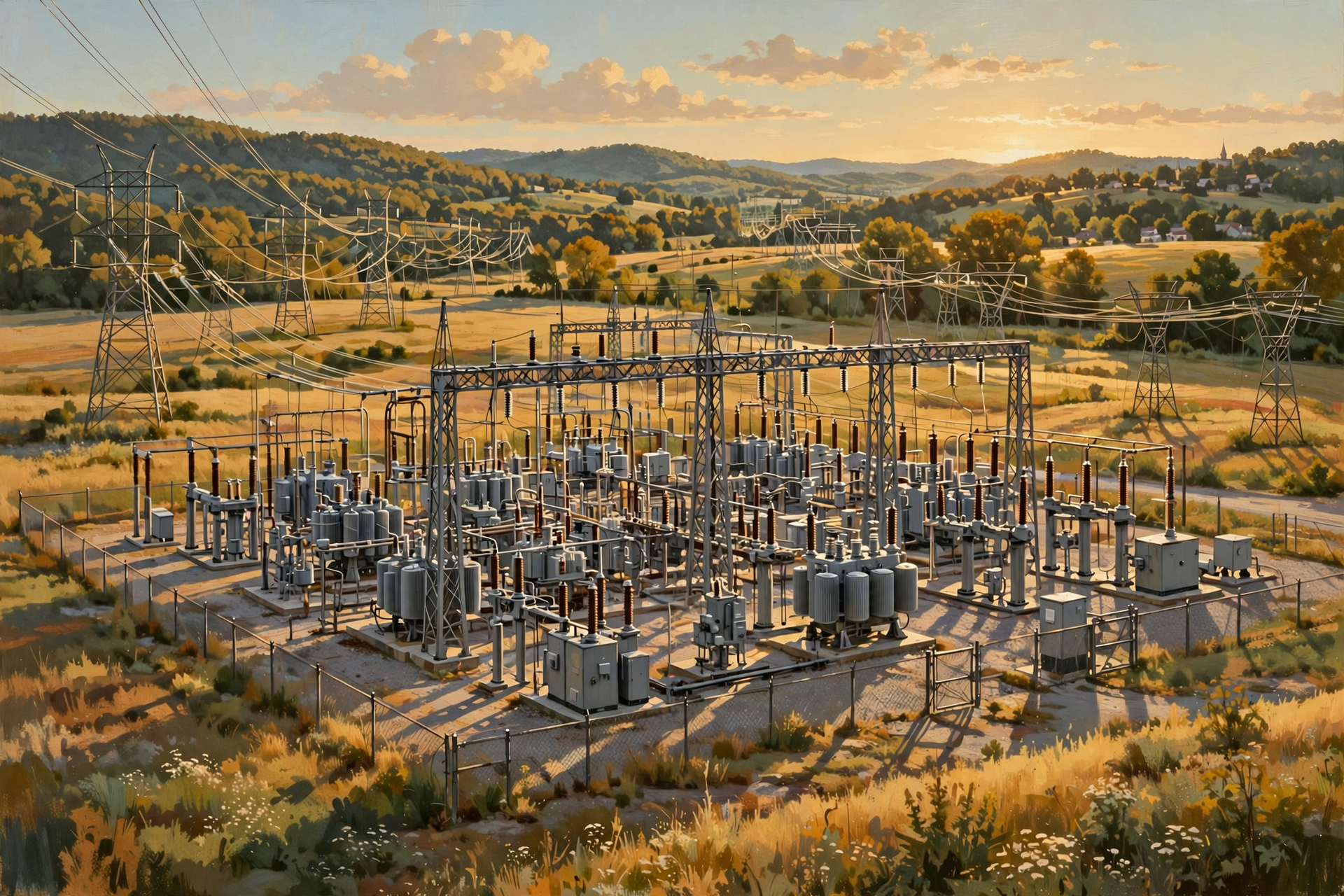
A data center does not simply run a very long extension cord to the nearest power plant.
Substations help transform, switch and distribute electricity.
Large facilities may require dedicated or expanded subststation infrastructure to handle their load.
The bigger the megawatt number becomes, the more important that part of the project becomes.
Transformers Matter Too
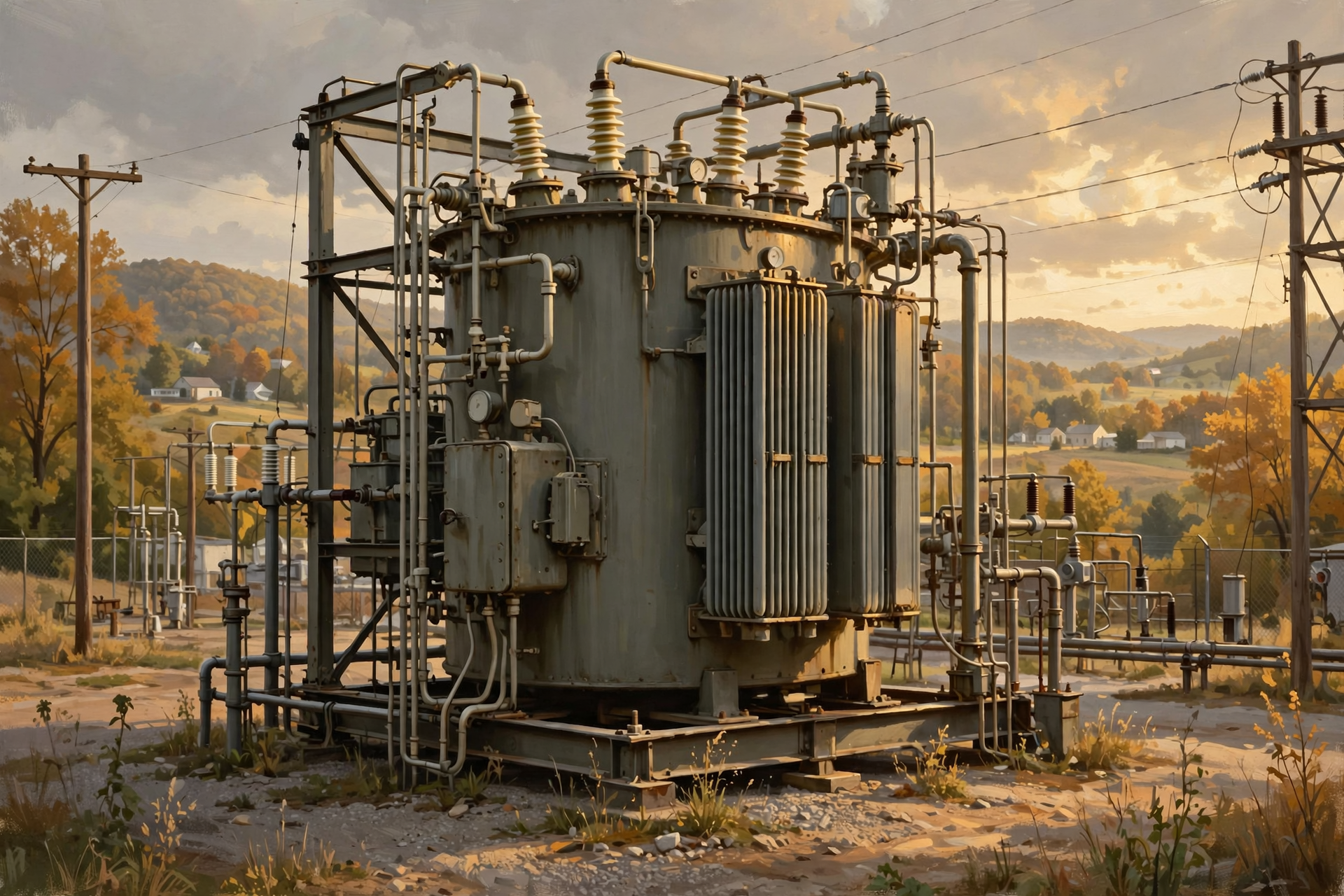
Transformers change electrical voltage so electricity can move efficiently through different parts of the power system and eventually be used by equipment.
Large transformers are serious pieces of industrial equipment.
They can be expensive.
They can require long manufacturing lead times.
And as data-center demand grows, transformer availability has become one of the physical constraints on how quickly projects can connect to the electric grid.
Computers Can Be Built Faster Than Grids
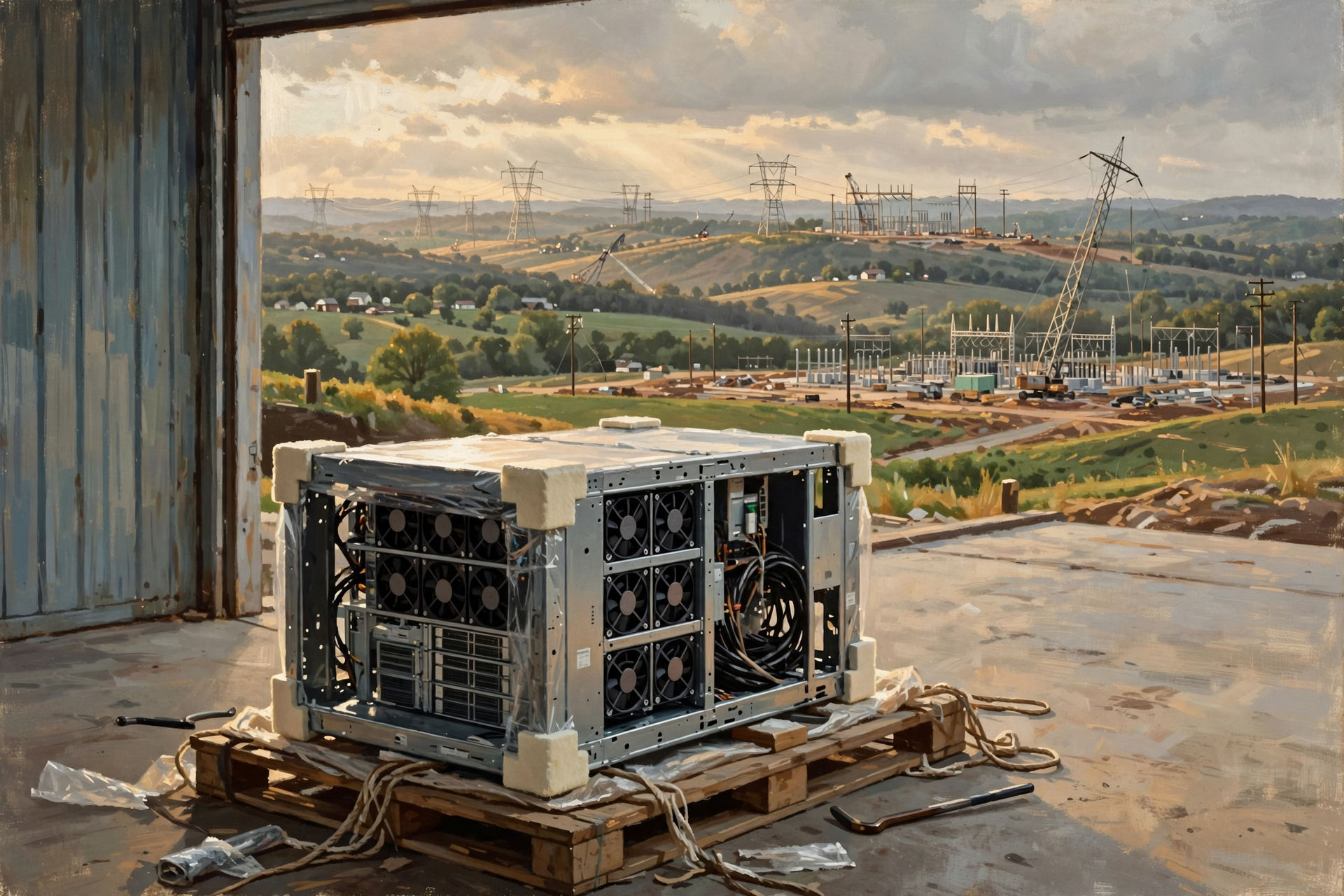
This is one of the odd tensions of the AI era.
A technology company may improve its computers every year.
Software can change overnight.
AI models can improve in months.
But:
- power plants;
- transmission lines;
- substations;
- large transformers;
- and other utility infrastructure
operate on a much slower timetable.
A server can arrive on a truck.
A transmission project may require years.
Why TVA Is Talking About This

The Tennessee Valley is experiencing rising electrical demand from several sources, including population growth, industrial development and data centers.
TVA’s 2026 Integrated Resource Plan process explicitly identifies data-center growth among the factors affecting future electricity needs.
This does not mean data centers are responsible for every future power plant.
It means their loads are becoming large enough to matter in the same long-range planning used for population, industry and other forms of economic growth.
The U.S. Numbers Are Growing Too
The U.S. Department of Energy’s 2025 data-center energy update estimated that American data centers consumed roughly 192 terawatt-hours of electricity in 2024.
Notice the unit has changed again.
Terawatt-hour.
Don’t panic.
We are simply moving farther up the same ladder.
What Is a Terawatt?

One terawatt equals:
1,000 gigawatts.
Or:
1 trillion watts.
At national scale, even gigawatts become inconveniently small for describing annual energy consumption.
That is why reports may use terawatt-hours.
Same family of units.
More zeros.
Do Not Let the Big Number Scare You Before You Understand the Unit

This is good advice whenever reading data-center headlines.
Consider these:
500 watts
500 kilowatts
500 megawatts
500 gigawatts
They all begin with 500.
They describe wildly different scales.
A number without a unit is nearly useless.
And a unit without understanding whether it describes power, energy, capacity or actual consumption can still mislead.
Four Numbers I Want to See in Every Large Data Center Proposal

If a major project is proposed, I would want at least these four electrical numbers stated clearly.
1. Phase One Capacity
How many megawatts are required for the initial operation?
2. Full-Buildout Capacity
How many megawatts or gigawatts could the completed project eventually require?
3. Expected Average Demand
How much power does the developer realistically expect to draw during ordinary operation?
4. Expected Annual Energy Consumption
How many megawatt-hours or gigawatt-hours is the facility expected to consume over a year?
Those numbers together tell us far more than one impressive headline figure.
Then I Want to Know Who Pays
Once we understand the megawatts, the next questions become financial.
If the project requires:
- a new substation;
- larger transformers;
- transmission upgrades;
- additional generation;
- or other electrical infrastructure,
who pays?
The developer?
The utility?
Existing customers?
A combination?
What happens if the data center promises 500 megawatts of future demand and eventually uses only 150?
Who carries the cost of infrastructure built around the original forecast?
Those are not electrical engineering questions anymore.
Those are community economic questions.
Hold On—Is That True? “A 100-Megawatt Data Center Uses 100 Megawatts Every Hour”
Not necessarily.
Megawatts describe a rate of power.
A 100-megawatt facility may refer to maximum capacity or expected peak demand.
Actual use may vary over time.
To describe energy consumed over time, we need units such as megawatt-hours.
Hold On—Is That True? “One Gigawatt Means One Billion Kilowatt-Hours”

No.
One gigawatt is a measure of power.
One billion kilowatt-hours is a measure of energy.
They are different kinds of measurements.
Never drop the word hour as though it is decorative.
It changes what the number means.
Hold On—Is That True? “If a Power Plant Is Rated at 500 Megawatts, It Can Always Support a 500-Megawatt Data Center”

Not automatically.
Generation availability, maintenance, transmission capacity, reliability requirements, reserve margins and when the electricity is needed all matter.
An electric system has to balance supply and demand continuously.
Hold On—Is That True? “A Data Center Uses the Electricity of X Homes”

Maybe, but check the math.
Household-equivalent comparisons can help communicate scale, but they can also mix peak power with annual energy use or rely on averages that do not reflect local conditions.
Always ask:
Are we comparing megawatts with megawatts, or megawatt-hours with megawatt-hours?
Apples with apples.
Not apples with extension cords.
Why This Matters for Rural Tennessee

A rural county may not need to understand every detail of electrical engineering.
But if a project requires hundreds of megawatts, residents should understand what the number means.
That load could influence questions about:
- new substations;
- transmission routes;
- generation planning;
- land use;
- utility contracts;
- rate structures;
- construction;
- and long-term financial obligations.
The data center itself may sit on private property.
The electrical system supporting it can become a much broader community issue.
Ten Questions to Ask When Somebody Gives You a Megawatt Number

- Is that number maximum capacity, expected peak demand or average demand?
- Does it describe Phase One or full buildout?
- What is the expected annual energy consumption?
- How quickly will demand ramp up?
- Does the site require a new substation?
- Does the project require new transmission capacity?
- Does additional generation need to be built or contracted?
- Who pays for the required infrastructure?
- What happens if actual demand is lower than forecast?
- What protections exist for existing electric customers?
Plain-English Glossary

Watt: A unit measuring the rate at which electrical power is used or produced.
Kilowatt: One thousand watts.
Megawatt: One million watts, or 1,000 kilowatts.
Gigawatt: One billion watts, or 1,000 megawatts.
Terawatt: One trillion watts, or 1,000 gigawatts.
Kilowatt-hour: The amount of energy represented by one kilowatt used continuously for one hour.
Megawatt-hour: The amount of energy represented by one megawatt used continuously for one hour.
Gigawatt-hour: One gigawatt used continuously for one hour, or 1,000 megawatt-hours.
Terawatt-hour: One terawatt used continuously for one hour, or 1,000 gigawatt-hours.
Peak demand: The highest rate of electrical demand reached during a defined period.
Average demand: The average rate of power use across a period of time.
Capacity: The maximum amount of power equipment or infrastructure is designed to provide or handle under specified conditions.
Load factor: A measure comparing average demand with peak demand over a period.
Full buildout: The completed project after all currently planned phases have been developed.
FAQ

How many kilowatts are in a megawatt?
One megawatt equals 1,000 kilowatts.
How many megawatts are in a gigawatt?
One gigawatt equals 1,000 megawatts.
Is a megawatt a lot of electricity?
For one household, yes. For an industrial facility, one megawatt may be modest. Scale and context matter.
What is the difference between a megawatt and a megawatt-hour?
A megawatt measures power—the rate at which electricity is being used or produced. A megawatt-hour measures energy consumed or produced over time.
If a data center is rated for 500 megawatts, does it always use 500?
No. The figure may represent maximum or planned electrical capacity. Actual demand varies with installed equipment, computing workload, construction phases, cooling and operations.
Why are data center projects discussed in megawatts instead of square feet?
Square footage tells you how large the building is. Megawatts tell you much more about how much computing and electrical infrastructure may operate inside it. A small building packed with high-powered AI equipment can have much greater electrical demand than a larger conventional building.
Why does TVA care about data center megawatts?
Because large new loads can affect long-range planning for generation, transmission and reliability across the Tennessee Valley. Data-center growth is now significant enough to be explicitly included in TVA’s planning process.
Wisdom From the Front Porch

A megawatt tells you how fast the electricity is flowing. A megawatt-hour tells you how much went through the gate. Don’t let anybody swap those two while you’re not looking.
That is really the lesson.
The terminology sounds intimidating because the numbers become enormous.
But the basic concepts are simple.
Watts measure power.
Thousands of watts become kilowatts.
Thousands of kilowatts become megawatts.
Thousands of megawatts become gigawatts.
Add time, and we begin measuring energy.
Once you understand that difference, a great deal of data-center discussion becomes easier to follow.
And the next time somebody announces that a proposed data center could require 500 megawatts, you can skip the polite nod and move directly to the useful questions:
At what phase?
Peak or average?
How many megawatt-hours per year?
What infrastructure does that require?
And who pays for it?
Want to Learn More About the Numbers Behind Data Centers?

If today’s article made megawatts and gigawatts a little less mysterious, the next useful step is understanding what those numbers mean when a real project meets a real electric grid.
The Van Buren Digital Frontier Symposium on November 19 is an opportunity to continue learning about data centers, artificial intelligence, electricity and the infrastructure decisions that increasingly accompany large computing projects.
You do not need to arrive knowing electrical engineering. In fact, understanding a handful of concepts—power versus energy, peak demand versus average demand, Phase One versus full buildout, and capacity versus actual consumption—already puts you in a much better position to evaluate the claims and questions surrounding a project.
The purpose is not to convince anyone that large data centers are automatically good or automatically bad. It is to make sure residents understand what the numbers mean, which comparisons are fair, which questions still need answers and what a project could mean for the broader community.
For more information, visit the Van Buren Digital Frontier Symposium listing on Dunlap.Directory or the Van Buren Digital Frontier Symposium Facebook page. Either resource can be used for additional information and event updates.
Other Articles In This Data Center Series

- Why Do Data Centers Use So Much Electricity?
- What Is a Hyperscale Data Center—and Just How Big Is “Hyperscale”?
- CPU, GPU, Server, Storage: What Are All These Machines Actually Doing?
- Why Does Artificial Intelligence Need So Many Data Centers?
- What Happens When You Search Google? Follow One Question Through a Data Center
- What Happens When You Google Something? Follow a Search on a 500-Mile Digital Road Trip
- Not All Data Centers Are the Same: From a Server Closet to an AI Mega-Campus
- If AI Keeps Getting More Efficient, Why Do We Need More Data Centers?
- What Is the Difference Between My PC and an AI PC in a Data Center?
- What Is a Data Center—and What Does It Actually Do?
Sources
Know about an upcoming event or story in the Sequatchie Valley? Submit it here.




0 Comments