

AI Has an Electric Bill Too—and Researchers Are Trying to Shrink It
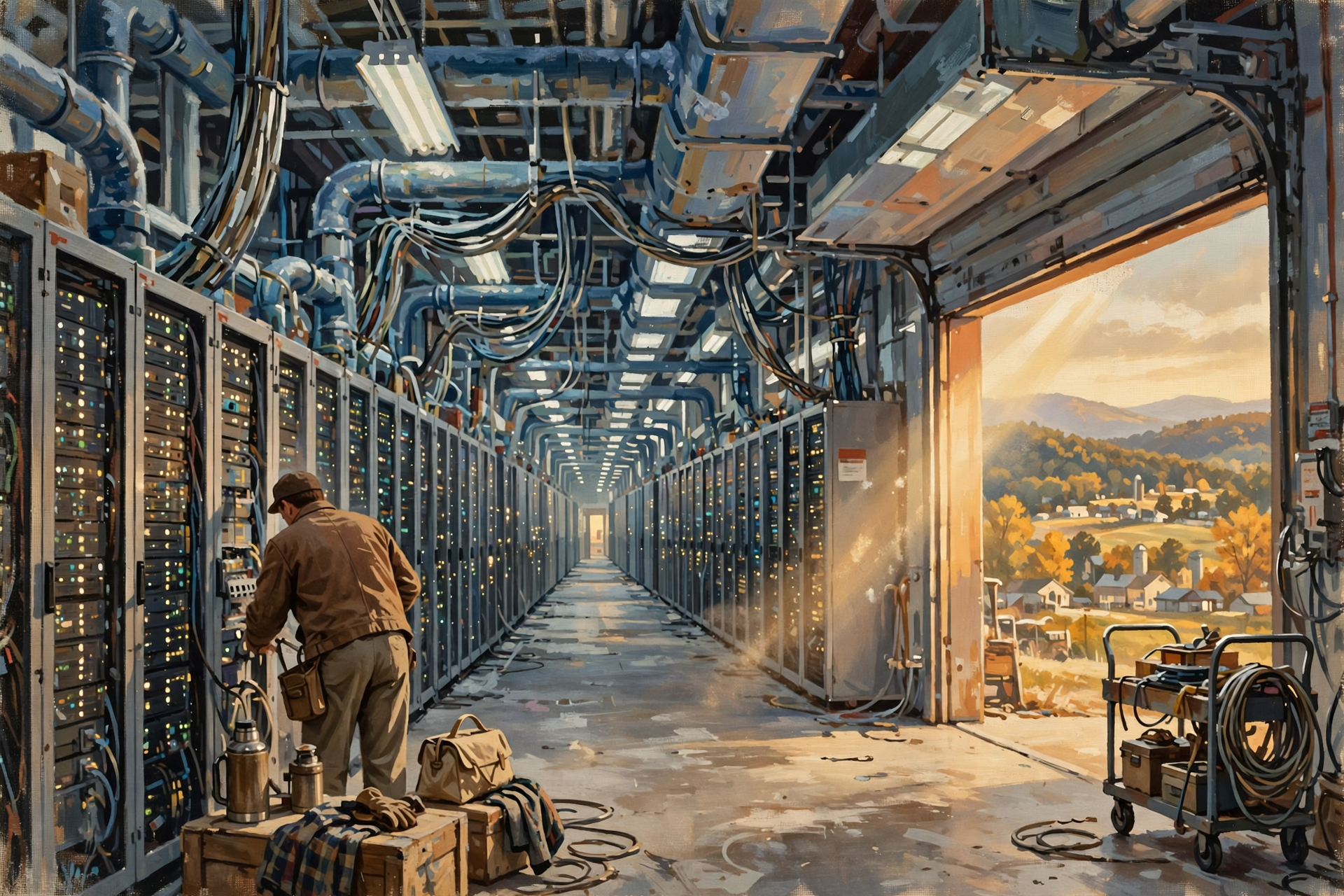
Artificial intelligence may seem like software floating somewhere in “the cloud,” but behind every answer are real computers using real electricity. As AI grows, so does its power demand. The encouraging part is that researchers are also finding ways to make the same work dramatically more efficient.
There is something wonderfully misleading about the phrase “the cloud.”
It sounds light.
Weightless.
Perhaps somewhere above Nebraska, your computer questions drift into a fluffy white cloud where helpful little bits of information float back down.
That is not what happens.
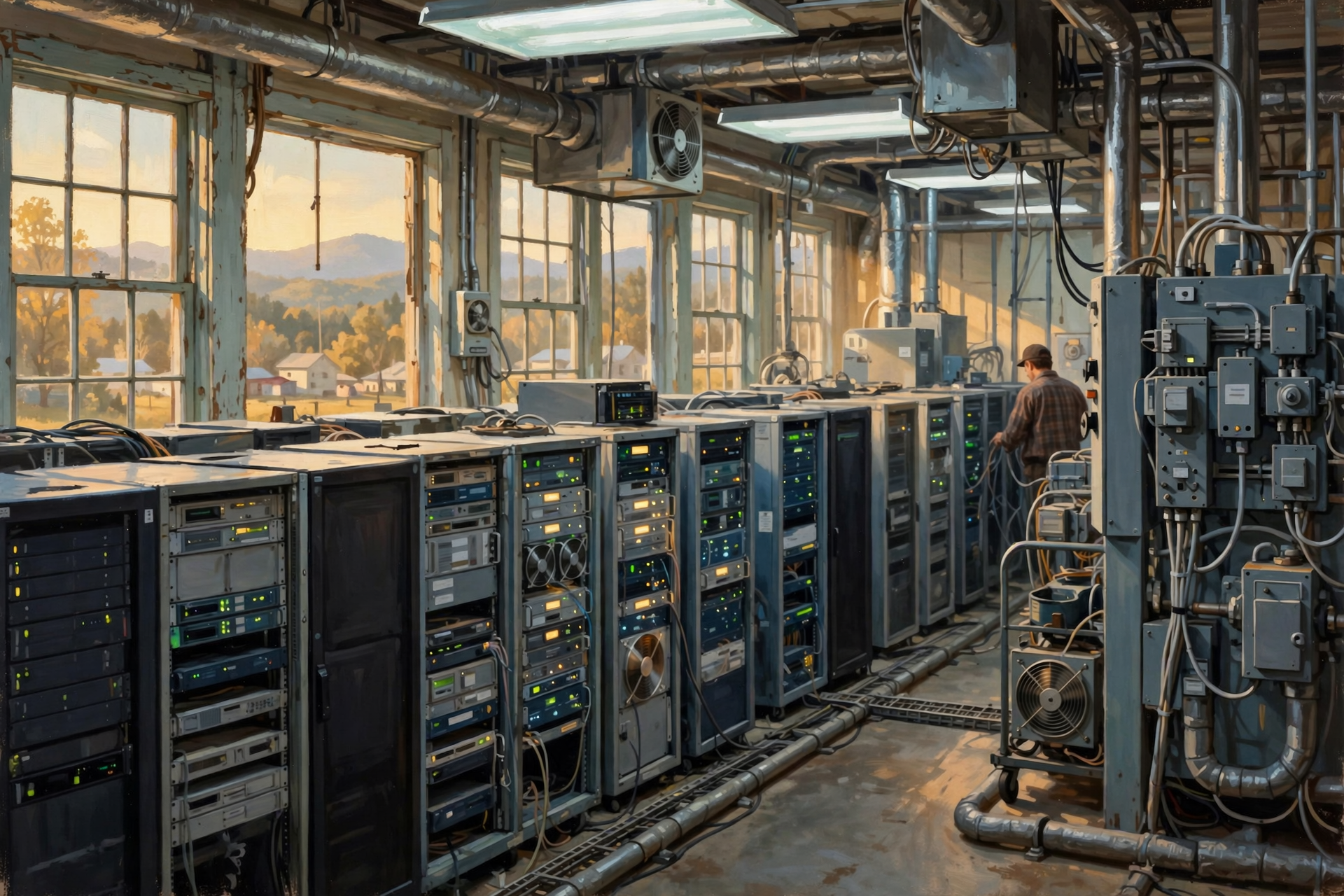
The “cloud” is mostly buildings.
Very large buildings.
Full of computers.
Those computers require electricity.
They create heat.
They require cooling.
And when millions of people begin using artificial intelligence at the same time, all of that starts adding up.
AI has an electric bill.
And it is becoming a pretty large one.
Artificial Intelligence Isn’t Actually Floating in the Air
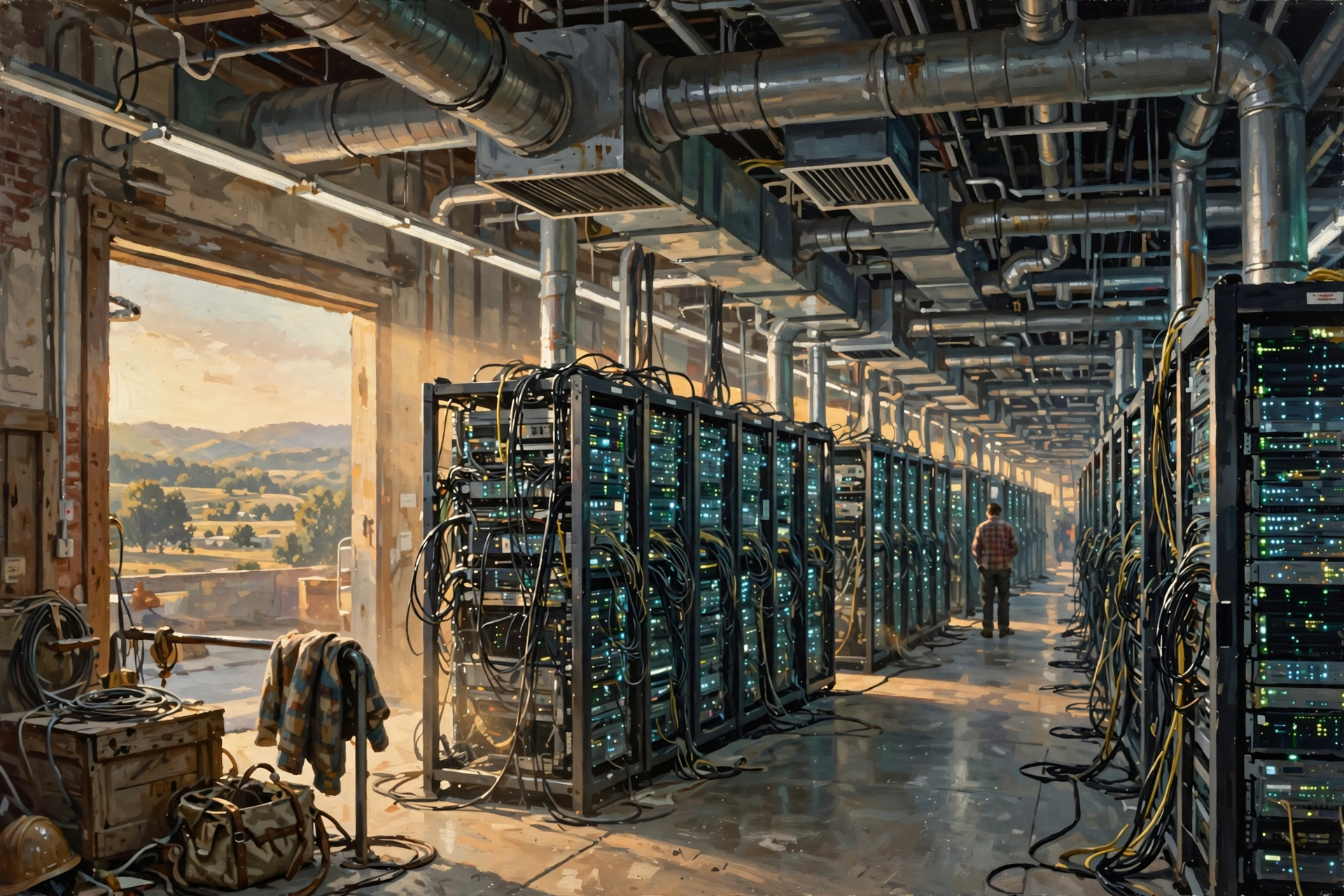
When you ask an AI system a question, your request usually travels across the internet to a data center.
Inside that data center are powerful computer chips designed to perform enormous numbers of calculations very quickly.
The computers process your request.
They produce an answer.
The answer comes back to you.
That may happen in only a few seconds, which makes the whole process feel almost effortless.
But effortless for you does not mean effortless for the machinery.
Computing requires energy.
The more computing we ask for, the more electricity somebody has to provide.
And We’re Asking for a Lot More Computing
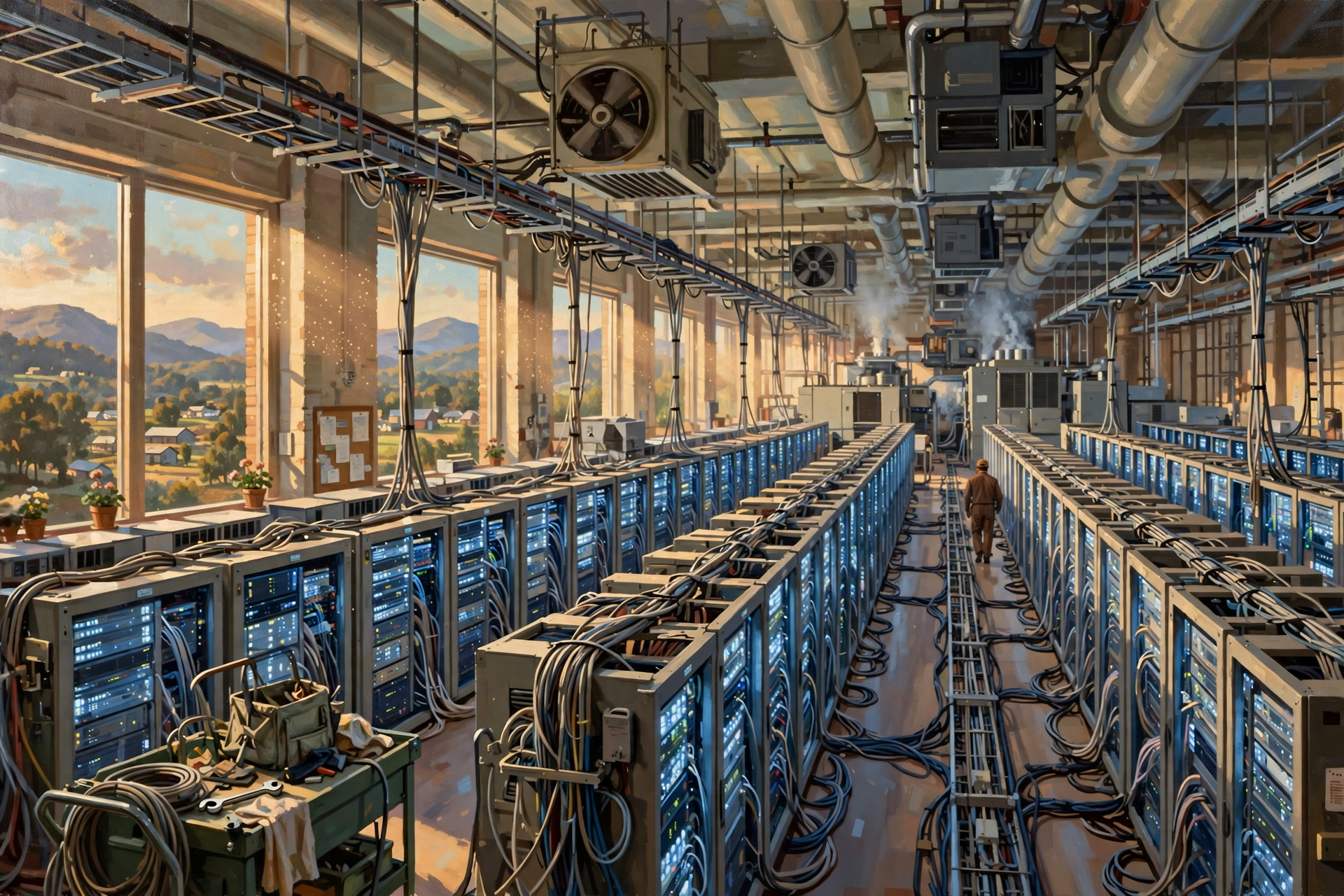
Artificial intelligence is spreading into search engines, office software, phones, healthcare, manufacturing, customer service, automobiles and countless business systems.
That means data centers are growing too.
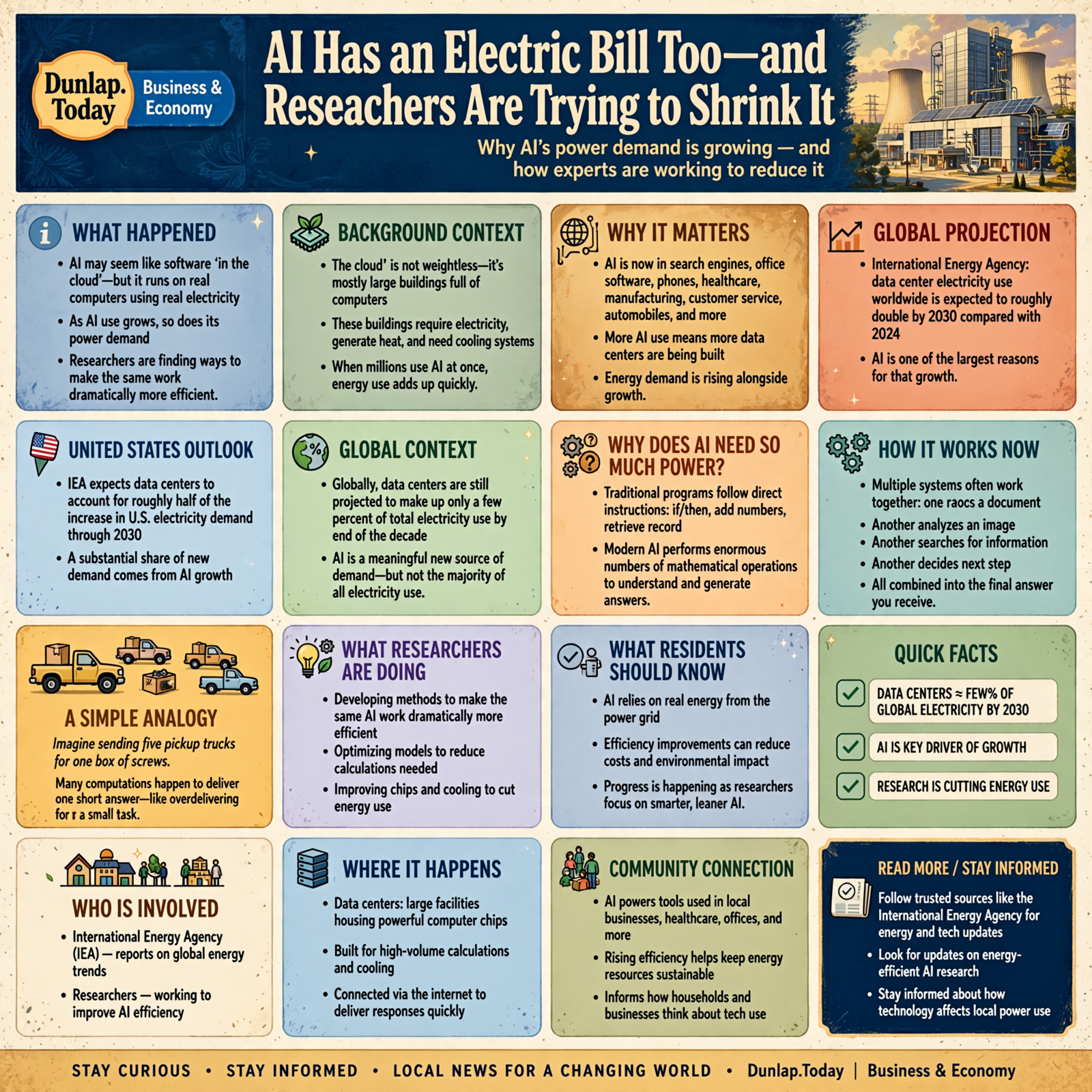
The International Energy Agency says electricity consumption by data centers worldwide is expected to roughly double by 2030 compared with 2024.
AI is one of the largest reasons for that growth.
In the United States, the IEA expects data centers to account for roughly half of the increase in electricity demand through 2030.
That’s substantial.
But context matters too.
Globally, data centers are still projected to account for only a few percent of total electricity use by the end of the decade.
So both of these statements can be true:
AI is becoming a meaningful new source of electricity demand.
And:
AI isn’t consuming all the electricity on Earth.
Reality has an annoying habit of being less dramatic than social media.
Why Does AI Need So Much Power?
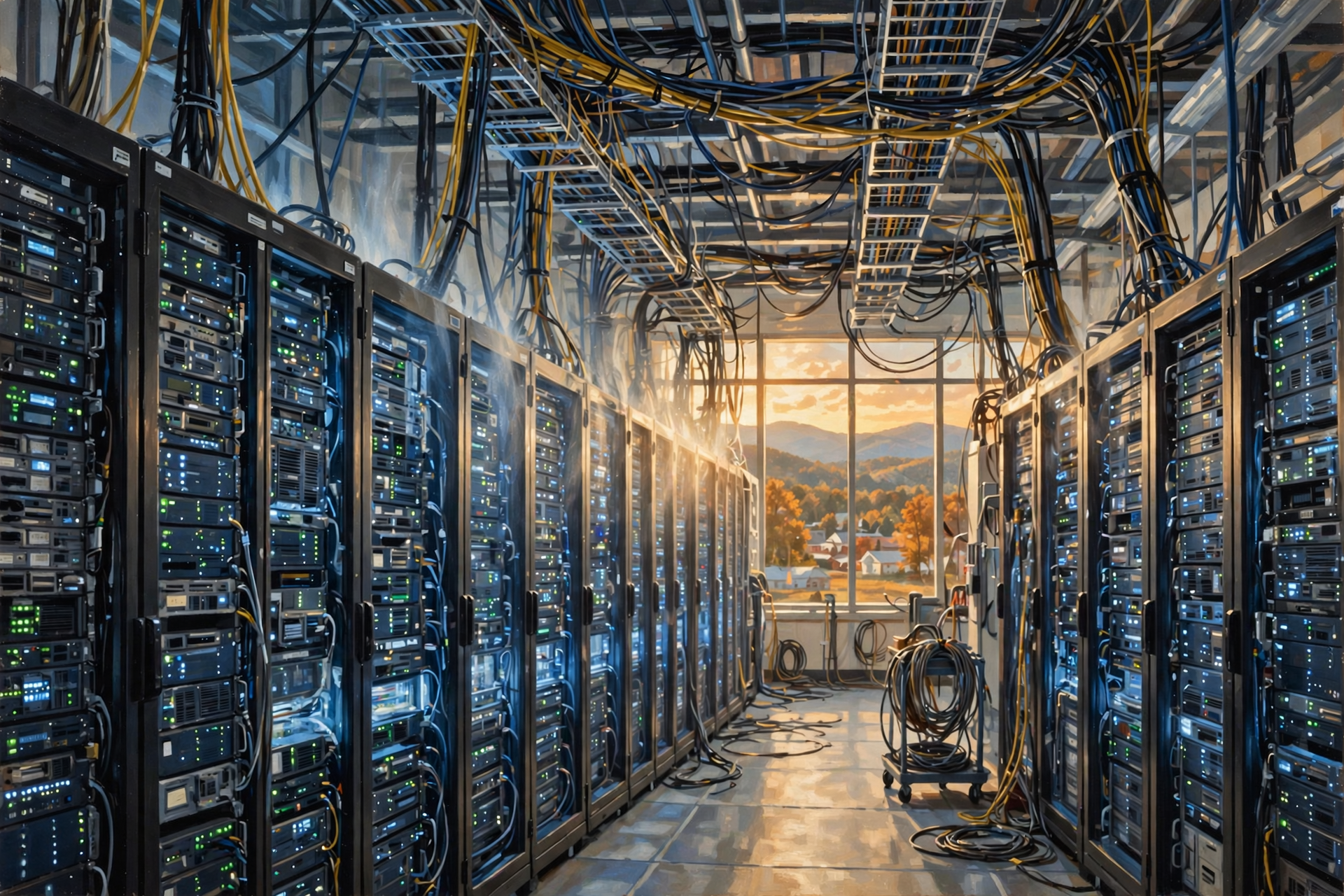
A traditional computer program often follows fairly direct instructions.
If this happens, do that.
Add these numbers.
Retrieve this record.
Display this page.
Modern artificial intelligence works differently.
It often performs enormous numbers of mathematical operations to understand what you’re asking and generate a useful answer.
More sophisticated AI tasks may involve several models and tools working together.
One system might read a document.
Another might analyze an image.
Another might search for information.
Another might decide what to do next.
Then something else may combine all those results into the answer you receive.
That can become computationally expensive very quickly.
Imagine Sending Five Pickup Trucks for One Box of Screws

Here’s a simpler way to picture the problem.
Suppose you need one box of screws from the hardware store.
You could send one person in one pickup truck.
Or you could send:
- five pickup trucks,
- two trailers,
- a dump truck,
- and somebody following behind in case everybody else gets lost.
You would probably still get the screws.
But nobody would describe the operation as efficient.
Some AI systems can suffer from the computing equivalent of that problem.
They may allocate more computing power than a particular job actually requires.
They may run several steps inefficiently.
They may use expensive hardware for work that could have been performed by something smaller.
The job gets done.
But more electricity and money were consumed than necessary.
Researchers Are Trying to Fix Exactly That

Researchers at MIT and Microsoft recently developed a system called Murakkab to make complicated AI workflows more efficient.
You do not need to remember the name.
There will not be a quiz.
The idea behind it is much more interesting than the name.
Instead of automatically throwing large amounts of computing power at every part of a job, the system tries to determine:
- which AI model is appropriate,
- which tools are actually needed,
- which steps must happen in order,
- which steps can happen at the same time,
- what hardware should perform the work,
- and how much computing power the job really requires.
In plain English:
Use the right-sized truck for the trip.
The Results Were Pretty Remarkable
In tests involving several complicated AI workflows, MIT researchers reported that Murakkab used only about 35% as much computing capacity as comparison methods.
Its energy consumption was only about 27% as high.
Its cost was less than one-quarter as much.
And it still met the performance requirements researchers had set for the jobs.
In one test, they were even able to reduce energy consumption by more than tenfold while sacrificing only about 2% in accuracy.
Those are research results, not a promise that every AI system will suddenly use 73% less electricity next Tuesday.
But they demonstrate something important:
Today’s AI systems are not necessarily using energy as efficiently as they eventually could.
We’ve Seen This Movie Before
New technologies are often inefficient when they first become popular.
Early automobiles weren’t particularly fuel efficient.
Early televisions consumed more power than newer ones.
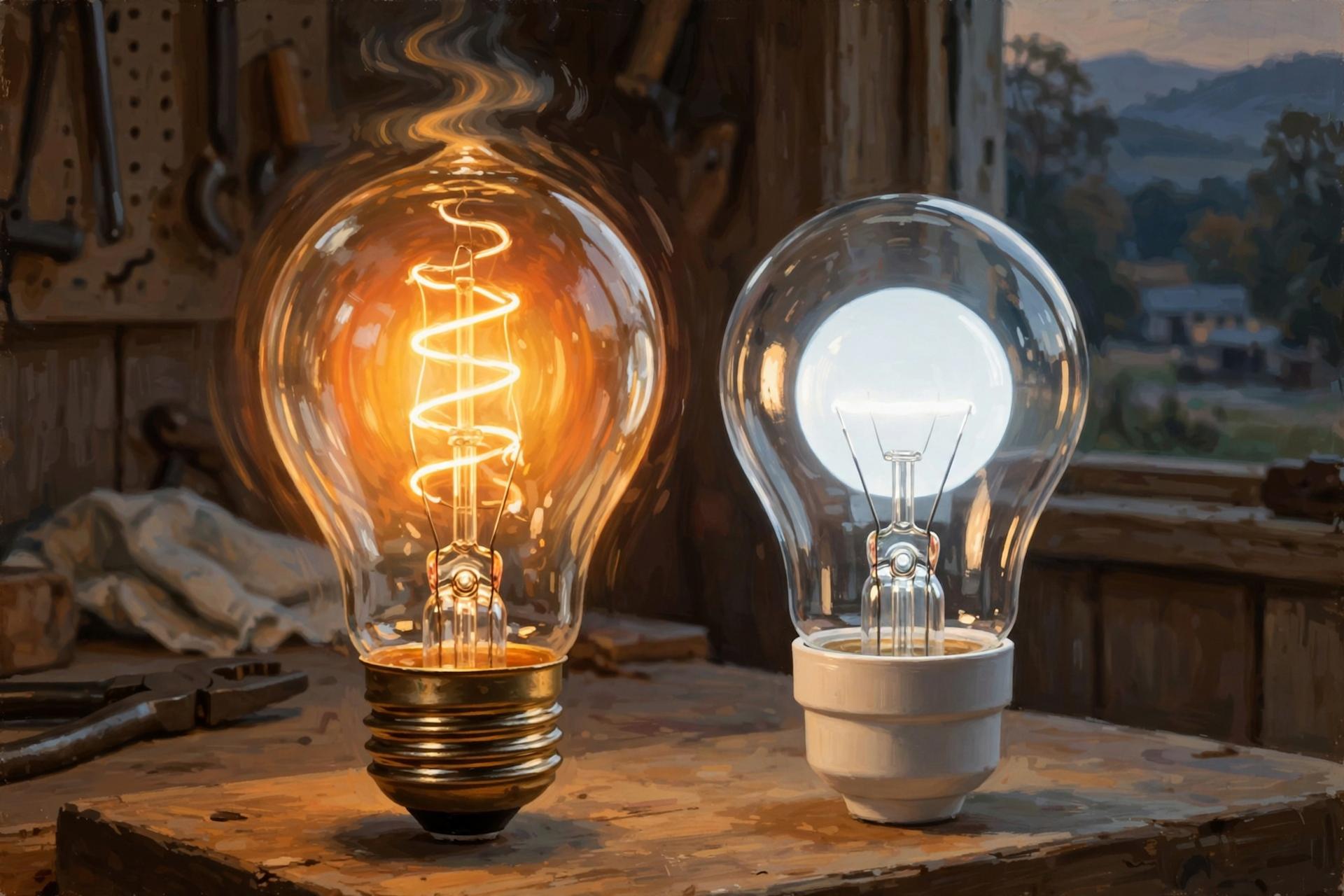
Old incandescent light bulbs produced so much heat that they were almost better described as tiny heaters that happened to glow.
Computers themselves have become enormously more energy efficient over time.
A modern smartphone performs work that once required rooms full of machinery while running on a small battery in your pocket.
Artificial intelligence is likely to follow a similar path.
The first question is:
Can we make it work?
The next question becomes:
Can we make it work cheaper, faster and with less waste?
The Electric Bill Creates a Powerful Incentive
There is another reason efficiency will probably improve.
Electricity costs money.
So does computer hardware.
So does cooling.
So does constructing a giant data center.
Technology companies aren’t pursuing energy efficiency purely because somebody put a picture of a polar bear in the annual report.
They have an enormous financial incentive.
If one company can perform the same AI job for half the electricity and half the computing equipment, it has a substantial competitive advantage.
Efficiency lowers:
- operating costs,
- hardware requirements,
- cooling needs,
- electricity demand,
- and potentially the price customers ultimately pay.
Sometimes capitalism and conservation end up riding in the same truck.
But Efficiency Doesn’t Automatically Mean Less Electricity Overall
Here’s where the story gets more complicated.
Suppose technology makes AI ten times cheaper to operate.
That’s good.
But what happens if we then use it 50 times more often?
Total electricity consumption can still rise.
This happens frequently with technology.
When something becomes cheaper and more efficient, people often use more of it.
Lighting became dramatically more efficient.
We installed more lights.
Cars became more fuel efficient.
People drove more miles.
Computers became cheaper.
We put computers in practically everything.
So improving AI efficiency does not guarantee that data-center electricity use will decline.
It may instead allow much more AI work to be performed with the electricity available.
This Is Why the Power Grid Enters the Conversation
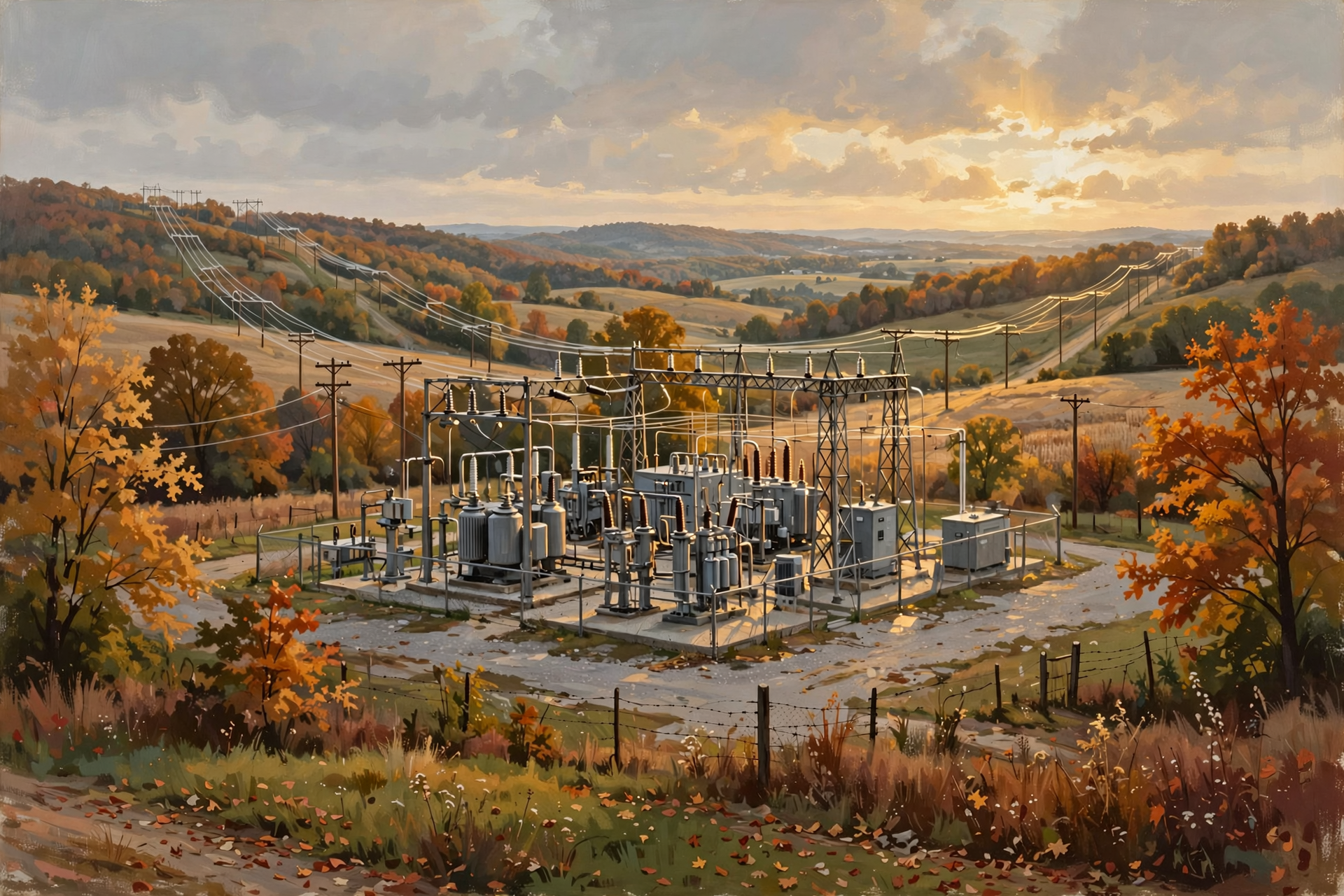
Electricity isn’t magic either.
Somebody has to generate it.
Then somebody has to move it across power lines.
Then local infrastructure has to deliver it where it is needed.
Large data centers can require enormous amounts of electricity concentrated in one location.
That can create challenges even when a country has plenty of electricity overall.
A power plant may exist hundreds of miles away.
The transmission lines may not have enough capacity.
A local substation may need upgrading.
New generation may take years to build.
Data centers can sometimes be constructed faster than the electrical infrastructure required to support them.
That mismatch matters.
Does That Mean Your Electric Bill Is Going Up Because of AI?

Maybe in some places.
Not automatically everywhere.
Electric rates are affected by complicated combinations of:
- fuel costs,
- power plant construction,
- transmission upgrades,
- local utility rules,
- weather,
- population growth,
- industrial demand,
- and many other factors.
Data-center growth can become one of those factors.
But blaming every increase in an electric bill on artificial intelligence would be just as misleading as pretending AI has no effect at all.
The important policy question is simpler:
When very large new users require expensive infrastructure, who pays for the upgrades?
That’s a reasonable question for communities and regulators to ask.
AI Isn’t the Only Thing Increasing Electricity Demand
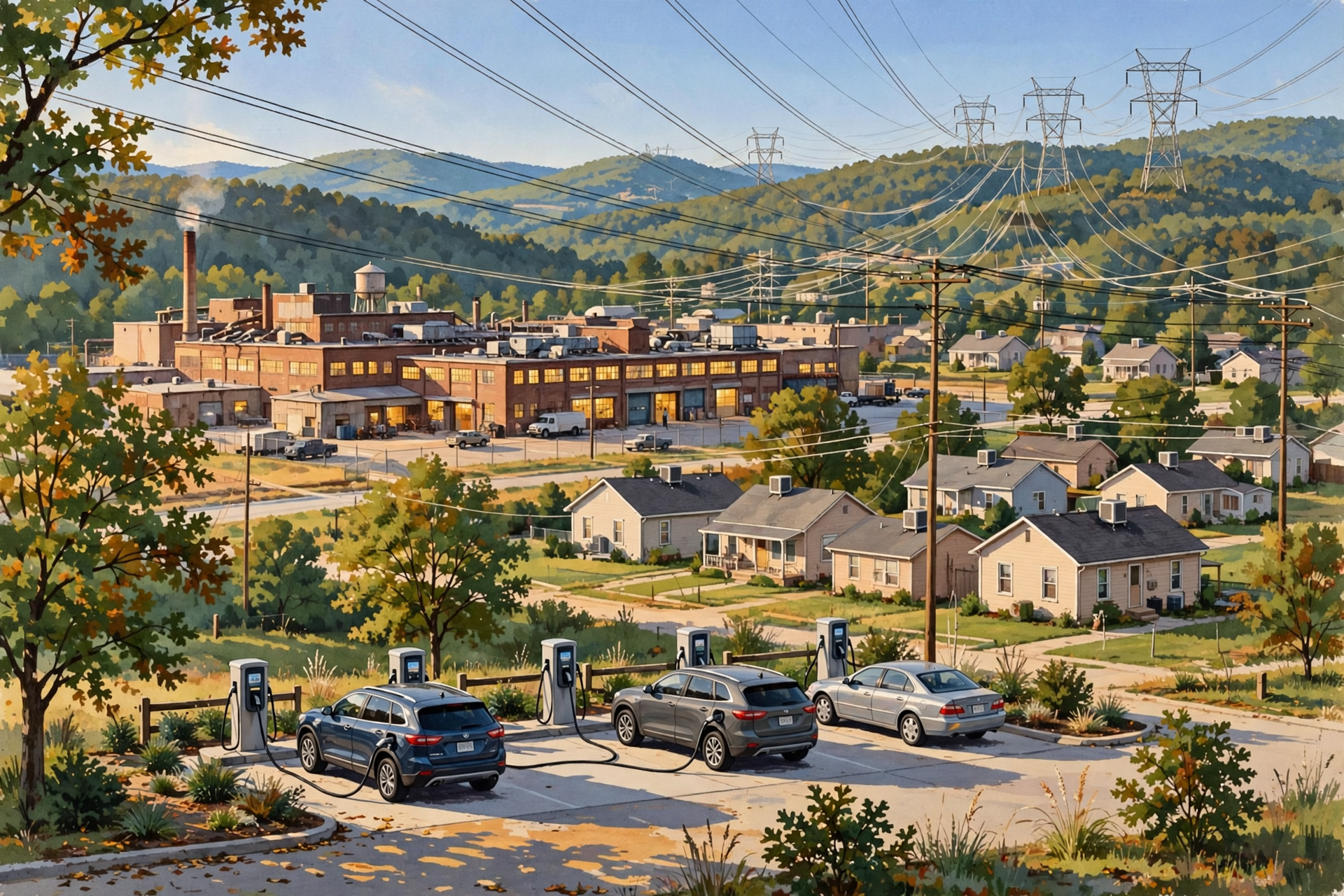
This is another point frequently lost in dramatic headlines.
Electricity demand is rising for several reasons.
More vehicles are becoming electric.
Manufacturing is expanding in some areas.
Homes increasingly use electric heating.
Air conditioning demand continues to grow.
Factories are being built.
And yes, data centers are expanding rapidly.
The International Energy Agency expects global electricity demand generally to rise strongly through 2030.
AI is part of that story.
It is not the entire story.
There Are Also Different Ways to Supply the Electricity
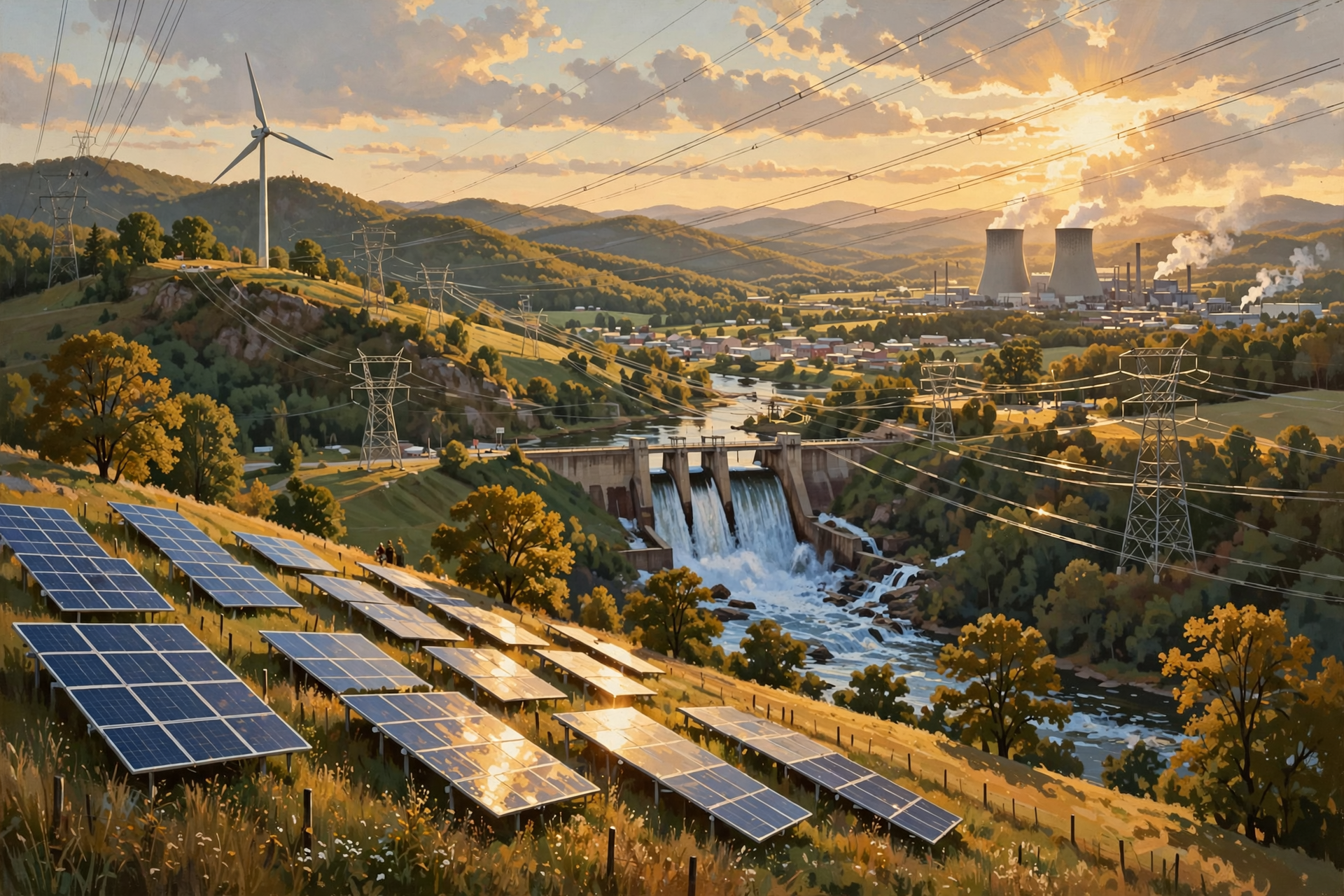
The electricity running a data center can come from many sources.
Natural gas.
Nuclear power.
Hydroelectric generation.
Solar.
Wind.
Coal.
Or some combination of them.
The IEA expects growing data-center demand to be supplied by a mixture of energy sources rather than one technology suddenly taking over.
That makes the infrastructure story more complicated than the simple question:
“How much electricity does AI use?”
A better set of questions might be:
Where is the electricity coming from?
When is it being consumed?
How efficiently is it being used?
And who is paying for the infrastructure?
Timing Matters More Than You Might Think
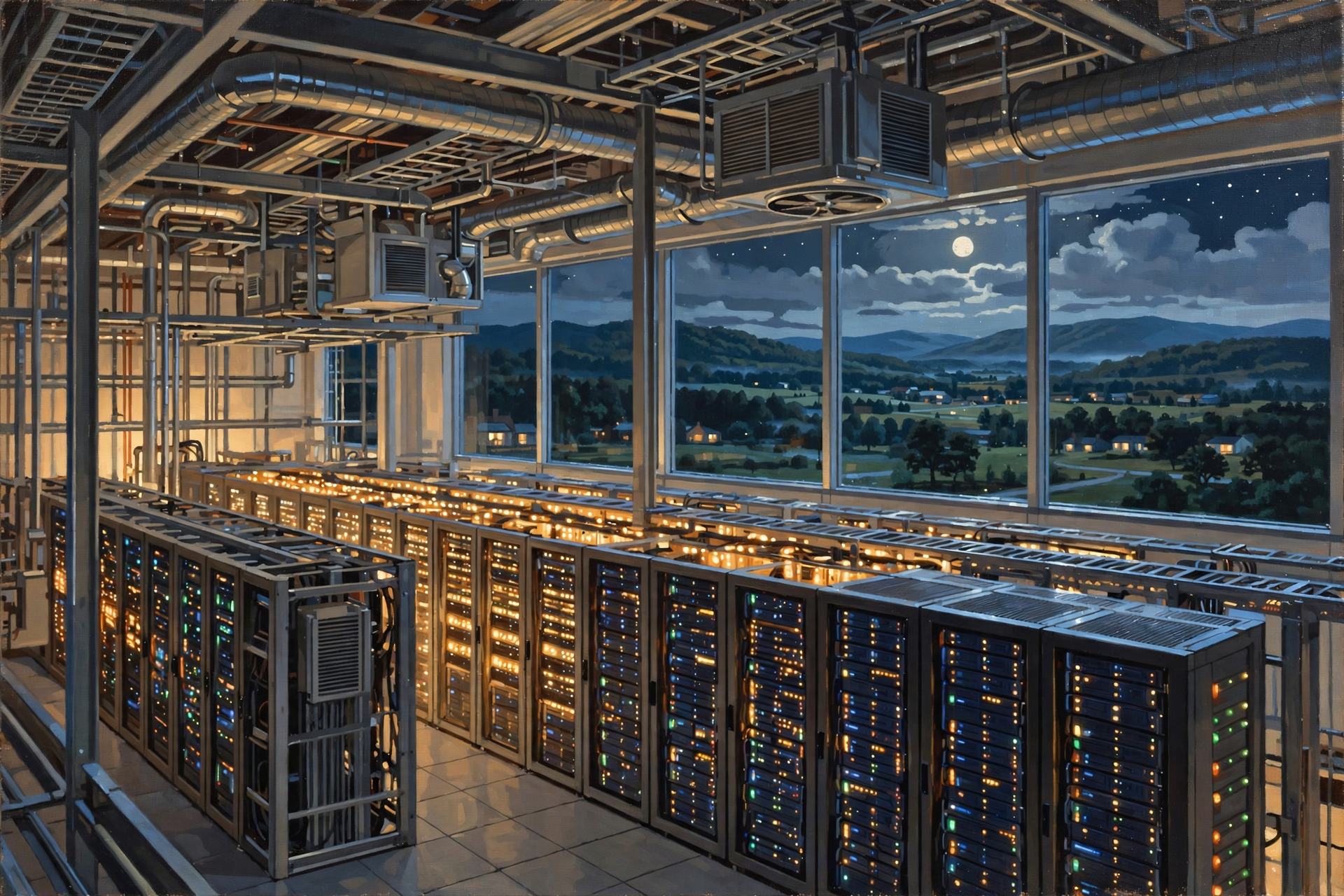
Not every computing job has to happen immediately.
If you ask an AI assistant a question, you probably want the answer now.
But some large computing jobs could potentially wait.
Training a model.
Processing a giant collection of documents.
Creating reports overnight.
Running background analysis.
MIT researchers have also studied whether some data-center workloads could be shifted to times when electricity is cheaper or the power grid has more available capacity.
It’s similar to running the dishwasher overnight when electricity demand is lower.
Except the dishwasher may be the size of several warehouses and somebody invested billions of dollars in it.
Smaller AI Could Matter Too

Not every job needs the biggest AI model available.
If you want a computer to identify whether an invoice contains a purchase-order number, you probably don’t need the most sophisticated artificial intelligence system humanity has created.
A smaller model may do the job perfectly well.
This is likely to become increasingly important.
The smartest AI system isn’t always the most efficient choice.
Sometimes the best system is simply the smallest one capable of doing the job reliably.
That is already encouraging more AI work to happen directly on phones, computers and other local devices rather than sending every request to giant distant data centers.
Your Phone Offers a Clue About Where This May Go
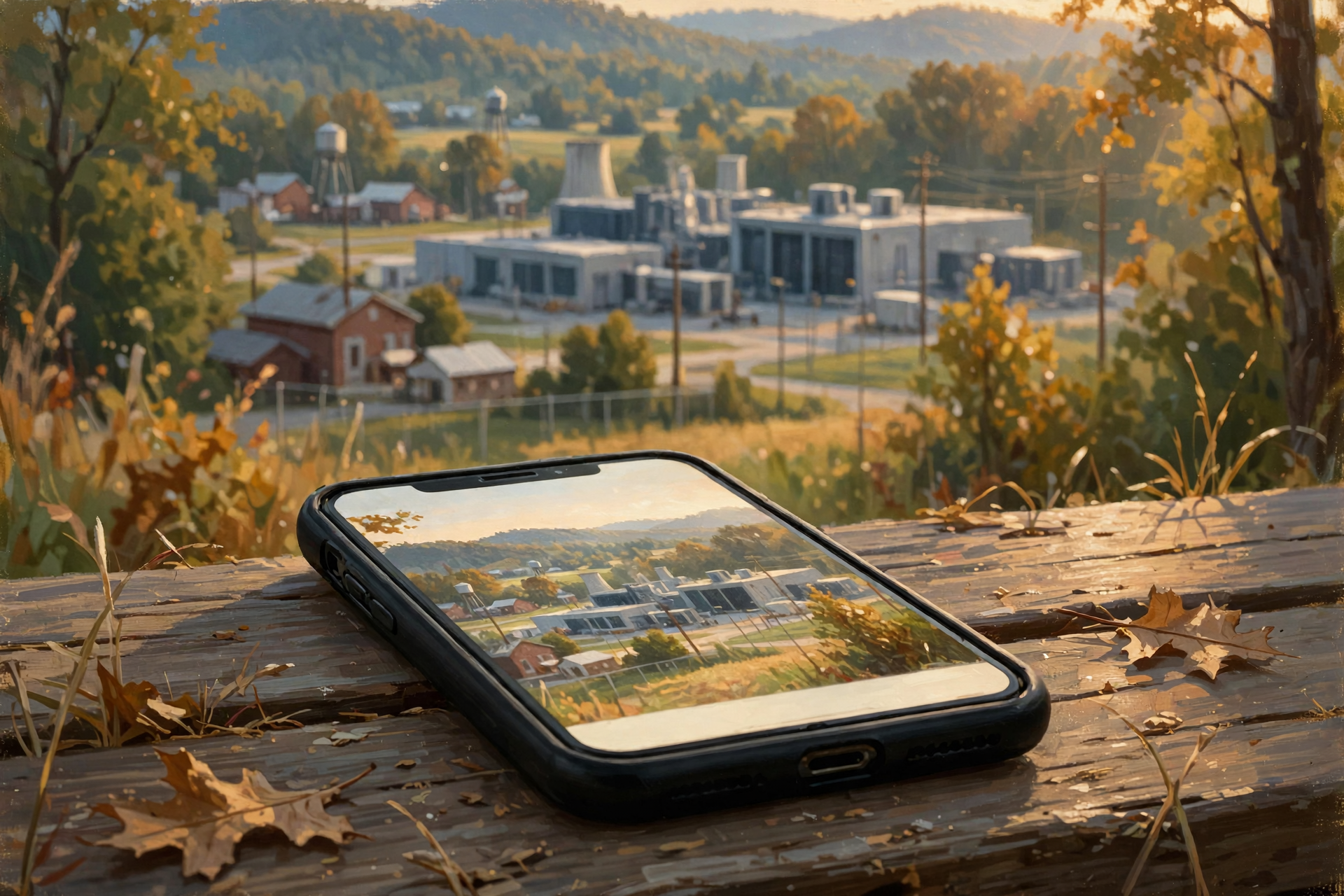
Modern smartphones already perform remarkable amounts of artificial intelligence locally.
They improve photographs.
Recognize speech.
Filter spam.
Organize pictures.
Predict text.
And increasingly run more sophisticated AI models directly on the device.
Local AI can offer several benefits.
It can reduce the amount of information sent across the internet.
It can respond faster.
It may improve privacy.
And it can reduce some demand on remote data centers.
Not every AI task can move onto a phone.
But not every AI task needs a giant warehouse full of computers either.
Waste Is the Part We Should All Be Able to Agree On
Discussions about energy have an unfortunate tendency to become tribal remarkably quickly.
There is one principle that shouldn’t require much political agreement:
Using more energy than necessary to accomplish the same useful work is waste.
If researchers can produce the same AI result using:
- less electricity,
- less expensive hardware,
- less cooling,
- and less infrastructure,
that is useful regardless of anybody’s politics.
Efficiency saves resources.
It saves money.
And it makes technology easier to deploy.
There Is Another Side: AI Might Help Save Energy Too

Artificial intelligence isn’t merely an electricity consumer.
It can also be used to make other systems more efficient.
AI can potentially help manage:
- electric grids,
- industrial equipment,
- building heating and cooling,
- transportation routes,
- manufacturing processes,
- and energy production itself.
So measuring AI’s energy impact ultimately requires more than adding up data-center electric meters.
If a computer consumes one unit of energy while helping a factory save ten, the larger equation looks different.
That doesn’t mean every AI system will save energy.
It means both sides of the ledger matter.
We Should Be Suspicious of Simple Numbers

You may encounter headlines claiming that one AI question uses a particular amount of electricity or water.
Be careful with those numbers.
The amount can vary enormously depending on:
- which model is being used,
- what hardware runs it,
- how long the answer is,
- how efficient the data center is,
- where the electricity comes from,
- and how many users share the infrastructure.
A single universal number can create the illusion of precision where considerable uncertainty exists.
The larger trend is much clearer than the precise cost of one question:
AI uses real resources, total demand is growing quickly, and efficiency is becoming increasingly important.
The Cheapest Electricity Is Often the Electricity You Don’t Need

There is an old energy-efficiency principle hiding inside all this sophisticated technology.
If you can accomplish the same job without consuming the energy in the first place, you don’t have to generate it.
You don’t need another transmission line for it.
You don’t need additional cooling for it.
You don’t need to pay for it.
That’s why research like Murakkab matters.
The headline isn’t really that somebody created a clever new AI system.
The headline is that engineers looked at a wasteful process and found a way to accomplish the same work with dramatically fewer resources.
We’ve been doing that since somebody noticed the mule didn’t need to make two trips if you loaded the wagon properly the first time.
So What Should You Do Today?

Probably nothing.
You do not need to feel guilty every time you ask an AI system a question.
You also don’t need to pretend digital services are somehow free of physical consequences because the machinery happens to be somewhere else.
The useful position is somewhere in the middle.
Recognize that artificial intelligence requires real infrastructure.
Pay attention when very large data centers are proposed in communities.
Ask who benefits.
Ask who pays for infrastructure.
Ask how electricity and water will be supplied.
Ask whether the facility creates meaningful local economic value.
And expect the technology companies making billions of dollars from AI to keep getting better at using resources efficiently.
The Future Probably Belongs to Smarter AI—and Less Wasteful AI
Artificial intelligence is likely to become more common.
That means the computers behind it will matter more too.
We will need additional electricity.
We will need additional infrastructure.
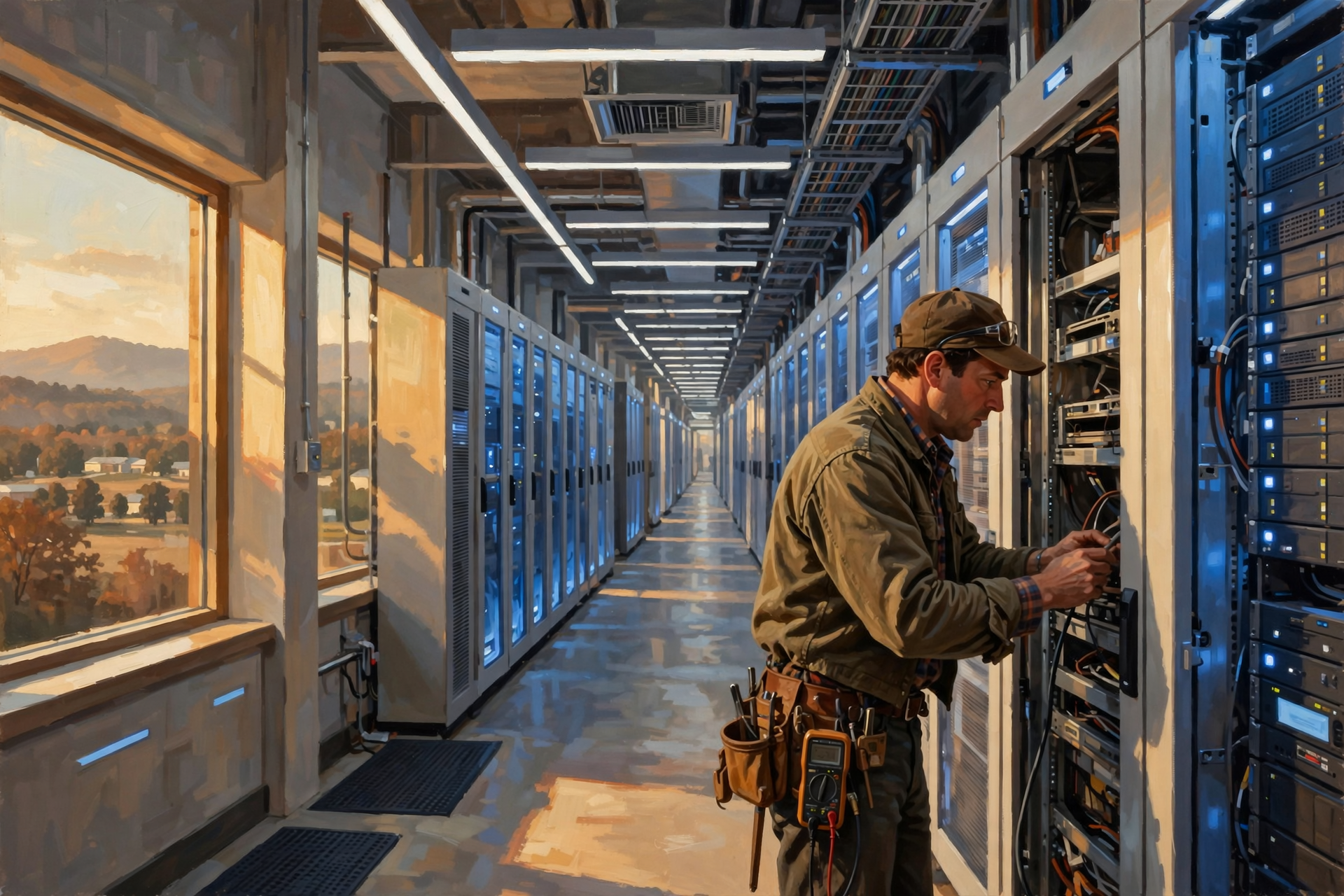
We will probably build more data centers.
But today’s energy requirements are not necessarily tomorrow’s energy requirements.
Researchers are already demonstrating that smarter choices about models, hardware and computing resources can dramatically reduce the energy required for complicated AI work.
Which means the race isn’t merely to build the smartest artificial intelligence.
There is another competition happening quietly behind the scenes:
Who can accomplish the most useful work with the least unnecessary computing?
That’s probably good for the power grid.
It’s good for customers.
It’s good for companies paying the electric bill.
And if artificial intelligence really is going to become part of everyday life, learning not to leave every computational light in the house burning all night seems like a pretty sensible place to start.
AI, In Plain English is a Dunlap.Today series explaining new technology without assuming you have a computer science degree—or particularly want one. We focus on what changed, what it means for ordinary people, what could go right, what could go wrong and whether you actually need to do anything about it.




0 Comments