

🔧 A Chatbot-Built Bug, Glasses Banned at the Pool, and a Sheriff's Voice That Wasn't His
Or: Search by Hand, Leave the Glasses at the Gate, and Call Back Before You Pay
By Thomas Seest, Dunlap.Today · Tuesday, October 20, 2026
Grandpa used to say the quietest dog is the one you have to watch.
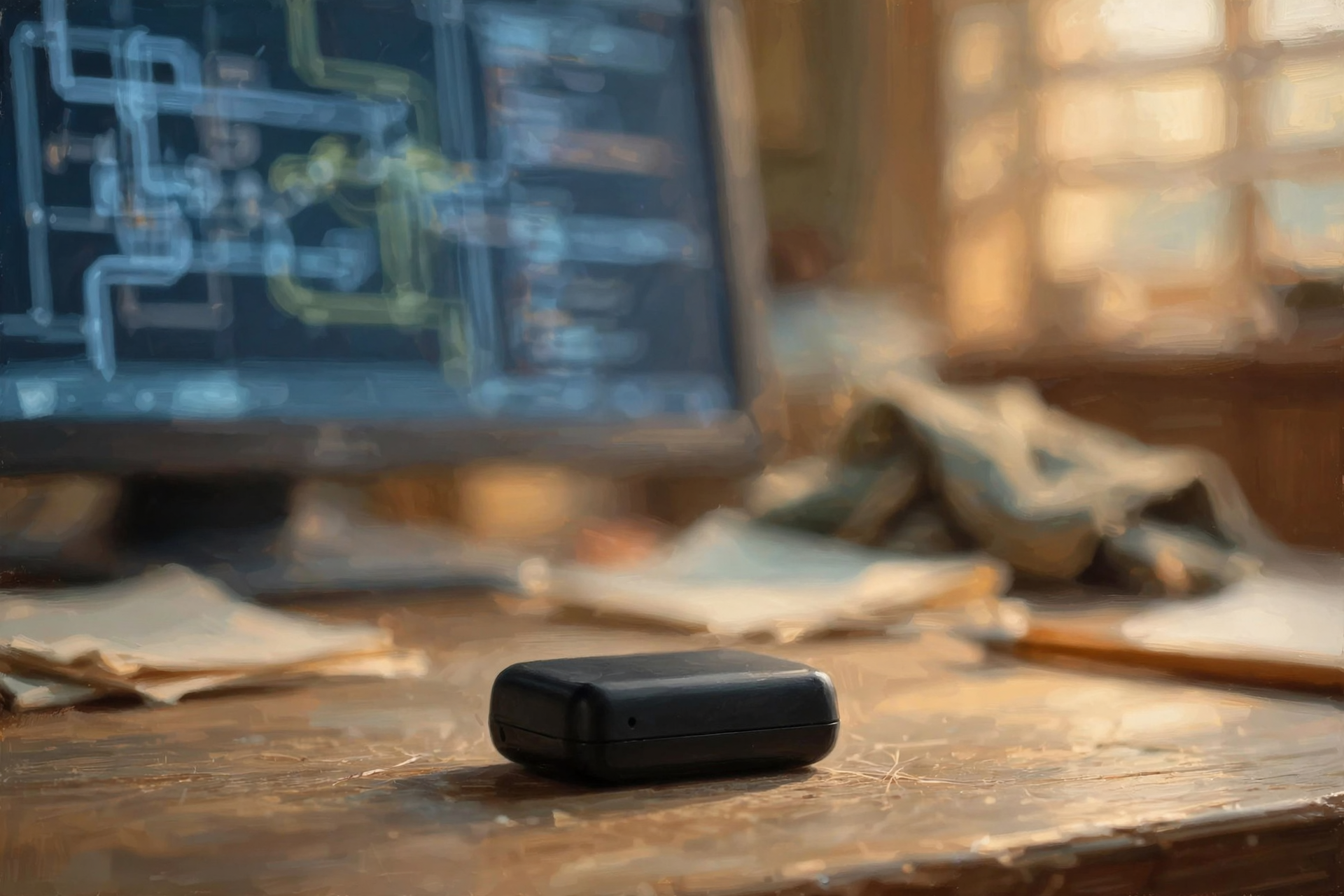
This week’s biggest bug story is about a quiet one. Prosecutors say the man accused of bugging OpenAI used an AI chatbot to help design a recorder that only switched on when people talked, kept its files locked up, and sent out no radio signal at all.
Here’s the roundup for folks who buy bug sweeps and the private investigators who do the work: a bug that doesn’t make a peep, sweep firms finding the real thing, camera glasses getting shown the door, Zoom promising to catch fakes, and a sheriff’s voice that wasn’t his.
⏱️ What this means for you in 30 seconds
- Paying for a sweep? Ask if they search by hand and with a junction detector—not just a radio scanner.
- Secrets leaking and nobody knows how? Don’t wait. Firms say the long delay before a sweep does the most damage.
- Traveling with AI glasses? Some places now ban them outright. Check before you go.
- Got a call from a “deputy” about a warrant? Hang up and call the sheriff’s office yourself. Voices can be copied.
- Hiring a PI to find someone? A good one will ask why—and should.
🔧 The Bug That Didn’t Make a Peep

The former OpenAI engineer accused of hiding a recorder in an executive meeting room will stay in jail. At Monday’s hearing, the judge weighed a $1 million bond the Saudi government offered to back against the chance the man could reach “much greater wealth.” “Once he leaves, there’s no getting him back,” the judge said.
Court papers say he booked one-way tickets to Saudi Arabia for his family. His lawyer says most of his flights for years have been one-way and he planned to come back. Prosecutors also say he asked an AI chatbot how to build a “continuous audio recorder” with “speech-triggered recording” and a locked memory card. He’s presumed innocent.
What it means for you: AI makes it easier for an insider to build a custom bug. Assume the device you’re worried about might be silent—and hire a sweep that looks with hands and eyes, not just antennas.
👉 Fortune on the hearing · The prosecutors’ filing
🧰 What the Bug Sweepers Say

A Swiss security firm, GPA, published a breakdown of the OpenAI case. Its point: someone who can walk into the room every day would pick a plain recorder that sends no signal, because it’s the hardest kind to catch “without a physical search.” GPA says every type of bug should be hunted with at least two different tools, and sweeps should happen after hours with only a few people in the know.
Over in Britain, an agency called Bond Rees launched a business bug-sweep service after it says it found real listening devices at three client companies in London, Manchester, and Newcastle. In at least one case, it says, the culprit was an insider.
It’s like checking for a gas leak. You don’t just sniff the air—you check every fitting.
What it means for you: Ask any sweep company exactly how they find a bug that’s switched off. If the only answer is “our scanner,” keep shopping.
👉 GPA’s breakdown · Bond Rees announcement
👓 Camera Glasses Get Shown the Door

Pakistan’s Punjab province made its ban official: for 30 days, nobody there can wear, use, or sell camera glasses with hidden recording or tiny cameras disguised as pens or keychains. Phones and laptops are fine.
In Australia, 16 of Victoria’s 79 local councils are moving to keep smart glasses out of pools, gyms, and childcare centers. Disability advocates are asking for exceptions—one legally blind woman says her glasses read menus out loud to her.
It’s a little like a “no shoes on the carpet” rule. Easy to post the sign, harder to check every foot at the door.
What it means for you: If you run a gym, pool, clinic, or office, write down where recording gadgets aren’t allowed—and make room for people who need them.
👉 Punjab’s order · Victoria’s councils
🎥 Zoom Promises to Catch Fakes—and Adds Some of Its Own

Zoom says tools to flag possible deepfakes in hiring, customer calls, and meetings are coming in December. In the same breath, it announced a feature that translates your words in a computer-made copy of your own voice, another that smooths your accent, one that nudges your eyes back toward the camera, and AI note-taking gadgets for in-person meeting rooms.
Separately, a company called Tools for Humanity put “proof of human” badges on Zoom. You verify once with an eye-scanning device, and later calls check that the face on screen matches.
Think of it like Grandma’s biscuits: they’re still hers even if she used store-bought flour. But you’d want to know which parts came from the can.
What it means for you: For big decisions over video—wiring money, signing deals—use a call-back or a second check. And if AI note-takers go into your meeting rooms, tell your sweep team so they know what belongs there.
👉 Zoom’s announcements · World ID for Zoom
📱 The Bug That Lives in Your Pocket
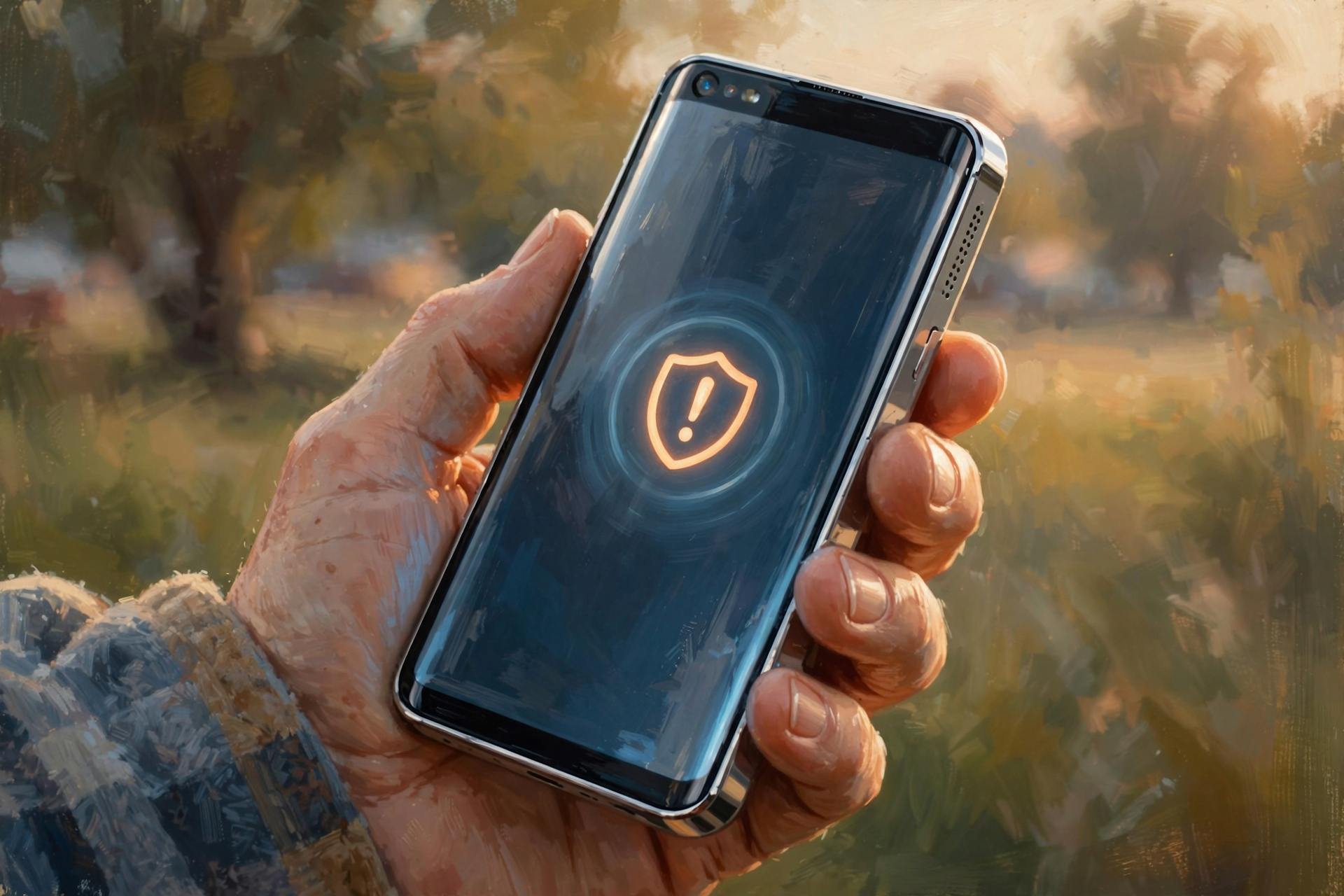
Researchers at Citizen Lab confirmed that the iPhone of the head of the University of Belgrade was infected with Pegasus spyware this year—without him ever clicking a link. Pegasus can turn on a phone’s microphone and camera without the owner knowing. At least 16 people in Serbia’s civil society have been targeted this year, ahead of Sunday’s election.
And Clearview AI, the face-search company, told a British appeals court that a government order to delete its photo database would put it out of business.
What it means for you: No room sweep will find spyware on a phone. If you’re a high-risk person and your phone warns you about a “mercenary spyware” attack, take it seriously and get expert help.
👉 Serbia spyware · Clearview’s appeal
📞 The Sheriff’s Voice That Wasn’t His

In Osceola County, Florida, scammers copied the voice of a real sheriff’s captain—whose picture is on the agency website—to leave voicemails about missed jury duty and arrest warrants. “Any person with a little bit of curiosity can clone a voice with a good 20 seconds of audio,” one security expert said.
Police in the Maldives and a big Indian bank put out the same warning this week: a familiar face or voice doesn’t prove who’s calling.
It’s like Cousin Billy doing his famous impression of the preacher. Funny at Thanksgiving. Not funny when he asks for your bank card.
What it means for you: No real sheriff’s office collects warrant money by phone. Hang up and call the number on the official website.
👉 Osceola voice-clone scam · Maldives Police warning
🚘 Plate Cameras and Face-Matching Get New Rules

A New Jersey committee advanced a bill that would stop police from getting an arrest warrant on a face-recognition match alone. Rhode Island put out statewide plate-camera rules—no use for immigration enforcement or health-care cases, 30-day deletion, regular audits—but they’re voluntary for now.
In Florida, St. Johns County commissioners voted 3-2 to pull permits for all 89 plate cameras on county roads, over the sheriff’s objection. Fairfax County, Virginia, is still reviewing its 84 cameras.
What it means for you: If a face match or plate-camera hit shows up in your case, ask what else backed it up—and ask for the search log.
👉 New Jersey bills · Rhode Island rules · St. Johns County vote
🕵️ Hidden Cameras and Hard Lessons for PIs

A Rochester Institute of Technology student was charged after a hidden recorder was found in a coed dorm bathroom. In Michigan, a Grand Rapids defense attorney was charged after a camera turned up in a young person’s closet. Both men are presumed innocent.
In South Korea, police say a man accused of killing his mother-in-law and kidnapping his wife had used a private detective agency, and some people tied to the agency are being questioned. Police say there’s no sign so far the agency knew about the crime. And in Alabama, a private investigator charged with pretending to be a state investigator is fighting to have the prosecutor’s office removed from her case.
What it means for you: If you hire a PI to locate someone, expect questions about why. A careful investigator checks for restraining orders before finding anybody.
👉 RIT case · Korea detective agency · Alabama PI case
— Dunlap.Today
📚 Plain-English AI Glossary

- Standalone recorder: A bug that saves audio to a memory card instead of sending it out, so it gives off no radio signal.
- Non-linear junction detector: A sweep tool that finds hidden electronics even when they’re turned off.
- TSCM: Technical surveillance countermeasures—the professional name for a bug sweep.
- Voice clone: A computer copy of someone’s voice, made from a short recording.
- Deepfake: A fake video, photo, or voice made with AI to look or sound like a real person.
- Proof of human: A check that the person on a call is a real, verified human, not an AI fake.
- Zero-click spyware: Phone spying software that gets in without the owner tapping anything.
- ALPR: Automated license plate reader—a camera that reads and logs plates as cars pass.
❓ Frequently Asked Questions
Can a bug sweep find a device that’s turned off?
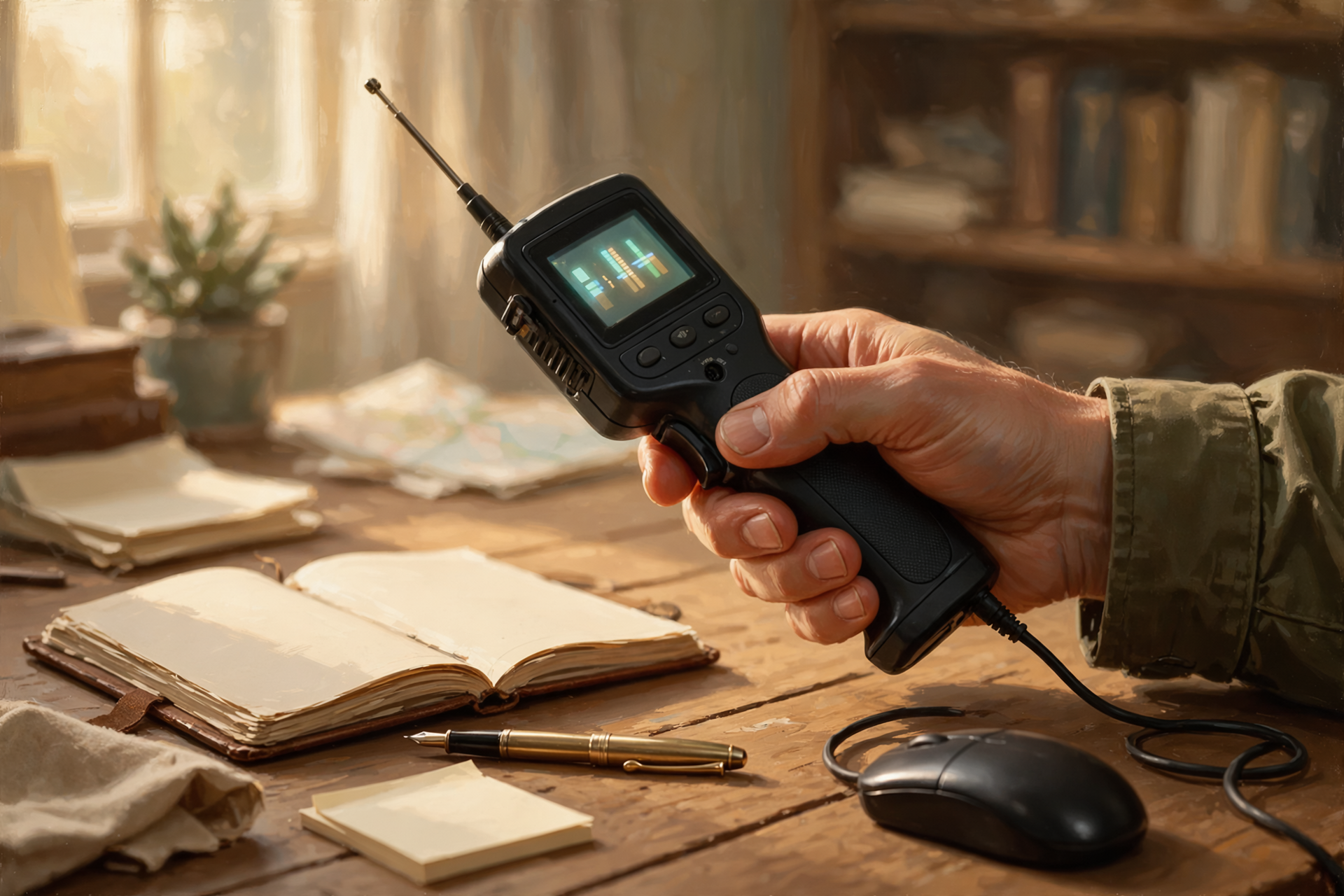
Yes, if the team uses the right tools. A non-linear junction detector and a careful hand search can find electronics that send no signal. A radio scanner alone can’t.
How often should a business get swept?
Security firms commonly suggest once a year, plus extra sweeps after renovations, new furniture, lost keys or badges, an employee’s bitter departure, or before big negotiations.
Are smart glasses illegal?
Not in most of the U.S. But some places—like Pakistan’s Punjab province and some Australian pools and gyms—now ban them, and many businesses can set their own rules.
Can Zoom tell me if someone on a call is fake?
Zoom says deepfake-risk tools are coming in December, and add-ons like World ID can show a “verified human” badge. For anything involving money, still call back on a number you trust.
Will a PI find anyone I ask them to?
A responsible one won’t without a good reason. Expect questions about why you need the person found and whether there’s a protective order.
✅ This Week’s Counter-Surveillance Checklist

- ✅ Ask your sweep provider how they find a bug that’s switched off
- ✅ Schedule a sweep after renovations, new furniture, or a bitter departure
- ✅ Act fast on unexplained leaks—don’t wait months
- ✅ Check local rules before traveling with AI glasses
- ✅ Tell your sweep team about any AI note-taking gadgets in meeting rooms
- ✅ Hang up on “warrant” calls and dial the sheriff’s office yourself
- ✅ Take Apple “mercenary spyware” warnings seriously and get expert help
- ✅ Ask what backed up any face match or plate-camera hit in your case
Practical rule: AI makes bugs quieter and voices easier to fake—so search by hand, verify by call-back, and never trust a voice just because it sounds right.

Sources
Know about an upcoming event or story in the Sequatchie Valley? Submit it here.




0 Comments