
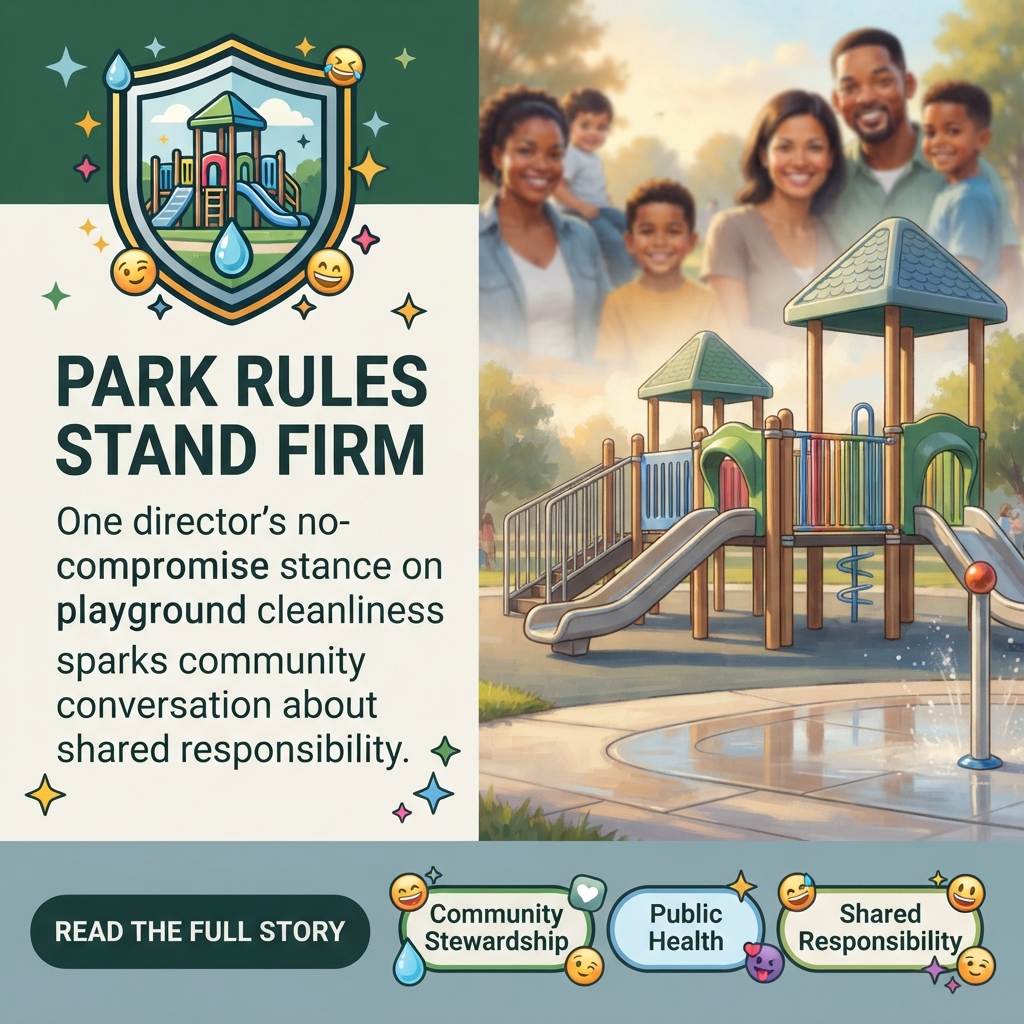
🎪 Park Rules Stand Firm at Miracle on the Mountain as Community Weighs In on Food and Drink Policy
As summer brings families to outdoor recreation spaces across and near the Sequatchie Valley, one community park is drawing attention for its clear stance on maintaining cleanliness and safety standards. The conversation reflects a broader tension many public spaces face: balancing accessibility with preservation.
📍 What’s Happening at the Park
Matthew Griffith, parks director for Miracle on the Mountain Play Outside Park in Grundy County, recently addressed ongoing complaints about food, drinks, and gum on the playground and splash pad. 🏞️ In a direct message to the community, Griffith stated that the no-food, no-drink policy on these specific areas will remain in place—and that he will not compromise on this standard.
The announcement comes after repeated complaints from visitors about items being brought into areas where they can damage equipment, create sanitary concerns, or attract pests. Griffith emphasized that the rule is straightforward and common practice at public venues nationwide.
❤️ Why This Matters to Families and Visitors
For families who use the park regularly, this policy directly affects how they plan outings. Parents may need to adjust routines—finishing meals before entering the playground or splash pad, or packing snacks for after playtime. 🍎 For some families, especially those with young children who need frequent hydration or snacks, the restriction requires planning ahead.
At the same time, the policy protects the park itself. Sticky residue from food and drinks can damage play equipment, create slip hazards, and compromise the splash pad’s mechanical systems. Sanitary concerns—particularly around a water feature—are legitimate public health considerations. 💧
🏘️ Community Connections and Shared Responsibility
Griffith’s message reflects a broader community investment in the park. He noted that “Grundy has worked hard for this park,” suggesting that the facility represents collective effort—likely involving county resources, volunteer maintenance, and community advocacy. 🤝 When a parks director invokes that shared history, he’s reminding residents that the park’s condition depends on everyone respecting its standards.
The strong reaction to the post—443 likes, 101 “love” reactions, and 84 comments—suggests the community is engaged with the park’s future. Some residents likely support the strict policy as necessary stewardship; others may view it as overly restrictive. This kind of community conversation, even when it involves disagreement, is how shared spaces evolve.
🗓️ What Residents Should Know
The rules are clear: no food, drinks, or gum on the playground or splash pad. ✋ If visitors have questions about what’s permitted elsewhere in the park, or if they witness violations, Griffith invited direct contact via message. He framed this as an opportunity to address concerns rather than simply enforce rules.
The park remains free to use, which Griffith emphasized as reason to respect its standards. This framing—”it’s free, so please respect it”—suggests that public stewardship is a two-way street: the community provides access, and users provide care.
💡 Opportunities for Community Dialogue
Griffith’s openness to direct messages creates a channel for residents to ask questions, report problems, or discuss concerns. 📱 For families new to the park or those uncertain about specific scenarios, reaching out directly may clarify what’s allowed and why. For regular visitors, this could be an opportunity to share feedback about how the policy is working in practice.
Community members who support the policy might also consider how they can help—whether by modeling good behavior, gently reminding other visitors of the rules, or participating in park maintenance efforts if such opportunities exist.
❓ Questions Worth Considering
As the community reflects on this policy, a few questions may help deepen understanding:
- How can families with young children who need frequent snacks or hydration plan their visits effectively?
- Are there designated areas within the park where food and drinks are permitted, allowing families to enjoy meals before or after playground time?
- What specific maintenance or sanitary issues have prompted the need for this firm stance?
- How can the community support the park’s upkeep beyond following rules—through volunteer efforts, donations, or advocacy?
🔮 What Happens Next
The policy is not changing, according to Griffith’s statement. What may evolve is how the community adapts to and supports it. 🛠️ Residents may see increased signage, more consistent enforcement, or community conversations about how to make the park welcoming while maintaining standards. The 84 comments on the post suggest this conversation is far from over—and that’s healthy for a community resource.
🌱 Long-Term Community Impact
How a community manages shared spaces often reflects its values and identity. A park that is well-maintained and clearly governed tends to attract more families, encourage longer visits, and build pride in the community. 🎉 Conversely, if rules feel arbitrary or are inconsistently enforced, trust erodes.
Griffith’s firm but open stance—”I will not waiver from this. This is a free park so please respect what has been done”—sets a tone: the park is a community asset that requires mutual respect. Over time, this could strengthen the culture of stewardship in Grundy County, modeling how public resources are preserved for everyone’s benefit.
🧵 Community Threads: The Invisible Network
Public stewardship and shared resources: The park represents an investment by Grundy County in recreation and family wellness. Griffith’s role as parks director connects him to county leadership, maintenance staff, and the broader civic infrastructure that keeps public spaces running. When he defends the policy, he’s defending that entire system.
Family routines and seasonal rhythms: Summer recreation is central to how families in the Sequatchie Valley spend time together. The park’s rules shape those routines—where families eat, how they plan outings, what they teach children about respecting shared spaces. 👨👩👧👦
Trust between leadership and community: Griffith’s willingness to engage directly with residents—inviting messages and promising to address concerns—builds a relationship beyond top-down rule enforcement. This thread connects park management to community voice, suggesting that residents have a say in how the space evolves.
Health and safety as community values: The emphasis on sanitation and equipment preservation reflects broader community priorities around public health and responsible resource management. These values likely extend to schools, other parks, and civic institutions across the region.



0 Comments