
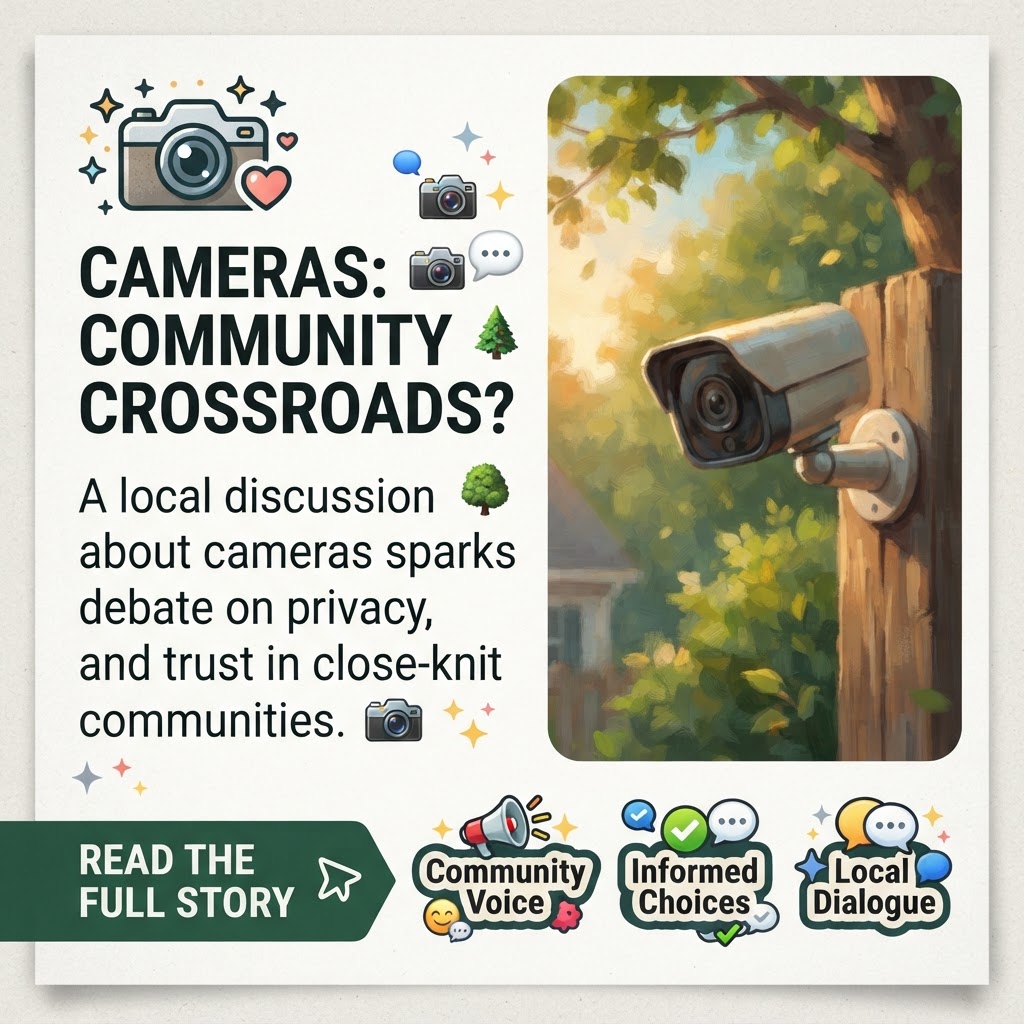
📸 Flock Cameras in Sequatchie Valley: A Conversation About Privacy and Community
The Sequatchie Valley has long balanced the charm of small-town life with the practical realities of modern surveillance—whether for security, wildlife monitoring, or neighborhood watch efforts. As technology like flock cameras becomes more accessible, questions about their use in our community have emerged, sparking curiosity among residents about how these tools might shape daily life here.
The recent post in the Soddy Daisy, Tennessee group by Scott Mincey—asking whether flock cameras have been used for “good or bad” in the area—has ignited a lively discussion among neighbors. With 77 comments and growing, the thread reflects broader concerns about privacy, safety, and community trust that resonate across rural Tennessee.
🤔 Why This Matters
Flock cameras and similar surveillance tools are increasingly common in both urban and rural settings, offering benefits like crime deterrence, wildlife observation, or property monitoring. But their use also raises questions about privacy, consent, and how technology intersects with daily life—especially in close-knit communities where neighbors know each other’s routines.
For residents of the Sequatchie Valley, where small-town values often prioritize trust and transparency, the conversation takes on extra weight. Are these cameras a tool for enhancing safety and community engagement? Or could they create tension if misused or perceived as intrusive? The answers may depend on how they’re deployed—and who controls them.
👥 Community Connections
The discussion in the Soddy Daisy group isn’t happening in a vacuum. Similar conversations have popped up across the region, particularly among:
- Neighborhood watch groups, which often explore technology to bolster safety without violating privacy.
- Local law enforcement and city officials, who may consider surveillance tools for public spaces like parks or downtown areas.
- Farmers and landowners, who use cameras for security, livestock monitoring, or even wildlife conservation.
- Churches and community centers, where concerns about youth safety or property protection sometimes lead to discussions about surveillance.
The Sequatchie Valley’s mix of rural and small-town dynamics means these conversations aren’t just theoretical—they’re tied to real-life scenarios, from protecting vacation homes to monitoring shared trails. As one commenter noted in the thread: “I’ve seen cameras on my neighbors’ properties—some for security, some for fun—but it makes me wonder how many are watching what they shouldn’t.” That sentiment highlights how quickly technology can blur the lines between helpful and invasive.
👤 Human Impact
The debate over flock cameras touches on everyday experiences in meaningful ways:
- Property owners may feel pressure to install cameras for security but also worry about how they’ll be perceived by neighbors.
- Businesses, especially those in tourist-heavy areas, might use cameras to deter theft or monitor foot traffic—but could face backlash if customers feel watched.
- Families with children may appreciate the added layer of safety, while others might question whether their kids’ routines are being recorded without consent.
- Wildlife enthusiasts and conservationists could see cameras as a tool for monitoring local fauna, but only if deployed thoughtfully to avoid stressing animals.
The thread’s comments reveal a spectrum of perspectives: Some residents share stories of cameras saving them from break-ins or helping them monitor elderly parents. Others express unease about “Big Brother” vibes or the potential for misuse. For many, the question isn’t just if cameras should be used—but how.
🏡 Local Perspective: Sequatchie Valley’s Unique Challenges
The Sequatchie Valley’s blend of rural sprawl and tight-knit communities creates a unique backdrop for this conversation. Unlike larger cities, where surveillance debates often center on public safety versus civil liberties, our region’s discussions tend to focus on:
- Trust and transparency: In small towns, word spreads quickly about who’s installing cameras—and why. A neighbor might install one for security but later learn it’s also monitoring a shared driveway.
- The “vacation home” dynamic: Many properties are second homes or rental units, leading to questions about landlord-tenant privacy and whether cameras should be allowed in guest spaces.
- Wildlife and agriculture: Farmers here often use cameras for livestock protection or predator monitoring, but there’s debate over whether these tools could also encroach on private property lines.
- Tourism and public perception: As more visitors explore the valley, businesses and homeowners grapple with how to balance safety with guest comfort—especially if cameras are visible from roads or parks.
This isn’t the first time Sequatchie Valley residents have grappled with technology’s role in community life. Remember when drones became popular for real estate tours? Some neighbors loved the aerial views, while others feared privacy violations. The flock camera debate feels like a natural next step in that conversation—one where the stakes feel even more personal.
✨ Opportunities for Connection
The ongoing discussion offers residents several ways to engage thoughtfully:
- Share your experience: Whether you’ve used flock cameras, seen them on neighbors’ properties, or have concerns about privacy, the Facebook thread is still open for comments. Your perspective could help shape how others think about the issue.
- Attend local meetings: If your neighborhood watch group, HOA, or city council discusses surveillance tools, this could be a chance to voice opinions or learn about proposed policies.
- Talk to landlords or property managers: If you rent or own vacation homes, ask about camera policies—especially if you’re uncomfortable with surveillance in shared spaces.
- Explore alternatives: For those concerned about privacy but still wanting security, the thread includes suggestions like motion-sensor lights, smart locks, or community-based watch programs that don’t rely on cameras.
For businesses and organizations, this could also be a chance to host a community forum—perhaps in partnership with local law enforcement—to discuss best practices for using surveillance technology responsibly.
📅 What Residents Should Know
The Facebook post itself doesn’t provide specific details like where flock cameras are currently used in the valley or what policies (if any) exist. However, here’s what’s clear from the conversation so far:
- It’s a growing topic: The thread has already sparked 77 comments, with residents sharing personal stories and asking for advice—proving this isn’t just an abstract concern.
- No official guidelines exist yet: Unlike some cities that regulate surveillance in public spaces, the Sequatchie Valley hasn’t established clear rules about flock cameras or similar tools. That could change as discussions like this one gain traction.
- The conversation is evolving: Early comments mention everything from DIY setups to professional installations, suggesting a mix of experience levels among residents.
- Privacy laws apply: Even in rural areas, federal and state privacy laws (like those governing video surveillance) still hold weight. Residents should familiarize themselves with Tennessee’s legal requirements if they plan to install cameras on public-facing property.
🔮 What Happens Next
The next steps aren’t yet clear, but a few likely scenarios could unfold:
- A neighborhood-led discussion: A group of concerned residents might organize a meeting to share experiences and brainstorm guidelines for responsible camera use.
- City or county involvement: If local officials notice increased interest, they may explore policies—especially if cameras are proposed for public spaces like parks or downtown areas.
- More personal stories emerge: As the Facebook thread continues, residents may share examples of how cameras have (or haven’t) worked for them, shaping others’ opinions.
- A shift in awareness: Even without formal rules, this conversation could lead to more transparency about who’s using cameras and why—strengthening trust or prompting conversations between neighbors.
One thing is certain: This isn’t a debate that will resolve itself. As technology evolves, so too will the questions around its role in our community—and now is the time for residents to weigh in before policies (or norms) are set without input.
💬 Community Questions
The flock camera discussion raises several thought-provoking questions for Sequatchie Valley residents:
- How would you feel about seeing cameras installed on properties near your home or business? Would it make you more or less comfortable?
- If you’re a property owner, have you considered installing cameras? What factors would influence your decision—safety, cost, neighbor reactions, or something else?
- What’s the line between helpful surveillance and an invasion of privacy in a small town where everyone knows each other?
- Could flock cameras ever be used for positive community purposes (like wildlife monitoring or safety patrols), or do they risk creating more tension than trust?
- If your neighborhood watch group discussed camera use, how would you want to see it handled—with strict rules, voluntary guidelines, or no oversight at all?
🌱 Long-Term Community Impact
The way the Sequatchie Valley navigates flock cameras could have lasting effects on several fronts:
- Community trust: Thoughtful discussions now could build confidence in how technology is used—or, if mishandled, erode trust between neighbors.
- Safety and security: If cameras are deployed effectively (with clear rules), they could deter crime or help solve incidents. But poorly managed systems might create false security or even increase anxiety.
- Property values: The presence of cameras—whether perceived as helpful or intrusive—could influence how residents view and value homes in certain areas.
- Local policies: This could be the spark for broader conversations about surveillance in public spaces, leading to guidelines for businesses, parks, or government buildings.
- Cultural identity: How we use technology reflects our values. If the valley leans toward transparency and consent, it could reinforce its reputation as a community that values trust over control.
For now, the most important outcome might be simply this: A more informed conversation about how we want to live together—with or without cameras watching over us.
🧵 Community Threads: The Hidden Networks Behind the Debate
The flock camera discussion isn’t just about technology; it’s a window into deeper community threads that shape how we interact, trust, and protect each other. Here are some of the invisible connections at play:
🔗 The Neighborhood Watch Network
Across the Sequatchie Valley, neighborhood watch groups have long been the backbone of local safety efforts—whether through patrols, block parties, or shared alerts. The flock camera debate taps into this existing network: Many residents turn to these groups for advice on security tools, and their recommendations (or warnings) carry weight. If a watch group endorses cameras, others are more likely to follow suit—and vice versa. This thread could strengthen those connections by forcing neighbors to articulate why they trust (or distrust) certain technologies.
🏡 The Vacation Home Economy
The valley’s thriving rental and vacation home market adds a layer of complexity to the conversation. Landlords and property managers often install cameras for security, but tenants may feel uneasy about being monitored—especially if they’re not the original owners. This thread highlights how technology intersects with housing dynamics: Are cameras a tool for protection or a power imbalance? The answers could shape future tenant-landlord relationships in areas like Sequatchie County’s popular rental districts.
🌿 The Wildlife and Conservation Community
For hunters, farmers, and nature enthusiasts, cameras aren’t just about security—they’re tools for monitoring deer populations, tracking invasive species, or studying local wildlife. Some comments in the thread mention using flock cameras to observe animals without disturbing them. This thread could bridge the gap between urban privacy concerns and rural conservation efforts, showing how technology can serve multiple purposes if deployed thoughtfully.
🛠️ The DIY Tech Enthusiast Circle
A surprising number of Sequatchie Valley residents enjoy tinkering with tech—whether it’s solar panels, smart home gadgets, or (as in this case) surveillance tools. The thread includes mentions of “easy-to-set-up” flock cameras and shared tips on placement. This hidden network of makers and problem-solvers could become a resource for others, turning privacy debates into collaborative problem-solving sessions.
🙏 The Church and Community Center Network
Many local faith groups and community centers rely on volunteers to monitor property or host events. The discussion about cameras touches on their concerns: Should they install them for safety? How would members feel about being recorded during meetings? This thread could lead to conversations about how technology affects shared spaces—whether it’s a church basement, a library, or a park pavilion.
Understanding these threads isn’t just academic; it’s practical. By recognizing how flock cameras fit into existing networks—from neighborhood watches to wildlife groups—the conversation shifts from “Should we use them?” to “How can we use them in ways that strengthen our community?”
🤔Source
📰Other Stories
- 🍯 Four Flavor Cinnamon Roll Flight at Field to Flour Sourdough in North Cleveland — A Sweet Way to Sample Local Artisan Baking
- 🚐 Mobile RV Repair Service Brings Convenience to Travelers in Sequatchie Valley
- 🌿 Mobile Spa Services Bring Relaxation to Mountain Retreats in Sequatchie Valley
- 🧙♀️ Whistlestop Manor ‘s “Witches” Tea Party Returns This October
- 🌩️ Summer Storm Watch: Tennessee Valley ’s Unsettled Weather Pattern Continues Through Midweek
- 🍽️ Community Members Seek Food Bank Resources in Sequatchie Valley Area
- 🌱 Join the Founding Family of Farmers’ Storehouse Nashville Co-op: Local Agriculture Investment Opportunity


0 Comments