
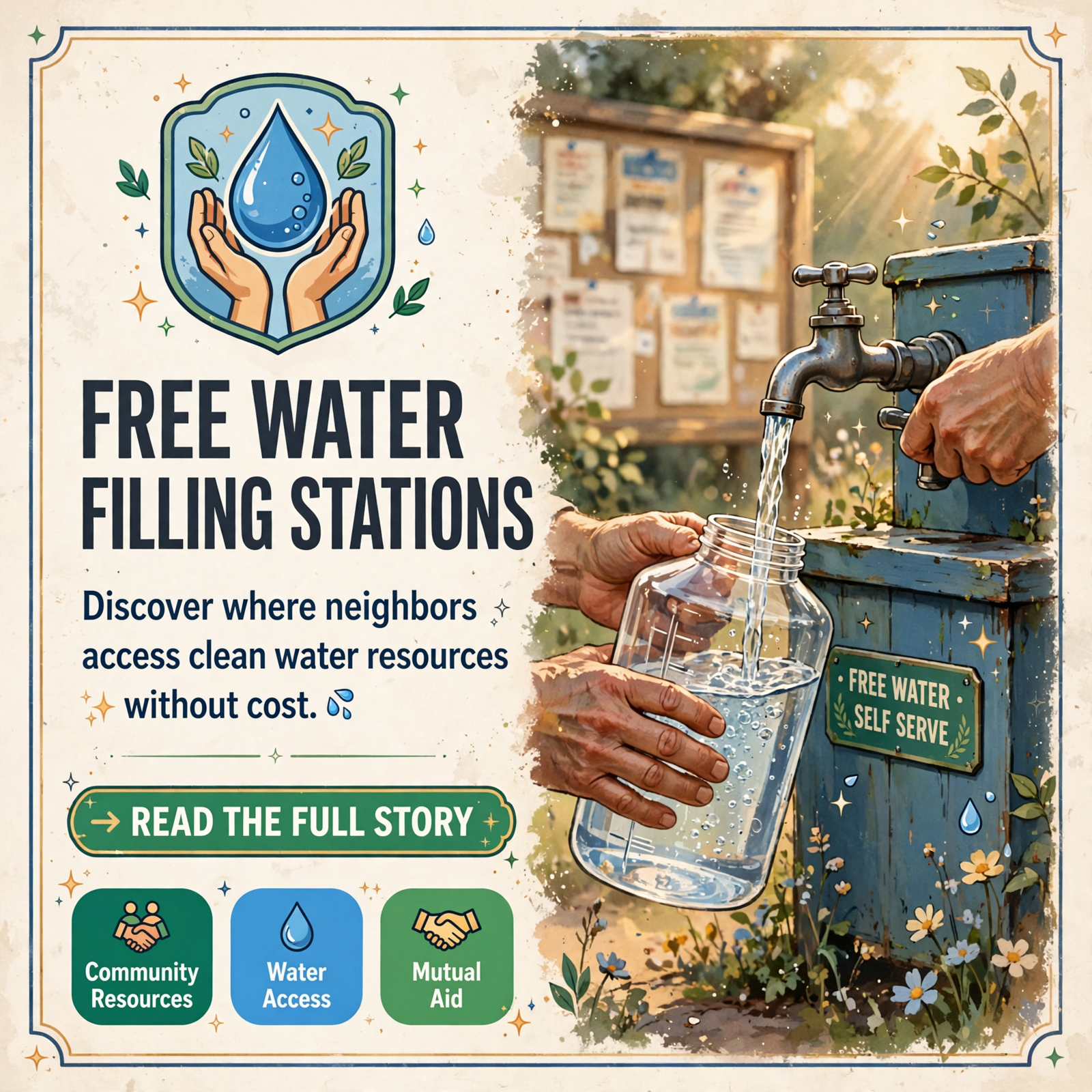
💧 Where to Fill Water Jugs for Free – Local Resources and Community Options
A recent community question about free water-filling stations highlights a practical need many residents face – whether for emergencies, household use, or everyday convenience. Understanding where these resources are available strengthens community self-reliance and connects neighbors to shared services.
📍 Why This Matters
Access to clean, free water is a basic need that affects households across the region. Whether someone is facing a temporary water disruption, managing a large household, preparing for seasonal changes, or simply looking to reduce bottled water costs, knowing where to find reliable water-filling options matters. For families on tight budgets, seniors, or those in areas with water quality concerns, these resources can be essential.
💡 What Residents Should Know
The Spencer Water Plant serves the Spencer area and may offer water-filling services to residents. Local water systems and municipal facilities sometimes provide this service, though availability and hours vary. Residents interested in using these resources should contact their local water provider directly to confirm current availability, any requirements (such as bringing your own containers), and operating hours.
Beyond municipal sources, some community organizations, churches, and civic groups occasionally coordinate water distribution during emergencies or community events. Checking with local churches and community organizations in your area may reveal additional options or upcoming opportunities.
🤝 Community Connections
This question reflects a broader community conversation about resource-sharing and mutual aid. When neighbors ask where to find free or low-cost services, they’re often connecting with others who face similar challenges – and that connection itself strengthens community bonds. Local civic organizations, water utilities, and municipal services are part of an invisible network that keeps communities functioning during both routine times and emergencies.
❓ Questions Worth Asking
- Does your local water provider offer free or low-cost water-filling services, and if so, what are the hours and requirements?
- Are there seasonal or emergency situations when water access becomes more difficult in your area, and what backup options exist?
- How can community organizations help neighbors who face temporary water disruptions or access challenges?
- What other free or low-cost household resources might neighbors benefit from knowing about?
🔄 What Happens Next
Residents seeking this service should reach out directly to their local water utility or municipal office to ask about water-filling options. If you find a reliable source, sharing that information with neighbors – through local community groups, churches, or word-of-mouth – helps others in your area benefit from the same knowledge. Community members who discover gaps in these services might also consider raising the question with local civic leaders or utility providers about expanding access.
💪 Long-Term Community Value
Communities that maintain clear information about shared resources – water, emergency services, food assistance, and other essentials – build resilience. When neighbors know where to turn during disruptions or hardship, they’re less isolated and more connected to the systems that support them. Documenting and sharing these resources also helps newer residents and visitors understand how the community functions and where to find help when needed.


0 Comments