
The Valley Served: The Veterans Organizations Working Quietly for Our Neighbors
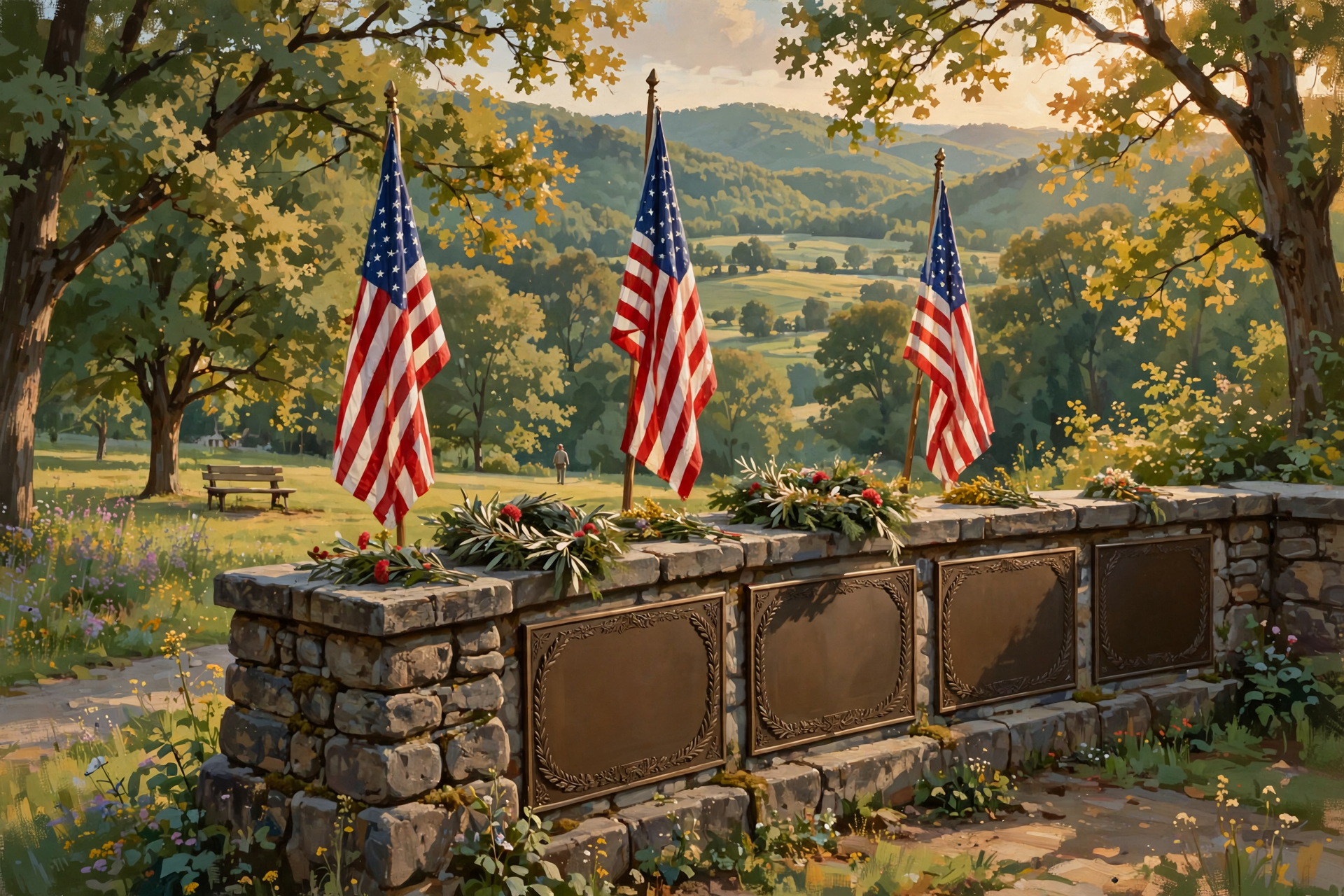
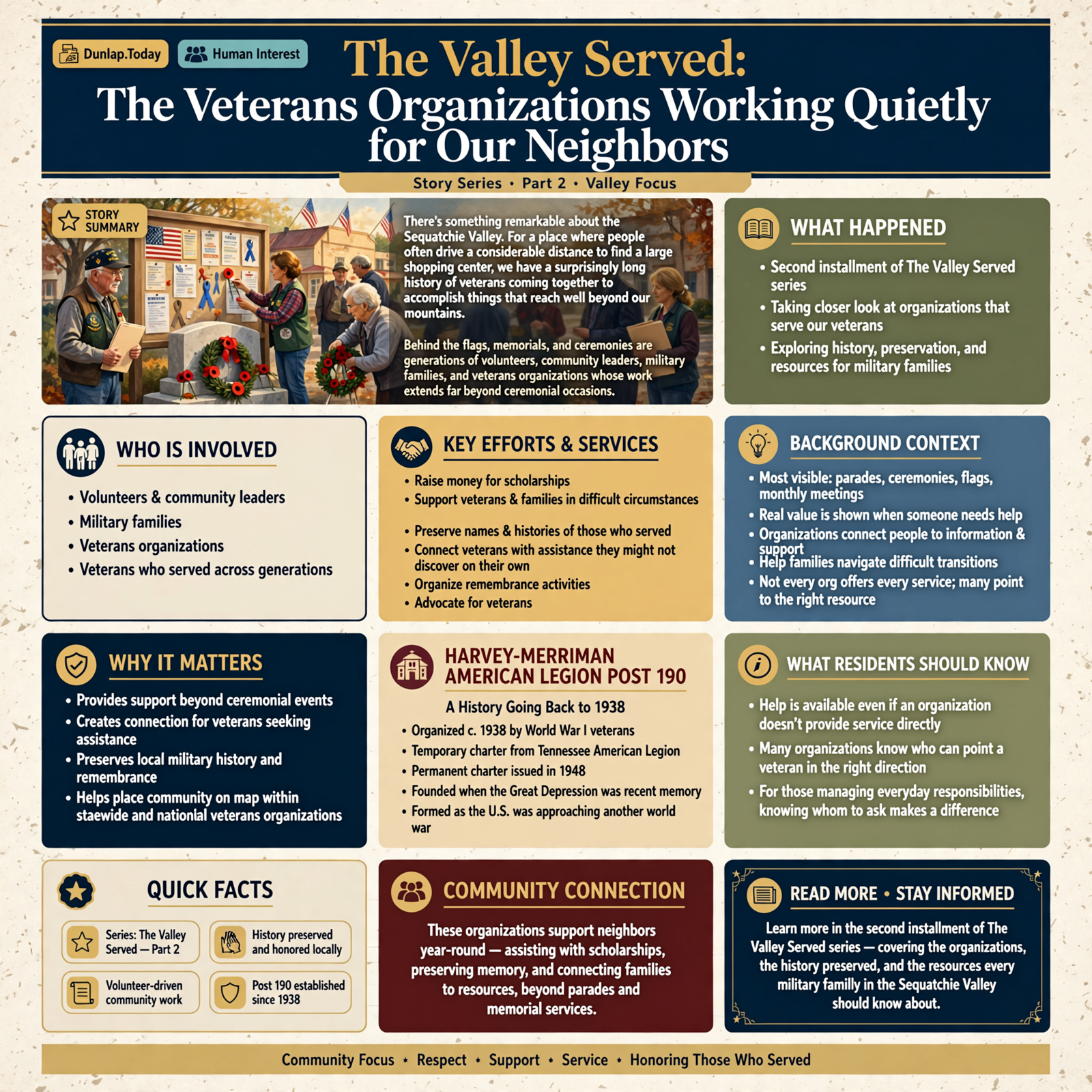
There’s something rather remarkable about the Sequatchie Valley. For a place where people sometimes have to drive a considerable distance to find a large shopping center, we have a surprisingly long history of veterans coming together to accomplish things that reach well beyond our mountains.
Most residents have seen the flags, memorials, and ceremonies honoring the men and women who served in America’s military.
We’ve watched the Veterans Day parades. We’ve attended Memorial Day services. We’ve passed the veterans memorials in Dunlap and other communities, perhaps without stopping to consider how they came to be there.
But behind those public expressions of remembrance are generations of volunteers, community leaders, military families, and veterans organizations whose work extends far beyond ceremonial occasions.
Some have raised money for scholarships. Some have supported veterans and families in difficult circumstances. Some have preserved the names and histories of those who served. Others have connected veterans with assistance they might never have discovered on their own.
And some have helped place our little corner of Tennessee on the map within statewide and national veterans organizations.
For the second installment of The Valley Served, we’re taking a closer look at the organizations that serve our veterans, the history they’ve helped preserve, and the resources every military family in the Sequatchie Valley should know about.
More Than a Building, a Flag, and a Monthly Meeting
Ask someone what an American Legion post or Veterans of Foreign Wars organization does, and you may hear an answer involving parades, ceremonies, flags, and meetings.
That’s understandable. Those are often the most visible parts of the organizations’ work.
But they’re rather like seeing a volunteer fire department’s fire trucks parked outside the station and assuming that’s the entirety of its contribution to the community.
The real value often becomes apparent when somebody needs help.
Veterans organizations can connect people with information, provide community support, sponsor scholarships, organize remembrance activities, advocate for veterans, and help families navigate difficult transitions.
Not every organization offers every service, and some specialized assistance requires an accredited representative or government office.
But many of these organizations know the people who can point a veteran in the right direction.
For someone who spent a lifetime working, raising children, and tending to everyday responsibilities, simply knowing whom to ask can make a tremendous difference.
Harvey-Merriman American Legion Post 190: A History Going Back to 1938
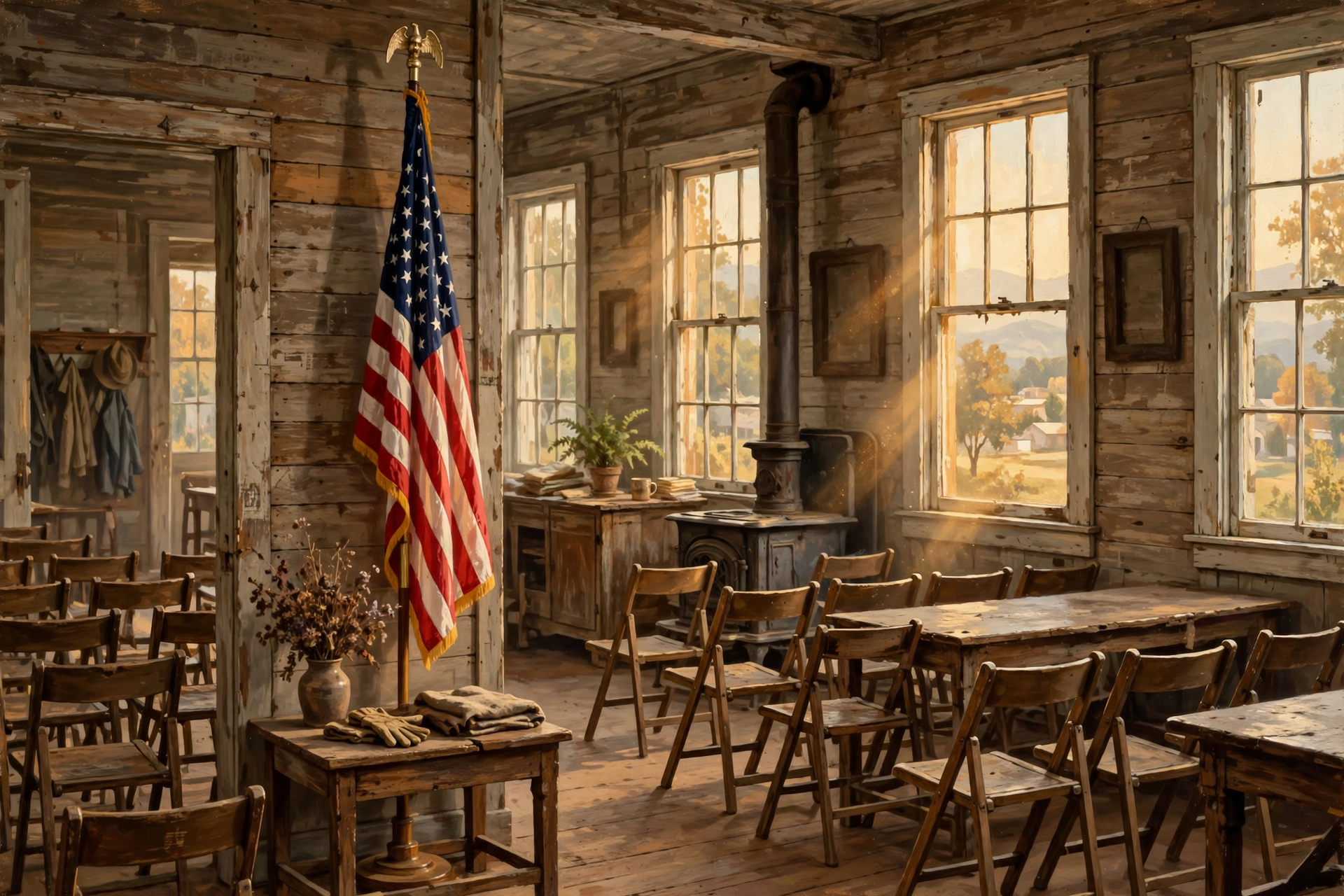
One of the most important chapters in the valley’s organized veterans history belongs to Harvey-Merriman American Legion Post 190 in Dunlap.
According to the post’s published history, World War I veterans organized the post around 1938 under a temporary charter from the Tennessee American Legion. Its permanent charter was issued in 1948.
Think about that for a moment.
The men who helped establish this organization were veterans of a conflict that had ended two decades earlier. The Great Depression was still part of recent memory, and the United States was approaching another world war.
Those veterans understood something that remains important today: military service creates experiences and needs that don’t necessarily disappear when a person returns home.
In 1948, members voted to name the post in honor of Mark Harvey and Thomas Merriman.
The post identifies Harvey as the first Sequatchie County man to die while serving during World War I, and Merriman as the first from the county to die while serving during World War II.
Their names became part of the organization’s identity.
And over the decades, that identity became connected to an extraordinary amount of community work.
The Memorial That Began With Veterans Working Together
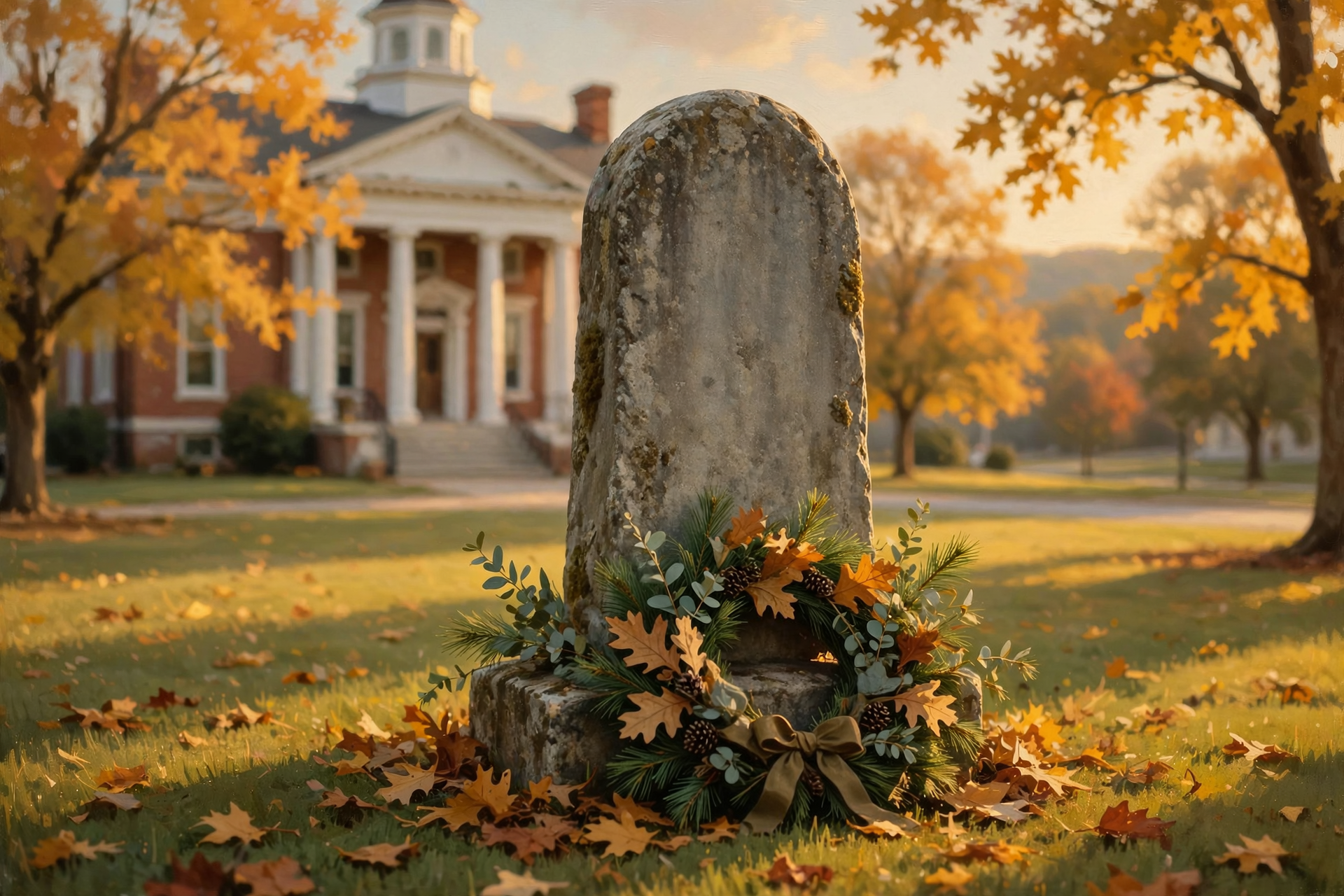
In 1949, American Legion Post 190 joined with local Veterans of Foreign Wars Post 5772 to finance a monument honoring Sequatchie County residents who died in military service.
The monument was placed on the courthouse lawn and dedicated on Memorial Day in 1950.
According to the American Legion’s historical account, its original inscriptions included seven men lost during World War I and sixteen from World War II. Names from the Korean conflict and Vietnam War were added in later years.
For more than seventy years, Post 190 has helped organize Memorial Day remembrance ceremonies at the courthouse.
The traditions include placing a wreath, reading the names of fallen service members, and sounding taps.
These ceremonies are familiar to many residents.
But consider what it takes to keep a tradition going across generations.
Someone must organize it. Someone must maintain the relationships. Someone must preserve the names. Someone must recruit the next generation of volunteers.
Without that continuing work, even an impressive memorial can eventually become little more than a stone with names that nobody remembers.
That’s one reason veterans organizations matter.
They help keep the people behind those names connected to the community’s memory.
From a Courthouse Monument to Veterans Memorial Park
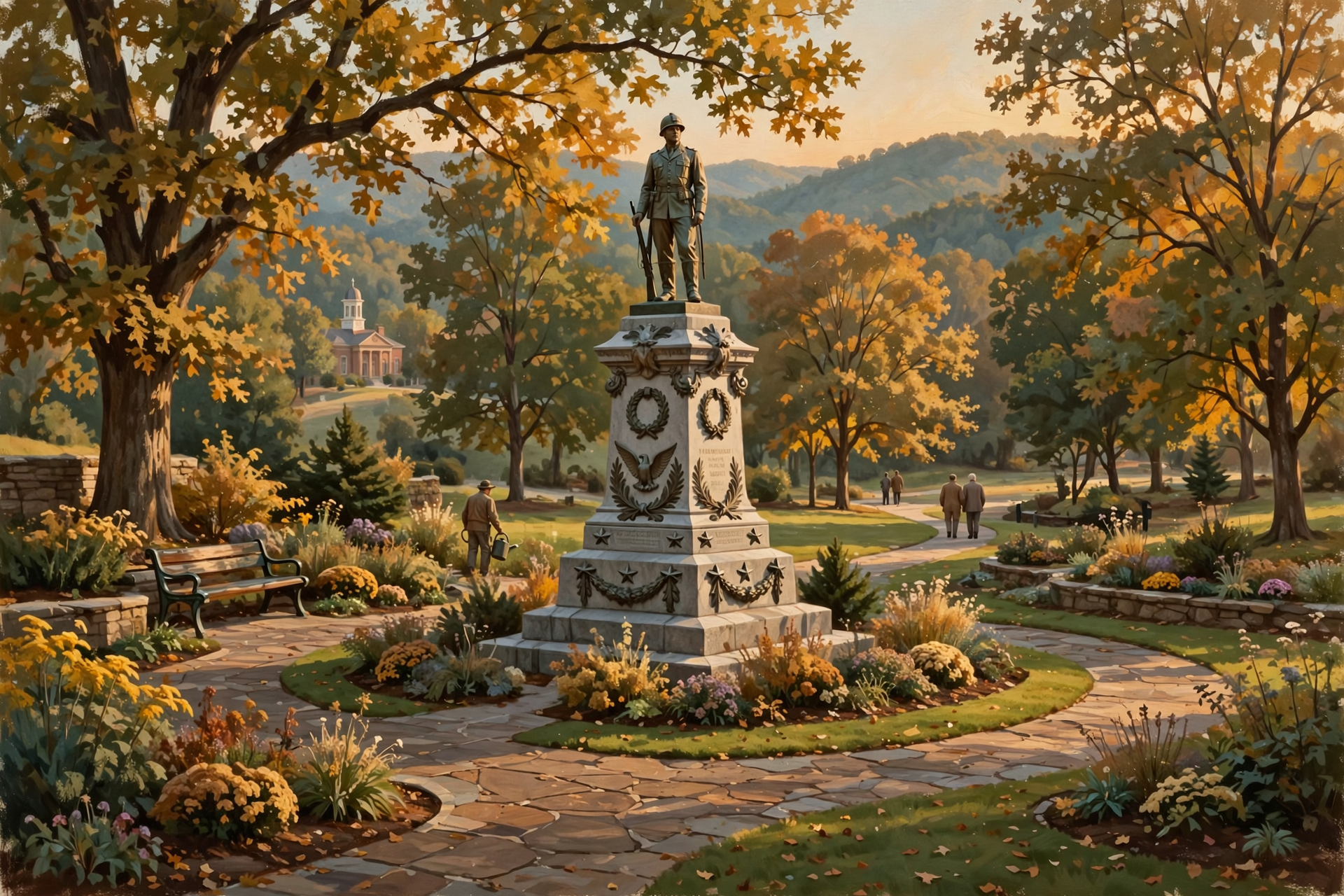
Post 190’s work did not end with the courthouse memorial.
In 2009, the organization established Sequatchie County’s Veterans Day parade, adding another annual opportunity for residents to recognize military service.
Then, in 2011, Sequatchie County Veterans Memorial Park was dedicated.
The post credits numerous veterans and community volunteers with the work required to create the park.
And that is worth emphasizing.
Projects like these don’t simply appear because someone had a nice idea at a meeting.
They require planning, fundraising, volunteer labor, coordination, and years of commitment.
For many communities, maintaining a memorial is an ongoing responsibility rather than a project that ends with a ribbon-cutting ceremony.
Veterans Memorial Park reflects not only military history but also the willingness of local residents to preserve that history for future generations.
Why the Rest of Tennessee Is Paying Attention
There is another reason this is a timely subject for the Sequatchie Valley.
On October 15, 2026, American Legion National Commander Jay Bowen is scheduled to visit Southeast Tennessee as part of a tour highlighting veterans memorials, community initiatives, and American Legion programs.
According to reports published by The Dunlap-Tribune and SValleyNow, the planned itinerary includes stops in Collegedale and Cleveland before continuing to Sequatchie County.
In Dunlap, the national commander is expected to visit Sequatchie County Veterans Park and the proposed site of the Sequatchie Valley Veterans Cemetery.
A media opportunity is also planned at American Legion Post 190, located at Sequatchie County Veterans Hall.
This isn’t simply a local official dropping by for a handshake and a photograph.
It is a scheduled visit by the national leader of one of the country’s major veterans organizations.
And it offers an opportunity to bring attention to the work being done here in the valley.
The visit also highlights something residents may not always recognize: local veterans organizations participate in larger district, state, and national networks.
Those relationships can provide opportunities to share ideas, coordinate programs, advocate for resources, and bring attention to projects that matter to veterans and their families.
We hope to learn more about those connections directly from the local leaders involved.
Event note: The October 15 visit was scheduled as reported in local news on October 5 and 6, 2026. Plans may change; readers interested in attending or covering the event should confirm details with the organizers.
The Proposed Sequatchie Valley Veterans Cemetery
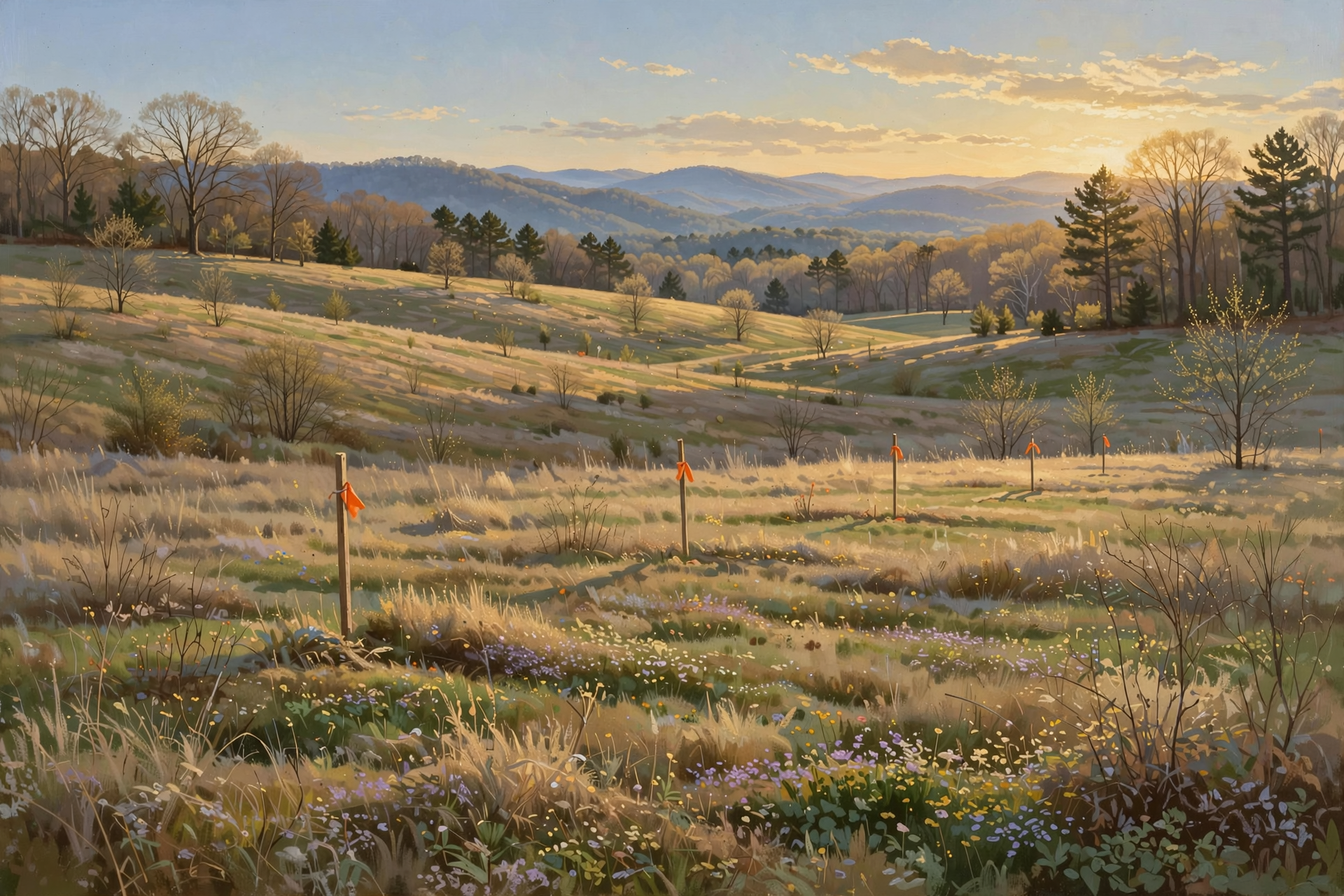
Among the locations scheduled for the national commander’s visit is the proposed site of the Sequatchie Valley Veterans Cemetery.
The inclusion of that site deserves attention.
Veterans cemeteries are about more than burial arrangements.
For military families, access to an appropriate final resting place can be an important part of honoring service, preserving family connections, and maintaining traditions of remembrance.
A cemetery serving the region could potentially have significance for families across county lines.
But a proposed project is not the same as a completed or approved facility.
Questions remain for local reporting: What is the project’s current status? Which organizations are involved? What steps are required before development? How would the cemetery be administered and funded? Which veterans and family members would be eligible?
These are exactly the types of questions The Valley Served hopes to explore through future conversations with organizers, public officials, and participating veterans groups.
For now, the proposed cemetery is an important project worth following, and the planned national commander visit brings additional attention to it.
Scholarships, Community Projects, and Helping Families
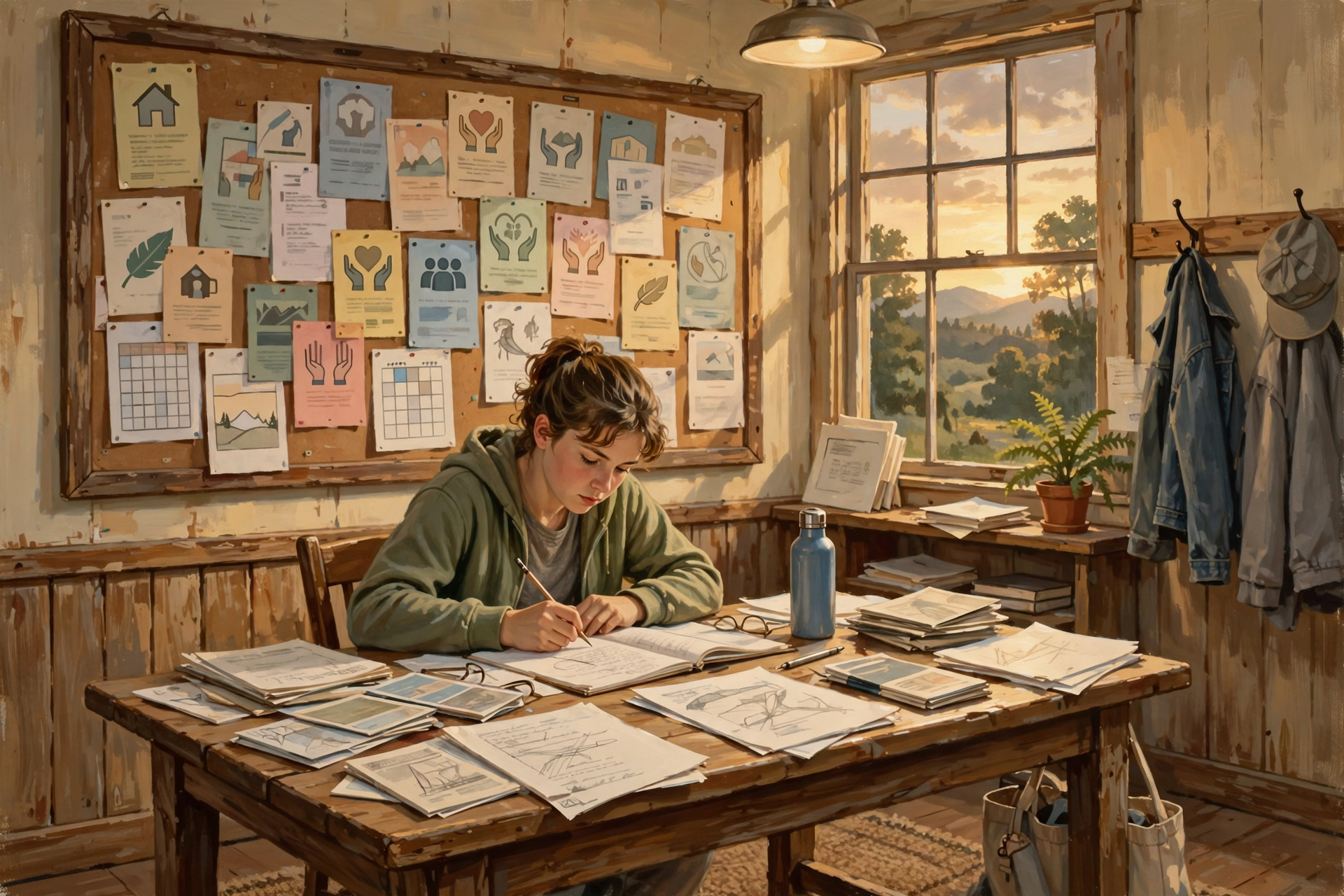
Memorials and ceremonies are only part of Post 190’s work.
The organization reports that it sponsors educational scholarships, provides assistance to local veterans and families in need, and supports other worthwhile community programs.
Its website specifically encourages community members to become boosters or sponsors, explaining that fundraising proceeds are returned to community activities and assistance.
This is an important dimension of veterans organizations that often receives less attention.
A scholarship may help a young person pursue an education. Community assistance may support a family facing an unexpected difficulty. A referral may connect a veteran with services that improve everyday life.
And the benefits aren’t necessarily limited to an organization’s own members.
The broader community can benefit from the educational, charitable, and volunteer work undertaken by these groups.
For anyone interested in supporting veterans, becoming involved with a local organization may be one of the more practical ways to begin.
The Veterans of Foreign Wars and Other Service Organizations
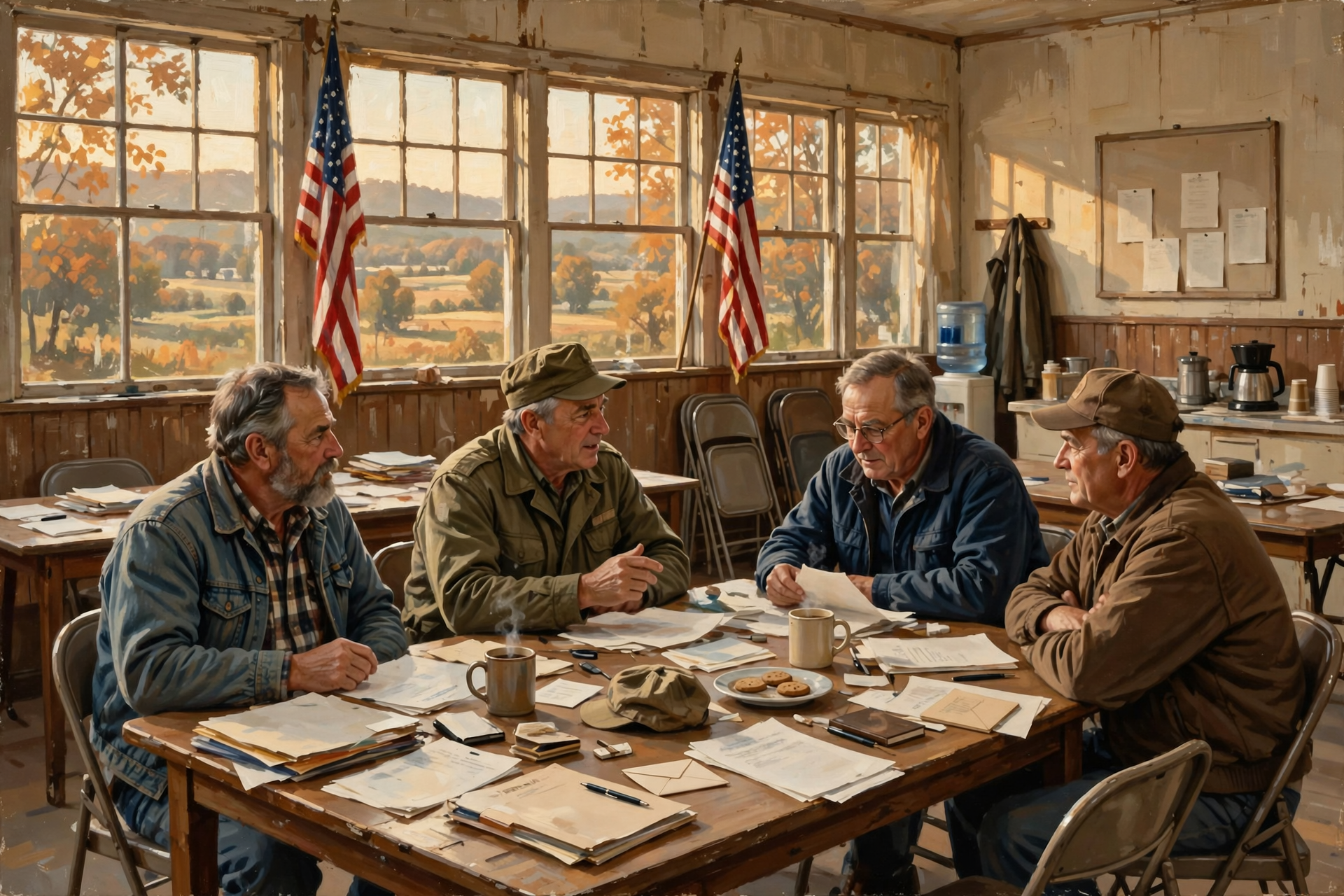
The Veterans of Foreign Wars, commonly called the VFW, has a separate but complementary history of serving eligible veterans.
Nationally, the organization focuses on veterans advocacy, community involvement, assistance, and support for those who served in qualifying overseas operations.
Here in Sequatchie County, the historical partnership between VFW Post 5772 and American Legion Post 190 demonstrates how different veterans organizations have worked together on community projects.
That cooperative spirit is important.
Veterans organizations may have different histories, membership requirements, traditions, and areas of emphasis, but their interests frequently overlap.
A veteran may find camaraderie through one organization, assistance through another, and specialized benefits guidance through a county service officer.
There are also military-family organizations, service-oriented volunteer groups, and regional support networks that deserve coverage.
Across Marion and Bledsoe counties, we want to hear from organizations whose work may be familiar to their members but not to the wider public.
Rather than assume we already know everything these groups accomplish, we would like to hear directly from their officers, members, and volunteers.
What programs do they operate? What needs are they seeing? What assistance can they provide? What services do residents most often overlook?
Those answers could help more veterans find the right organization for their circumstances.
One of the Most Important Resources Is Not a Club at All
When discussing veterans assistance, there’s a distinction worth understanding.
Veterans organizations such as the American Legion and VFW are different from county government veterans service offices, although both can play important roles in helping veterans.
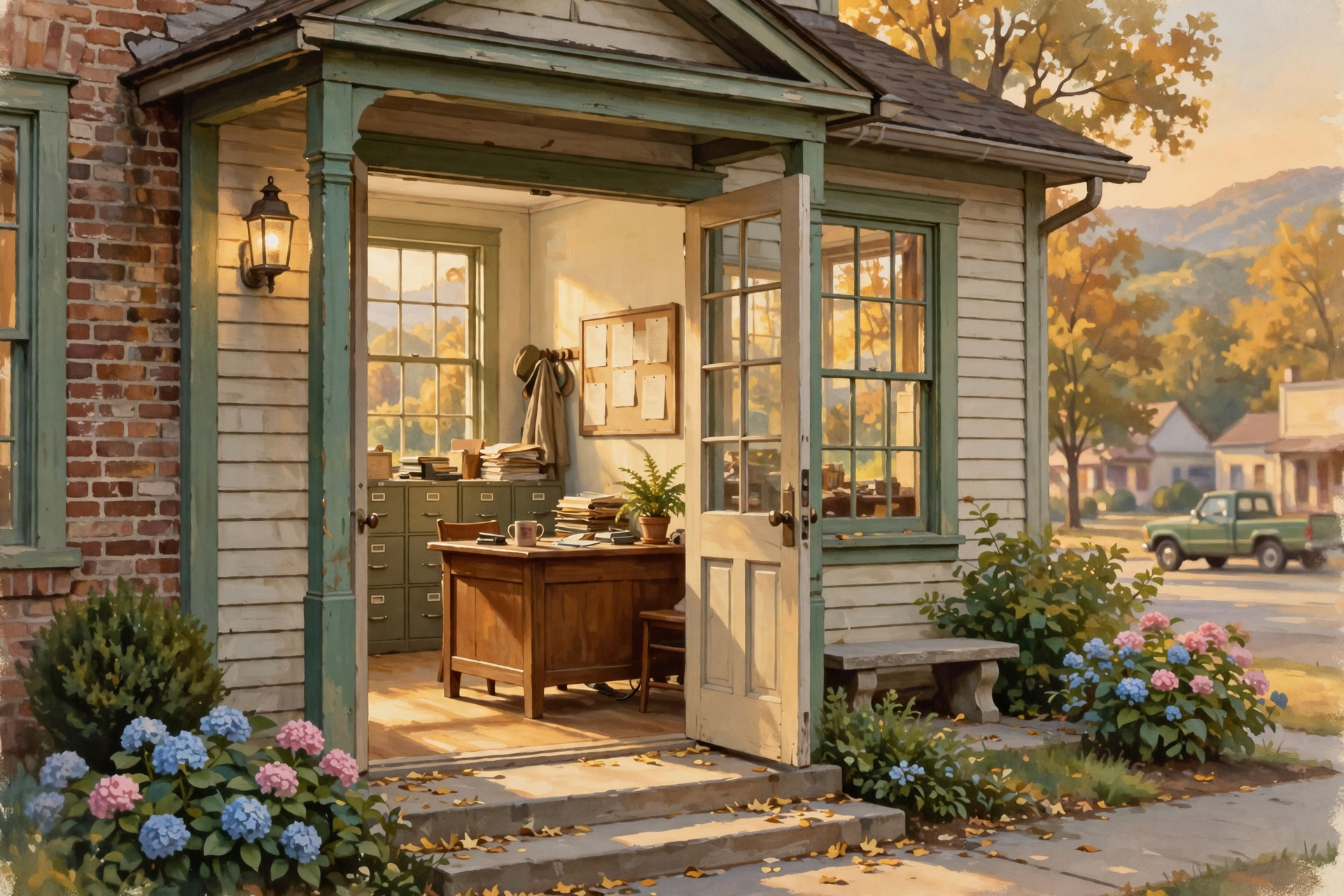
A county veterans service office provides a local point of contact for information about government programs, applications, records, claims, and available resources.
In Sequatchie County, that office is located in Dunlap.
According to the county government’s published directory, Veterans Service Officer Jim Patterson helps veterans, service members, and eligible family members with information and guidance about benefits and services.
The office can assist people with understanding benefit options, gathering necessary documents, applications, claims-related questions, disability benefits, pensions, survivor benefits, health care resources, and military records.
For someone who doesn’t know where to begin, that can be extraordinarily valuable.
Sequatchie County Veterans Service Office
171 Church Street
Dunlap, TN 37327
Phone: (423) 949-4660
Visit the official Sequatchie County Veterans Office information page.
Veterans in Marion and Bledsoe counties can locate their county service offices through the Tennessee Department of Veterans Services.
Find a Tennessee county veterans service office.
You May Be Eligible for Benefits You Never Knew Existed
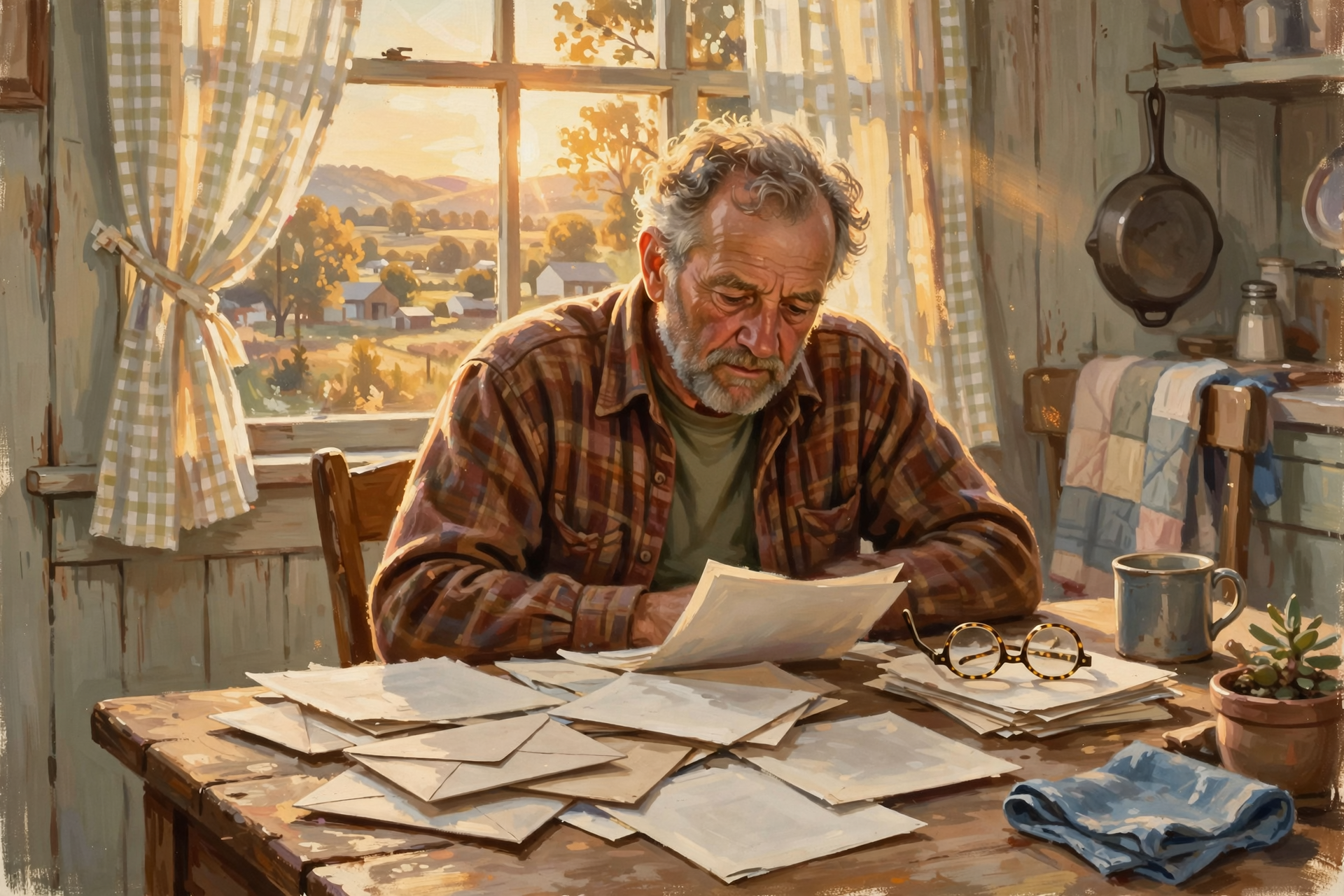
Consider a veteran who finished military service forty or fifty years ago.
He came home, found employment, raised children, paid his bills, and eventually retired.
Perhaps he occasionally heard other veterans talking about disability compensation or VA health care, but never investigated whether anything applied to him.
Maybe the paperwork seemed complicated. Maybe he didn’t have a computer. Maybe he had trouble finding someone knowledgeable enough to answer his questions.
Or maybe he simply assumed that because he wasn’t injured in combat, he had no reason to explore veterans benefits.
That assumption could be mistaken.
Eligibility for VA programs depends on many factors, including the particular benefit, a person’s service history, discharge status, and other requirements.
Some service-connected conditions can arise from duties performed outside combat, and some benefits address needs unrelated to a combat injury.
One veteran who served in the Army Signal Corps during the early 1960s spent much of his civilian life without fully understanding the benefits available to him.
He eventually learned more about those programs and began using assistance for which he qualified, but that discovery came long after his children had grown and left home.
His experience raises an uncomfortable but useful question.
How many people have spent decades without asking about assistance simply because nobody ever explained where to start?
We don’t know how many veterans in the Sequatchie Valley are in that position.
But helping even a few people discover appropriate resources would make this reporting worthwhile.
Getting Help With a VA Claim Shouldn’t Require Paying Someone to Explain the Basics
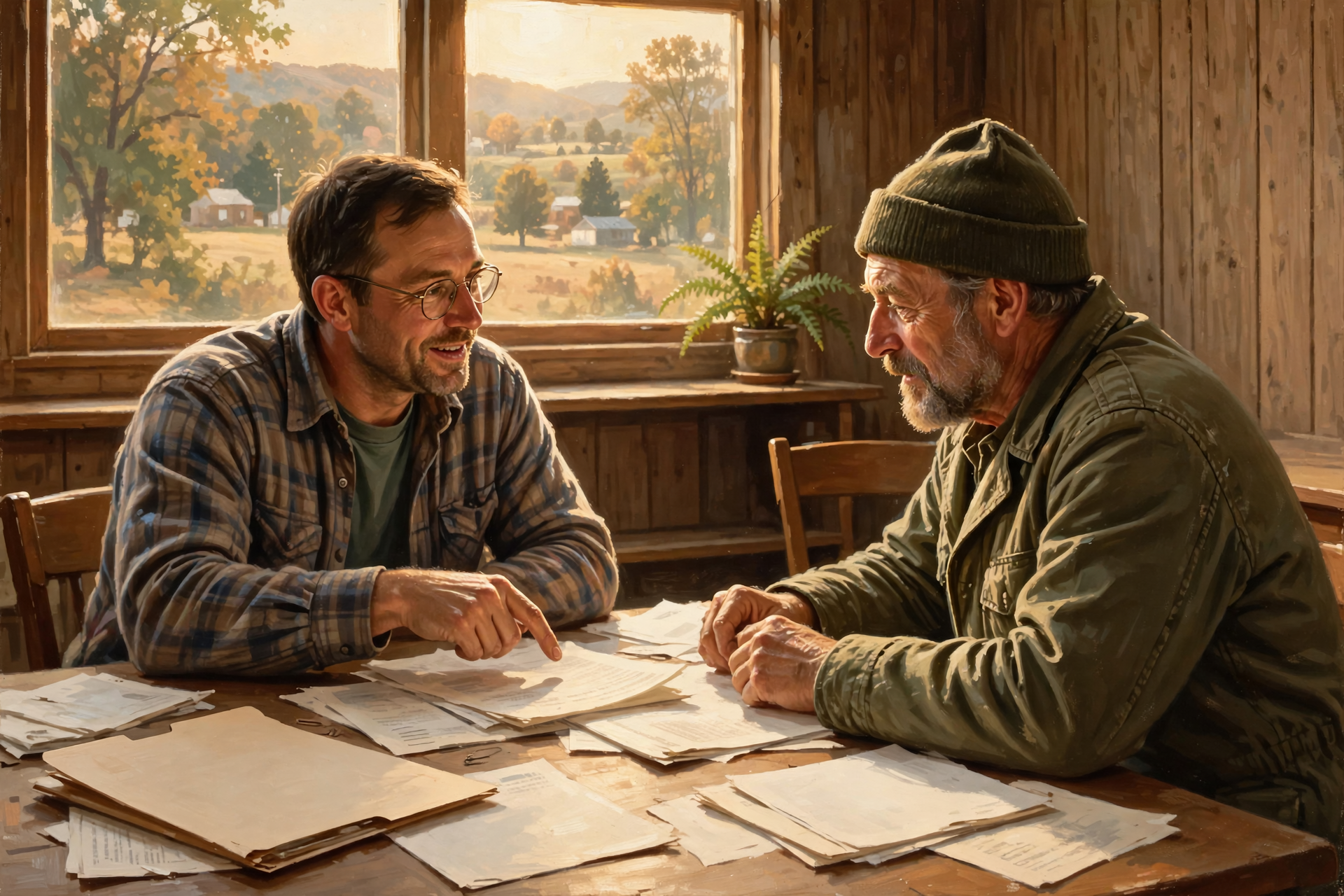
The U.S. Department of Veterans Affairs recognizes accredited representatives who are qualified to assist with benefit claims.
These include accredited Veterans Service Organization representatives, attorneys, and claims agents.
There’s an important distinction between these categories.
Accredited Veterans Service Organization representatives provide VA claims representation free of charge.
They can help gather evidence, prepare and submit claims, request decision reviews, and communicate with the VA on behalf of a veteran or eligible claimant.
Accredited attorneys and claims agents may charge fees in certain circumstances, generally after the VA has made an initial decision on a claim.
The VA maintains an official process for locating and verifying accredited representatives.
Before paying anyone for claims assistance, veterans and families should understand the person’s accreditation status and the services available without charge.
Information is especially valuable when people are trying to make decisions involving complicated benefits, substantial paperwork, or financial consequences.
Find a VA-accredited representative or Veterans Service Organization.
Five Questions Worth Asking a Veterans Service Officer
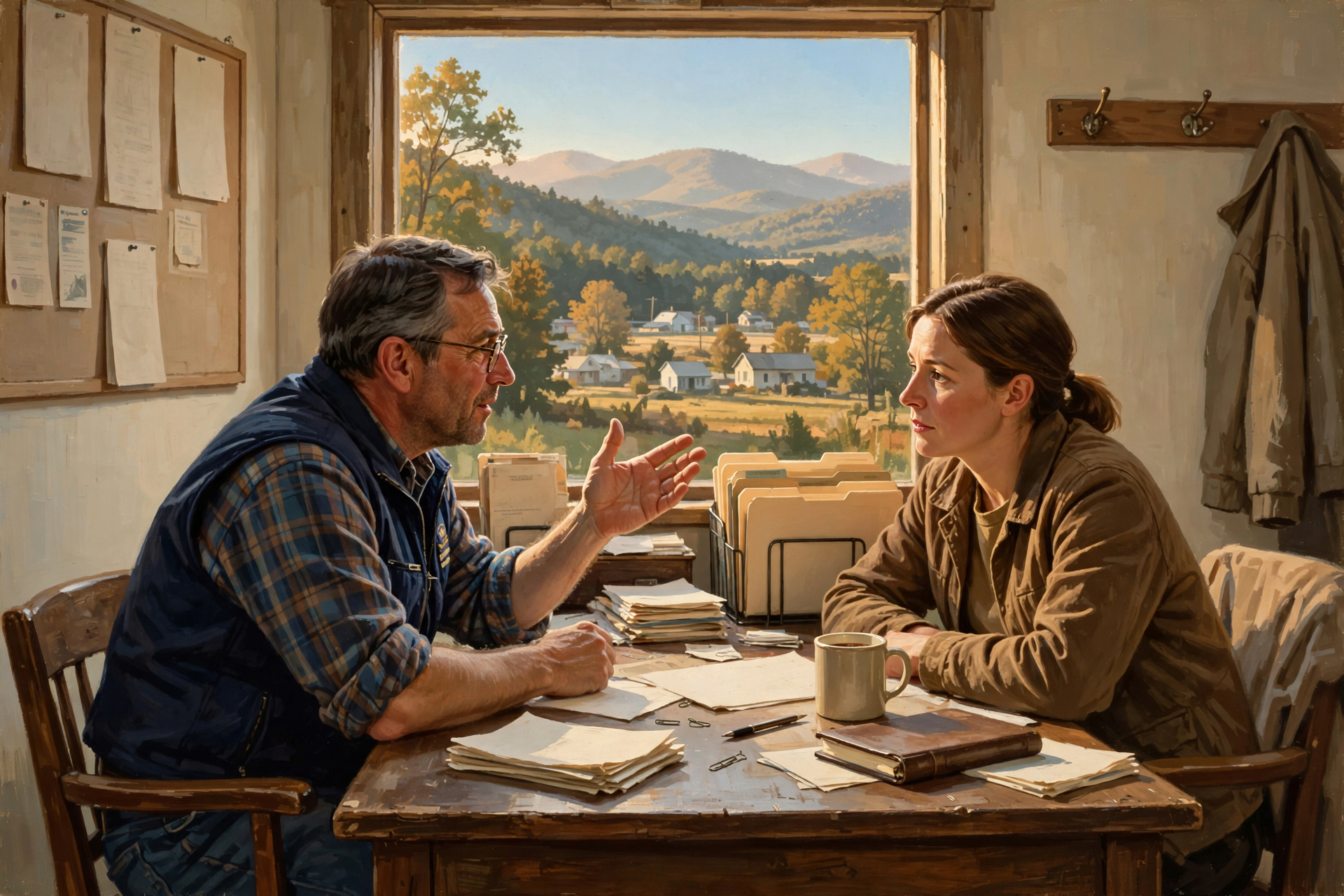
If you or someone in your family served in the military, it may be worth contacting a local veterans service office to ask some basic questions.
- Based on my service history, which veterans benefits should I investigate? Different programs have different eligibility requirements, and a knowledgeable service officer can help identify the appropriate starting points.
- Could a medical condition or disability be related to my military service? Service-connected disabilities are not limited to battlefield injuries. Documentation and qualifying evidence matter.
- What benefits might be available to my spouse, children, or surviving family members? Certain education, survivor, and other assistance programs address family needs.
- What documents should I bring, and what if I’ve lost them? Military discharge papers and other records are often important, and service officers may help explain how to obtain replacements.
- Are there Tennessee-specific or local programs I should know about? Federal VA benefits are only one part of the resources potentially available to veterans and families.
You don’t need to understand every government program before asking these questions.
That’s part of the reason these offices and accredited representatives exist.
A Word to the Families: Sometimes You Can Help Start the Conversation
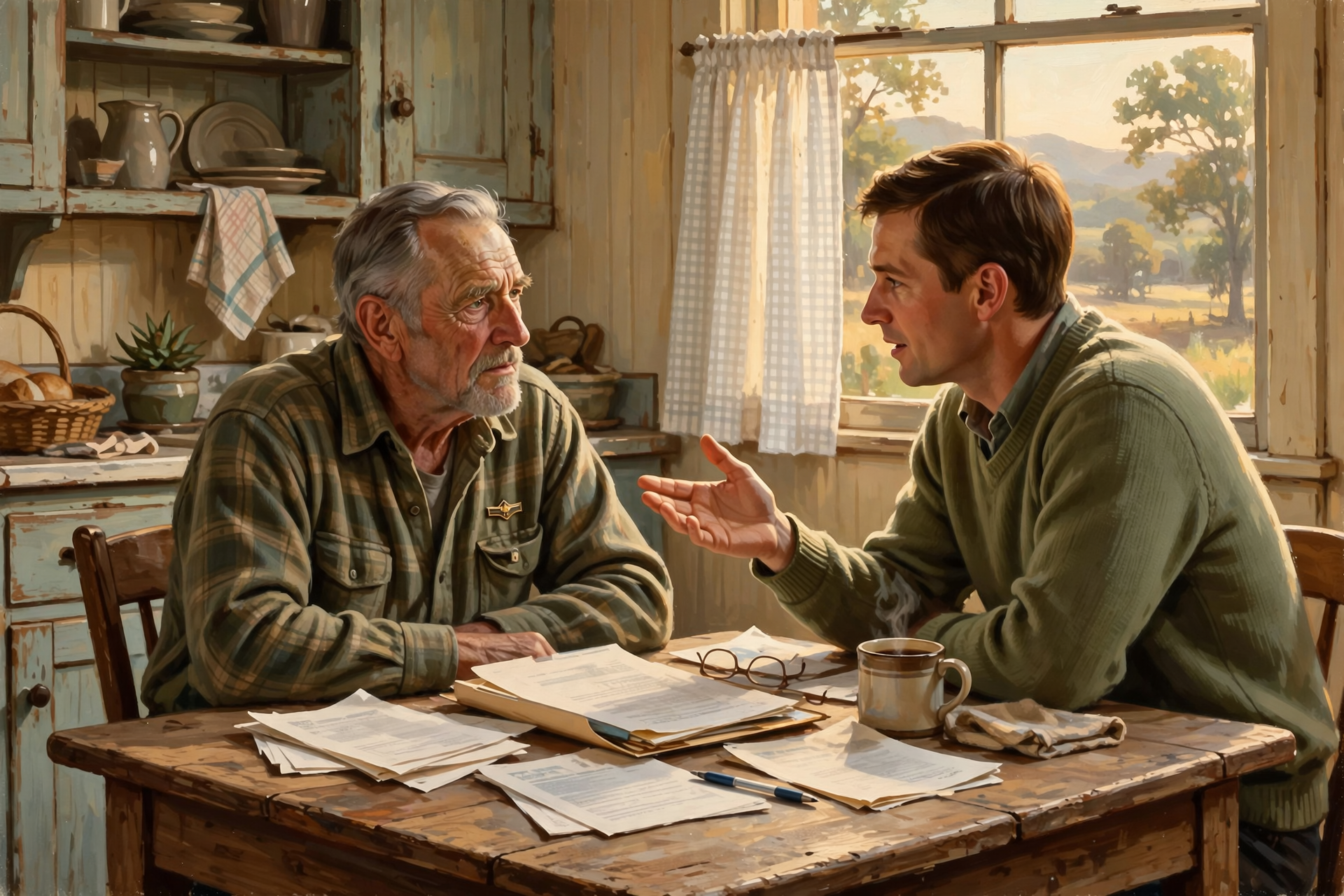
Adult children, spouses, siblings, and grandchildren can play an important role in helping veterans find resources.
Perhaps you have a father or grandfather who served decades ago and rarely discusses his military experiences.
Maybe you have a family member who recently returned from service and is struggling to understand the transition to civilian life.
Or perhaps you’re helping care for an older veteran whose circumstances have changed.
You don’t need to know all the answers to help.
You can locate the county veterans service office, help arrange an appointment, organize paperwork with the veteran’s permission, or encourage them to speak with an accredited representative.
The veteran should remain in control of personal information and decisions whenever possible, but having someone help navigate appointments and paperwork can make the process less intimidating.
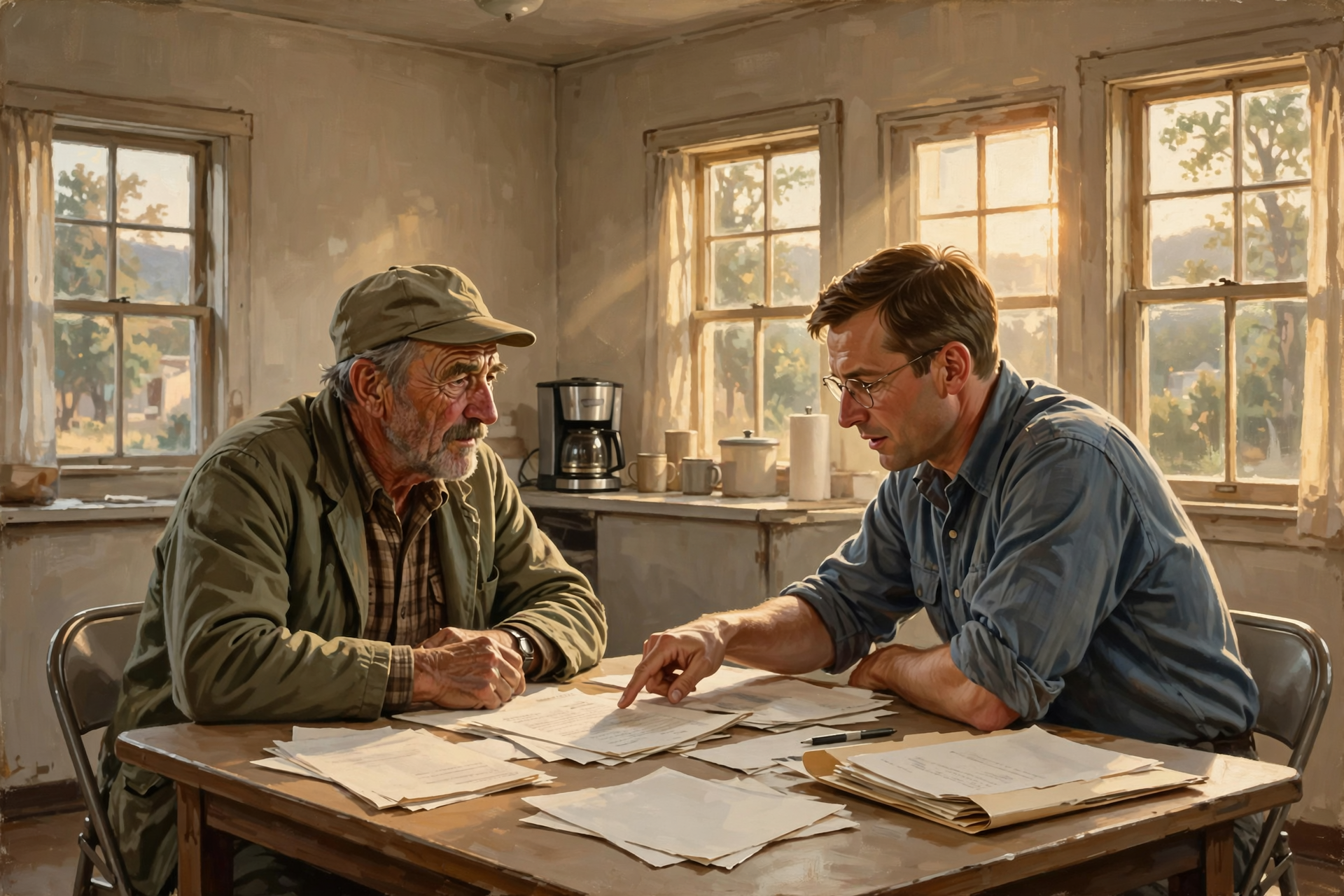
For some families, a simple conversation around the kitchen table may be the first step toward discovering useful assistance.
Our Local Organizations Deserve More Than an Occasional Thank-You
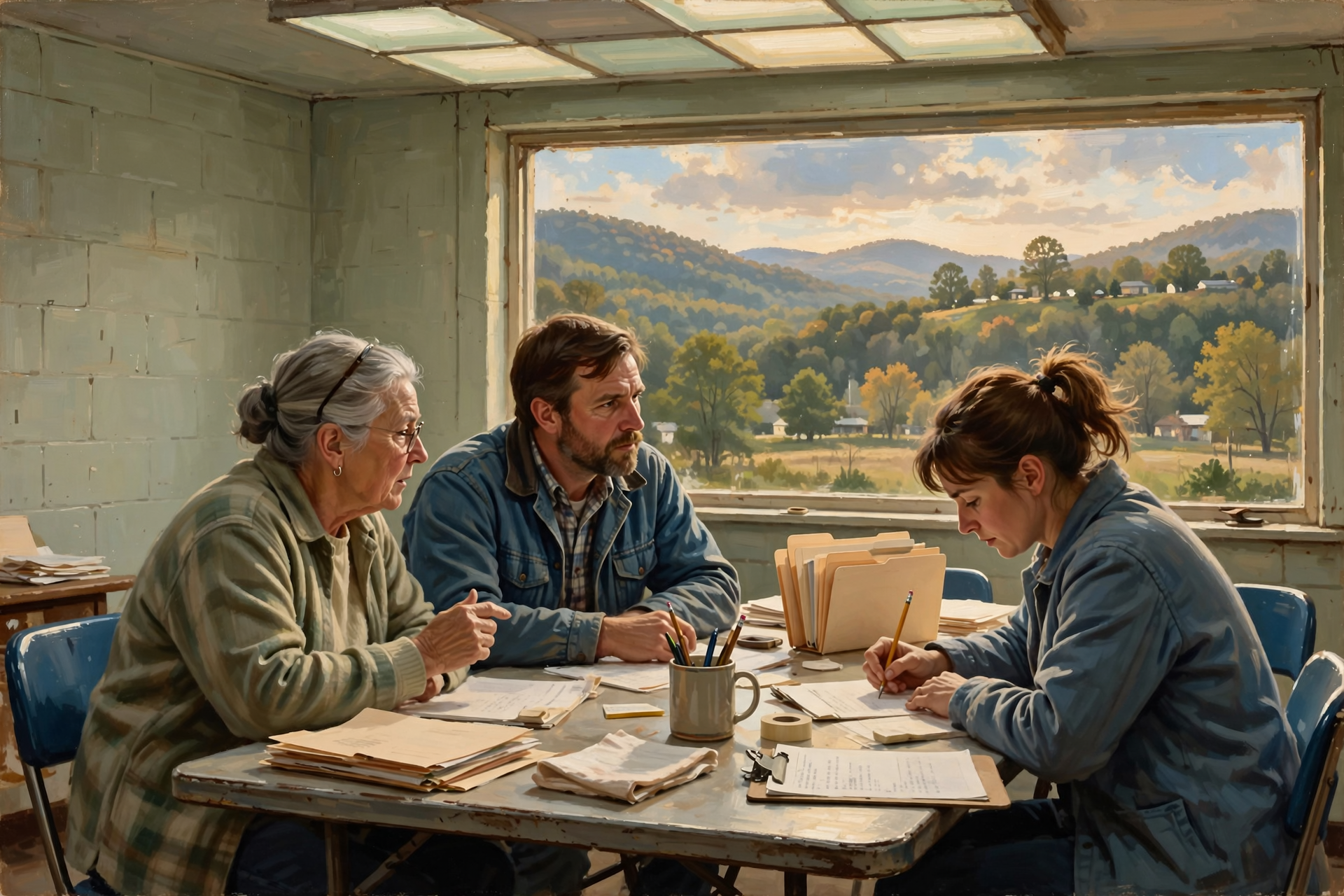
It’s easy to praise veterans organizations during a parade or ceremony.
But what about the rest of the year?
What about the volunteers who attend planning meetings, raise scholarship money, help organize memorials, maintain facilities, coordinate donations, or make sure families have someone to call?
What about the people who devote years to projects that may not receive attention until they’re completed?
And what about the veterans who continue serving their community long after leaving the military?
Those stories deserve attention, too.
That’s why The Valley Served intends to go beyond reporting the dates of annual ceremonies.
We want to introduce readers to the people doing the work.
We want to explain how the organizations operate, what they accomplish, and how residents can participate.
We also want to understand their connections to the larger veterans community throughout Tennessee and across the country.
There is a substantial difference between knowing that an organization exists and understanding what it contributes.
An Invitation to Veterans Organizations Throughout the Valley
To the leaders and members of American Legion posts, VFW organizations, military-family support groups, veterans coalitions, and other service-oriented organizations throughout Sequatchie, Marion, and Bledsoe counties: we’d like to hear from you.
Tell us about your organization’s history.
Tell us about the people who established it, the challenges they’ve faced, and the projects that have made a difference.
Tell us about scholarships, assistance programs, volunteer opportunities, public events, and efforts to help veterans access their benefits.
We’d especially welcome information about leadership positions held by local veterans at district, state, and national levels.
Many of these contributions may not be widely known outside the organizations themselves.
We hope to give them a place in the community’s historical record.
We also invite organizations to share accurate contact information and descriptions of the services they currently provide, so we can help direct readers to the right resources.
And if your organization serves veterans but wasn’t mentioned in this article, please don’t interpret that as an exclusion.
We are beginning an ongoing project, not publishing a final directory of every organization in the valley.
We want to learn about all of them.
What The Valley Served Hopes to Build

Our first article introduced The Valley Served as an effort to preserve military stories from the Sequatchie Valley, including those of current and former residents, deceased veterans, and families with generations of military connections.
But we also want this project to have practical value today.
Over time, we hope to create a growing collection of stories about veterans, military families, veterans organizations, community projects, and the assistance available to those who served.
On Dunlap.Today, we’ll tell the stories and explain the resources.
Through Dunlap.Directory, we hope to help make participating organizations and their public information easier to find.
And through our community events coverage, we can highlight ceremonies, educational programs, veterans gatherings, and other opportunities to participate.
These efforts will grow as organizations and families contribute their knowledge.
The goal isn’t to duplicate the work of veterans groups or government offices.
It is to help more people understand that work and find the appropriate resources when they need them.
Sometimes the Most Valuable Thing You Can Give Someone Is a Phone Number
We often think about honoring veterans in terms of large gestures.
A monument. A ceremony. A parade. A formal proclamation.
Those things matter, especially when they preserve the memory of people whose service might otherwise be forgotten.
But there’s another kind of recognition that happens quietly.
It’s the neighbor who helps an elderly veteran find the correct office.
It’s the family member who discovers that a surviving spouse may qualify for assistance.
It’s the volunteer who helps someone locate military records.
It’s the organization that connects a younger veteran with people who understand the challenges of returning to civilian life.
And sometimes, it’s as simple as telling someone that a helpful office exists just a short drive away.
For a person who has spent years trying to manage everything alone, that information may be more valuable than another speech about gratitude.
There’s nothing wrong with speeches, of course.
But if we can follow a few of them with a phone number, a useful introduction, or a practical opportunity, so much the better.
A Final Thought: Service Doesn’t Necessarily End When the Uniform Comes Off
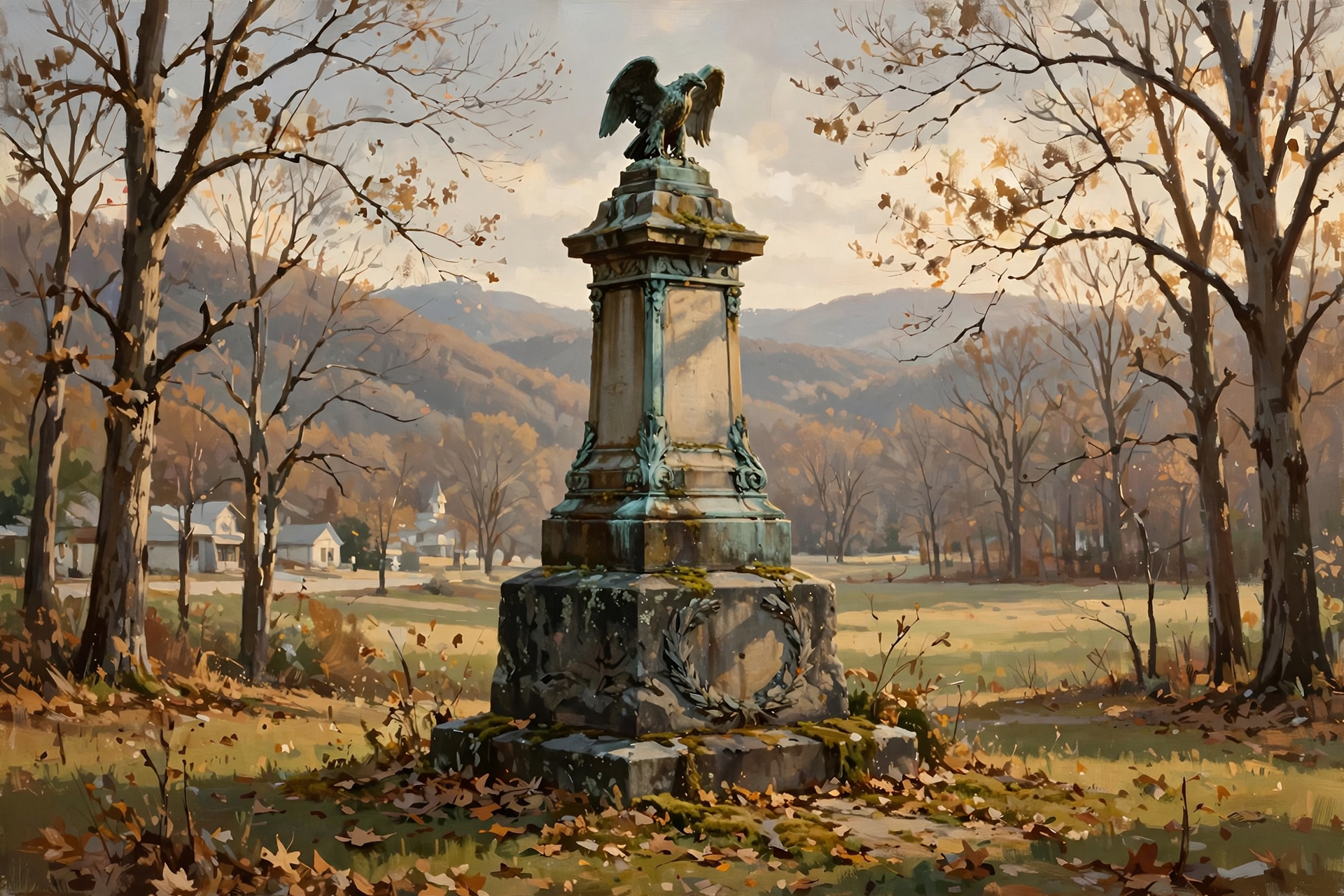
One of the most interesting things about veterans organizations is how they demonstrate that military service can influence a person’s life long after discharge.
The men who established American Legion Post 190 in the 1930s had already completed their service.
Yet they continued working together for the community.
Decades later, other veterans built memorials, organized ceremonies, sponsored scholarships, and supported their neighbors.
And that tradition continues.
Here in the Sequatchie Valley, we’ve inherited the results of that work.
We have memorials because people cared enough to build them.
We have ceremonies because volunteers continue organizing them.
We have organizations connecting veterans with their communities because generations of members have kept them going.
And we have local resources that may help military families navigate circumstances they never expected to face.
The next step is making sure more people know those resources exist.
That’s one of the promises behind The Valley Served.
We’ll preserve the stories.
We’ll recognize the people and organizations doing the work.
And whenever possible, we’ll help connect veterans and their families with information that could make a meaningful difference in their lives.
Because service deserves to be remembered.
And those who served deserve to know where help can be found.
Help Us Introduce the Valley to Its Veterans Organizations
Are you involved with an American Legion post, VFW organization, veterans service office, military-family support group, or another organization helping veterans in the Sequatchie Valley?
We invite you to contact Dunlap.Today.
We’d like to learn about your organization’s history, programs, accomplishments, volunteer needs, and upcoming events.
We especially welcome photographs, historical documents, and stories about local veterans who have served in leadership positions at the district, state, or national level.
If you’re a veteran or family member who has received meaningful help from a local organization, we’d also welcome the opportunity to hear your story, with your permission and respect for your privacy.
And please share this article with the veterans and military families you know.
Share it with neighbors in Dunlap, Jasper, Pikeville, Whitwell, South Pittsburg, and the communities throughout the valley.
Someone may learn about a veterans organization they never realized existed.
Someone else may discover that free assistance is available to help understand a VA claim.
And another family may decide it’s finally time to preserve the stories of someone who served long ago.
All three would be worthwhile outcomes.
Veterans Organizations and Resources
Harvey-Merriman American Legion Post 190
Sequatchie County Veterans Hall
6808 TN-28
Dunlap, TN 37327
Phone: (423) 414-4180
Email: legionpost190@gmail.com
Website: legion190.org
General membership meetings are listed for the fourth Tuesday of each month at 6:00 p.m. Central Time. Check with the post for current meeting and event information.
Sequatchie County Veterans Service Office
Jim Patterson, Veterans Service Officer
171 Church Street
Dunlap, TN 37327
Phone: (423) 949-4660
Website: Official County Veterans Office
Marion and Bledsoe County Veterans Service Offices
Veterans in Jasper, South Pittsburg, Whitwell, Pikeville, and surrounding communities can find official county service office listings, telephone numbers, and office hours through the Tennessee Department of Veterans Services.
Tennessee County Veterans Service Office Directory
Free VA-Accredited Claims Assistance
Veterans and eligible family members can search for accredited Veterans Service Organization representatives who provide VA claims assistance without charge.
Find a VA-Accredited Representative
American Legion Department of Tennessee
Information about American Legion programs, district leadership, state activities, and membership.
Editor’s note: This article is part of The Valley Served, an ongoing Dunlap.Today initiative documenting military history, veterans organizations, and assistance resources in the Sequatchie Valley. Organizational history is drawn from published records, while information about the October 15, 2026 visit reflects the schedule announced in local reporting. The proposed Sequatchie Valley Veterans Cemetery is described as a proposed project, not an operating facility. Readers should confirm current contact information, meeting schedules, and program availability with the organizations directly. We welcome corrections, additional historical documentation, and information from veterans organizations throughout Sequatchie, Marion, and Bledsoe counties.
Sources
- Harvey-Merriman American Legion Post 190 — Post History
- Harvey-Merriman American Legion Post 190 — Contact Information
- Harvey-Merriman American Legion Post 190 — Events Calendar
- The Dunlap-Tribune — Commander to Visit 3rd District
- SValleyNow — American Legion Programs Planned for October 15
- U.S. Department of Veterans Affairs — Accredited Representative FAQs



0 Comments