
How Local Is Local Food? Following Your Groceries Back to the Farm
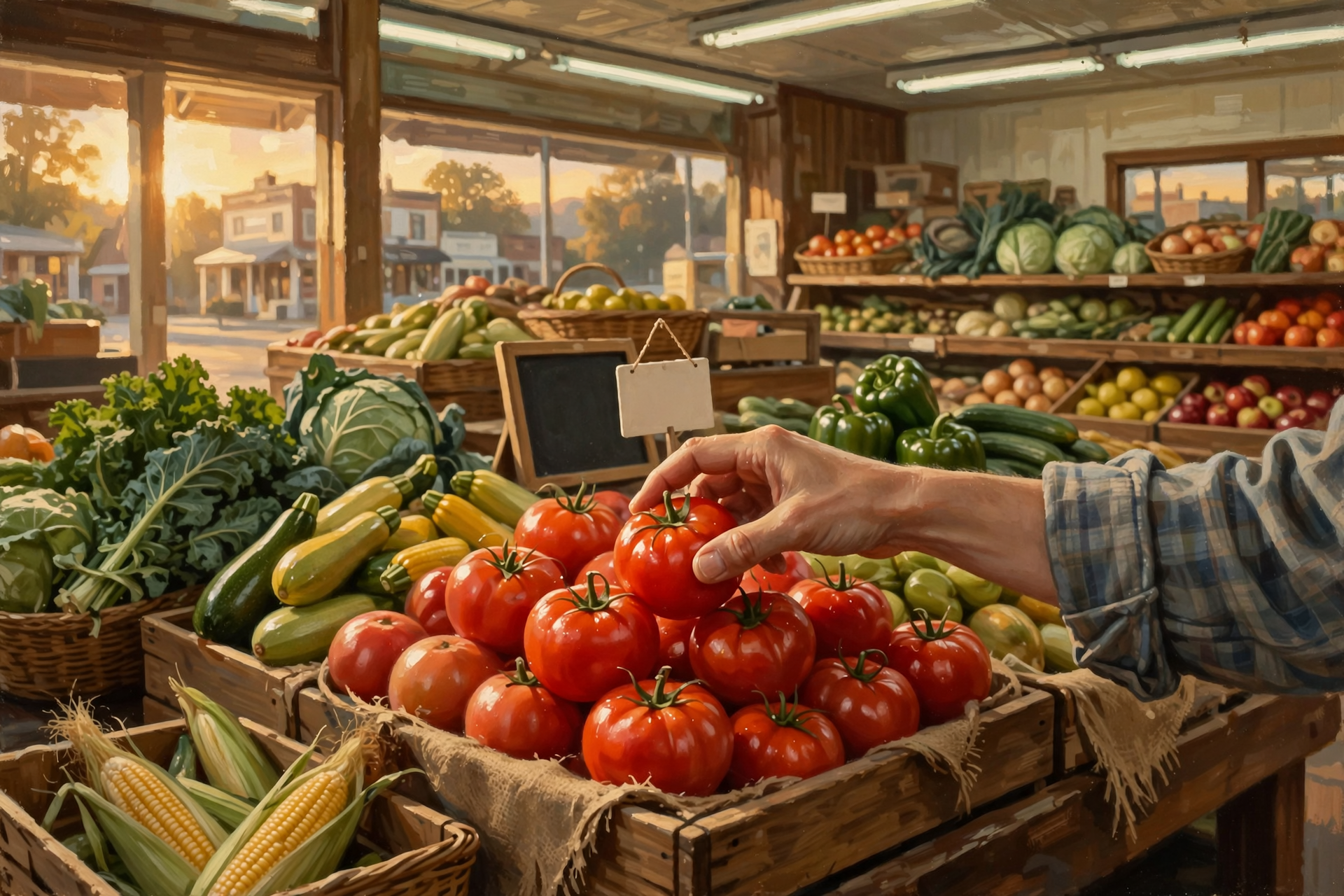
Suppose you walk into a grocery store in Dunlap, Tennessee, and find a beautiful red tomato with a sign that says “Fresh.”
Well, that’s encouraging.
Most of us weren’t planning to purchase an old tomato.
But the sign doesn’t tell us where the tomato grew, when it was harvested, how far it traveled, or how many people handled it before it arrived at the store.
It might have come from a farm right here in the Sequatchie Valley. It might have been grown somewhere else in Tennessee. Or it might have traveled across several states before reaching the produce department.
And depending on the season, any of those possibilities could make perfectly good sense.
So here’s a question worth exploring:
When somebody tells us food is local, what does that actually mean?
In our previous article in The Valley That Feeds Us, we introduced farmers and agricultural businesses growing and producing food around Dunlap, Pikeville, Whitwell, and surrounding communities.
Now we’re following that food beyond the farm gate.
Because there’s a lot more to getting food onto a dinner table than simply growing it.
What Does the Word “Local” Actually Mean?
At first glance, this seems like an easy question.
Local means nearby, right?
But how nearby?
Five miles? Fifty miles? Somewhere within Tennessee? Close enough that the farmer could drive over for supper without packing a suitcase?
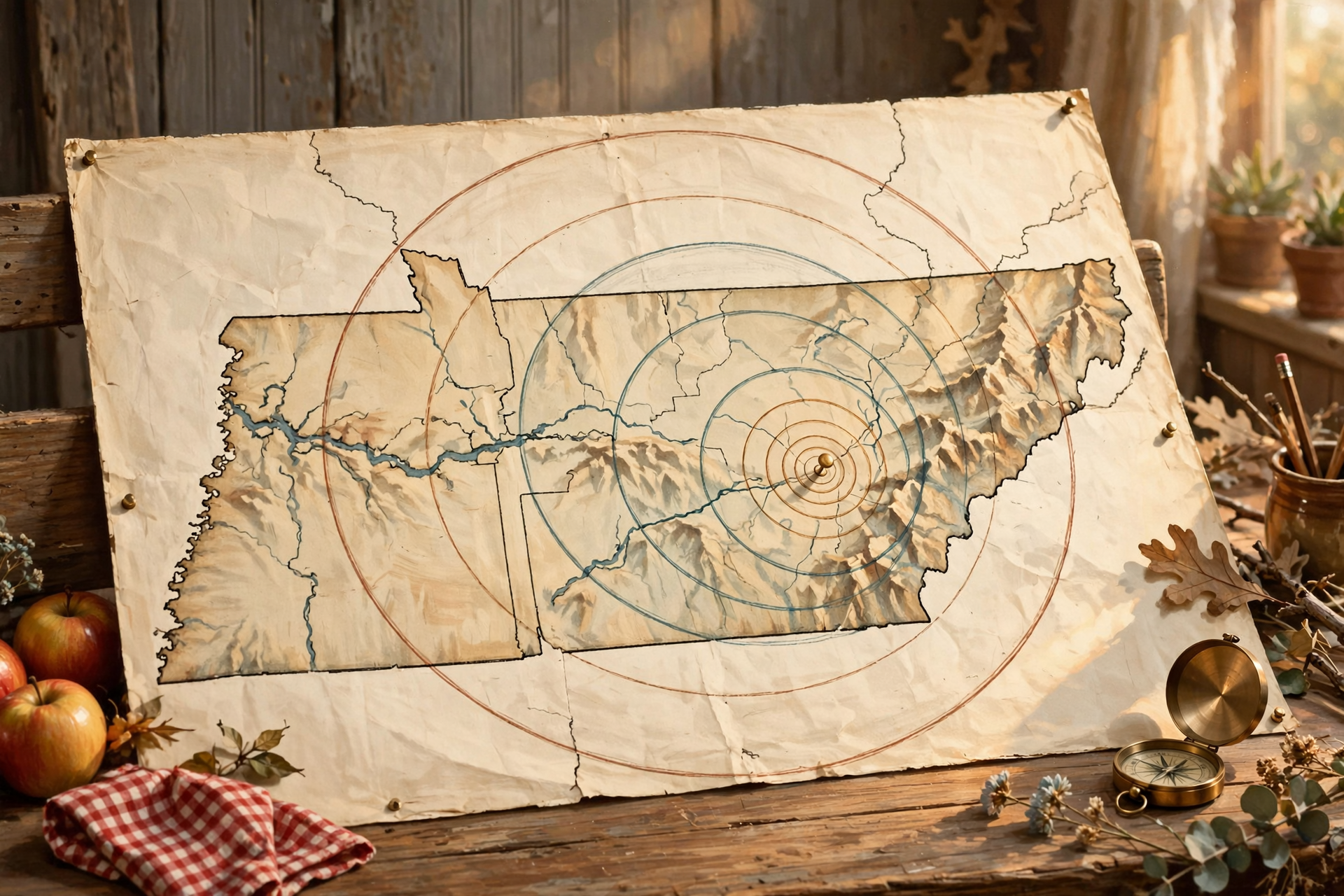
It turns out there isn’t one universally accepted distance that defines local food.
The U.S. Department of Agriculture explains that different programs use different definitions of local and regional food.
Some federal purchasing programs use a boundary of up to 400 miles between the place of production and the final market, or allow products grown and sold within the same state or territory.
That’s a definition used for particular programs, not a universal rule requiring everyone to call food within 400 miles local.
Now, 400 miles might seem like an awfully generous definition.
From the perspective of someone shopping in Dunlap, a farm on the other side of Tennessee may not feel particularly close.
But from the perspective of a national food distribution system, a few hundred miles can be relatively nearby.
Neither viewpoint is necessarily dishonest. They’re simply using different geographic boundaries.
That’s why the word “local” becomes much more useful when someone explains what they mean by it.
What Counts as Local at the Dunlap Farmers Market?
We don’t have to travel far to find a practical example of a clearly defined local-food boundary.
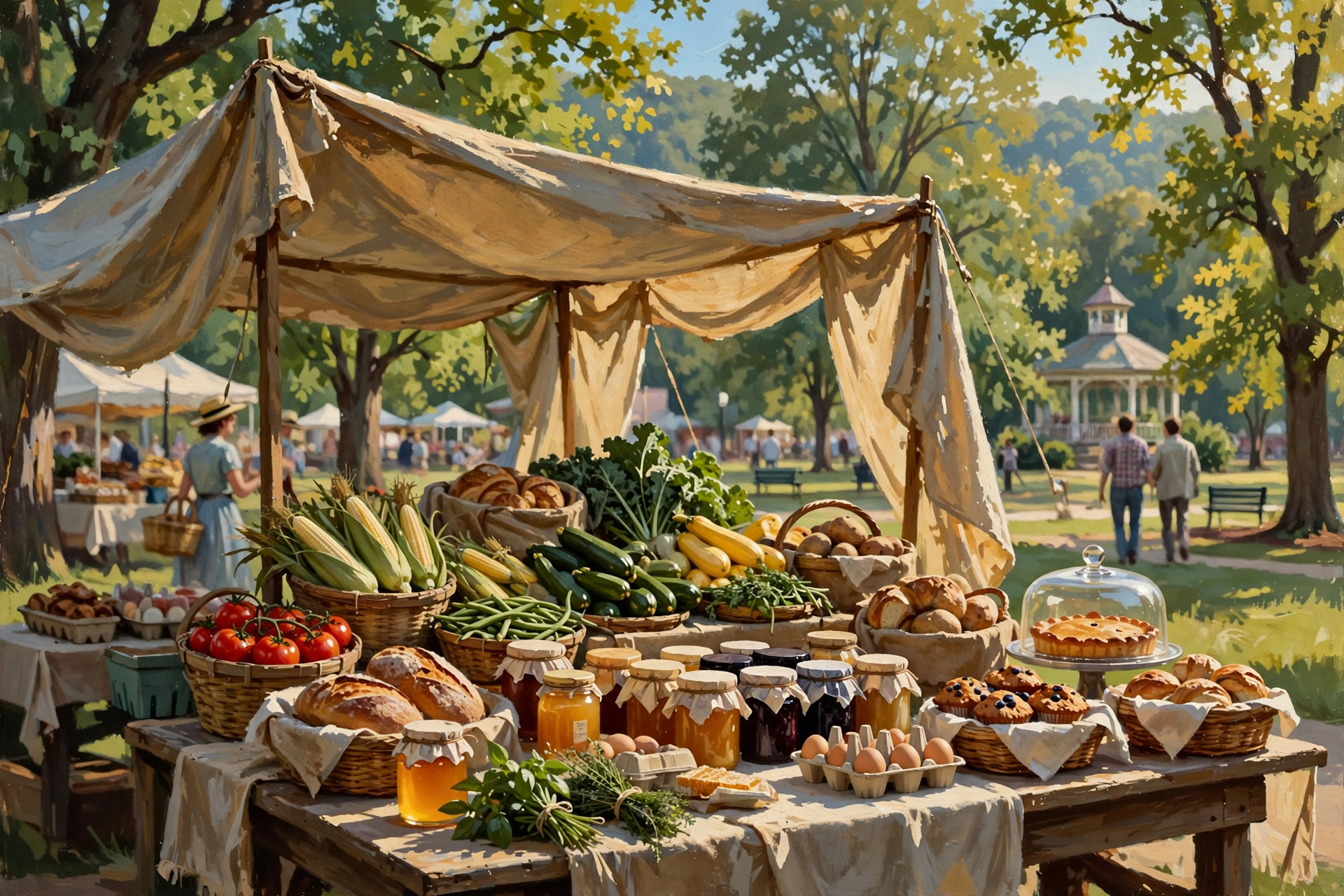
The Dunlap Farmers Market, located at Harris Park in Dunlap, has established its own geographic requirements for participating vendors.
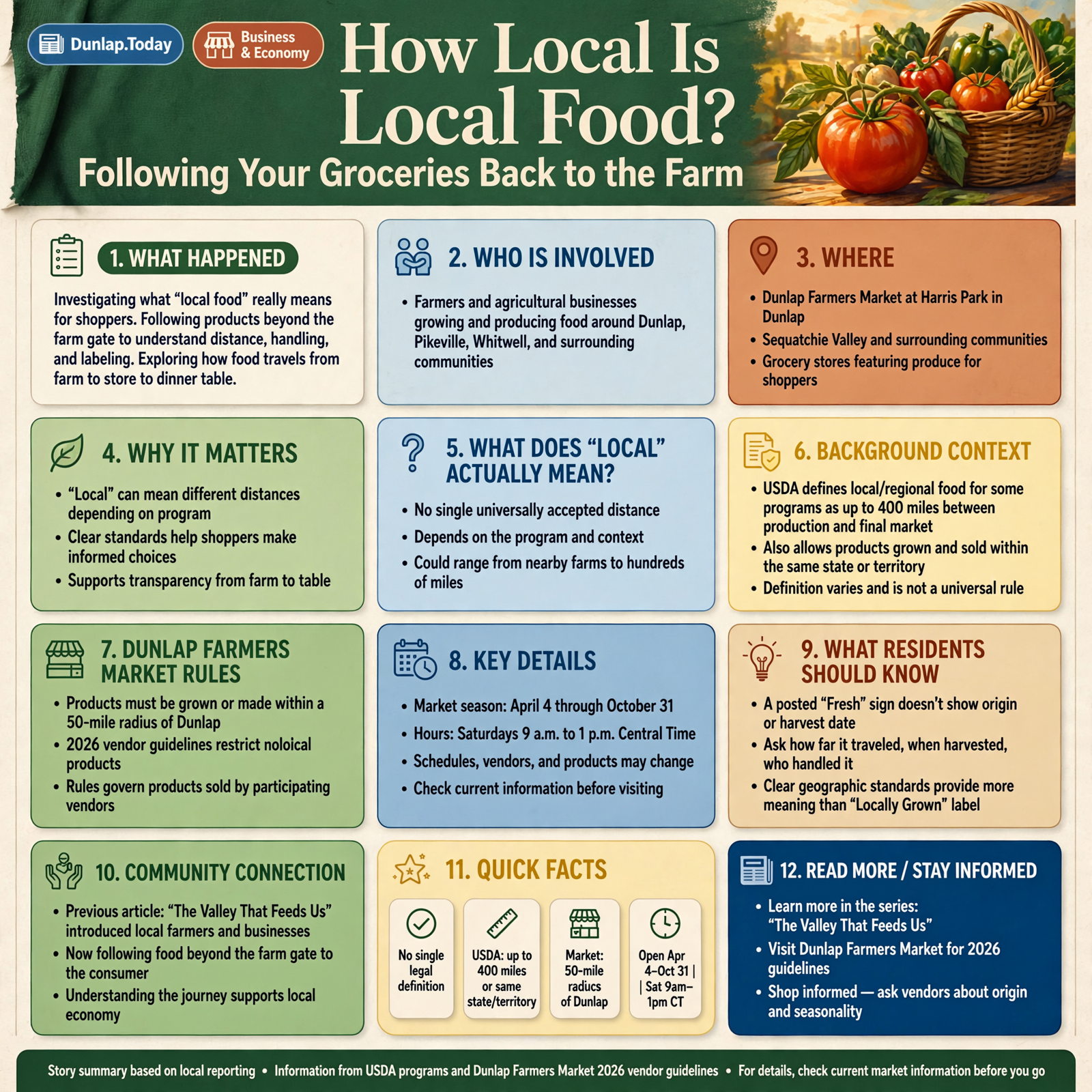
According to the market’s published 2026 vendor guidelines, products must be grown or made within a 50-mile radius of Dunlap.
The guidelines also restrict nonlocal products and establish rules governing products sold by participating vendors.
That gives customers something more meaningful than a sign saying “Locally Grown.”
It provides an actual geographic standard.
For its 2026 season, the market lists Saturday hours of 9 a.m. to 1 p.m. Central Time, from April 4 through October 31.
Schedules, vendors, and available products can change, so visitors should check current information before making a trip.
But the larger lesson applies anywhere.
When a market tells customers what local means, shoppers can make better-informed decisions.
And if the definition isn’t clear, there’s nothing wrong with asking.
Following a Tomato From the Farm to the Grocery Store
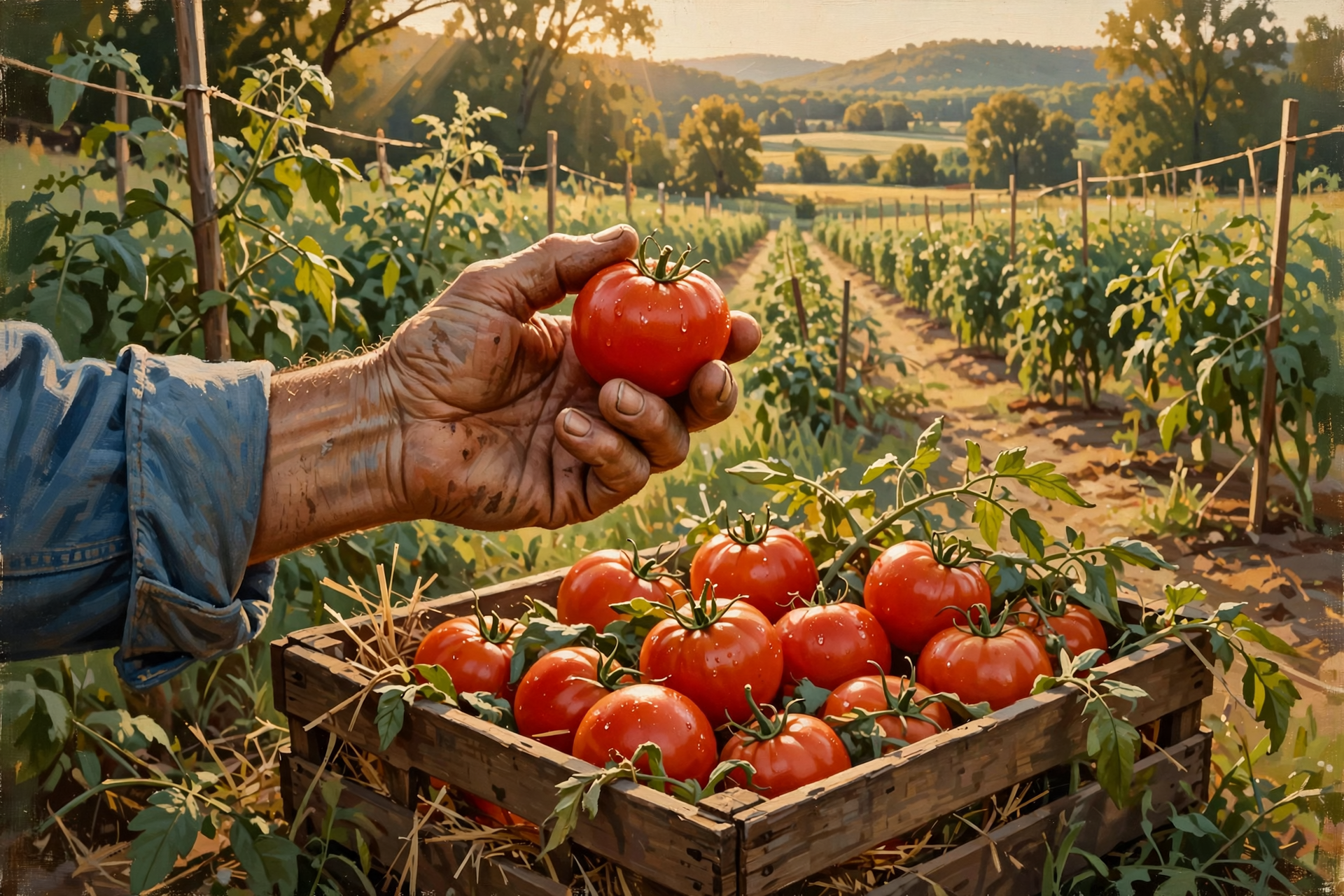
Let’s follow an imaginary tomato through two different food supply chains.
These are examples, not documented journeys of tomatoes currently sold by any particular Dunlap business.
Journey One: The Nearby Farm
Imagine a farmer growing tomatoes a short drive from Dunlap.
The farmer harvests ripe tomatoes, sorts them, packs them into containers, and brings them to a local farmers market.
A customer purchases several tomatoes, takes them home, and serves them with supper.
The journey is relatively simple.
Farmer. Market. Customer.
There may be only one business directly involved in growing and selling the tomatoes.
That can make it easier for the customer to ask about the variety, growing practices, and harvest timing.
But simplicity doesn’t mean the work is effortless.
The farmer still has growing expenses, transportation costs, packaging needs, and time invested in selling the crop.
Journey Two: The Regional or National Supply Chain
Now imagine a tomato grown hundreds of miles away.
After harvest, it may be sorted, packed, transported to a distribution facility, delivered to a grocery warehouse, and eventually shipped to a retail store.
Along the way, businesses manage temperature, handling, inventory, transportation, and delivery schedules.
Those systems allow consumers to purchase many foods even when the crops aren’t currently growing in their own communities.
For example, when winter arrives in the Sequatchie Valley, commercial growers in warmer regions may still be harvesting tomatoes.
Without transportation and distribution networks, our winter produce selection would look quite different.
That doesn’t make one system automatically good and the other automatically bad.
They accomplish different things.
One emphasizes proximity and direct relationships. The other emphasizes wider distribution, volume, availability, and coordination.
And both ultimately depend on farmers.
Why Food Sometimes Travels in a Direction That Makes No Sense to Us
Here’s where the food business can get a little peculiar.
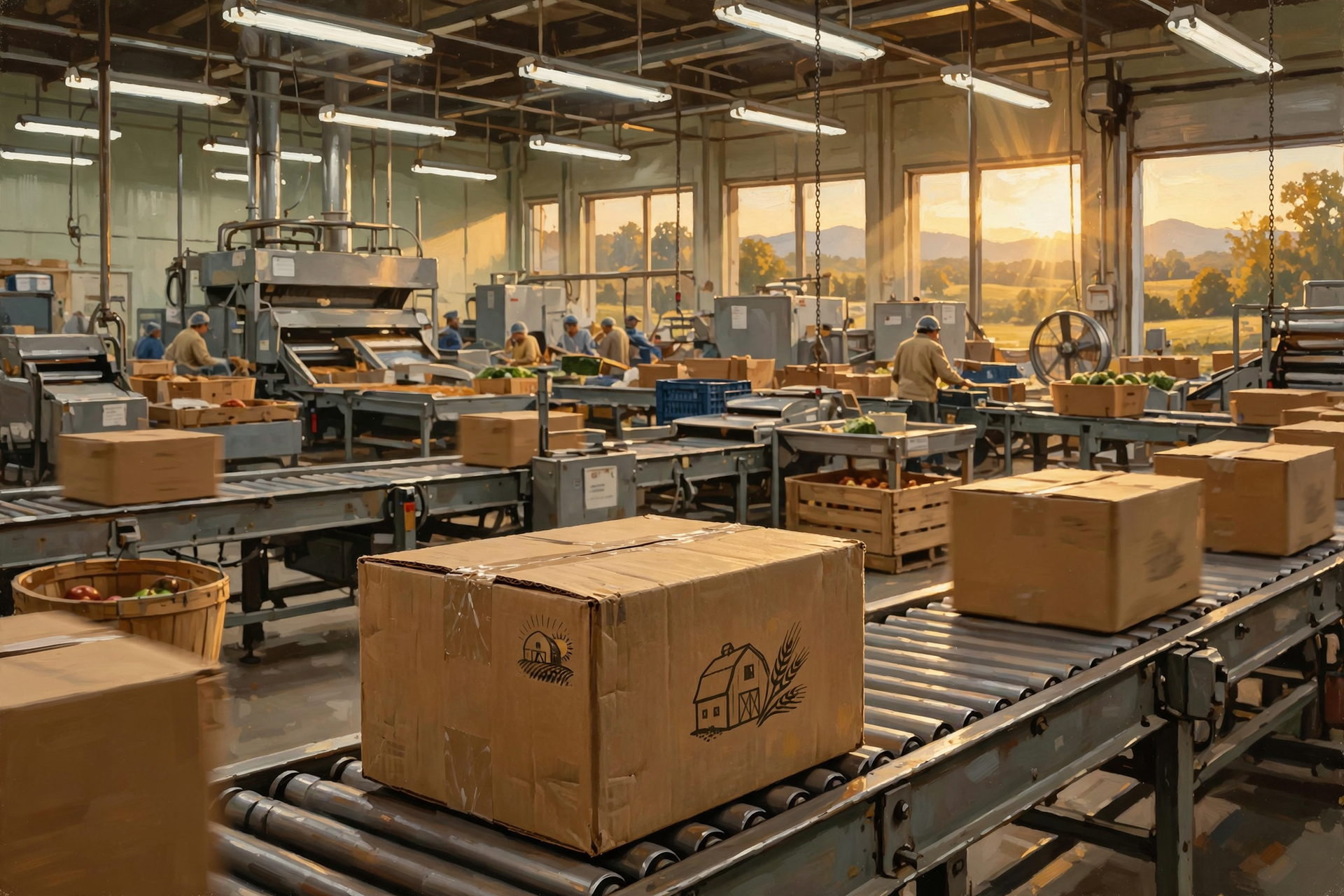
Imagine a product grown near Dunlap, transported to a regional facility, processed or packaged, and then shipped back toward the Sequatchie Valley for retail sale.
To the average shopper, that might sound like taking the scenic route to your own driveway.
But distribution networks are often organized around facilities, equipment, product handling, and economies of scale rather than the shortest possible route between two points.
A processing plant may handle products from hundreds of farms.
A distribution warehouse may supply stores across several counties or states.
A regional carrier may combine deliveries to reduce transportation costs.
That can produce routes that seem unusual when viewed from one customer’s perspective.
It also explains why a product made or grown nearby does not necessarily travel directly from the producer to the nearest store.
Understanding these systems matters because the shortest physical distance isn’t always the least expensive or most efficient distribution arrangement.
Of course, a complicated route isn’t automatically efficient, either.
The useful question is what each step contributes—and what it costs.
Are Food Miles a Good Way to Judge What We Eat?
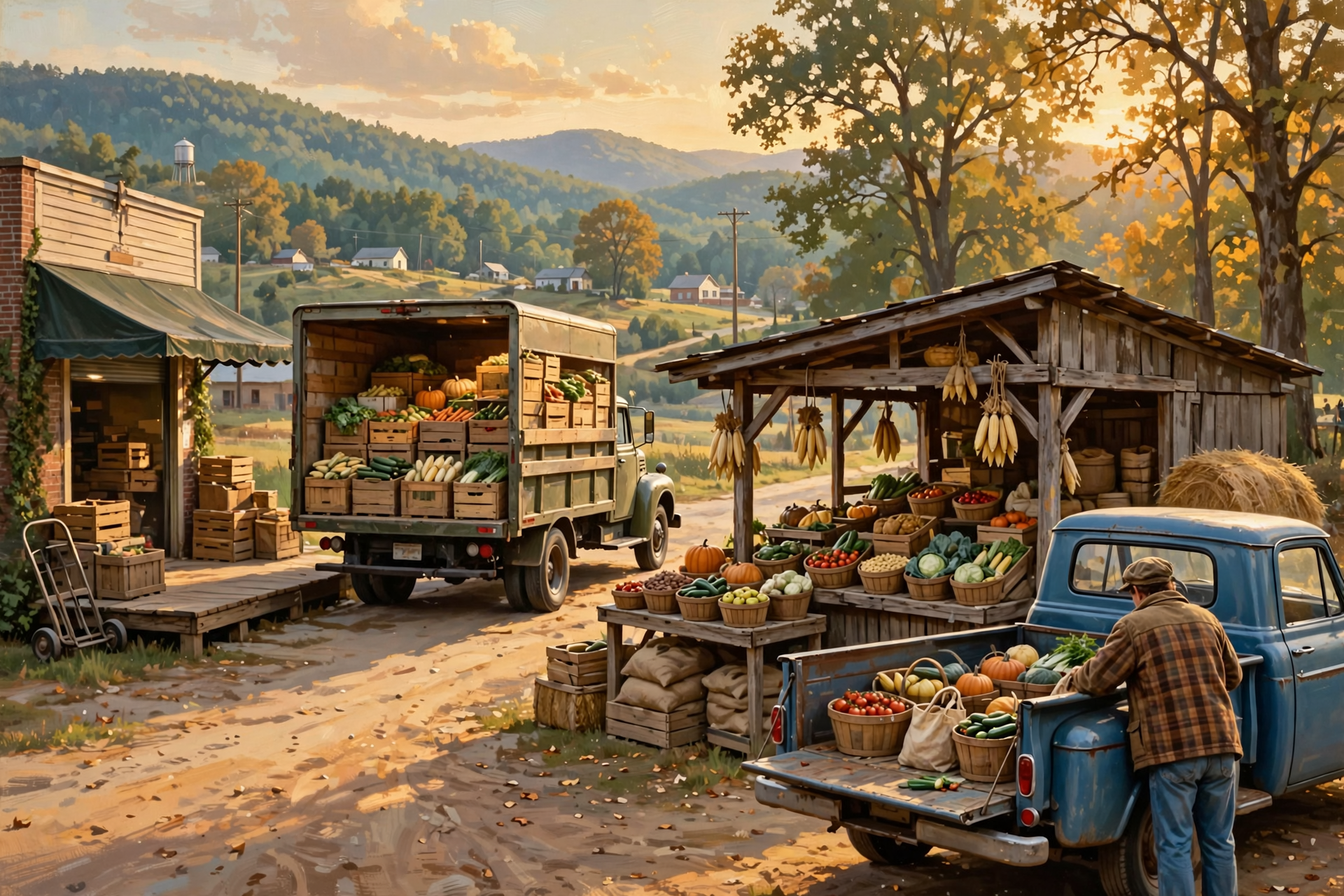
You may have heard the phrase “food miles.”
It refers to the distance food travels from where it is produced to where it is consumed.
At first, the idea sounds straightforward.
Fewer miles should mean less transportation, lower costs, and possibly a smaller environmental impact.
Sometimes that reasoning holds.
But distance alone does not tell the whole story.
Think about the difference between two deliveries.
In the first example, one customer drives a pickup truck a considerable distance to purchase a small amount of food.
In the second, a large truck delivers a full load of produce to several stores along an organized route.
Even though the second delivery travels farther, its transportation cost and emissions per pound of food may compare differently because so much more product is being carried.
Production methods also matter.
Food grown in a heated greenhouse may require different amounts of energy than seasonal produce grown outdoors in a warmer climate.
Refrigeration, storage, packaging, food waste, and the type of transportation used can affect the overall picture.
The USDA’s research on local food systems has discussed these tradeoffs and the difficulty of drawing universal conclusions from distance alone.
That means buying local food is not automatically the lowest-impact choice in every situation.
But shorter supply chains can offer other advantages, including more direct communication with producers and opportunities to participate in the local economy.
Food miles tell us how far something traveled. They don’t tell us everything about how it was produced or what that journey cost.
What Can Food Labels Actually Tell Us?
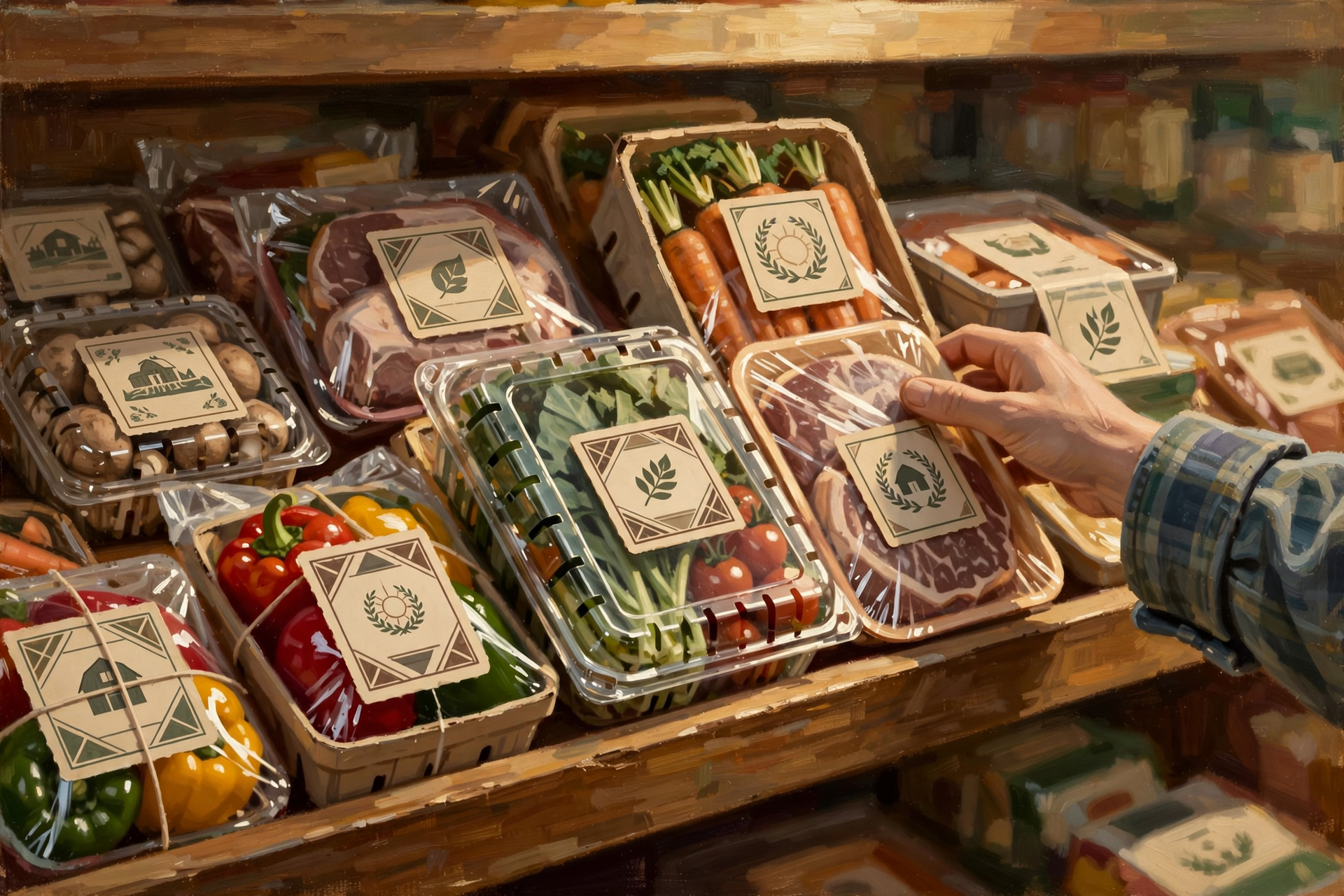
Food packaging can provide useful information.
But it helps to understand what the words on a label actually establish.
Consider several descriptions commonly encountered when shopping.
Product of the USA
Country-of-origin statements are governed by rules that vary according to the type of product.
The USDA administers Country of Origin Labeling requirements for certain foods, including fresh and frozen fruits and vegetables and several categories of meat and seafood.
However, mandatory retail country-of-origin labeling requirements do not apply to every food product.
For example, beef and pork were removed from mandatory retail country-of-origin labeling requirements following federal legislation in 2015.
Other labeling rules can still apply, and voluntary origin claims have their own requirements.
Even when a product is correctly labeled as originating in the United States, that doesn’t establish that it came from Tennessee, much less Sequatchie County.
The United States is a fairly large neighborhood.
Tennessee Grown
A genuine statement that a product was grown in Tennessee provides a more specific geographic description.
But Tennessee stretches a considerable distance from east to west.
A farm product originating in West Tennessee may still travel a substantial distance before arriving in Dunlap.
That’s not a problem. It simply demonstrates why statewide and locally grown are not always interchangeable descriptions.
Locally Produced
This description may refer to a town, county, region, or other geographic area.
Without a stated boundary, the customer may not know exactly what the seller means.
Ask where the product originated and whether it was grown, processed, packaged, or simply sold locally.
Fresh
Freshness can describe condition or product handling, but the word alone does not tell you the distance traveled.
Food transported over a long distance may still arrive in good condition.
And food grown nearby can lose quality if it is mishandled or stored improperly.
The practical lesson is simple: read labels carefully, but don’t expect one attractive word to tell the entire story.
What About Products Made in Tennessee With Ingredients From Somewhere Else?
Here’s another distinction worth understanding.
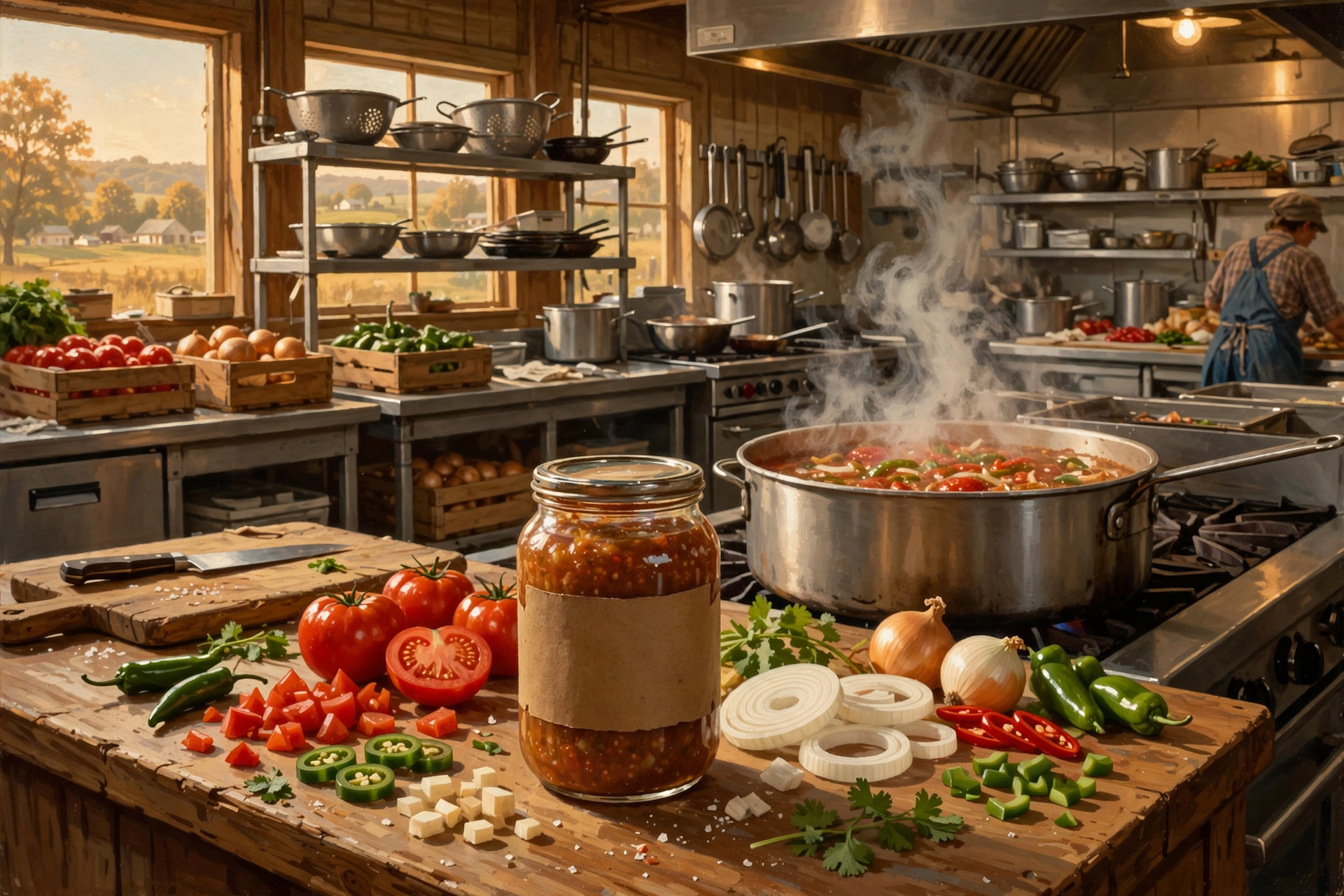
Suppose a Tennessee food business makes jars of salsa.
The salsa is prepared, cooked, and packaged in Tennessee.
But the tomatoes, peppers, onions, and spices might come from several different places.
Is the salsa a Tennessee product?
It may certainly be a product manufactured in Tennessee.
But that doesn’t mean all the ingredients were grown here.
Both facts can matter.
The business may provide local jobs and economic activity through preparation, processing, packaging, and sales.
Meanwhile, the ingredients may come through regional or national agricultural supply chains.
The Tennessee Department of Agriculture’s Pick Tennessee Products program recognizes different types of Tennessee agricultural producers and food manufacturers.
Its eligibility requirements distinguish agricultural products produced on Tennessee farms from food manufacturing activities that take place within the state or use Tennessee ingredients when available.
That distinction is useful for consumers.
Sometimes we want to support the farmer who grew the ingredients.
Sometimes we want to support the business that transformed those ingredients into a finished product.
And sometimes we want to support both.
We can make those choices more intelligently when we understand the difference.
How to Find More Tennessee Food Producers
Fortunately, residents don’t have to guess about every farm or food producer.
The Tennessee Department of Agriculture maintains Pick Tennessee Products, a statewide directory designed to connect customers with farms and businesses offering Tennessee agricultural products.
In March 2026, the department announced an updated website featuring improved searching, mapping, and ways to discover participating producers.
It includes different agricultural and food-related categories, such as produce, specialty foods, farm experiences, and other Tennessee products.
Closer to home, Dunlap.Directory helps residents discover farms, agricultural suppliers, and related businesses throughout Dunlap and surrounding Sequatchie Valley communities.
And the Dunlap Farmers Market provides opportunities to meet participating vendors directly during its operating season.
These resources serve complementary purposes.
A statewide directory helps identify producers across Tennessee.
A regional directory helps people discover nearby businesses.
And a farmers market creates opportunities for face-to-face conversations.
Those conversations may reveal details that an online listing cannot fully explain.
Why Local Doesn’t Always Mean Cheaper
One question comes up frequently whenever people discuss buying from local farms.
Why does a particular farm product sometimes cost more than the same type of product at a grocery store?
There can be several explanations.
A large commercial producer may benefit from specialized equipment, high production volumes, wholesale contracts, and distribution systems designed to handle enormous quantities of food.
A smaller farmer may produce fewer units while paying many of the same kinds of expenses.
Equipment, fuel, labor, seeds, fertilizer, insurance, packaging, and transportation still cost money.
Direct marketing also requires time.
A farmer spending Saturday morning selling produce at a market is spending time that cannot simultaneously be used for other farm work.
On the other hand, direct sales may eliminate some expenses associated with wholesale distribution and retail intermediaries.
That can create pricing opportunities for both the producer and customer.
There is no universal rule.
Sometimes local food costs more. Sometimes it costs less. Sometimes the products differ enough that comparing prices alone misses important distinctions.
For consumers, the most useful approach is to compare actual value rather than assuming geography determines price.
Could the Sequatchie Valley Produce More of Its Own Food?
It’s an interesting question.
We have agricultural land, working farms, experienced producers, markets, and businesses involved in livestock and food production.
Could more of the food consumed by valley residents be produced within the region?
Possibly.
But increasing local food production requires more than planting additional crops or raising additional animals.
Farmers need dependable customers, suitable land, labor, equipment, financing, and access to the facilities required for handling and processing food.
Produce growers may need refrigeration, packaging, washing facilities, transportation, or storage.
Livestock producers may need reliable meat-processing capacity.
Some products require specialized handling, inspections, or regulatory compliance before they can be sold.
And farmers need to earn enough income to justify expanding production.
There is also the question of what residents actually want to buy.
A farmer who grows ten thousand pounds of something nobody wants has not necessarily created a successful agricultural business.
The opposite problem matters, too.
Customers may want particular products that local farms cannot economically produce year-round.
That is why developing local agriculture involves understanding both production and demand.
The valley doesn’t have to produce everything its residents eat to benefit from producing more of the things it can grow or raise economically.
Wisdom From the Front Porch
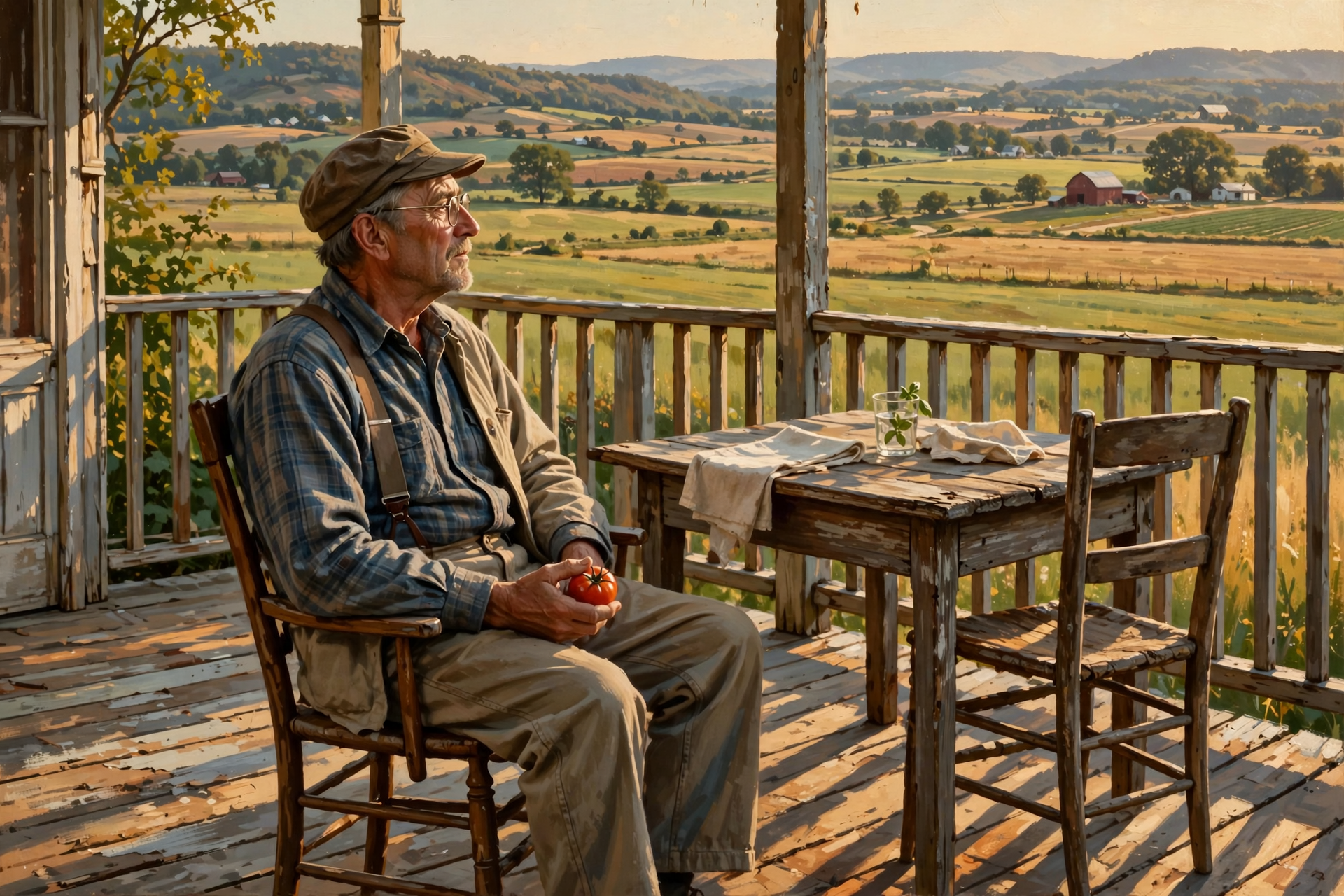
“A tomato doesn’t become local just because somebody put it on a shelf down the road. But it doesn’t become a bad tomato just because it had a longer ride to get there.”
Perhaps the most important lesson is that good food decisions don’t require us to join competing camps.
We don’t have to choose between loving local farms and appreciating supermarkets.
We don’t have to assume everything produced nearby is superior or everything transported from somewhere else is inferior.
And we don’t have to turn grocery shopping into a moral examination where every banana requires a written explanation.
Modern food systems provide convenience, variety, and year-round availability.
Local farms provide agricultural production, business opportunities, and ways for residents to understand their food sources more directly.
Both can contribute to a healthy, functioning community.
The goal isn’t to tell everyone where they must shop.
It’s to help people understand what they’re buying and where it comes from.
A Plain-English Guide to Food Origins
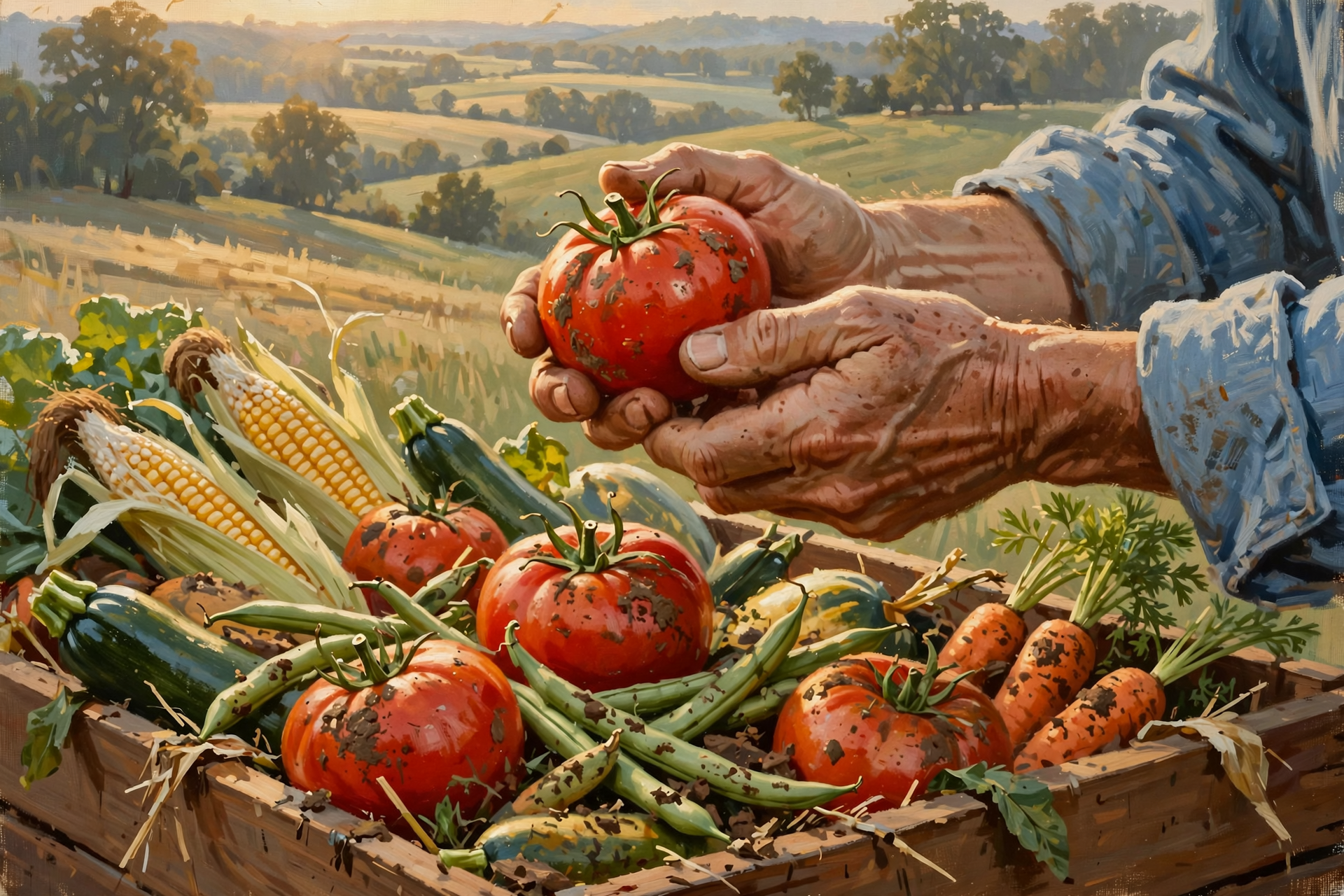
- Local food: Food produced within a particular community, region, or defined geographic area. The exact boundary varies.
- Regional food: Food produced and distributed within a broader geographic region, sometimes crossing county or state boundaries.
- Food miles: The distance food travels between production and consumption.
- Supply chain: The businesses, people, equipment, and transportation systems that move food from producer to customer.
- Distribution center: A facility where products are received, stored, organized, and dispatched to stores or other customers.
- Country of Origin Labeling: Federal labeling requirements identifying the originating country of certain food products.
- Farm-direct: A purchasing arrangement in which consumers buy products directly from the farmer or producer.
- Food processing: Activities that transform agricultural products into products suitable for sale, storage, or consumption.
- Seasonality: The influence of growing seasons and weather on when agricultural products are available.
Frequently Asked Questions About Local Food
How many miles away can food be and still be called local?
There is no single universal distance. Some federal programs use up to 400 miles or a same-state boundary, while individual markets may establish much smaller areas. The Dunlap Farmers Market uses a 50-mile radius under its published 2026 vendor requirements.
Does a Tennessee-made label mean every ingredient was grown in Tennessee?
No. A product may be manufactured or processed in Tennessee using ingredients from other locations. If ingredient origin matters to you, ask the manufacturer or producer for more specific information.
Is local food always fresher?
Not necessarily. Freshness depends on harvest timing, handling, temperature, storage, and the nature of the product. A shorter journey may provide advantages, but distance alone does not guarantee freshness.
Does locally grown food always have a smaller environmental footprint?
No. Transportation distance is only one factor. Production methods, energy requirements, storage, refrigeration, transportation efficiency, and food waste can also matter.
Can I find out where grocery store produce was grown?
Many fresh fruits and vegetables sold by covered retailers have country-of-origin information under USDA rules. However, country-level labeling may not identify a specific farm, county, or state. Ask the retailer if more detailed sourcing information is available.
Where can I find locally grown food around Dunlap?
Start with the Dunlap Farmers Market, agricultural business listings on Dunlap.Directory, and the statewide Pick Tennessee Products directory. Contact producers directly to confirm current offerings.
Five Things to Try During Your Next Grocery Trip
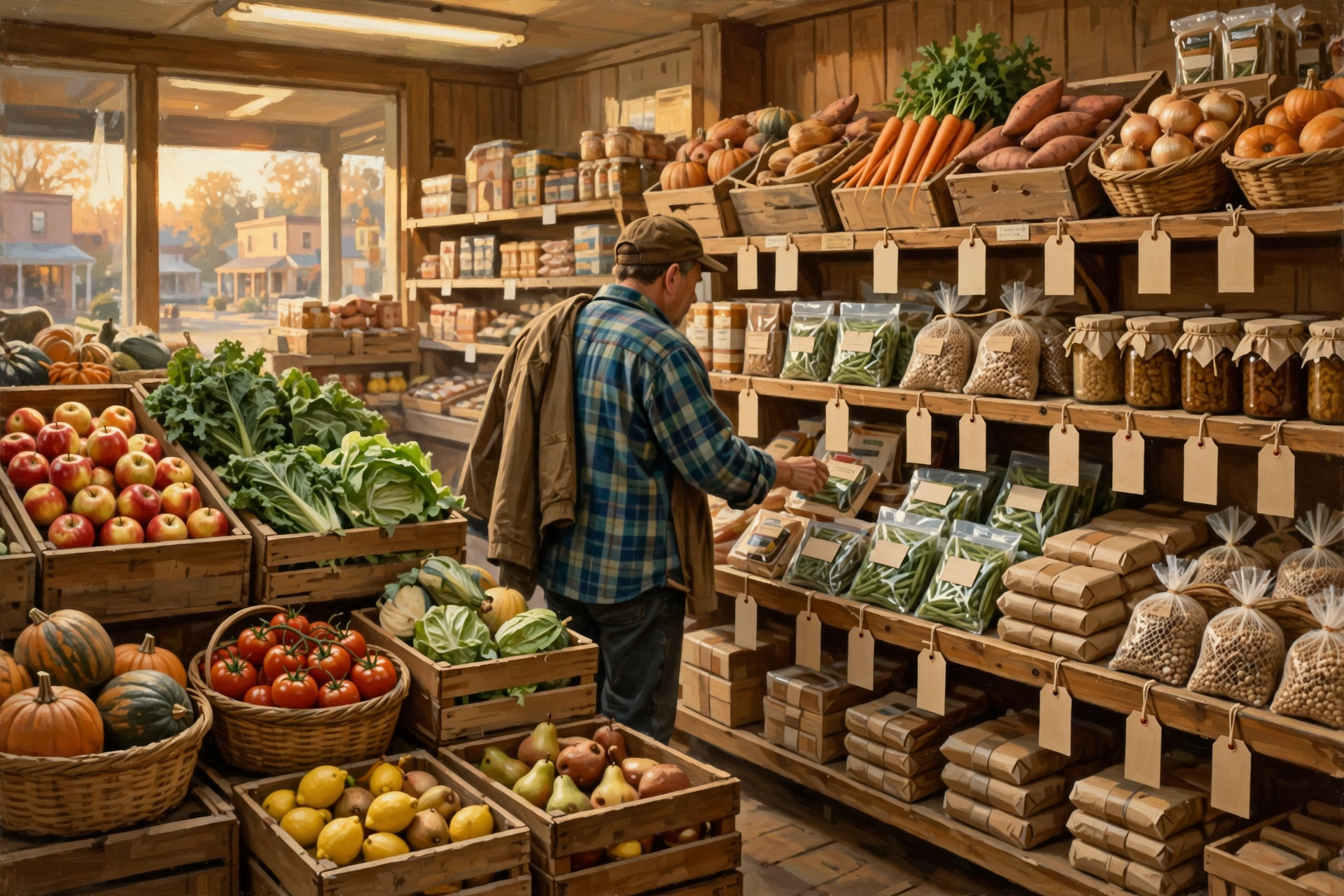
- Read the origin information. Look at available labels and signs on the produce, meat, and other foods you purchase.
- Ask one question. Choose a product and ask a store employee or vendor where it originated.
- Compare two choices. Look at the price, origin, quantity, and condition of a local or regional product and a more distant alternative.
- Discover a nearby producer. Find a farm, market, or agricultural business in the Sequatchie Valley that sells something your family regularly uses.
- Share what you learn. Tell a friend or neighbor about a useful local food source or an interesting detail you discovered about the food supply.
Help Us Understand Where the Valley’s Food Really Comes From
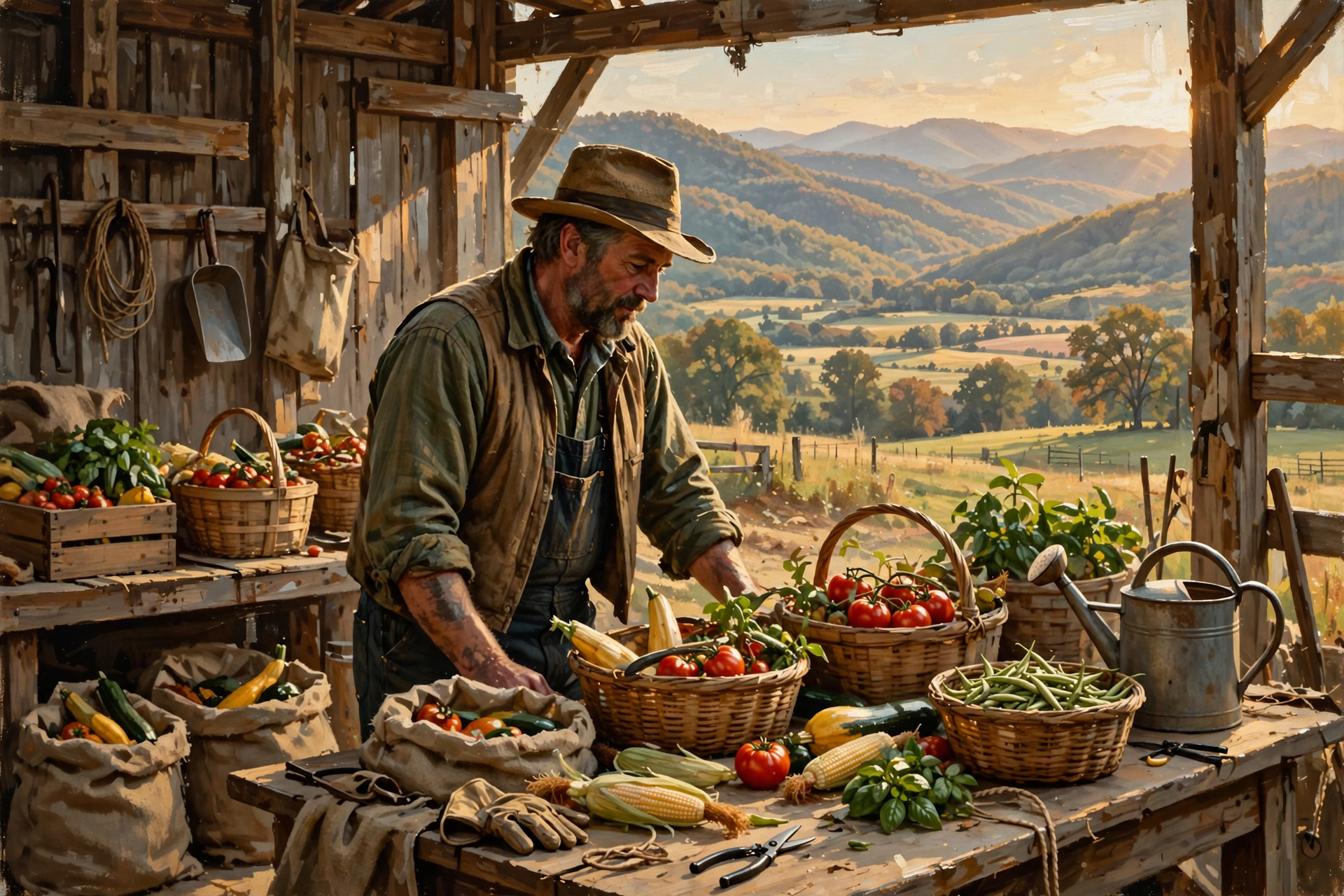
At Dunlap.Today, we want The Valley That Feeds Us to help residents understand the actual people and businesses involved in producing, processing, transporting, and selling our food.
That means hearing directly from the people doing the work.
Are you a local farmer, produce grower, livestock owner, meat processor, food manufacturer, market vendor, hay producer, agricultural supplier, or someone involved in transporting and distributing food?
We’d like to understand your role in the Sequatchie Valley’s food economy.
Where do your products originate? What happens to them before they reach customers? What parts of the process do people rarely see? What does it cost to grow, process, or distribute food? And what do you wish your neighbors understood about the work involved?
We’re particularly interested in learning how local farmers and food businesses connect with one another—and where those connections are missing.
We also invite readers to talk directly with farmers, meat processors, farmers market vendors, and other agricultural professionals.
Ask thoughtful questions. Learn about their work. Find out how their businesses contribute to the valley’s food supply, employment, and economy.
These conversations don’t need to become arguments about diets, farming methods, politics, or personal beliefs.
They can simply be opportunities to understand the people whose work helps put food on our tables.
If you operate an agricultural or food-related business, make sure neighbors can discover you through Dunlap.Directory.
And if you know a local farm, processor, market vendor, or food producer whose story deserves to be told, encourage them to share their experience.
Please share this article and The Valley That Feeds Us series with friends, family members, and neighbors who might appreciate learning more about where our food comes from.
Because understanding the local food economy doesn’t require us to grow all our own food, avoid grocery stores, or purchase everything within a certain number of miles.
It simply requires a little curiosity about the journey our food takes before it reaches us.
And the next time you encounter a tomato labeled “Fresh,” you might find yourself asking a slightly more interesting question.
Where did you grow up?
Coming Next in The Valley That Feeds Us: The Business of Hay. We’ll explore why those familiar round bales are so important to livestock farming, what it takes to produce them, how weather and equipment affect the cost, and why a field full of hay represents considerably more than a scenic Tennessee landscape.

0 Comments