

🔑 Ex-Cops Still Peeking, Glasses That Listen on Their Own, and a Bug Sweep That Became a Crime

Or: Lock the Logins, Mind the Glasses, and Don’t Touch What You Find
By Thomas Seest, Dunlap.Today · Wednesday, October 21, 2026
Grandma never gave out a house key without writing down who had it.
This week’s biggest surveillance story is about keys nobody took back. The Washington Post found former police officers who kept logging in to a nationwide network of AI plate-reading cameras for years after they turned in their badges—and in at least one case, allegedly used it to keep tabs on an ex-wife.
Here’s the roundup for folks who buy bug sweeps and the private investigators who do the work: logins that never got shut off, a city’s camera passwords left out in the open, glasses accused of recording on their own, a bug sweep that turned into a criminal case, and new AI tools on both sides of the fence.
⏱️ What this means for you in 30 seconds
- Worried someone’s tracking your car? Ask whether anyone close to you has (or had) access to police or security databases.
- Holding a private meeting? Ask folks to leave AI glasses and recording gadgets at the door.
- Your sweep turned up something odd? Don’t pull it out. Photograph it, leave it, and call a lawyer.
- Got a “news story” about a celebrity arrest selling an investment? It’s a scam. Close the tab.
- Running any camera system? Turn on two-step login and remove old users today.
🔑 The Keys Nobody Took Back

The Washington Post counted at least 11 times that unauthorized people searched Flock’s plate-camera network. In four cases, officers kept using their logins after leaving the force or while suspended. One former Georgia investigator allegedly ran more than 60 searches over five years, including his wife’s vanity plate, and was charged with stalking. In Indianapolis, a recruit allegedly used a senior officer’s open login to search his estranged wife’s plate more than 1,000 times.
Flock says it’s removing accounts that break its rules and will make users log back in every 12 hours starting next year.
It’s like leaving the spare key under the mat after you sell the house. The new owners don’t know who still has one.
What it means for you: If someone seems to know where your car goes, a camera network is one possibility to raise with your investigator—especially if an ex works in law enforcement. All of these men are presumed innocent.
👉 The Washington Post investigation
📹 58,000 Cameras, One Leaked Password List

In São Paulo, Brazil, logins to the city’s Smart Sampa face-recognition camera system sat in a public spot on the internet for about 11 months. That opened up images from more than 58,000 cameras—including daycares and health clinics. A reporter even followed his own image across eight cameras.
The mayor says a city guard posted 181 logins and passwords and has been let go. Brazil’s privacy agency says it will look at a request to investigate.
What it means for you: A smart camera system is only as safe as its weakest password. If you run cameras at home or work, turn on two-step login and delete old accounts.
👉 UOL’s report (in Portuguese)
👓 Glasses That Listen When You Didn’t Ask
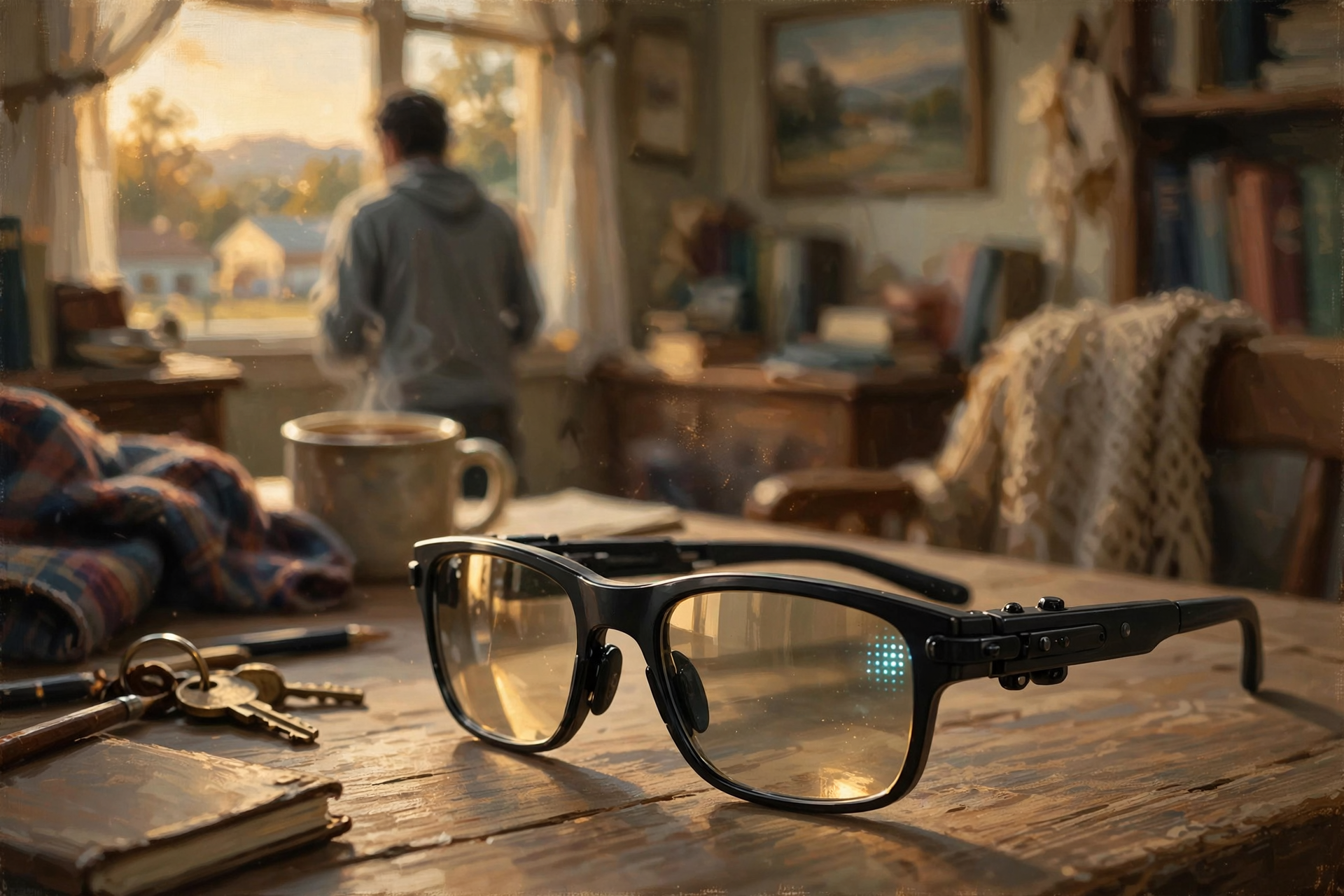
A California man sued Meta, saying his AI glasses recorded his private conversations—including with doctors and his bank—even though he never said “Hey Meta.” California requires everyone’s permission before a private conversation is recorded. Meta says it will fight the case and that privacy “was built into our glasses from the ground up.”
Meanwhile, Reuters reports European privacy regulators are taking a harder look at smart glasses. Italy and Austria are investigating students using them in schools.
It’s like a baby monitor that keeps listening after the baby’s asleep. Handy—until you remember it’s still on.
What it means for you: For doctor visits, legal meetings, and board rooms, make “no AI glasses” part of the rules. And tell your sweep team who’s wearing what.
👉 The lawsuit · Europe’s scrutiny
🚫 When a Bug Sweep Becomes the Crime

In Romania, prosecutors say a man who sells spy gear swept a politician’s villa in September looking for the microphones prosecutors had legally installed—and tried to tamper with them. Romanian media say the politician is former presidential candidate Călin Georgescu. Prosecutors say the attempt failed. The sweeper says his work was legal and he found nothing.
It’s like finding a mystery box on your porch. You can look at it. You can call somebody. But you don’t start pulling wires.
What it means for you: A good sweep company has a plan for finding something that might belong to the police: stop, don’t touch, write it down, and send you to a lawyer. Ask about that plan before you hire.
👉 Euronews Romania (in Romanian)
🎧 New AI Tools on Both Sides of the Fence

A startup called Luel released AI that takes one messy recording of several people talking and gives back a clean track for each voice. That’s great for podcasts—and it also means a hidden recorder’s muddy audio gets a lot easier to understand.
On the defense side, Ribbon announced a way for phone networks to flag AI-faked voices during a call, with trials expected early next year. And Cellebrite, which makes phone-search tools for police, added AI “agents” that comb through evidence around the clock.
What it means for you: A missed bug matters more than ever, because AI can now pull every word out of it. And until fake-voice alarms reach your phone, call back on a number you know before you send money.
👉 Luel · Ribbon · Cellebrite
🎭 Fake Arrests, Real Scams
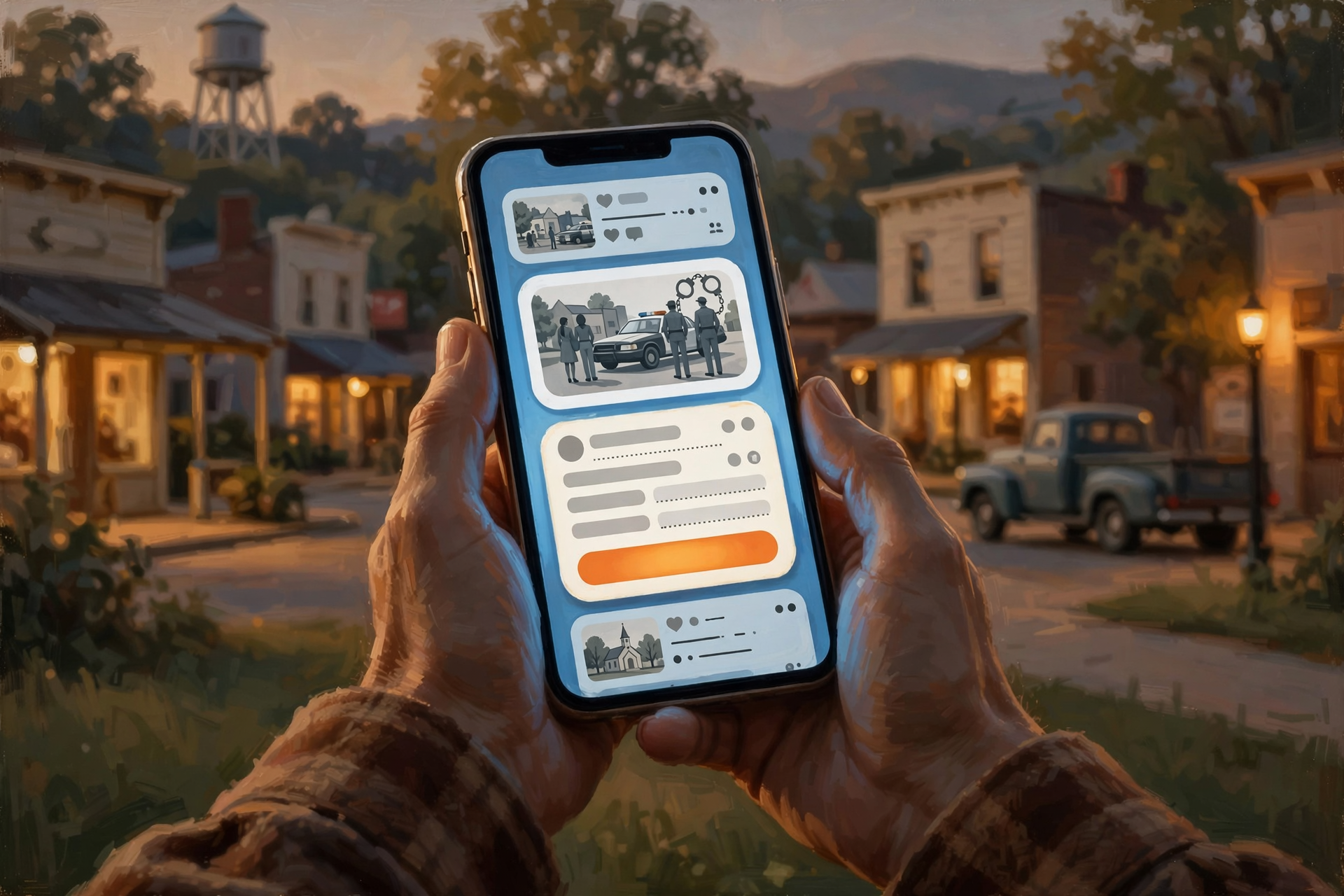
AI-made pictures of former Canadian politician Jagmeet Singh being “arrested” are showing up as ads on X. Click, and you land on a fake news story pushing an “AI trading” platform. A security firm says the website was only 12 days old.
In India, police arrested a man accused of posting an AI-made video of a bomb going off at Karnataka’s capitol building. They found him the old-fashioned way—through account records and internet logs.
It’s like Cousin Billy’s tall tales at the reunion. Great story. Don’t hand him your wallet.
What it means for you: If a “news story” ends with a sign-up form and a deposit, it isn’t news.
👉 NOW Toronto on the Singh ads · Bengaluru arrest
🚘 Plate Cameras: Tighter Rules, Fewer Cameras

In Fort Bend County, Texas, the sheriff, police chiefs, and district attorney agreed that every plate-camera search needs a case number and a real reason, with regular audits. The DA says misuse can be a crime. Mill Valley, California, switched off its Flock cameras after the company changed its terms. Madison County, Georgia, dropped Flock to save money.
And in Dallas, AI cameras on trash trucks that photograph homes for code violations will now blur whole bodies, not just faces.
What it means for you: If a plate-camera hit shows up in your case, ask for the case number and reason behind the search.
👉 Fort Bend safeguards · Mill Valley · Dallas
🕵️ For the PIs on the Porch

Researchers at University College London want to hear from private investigators and bug-sweep pros about what makes a good sweep of a home, car, or phone—especially in domestic abuse cases, where a victim may not know what’s real.
A weekly investigators’ newsletter warned that AI research “agents” can tip off the very person you’re looking into by visiting their website. And in England, a PI launched a free network that lets doorbell-camera owners share footage when someone goes missing nearby.
Poland’s parliament also wrapped up its Pegasus inquiry, calling the government’s use of the phone spyware illegal and noting judges weren’t told it could switch on a phone’s mic and camera.
What it means for you: If you hire a PI, ask how their AI tools work and whether they keep a record of what those tools did.
👉 UCL research · Project OSINT · SPI Vision
— Dunlap.Today
📚 Plain-English AI Glossary

- ALPR: Automated license plate reader—a camera that reads and logs plates as cars pass.
- Two-step login (MFA): Signing in with a password plus a code from your phone, so a stolen password alone isn’t enough.
- Facial recognition: AI that compares faces on camera to a list of photos.
- Wake word: The phrase, like “Hey Meta,” that’s supposed to tell a device to start listening.
- Speaker separation: AI that pulls each person’s voice out of a recording into its own track.
- Deepfake: A fake video, photo, or voice made with AI to look or sound like a real person.
- TSCM: Technical surveillance countermeasures—the professional name for a bug sweep.
- AI agent: An AI tool that takes actions on its own, like visiting websites, not just answering questions.
❓ Frequently Asked Questions

Can someone track my car with police plate cameras?
Only authorized officers are supposed to, for real cases. But the Washington Post found ex-officers and others who got in anyway. If you suspect it, tell your investigator and a lawyer.
Can AI glasses record me without me knowing?
They have a light that’s supposed to show when they record. A new lawsuit claims some recorded without being asked. When privacy matters, ask people to take them off.
What if a bug sweep finds a device the police put there?
Leave it alone. Tampering with lawful police surveillance can be a crime. A good sweep company documents it and sends you to a lawyer.
Can a phone company catch a fake voice?
Some are starting to try. Ribbon plans trials early next year. For now, hang up and call back on a number you trust.
Should I worry about my home security cameras?
Use a strong password, turn on two-step login, and remove old users. Most camera leaks start with a password, not a fancy hack.
✅ This Week’s Counter-Surveillance Checklist

- ✅ Turn on two-step login for every camera and security app
- ✅ Remove old employees and family members from camera accounts
- ✅ Ask guests to remove AI glasses during private meetings
- ✅ Ask your sweep company what they do if they find a police device
- ✅ Assume a hidden recorder’s audio can now be cleaned up by AI
- ✅ Call back on a known number before sending money
- ✅ Ignore “celebrity arrest” ads that end in a sign-up form
- ✅ Ask for the case number behind any plate-camera hit in your case
Practical rule: Most spying starts with an old login or a gadget nobody thought about—so lock the accounts, check the glasses, and never touch what a sweep turns up.

Sources
Know about an upcoming event or story in the Sequatchie Valley? Submit it here.




0 Comments