

🌾 A Flood Watch for the Bottomland, Garlic in the Ground and Local Greens at the Door: Your Farm & Garden Report
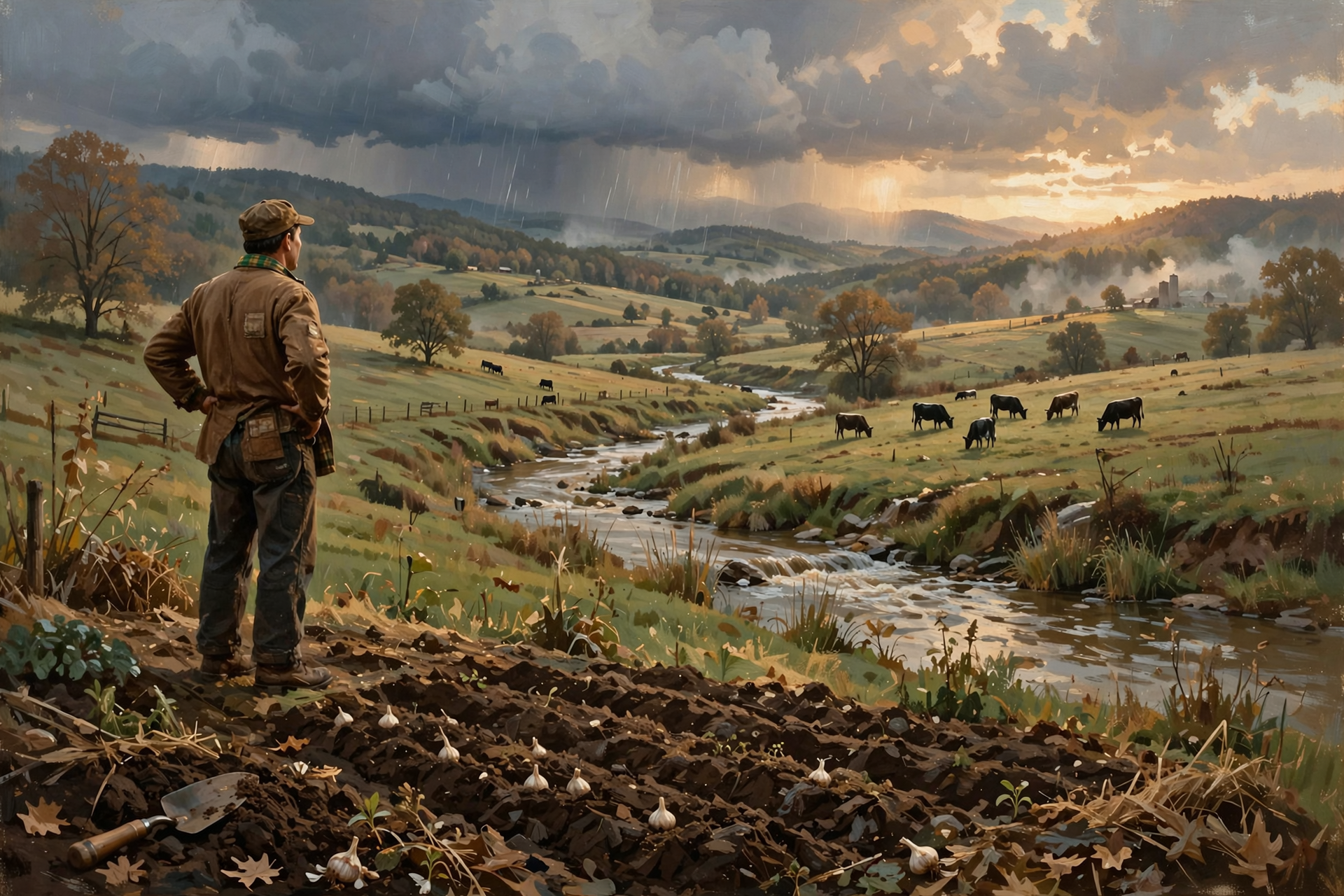
Or: Move the Cows to High Ground, Tuck a Few Garlic Cloves in the Bed and Let a Valley Farm Bring Supper to You
Yesterday we said the rain was coming. Today it has paperwork. The National Weather Service has put Sequatchie County under a Flood Watch for the weekend, and that changes the to-do list a little for anyone with animals or equipment near a creek.
The good news is that a wet weekend sets up a nice planting window right after. Soft soil and cool nights are just what garlic and winter cover crops like.
Here’s this week’s report: what the Flood Watch means for creek pastures, ponds and hay, why October is garlic-planting month, cereal rye as an easy winter blanket for the garden, a Valley farm that now delivers to Dunlap, fresh fall greens at a Dunlap farm stand Friday morning and beef classes coming to the county this fall.
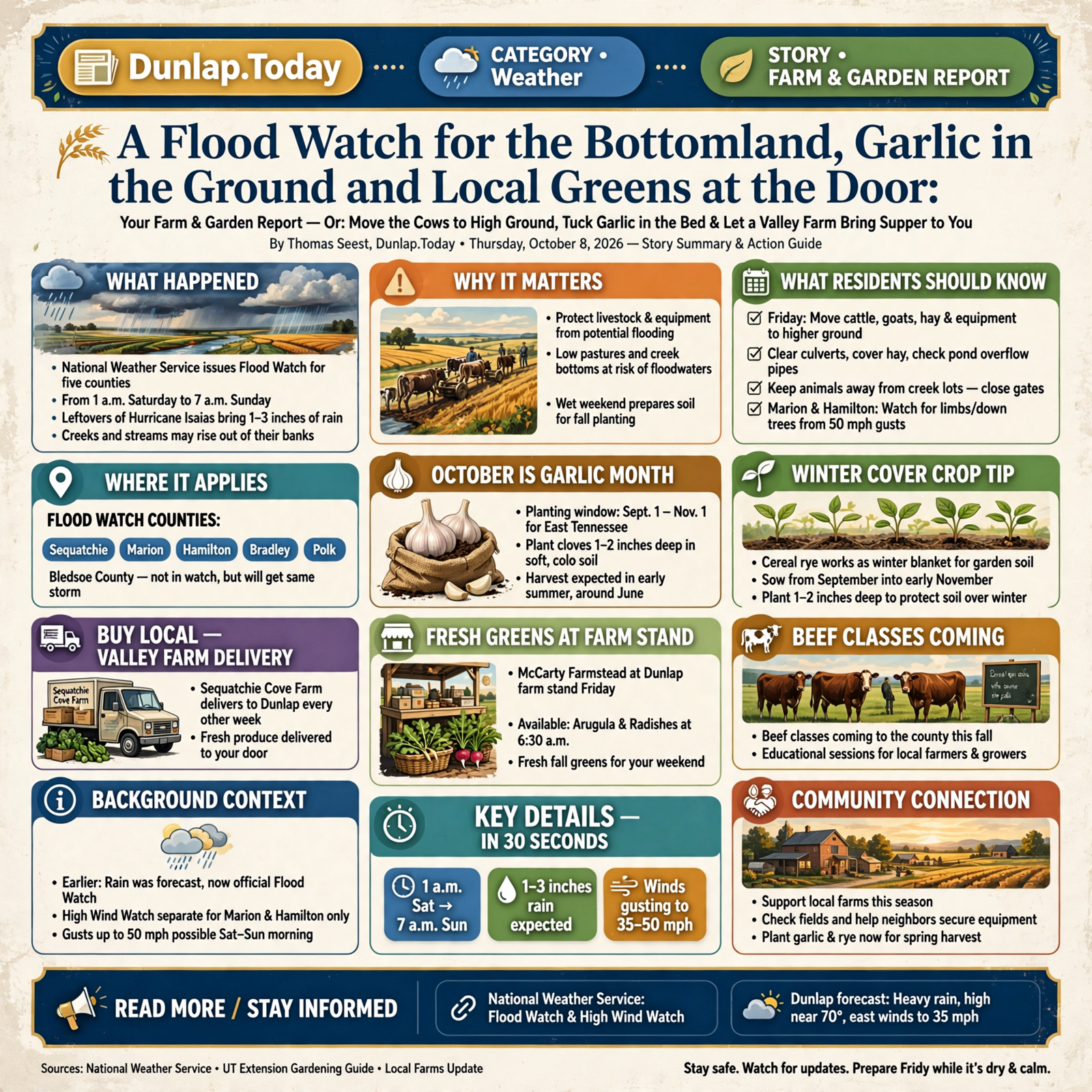
⏱️ What this means for you in 30 seconds
- Flood Watch: Sequatchie, Marion and Hamilton, from 1 a.m. Saturday until 7 a.m. Sunday. One to 3 inches of rain is expected.
- Friday’s job: Move cattle, goats, hay and equipment out of creek bottoms and low spots.
- Next week: Plant garlic. UT says East Tennessee gardeners plant it from Sept. 1 to Nov. 1.
- Cover crop: Cereal rye can be sown from September into early November, 1 to 2 inches deep.
- Buy local: Sequatchie Cove Farm delivers to Dunlap every other week, and McCarty Farmstead has arugula and radishes Friday at 6:30 a.m.
🌊 The Rain Has a Flood Watch Now: Get the Stock and Equipment to High Ground
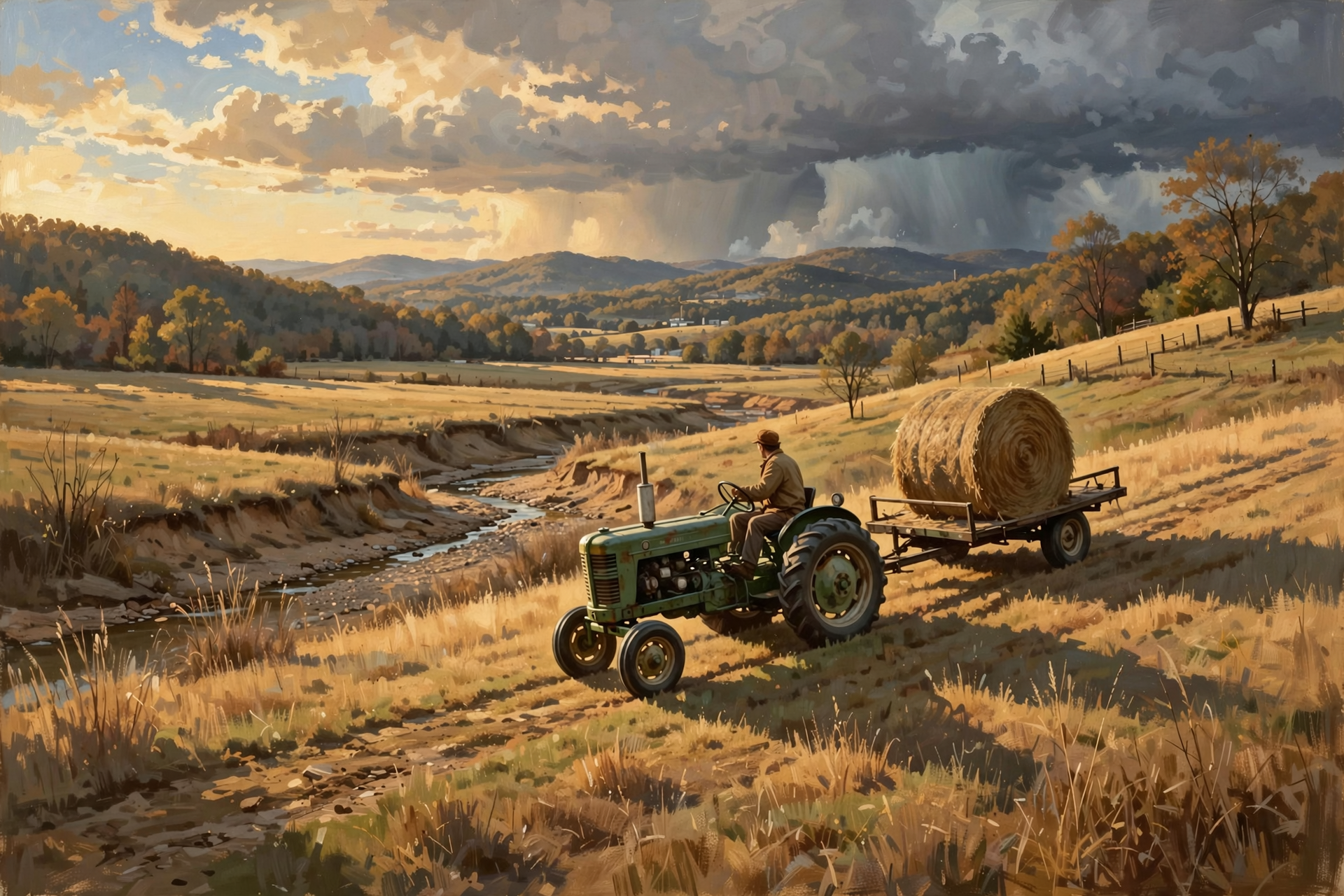
At 11:43 a.m. Central Thursday, the National Weather Service in Morristown issued a Flood Watch for Sequatchie, Marion, Hamilton, Bradley and Polk counties, from late Friday night through Sunday morning. Dunlap’s forecast times it from 1 a.m. Saturday to 7 a.m. Sunday. The watch expects moderate to heavy rain from the leftovers of Hurricane Isaias, with widespread totals of 1 to 3 inches, and says creeks and streams may rise out of their banks. Dunlap’s Saturday forecast calls for heavy rain at times, a high near 70 and east wind gusts up to 35 mph. Bledsoe County isn’t named in the watch, but it will get the same storm.
A separate High Wind Watch, with gusts up to 50 mph possible, covers Marion and Hamilton counties Saturday into Sunday morning. Sequatchie isn’t in that one.
What it means for you: Yesterday’s advice was to cover hay and clear culverts. Today’s addition is about the creek bottom. If cattle, goats or horses graze a pasture that floods, move them to a higher field Friday while it’s dry and calm. Pull trailers, round bales, feeders and the tractor up out of low spots. Shut the gate on the creek lot so nobody wanders down to look at high water. Ponds that have been low may fill fast, so give overflow pipes a last check. Hard, dry ground soaks up water slowly at first, so the first heavy hour can run off quickly. If you live in Marion or Hamilton, also check for limbs over fence lines that a 50 mph gust could bring down.
👉 Read more (National Weather Service: Flood Watch and High Wind Watch) · Dunlap forecast
🧄 October Is Garlic Month: Plant Now, Pull in June
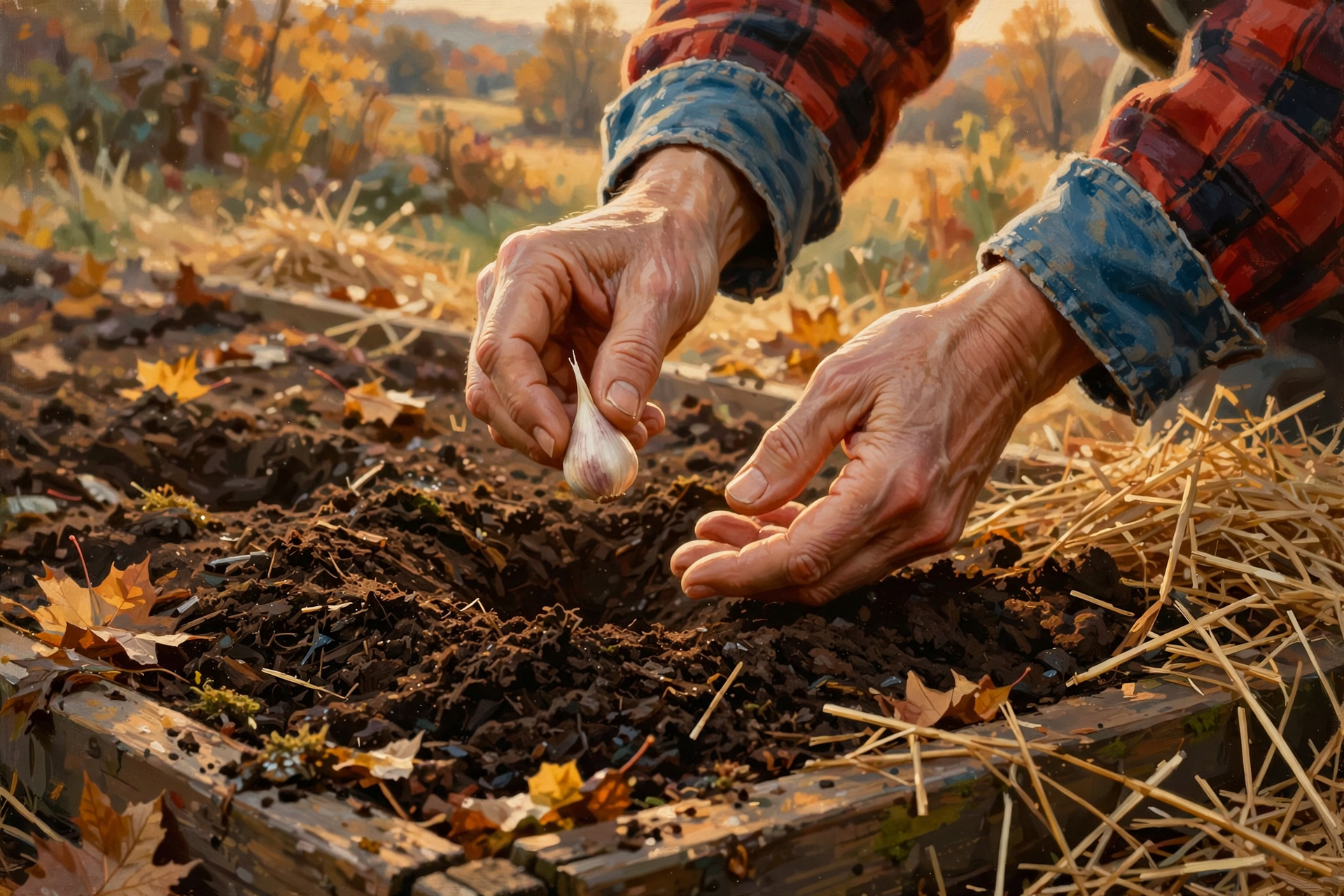
UT Extension’s garden guide on garlic says to plant it in late fall, September through early November, and harvest in early summer. In East Tennessee, gardeners often plant between Sept. 1 and Nov. 1. The guide says to plant cloves pointed end up, 1 to 1½ inches deep, either in rows or in a 4-by-4-inch grid, and to pick the biggest cloves, since clove size relates directly to bulb size. Garlic likes loose soil with good organic matter. If your ground drains poorly, UT suggests a raised bed to get through our wet winters. Hardneck types are generally more winter-hardy. UT also notes that fall is often Tennessee’s driest season, so keep an eye on moisture right after planting.
What it means for you: Garlic is about the easiest thing you can plant and then mostly forget until spring, like putting money in a jar you don’t open till summer. After this weekend’s rain, the soil should be soft and easy to work. Buy seed garlic from a garden center or a local grower who knows what does well here. Grocery-store garlic is often a type bred for warmer places. A little straw mulch on top will help keep winter weeds down. Come next June, you’ll have a braid hanging on the porch.
👉 Read more (UT Extension: Garlic for the Tennessee Vegetable Garden)
🌱 Give the Garden a Winter Blanket: Cereal Rye Goes in Through Early November
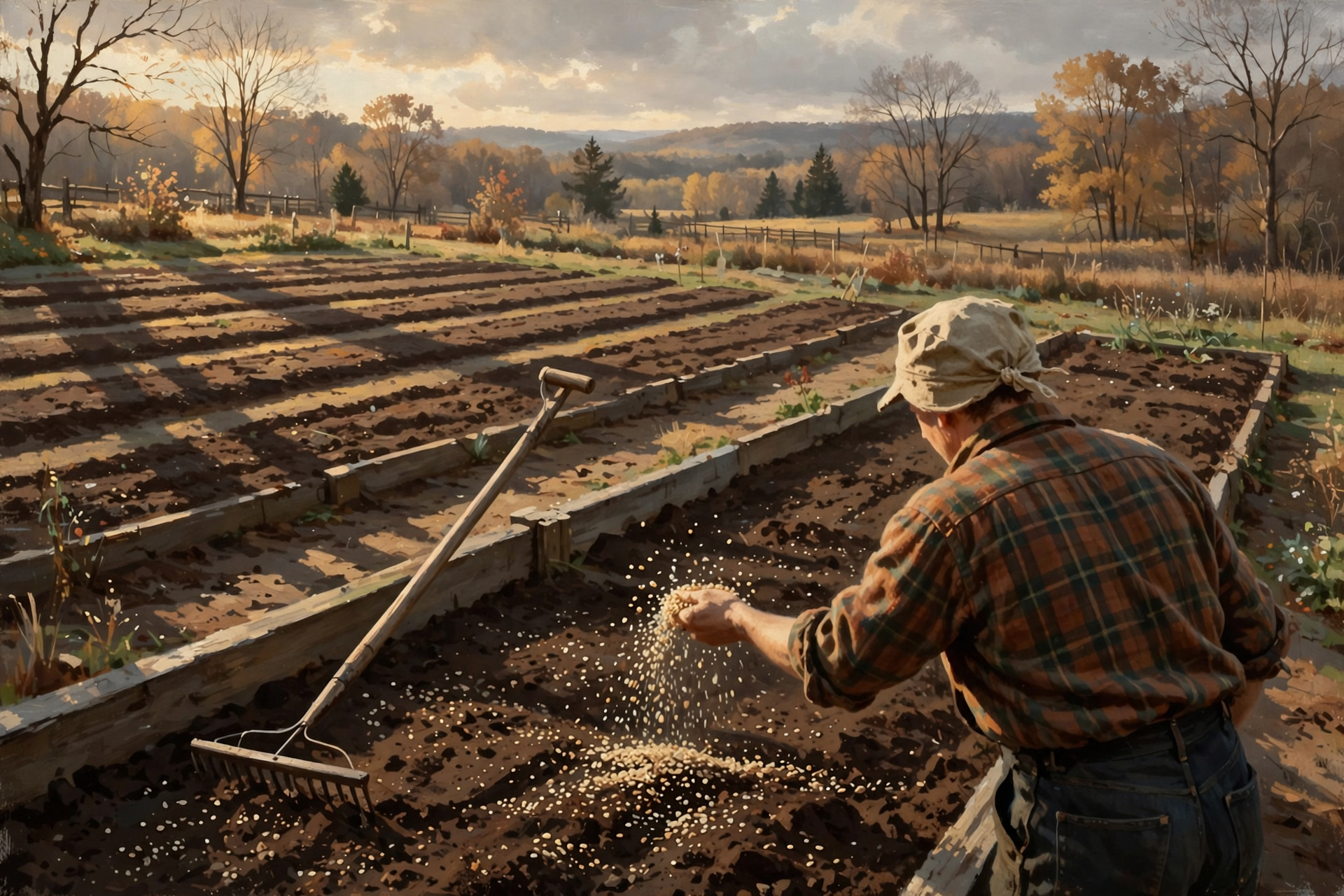
UT’s crop specialists list cereal rye among the most economical and effective winter covers. Their quick-facts sheet gives a planting window of September to early November, at 1 to 2 inches deep and 1 to 2 bushels per acre, and notes that rye grows more vigorously from good seed planted early. Wheat is a cheaper option for October to early November. The same sheet says hairy vetch and crimson clover, which add nitrogen, do best when planted in August and September, so this late in the season rye or wheat is the safer bet.
What it means for you: A garden left bare all winter is like a house with the door left open. Rain washes away soil and weeds move right in. A cover of rye holds the dirt in place, soaks up leftover fertilizer and gives you green stuff to turn under in spring. For a backyard garden, scatter a few handfuls over the empty rows after the rain, rake it in lightly and let it go. On a bigger field, talk with the UT Extension office in Dunlap at 423-949-2611 about rates and how to end the cover in spring.
👉 Read more (UT Extension: Cover Crops Quick Facts)
🚚 A Valley Farm Now Brings the Groceries to Your Door
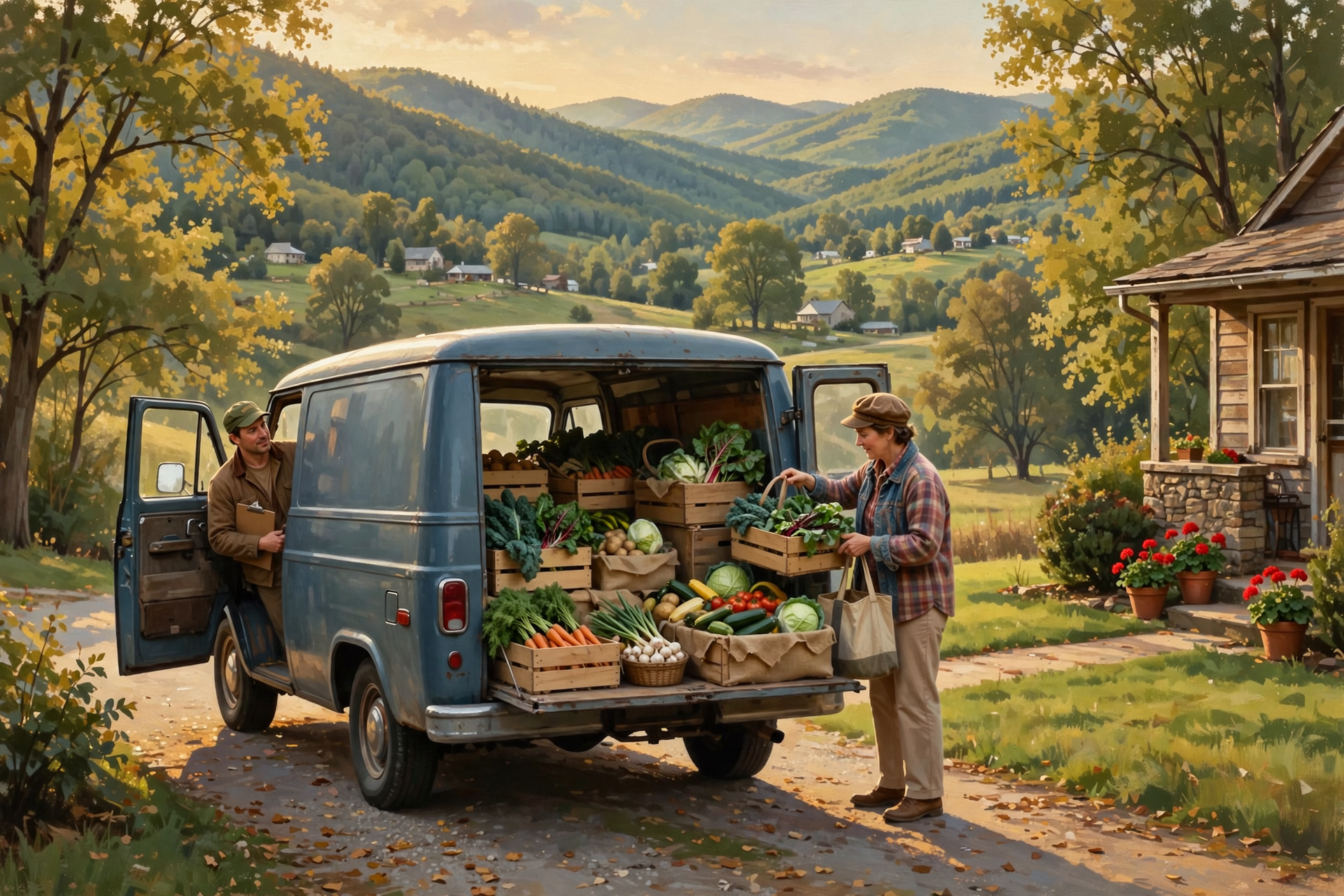
Sequatchie Cove Farm, a family-run regenerative farm at 320 Dixon Cove Road in Sequatchie, has started online ordering with home delivery every other week, Dunlap.Today reported Thursday. Customers order from the farm’s website using the shop button and choose home delivery at checkout. The farm lists Dunlap, Jasper, South Pittsburg, Sewanee, Signal Mountain, Lookout Mountain and several Chattanooga-area communities among the places it serves.
What it means for you: It’s a little like the old milkman, only with farm-raised food and a website. For folks who can’t easily get to a market on Saturday mornings, including older neighbors and busy families, it puts local food on the table without the drive. For other Valley growers, it’s a sign that people here will order local food online when it’s made easy. Check the farm’s site for what’s in stock and the delivery days for your area.
👉 Read more (Dunlap.Today: Sequatchie Cove Farm launches home delivery)
🥗 First Fall Greens at a Dunlap Farm Stand, Friday at Sunrise
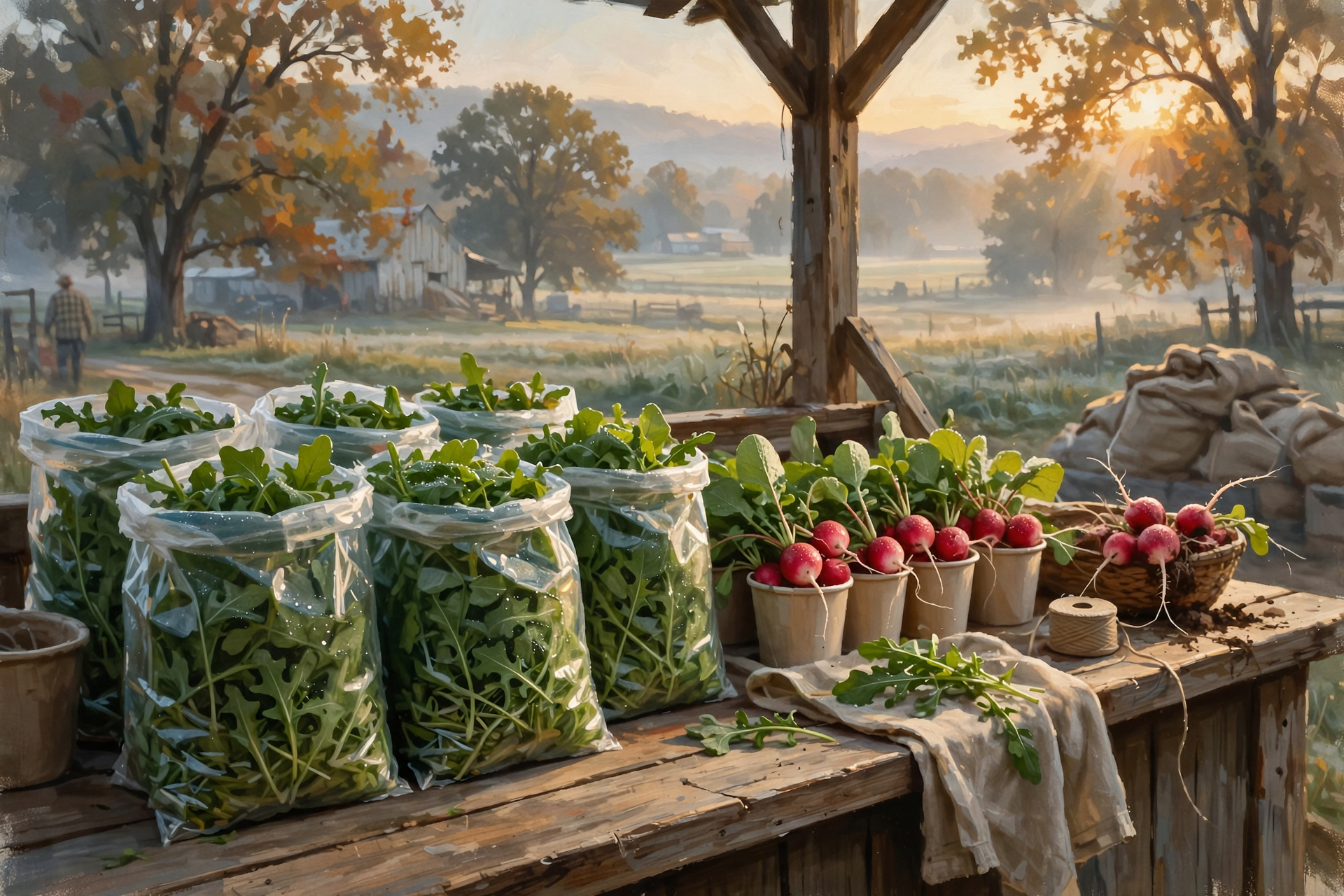
McCarty Farmstead is putting its first organic fall crops out at its stand at 168 Dempsey Road in Dunlap, Dunlap.Today reported Thursday. Arugula is $4 per one-gallon bag and radishes are $2 a cup, available Friday morning, Oct. 9, from 6:30 to 7 a.m. The farm says the arugula has been lightly rinsed and should get one more rinse at home. It suggests following McCarty Farmstead on Facebook for future days and hours.
What it means for you: That’s an early window, about the time the coffee finishes. If you’re up anyway, it’s a fresh salad for less than a drive-through meal. With the rain coming Saturday, Friday morning is the easy day to go. If you miss it, follow the farm’s page for the next batch. More fall crops usually follow once the cool weather settles in.
👉 Read more (Dunlap.Today: Fresh fall harvest at McCarty Farmstead)
🐄 Beef Classes: Coming to the Valley This Fall, and a Big Expo Next Week
UT Extension Sequatchie County says its Sequatchie Valley Master Beef Producer classes are planned in person this fall. For dates and payment, contact Sheldon Barker at UT Extension in Dunlap, 423-949-2611, or sdbarker@utk.edu. The office at 170 Church Street can also help with Beef Quality Assurance certification.
For anyone who wants to make a trip of it, the Northeast Tennessee Beef Expo is Thursday, Oct. 15, from 8:45 a.m. to 4 p.m. Eastern at the Clyde Austin 4-H Center in Greeneville. Its early-bird price closed Oct. 8, and late registration is $50 from Oct. 10 to 15. Topics include cattle health, farm finances and virtual fencing. A two-day Master Beef course runs alongside it Oct. 15 and 16. Its registration goes from $125 to $200 after Oct. 9.
What it means for you: Master Beef is the training that Tennessee’s farm cost-share program asks of cattle applicants, so these classes are worth more than the hours you spend in them. Since the local classes are close to home, call the Extension office first and get on the list. Greeneville is a long drive from Dunlap, so it’s probably best for folks who were already planning to go.
👉 Read more (UT Extension Sequatchie County: Livestock and Forage) · Northeast Tennessee Beef Expo
✅ Your Farm & Garden Checklist for This Week
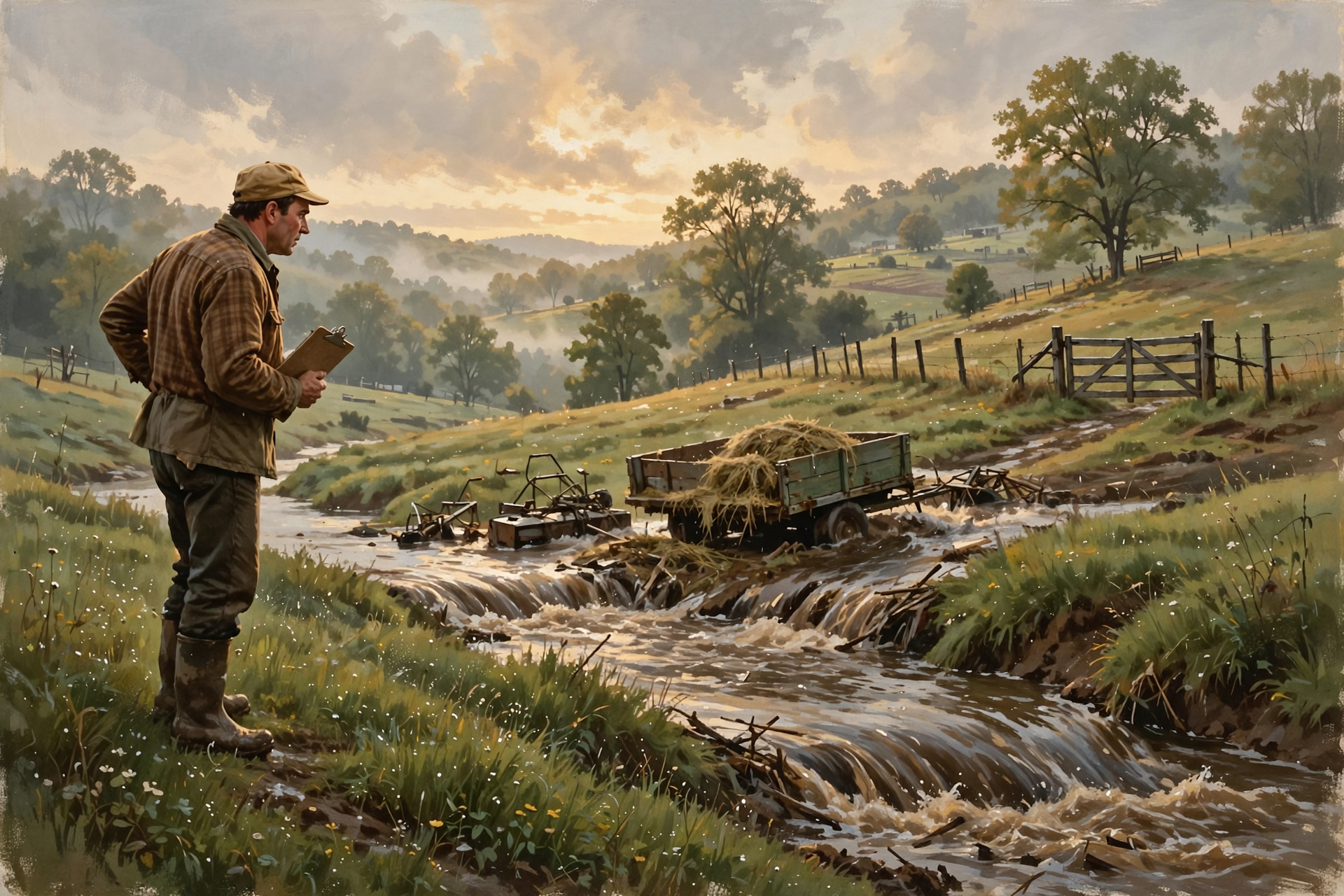
- ✅ Friday: move livestock out of creek bottoms and pastures that flood.
- ✅ Pull hay, trailers and equipment up out of low spots, and close the creek-lot gate.
- ✅ Give pond overflows and culverts one last check before Saturday.
- ✅ After the storm, walk fence lines and water gaps for limbs and washouts.
- ✅ Buy seed garlic and plant it before Nov. 1, 1 to 1½ inches deep.
- ✅ Scatter cereal rye over empty garden rows by early November.
- ✅ Pick up arugula and radishes at McCarty Farmstead Friday, 6:30 to 7 a.m.
- ✅ Try Sequatchie Cove Farm’s delivery if Saturday markets are hard for you to reach.
- ✅ Call UT Extension at 423-949-2611 to get on the list for fall Master Beef classes.
Practical rule: Animals and equipment go uphill before the rain, and seed goes in the ground after it.
— Dunlap.Today
📚 Plain-English Farm & Garden Glossary
- Flood Watch: A heads-up that flooding is possible. It’s not a warning that water is already rising.
- Creek bottom: Low, flat land next to a creek. It’s often the best grass, and the first place to flood.
- Water gap: The spot where a fence crosses a creek. High water often snags limbs and trash there.
- Seed garlic: Garlic bulbs sold for planting. You break them into cloves and plant each clove.
- Hardneck garlic: A garlic type that grows a stiff flower stalk (a “scape”). It’s usually more winter-hardy.
- Cover crop: A crop grown to protect and feed the soil, not to harvest.
- Cereal rye: A tough winter grain, not the same as ryegrass, often used as a cover crop.
- Regenerative farm: A farm that focuses on building healthy soil, often with grazing and cover crops.
- Master Beef Producer: UT Extension’s training for cattle farmers. It counts toward state cost-share eligibility.
- Beef Quality Assurance (BQA): A certification in good animal handling and health practices.
❓ Frequently Asked Questions
Is Sequatchie County really in the Flood Watch?
Yes. The Morristown weather office named Sequatchie, Marion, Hamilton, Bradley and Polk counties. Dunlap’s forecast shows it from 1 a.m. Saturday until 7 a.m. Sunday. Bledsoe County isn’t named.
Do I need to move my cattle?
Only if they’re in a pasture that floods or along a creek that rises quickly. If so, move them Friday while it’s calm, and make sure the higher field has water and some shelter from the wind.
Can I plant garlic from the grocery store?
It sometimes sprouts, but UT recommends ordering from a good seed source or buying from local growers who know what does well here. Many grocery bulbs are softneck types grown in warmer climates.
When will my garlic be ready?
UT says most varieties take 180 to 220 days. In our area that usually means harvest from mid-May to mid-June.
Isn’t it too late for a cover crop?
Not for cereal rye or wheat. UT’s planting window for both runs into early November. Clovers and vetch are better planted in August or September.
How do I order from Sequatchie Cove Farm?
Go to the farm’s website, use the shop button, pick your items and choose home delivery at checkout. Deliveries run every other week.
🔗 Other Resources

- UT Extension Sequatchie County
- National Weather Service: Dunlap forecast
- National Weather Service: Flood safety
- UT: Garlic for the Tennessee Vegetable Garden
- UT: Cover Crops Quick Facts
- USDA: Weekly Tennessee cattle summary
- TN Wildland Fire: Burn permits (required starting Oct. 15)
🌻 Let the Rain Work, Then Get Back in the Dirt
A Flood Watch sounds bigger than it usually feels on the farm. Mostly it means doing the sensible things a day early: move the animals up the hill, get the tractor off the low ground and keep folks away from a rising creek. After that, the rain is good news for thirsty pastures and ponds.
Next week, the soil will be soft, the nights cool and the garden ready for garlic and a winter cover. Learn something new, try a local farm you haven’t bought from before and enjoy the season. Read Dunlap.Today for plain-English farm and garden news from the Valley.




0 Comments