

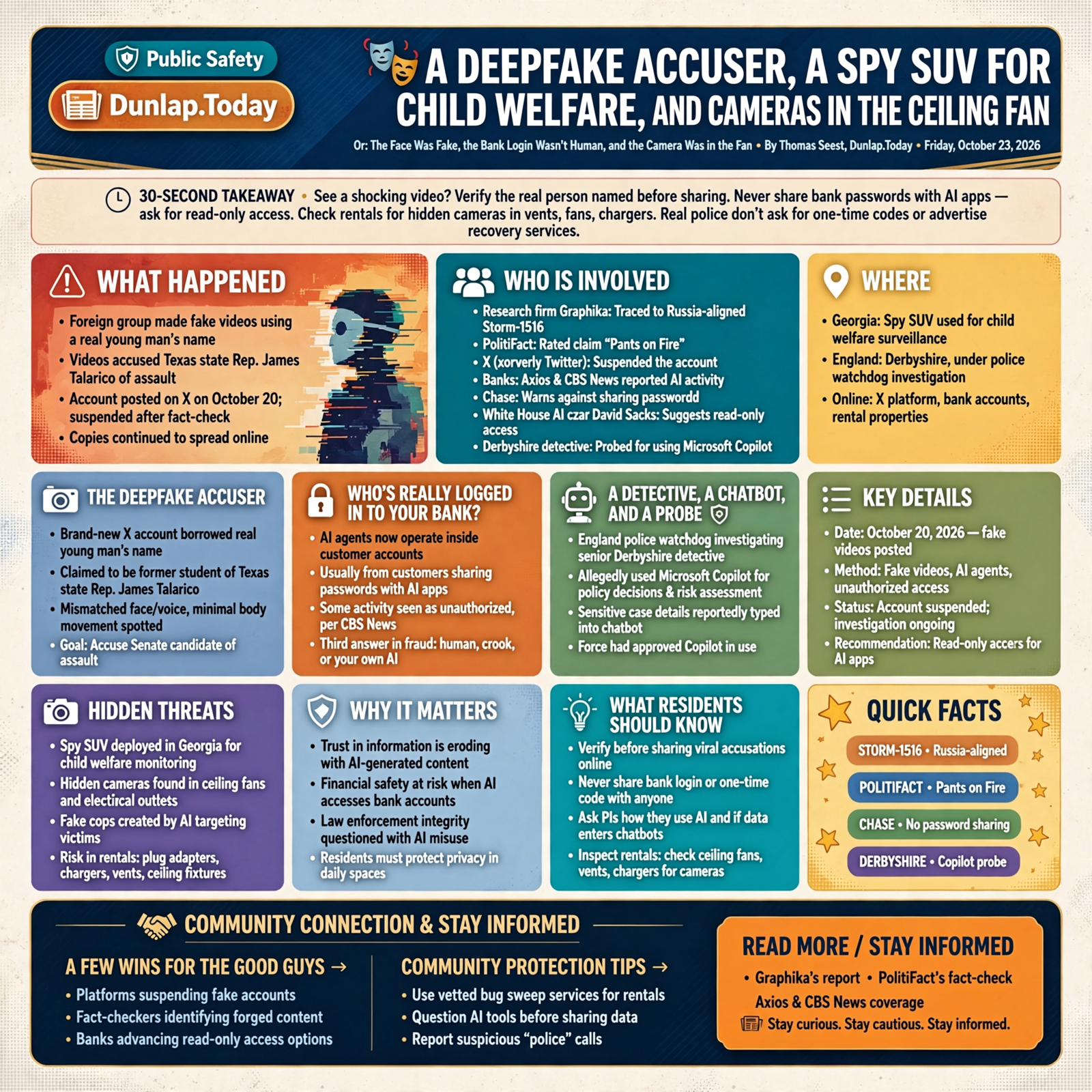
🎭 A Deepfake Accuser, a Spy SUV for Child Welfare, and Cameras in the Ceiling Fan

Or: The Face Was Fake, the Bank Login Wasn’t Human, and the Camera Was in the Fan
By Thomas Seest, Dunlap.Today · Friday, October 23, 2026
Grandpa used to say, “Believe half of what you see and none of what you hear.”
He was ahead of his time. This week, researchers say a foreign influence group made fake videos that borrowed a real young man’s name, then used them to accuse a U.S. Senate candidate of a terrible crime. The account was suspended, but copies spread anyway.
Here’s the roundup for folks who buy bug sweeps and the private investigators who do the work: deepfakes with real names attached, AI agents inside bank accounts, a detective and a chatbot, a spy SUV in Georgia, hidden cameras in fans and outlets, fake cops made by AI, and a few wins for the good guys.
⏱️ What this means for you in 30 seconds
- See a shocking video accusation? Look for the real person named in it before you share it.
- Gave an AI app your bank password? That may break your bank’s rules. Ask about read-only options instead.
- Staying in a rental or cabin? Check the plug adapters, chargers, and ceiling vents that face the bed and shower.
- Got a call or ad from “the police” offering help? Real police don’t advertise recovery services or ask for your one-time code.
- Hiring a PI? Ask how they use AI and whether your files ever go into a chatbot.
🎭 A Deepfake Accuser With a Real Name
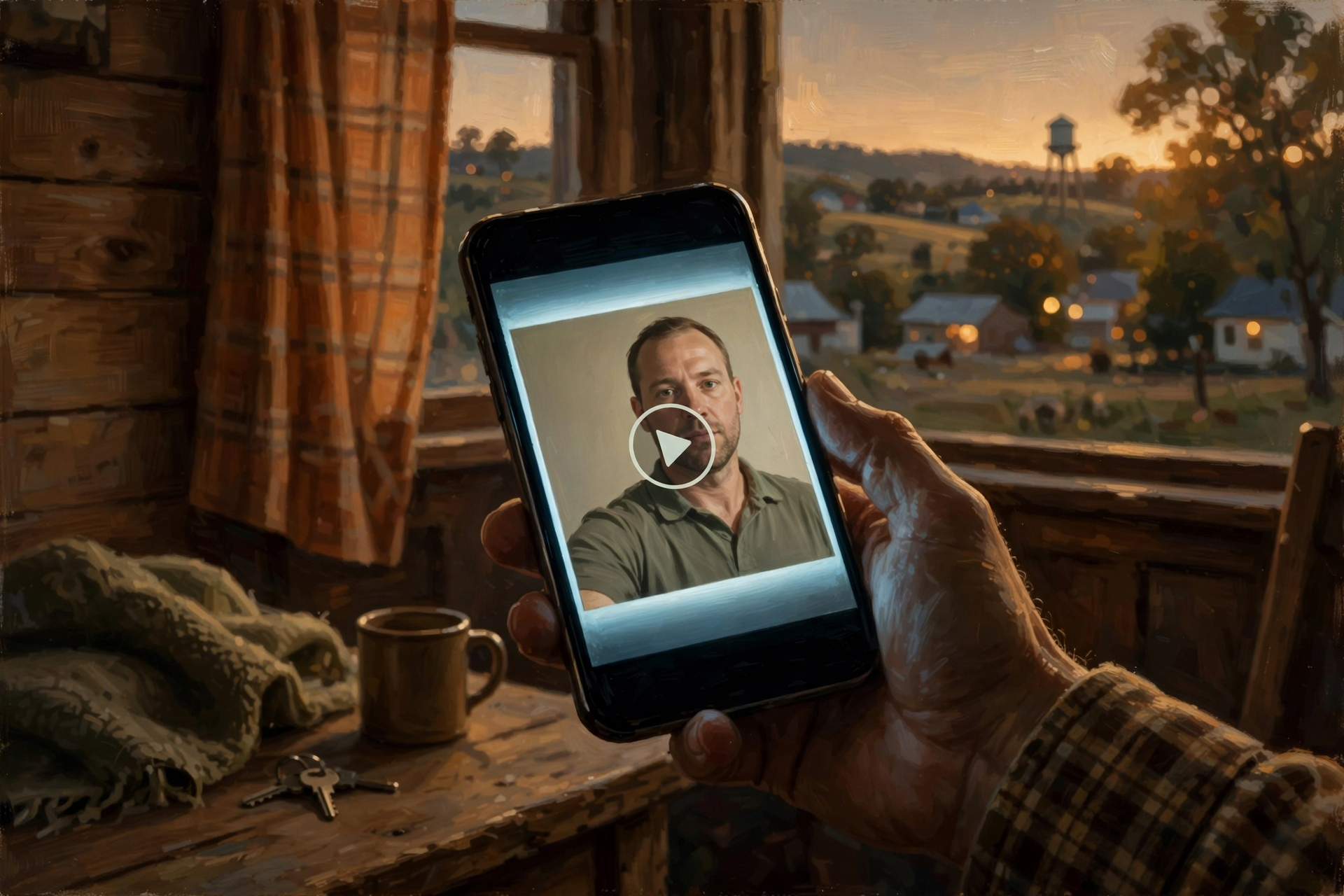
A brand-new X account posted two videos on October 20 of a man claiming to be a former student of Texas state Rep. James Talarico, the Democratic U.S. Senate candidate, and accusing him of assault. The research firm Graphika says, with high confidence, that the Russia-aligned operation known as Storm-1516 made them. The account appears to have borrowed the name of a real young man who went to the school where Talarico taught and had spoken proudly of him online.
The tells: the face didn’t quite match the voice, and the body barely moved. PolitiFact rated the claim “Pants on Fire,” and X suspended the account.
It’s like a forged signature on a church raffle form. The name is real, but the hand isn’t.
What it means for you: If you’re asked to check out a viral accusation, start by finding the real person named in it. A detection score is a clue, not a verdict.
👉 Graphika’s report · PolitiFact’s fact-check
🏦 Who’s Really Logged In to Your Bank?
Axios reported that major banks are spotting AI agents operating inside customer accounts, mostly because customers gave those apps their username and password. CBS News says some of the activity looked unauthorized. In one case, an agent called a bank with a complaint without checking with the account holder first.
Chase says customers shouldn’t share their passwords with anyone. White House AI czar David Sacks says most of this is customers’ own agents, not cyberattacks, and suggests banks could allow “read-only” access.
What it means for you: In a fraud dispute, “who made this transaction?” now has a third answer: a human, a crook, or your own AI. Keep track of which apps you’ve let in.
👮 A Detective, a Chatbot, and a Misconduct Probe

England’s police watchdog is investigating a senior Derbyshire detective accused of using Microsoft Copilot to write policy decisions, assess risk, and justify decisions in criminal cases. The detective allegedly typed in sensitive case details and personal information. The force had approved Copilot in May 2025, but only if no sensitive data went in. The officer is under investigation for gross misconduct and hasn’t been found to have done anything wrong.
What it means for you: If you hire a PI, ask in writing how they use AI and whether your names or files ever go into a chatbot. If you’re facing charges, your lawyer can ask whether AI shaped any decisions.
👉 IOPC announcement · BBC
🚙 A $955,000 Spy SUV, Bought by Child Welfare
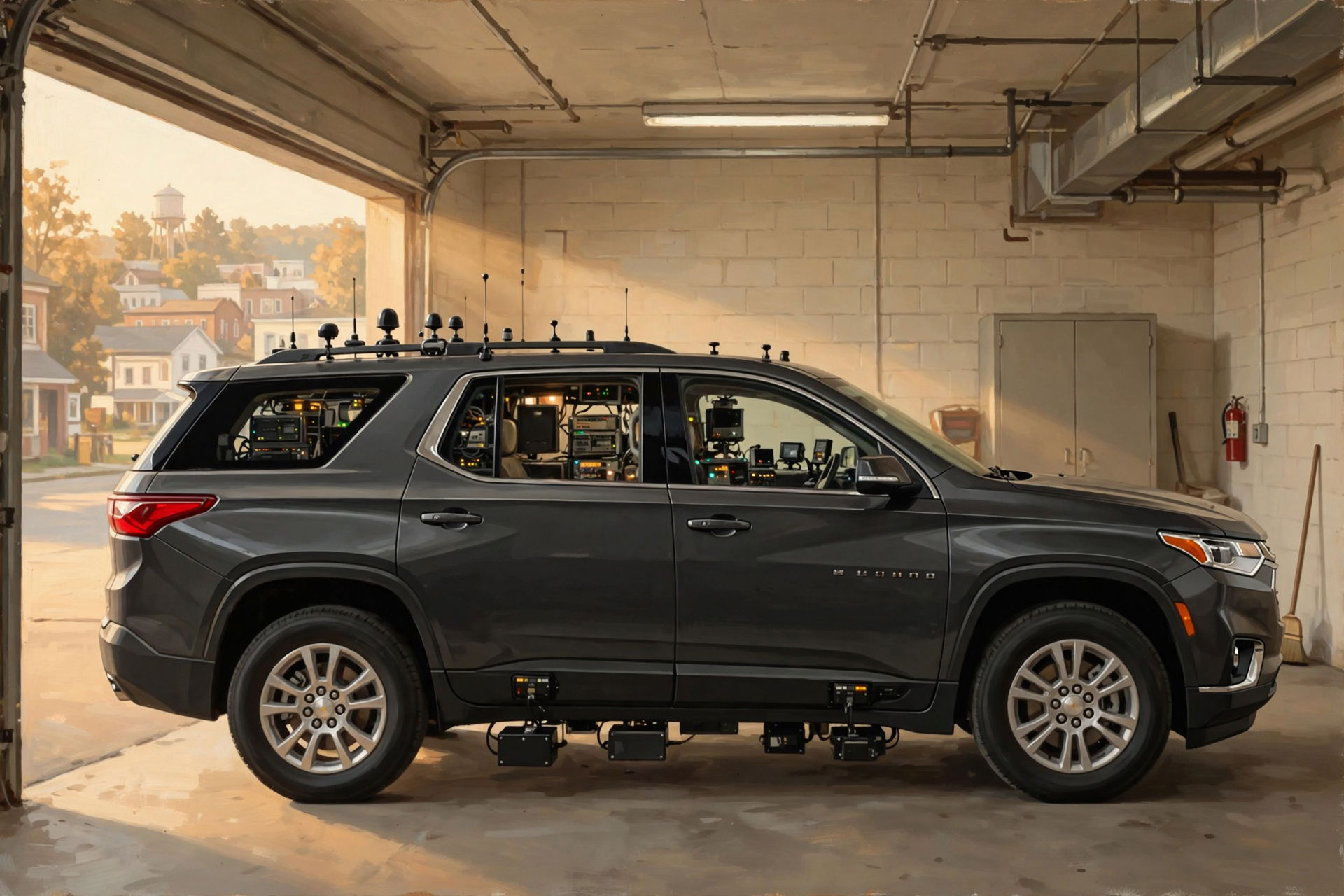
Georgia’s Department of Human Services paid about $38,700 for a Chevy Traverse, then about $890,000 more to outfit it with a cell-site simulator, a device that pretends to be a cell tower so it can locate phones. Those devices can also pick up signals from bystanders’ phones nearby. The agency also bought software from companies including Anomaly Six, ShadowDragon, and SpyCloud.
After pushback from both parties, the governor’s office said the Georgia Bureau of Investigation would take the vehicle. The GBI says it now has it, and a House committee plans to ask questions.
What it means for you: Phone-tracking gear isn’t just for the FBI anymore. If you’re worried about being tracked, ask your sweep provider what they can and can’t detect on cell networks.
👉 Atlanta News First · The Center Square
👤 Faces on the Shopping Street

London’s Metropolitan Police plans permanent live facial-recognition cameras on Oxford Street before Christmas. The Met says the cameras will run only when officers are there, with signs posted, and credits a Croydon pilot with 173 arrests. The civil liberties group Liberty says it should wait for a proper law.
What it means for you: Heading to London for the holidays? Assume your face may be checked against a watchlist on the busiest shopping street in town.
👉 Metro
📷 Cameras in the Outlet, the Fan, and Under the Sink

Three cases from three countries, all within a few days:
- Romania: A couple at a cabin in Avrig found Full-HD cameras hidden in plug adapters aimed at the bed and the shower, plus a third in another room. Romanian TV reports the friend who organized the trip allegedly put them there.
- Japan: A former hospital director pleaded guilty to hiding remote-controlled cameras in restroom ceiling fans at two hospitals and a Tokyo cafe. Prosecutors say over 100 people were recorded. He destroyed his computer, but police recovered deleted files from memory cards that showed his face.
- India: At an office in Secunderabad, a manager found a phone wrapped in paper and taped under a washroom sink facing the toilet. An office attendant was arrested, and the case went to the cybercrime unit.
It’s like checking for ticks after a walk in the tall grass. You look in the places they like to hide.
What it means for you: Look closely at outlets, chargers, smoke detectors, and vents that face beds, showers, and toilets. If you find something, don’t touch it. Photograph it and call police; recovered memory cards are often what identify the culprit.
👉 Romania (in Romanian) · Japan · India
🚨 Fake Cops, Made by AI

Singapore’s police warned about Facebook ads that use AI-made pictures of police officers to sell “scam recovery” help. The ads lead to a form, then a request for the one-time code texted to your phone, which can hand over your accounts. Near Charleston, South Carolina, police say impersonation scams are getting more convincing with AI; one teacher was kept on the phone about four hours by a fake officer who sent fake court orders. The FBI logged nearly 61,000 government-impersonation complaints and more than $1.6 billion in losses from January 2025 through July 2026.
A column in Police and Security News lays out the next step: a deepfake of the chief’s own voice giving an urgent order. The fix is the same for police, businesses, and families: never act on a voice alone.
What it means for you: Hang up and call back on a number you look up yourself. Never read a one-time code to anyone who contacts you.
👉 Singapore Police · Live 5 News · “When the Chief’s Voice Is a Deepfake”
🗣️ Voices That Don’t Pause, and Pictures That Talk
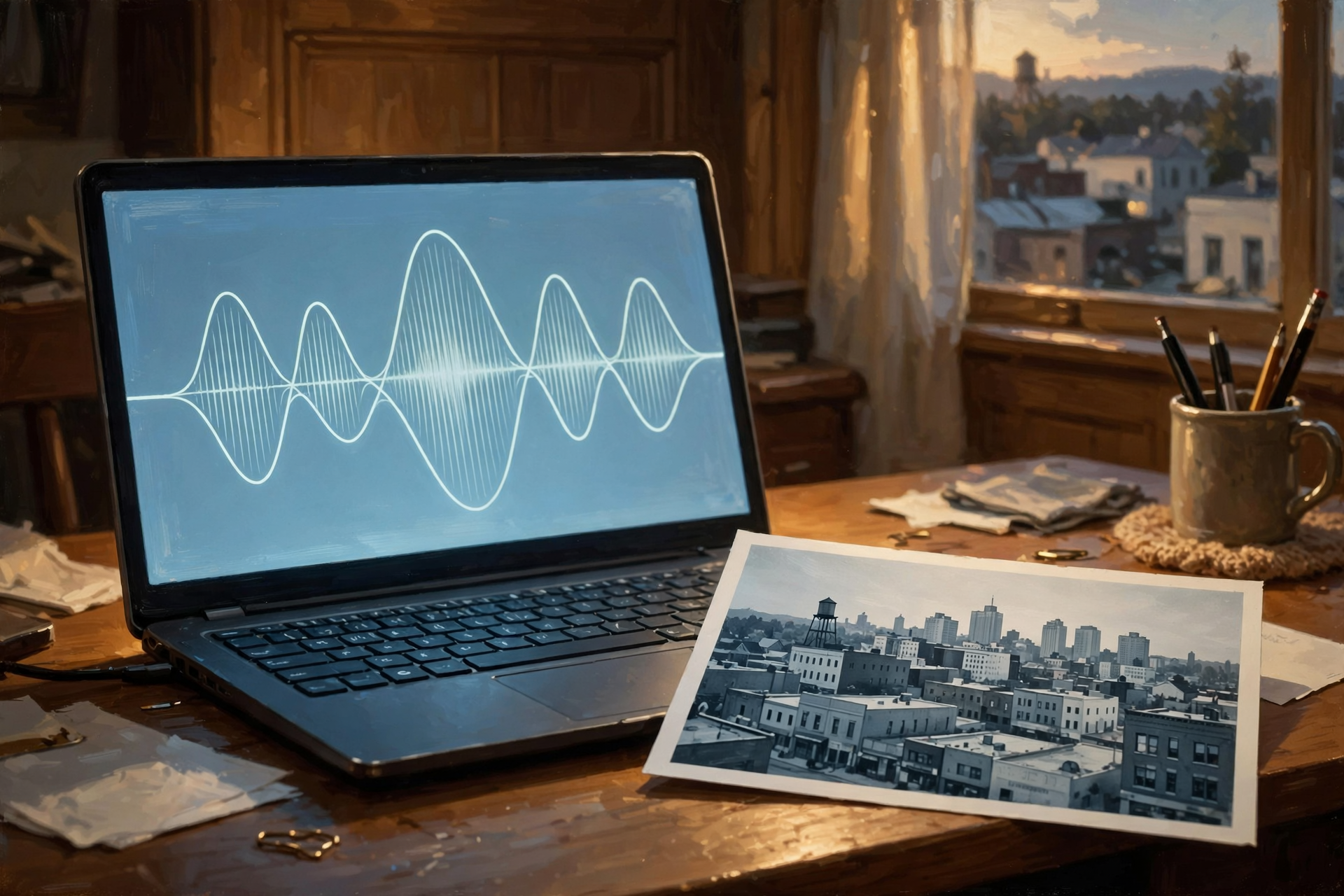
The payments company Block announced Dessa, a voice AI it says learned only from human conversation. It can listen and talk at the same time, laugh mid-sentence, and run on a high-end laptop. For now, only a small group of safety researchers can use it.
Separately, researchers posting on LessWrong had an AI model hide messages inside ordinary-looking drawings, for example by turning letters into the heights of buildings in a skyline. A fresh copy of the same AI, shown just the picture, read 39 of 50 messages.
What it means for you: The awkward pause that used to give away a robot caller is going away. And a company worried about leaks should know a plain picture can carry a hidden message.
👉 Unite.AI on Dessa · The LessWrong study
🕶️ Meta Answers the “Secret Filming” Question

Meta’s Maxine Williams told Ireland’s RTÉ that the light on its AI glasses blinks while they record, and the camera stops if the light is covered or tampered with. She said Meta added protections after people drilled out the light. Meanwhile, some stores and bars are banning the glasses.
What it means for you: If your meeting or business has a no-recording rule, name smart glasses in it, and ask people to take them off.
👉 RTÉ
🚘 Plate Cameras: More Exits, Tighter Rules

Maries County, Missouri, dropped its Flock plate cameras after a company rep missed a public meeting, joining several other Missouri counties. Anderson County, South Carolina, is moving to cancel its 10 cameras. And Reno’s new Axon deal, which replaces Flock, now comes with strings: plate data not tied to a case gets deleted after 15 days, with quarterly audits, and Axon can’t train AI on the city’s data without written permission.
What it means for you: If plate-camera data could help or hurt your case, ask for it fast. In some places it may be gone in two weeks.
👉 Maries County · Anderson County · Reno’s new rules
🔐 Watching the Watchers

OpenAI fired three safety researchers after its security team found disappearing Signal messages in a group chat with an outside researcher the company suspected of leaking. OpenAI says they broke rules on handling sensitive information. The researchers deny sharing anything confidential.
And the University of Toronto’s Citizen Lab spotlighted research showing government-linked groups used AI chatbots to help identify and profile activists living abroad.
What it means for you: Companies hunting for leakers should write down, ahead of time, what monitoring is allowed. If you’re a journalist or activist, check what an AI could piece together about you from public posts.
👉 The Verge · Citizen Lab
🛡️ Wins for the Good Guys

Police in South Wales reopened a sexual-deepfake case against a Grok user after reporters from the Bureau of Investigative Journalism handed over a crypto wallet and dozens of deleted posts tied to the account. Researchers unveiled the Media Intelligence Platform, which combines detectors for fake videos, AI images, voice deepfakes, and edited photos. Germany’s Fraunhofer SIT will publicly demo its live video-call deepfake detector at the it-sa security show in Nuremberg, October 27–29. And in India, a court bailed a man accused in a scam that used AI videos of the state’s chief minister; his lawyer says a friend made the videos. He’s presumed innocent.
What it means for you: Good digital detective work still matters. If you’re a victim, save everything, including screenshots of posts that may later be deleted.
👉 TBIJ · Media Intelligence Platform · Fraunhofer SIT (in German) · Madras High Court
— Dunlap.Today
📚 Plain-English AI Glossary
- Deepfake: A fake video, photo, or voice made with AI to look or sound like a real person.
- Influence operation: An organized effort, often by a foreign government, to spread misleading content.
- AI agent: An AI program that can take actions for you, like logging in, paying bills, or making calls.
- Read-only access: Permission to look at information without changing anything or moving money.
- Cell-site simulator: A device that pretends to be a cell tower so it can find or identify nearby phones. Also called a “stingray” or IMSI catcher.
- Live facial recognition: Cameras that compare faces to a watchlist in real time.
- One-time password (OTP): A short code texted or emailed to you to confirm a login. Never share it.
- Steganography: Hiding a message inside something ordinary, like a picture.
- ALPR: Automated license plate reader, a camera that reads and logs plates as cars pass.
- TSCM: Technical surveillance countermeasures, the professional name for a bug sweep.
❓ Frequently Asked Questions

How can I tell if a video accusation is a deepfake?
Look for the real person named in it, check how old the account is, and watch whether the lips match the words. Detection tools help, but they aren’t the final word.
Is it safe to give an AI app my bank login?
It may break your bank’s terms and make disputes harder. Ask your bank about safer, read-only ways to share data.
Where do hidden cameras usually turn up?
In things that face beds, showers, and toilets: plug adapters, chargers, smoke detectors, and ceiling vents or fans. Phones can be hidden too.
What should I do if I find a hidden camera?
Don’t touch it or let anyone else handle it. Photograph it where it is, leave, and call police. The memory card is evidence.
Would real police ever contact me to help recover scam losses?
Singapore’s police say they never advertise recovery services, and you should never give a one-time code to anyone. When in doubt, hang up and call the agency on a number you look up yourself.
✅ This Week’s Counter-Surveillance Checklist

- ✅ Verify the real person behind any viral video accusation before you share it
- ✅ Review which apps and AI agents have your bank login
- ✅ Ask your PI, in writing, how they use AI with your files
- ✅ Check adapters, chargers, and vents facing beds and showers in rentals
- ✅ Leave a found camera in place, photograph it, and call police
- ✅ Never read a one-time code to anyone who contacts you
- ✅ Set a callback rule for any urgent order by voice or video
- ✅ Name smart glasses in your no-recording rules
- ✅ Request plate-camera records quickly before they’re deleted
Practical rule: A face, a voice, or a login can all be faked now, so verify the person, check the hiding spots, and save the evidence before you believe it.
Know about an upcoming event or story in the Sequatchie Valley? Submit it here.




0 Comments