
📲 “Your Storage Is Full” Texts, Too-Perfect Reviews, Real FTC Refund Checks in the Mail and Credit “Fixers” Who Charge First: Your Scam Watch for This Week
Or: When a Message Rushes You, Check It Yourself Through the Front Door You Already Know
By Thomas Seest, Dunlap.Today · Friday, October 16, 2026
Good news first this week: some folks who got burned by money-transfer scams years ago are about to find a real check in the mailbox. Alongside that, there are a few tricks worth knowing about before the weekend, and every one of them has a simple fix you can do from your kitchen table.
Here’s what’s on the line: fake “your storage is full” messages that the Better Business Bureau says are built to get you clicking and paying; too-good-to-be-true online reviews that can steer you to the wrong business; real FTC refund checks going out to people who sent money transfers at Walmart, along with a reminder that FTC impersonators exist; and credit “repair” companies that promise miracles, just as National Get Smart About Credit Day came around on Oct. 15.
⏱️ What this means for you in 30 seconds
- Text or email says your storage is full and your photos will be lost? Don’t tap the link. Open your phone’s own settings or your account’s own app to check.
- Every review is five stars and they all sound alike? The BBB says check the number of reviews, look for repeated wording, and use more than one site.
- Got a check from the FTC about Walmart money transfers? It may be real. Cash it within 90 days. The FTC never asks you to pay to get a refund.
- Company promising to erase bad credit for a fee up front? The FTC says only time removes accurate negative information, and charging before helping is a red flag.
- Got hit? In Dunlap, call police at (423) 949-3319 or non-emergency dispatch at (423) 949-9912.
📸 “Your Photos Will Be Deleted!” — Check Your Storage Yourself, Not Through the Link
In a Local 3 News report on Oct. 13, Michele Mason of the Better Business Bureau warned about “full storage” messages that are circulating. These texts and emails claim your phone or cloud storage is full and that your pictures or files could disappear unless you act.
“We want to remind people to be really cautious when you’re getting a message that’s unexpected. Many of these are scams that are just designed to get you to click on a link and/or provide payment information so that you don’t lose the items that they’re claiming could disappear,” Mason said. She added that scammers can steal logos and pose as legitimate companies. The BBB’s advice is to check your account’s storage yourself and take any needed steps from there.
What it means for you: Grandbaby pictures are precious, and scammers know it. A storage warning that comes with a link is like a stranger knocking to say your barn’s on fire: you don’t follow him down the road, you walk out the back door and look for yourself. On an iPhone or Android phone, the storage numbers live in the phone’s Settings. For an online account, open the app you already use or type the company’s address yourself. If everything looks fine there, delete the message. If you already typed in a card number from one of these links, call your bank or card company using the number on the back of your card.
👉 Read more (Local 3 News: Storm damage, full phone storage and good business reviews)
⭐ A Wall of Five-Star Reviews? Look Twice Before You Buy

In that same report, the BBB flagged fake positive reviews as another way people lose money online. Before you pick a restaurant, a repair shop or a contractor based on reviews, Mason said to look for patterns.
“Most importantly, look for reviews, look at the number of reviews that have come in, whether or not that’s normal and typical, and in relation to the volume of business the company does, look for trends in wording, and just make sure that you’re using multiple platforms to check out companies, not just one,” she said.
What it means for you: Online reviews are a bit like gossip at the post office: handy, but you want to hear it from more than one person. A little shop with hundreds of glowing reviews that all use the same words deserves a second look. Check more than one website, ask a neighbor or your church friends who they’ve used, and look up the business on the BBB’s site. For Valley businesses, the folks down the road are still the best review there is.
👉 Read more (Local 3 News: BBB tips on recent scams) · BBB Scam Tracker
💌 A Check From the FTC Might Be the Real Thing — Here’s How to Tell

On Oct. 15, the Federal Trade Commission announced it is sending payments totaling more than $9.8 million to people harmed by what it alleges was Walmart’s failure to stop scammers who used the store’s money-transfer services. According to the FTC’s refund page, it’s mailing 65,022 checks to people who completed eligible money transfers at Walmart between January 2015 and December 2024. The FTC’s lawsuit said Walmart failed to properly train its employees, warn customers and secure its money-transfer services to prevent fraud.
If you get a check, the FTC asks that you cash it within 90 days. Questions go to the refund administrator, Rust Consulting, at 1-833-472-1990. The FTC’s own page also carries a warning: scammers are impersonating the FTC, and the real FTC will never threaten you, say you must transfer money to “get a refund,” or promise you a prize.
What it means for you: If somebody you know lost money by wiring it at a store counter some years back, this could be a small bit of good news, so don’t toss an FTC envelope with the junk mail. But treat a refund like a pie left on the porch by a neighbor: a real one never comes with a bill. A letter, call or text that asks you to pay a fee, buy a gift card or send money first to “release” your refund isn’t from the FTC. If you’re unsure, look up the case yourself on the FTC’s refunds page instead of calling a number someone gave you.
👉 Read more (FTC: Walmart Refunds) · All current FTC refund programs
💳 “We’ll Clean Up Your Credit, Just Pay Us First” — Why That’s Backwards
Thursday, Oct. 15, was National Get Smart About Credit Day. The Tennessee Department of Commerce & Insurance’s Securities Division marked it with some plain tips: check your credit and look for mistakes you can dispute, pay bills on time (reminders or auto-pay can help), keep the balances you carry under about 30% of your credit limits, and open new accounts only when you need them, since each application can leave a “hard inquiry” that can count against you for up to two years.
The Federal Trade Commission adds a warning about companies that promise to fix bad credit for you. It says nobody can legally remove accurate information from your credit report, and only time makes accurate negative information go away. Credit repair scammers illegally charge fees up front without helping, tell people to dispute debts they know are theirs, or suggest filing a false identity theft report or using a “new credit identity.” The FTC says those moves are against the law and can hurt your credit.
What it means for you: Fixing credit is like mending a fence: it takes steady work, post by post, and nobody can do it overnight for a fee. You can check your own credit reports for free at AnnualCreditReport.com, the official site, and dispute real mistakes yourself at no cost. If you’d like a hand with a budget or debt, the FTC points to credit counseling through credit unions, universities and Cooperative Extension offices, and it says a good counselor won’t charge you before doing anything. For questions, the state’s Securities Division is at 800-863-9117.
👉 Read more (TN Commerce & Insurance: Get Smart About Credit Day tips) · FTC: How to get out of debt and spot credit repair scams
✅ Your Front-Porch Scam Checklist

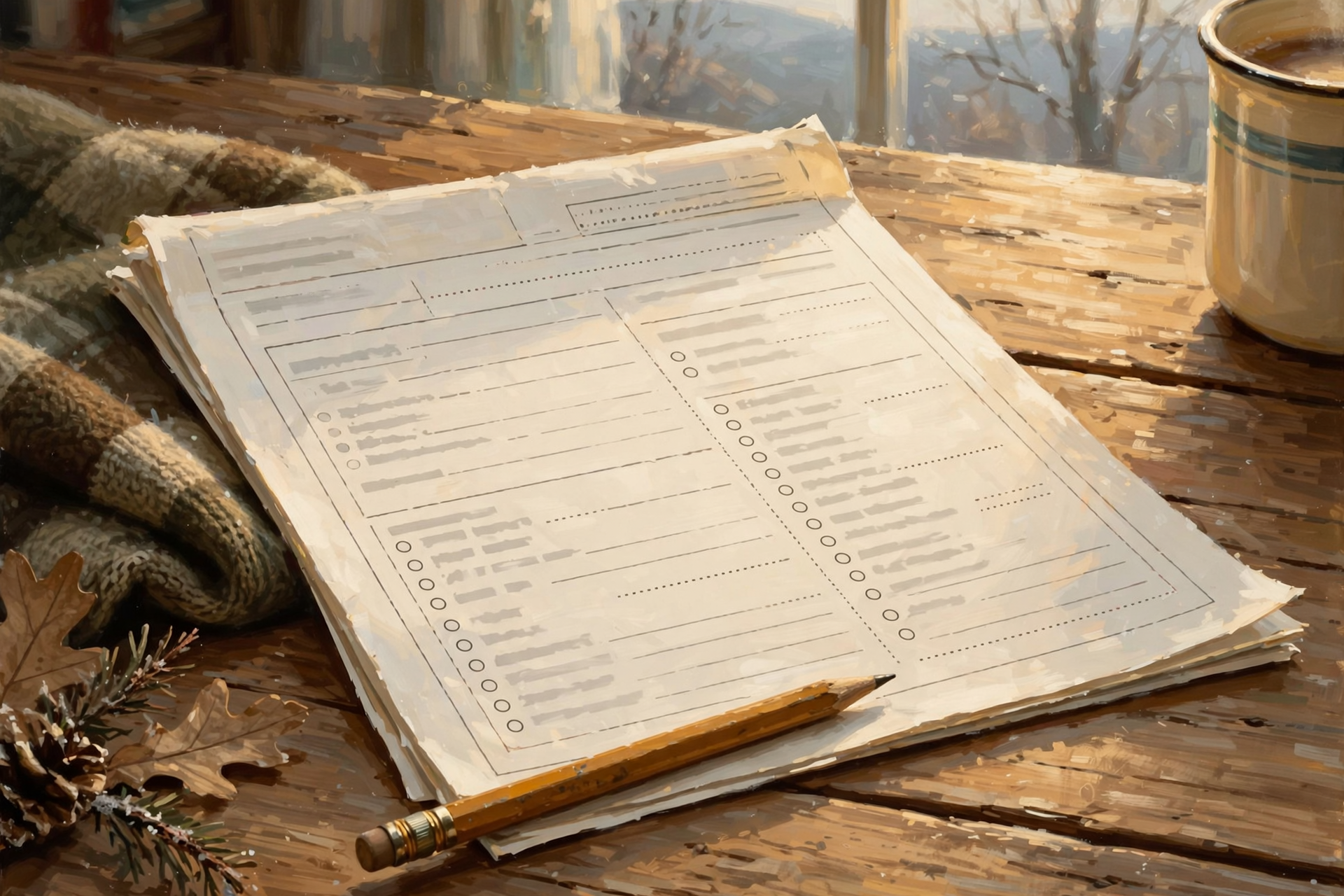
- ✅ Message says your storage is full or your photos will be deleted? Don’t tap. Check in your phone’s Settings or the app you already use.
- ✅ Picking a business by its reviews? Look at how many there are, watch for copycat wording, and check more than one site or ask a neighbor.
- ✅ FTC check in the mail? It may be real. Cash it within 90 days, and call Rust Consulting at 1-833-472-1990 with questions.
- ✅ Anyone asking you to pay to get a refund? That’s not the FTC. Hang up or toss it.
- ✅ Credit company wants money before it does anything, or tells you to dispute debts you know are yours? Walk away.
- ✅ Check your own credit reports for free at AnnualCreditReport.com.
- ✅ Already sent money or a card number? Call your bank or card company now, then local police, then report it at ReportFraud.ftc.gov.
The practical rule: Real refunds don’t cost money, real storage warnings can be checked in your own settings, and real credit help doesn’t charge before it helps.
— Dunlap.Today
📚 Plain-English Glossary
- Phishing: A fake text or email dressed up to look like a real company, meant to get you to click a link or hand over passwords or card numbers.
- Cloud storage: Space on a company’s computers (like Apple’s iCloud or Google’s) where your phone backs up photos and files.
- Fake review: A made-up online rating meant to make a business look better, or a competitor look worse, than it really is.
- Refund administrator: A company the FTC hires to mail out refund checks and answer questions. For the Walmart refunds, that’s Rust Consulting.
- Hard inquiry: A note on your credit report that shows up when you apply for new credit. Too many can lower your score for a while.
- Credit utilization: How much of your available credit you’re using. The state suggests keeping it under about 30%.
- Credit repair company: A business that says it can improve your credit. Legitimate help can’t remove accurate information, and it can’t charge you before it does the work.
❓ Frequently Asked Questions

My phone popped up a message saying my storage is full. Is that always a scam?
Not always. Phones really do fill up. The difference is where the warning comes from. A notice inside your phone’s own Settings is one thing. A text or email with a link urging you to pay right away is what the BBB is warning about. Check your storage yourself in Settings or the app you already use, and skip the link.
I clicked one of those storage links and typed in my card number. Now what?
Call your bank or card company using the number on the back of your card and tell them what happened. If you also typed in a password, change it on the real website or app. Then report it at ReportFraud.ftc.gov or BBB Scam Tracker.
How do I know if an FTC refund check is real?
The FTC says a real refund never requires you to pay anything or transfer money. For the Walmart refunds, the checks are going to people who made eligible money transfers at Walmart from January 2015 through December 2024. Questions go to Rust Consulting at 1-833-472-1990, and you can read about the case on the FTC’s Walmart Refunds page.
Do I have to apply to get the Walmart refund?
The FTC’s page describes checks being mailed to eligible people. It doesn’t list an application step. If someone calls offering to “sign you up” for a fee, that’s a red flag.
Can anybody really remove late payments from my credit report?
Not if they’re accurate. The FTC says only time removes accurate negative information. You can dispute real mistakes yourself for free with the credit reporting companies.
Where can I get free help with debt or a budget?
The FTC suggests looking for credit counseling through credit unions, universities and Cooperative Extension offices, and checking out any organization with your state attorney general before signing up. A good counselor will explain fees in writing and won’t charge before helping.
🔗 Other Resources

- Local 3 News: BBB on storage scams and fake reviews
- FTC: Walmart Refunds · Rust Consulting: 1-833-472-1990
- FTC: Recent cases resulting in refunds
- TN Commerce & Insurance: Tips to improve your credit score · Securities Division: 800-863-9117
- FTC: How to get out of debt and spot credit repair scams
- AnnualCreditReport.com (official free credit reports)
- Report a scam: ReportFraud.ftc.gov
- BBB Scam Tracker · Chattanooga BBB: 423-266-6144
🌄 Slow Down, Look It Up Yourself, and Keep the Good News Coming

Here’s the calm takeaway: this week’s tricks all count on you trusting the message in front of you instead of checking. You don’t have to be a computer whiz to beat them. Look at your storage in your own settings, ask a neighbor about that business, look up a refund on the FTC’s real site, and take your time with anyone who wants money before they help. And if an honest FTC check turns up in your mailbox, go ahead and enjoy it.
Share this with a friend who’s always worried about losing their pictures, or with whoever in the family handles the bills. We’ll keep watch and bring you what’s new. Read Dunlap.Today and sign up for our newsletter for plain-English scam alerts and Valley news.



0 Comments