
🐄 Local Farm Raises Questions About Industrial Agriculture and Consumer Choice 🥩
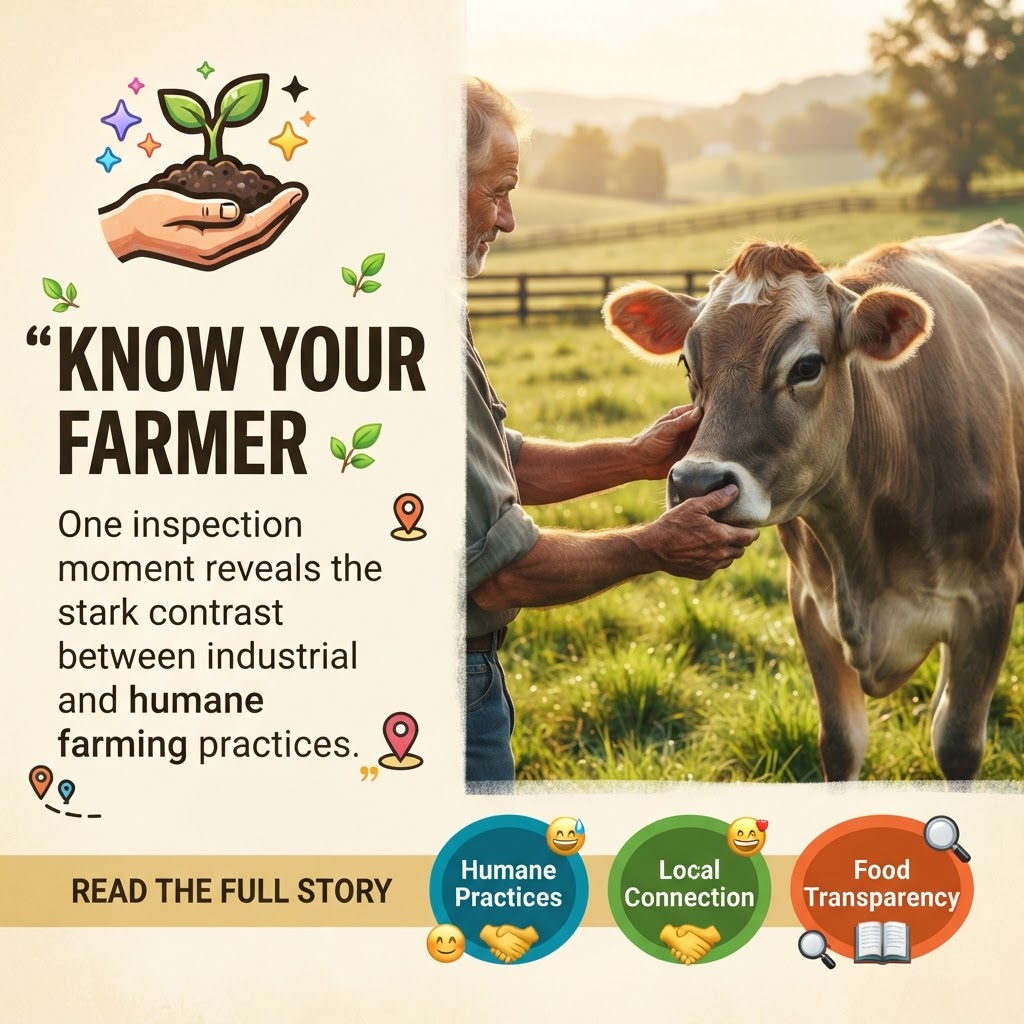
A moment at a USDA inspection facility has sparked a conversation about farming practices and what it means to support local agriculture in the Sequatchie Valley region. The contrast between industrial-scale livestock operations and smaller, independent farms highlights growing consumer interest in knowing where food comes from and how animals are raised.
❤️ What Happened
Heartwood Farm, a local operation raising Canadian cattle, recently documented a striking scene while waiting for a USDA customs inspection. 📹 Four semi-trucks loaded with market hogs were also waiting to be inspected—hundreds of pigs confined so tightly they could barely move, according to the farm’s account. The observation prompted reflection on the conditions animals experience throughout their lives in industrial agriculture, not just at the point of slaughter.
💭 Why This Matters
The post raises questions that resonate beyond farming circles. 🤔 Every food purchase represents a choice—and that choice supports a particular system of production. For consumers in the Sequatchie Valley and beyond, this moment illustrates the difference between industrial-scale livestock operations and smaller farms practicing alternative methods like rotational grazing and humane animal handling. The visibility of industrial agriculture’s scale can shift how people think about their grocery decisions and the farmers they support.
Beyond individual choice, the observation touches on broader concerns: animal welfare, food quality, and the stress hormones that may accumulate in meat from animals raised under high-stress conditions. These are questions many families are beginning to ask as they shop and cook.
🌾 Community Connections
Heartwood Farm‘s message connects to a growing network of local and regional farmers who practice rotational grazing, humane animal handling, and direct-to-consumer sales. 🤝 In the Sequatchie Valley, where agricultural heritage runs deep, there is a visible movement toward smaller-scale, relationship-based farming. The farm’s use of hashtags like #knowyourfarmer and #localfarmers reflects a broader community effort to build connections between producers and consumers—relationships that didn’t exist when food traveled through industrial supply chains.
This conversation also touches on the work of farmers’ markets, farm-to-table restaurants, and community-supported agriculture (CSA) programs that have emerged across the region. These initiatives exist partly because consumers want alternatives to industrial agriculture and want to know the people growing their food.
👥 Human Impact
For farmers like those at Heartwood Farm, the choice to raise animals differently often means more labor, smaller profit margins, and a commitment to practices that prioritize animal welfare over maximum production. 💪 These farmers are betting that consumers will value quality, humane practices, and local relationships enough to support their work.
For consumers, the impact is more subtle but significant. Choosing local, humanely raised meat may cost more at the register, but it represents a direct relationship with the person raising the animal. It also means knowing that the animal lived differently—with space to move, access to pasture, and lower stress throughout its life. For families concerned about food quality, animal welfare, or supporting local economies, these choices align their purchases with their values.
🏘️ Local Perspective
The Sequatchie Valley has a long history of agriculture, and the region is home to both industrial operations and independent farmers experimenting with alternative practices. 🌄 This moment at the inspection facility reflects a tension playing out across rural America: the dominance of industrial agriculture versus the persistence of smaller operations trying to do things differently. In a region where farming is part of community identity, these choices matter not just economically but culturally.
The observation also speaks to a trend visible in the valley and surrounding areas: younger farmers and established operations are increasingly turning to direct sales, farmers’ markets, and word-of-mouth marketing to reach consumers who value their approach. This represents a shift in how local food systems are being rebuilt.
🤝 Opportunities for Connection
For residents interested in supporting local, humanely raised meat and learning more about farming practices, several pathways exist:
- 🛒 Direct farm purchases: Many local farms, including those practicing rotational grazing and humane animal handling, sell directly to consumers through farm visits, online ordering, or delivery.
- 🌾 Farmers’ markets: Regional farmers’ markets offer opportunities to meet producers, ask questions about their practices, and build relationships.
- 📦 Community-supported agriculture (CSA): CSA programs allow consumers to subscribe to regular deliveries of local meat, produce, and dairy while supporting farmers directly.
- 💬 Farm visits: Many local farms welcome visitors to see their operations, understand their practices, and connect with the people behind the food.
- 📱 Social media and local networks: Following local farms on social media and joining community food groups helps residents stay informed about what’s available and how to support local agriculture.
📍 What Residents Should Know
If you’re interested in learning more about local farming practices and supporting farmers in the Sequatchie Valley region, here are practical steps:
- Ask farmers about their practices: rotational grazing, animal welfare standards, and how long animals spend on pasture.
- Look for hashtags like #knowyourfarmer, #localfarmers, #berkshirepork, and #humanelyraised on social media to find farms in your area.
- Visit local farmers’ markets and ask vendors about their operations.
- Consider joining a CSA or placing a direct order with a local farm to try their products.
- Share your experiences and recommendations with friends and family—word-of-mouth is how local food networks grow.
🔮 What Happens Next
This conversation is likely to continue and deepen. 📈 As more consumers become aware of industrial agriculture’s scale and practices, demand for alternatives may grow. Local farms practicing humane and sustainable methods will likely continue to expand their reach through social media, farmers’ markets, and direct sales. At the same time, industrial agriculture will continue to dominate the broader food system—the contrast between the two will remain stark.
For the Sequatchie Valley specifically, the question becomes: Will the region’s agricultural identity shift toward smaller-scale, relationship-based farming? Or will industrial operations continue to define the landscape? The answer depends partly on consumer choices and partly on whether local farms can scale their operations while maintaining their values.
🌱 Long-Term Community Impact
Over time, the choices residents make about where to buy food can reshape local agriculture and the economy that depends on it. 💰 If more consumers choose local, humanely raised meat, more farmers may transition to or remain in those practices. This could mean more jobs in local food production, stronger relationships between farmers and consumers, and a food system more resilient to supply chain disruptions.
It could also mean higher food costs for some families—a real barrier that shouldn’t be overlooked. The long-term impact depends on whether local food systems can become more efficient and accessible while maintaining their values, and whether communities prioritize supporting local agriculture as part of their identity and economy.
🧵 Community Threads: The Invisible Connections
Thread 1: Farmer-to-Consumer Relationships 🤝
Industrial agriculture broke the direct relationship between farmers and eaters. Local farms are rebuilding it. When you know your farmer, you know your food—and you’re more likely to support practices you believe in. This thread connects individual purchases to farm survival and community values.
Thread 2: Agricultural Heritage and Identity 🌾
The Sequatchie Valley’s identity is rooted in farming. The choice between industrial and alternative agriculture isn’t just economic—it’s about what kind of community residents want to be. Farms practicing rotational grazing and humane animal handling are keeping agricultural traditions alive while adapting them to modern values.
Thread 3: Food Quality and Family Health 🥗
Families concerned about what they eat are increasingly asking questions about animal welfare, stress hormones, and production methods. Local farms offering transparency and humane practices appeal to these concerns. This thread connects personal health decisions to support for local agriculture.
Thread 4: Economic Support for Independent Farmers 💵
Every dollar spent at a local farm stays in the community and supports a family trying to farm differently. This thread connects consumer spending to local economic resilience and the survival of farming as a viable livelihood in the region.
Thread 5: Environmental Stewardship 🌍
Rotational grazing and smaller-scale farming often have lower environmental impacts than industrial operations. Residents who care about land health, water quality, and soil conservation can support these practices through their food choices. This thread connects personal environmental values to land management decisions.
❓ Questions for Reflection
As you think about this story and its implications for your community, consider:
- What does “knowing your farmer” mean to you, and how might it change your food choices?
- How do you currently decide where to buy meat and other food products, and what factors matter most to you?
- If local, humanely raised meat costs more, what would make it worth the extra expense—or what barriers would prevent you from choosing it?
- How might supporting local farms affect your community’s economy, environment, and identity over the next 5–10 years?
- What role do you think farmers’ markets, CSAs, and direct farm sales should play in your region’s food system?

0 Comments