
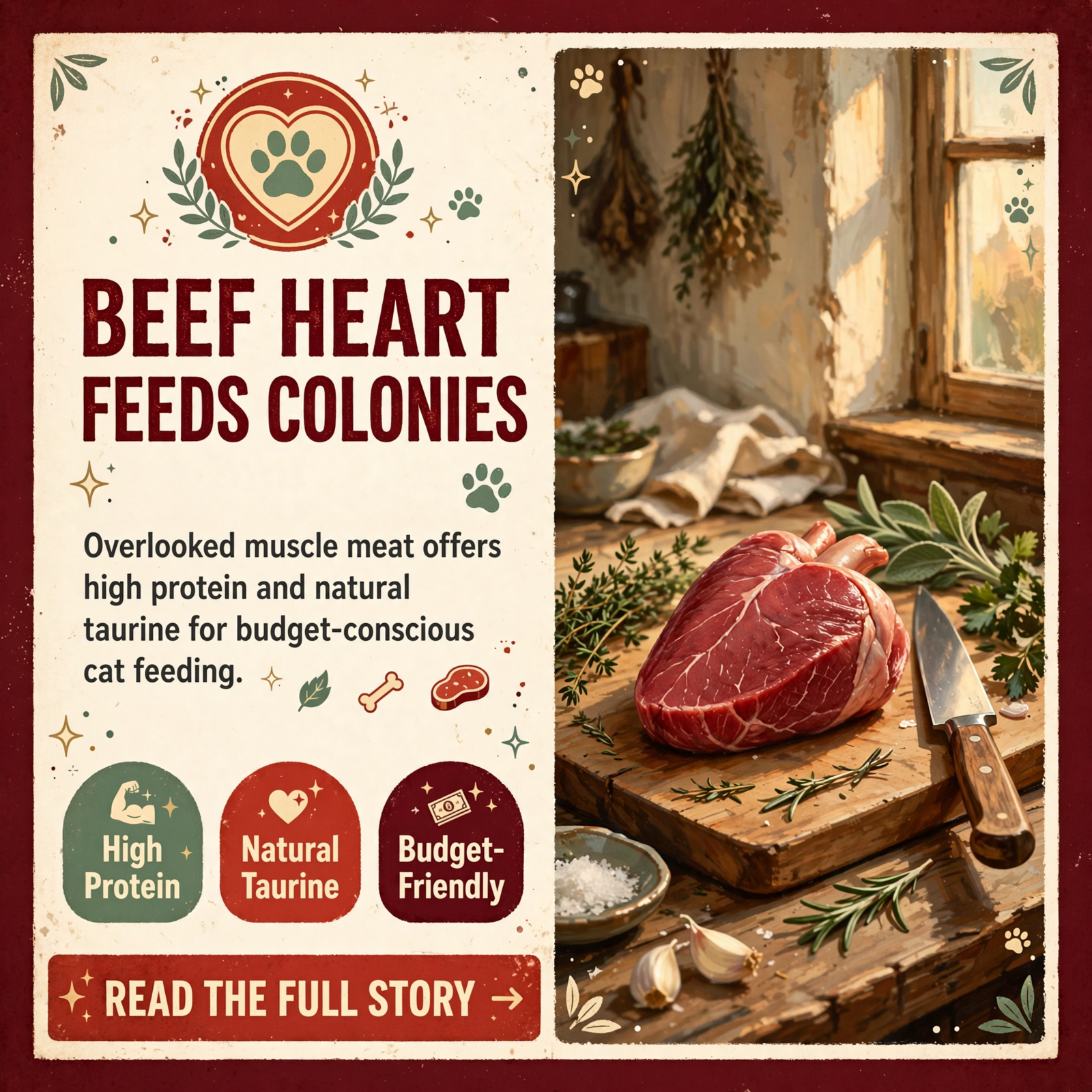
❤️ Beef Heart for Cats: Another Overlooked Muscle With an Interesting Nutritional Story
🐾 The Scaredy Cat Project — Article #13
We’ve already learned something interesting about chicken hearts.
They’re technically organs.
But nutritionally, they’re mostly muscle.
Now let’s take that same idea and make it considerably larger.
Beef heart.
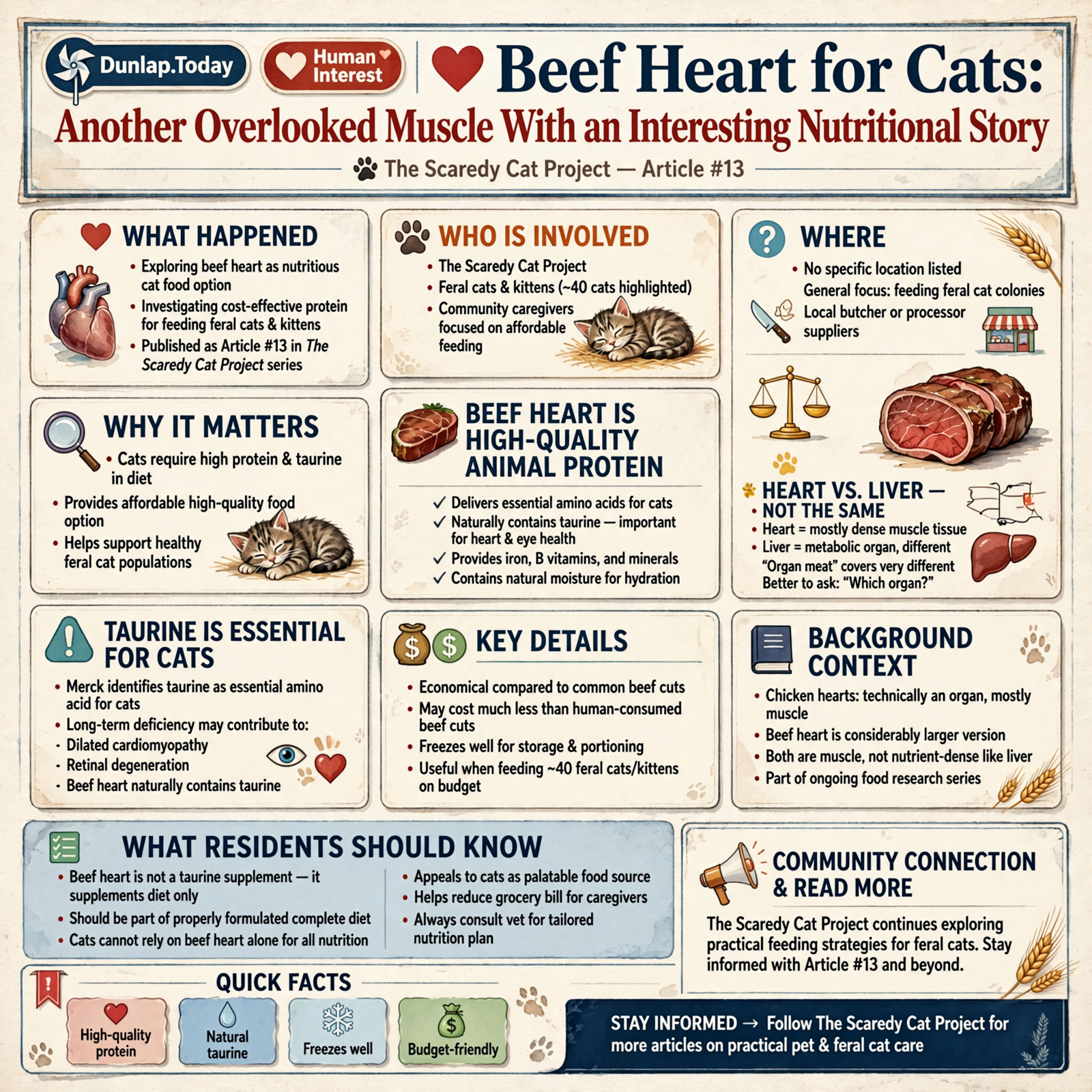
If you’re trying to feed roughly 40 feral cats and kittens without making the grocery bill ridiculous, beef heart immediately gets my attention.
It can provide high-quality animal protein.
It naturally contains taurine.
It freezes well.
And depending on the butcher or processor, it may cost much less than the familiar beef cuts humans compete for.
That combination deserves a closer look.
❤️ First: Is Beef Heart an Organ Meat?
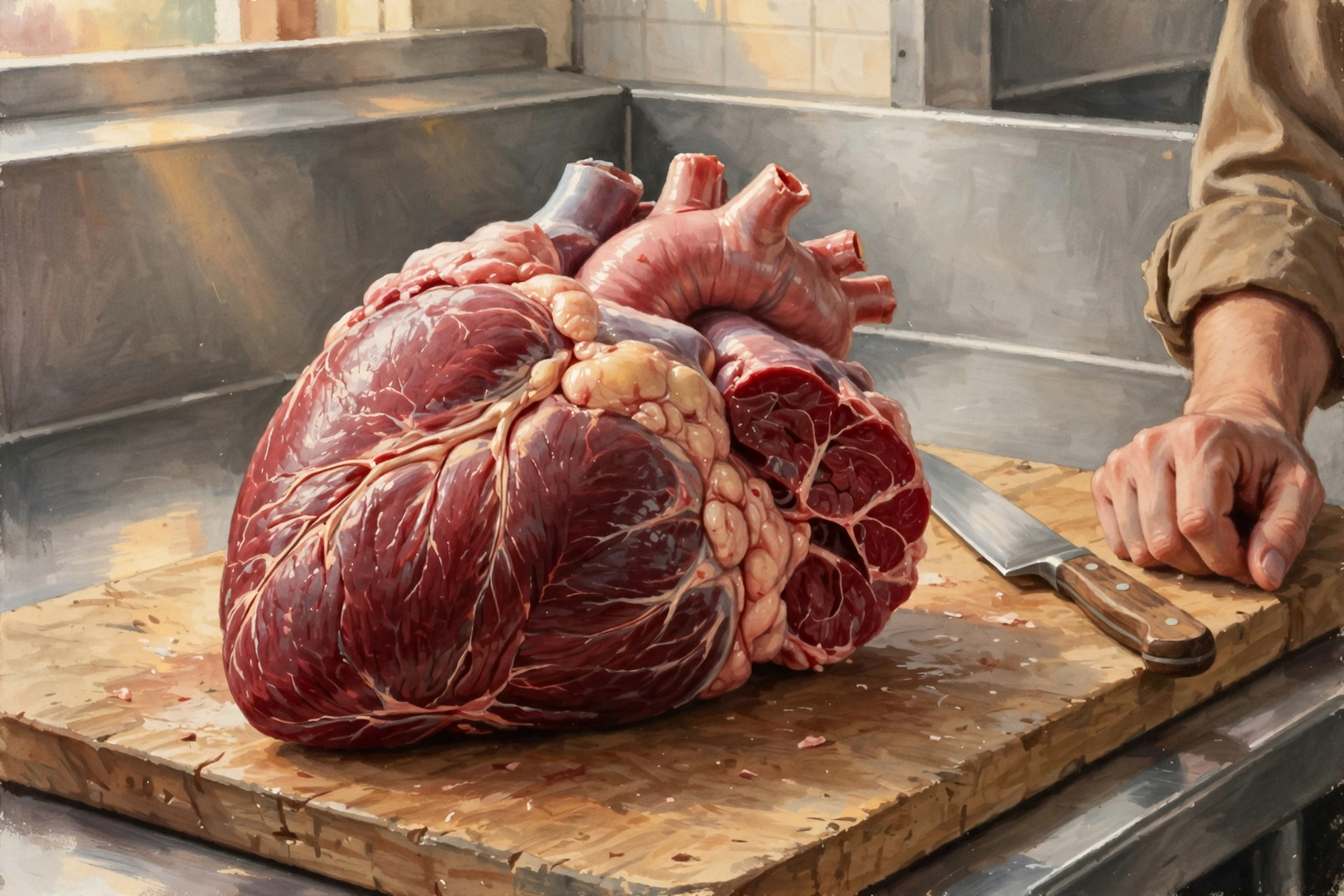
Yes.
Anatomically, absolutely.
The heart is an organ.
But nutritionally, the word organ can be misleading.
A heart is built primarily from specialized muscle tissue whose job is to contract continuously and pump blood.
So beef heart behaves much more like dense muscle meat than like nutrient-concentrated liver.
That distinction matters.
🫀 Heart and Liver Are Not Nutritionally Interchangeable
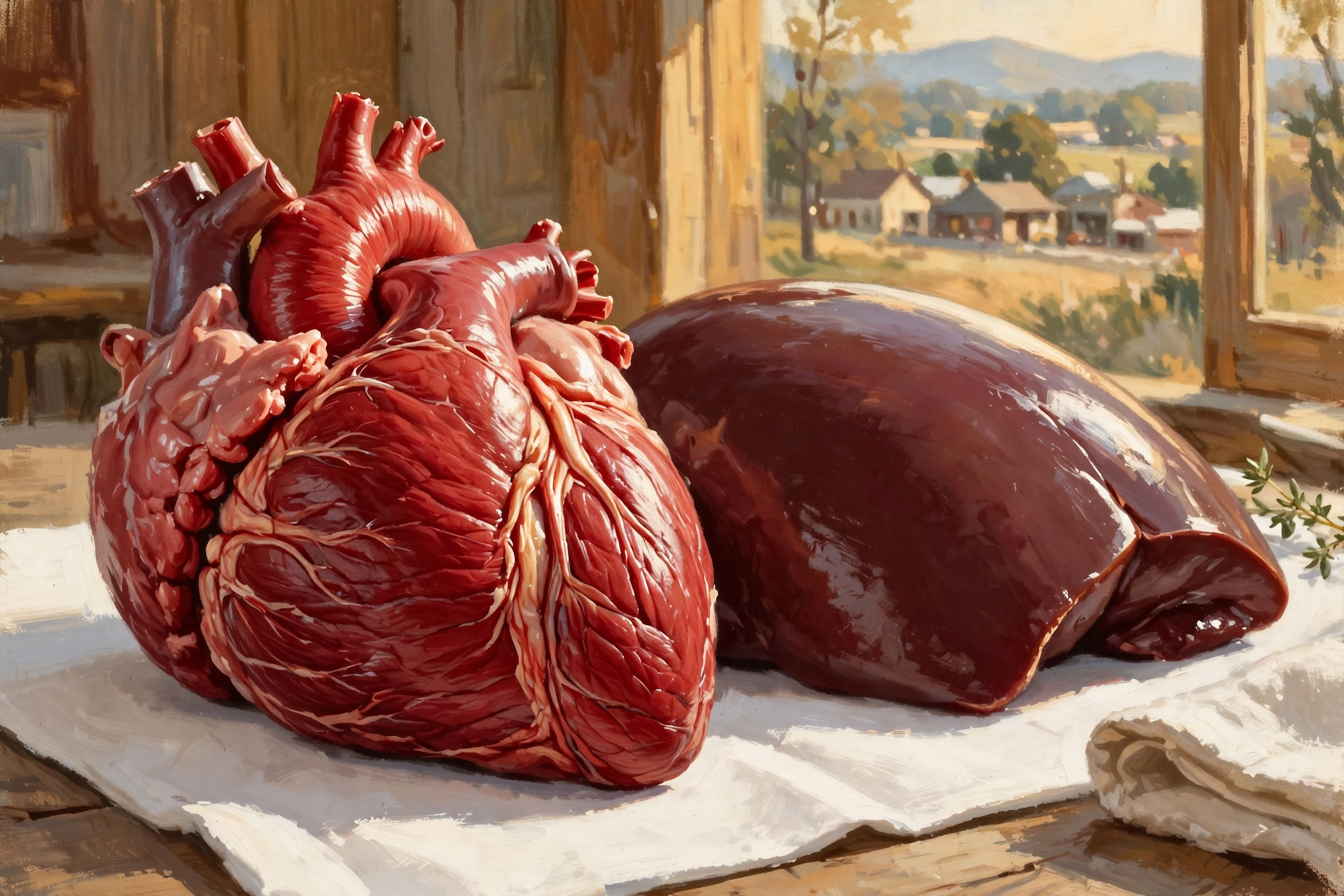
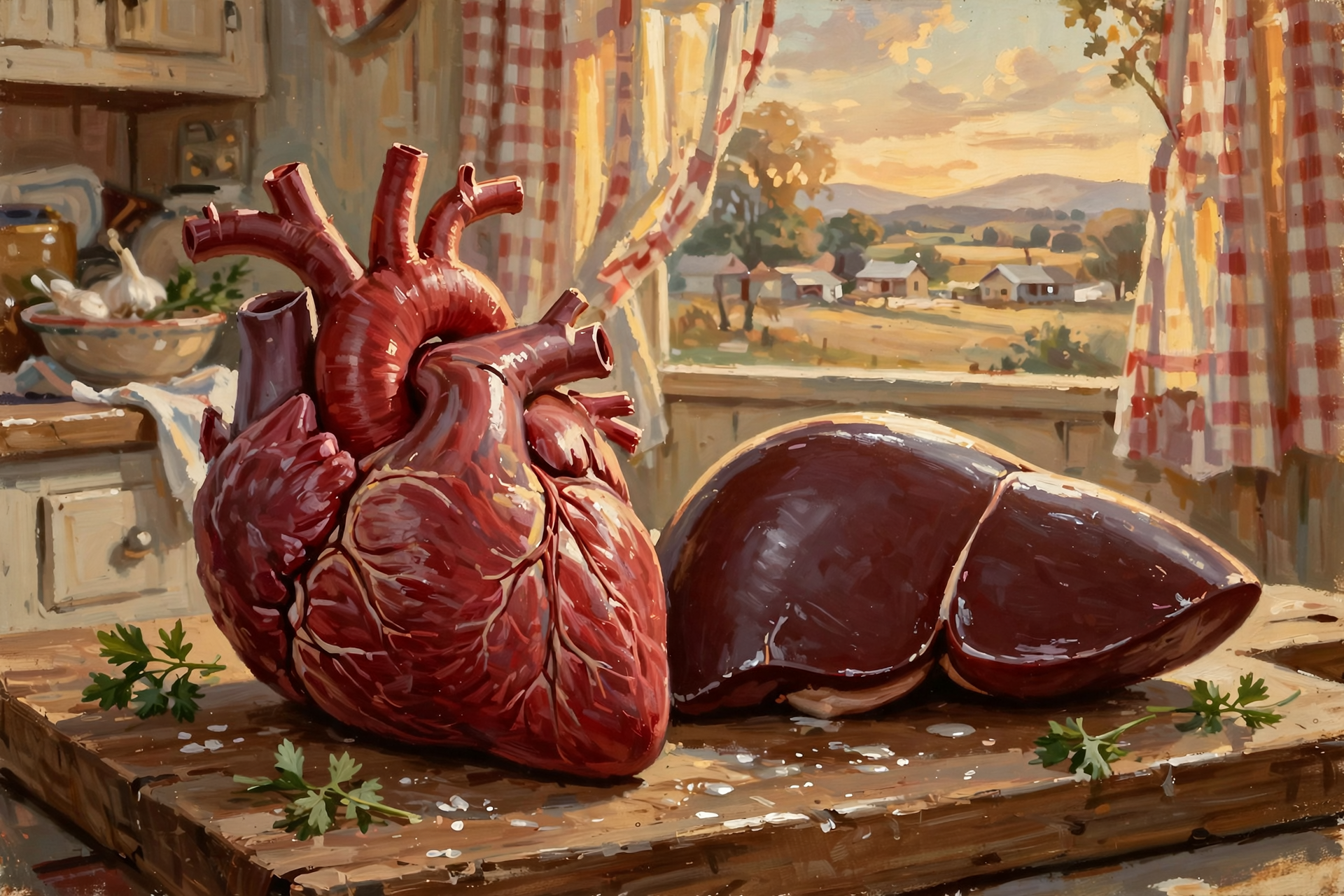
This keeps coming up in The Scaredy Cat Project because ordinary language makes several very different foods sound alike.
Heart?
Organ.
Liver?
Organ.
Kidney?
Organ.
But nutritionally, those tissues have very different jobs and very different nutrient profiles.
Beef heart is mostly muscular tissue.
Liver is a highly active metabolic organ packed with certain vitamins and minerals.
So feeding heart does not provide the same nutritional contribution as feeding liver.
That’s another reason I’m increasingly suspicious of the phrase:
“organ meat.”
The better question is:
“Which organ?”
🥩 Beef Heart Is High-Quality Animal Protein
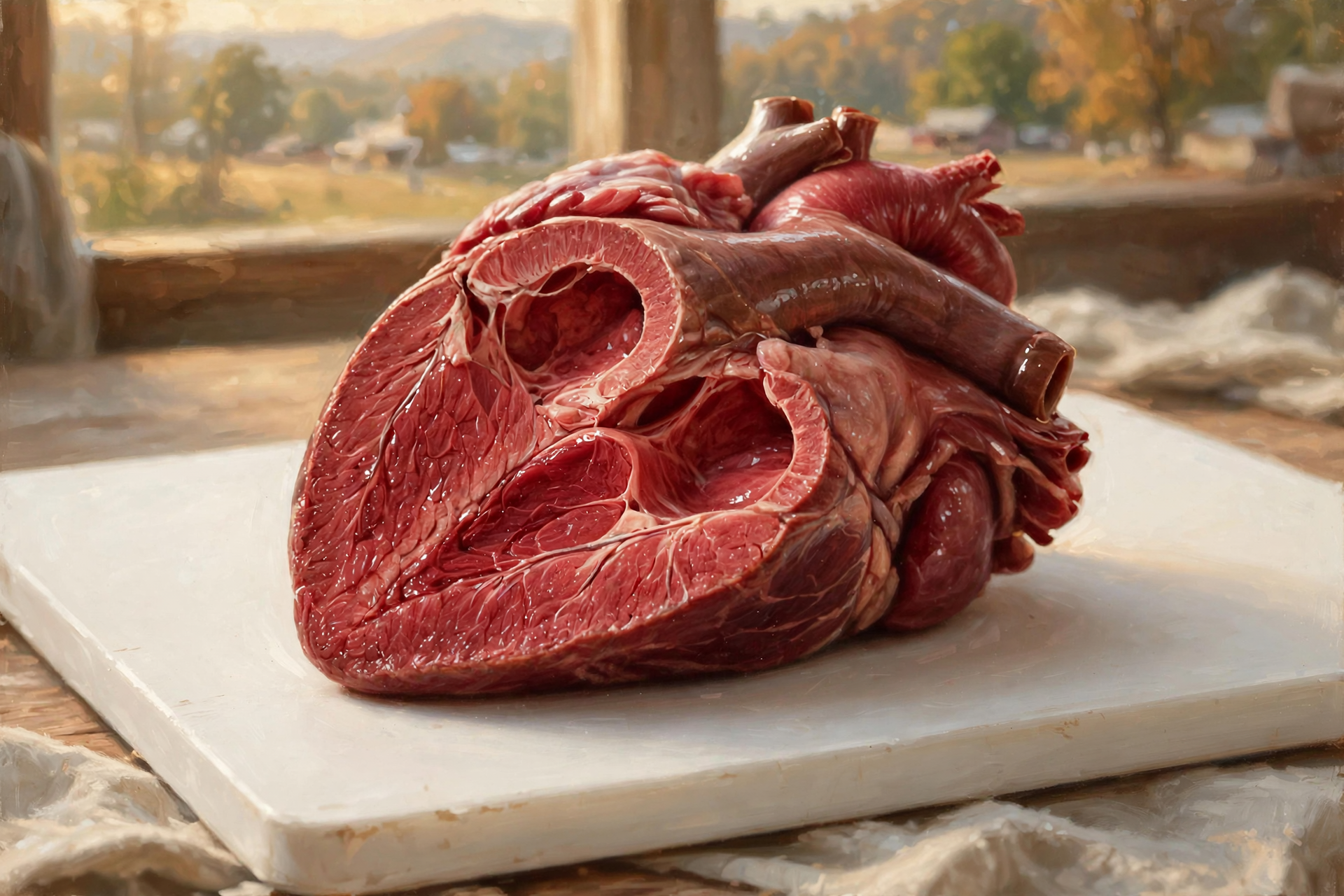
Cats have relatively high protein requirements compared with dogs.
Merck notes that adult cats require more dietary protein than adult dogs, and growing kittens require still more. Cats also have a specific dietary requirement for taurine. ([merckvetmanual.com](https://www.merckvetmanual.com/management-and-nutrition/nutrition-small-animals/overview-of-nutrition-small-animals))
That makes animal muscle tissue immediately relevant.
Beef heart can provide:
- 🥩 High-quality animal protein
- 🧬 Essential amino acids
- ❤️ Naturally occurring taurine
- 🩸 Iron
- 💊 B vitamins
- ⚙️ Other minerals
- 💧 Natural moisture
That’s a respectable nutritional package.
❤️ Taurine Is the Ingredient That Gets Everyone’s Attention
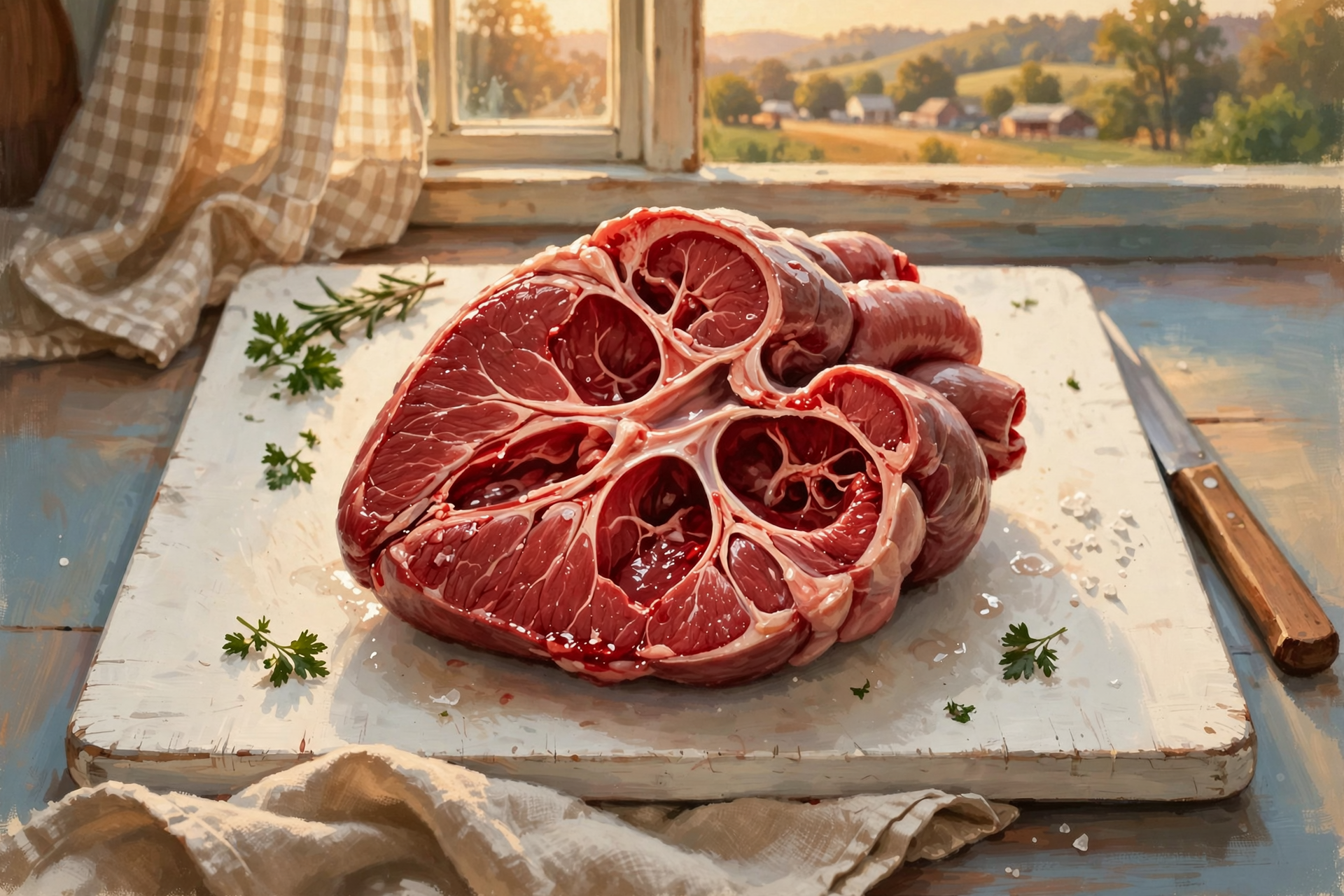
We’ve discussed taurine repeatedly because cats genuinely need it.
Merck identifies taurine as an essential amino acid for cats. Long-term deficiency can contribute to dilated cardiomyopathy and retinal degeneration. ([merckvetmanual.com](https://www.merckvetmanual.com/management-and-nutrition/nutrition-small-animals/overview-of-nutrition-small-animals))
That’s one reason hearts are so interesting.
Heart tissue naturally contains taurine.
But this is also where people can make a logical mistake.
Contains taurine
does not mean:
provides every nutrient a cat needs.
Those are very different claims.
🐱 Beef Heart Is Not a Taurine Supplement With Legs
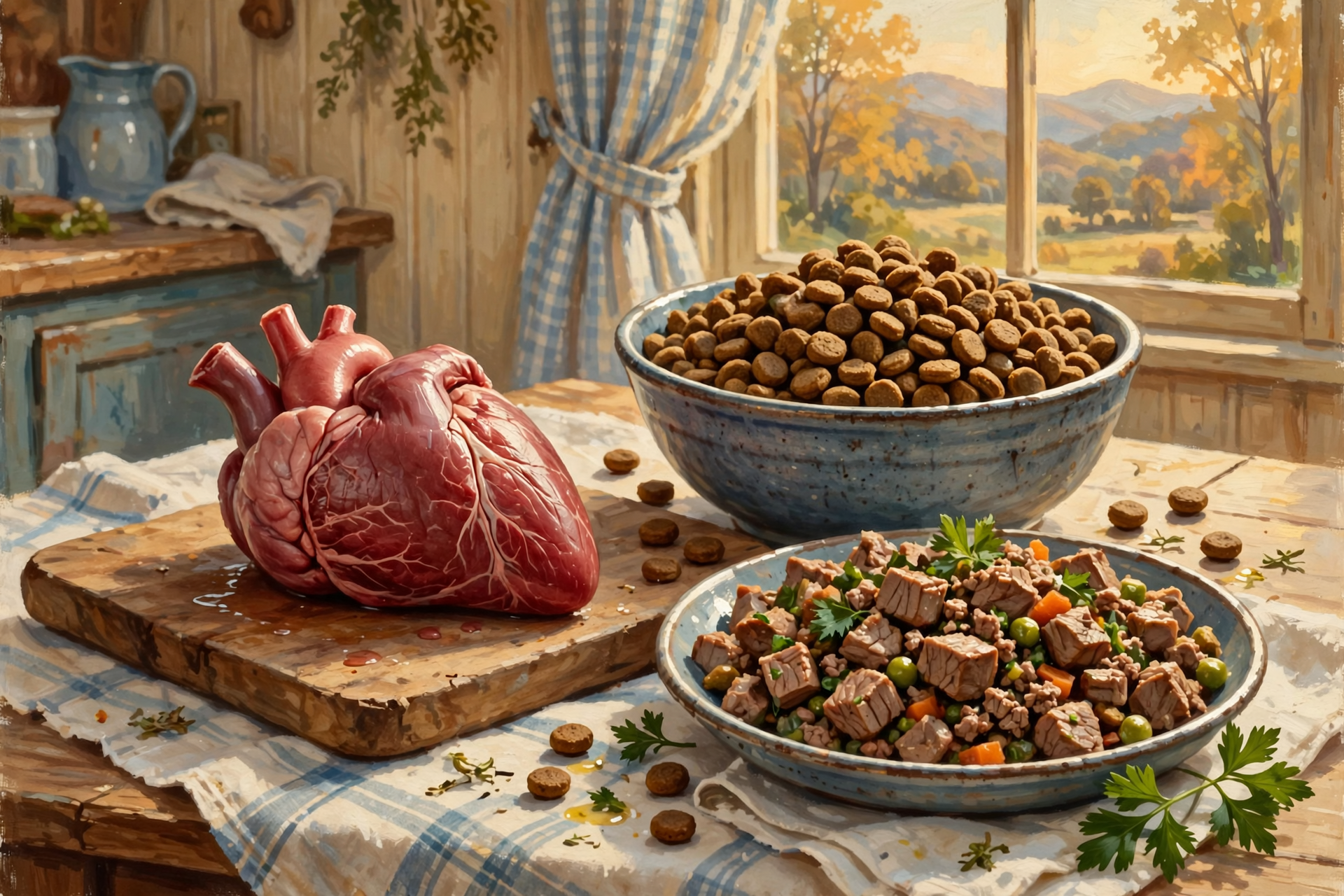
Or hooves.
You get the idea.
If a cat has a properly formulated complete diet, we’re not using beef heart because we need to independently calculate the cat’s taurine requirement.
We’re investigating it because beef heart may be:
- 🥩 Useful animal protein
- ❤️ Naturally taurine-containing
- 💵 Economically attractive
- 😸 Appealing to cats
- 🏡 Locally available
The complete food remains responsible for delivering the overall nutritional architecture.
⚠️ Once Again: Beef Heart Is Not a Complete Diet
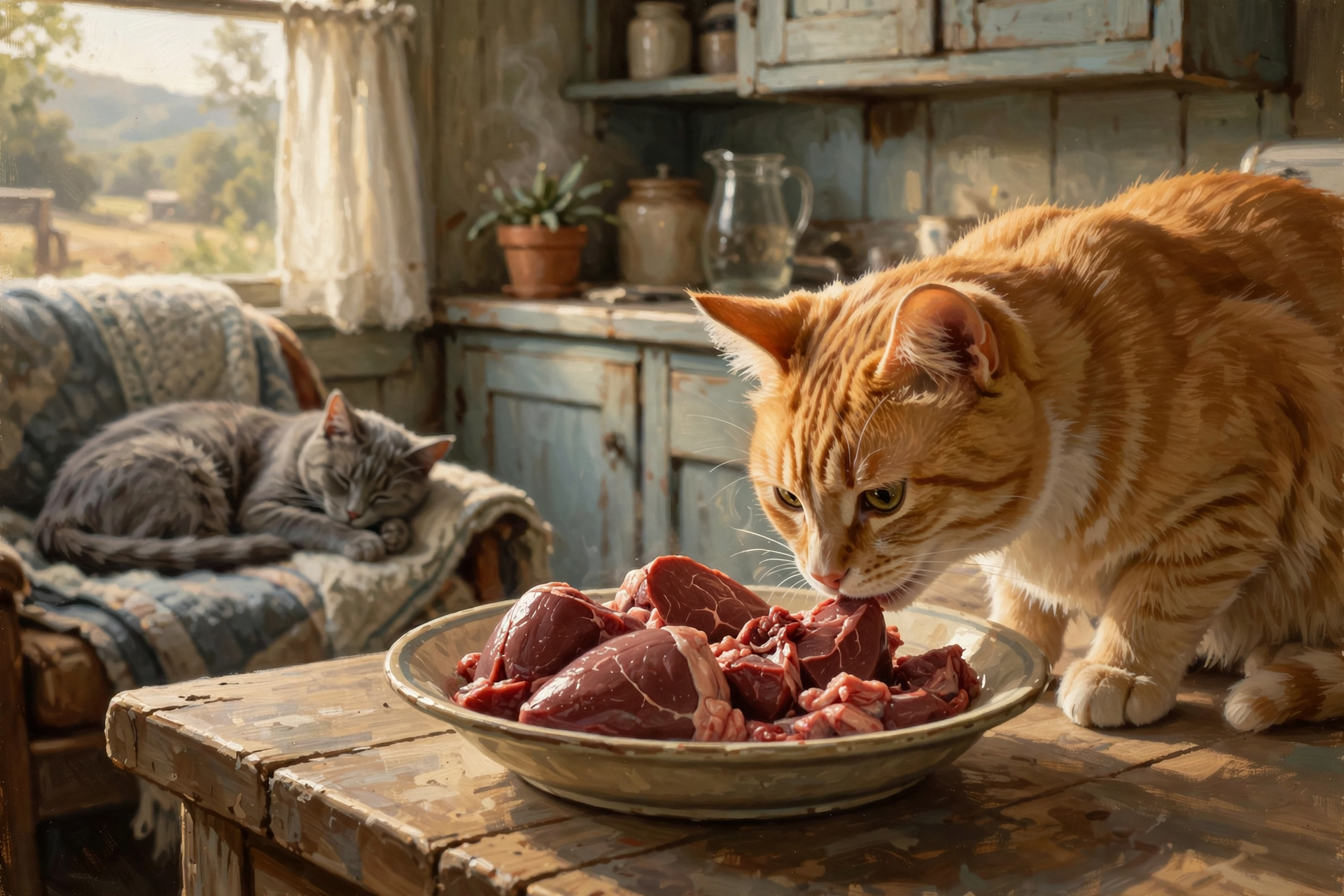
Regular readers can probably say this with me now.
A nutritious ingredient is not automatically a complete diet.
Beef heart provides useful protein.
It provides taurine.
It provides several vitamins and minerals.
But it does not provide every nutrient cats require in the correct proportions.
Merck specifically warns that diets based predominantly on meat can create calcium deficiency and other nutritional imbalances. ([merckvetmanual.com](https://www.merckvetmanual.com/management-and-nutrition/nutrition-small-animals/nutritional-requirements-of-small-animals))
So a bowl full of beef heart may look like excellent cat food.
And still be incomplete.
🦴 Calcium Is Still the Problem With Muscle Meat
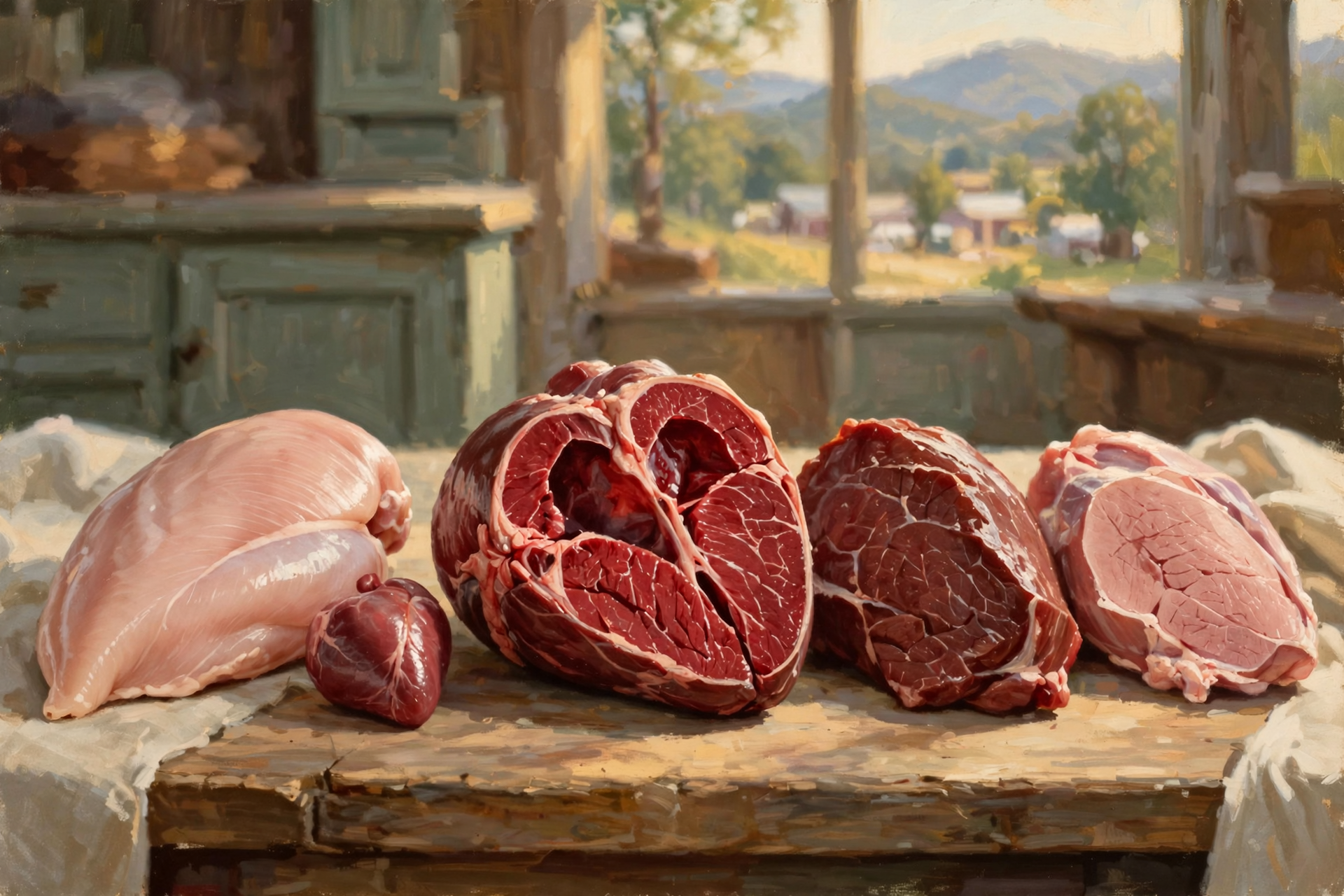
This is becoming one of the recurring themes of the series.
Muscle meat contains phosphorus.
It contains relatively little calcium.
Cats need both in appropriate proportions.
That means beef heart has the same fundamental limitation as:
- 🍗 Chicken breast
- ❤️ Chicken heart
- 🍗 Chicken gizzard
- 🦌 Venison muscle meat
- 🐇 Rabbit muscle meat
Excellent protein does not automatically mean balanced minerals.
🐔 Beef Heart Versus Chicken Heart
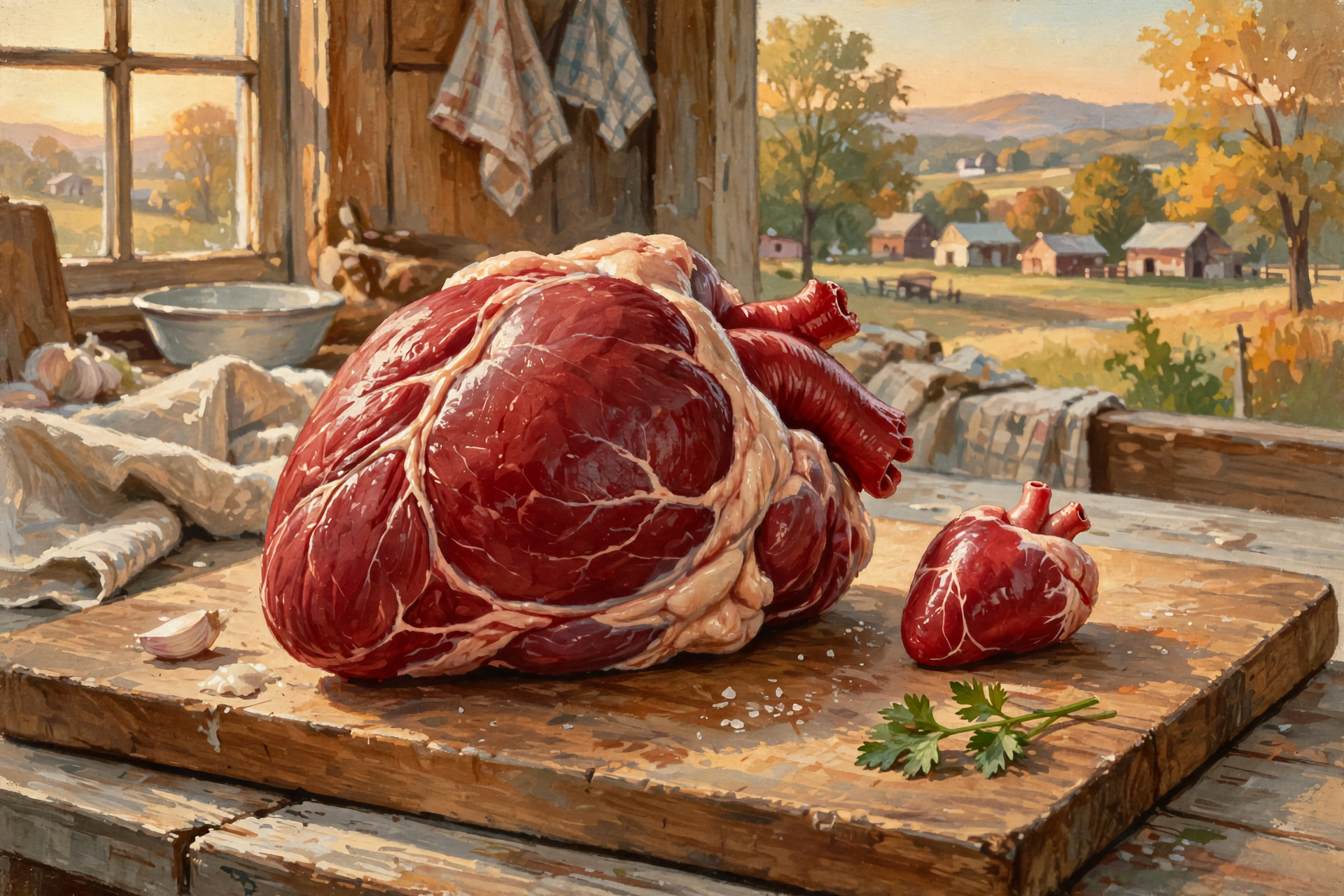
This comparison is probably what most readers want.
❤️ Chicken Heart
Small.
Easy to portion.
Easy to freeze.
Useful animal protein.
Naturally contains taurine.
May be inexpensive depending on local demand.
❤️ Beef Heart
Much larger.
Dense.
Needs cutting and portioning.
Useful animal protein.
Naturally contains taurine.
Potentially very economical if sourced through a processor.
Nutritionally, the basic idea is similar.
The bigger difference for The Scaredy Cat Project may be:
price, availability and processing effort.
💰 Beef Heart Could Be More Interesting at the Processor Than at the Grocery Store
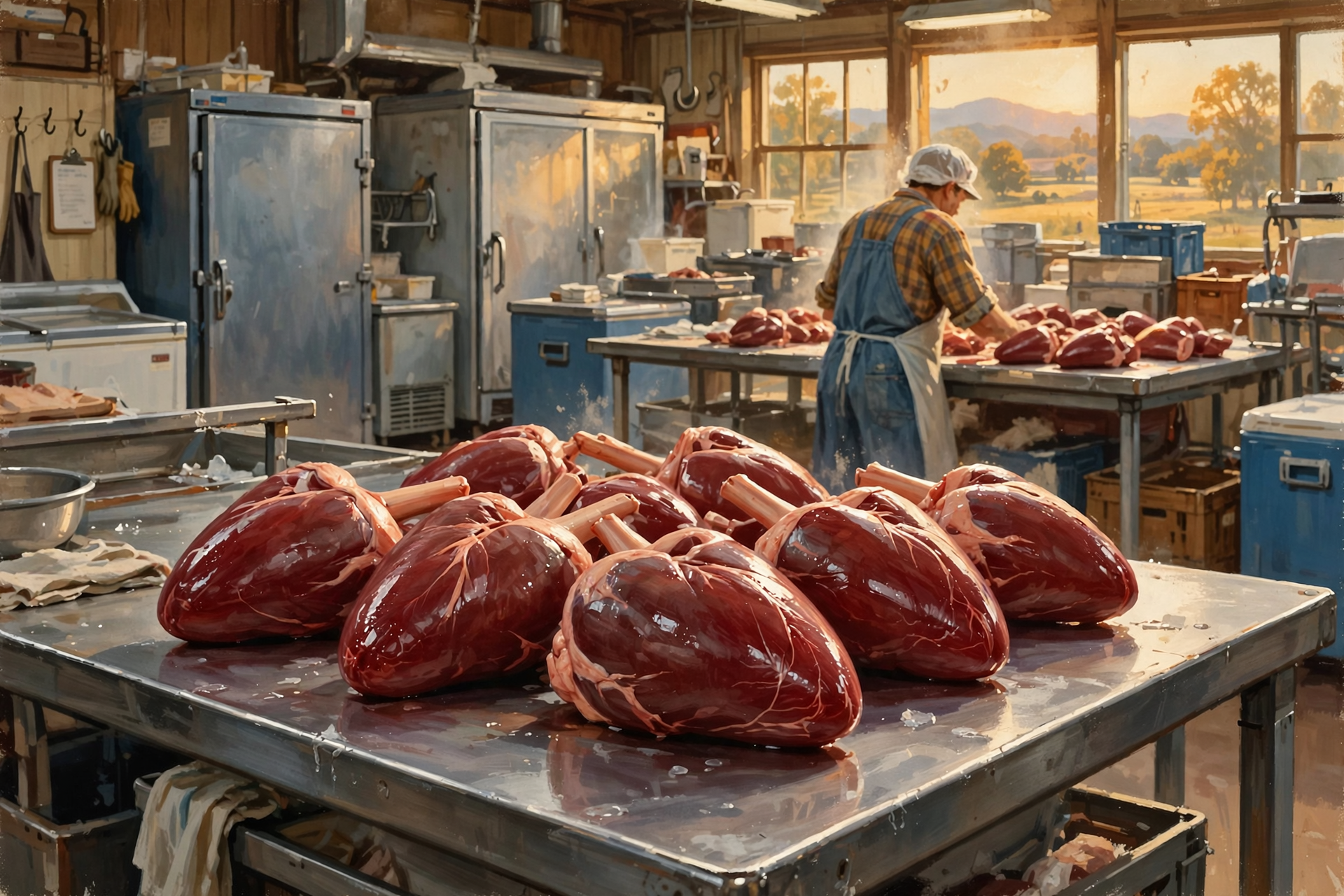
This is where I think the local angle becomes particularly important.
A grocery store may package beef heart as a specialty item.
A butcher or beef processor sees the heart every time an animal is processed.
That creates several questions:
- 🥩 Is there strong human demand for beef heart?
- 💵 What does it sell for?
- 🧊 Is it routinely frozen?
- ♻️ Does any safe usable heart go unwanted?
- 📦 Can it be purchased in larger quantities?
Those answers determine whether beef heart is merely interesting nutritionally or genuinely useful economically.
🐄 One Cow Produces a Pretty Big Heart
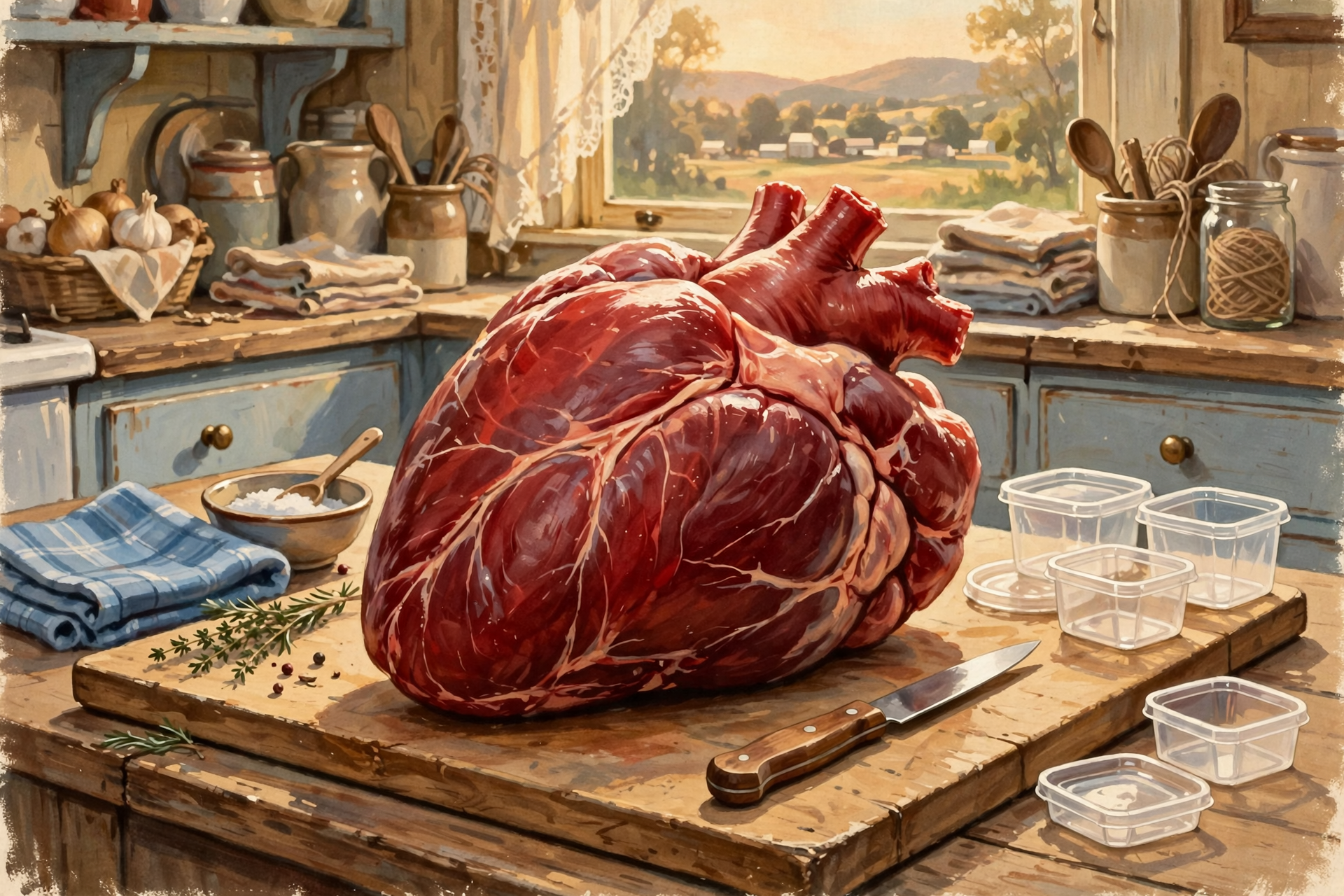
This sounds obvious until you compare it with chicken hearts.
Chicken hearts come in little packages of little hearts.
A beef heart is a large piece of meat.
That could actually make it more practical for colony feeding.
One heart can be:
- 🔪 Trimmed
- ⚖️ Divided into measured portions
- 🧊 Frozen
- 📅 Dated
- 🔄 Used gradually
That turns one lower-demand beef product into many supplemental feedings.
🔪 Beef Heart Requires a Little More Preparation
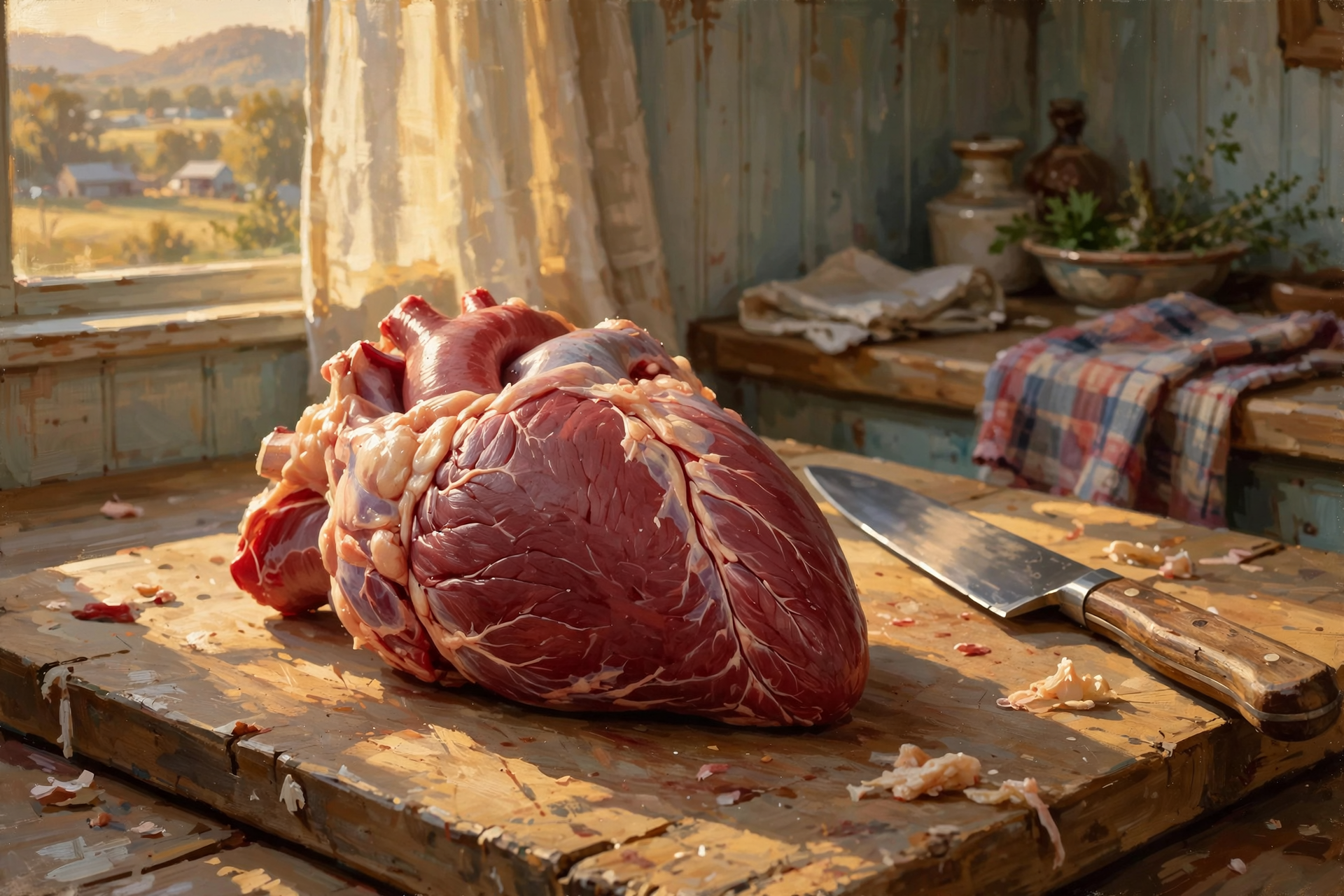
A whole beef heart isn’t something I’d simply throw into the yard and invite forty cats to negotiate.
It may contain:
- 🥩 Dense muscle
- 🧈 Fat
- 🧬 Connective tissue
- 🩸 Blood vessels
That means preparation probably involves trimming and cutting it into smaller pieces.
For our purposes, that extra labor becomes part of the real cost.
💵 The Cheapest Food Can Become Expensive If It Takes Forever to Prepare
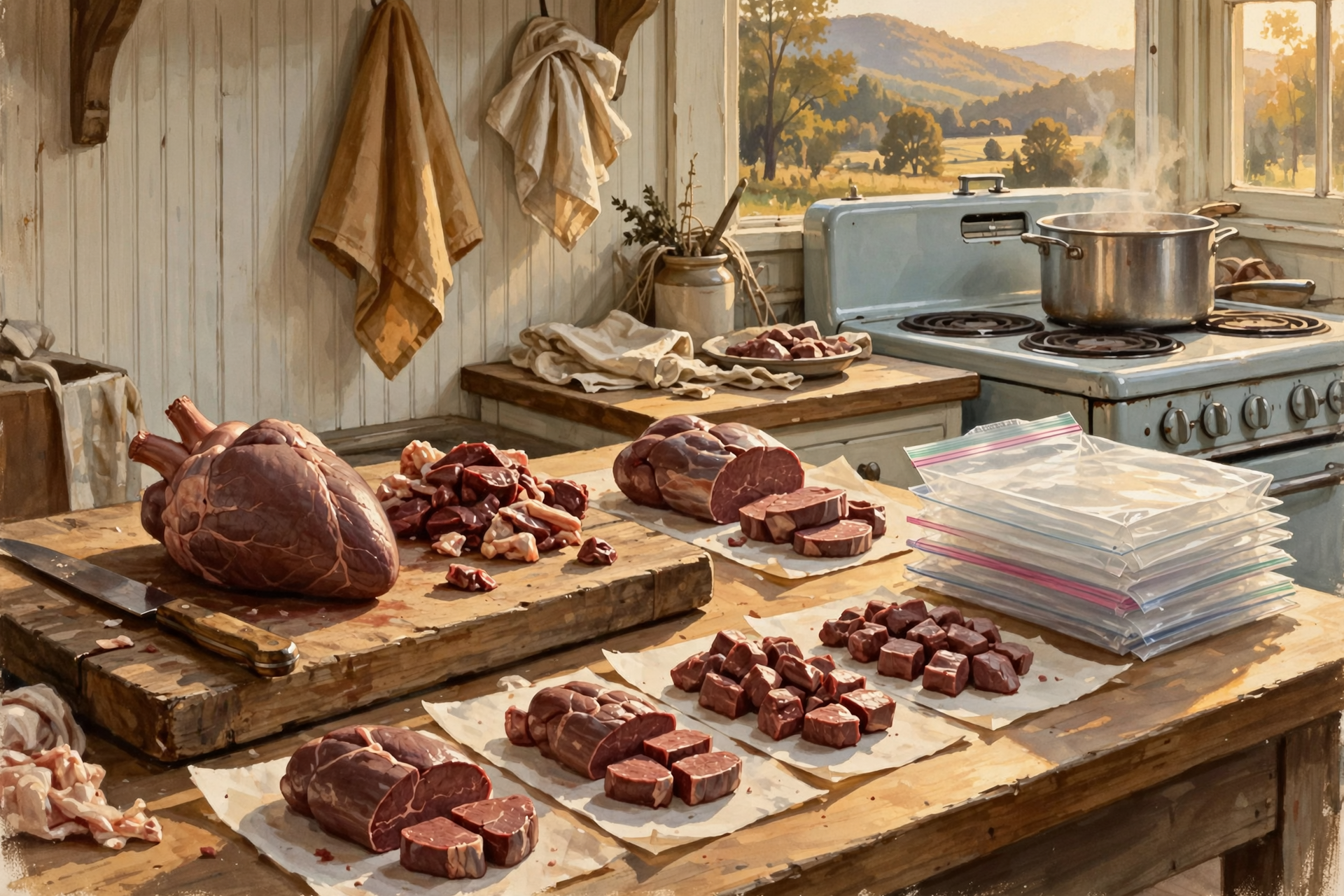
This is another lesson the project keeps teaching me.
Suppose beef heart costs $1 per pound.
Excellent.
But suppose every 20-pound batch requires:
- 🚗 An hour-long pickup trip
- 🔪 Significant trimming
- ⚖️ Portioning
- 🧊 Freezer packaging
- 🍳 Cooking
- 🧹 Cleanup
It’s still probably useful.
But it’s not simply “one-dollar meat.”
Our ingredient database needs to eventually recognize:
purchase cost + handling cost + storage cost + waste.
🍳 Raw or Cooked?
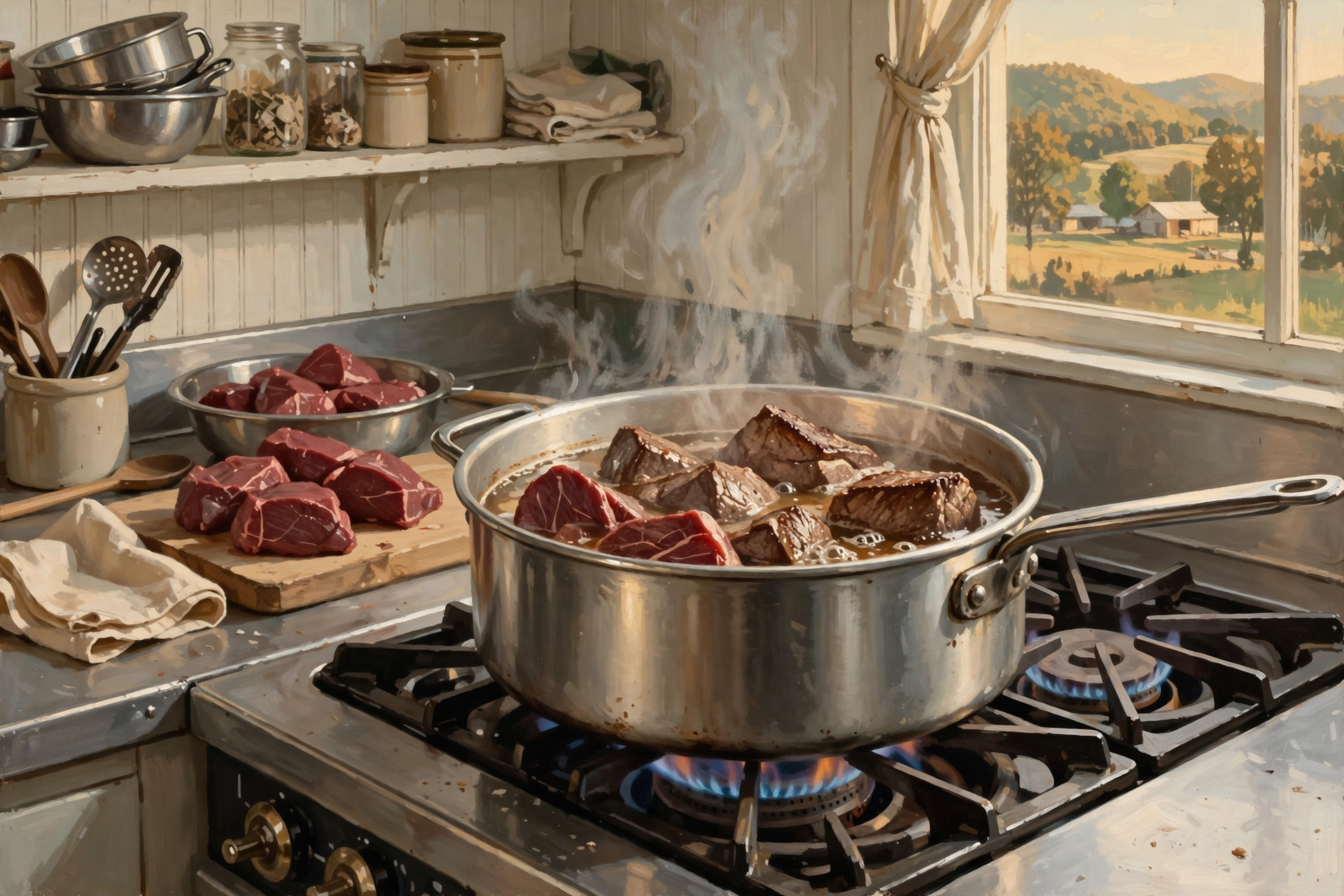
For The Scaredy Cat Project, our default remains cooked.
Not because I want to join a raw-versus-cooked religion.
Because we’re feeding a large colony and trying to create a process that is safe, simple and repeatable.
Commercial complete diets already take care of the nutritional formulation.
Our fresh ingredients are supplemental.
That makes plain cooking an easy way to reduce avoidable food-safety complications.
🔥 Does Cooking Affect Taurine?
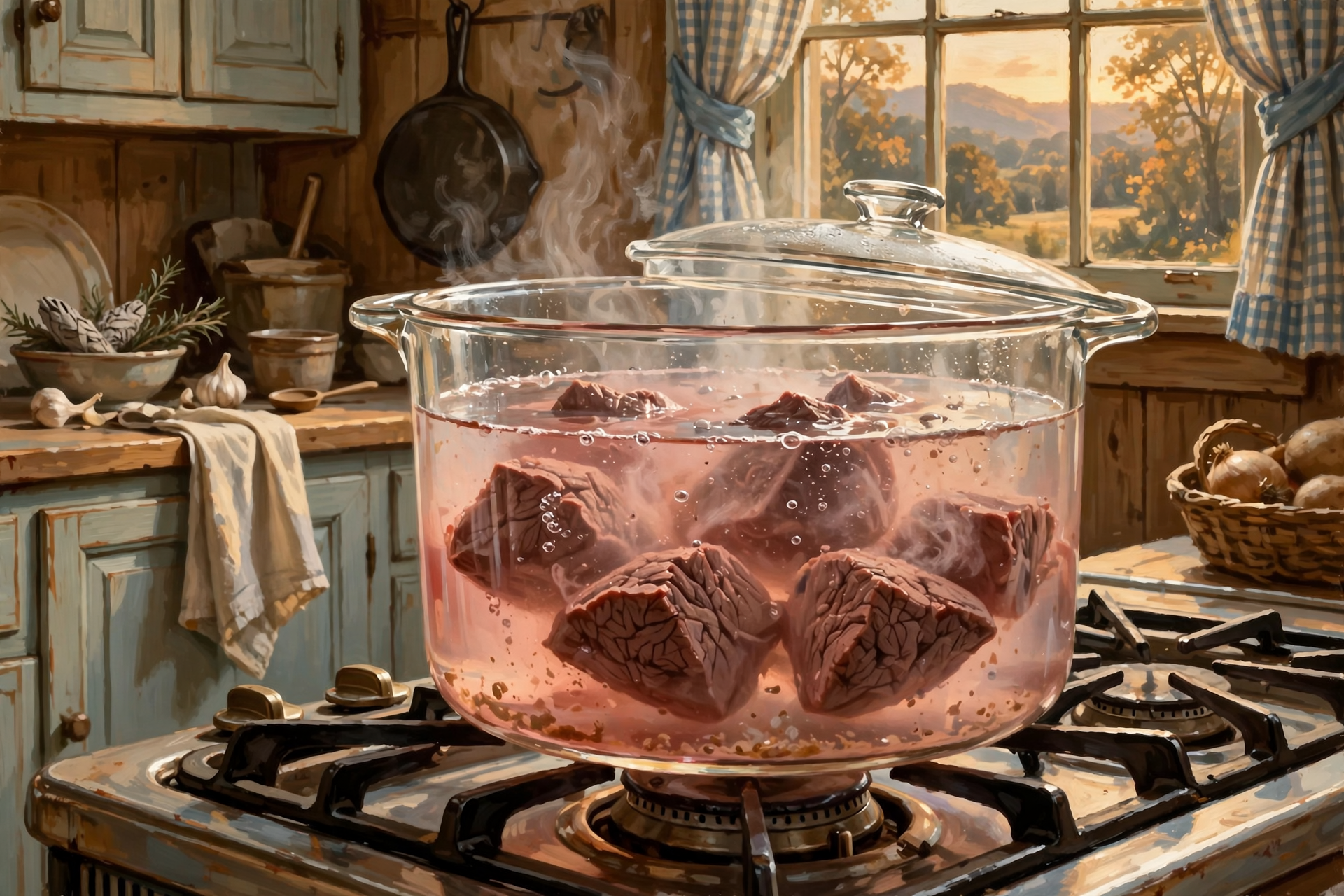
Cooking method can influence nutrient retention.
Merck notes more broadly that cooking can improve the availability of some nutrients while reducing others, which is one reason homemade diet formulation is more complicated than simply assembling healthy ingredients. ([merckvetmanual.com](https://www.merckvetmanual.com/management-and-nutrition/nutrition-small-animals/nutritional-requirements-of-small-animals))
Taurine can be lost into cooking liquid.
So if beef heart is gently cooked in water, discarding all that liquid may also discard some water-soluble material.
That does not mean we need laboratory precision.
Remember:
the complete cat food remains responsible for complete taurine nutrition.
The heart is an additional food.
🍲 Could the Cooking Liquid Be Useful?
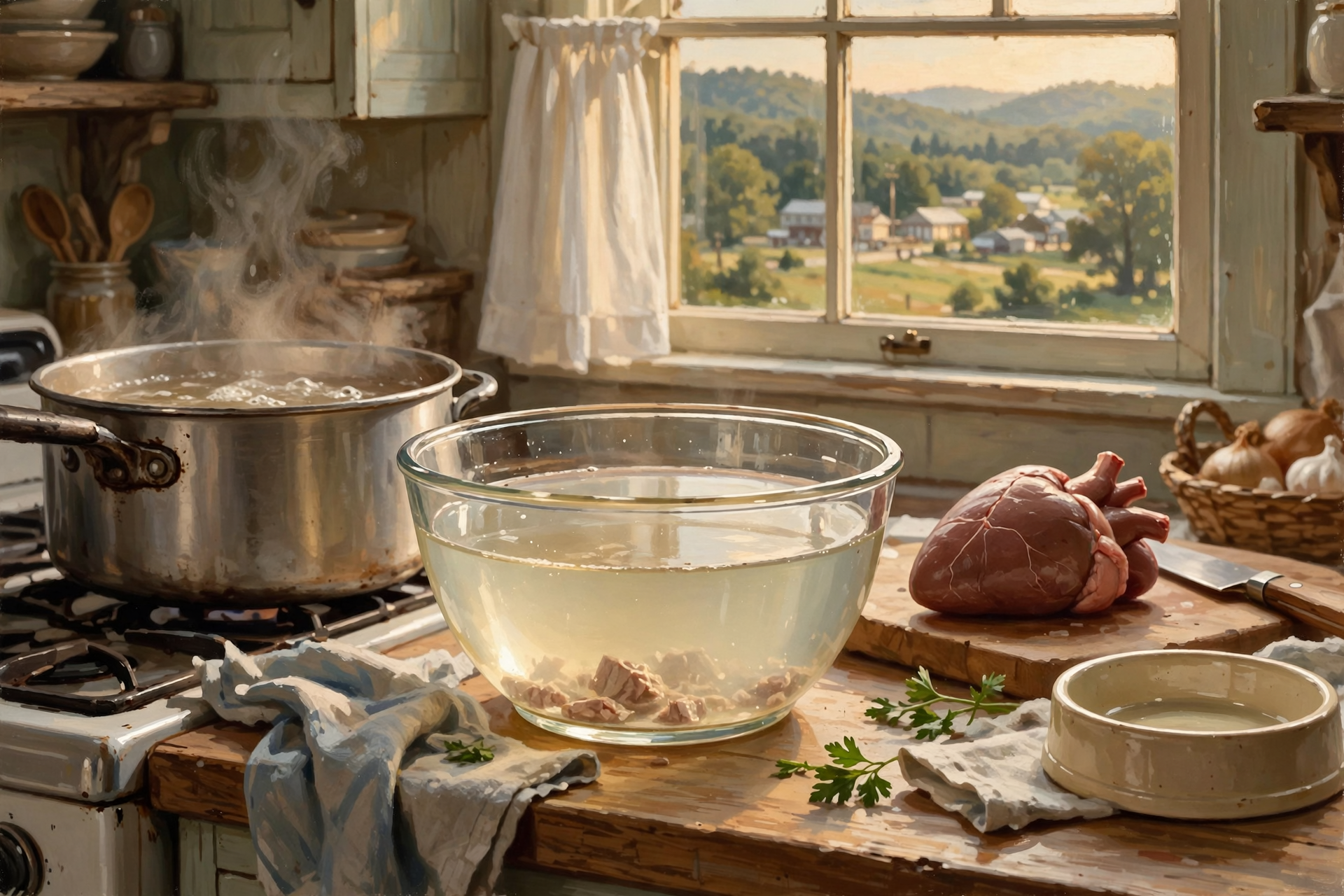
Possibly.
If beef heart is cooked in plain water, some flavor and soluble nutrients move into the liquid.
A small amount of that plain liquid could potentially:
- 💧 Add moisture to dry food
- 😸 Increase aroma and palatability
- ♻️ Reduce waste from cooking
But plain still means plain.
No onion.
No garlic.
No bouillon.
No heavily salted beef broth intended for humans.
🧂 Scaredy Does Not Need Beef Bourguignon
Human beef recipes can include:
Onions.
Garlic.
Wine.
Salt.
Sauces.
Seasonings.
Scaredy doesn’t need any of that.
She may believe otherwise if dinner smells interesting.
But we’re investigating beef heart.
Not French cuisine.
😸 Would Cats Actually Like Beef Heart?
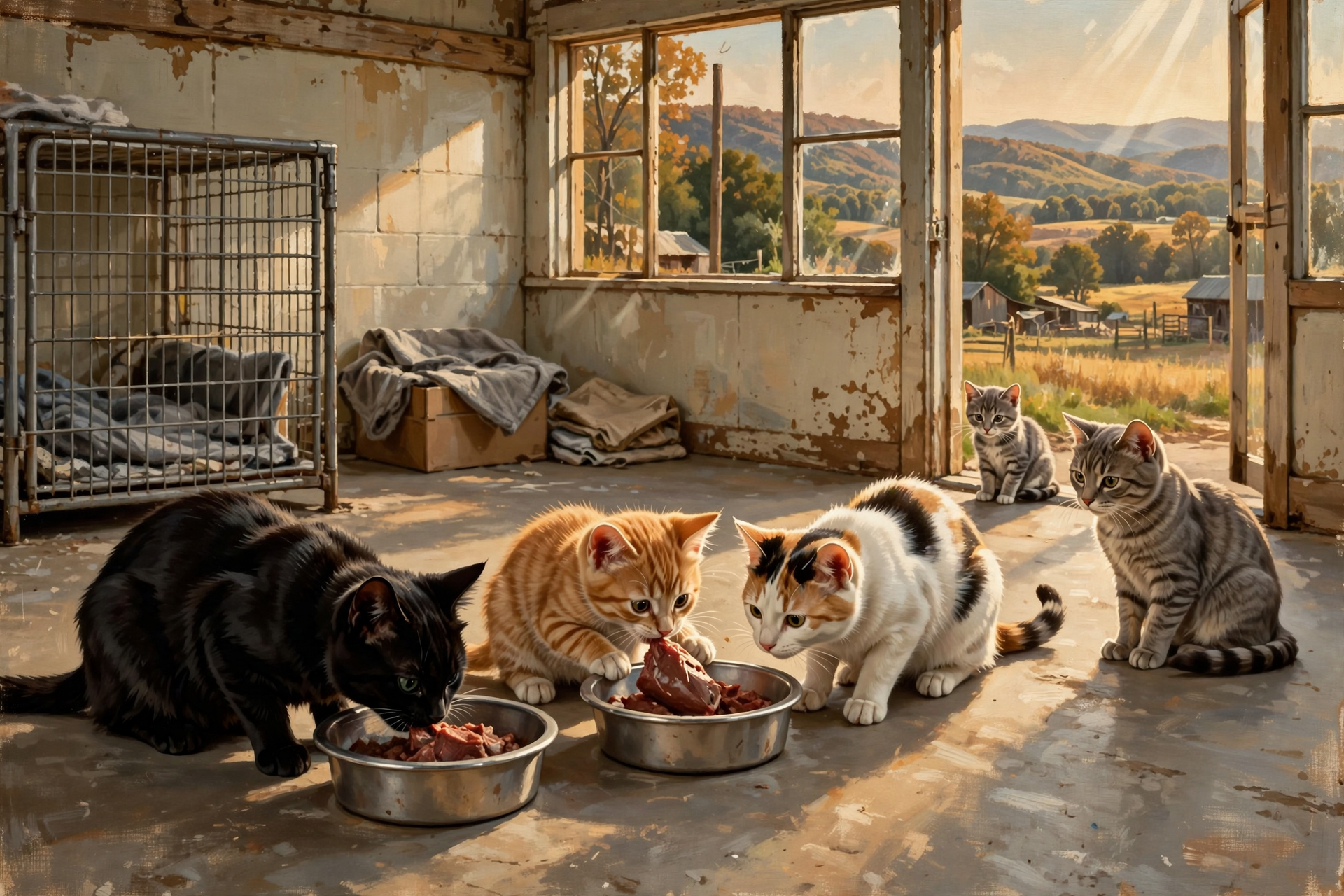
I suspect many will.
But this project doesn’t allow me to substitute confidence for measurement.
Our approximately forty cats make an excellent focus group.
We can test:
- 😸 Acceptance
- 🗑️ Waste
- 🐾 Whether timid cats eat it
- 🐱 Whether kittens can manage the pieces
- 🍽️ Whether smaller portions mixed into complete food work better
The cats get the final vote.
Scaredy probably gets several votes because she believes that’s how democracy works.
🐾 What About Kittens?
Growing kittens need properly balanced nutrition designed for growth.
Beef heart may provide excellent protein.
That doesn’t provide the correct calcium, vitamins, fatty acids and other nutrients needed to build a growing cat.
Merck notes that kittens are especially sensitive to dietary protein quality and amino-acid balance. ([merckvetmanual.com](https://www.merckvetmanual.com/management-and-nutrition/nutrition-small-animals/overview-of-nutrition-small-animals))
So for kittens:
complete food first, beef heart second.
🥫 Extras Still Have to Stay Extras
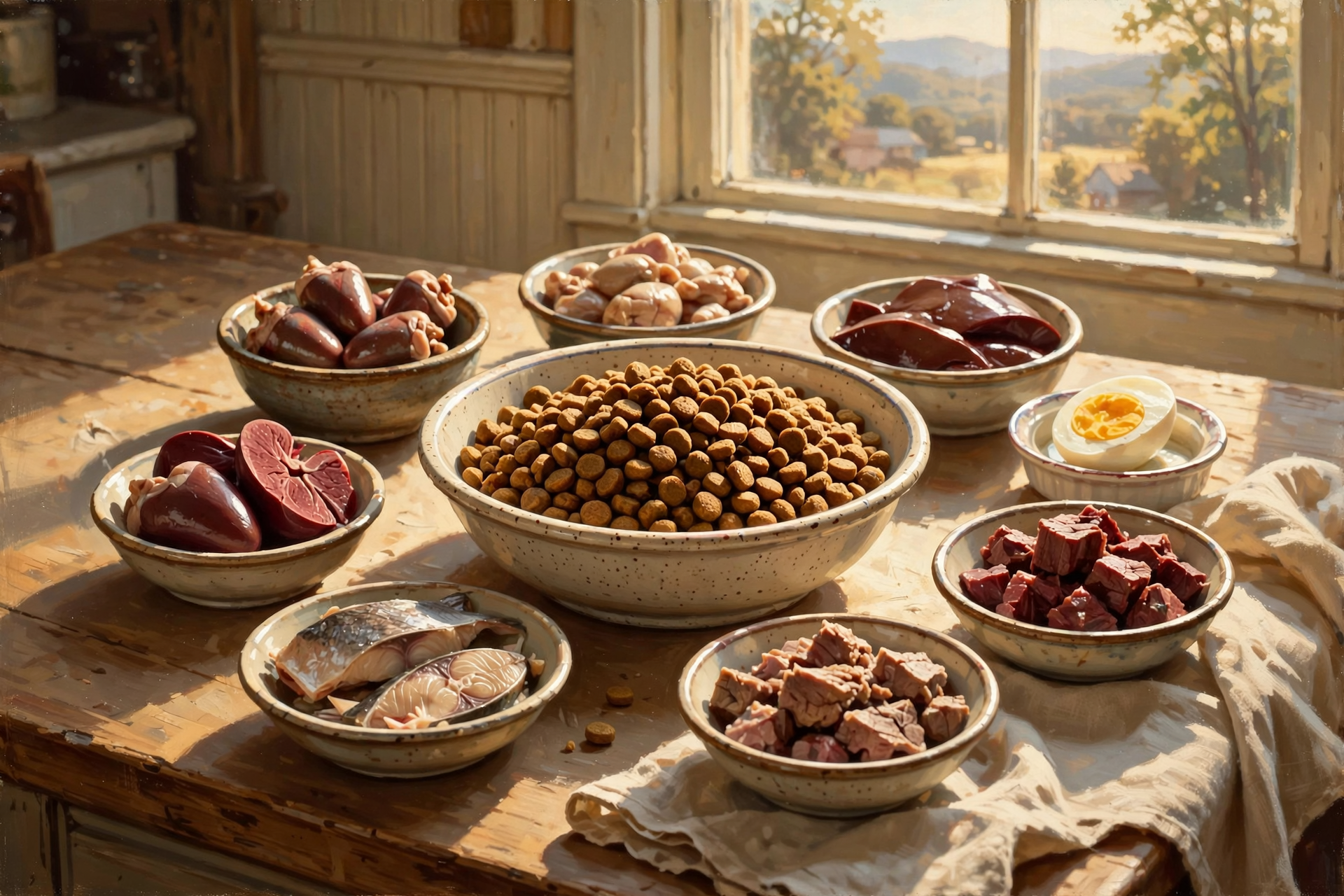
This gets more important every time we add another ingredient to our list.
Chicken heart.
Gizzard.
Liver.
Egg.
Venison.
Rabbit.
Fish.
Beef heart.
Each one may be useful.
But if we’re not careful, eight supplemental foods can collectively crowd out the complete diet even when each individual supplement looks modest.
That’s why the system matters more than any one ingredient.
📊 Beef Heart Could Be Especially Useful as a Topper
Instead of trying to make beef heart a meal, perhaps the more practical use is:
small amounts distributed through complete food.
That could:
- 🥩 Add animal protein
- ❤️ Add naturally occurring taurine
- 💧 Add moisture
- 😸 Increase palatability
- 💰 Potentially stretch higher-cost wet foods
That may be where beef heart earns its place.
🧪 How We Could Test Beef Heart With the Colony
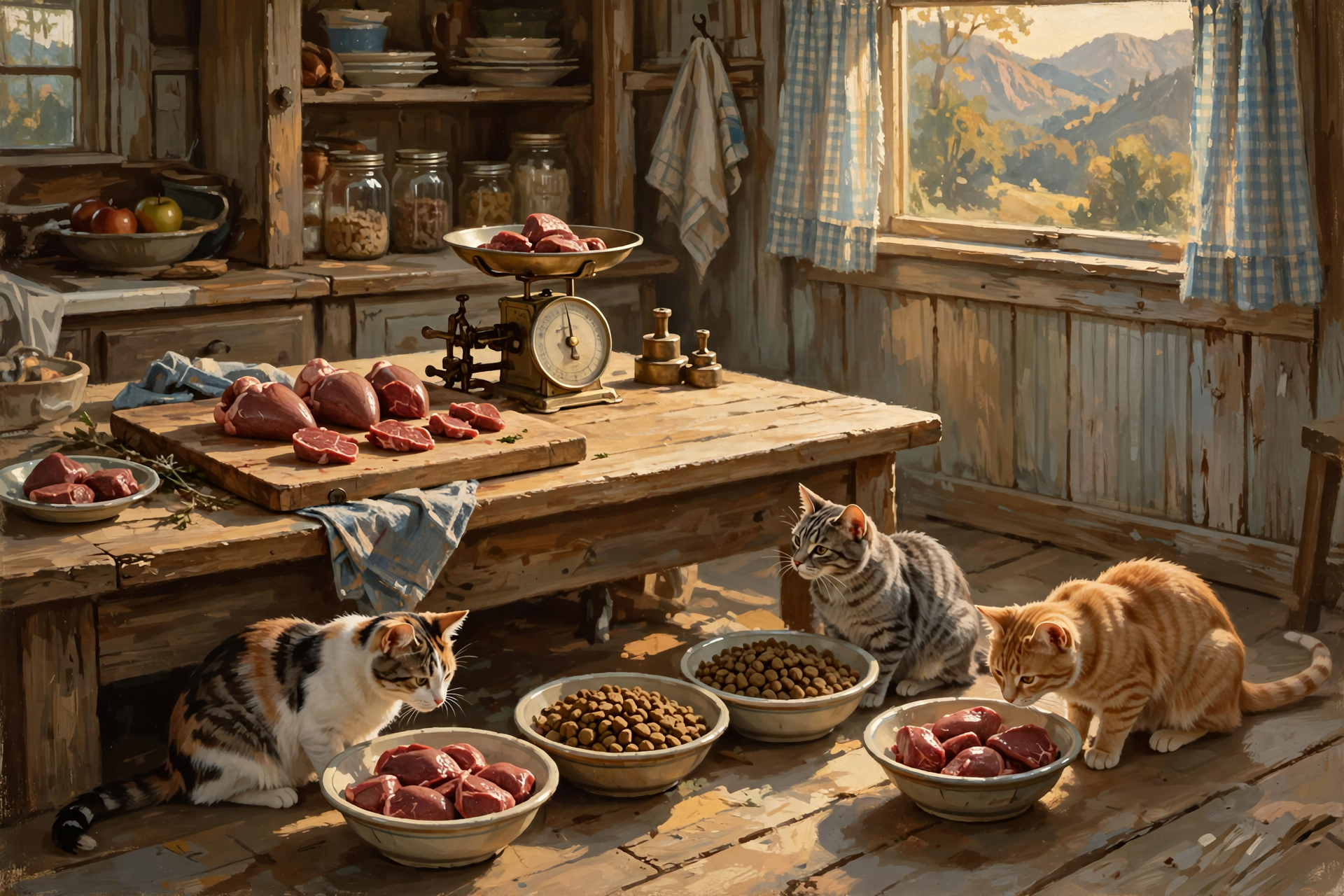
1️⃣ Find a Known Source
Grocery.
Butcher.
Beef processor.
Farm.
We want to know where the product came from.
2️⃣ Record the Real Price
Not merely what we paid.
Also note how much trimming is discarded.
3️⃣ Prepare It Plainly
Cooked without seasoning for our initial tests.
4️⃣ Cut It Into Small Pieces
Forty cats don’t need forty steaks.
5️⃣ Keep Complete Food Available
We’re testing a supplement.
6️⃣ Observe Acceptance
How many cats eat it?
How quickly?
Do timid cats get some?
7️⃣ Measure Waste
Include trimming waste as well as food left uneaten.
8️⃣ Calculate the Effective Cost
Purchase.
Transportation.
Preparation.
Storage.
Waste.
That’s the number that matters.
📋 The Scaredy Cat Ingredient Scorecard: Beef Heart
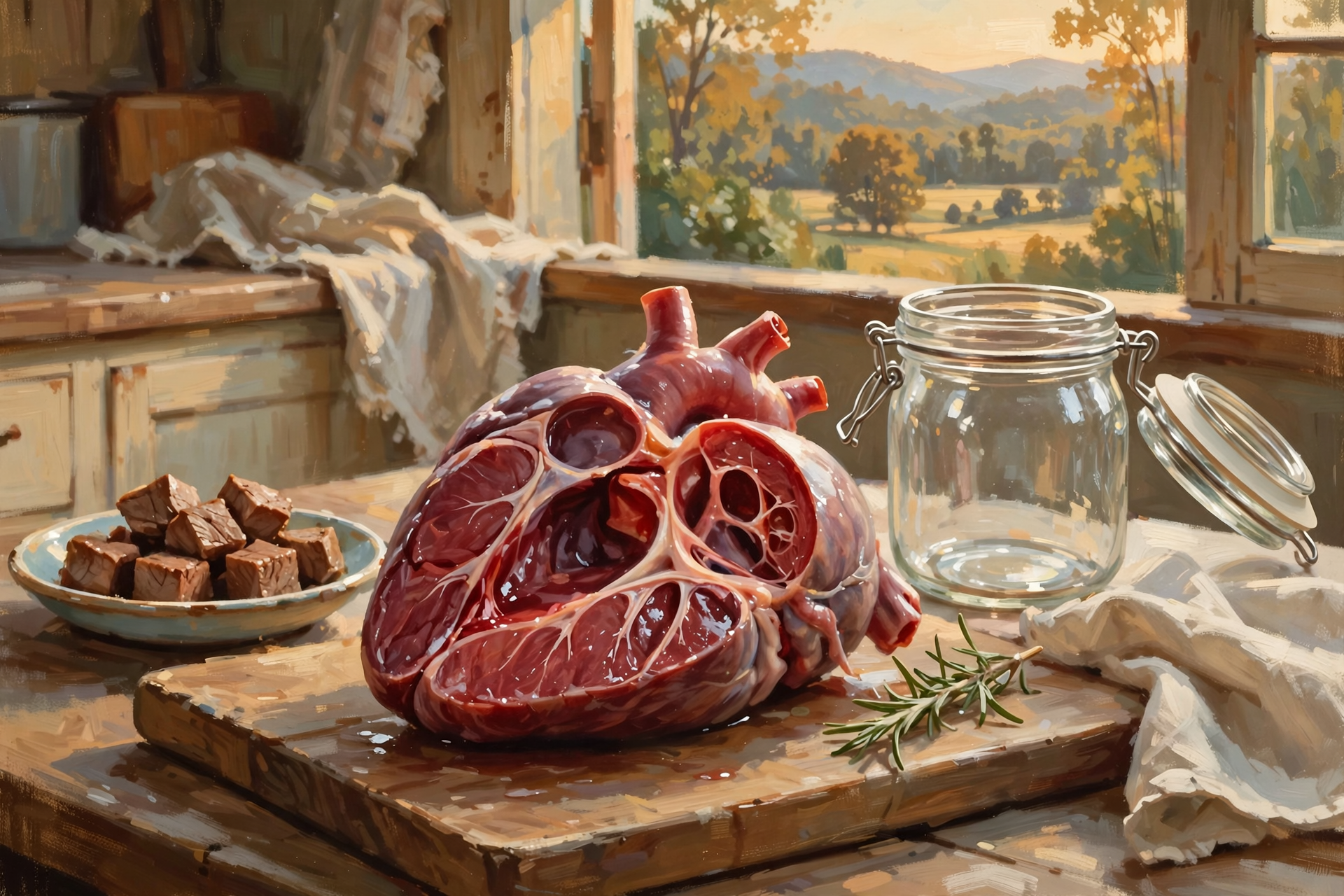
🥩 Protein Value
High.
Beef heart is dense animal muscle tissue and provides substantial protein.
❤️ Taurine Interest
High.
Heart tissue naturally contains taurine, which cats require in their diet.
🩸 Iron and B Vitamins
Good.
Beef heart can contribute iron and several B vitamins along with protein.
🔥 Calorie Density
Moderate.
It provides useful energy but is not simply a high-fat ingredient.
💧 Moisture
Good.
Fresh cooked heart contributes considerably more moisture than dry food.
⚖️ Nutritional Completeness
Low when used alone.
Beef heart does not provide a complete feline nutrient profile.
🦴 Calcium Balance
Poor as a primary food.
Like other muscle meats, it provides too little calcium relative to phosphorus to serve as a complete diet by itself.
🧊 Storage
Excellent.
Easy to divide, package and freeze.
🍳 Preparation
Moderate.
A whole heart may require trimming and cutting, but the process is straightforward.
💵 Cost Potential
Potentially excellent.
The economics may be particularly attractive through local processors or butchers.
🏡 Local Availability
Promising.
Cattle, beef processing and meat markets are all familiar parts of rural Tennessee.
😸 Cat Appeal
Likely high.
But the colony gets the final vote.
🐱 Scaredy Cat Project Rating
Very High Interest—Especially If Local Processor Pricing Is Good.
📊 Chicken Heart or Beef Heart?
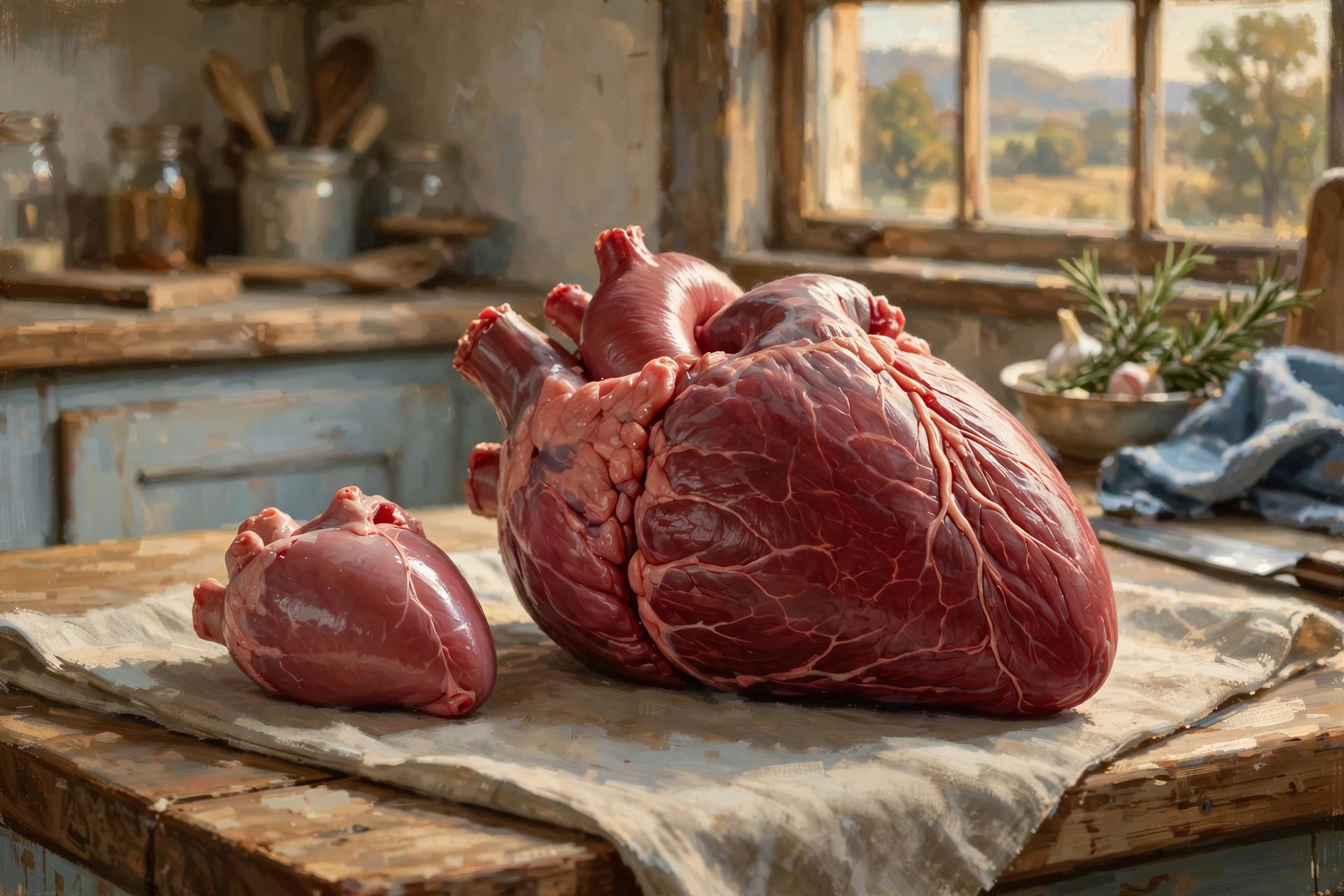
I don’t think we need to declare a winner.
The smarter answer may depend on what we can actually buy locally.
🐔 Chicken Heart Advantages
- Small and ready to portion
- Minimal trimming
- Easy to cook
- Easy to freeze
🐄 Beef Heart Advantages
- Large amount of usable meat from one organ
- Potentially very low cost through a processor
- Easy to divide into many colony portions
- Good freezer efficiency
If one costs $3 per pound and the other costs $1, that matters.
If one requires an hour of trimming and the other doesn’t, that matters too.
The cats may also have a preference.
So rather than arguing theoretically, we’ll measure.
🤝 Local Beef Processors Could Teach Us a Lot
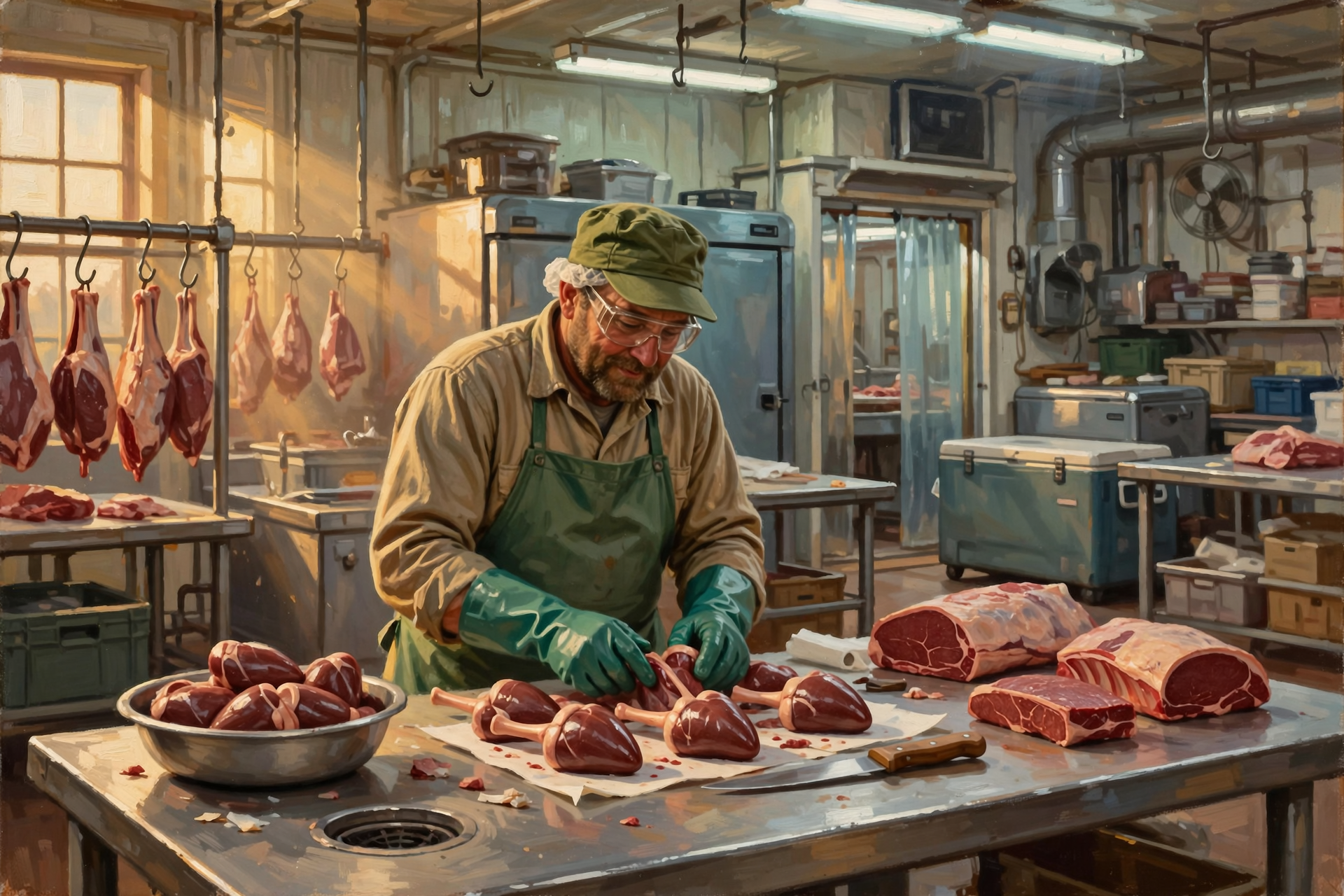
This is another article where the people who actually handle our food supply know more than I do.
I’d like to talk with:
- 🐄 Cattle farmers
- 🔪 Beef processors
- 🥩 Butchers
- 🛒 Grocery meat departments
- 🍽️ Restaurants
What happens to beef hearts locally?
Is there a strong market?
Are they inexpensive?
Do customers request them?
Does any safe product go unused?
Would selling heart in bulk create more work than it’s worth for the processor?
Those answers matter.
👨🌾 We Shouldn’t Assume Farmers and Processors Have “Waste” Waiting for Us
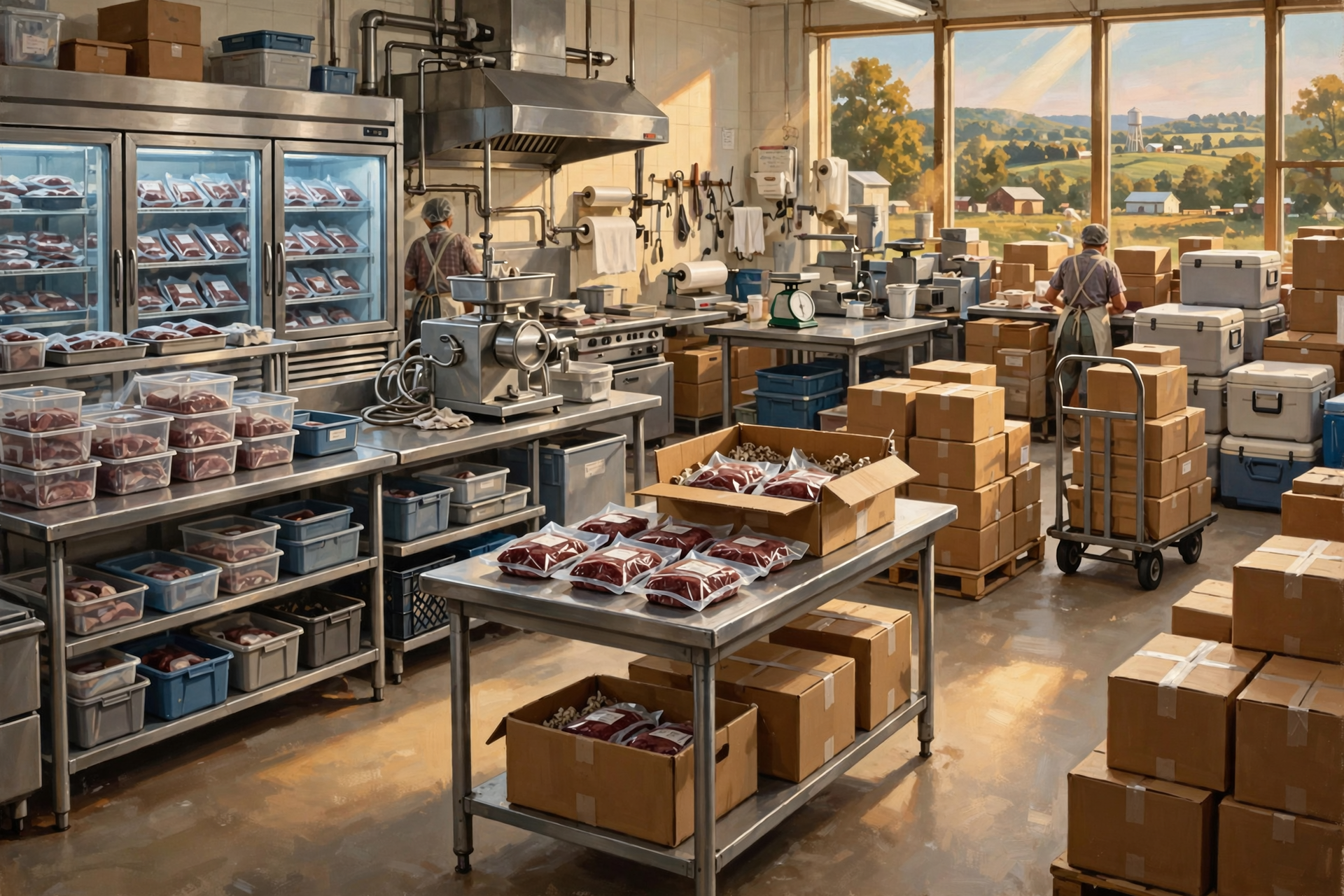
This deserves repeating too.
It’s easy for someone outside agriculture to imagine that processors have piles of free food nobody wants.
Maybe they do.
Maybe they don’t.
A processor may already have:
- 🥩 A retail market
- 🐕 A pet-food buyer
- ♻️ A rendering arrangement
- 📦 Contracted disposal
- 💵 Existing value for the product
That’s why we ask before we design a solution around somebody else’s business.
♻️ Our Best Opportunities Are Economic Mismatches
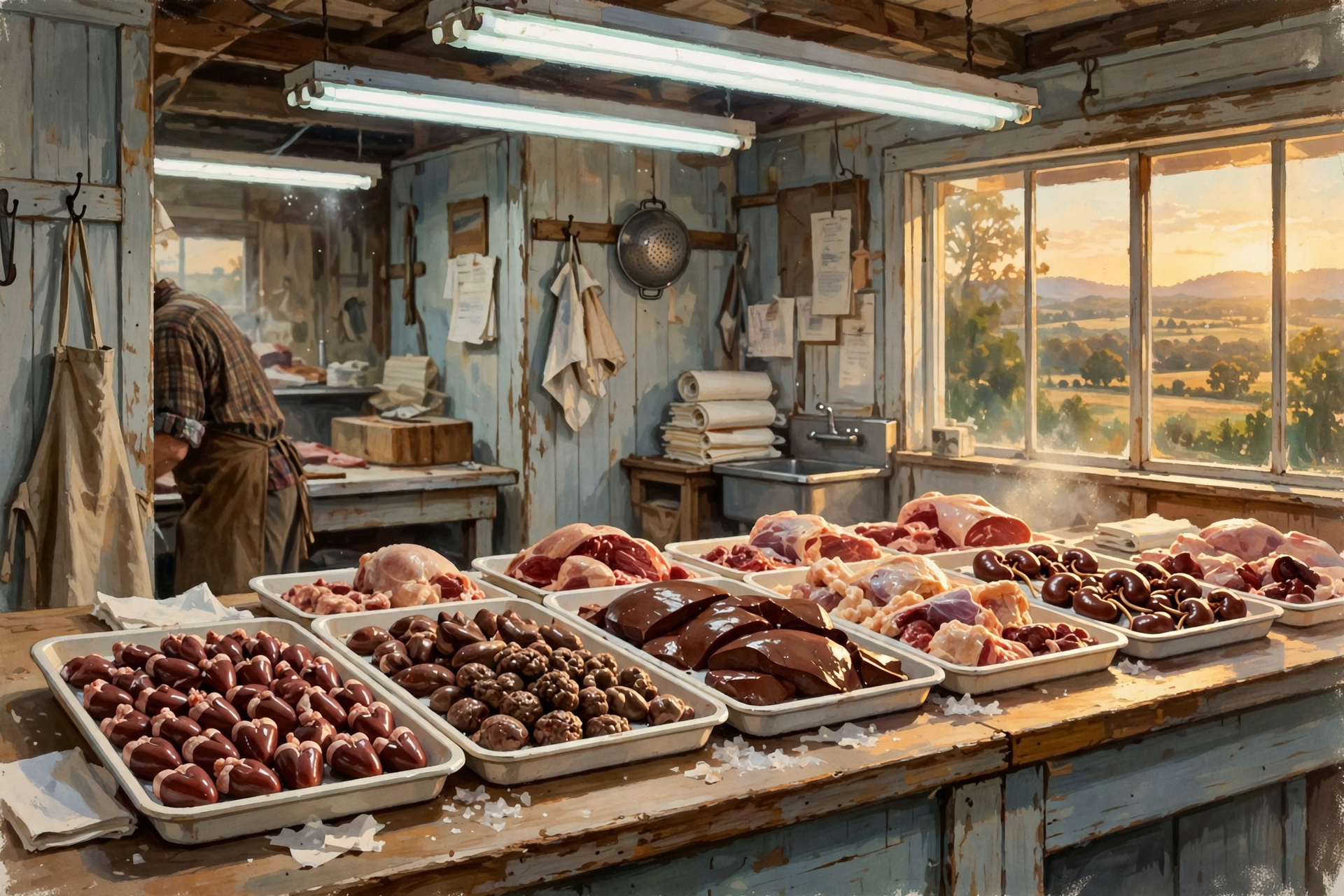
At this point, the pattern is becoming very clear.
The Scaredy Cat Project isn’t searching for garbage.
We’re searching for mismatches.
Foods where:
nutritional value to a cat
may be greater than:
market value to a person.
Chicken hearts may fit.
Gizzards may fit.
Liver may fit in small quantities.
Surplus eggs may fit.
Venison trimmings may fit.
Rabbit trimmings may fit.
Fish may fit.
Beef heart may fit very well.
🧊 The Community Freezer Idea Keeps Looking Better
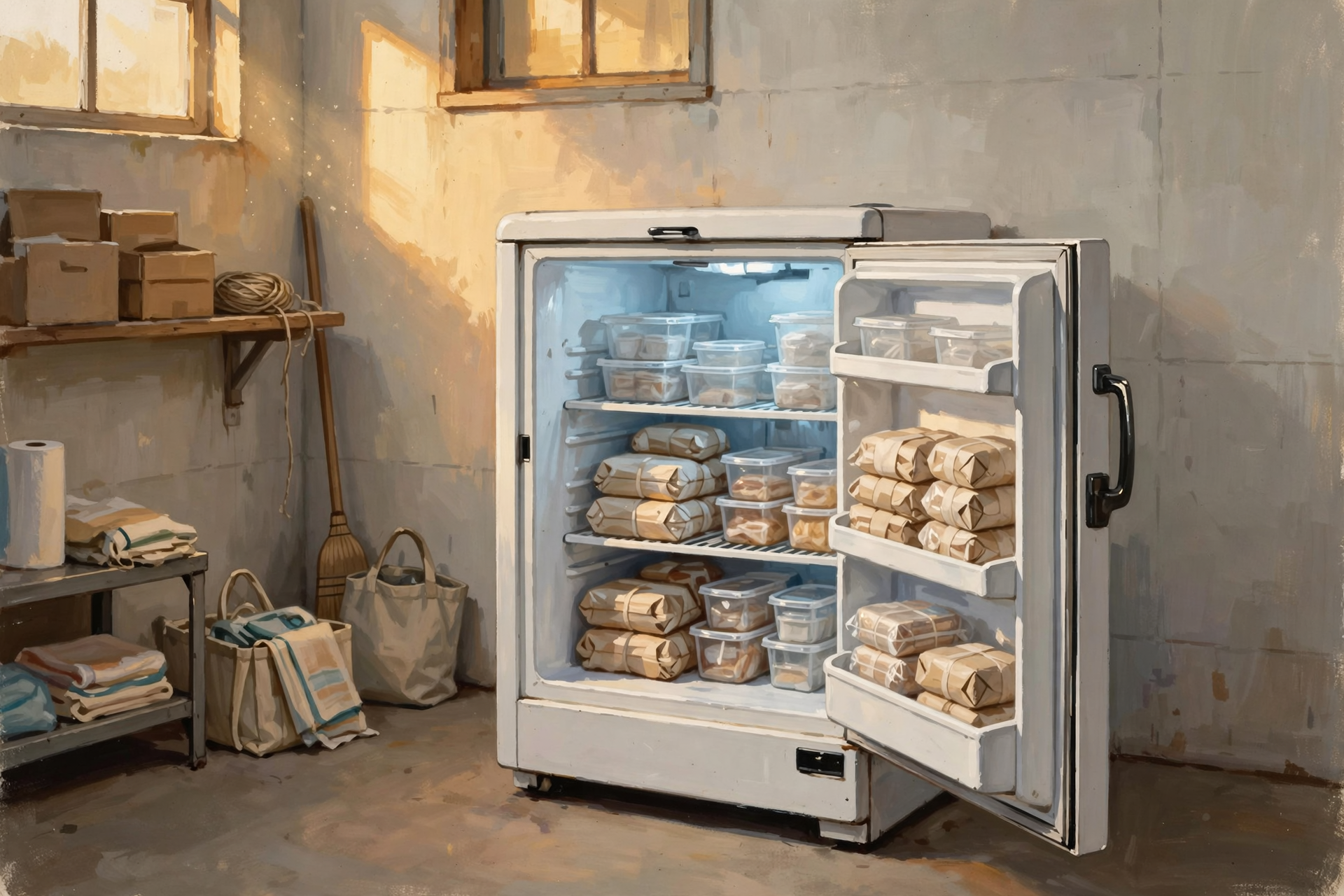
Here we are again.
Another ingredient that’s easiest to use if we have freezer capacity.
If this project ever grows beyond our own cats, a dedicated freezer may become one of the most useful pieces of infrastructure we could have.
Not because the freezer feeds cats.
Because it gives us time.
Time to accept safe surplus.
Time to portion it.
Time to distribute it.
Time to avoid turning a useful donation into waste.
❤️ Beef Heart Reinforces the Biggest Lesson of the Series
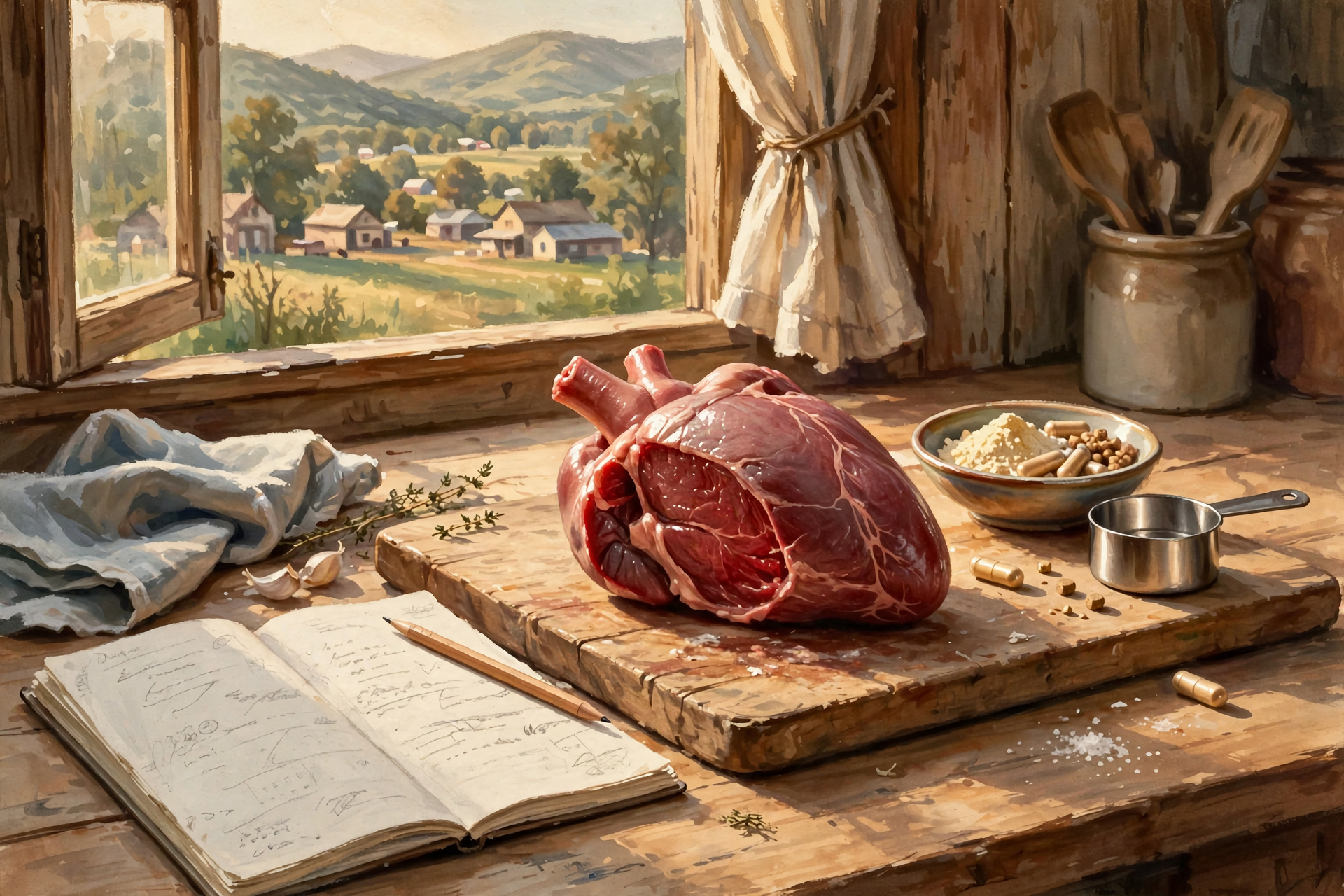
Beef heart is another excellent example of why this project isn’t about finding a miracle food.
It has real advantages.
Protein.
Taurine.
Moisture.
Potentially excellent economics.
But it also has real limitations.
Poor calcium balance when fed alone.
Incomplete vitamins and minerals.
Preparation work.
Storage requirements.
That’s okay.
An ingredient doesn’t need to solve everything.
It only needs to have a useful job inside the system.
🔜 Next: Pork for Cats—Useful Protein, or More Trouble Than It’s Worth?
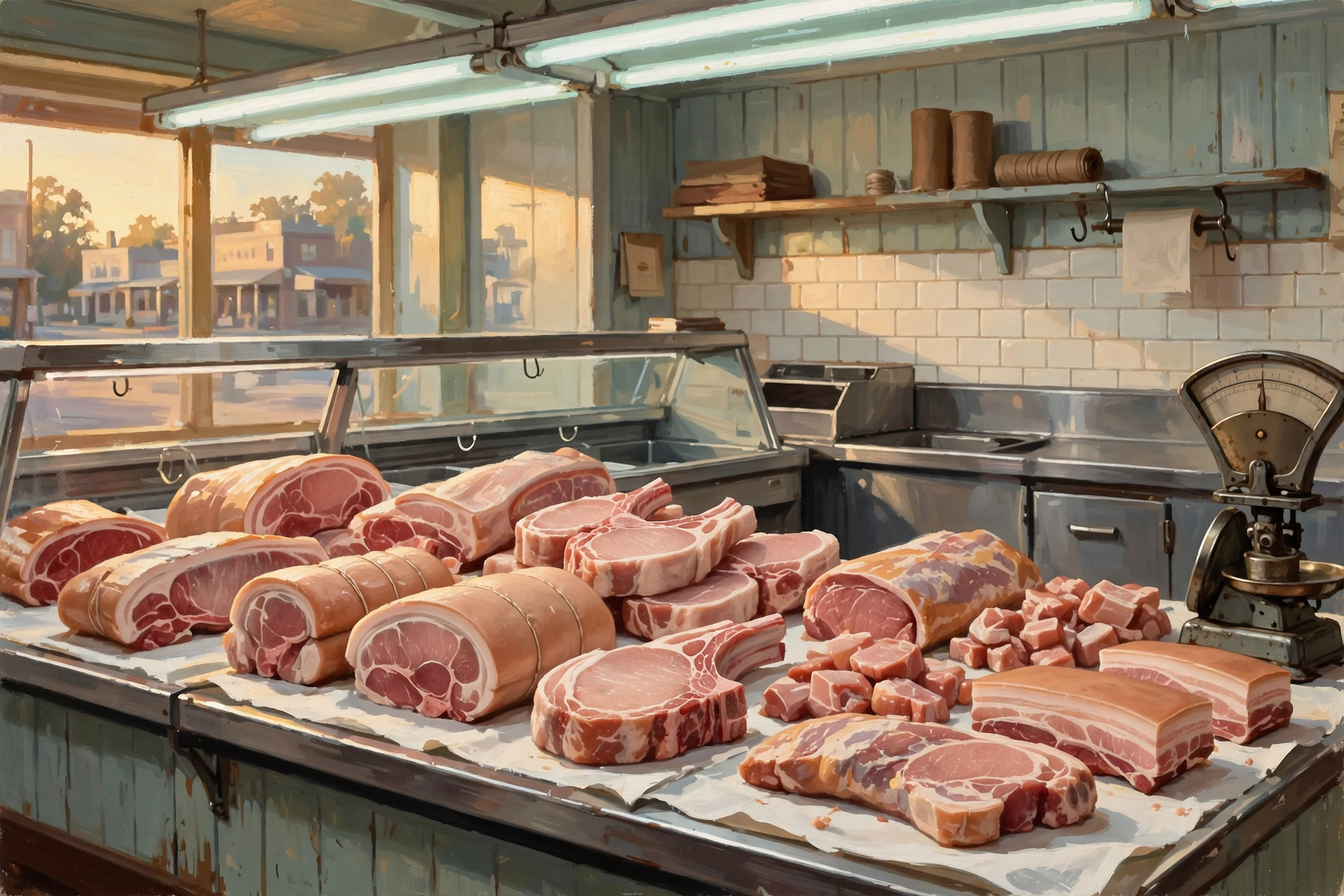
We’ve looked at poultry.
We’ve looked at venison.
We’ve looked at rabbit.
We’ve looked at fish.
We’ve looked at beef heart.
That leaves another very common meat:
pork.
Pork is widely available.
Some cuts can be inexpensive.
Processors may have trimmings and organs.
But pork introduces its own questions involving:
- 🐖 Protein and fat
- 🔥 Calorie density
- 🦠 Raw pork safety
- 🧂 Processed pork products
- 🥓 Why bacon and ham are a different conversation
- 💵 Cost
- 🏡 Local sourcing
That’s where we’ll go next.
📣 Do You Know a Local Source for Beef Heart?
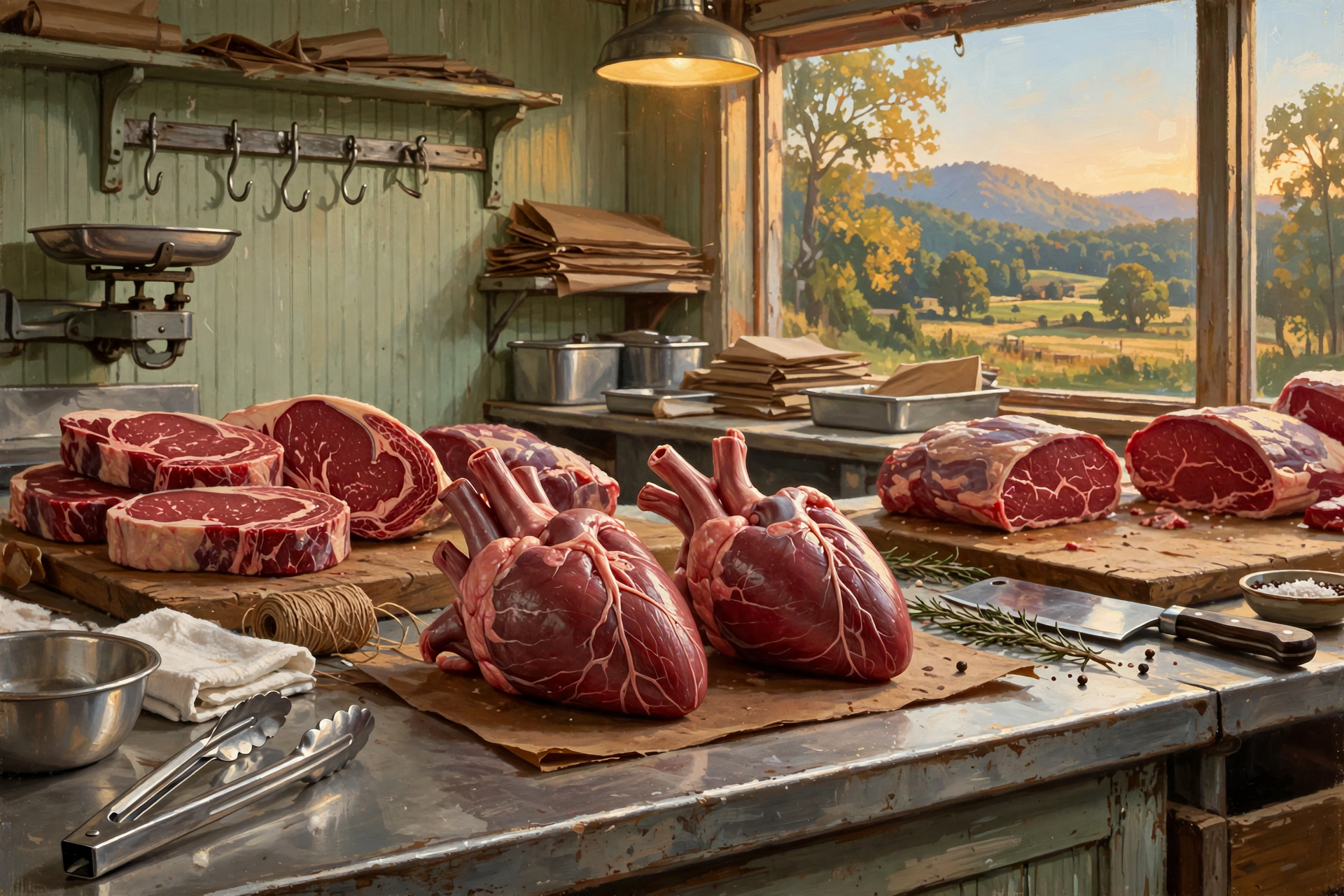
If you’re around Dunlap or Sequatchie County and know a beef processor, butcher, cattle farmer or meat department that regularly handles beef heart, we’d like to hear from you.
We’re particularly interested in:
- 💵 Real local prices
- 📦 Bulk availability
- ♻️ Whether any safe product goes unsold
- 🔪 How much trimming is required
- 🧊 How processors normally package it
And if you’ve fed beef heart as a supplemental food for cats, we’d like to know what you’ve learned.
❤️ Feed Them. Fix Them. Find Them Homes When We Can. Help the Rest Age Gracefully.
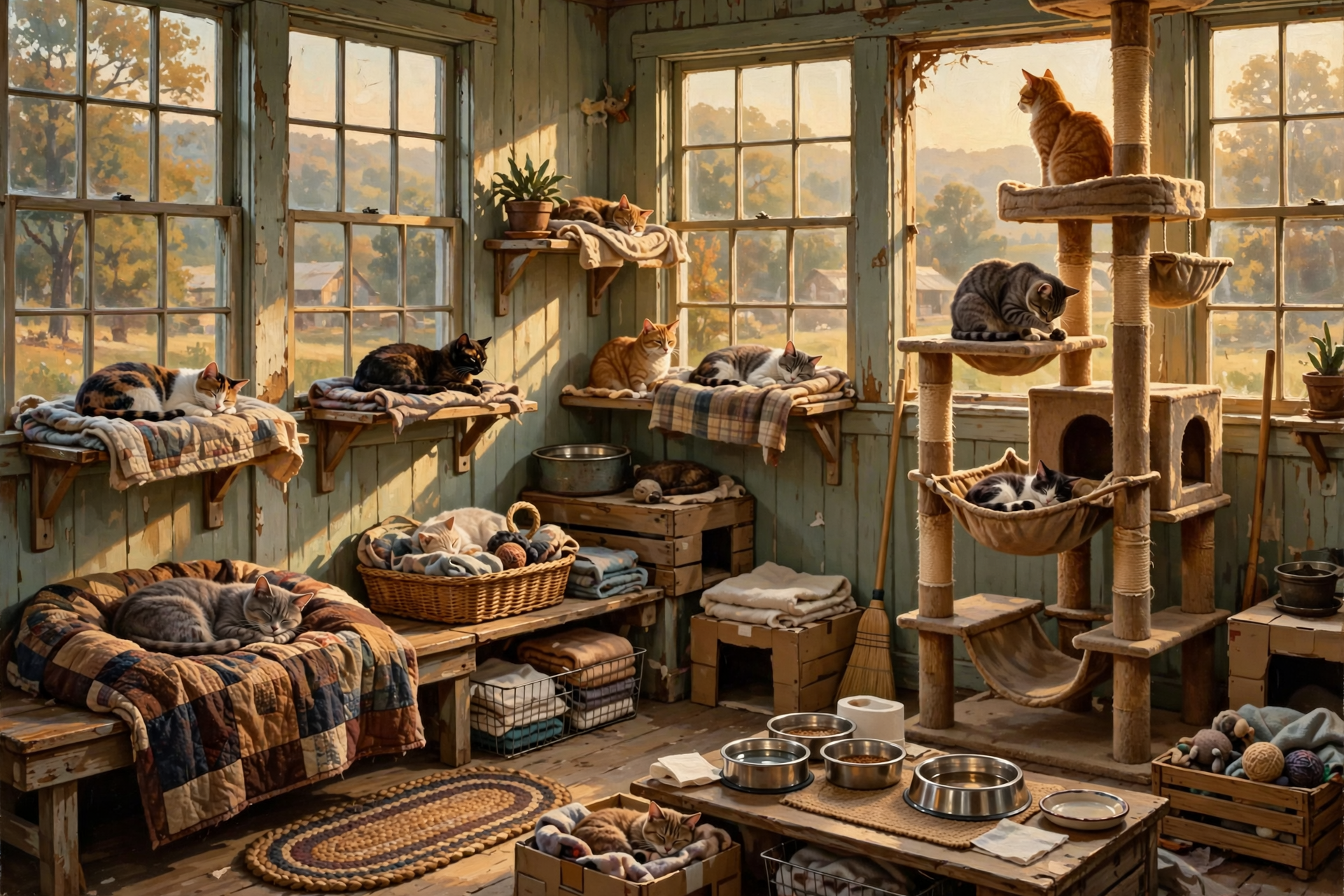
Forty cats don’t need forty steaks.
They need a feeding system that works.
Complete nutrition as the foundation.
Useful local foods where they make sense.
Reasonable costs.
Safe handling.
Less waste.
And eventually, fewer cats needing our help because we’ve gotten ahead of reproduction and found homes for the ones who can live comfortably with people.
If beef heart can play one useful part in that system, we’ll find out.
🐾 Feed them. Fix them. Find them homes when we can. Help the rest age gracefully.
🔎 Sources & Further Reading

- Merck Veterinary Manual — Overview of Nutrition: Small Animals
- Merck Veterinary Manual — Proper Nutrition for Cats
- Merck Veterinary Manual — Nutritional Requirements of Small Animals
- Merck Veterinary Manual — Dog and Cat Foods
Know about an upcoming event or story in the Dunlap, TN area? Submit it here.



0 Comments