
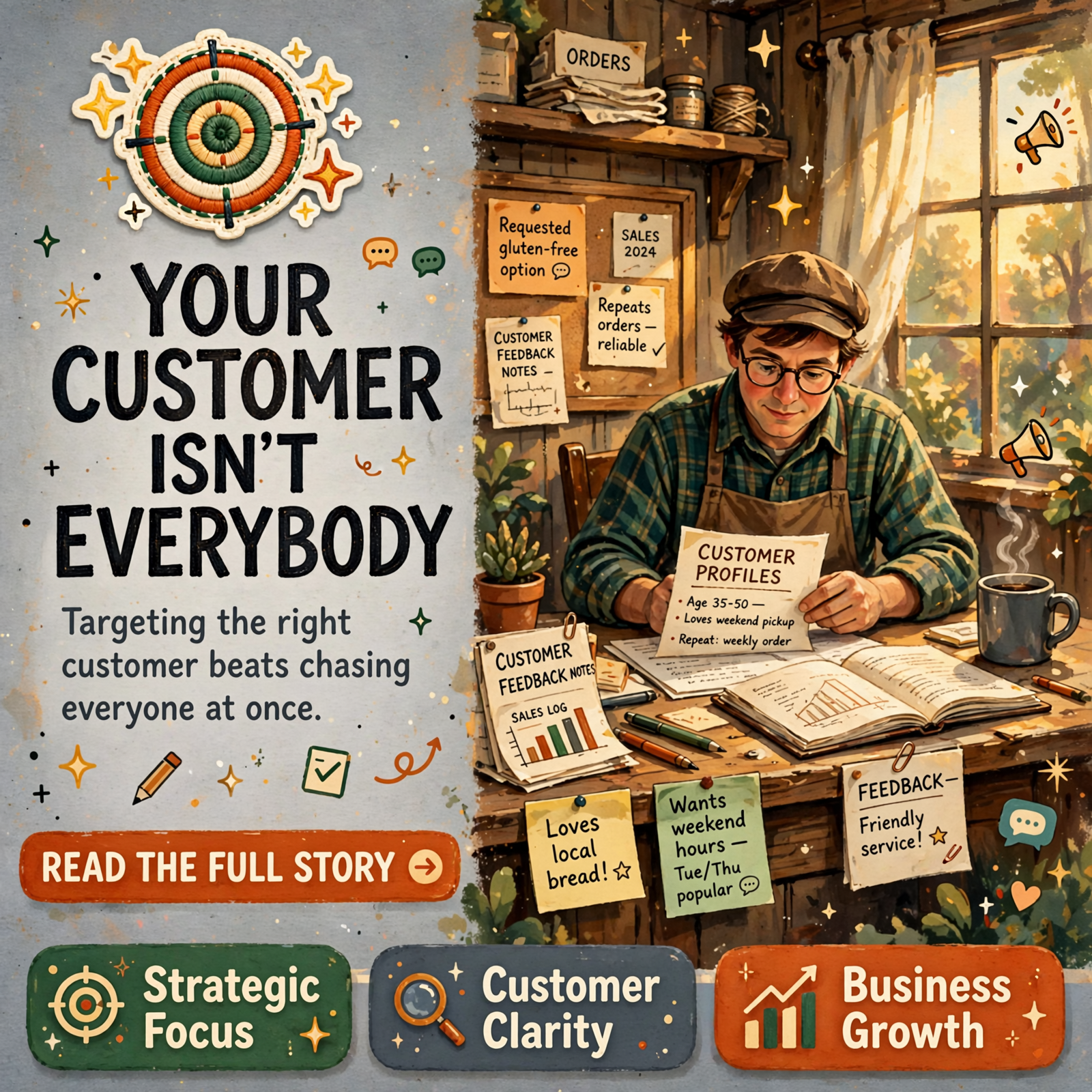
Your Customer Isn’t Everybody
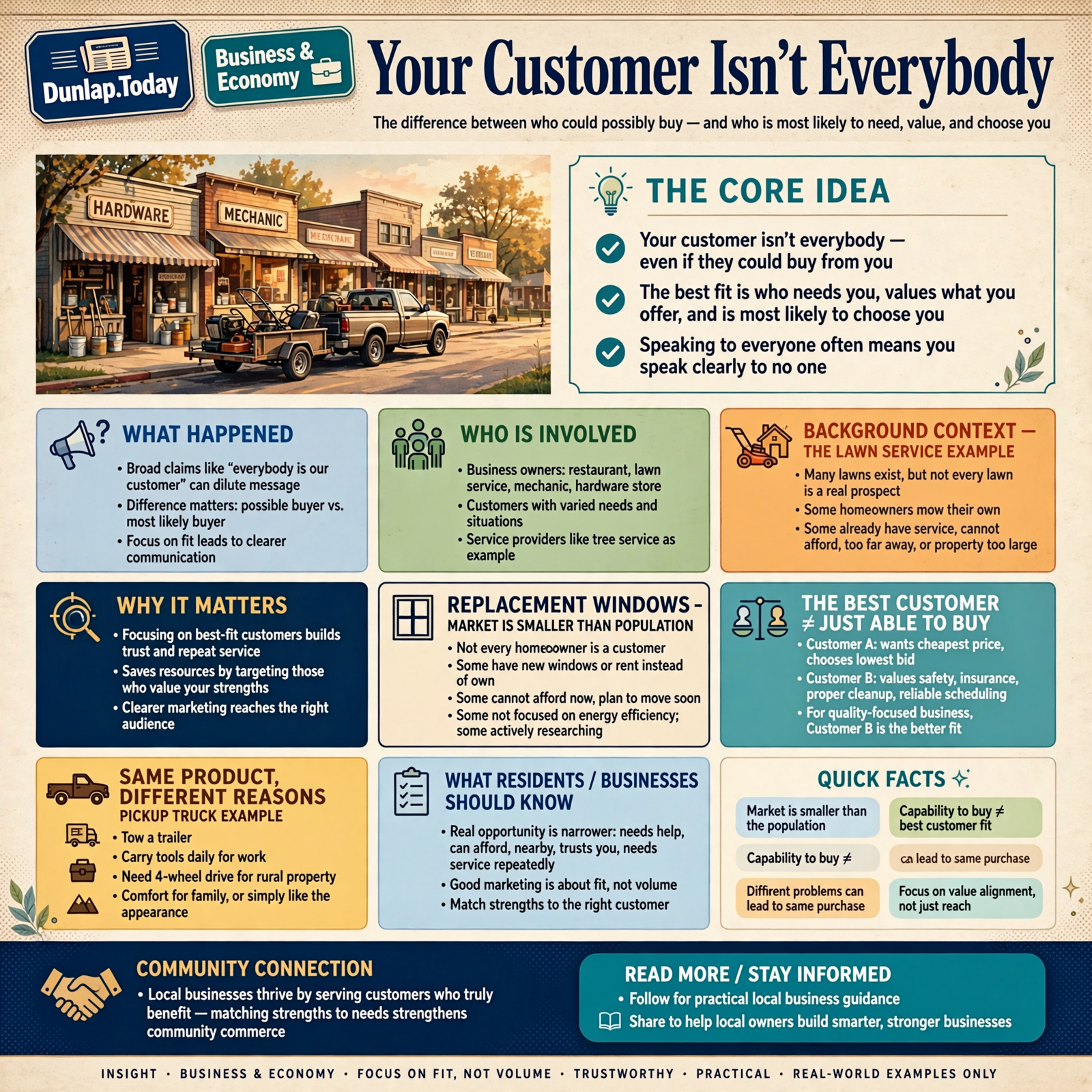
Ask a business owner who their customer is and you may hear an answer that sounds wonderfully ambitious:
“Everybody.”
Maybe that’s technically true.
A restaurant can serve almost anybody who walks through the door.
A lawn service can mow almost anybody’s lawn.
A mechanic can repair vehicles belonging to all kinds of people.
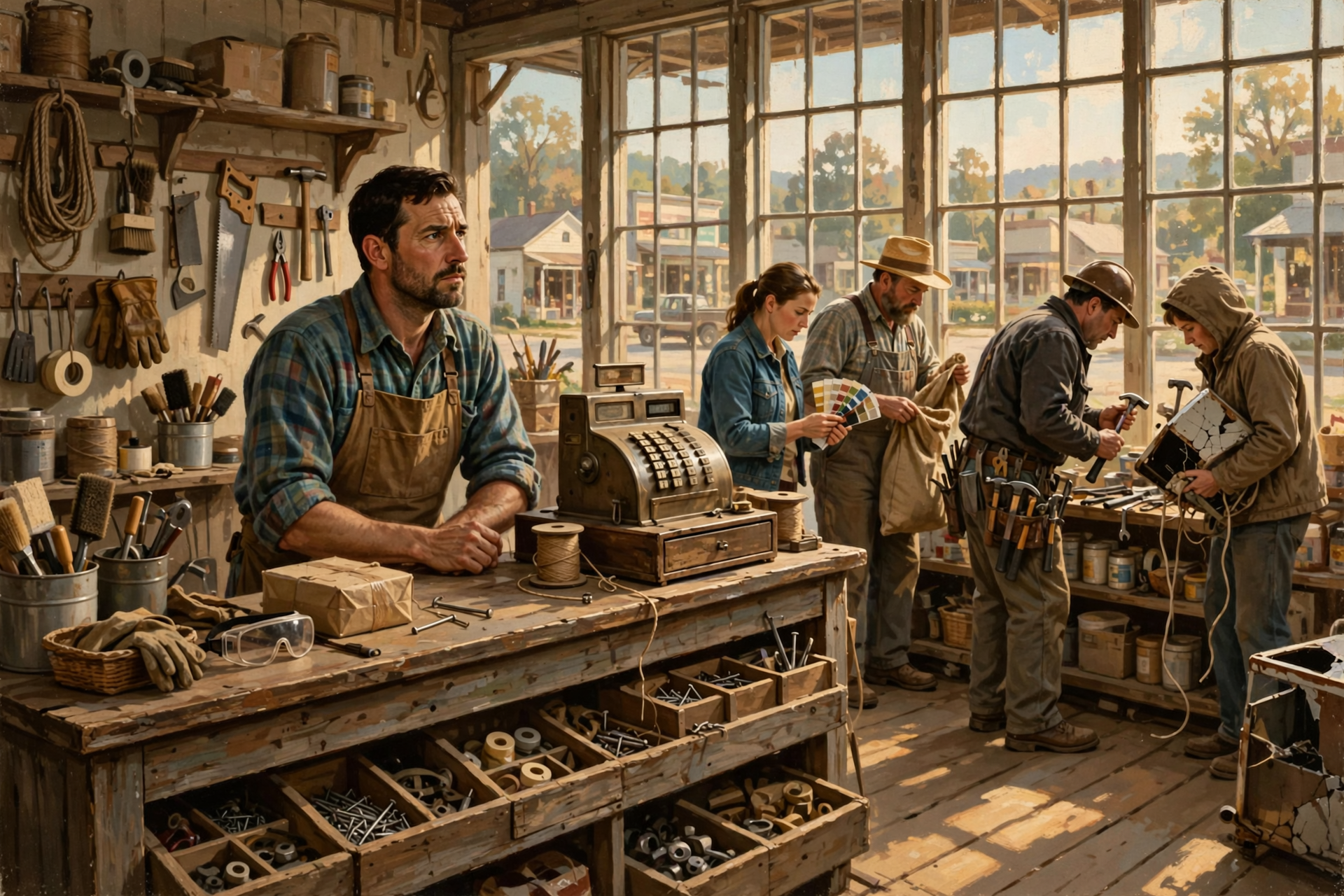
A hardware store can sell to homeowners, contractors, landlords, farmers and people trying to fix something they broke ten minutes ago.
But there is a big difference between:
who could possibly buy from you
and
who is most likely to need you, value what you offer and choose you.
That difference matters.
If you try to talk to everybody at once, you often end up speaking clearly to nobody.
I Didn’t Need Every Lawn in Town
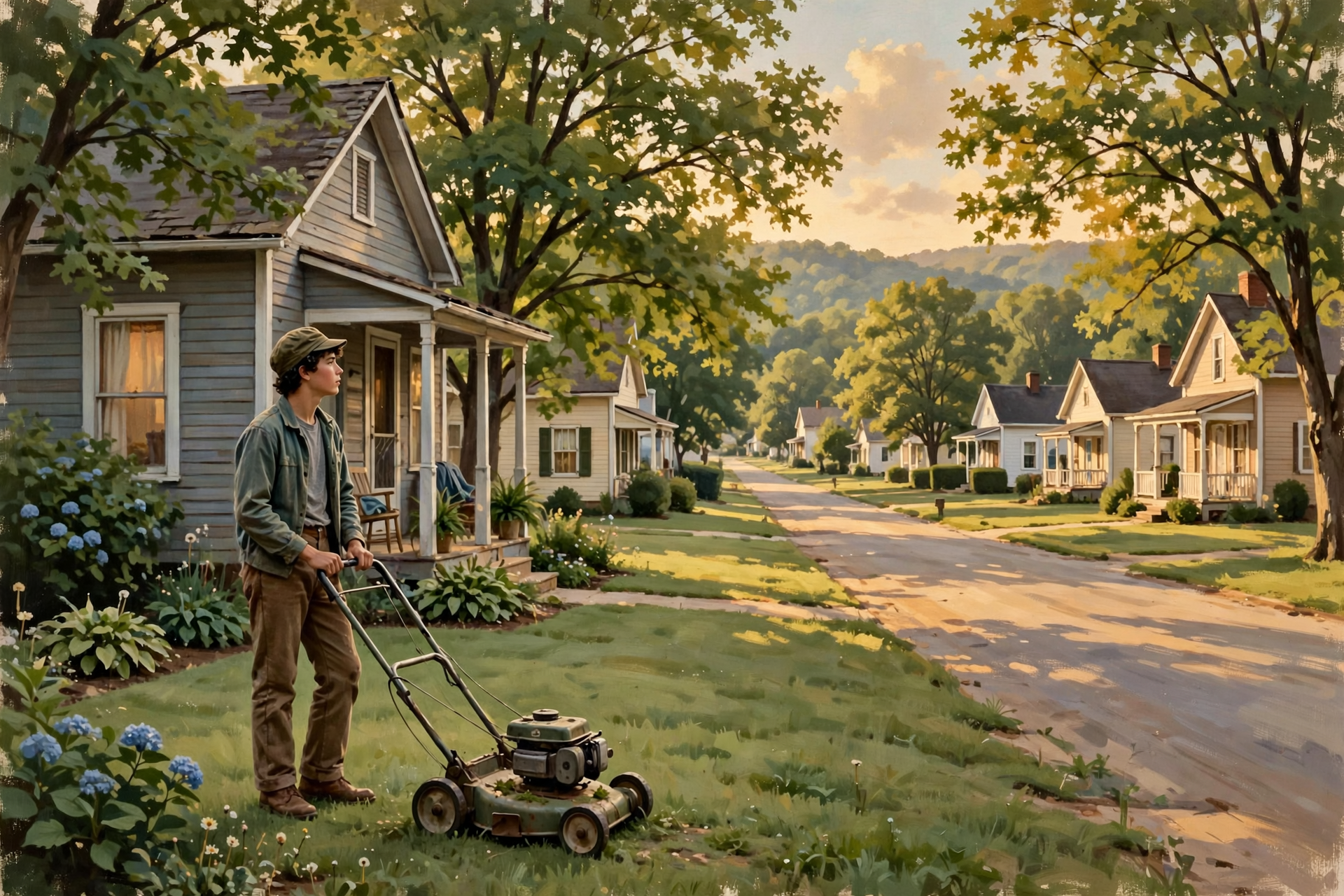
When I was mowing lawns as a kid, my theoretical market was enormous.
There were lots of lawns.
But not every lawn was really a prospect.
Some homeowners liked mowing their own grass.
Some already had somebody doing it.
Some couldn’t afford to pay someone else.
Some had enormous properties that may have been beyond what I could reasonably handle.
Some lived too far away.
Some probably didn’t want a kid showing up with a mower.
My real opportunity was much narrower.
I needed people who:
- had a lawn,
- wanted help mowing it,
- were close enough for me to reach,
- could afford what I charged,
- trusted me enough to let me do the work,
- and preferably needed the service repeatedly.
That was my market.
I didn’t call it segmentation.
I called it finding somebody who wanted their grass cut.
A Market Is Usually Smaller Than the Population

This sounds obvious when we talk about lawn mowing.
Businesses forget it surprisingly often.
Suppose you sell replacement windows.
Is every homeowner your customer?
No.
Some have new windows.
Some rent rather than own.
Some need windows but cannot afford them right now.
Some plan to move soon.
Some do not care much about energy efficiency.
Some are actively researching replacements today.
Those groups have very different levels of interest.
The total population is not the same thing as the available market.
The Best Customer Is Not Always the Person Who Can Buy

A person can be capable of buying from you without being a particularly good customer for your business.
Imagine two customers calling a tree service.
The first wants the absolute cheapest possible price and plans to choose whichever company bids one dollar less.
The second cares about:
- safety,
- insurance,
- avoiding damage to the house,
- proper cleanup,
- experienced workers,
- and reliable scheduling.
If your company competes primarily on quality, safety and professionalism, which customer is a better fit?
Both could hire you.
Only one may naturally value what makes your company different.
This is why good marketing isn’t just about finding people who can buy.
It’s about finding people for whom your particular strengths matter.
Different Customers Can Want the Same Product for Different Reasons

In the previous article, we talked about customers starting with problems rather than products.
Now we can take that idea one step further.
Different customers may buy exactly the same product to solve entirely different problems.
Consider a pickup truck.
One person needs to tow a trailer.
Another carries tools every day.
Another lives on rural property where four-wheel drive matters.
Another wants something comfortable for the family.
Another likes the appearance.
Another may barely use the bed at all.
Same truck.
Different customer.
Different reason.
Different marketing message.
This Is Why One Advertisement Can’t Say Everything

Suppose the truck company tries to appeal to every possible buyer in one advertisement.
It might say:
“Great for towing, commuting, families, farms, construction, vacations, luxury, outdoor recreation, hauling, driving around town and pretty much anything else you can think of.”
Technically, maybe.
But the message becomes mush.
Compare that with:
“Need to pull 12,000 pounds up a Tennessee mountain? Here’s the truck built for that job.”
Now a particular customer thinks:
“They’re talking to me.”
Specificity makes messages stronger.
You Don’t Have to Reject Everybody Else
This is where people sometimes misunderstand targeting.
Choosing a target customer does not mean refusing to sell to anyone outside that group.
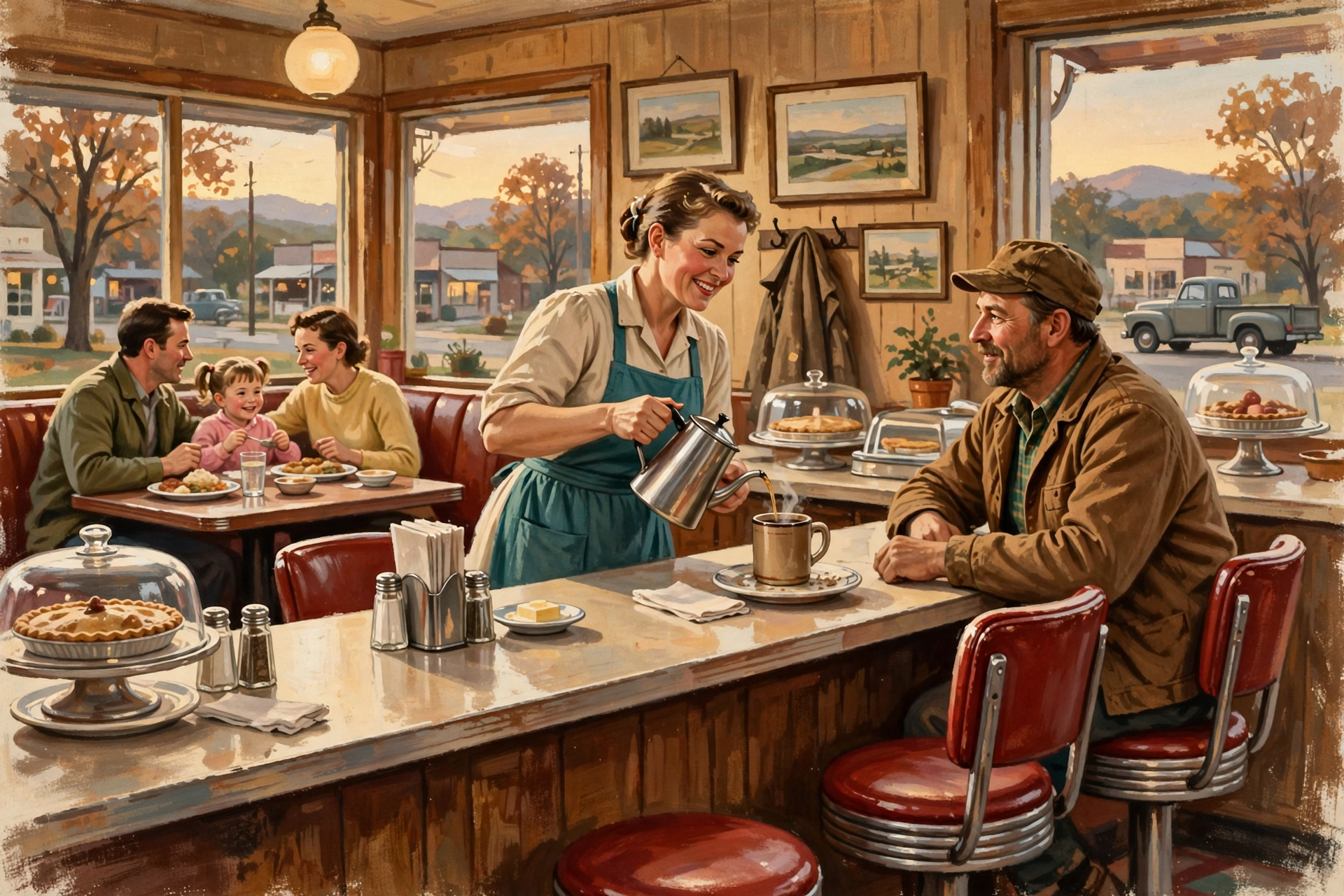
If you run a diner popular with families, you do not have to turn away a truck driver eating alone.
If your landscaping service primarily targets homeowners, you can still accept a commercial property.
If you market accounting services to contractors, you can still work with a restaurant.
Targeting is primarily about deciding:
Who should the message be designed to reach most clearly?
That’s different from putting a locked gate around the business.
Small Businesses Often Benefit From Being More Specific

Large companies can afford broad campaigns.
A local business usually has less time, less money and fewer people.
Specificity can therefore be a competitive advantage.
Consider these two messages:
Message 1: We provide quality accounting services for businesses.
Message 2: We help small construction companies understand job costs, cash flow and whether the work they’re taking is actually profitable.
The second message excludes nobody.
But a contractor immediately understands why the service might matter.
That’s the power of a defined audience.
Targeting Can Be Geographic

My childhood businesses were heavily constrained by geography.
If I was mowing lawns, painting or trimming trees, distance mattered.
The practical market might have been:
people near enough that I could reasonably reach them and do the work.
For many rural businesses, geography still matters enormously.
A contractor may only want jobs within 40 miles.
A restaurant mostly serves people within driving distance.
A plumber may charge differently outside a core service area.
A retail business may draw customers from several counties because alternatives are limited.
Geography is one of the simplest forms of segmentation.
Targeting Can Be Based on Need

A pest-control company might serve homeowners with:
- termites,
- ants,
- roaches,
- mice,
- or routine preventive treatment.
Those customers share a broad category.
But someone who just discovered termites has a different level of urgency than somebody considering routine quarterly service.
Need changes the message.
Targeting Can Be Based on Timing

Timing is often overlooked.
A person might be an ideal customer eventually but not today.
Consider roofing.
Somebody whose roof is two years old probably isn’t shopping for replacement.
Someone whose roof was just damaged in a storm might be making phone calls within minutes.
The same homeowner moved from low interest to high interest because circumstances changed.
Marketing often succeeds by reaching the right person at the right time.
Targeting Can Be Based on Values

Customers don’t always choose based on price.
One customer may care most about:
- lowest cost,
- speed,
- local ownership,
- craftsmanship,
- convenience,
- warranty,
- environmental impact,
- privacy,
- simplicity,
- or premium service.
Different businesses can succeed serving different priorities.
The mistake is pretending every customer values the same things equally.
Targeting Can Be Based on Risk

Remember the difference between mowing a lawn and trimming a tree near somebody’s house?
The work carries different perceived risk.
Some customers are naturally more risk-sensitive than others.
They may care strongly about:
- insurance,
- licenses,
- warranties,
- references,
- reviews,
- years of experience,
- and written contracts.
If your business has invested heavily in reducing customer risk, those customers may be particularly attractive.
Targeting Can Be Based on How Much Education the Customer Needs
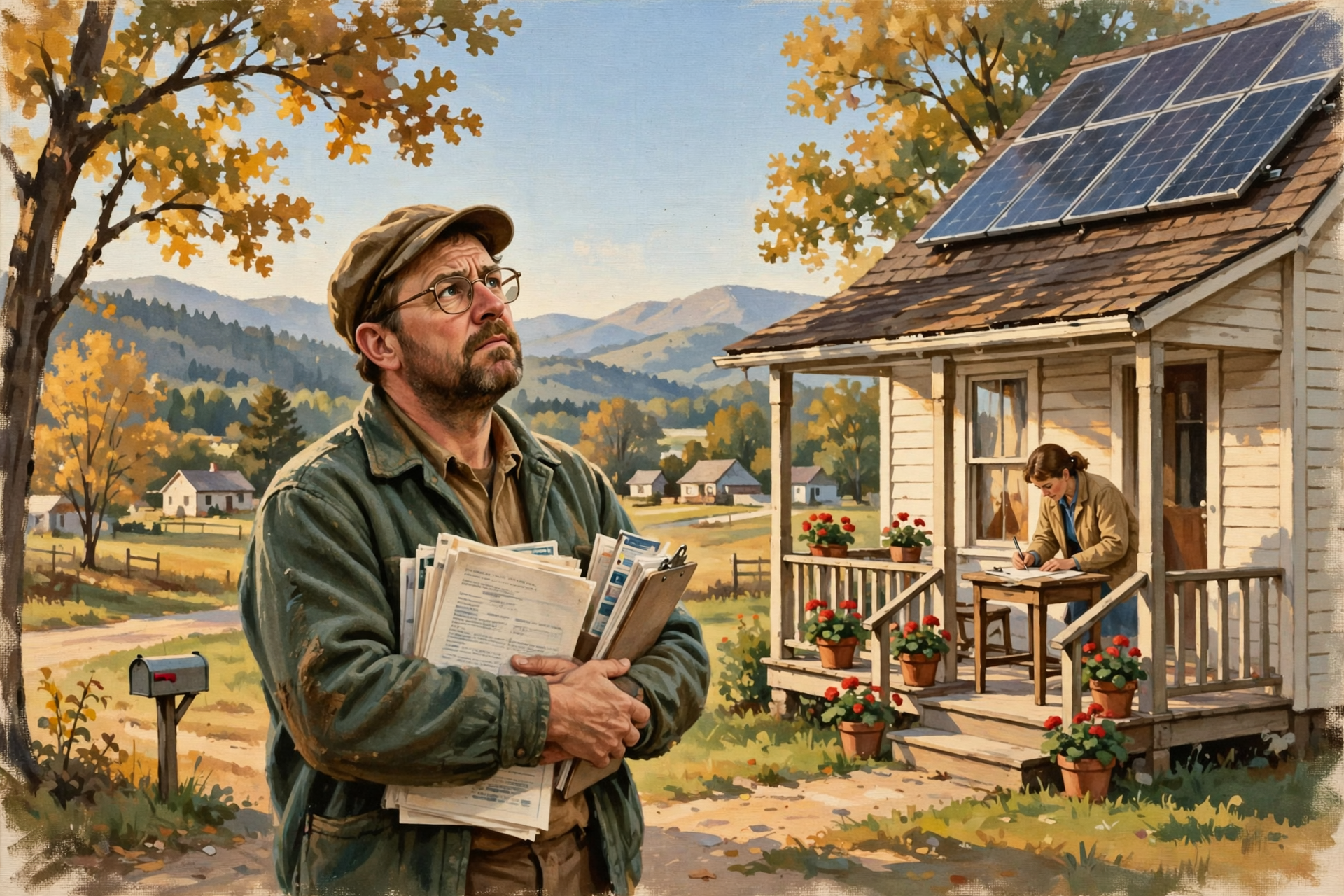
This takes us back to solar panels and early computers.
When a product category is new, some customers are naturally more willing to experiment.
We often call them early adopters.
They may tolerate:
- higher prices,
- rough edges,
- uncertainty,
- limited support,
- and the possibility that the technology will change quickly.
Other customers wait.
They want proof.
They want references.
They want standards.
They want somebody else to try it first.
Neither group is wrong.
They simply approach new technology differently.
The Atari 800 Wasn’t for Everybody Either

When early personal computers such as the Atari 800 appeared, the entire population did not suddenly become equally likely to buy one.
The early market included people fascinated by:
- technology,
- programming,
- games,
- education,
- business applications,
- and simply exploring what computers might become.
For other people, the reasonable response was:
“Why would I need that?”
Over time, software, printers, networks and eventually the internet expanded what computers could do.
As usefulness increased, the potential customer base widened.
The product category moved from enthusiasts toward ordinary households and businesses.
Markets evolve.
Sometimes Your Target Market Changes Because Technology Changes

Think about printing.
Early computer printers could appeal to relatively specialized users.
Then word processing made document creation easier.
Desktop publishing improved.
Printers became cheaper and better.
Eventually ordinary households could print:
- letters,
- school reports,
- photographs,
- greeting cards,
- forms,
- and business documents.
The technology broadened the market.
The same thing happened with computers themselves.
The same thing happened with the internet.
And something similar is happening with artificial intelligence.
AI’s Target Market Is Expanding Right Now

At first, many AI tools appealed mostly to:
- researchers,
- developers,
- technology enthusiasts,
- and people willing to experiment.
As tools become easier to use, the potential audience expands.
A contractor doesn’t necessarily care about large language models.
They may care that AI can help:
- write an estimate,
- summarize a jobsite note,
- respond to a customer,
- organize photographs,
- research a product,
- or prepare a proposal.
The marketing challenge changes from:
“Look at this amazing AI.”
to:
“Here is something useful it can do for you.”
That is how markets broaden.
Then, Now & Next: Finding the Right Customer

Then
When I was doing neighborhood work, targeting was often physical and obvious.
I could see the houses.
I could see the yards.
I could see who lived nearby.
My practical market was limited by distance, time, transportation and what work I could actually perform.
Marketing was often literally walking toward the customer.
Now
Businesses can define audiences with far more precision.
They can build content for:
- particular locations,
- specific customer problems,
- industries,
- life stages,
- types of businesses,
- purchase intentions,
- and many other characteristics.
Search engines also allow customers to identify themselves through what they ask.
Someone searching:
“emergency plumber near me”
has told us much more than somebody who simply lives within 20 miles of a plumbing company.
They have expressed need and urgency.
Next
AI may shift targeting in another direction.
Instead of businesses trying to guess which advertisement belongs in front of which person, customers may increasingly describe what they want to an AI assistant.
A homeowner might say:
“I need somebody to replace my deck. I care about reliability, I don’t want treated lumber, and I’d rather work with a small local company.”
The customer’s preferences become explicit.
An AI assistant may then look for businesses matching those criteria.
If that happens, marketing may increasingly involve making sure your business is accurately understood.
The future problem may not merely be:
“How do I target the customer?”
It may also be:
“How does the customer’s agent know that I’m a good match?”
That Could Make Honest Positioning More Important

For years, digital advertising has encouraged businesses to target audiences based on increasingly detailed assumptions about people.
AI-assisted shopping could potentially reverse some of that process.
The customer may increasingly specify:
- what they need,
- what they value,
- what they can afford,
- how far they’re willing to travel,
- and what tradeoffs they’re willing to make.
The business then needs to accurately communicate what it actually offers.
That could reward clarity.
A company may be better off saying:
“We’re not the cheapest contractor in the county. We specialize in complicated jobs where quality and reliability matter.”
For the wrong customer, that message may repel.
For the right customer, it may be exactly what they wanted to hear.
You Can Have More Than One Target Customer
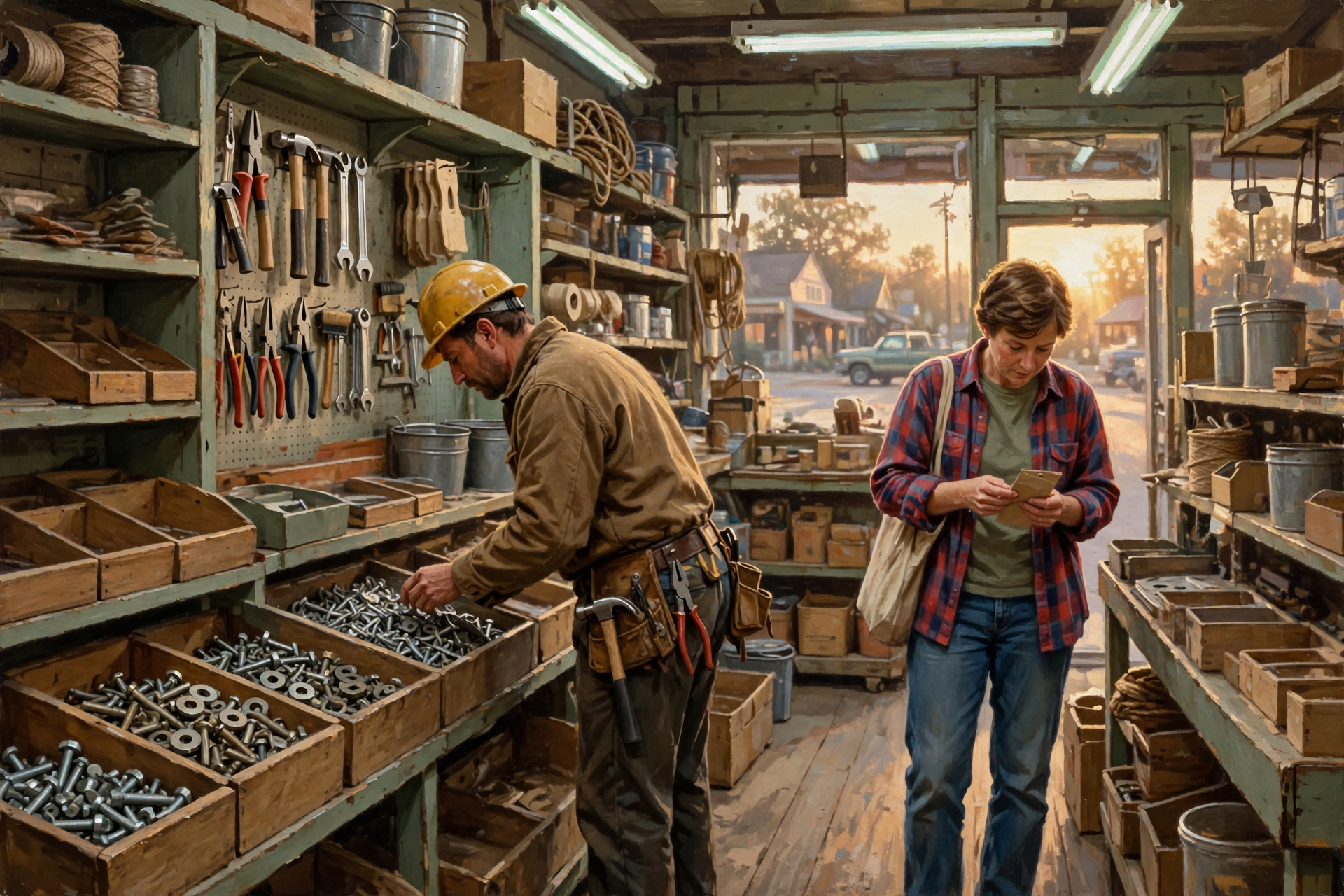
Real businesses are rarely limited to one perfectly defined person.
A hardware store might serve:
- homeowners,
- professional contractors,
- landlords,
- farmers,
- maintenance workers,
- and do-it-yourselfers.
The solution isn’t to pretend those customers are identical.
The business can create different messages for different groups.
Contractors might care about:
- inventory,
- bulk pricing,
- speed,
- commercial accounts,
- and dependable supply.
A homeowner might care more about:
- advice,
- small quantities,
- finding the correct part,
- and figuring out how to complete a repair.
Same store.
Different customer journey.
Don’t Invent an Imaginary Customer and Forget the Real Ones

Marketing people sometimes create detailed fictional customer profiles.
They may give them names, ages, incomes, hobbies and personalities.
That can be useful.
It can also turn into creative writing.
A business does not need to invent:
“Jennifer, age 42, enjoys kayaking, drives a silver SUV and drinks hazelnut coffee.”
unless those facts genuinely matter.
Start with evidence.
Look at actual customers.
Ask:
- Who buys from us repeatedly?
- Who values what we do best?
- Who is profitable to serve?
- Who refers other customers?
- Who understands our value?
- Who causes the fewest mismatched expectations?
- Who has the problem we solve most clearly?
The real customer should teach you about the target customer.
Your Best Customer May Surprise You

Sometimes businesses assume they know their market and discover something different.
A product designed for one group may become popular with another.
A restaurant may discover that takeout customers are more important than expected.
A contractor may realize that property managers generate more consistent business than individual homeowners.
A retailer may discover customers regularly drive from another county because no comparable store exists closer to them.
Marketing should be based on observation, not ego.
The market gets a vote.
Who Should You Not Chase?

This may be just as important as identifying good customers.
Some customers may cost more to acquire and serve than they’re worth.
Some may demand services outside your expertise.
Some may be so price-sensitive that you cannot profitably serve them.
Some may be geographically impractical.
Some may have expectations you cannot reasonably meet.
A business does not have to be everything to everyone.
Saying “we’re probably not the right fit” can be good business.
A Simple Exercise: Describe Your Best Customers

Forget demographic charts for a moment.
Answer these questions:
What problem do our best customers usually have?
Why do they choose us?
What do they value most?
What are they worried about?
What makes them easy or difficult to serve?
Where do they usually hear about us?
What questions do they ask before buying?
Why do some become repeat customers?
Why do they recommend us?
Then compare those answers with customers who are consistently poor fits.
The difference can tell you a great deal about where your marketing should focus.
Marketing Gets Easier When You Know Who You’re Talking To

Once you understand the audience, many other decisions become simpler.
You can decide:
- what questions to answer,
- what examples to use,
- what benefits to emphasize,
- what channels matter,
- what language customers understand,
- what trust signals matter,
- and what offer makes sense.
A message written for everybody tends to become generic.
A message written for someone with a specific problem can become useful.
The Marketing Lesson
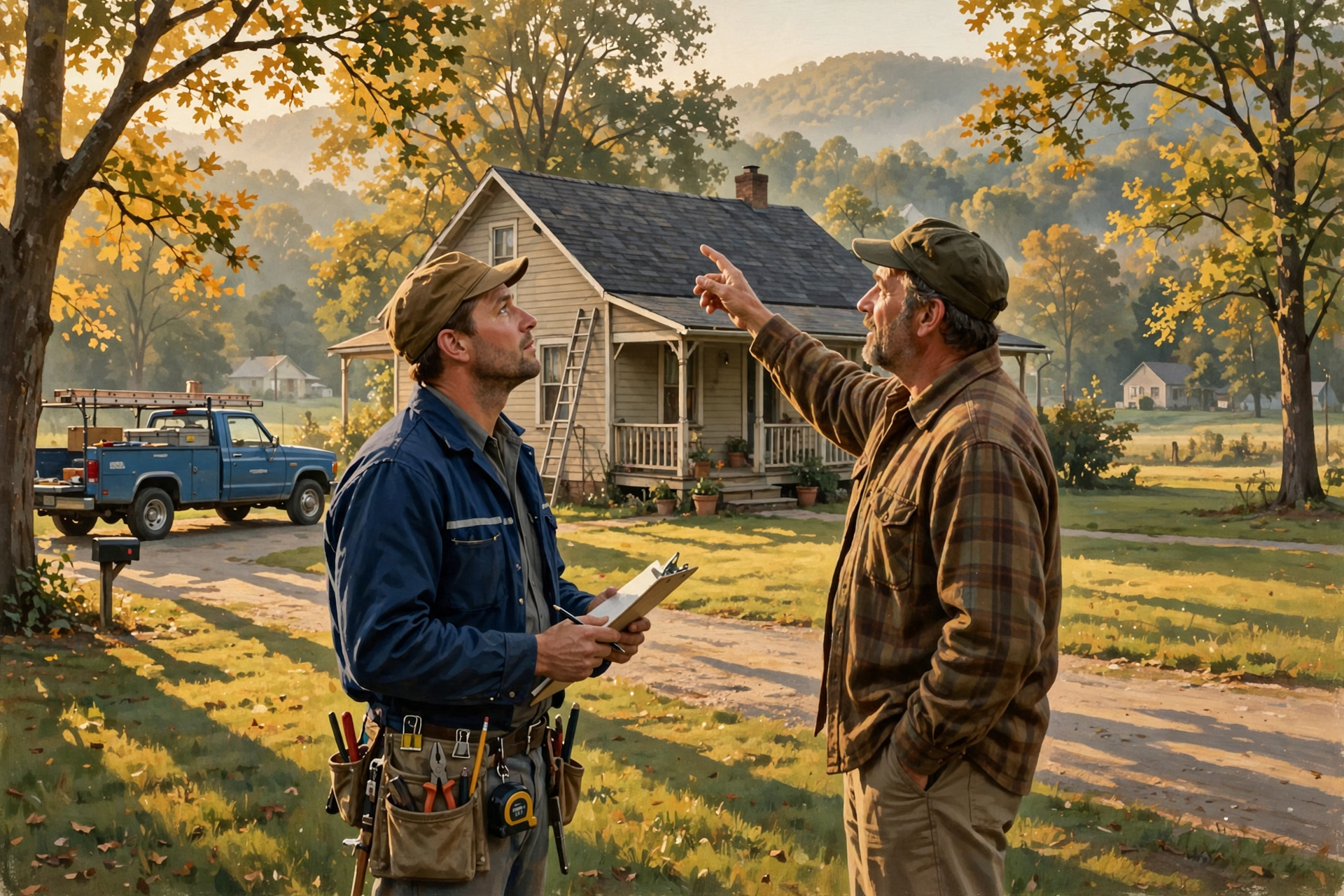
Your customer is not everybody.
Your potential market may be large.
Your best market is usually smaller.
The goal isn’t to exclude people unnecessarily.
The goal is to understand who is most likely to:
- need what you offer,
- recognize its value,
- trust your approach,
- afford the solution,
- and become a satisfied customer.
When I was mowing lawns, I didn’t need every homeowner.
I needed enough nearby people who wanted their lawns cut.
When I was selling solar panels, not everybody was ready for an emerging technology.
Early personal computers weren’t immediately for everyone either.
As products mature, markets expand.
As customer needs change, markets shift.
As technology improves, entirely new audiences appear.
Good marketing isn’t about reaching the largest possible audience. It’s about becoming relevant to the right one.
Next: How a Stranger Becomes a Customer

Once we know what problem we’re solving and whom we’re trying to help, another question appears:
How does that person move from never having heard of us to actually becoming a customer?
Usually, it doesn’t happen all at once.
People discover businesses, gather information, compare choices, develop trust and eventually decide whether to act.
In the next article in Marketing Without the Mumbo Jumbo, we’ll follow that journey from complete stranger to customer—and discover why the path people take matters more than any single advertisement.




0 Comments