
🌾 Thirsty Pastures, a Cost-Share Deadline Tomorrow and Frost Still Weeks Away: Your Farm & Garden Report
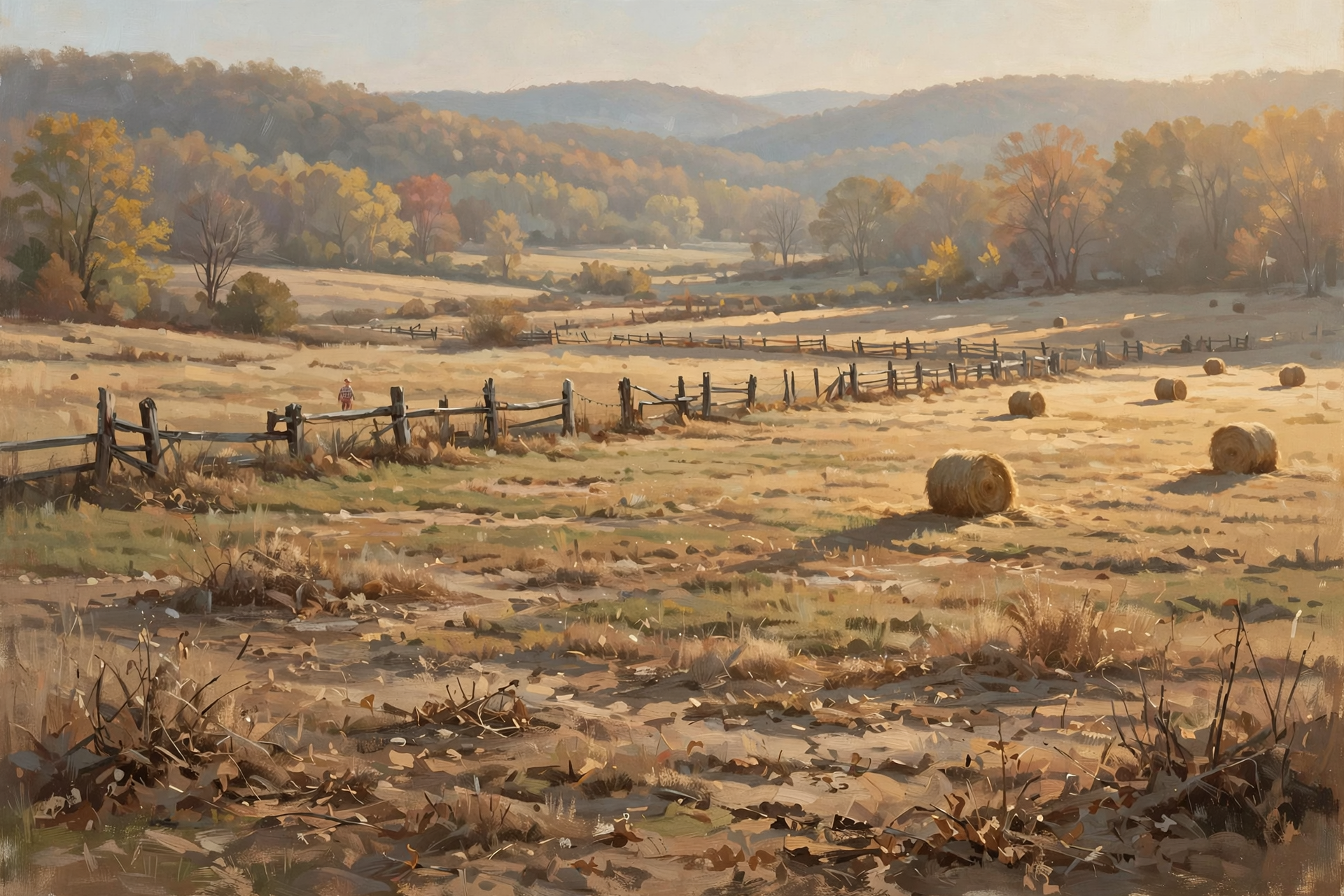
Or: Count Your Bales, Plant Your Garlic and Don’t Let Wednesday Sneak Up on You
Fall on a Valley farm is a lot like packing for a long trip. The more you think ahead now, the fewer surprises you’ll have down the road in February.
This week brings one deadline worth circling, some honest talk about dry pastures, a little help that’s already on the table and some easy jobs for the backyard garden.
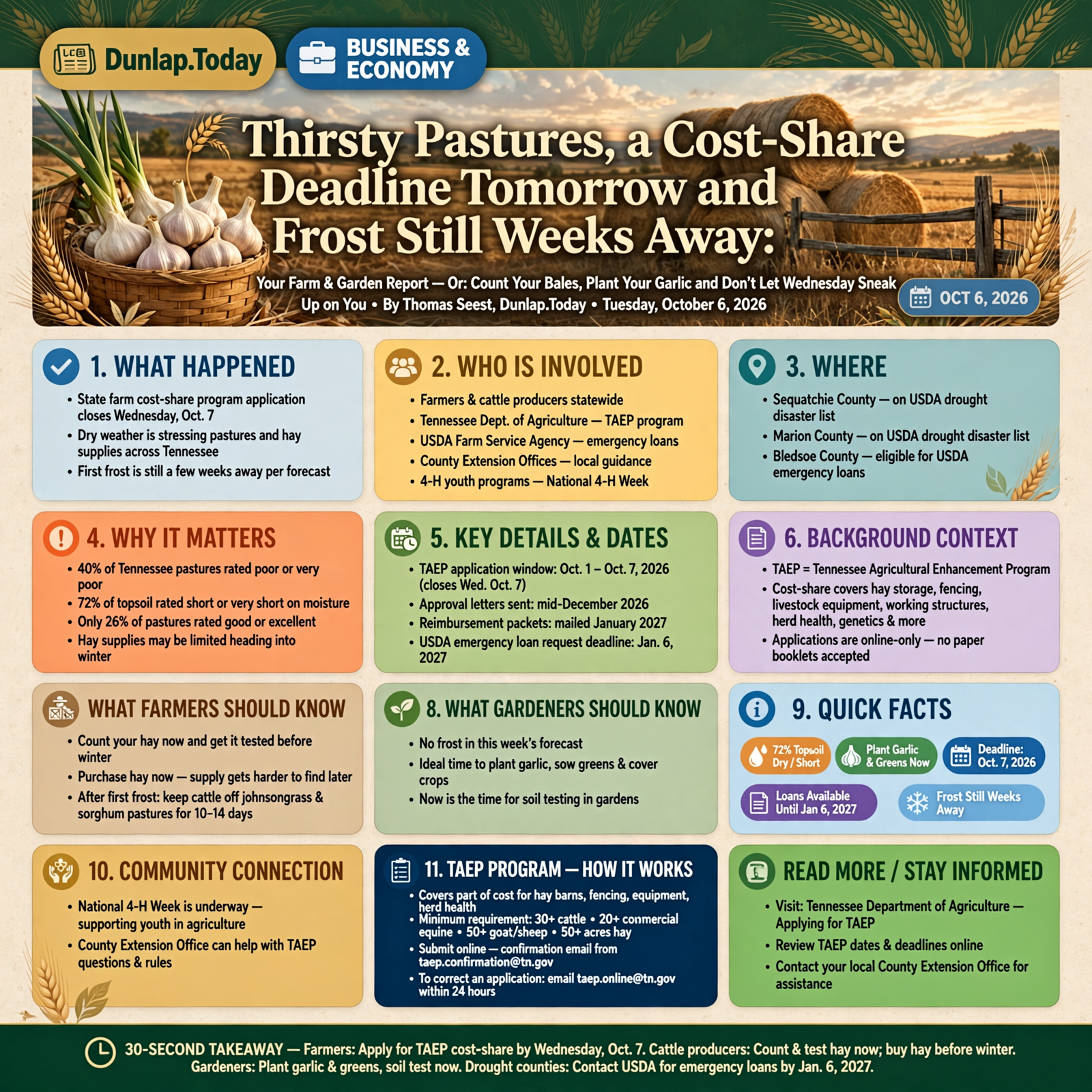
Here’s what’s in this week’s report: the state’s farm cost-share program closes its application window Wednesday, Oct. 7, pastures and hay supplies are feeling the dry weather across Tennessee, Sequatchie and Marion counties are on USDA’s drought disaster list, which opens the door to emergency farm loans, first frost is likely still a few weeks off, October is garlic, greens and soil-test time, a reminder about johnsongrass after the first frost and National 4-H Week.
⏱️ What this means for you in 30 seconds
- Farmers: If you want state cost-share help on things like hay barns, fencing or equipment, the online application closes Wednesday, Oct. 7.
- Cattle folks: Count your hay now, get it tested, and buy what you’ll need before winter, when it’s harder to find.
- Drought help: Farmers in Sequatchie, Marion and Bledsoe counties can ask about USDA emergency loans through Jan. 6, 2027.
- Gardeners: No frost in this week’s forecast. It’s a great time to plant garlic, sow greens and cover crops, and take a soil test.
- After the first frost: Keep cattle off johnsongrass and sorghum pastures for 10 to 14 days.
🗓️ Tomorrow Is the Last Day to Apply for State Farm Cost-Share Money

The Tennessee Agricultural Enhancement Program, which most folks just call TAEP, helps farmers pay for improvements by covering part of the cost. Programs include hay storage, livestock equipment, fencing, working structures, herd health, genetics and more. The Tennessee Department of Agriculture says the 2026 application period runs Oct. 1 through 7, and the application is online only. There are no paper booklets, and you don’t need a TAEP account to apply.
After you apply, the state says approval letters should go out in mid-December, with reimbursement packets mailed in January 2027. Once you submit, you’ll get a confirmation email from taep.confirmation@tn.gov, so check your spam folder if it doesn’t show up within 15 minutes. If you made a mistake, the state asks you to email taep.online@tn.gov within 24 hours.
What it means for you: Think of TAEP like a store coupon that only works one week a year. If you’ve been meaning to put up a hay barn, replace a head gate or add fencing, today and tomorrow are your chance to get in line for help. Read the program rules first, since each one has its own minimums. For example, hay storage requires at least 30 head of cattle, 20 commercial equine, 50 goats or sheep, or 50 acres of hay. If you get stuck, your county Extension office can point you in the right direction.
👉 Read more (Tennessee Department of Agriculture: Applying for TAEP) · TAEP dates and deadlines
🐄 Dry Pastures, Short Hay: Count Your Bales Before Winter Counts Them for You
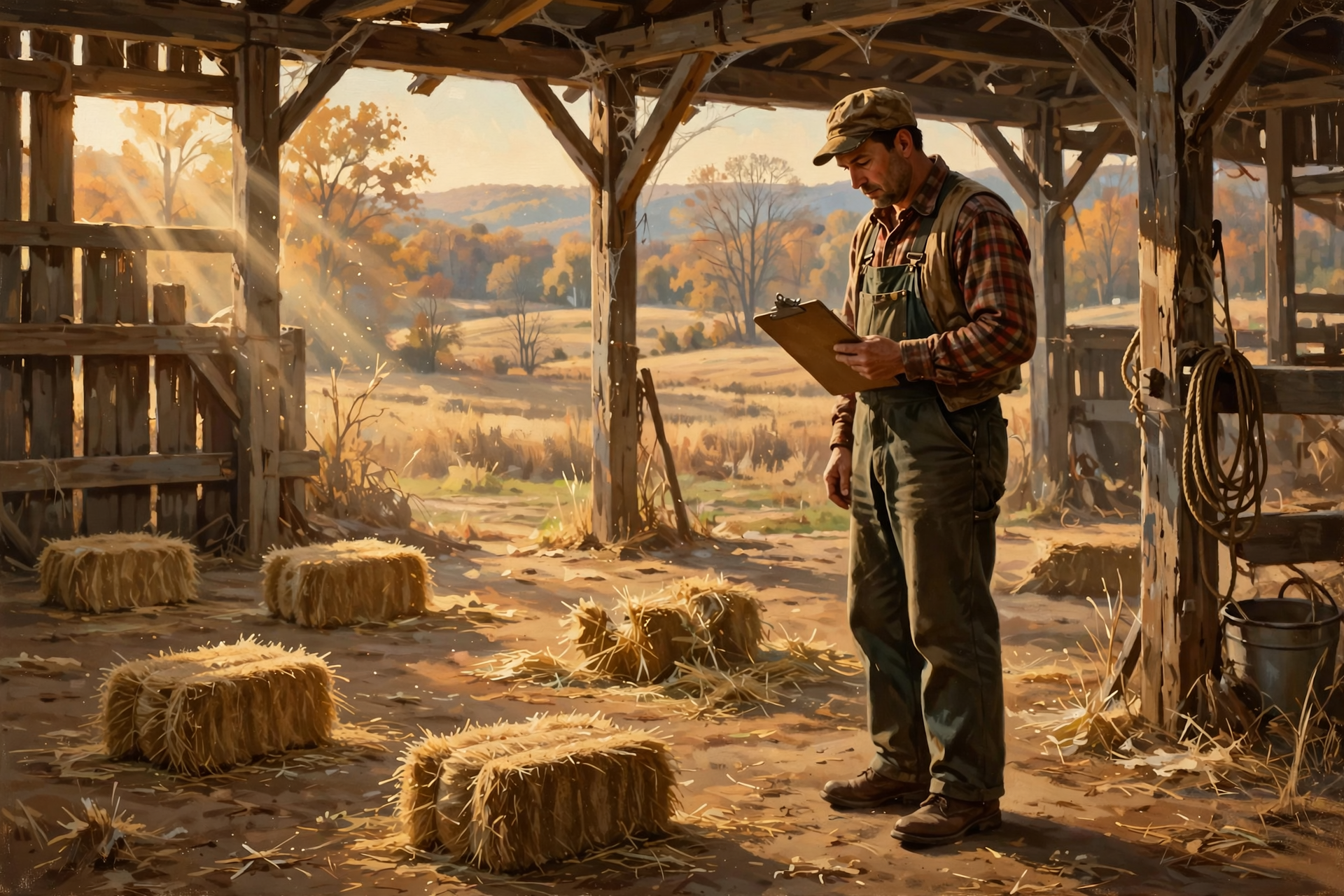
USDA’s weekly crop report for the week ending Oct. 4 rated 40 percent of Tennessee’s pastures poor or very poor, with only 26 percent good or excellent. Statewide, 72 percent of topsoil was rated short or very short on moisture. University of Tennessee experts wrote in September that about 60 percent of the state had slipped into drought after a wet August.
Up the road in the Upper Cumberland, Putnam County Extension agent Wayne Key told the Upper Cumberland’s UCNow on Oct. 5 that first-cutting hay there came in at only 40 to 50 percent of normal, and that farmers may need to start feeding hay earlier than usual. He advised taking stock of hay now, because it gets much harder to find, and pricier, in February and March. That’s a statewide picture and a neighboring region, but Valley pastures have been feeling the same dry spell.
What it means for you: Feeding cattle through winter is like stocking a pantry. It’s a lot easier to fill the shelves in October than in a February snow. UT Extension’s advice for dry falls is straightforward: count your bales, send off a hay sample for testing so you know what you’re feeding, and consider culling open cows and extra bulls while they’re in good shape and bringing better prices. Store hay off the ground and under cover, and use hay rings or cone feeders. UT says that can cut feeding waste from as much as 25 percent of a bale down to 3 to 7 percent. If you need to buy hay, the state and Tennessee Farm Bureau keep a free hay directory. The good news is that this weekend’s forecast brings a real chance of rain.
👉 Read more (UCNow: Drought threatens Upper Cumberland livestock forage) · USDA Crop Progress report, Oct. 5 · UT Beef & Forage: Stretching hay in a dry fall
🏦 Drought Disaster Status Means Emergency Loans Are Available to Valley Farmers

USDA has named Sequatchie and Marion counties as primary natural disaster areas because of drought that began April 21, 2026, with Bledsoe, Grundy, Hamilton and Van Buren among the neighboring counties also eligible. According to the Farm Service Agency, that designation lets farmers apply for emergency loans to replace equipment or livestock, reorganize the operation or refinance some debts. The application deadline for that designation is Jan. 6, 2027.
An earlier spring designation named Bledsoe as a primary county, with Sequatchie and Marion as neighboring counties, and carries a deadline of Dec. 10, 2026.
What it means for you: This is like knowing where the spare tire is before you need it. Nobody has to take out a loan, but if the dry year has knocked your operation back, it’s worth a phone call. The Farm Service Agency reviews each request based on your losses, what you can put up as security, and your ability to repay. Your local USDA Service Center can walk you through it, and the farmers.gov website has a tool that shows which programs might fit your farm.
👉 Read more (Farm Service Agency: 29 Tennessee counties designated)
❄️ Frost Isn’t Knocking Yet, but It’s Walking Up the Driveway
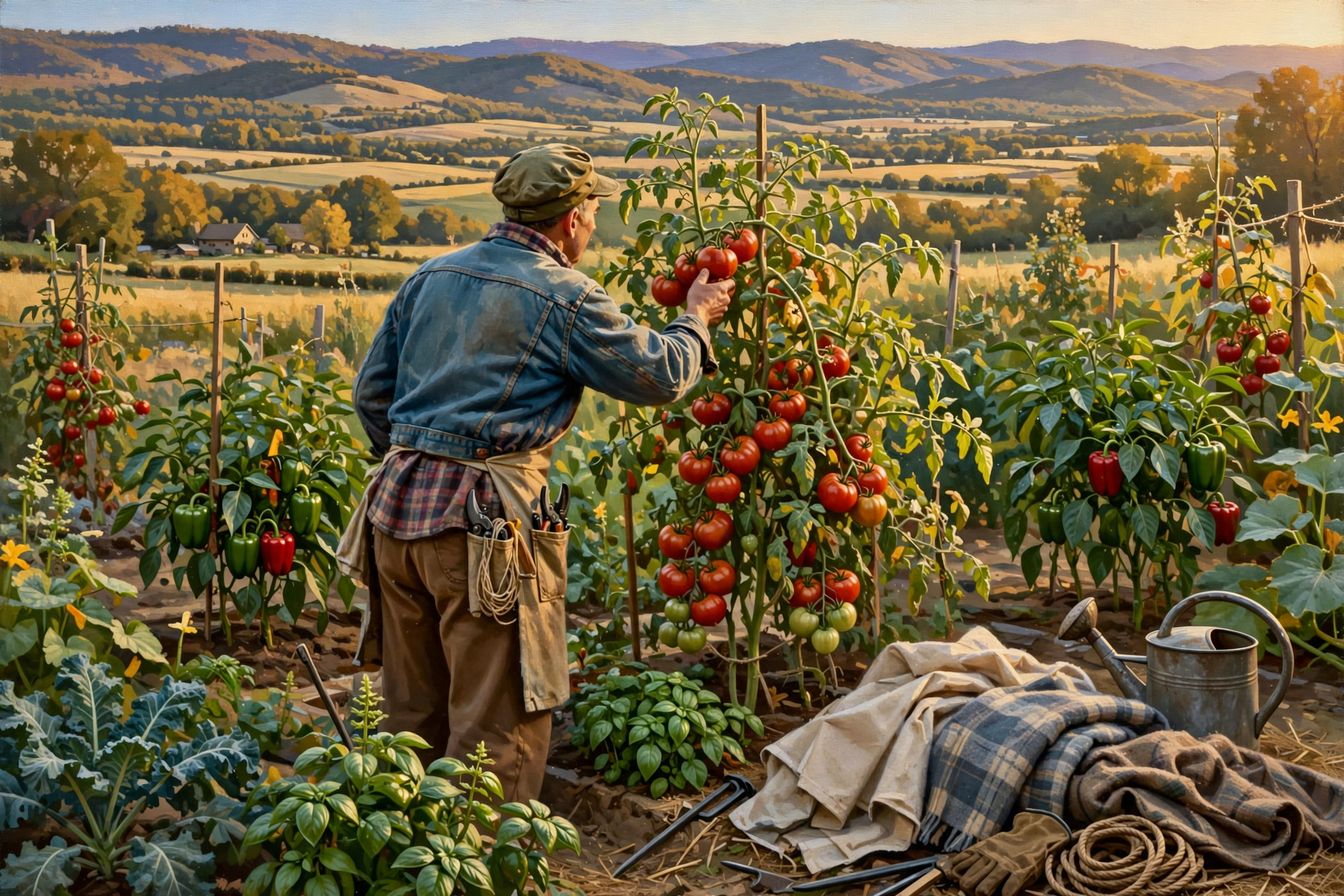
The National Weather Service forecast for Dunlap shows lows in the mid 50s through early next week, so there’s no frost in sight this week. UT Extension’s 2026 home garden guide lists Oct. 21 for Chattanooga as a cautious first-frost date, meaning there’s only about a 10 percent chance of frost before then. The Farmers’ Almanac puts Chattanooga’s average first frost around Nov. 1, the Tennessean reported this week.
Keep in mind that these are averages, not promises. Frost often settles first in low spots and valley bottoms on clear, calm nights, so parts of the Valley floor can see it before the city does.
What it means for you: Treat frost like a houseguest who tends to show up early. You don’t need to panic, just be ready. Keep picking tomatoes, peppers, beans and squash while the warm weather holds. When nighttime lows are forecast in the mid 30s, cover tender plants before sunset with frost cloth, an old sheet or a blanket, water the ground earlier that day, and bring potted plants inside. Greens like kale and collards can handle a light frost, and many folks say they taste sweeter afterward.
👉 Read more (Tennessean: Tennessee first frost dates for 2026) · UT Extension 2026 Home Fruit and Vegetable Garden guide
🧄 October Garden Jobs: Garlic in the Ground, Greens in the Row and a Soil Test in the Mail
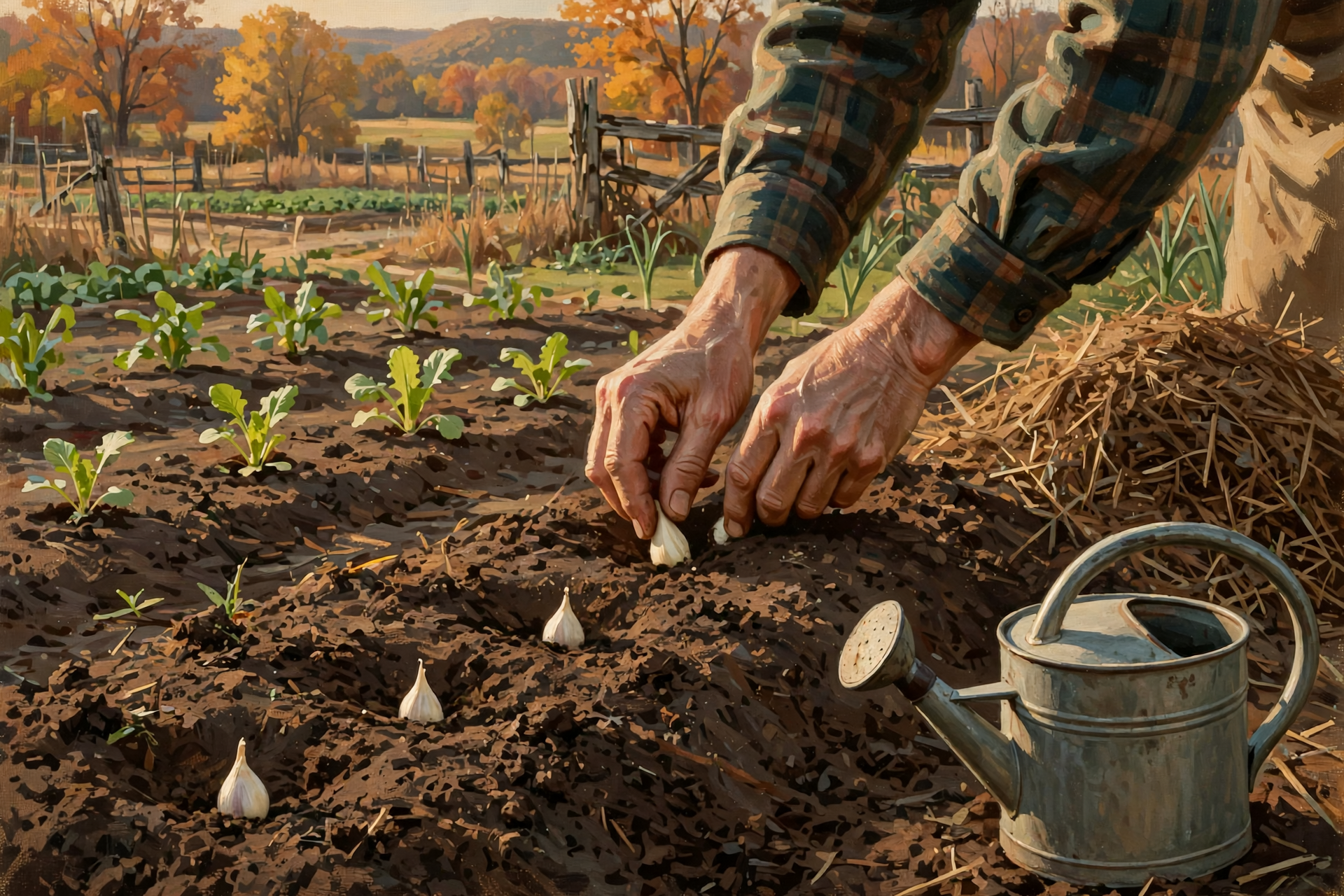
UT Extension says garlic should be planted from September through early November and harvested in early summer. Plant cloves 1 to 1½ inches deep and about 4 inches apart in loose, well-drained soil. A slightly raised bed helps during wet Tennessee winters. UT’s garden calendar also notes that many cover crops still do well in East Tennessee when planted in mid-October, and that October is a great time to take soil samples: gather 10 to 15 small samples about 6 inches deep and mix them together.
For pasture folks, UT forage specialists found that nitrogen for stockpiling fescue pays off best when applied between Sept. 1 and Oct. 1. After that, the extra grass you get per pound of fertilizer drops off sharply, and it needs moisture to work at all.
What it means for you: A soil test is like a checkup at the doctor. It tells you what your ground actually needs, so you don’t spend money on lime or fertilizer it doesn’t. The Sequatchie County Extension office can help with soil test supplies and current costs. If you’ve never grown garlic, it’s about the easiest crop there is: you plant it, mulch it, mostly forget it all winter, and dig it next June. Since the ground is dry right now, water new plantings until the rain comes. If you’re thinking about fertilizing pasture this late, it may be wiser to hold off and save the money.
👉 Read more (UT Extension: Garlic for the Tennessee Vegetable Garden) · UT Live.Stock Companion, September 2026
🌿 After the First Frost, Give Johnsongrass Pastures Two Weeks’ Rest
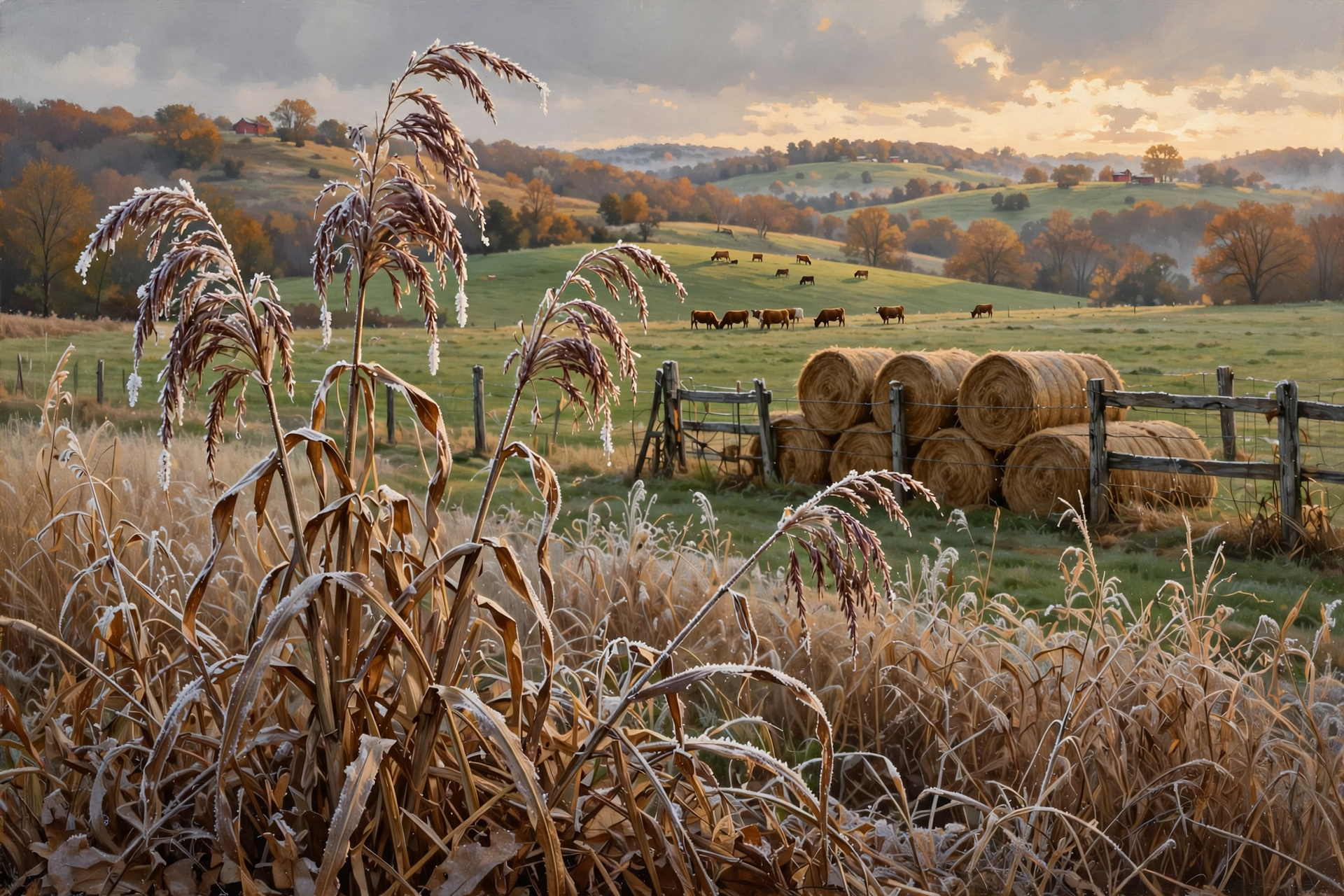
This one’s a simple heads-up to file away for later this month. UT Extension weed scientist Hannah Wright Smith explains that when frost hits johnsongrass, sudangrass and sorghum-sudangrass, it damages the plant and releases a toxin called prussic acid, which can make cattle seriously ill. The good news is that it fades as the grass dries down. UT recommends waiting 10 to 14 days after a frost before grazing areas with a lot of these grasses, and keeping cattle off any fresh regrowth.
What it means for you: Think of it like letting a fresh-painted porch dry before you walk on it. A little patience is all it takes. When frost finally comes, move cattle to fescue or other safe pasture, or feed hay, for a couple of weeks, then let them back on once the johnsongrass has dried out. If you’re unsure about a field, your Extension agent can help.
👉 Read more (UT Beef & Forage: Prussic acid after frost)
🍀 It’s National 4-H Week, a Good Time to Say Thanks to the Next Generation
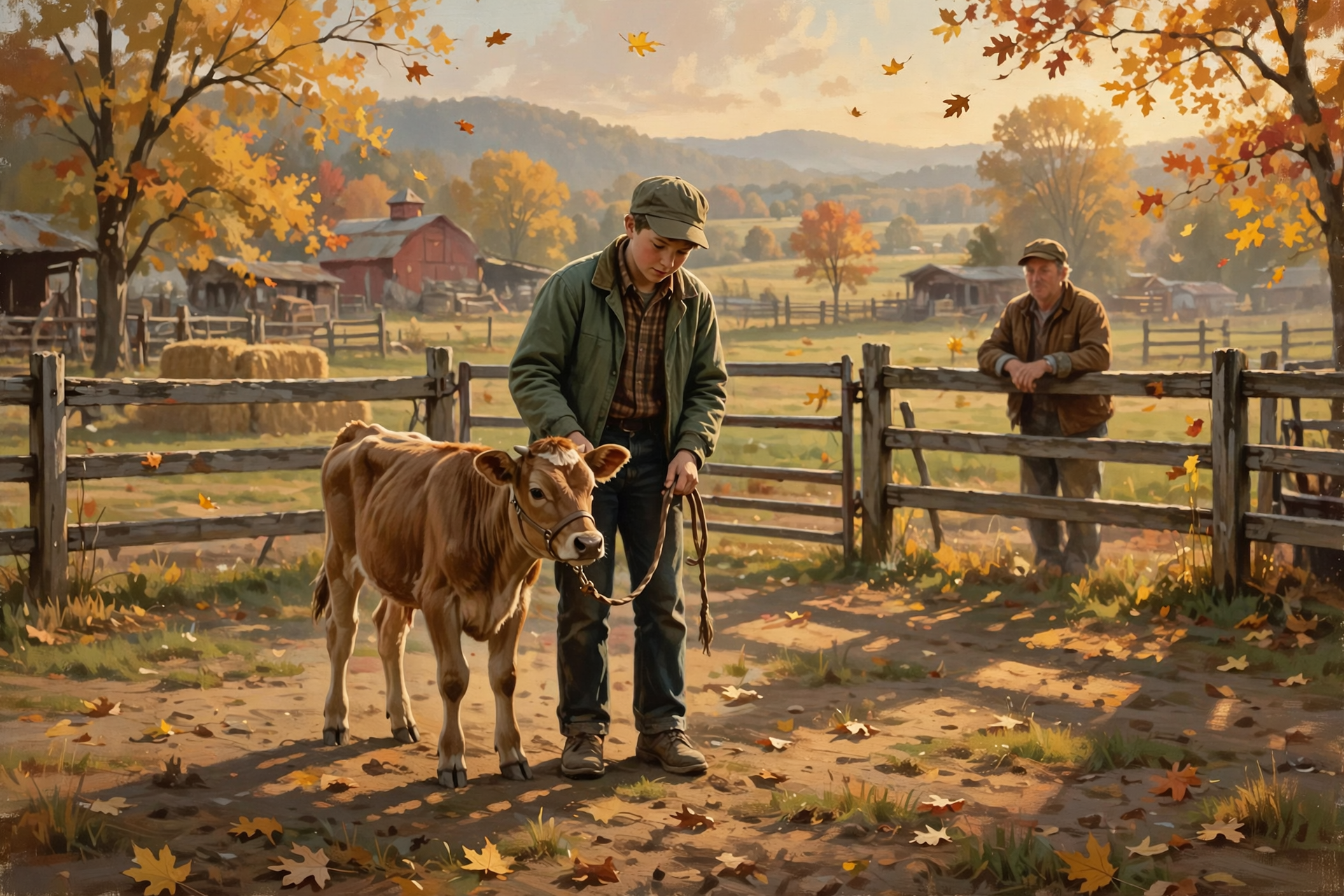
Tennessee 4-H is celebrating National 4-H Week, Oct. 4 through 10. In Sequatchie County, 4-H runs through the UT Extension office at 170 Church Street in Dunlap, open 8 a.m. to 4:30 p.m. on weekdays and closed from noon to 1 p.m. for lunch. You can reach the office at 423-949-2611.
What it means for you: 4-H is where a lot of Valley kids first learn to show a calf, give a speech or grow a garden. If you have a youngster who’s curious about animals, cooking, science or leadership, this is a nice week to call and ask how to join. If you’re a business owner, it’s a fine time to thank a local 4-H’er or ask how you can help out.
👉 Read more (UT Extension Sequatchie County)
✅ Your Farm & Garden Checklist for This Week
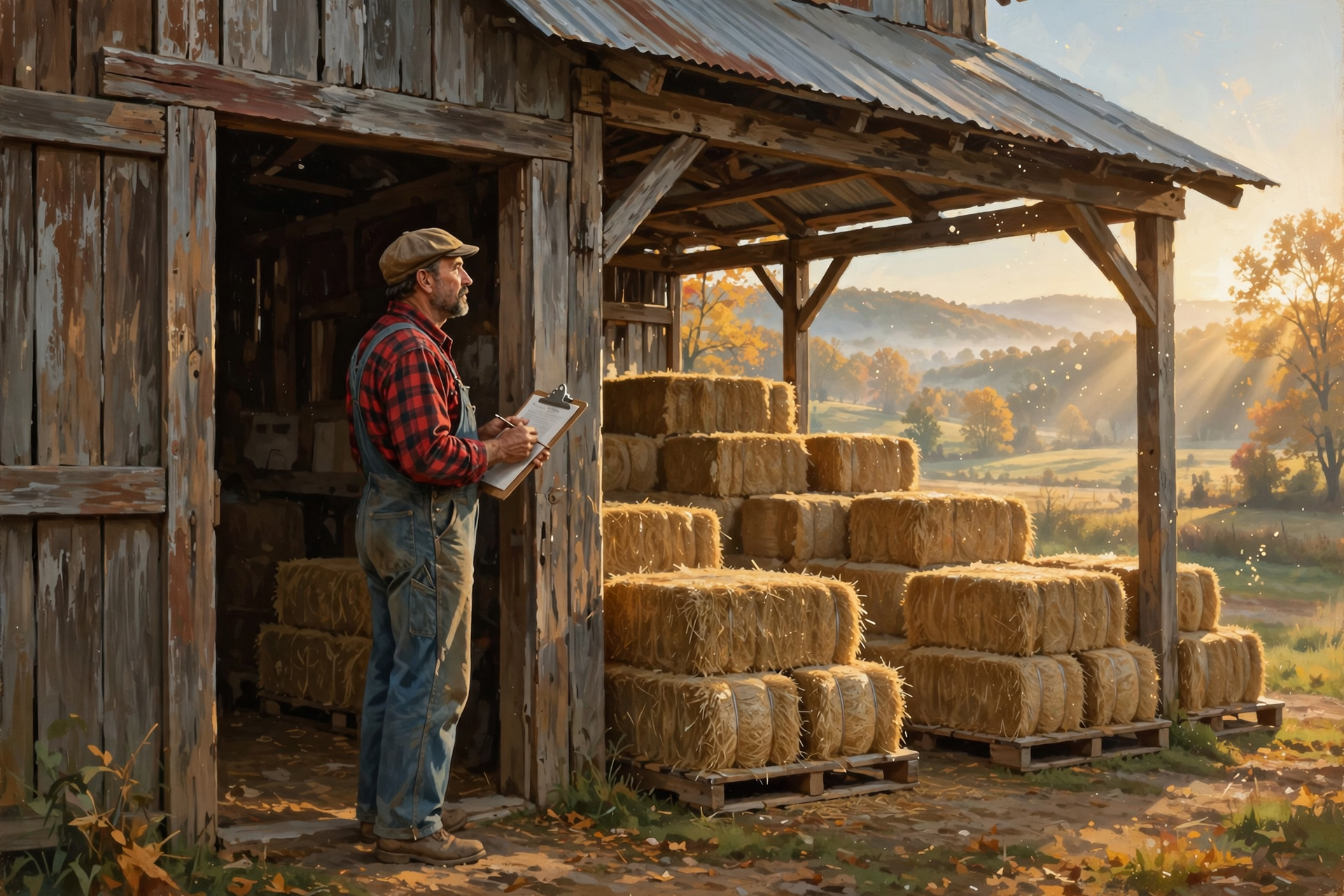
- ✅ Applying for state cost-share? Finish your TAEP application by Wednesday, Oct. 7, at tn.gov/taep.
- ✅ Count your hay and figure how many days of feeding you have on hand.
- ✅ Send a hay sample off for testing so you know what you’re feeding.
- ✅ Get bales off the ground and under cover, and use rings or cone feeders.
- ✅ Need to buy hay? Check the Tennessee Hay Directory now, not in February.
- ✅ Hit hard by the dry year? Call your USDA Service Center about emergency loans (deadline Jan. 6, 2027).
- ✅ Plant garlic, greens and cover crops, and water them until the rain comes.
- ✅ Take a soil test before buying lime or fertilizer.
- ✅ Keep an old sheet or frost cloth handy for the first cold night.
- ✅ After the first frost, keep cattle off johnsongrass for 10 to 14 days.
Practical rule: Plan your winter feed in fall, test before you spend, and never let a deadline catch you on the tractor.
— Dunlap.Today
📚 Plain-English Farm & Garden Glossary

- TAEP (Tennessee Agricultural Enhancement Program): A state program that pays back part of the cost of approved farm improvements.
- Cost share: When a program covers a portion of what you spend, and you pay the rest.
- Reimbursement: Getting paid back after you’ve bought the item and turned in your receipts.
- Primary county: A county USDA names directly in a disaster designation because it met the drought standard.
- Contiguous county: A neighboring county whose farmers are also eligible for the same help.
- Emergency loan: A Farm Service Agency loan to help farms recover from losses after a declared disaster.
- Stockpiled fescue: Fescue left to grow in the fall so cattle can graze it into winter instead of eating hay.
- Forage analysis (hay test): A lab test showing how much protein and energy is in your hay.
- Prussic acid: A toxin that builds up in johnsongrass and sorghum-type grasses after frost or stress.
- Cover crop: A crop like rye, clover or wheat planted to protect and feed the soil over winter.
- First frost date: The typical date of the first 32-degree night in fall. It’s an average, not a guarantee.
❓ Frequently Asked Questions

Can I still apply for TAEP if I miss Wednesday’s deadline?
Not this year. The state’s application period is Oct. 1 to 7, and the next one won’t open until next October. If you think you qualify, apply online now at tn.gov/taep.
Do I need a TAEP account to apply?
No. The Tennessee Department of Agriculture says you don’t need an account to apply, and the application is a live link on the TAEP webpage during the application week.
How do I find out about the USDA emergency loans?
Contact your local USDA Service Center. You can find the nearest office and a disaster assistance tool on farmers.gov. The deadline under the most recent designation is Jan. 6, 2027.
Is it too late to plant a fall garden?
Not at all. Garlic can go in through early November, and cool-weather crops like kale, collards and leaf lettuce can still be planted, especially if you’re willing to cover them on cold nights.
Will this weekend’s rain fix the pastures?
It will help, especially for fescue, which grows well in cool fall weather when it gets moisture. But one rain rarely makes up for months of dry weather, so it’s still smart to plan your hay supply now.
Where can I get help with a farm or garden question?
Call the Sequatchie County UT Extension office at 423-949-2611 or stop by 170 Church Street in Dunlap. Their advice is research-based and focused on our area.
🔗 Other Resources

- Tennessee Agricultural Enhancement Program (TAEP)
- TAEP Hay Storage program details
- Tennessee Department of Agriculture: Hay Directory
- Tennessee Farm Bureau: Hay Directory
- farmers.gov: USDA programs and Service Center locator
- UT Extension: Drought resources
- UT Beef & Forage Center
- U.S. Drought Monitor: Tennessee
- UT Extension Sequatchie County
🌻 Plant Today, Harvest Peace of Mind Tomorrow
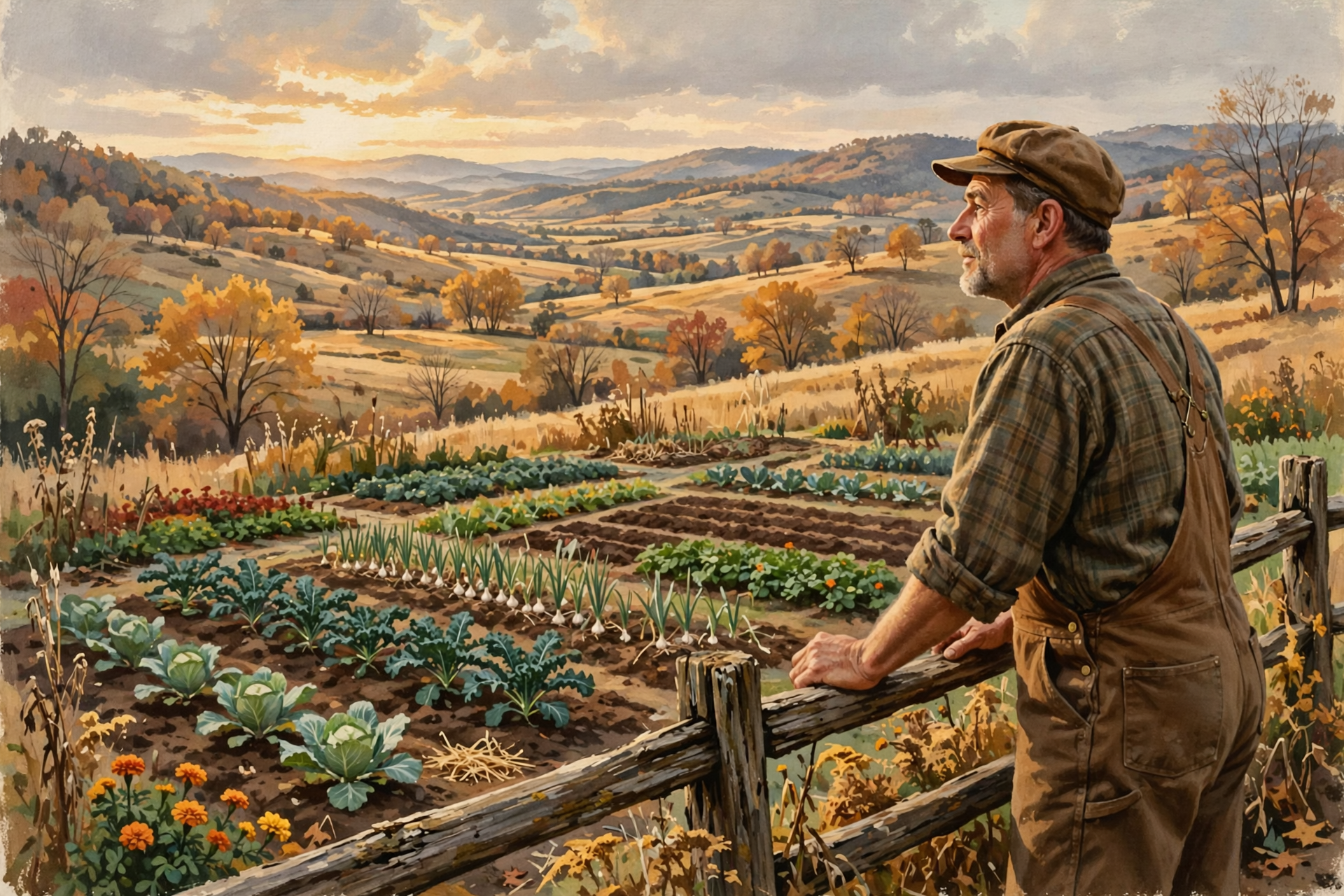
A dry fall is something Valley farmers have weathered before, and there’s real help on the table this year, from state cost-share to USDA loans to sound advice from our own Extension office. Count your hay, tend your garden, keep an eye on the sky, and lend a neighbor a hand if they’re running short.
We’ll be back with more practical farm and garden news you can use. Read Dunlap.Today and sign up for our newsletter for plain-English farm, garden and Valley news.



0 Comments