
🧠 Mental Health Matters at Every Age – CASA of the Sequatchie Valley Breaks the Stigma
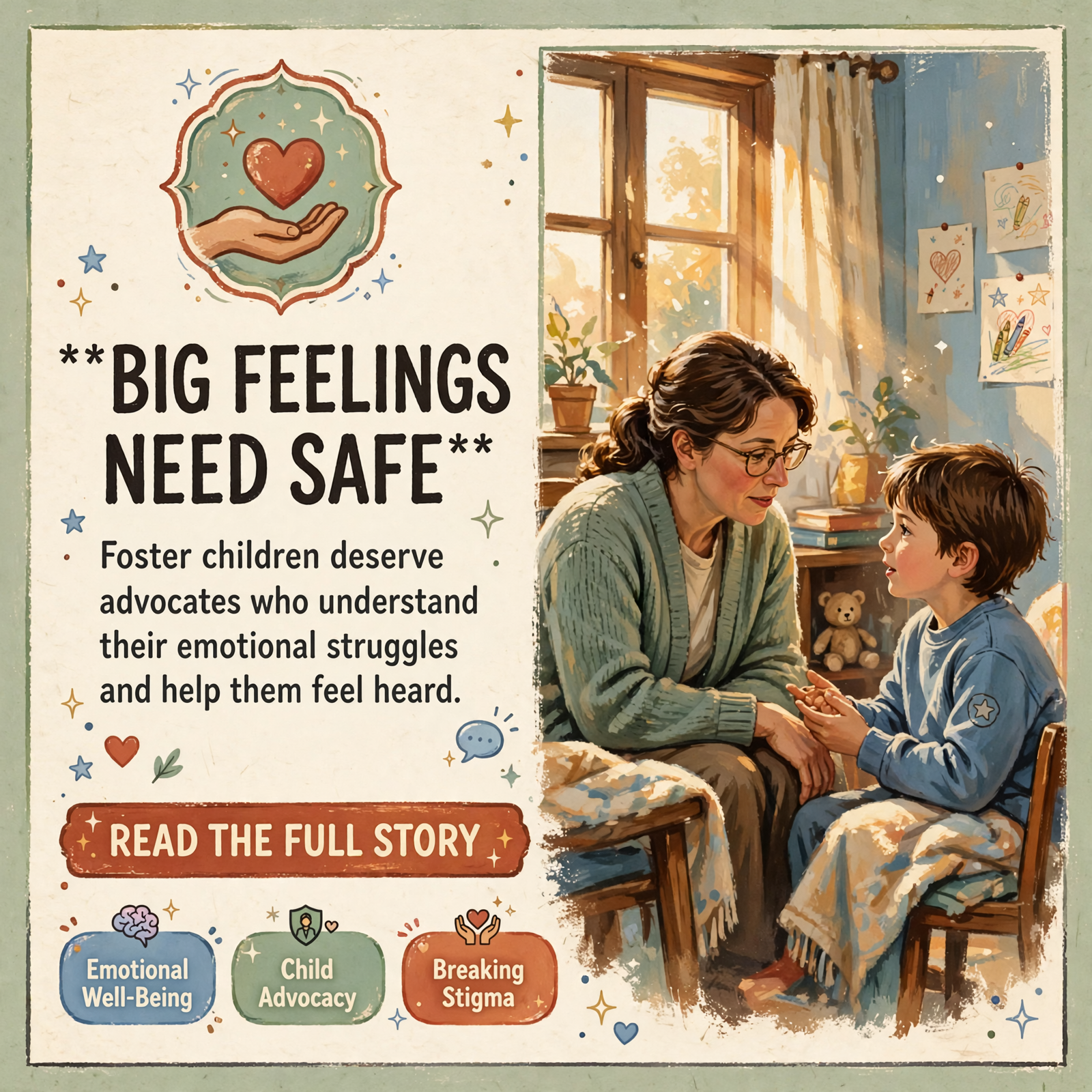
As Mental Health Day conversations ripple through communities nationwide, CASA of the Sequatchie Valley is reminding local residents that emotional well-being starts early-and that children in foster care deserve dedicated advocates who understand their unique struggles. The message is simple but urgent: big feelings need safe spaces, and every child deserves to know they don’t carry heavy things alone.
💡 Why This Matters
Mental health challenges in children often go unspoken. Without early, open conversations about emotions, children may struggle to build resilience, process difficult experiences, or recognize when they need help. For children in foster care-who have already experienced separation, loss, and instability-the stakes are even higher. A trusted adult who listens, validates, and advocates can be transformative.
CASA of the Sequatchie Valley emphasizes that community members don’t need to be therapists or social workers to make a difference. Simply creating safe spaces where children feel heard and supported strengthens their emotional foundation and helps break the stigma that often surrounds mental health conversations in families and schools.
❤️ Human Impact
Children who grow up in environments where emotions are discussed openly tend to develop better coping skills, stronger relationships, and greater self-awareness. For foster children, the presence of a dedicated CASA advocate-a court-appointed special advocate trained to represent their best interests-can mean the difference between isolation and connection, between feeling invisible and feeling valued.
When a child knows that an adult in their corner understands their emotional needs and will speak up for them, it changes how they see themselves and their future. These relationships often become anchors during turbulent transitions and reminders that they are not alone.
🌱 Community Connections
Mental health advocacy in the Sequatchie Valley connects multiple community threads: families navigating foster care, schools working to support student well-being, local churches and nonprofits offering pastoral care, and healthcare providers addressing childhood trauma. CASA of the Sequatchie Valley sits at the intersection of all these relationships, bridging the gap between the child’s immediate needs and the broader support network.
When community members understand the role of CASA advocates, they become part of that network-whether by supporting the organization, creating emotionally safe spaces in their own homes and workplaces, or simply normalizing conversations about feelings and mental health with the children in their lives.
🗣️ Breaking the Stigma Locally
In many communities, mental health remains a topic people avoid or whisper about. CASA of the Sequatchie Valley‘s message challenges that silence. By framing mental health as something that “matters at every age” and emphasizing that “big feelings need safe spaces,” the organization invites residents to shift how they think and talk about emotions-not as weakness or shame, but as a natural part of growing up.
This shift is especially important in rural and valley communities, where traditional attitudes about “toughing it out” or “handling things privately” can leave children without the support they need. Normalizing mental health conversations early creates a culture where children feel safer asking for help and where adults feel more equipped to listen.
🤝 Opportunities for Connection
Residents interested in supporting children’s mental health and foster care advocacy in the Sequatchie Valley can explore several pathways:
- Learn more about CASA advocacy: Understanding what CASA advocates do and how they support children in foster care helps community members recognize the value of this work and consider whether they might become advocates themselves.
- Create safe spaces: Teachers, coaches, family members, and community leaders can intentionally foster environments where children feel comfortable discussing their feelings and know they will be heard without judgment.
- Support the organization: CASA of the Sequatchie Valley relies on community support to train and sustain advocates. Donations, volunteer hours, or simply spreading awareness strengthens the organization’s capacity to serve more children.
- Start conversations at home and in schools: Families and educators can use Mental Health Day and similar occasions as springboards for ongoing, age-appropriate discussions about emotions, resilience, and seeking help.
📍 What Residents Should Know
CASA of the Sequatchie Valley is a nonprofit child advocacy organization dedicated to supporting children in foster care. The organization is based in Dunlap and serves the Sequatchie Valley region. For more information about CASA advocacy, how to become an advocate, or how to support the organization’s mission, residents can reach out directly or visit the organization’s website.
🔄 What Happens Next
Mental Health Day conversations often fade quickly after the calendar turns. CASA of the Sequatchie Valley‘s message suggests a longer commitment: showing up for children’s emotional well-being “today and every day.” This means ongoing community dialogue, sustained support for foster children and their advocates, and a cultural shift toward normalizing mental health conversations year-round.
Residents can watch for future initiatives from CASA of the Sequatchie Valley, including advocacy training opportunities, community education events, and ways to support children in foster care in the valley.
💭 Questions for the Community
- How can families and schools in the Sequatchie Valley create more intentional spaces for children to discuss their emotions and mental health?
- What barriers prevent open conversations about mental health in our community, and how can we address them?
- If you became aware of a child in foster care who needed support, would you know how to connect them with resources like CASA advocacy?
- How might normalizing mental health conversations early in childhood change outcomes for children facing trauma or instability?
🌟 Long-Term Community Impact
When communities prioritize children’s mental health and invest in advocacy systems like CASA, the effects ripple outward for years. Children who grow up with emotional support and trusted advocates tend to become adults who are more resilient, more capable of forming healthy relationships, and more likely to seek help when they need it. They also become community members who understand the value of showing up for others.
For the Sequatchie Valley, embracing this message means building a culture where foster children are not invisible, where mental health is discussed openly, and where every child knows they have someone in their corner. That foundation strengthens families, schools, workplaces, and the entire community fabric.
🔗 Community Threads: The Advocate-Child Relationship
At the heart of CASA’s work is a single, powerful thread: the relationship between a trained advocate and a child in foster care. This thread connects the child to the court system, to social services, to schools, and to the broader community. When that thread is strong and consistent, it becomes a lifeline. When it’s absent, children can feel lost and unheard. By understanding this thread, community members recognize why CASA advocacy matters and why supporting these relationships strengthens the entire valley.


0 Comments