
🌄 I’m Turning 61. It’s Time to Have a Conversation With My 81-Year-Old Self.

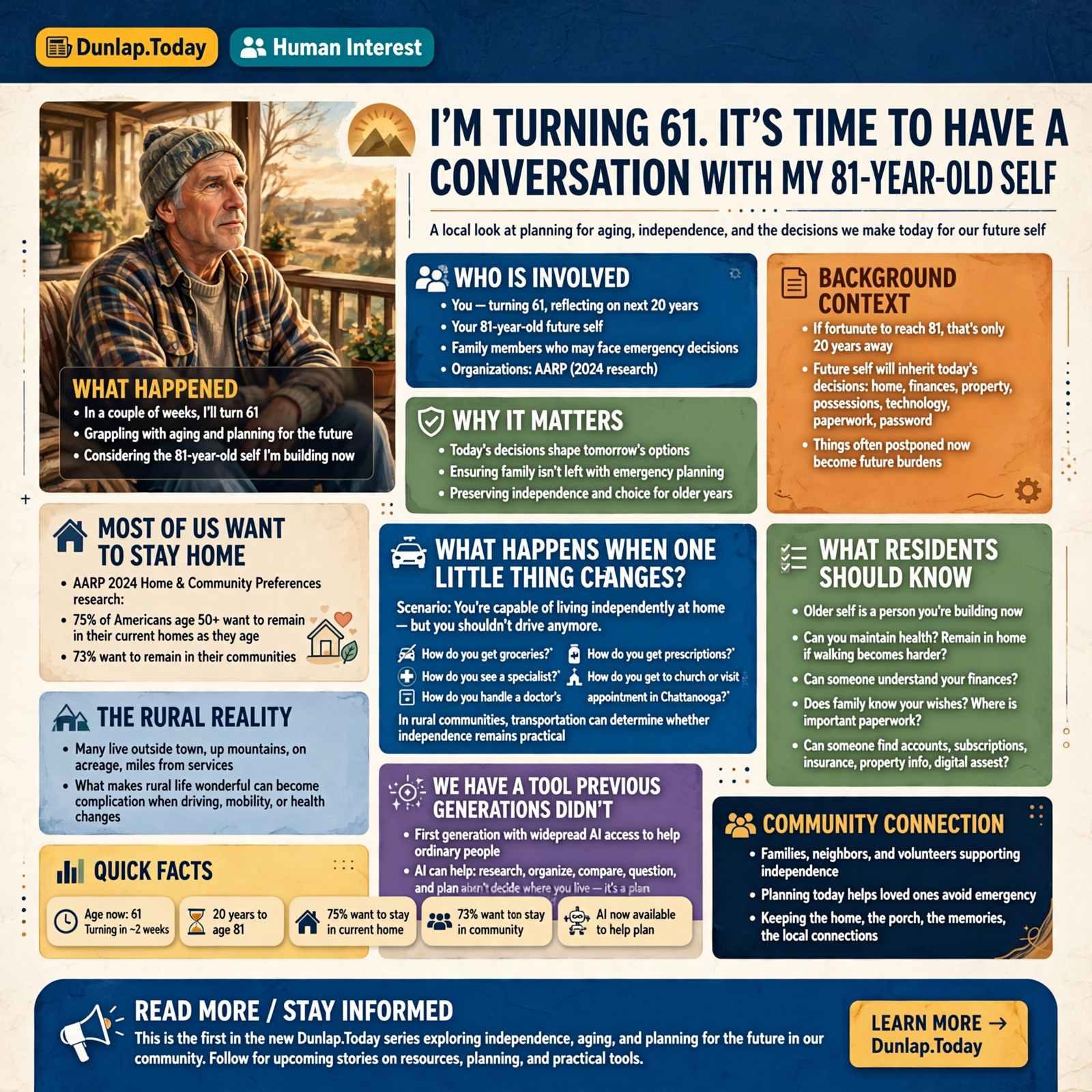
In a couple of weeks, I’ll turn 61.
I don’t particularly feel like a senior citizen.
I haven’t begun pricing rocking chairs.
I’m not studying nursing-home pudding menus.
And I haven’t developed an irresistible urge to yell at neighborhood children about my lawn.
But the arithmetic is becoming difficult to ignore.
If I’m fortunate enough to reach 81, that fellow is only twenty years away.
And something occurred to me:
He’s going to inherit nearly every decision the 61-year-old version of me is making today.
The house.
The finances.
The property.
The possessions.
The technology.
The paperwork.
The passwords.
The things I’ve maintained.
And all the things I’ve cheerfully postponed because, as every responsible adult knows, there’s always tomorrow.
So maybe the two of us ought to talk.
👴 Meet the Fellow I’m Creating

Here’s an uncomfortable way to think about aging:
Your older self is partly a person you’re building right now.
The decisions we make today determine how many choices that future person will have.
Do I maintain my health?
Can I remain in my house if walking becomes harder?
What happens if I can no longer drive?
Can somebody else understand my finances?
Does my family know what I want?
Does anybody know where the important paperwork is?
Can someone figure out the accounts, subscriptions, insurance policies, property information and digital assets I’ve accumulated?
And perhaps most importantly:
If something changes suddenly, will my family be making thoughtful decisions—or emergency decisions?
🏡 Most of Us Want to Stay Home
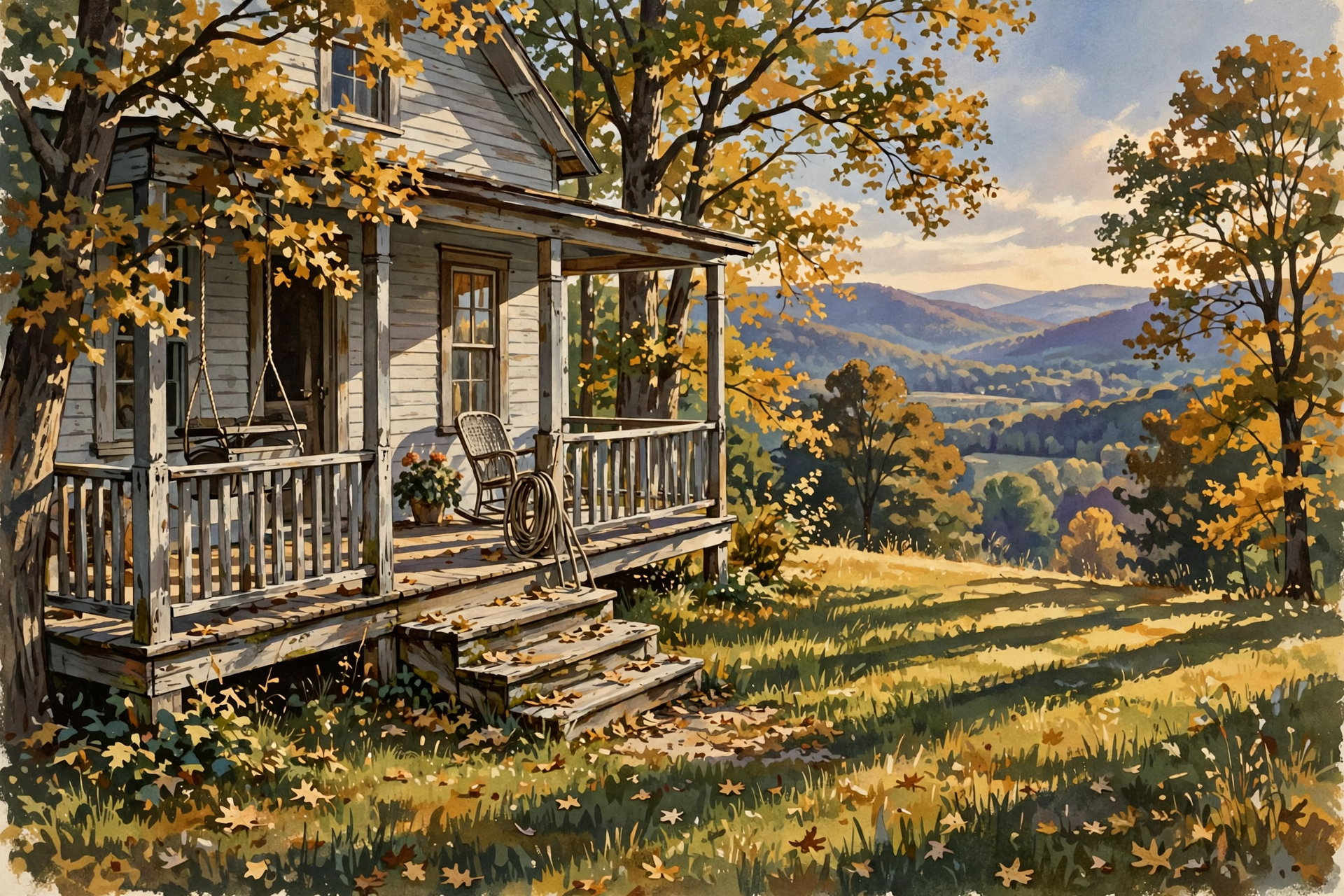
This isn’t just something I’m thinking about.
AARP’s 2024 Home & Community Preferences research found that 75% of Americans age 50 and older wanted to remain in their current homes as they age, and 73% wanted to remain in their communities.
That’s not difficult to understand.
A house isn’t merely lumber, drywall and shingles.
It’s neighbors.
It’s memories.
It’s the porch.
It’s knowing which floorboard squeaks.
It’s knowing the quickest way to town.
It’s the fellow at the hardware store who knows what you mean when you walk in carrying a broken part you can’t identify.
In the Sequatchie Valley, there’s another dimension.
Many of us live outside town.
Some live up mountains.
Some live on acreage.
Some live miles from doctors, groceries and other services.
The very things that make rural Tennessee a wonderful place to live can become complications when driving, mobility or health changes.
🚗 What Happens When One Little Thing Changes?
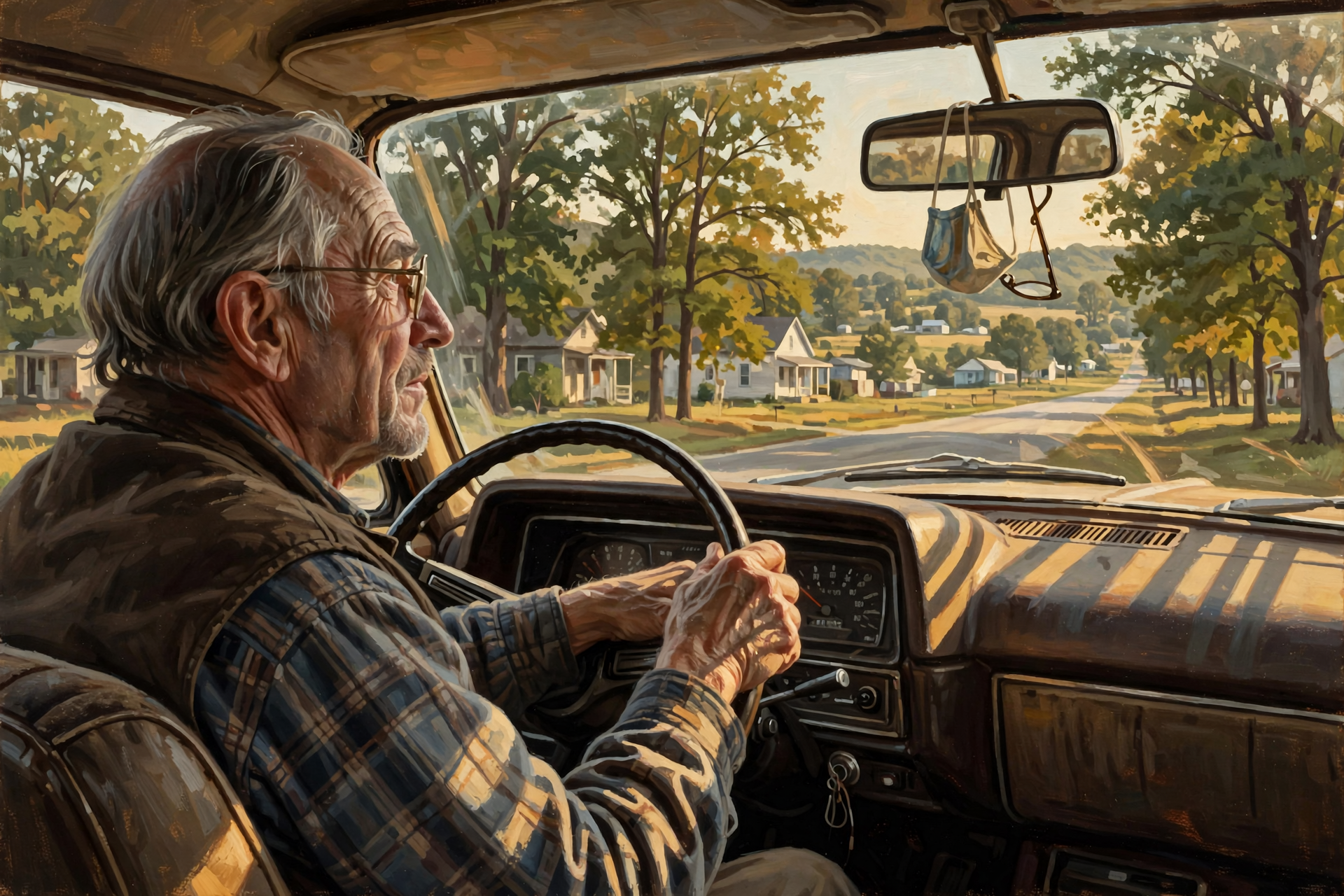
Suppose you’re perfectly capable of living independently at home.
There’s only one problem.
You shouldn’t drive anymore.
Suddenly:
How do you get groceries?
How do you get prescriptions?
How do you see a specialist?
How do you get to church?
How do you visit friends?
How do you handle a doctor’s appointment in Chattanooga?
In a major city, transportation might be inconvenient.
In a rural community, transportation can determine whether independence remains practical.
That’s the kind of question I want this new Dunlap.Today series to investigate.
🤖 We Have a Tool Previous Generations Didn’t Have

There’s another reason I think now is the right time to begin this project.
We are the first generation entering our later years with widespread access to artificial intelligence capable of helping ordinary people research, organize, compare, question and plan.
AI shouldn’t decide where you live.
It shouldn’t decide what matters to you.
And it shouldn’t replace your family, attorney, physician, contractor or financial professional.
But it can help you ask better questions.
I can tell an AI system:
I’m almost 61. I want to remain independent for as long as reasonably possible. Interview me about my home, transportation, finances, family support, technology, emergency preparedness and plans for getting older. Help me identify things I should investigate now rather than during an emergency.
Think about how different that is from searching:
“Things seniors should do.”
One gives me a generic list.
The other begins a conversation about my actual life.
🔎 AI + Search + Local Knowledge
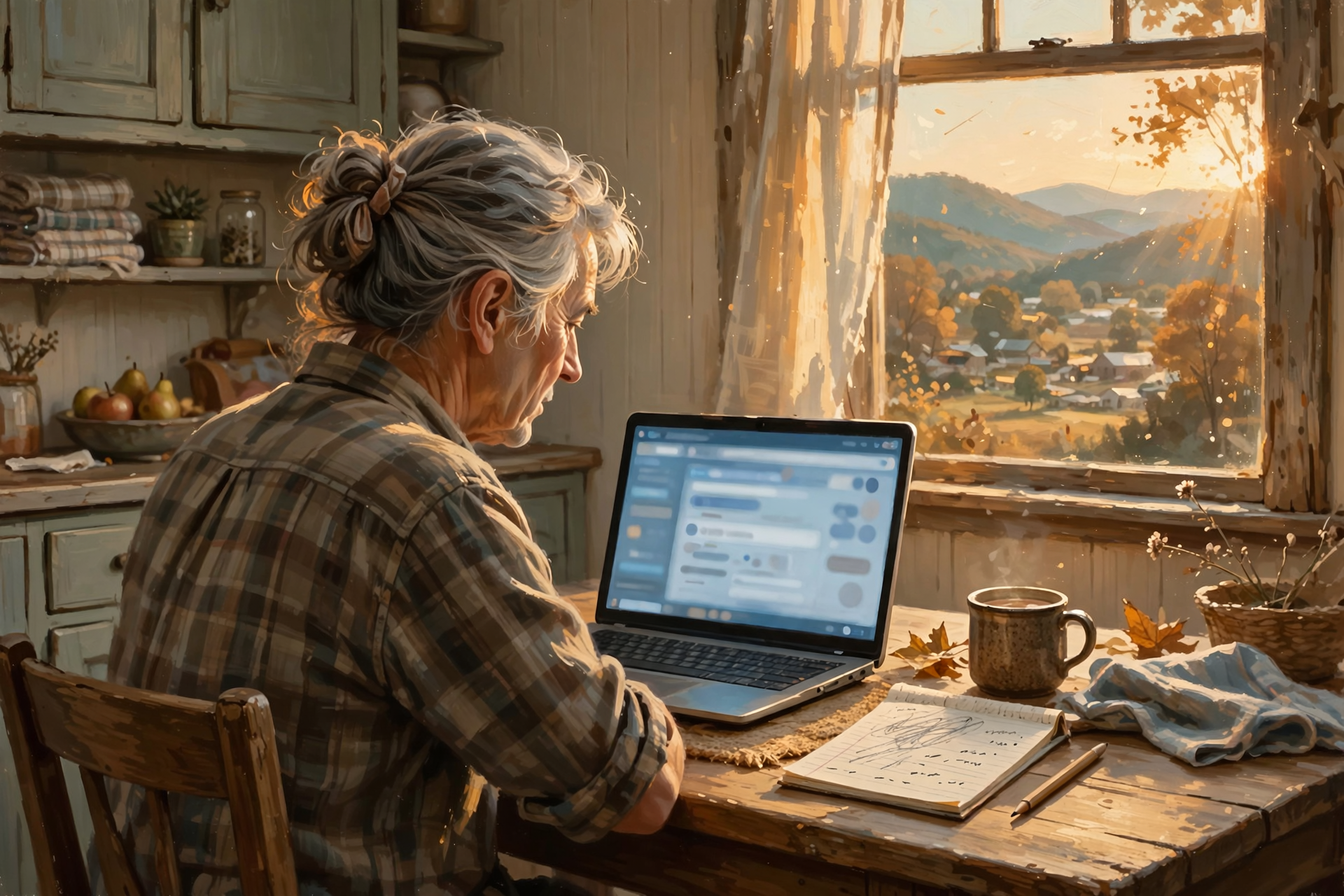
I think three tools belong together.
🔍 Search Finds the Information
Government programs. Services. Research. Providers. Regulations. Costs. Options.
🤖 AI Helps Us Understand It
What does all that information mean for my situation?
What questions have I forgotten?
What alternatives should I investigate?
📍 Local Knowledge Tells Us What Actually Exists Here
That’s where Dunlap.Today and Dunlap.Directory can become especially useful.
It’s one thing for an article to tell somebody that home modifications might help them remain independent.
It’s another thing to answer:
Who around Dunlap can install the handrail?
Who can build the ramp?
Who provides home health care?
Who delivers?
Who provides transportation?
Who can help clean out the house?
Who understands estate planning?
Information becomes substantially more useful when it leads to action.
🧭 The Goal Isn’t to Surrender Independence
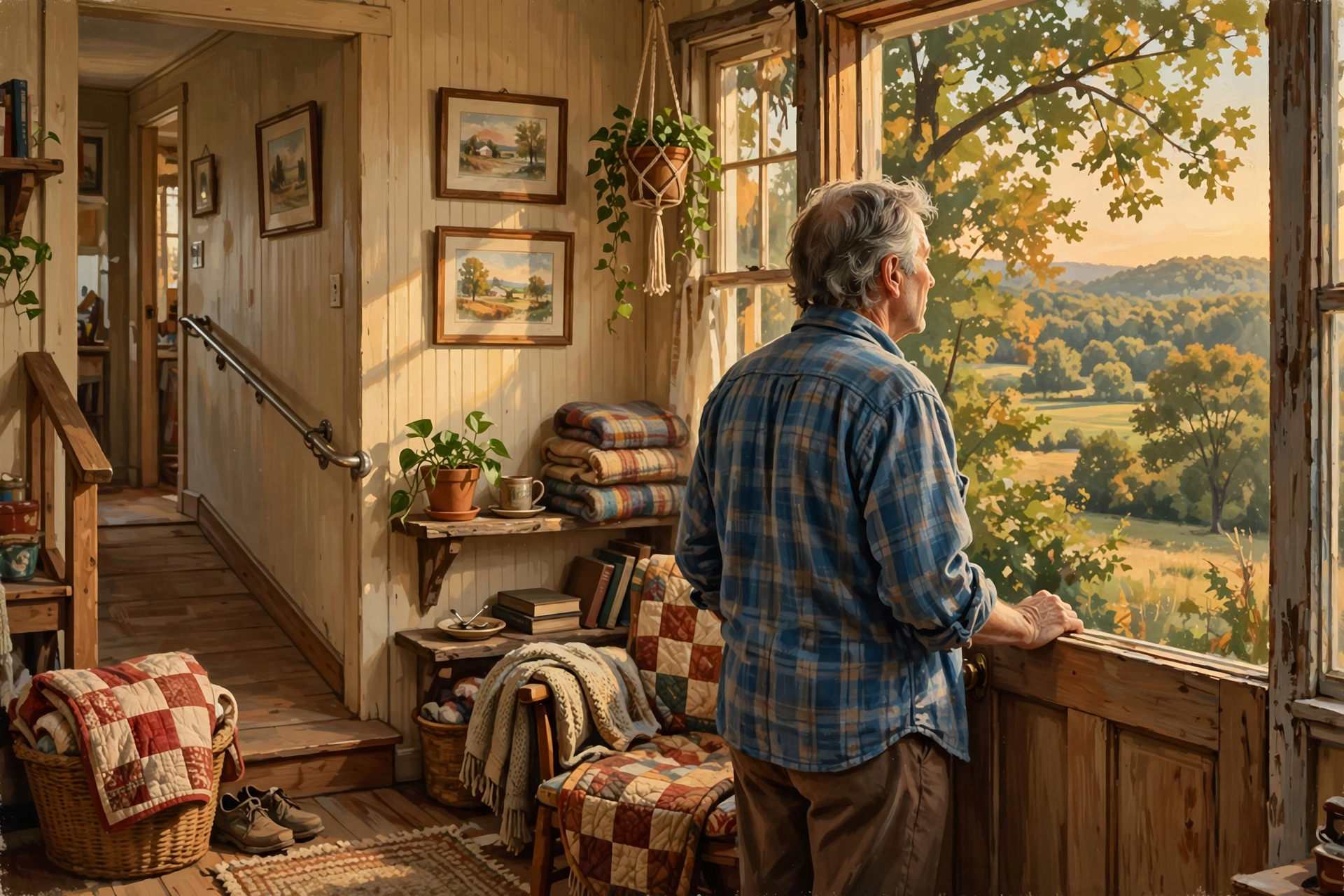
I don’t want this series to be about preparing people to give up independence.
I want it to be about preserving as many choices as possible.
Getting older isn’t one conveyor belt:
Home → assisted living → nursing home.
Life is considerably more complicated—and considerably more interesting—than that.
A person might remain at home with a few modifications.
Someone might move closer to children.
A family might add an in-law suite.
Technology might make independent living safer.
Occasional help might prevent the need for full-time care.
A smaller house might make more sense.
Or someone may eventually decide that a community with additional services provides greater freedom rather than less.
The objective isn’t to decide the answer twenty years early.
It’s to preserve enough options that we still get to choose the answer.
📝 So I’m Making Myself the Guinea Pig

Rather than lecture other people about aging, I’m going to investigate it myself.
Over this series, I want to ask questions such as:
- 🏡 Could I realistically remain in my current home at 80?
- 🚗 What happens if I can no longer drive?
- 🩺 How does rural access to health care affect the equation?
- 📄 What information would my family need if something happened tomorrow?
- 🔐 What happens to my passwords and digital accounts?
- 📦 What should I do about decades of accumulated possessions?
- 🤖 Where can AI genuinely make aging easier?
- 🛡️ Can AI help older residents recognize scams?
- 📱 Which technologies actually increase independence?
- 👨👩👦 How should families have these conversations before a crisis?
- 📍 What services already exist in the Sequatchie Valley?
- 🚧 And perhaps most importantly: what’s missing?
If we discover services the community needs but doesn’t have, that’s useful information too.
It might even reveal opportunities for local entrepreneurs.
🌄 The Next Chapter

We’re calling this new Dunlap.Today series:
🌄 The Next Chapter: Living Longer, Living Smarter in the Sequatchie Valley.
We’ll look at aging through the lenses of technology, AI, family, housing, transportation, health, money, scams, local services, community and independence.
Not because getting older is something to fear.
Because it’s something worth getting better at.
And because maybe the best time to make an important decision about being 81 is when you’re 61 and don’t have to make it yet.
🤝 Help Us Build This Together
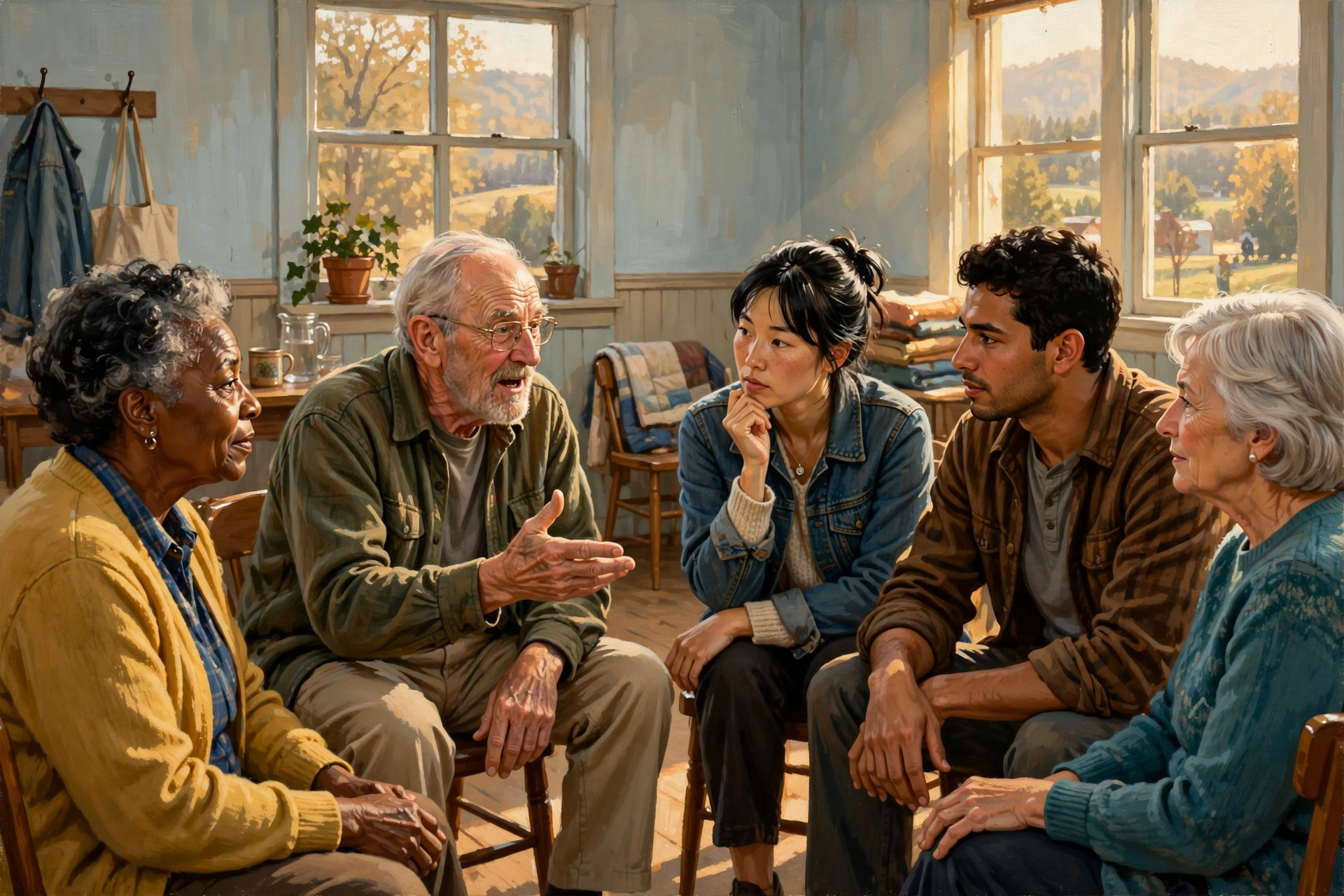
If you’re already navigating these questions—for yourself, a spouse, your parents or grandparents—I want to hear what you’ve learned.
What surprised you?
What service was difficult to find?
What do you wish you’d planned sooner?
What exists in our valley that other families ought to know about?
And what doesn’t exist that probably should?
Please share this article with parents, grandparents, adult children, neighbors and friends.
Someone you know is probably already having one of these conversations quietly.
Maybe we can make it a little easier by having the conversation together.
📚 Source Note: National aging-in-place statistics referenced in this article come from AARP’s 2024 Home & Community Preferences research.


0 Comments