
🔎 How to Spot Early Signs of Rodent Activity in Your Home
As cooler months approach and rodents seek shelter indoors, knowing what to look for can help homeowners catch infestations early. Critter Control shares practical guidance on recognizing the telltale signs that unwanted visitors may have moved in.
📍 What Rodents Leave Behind
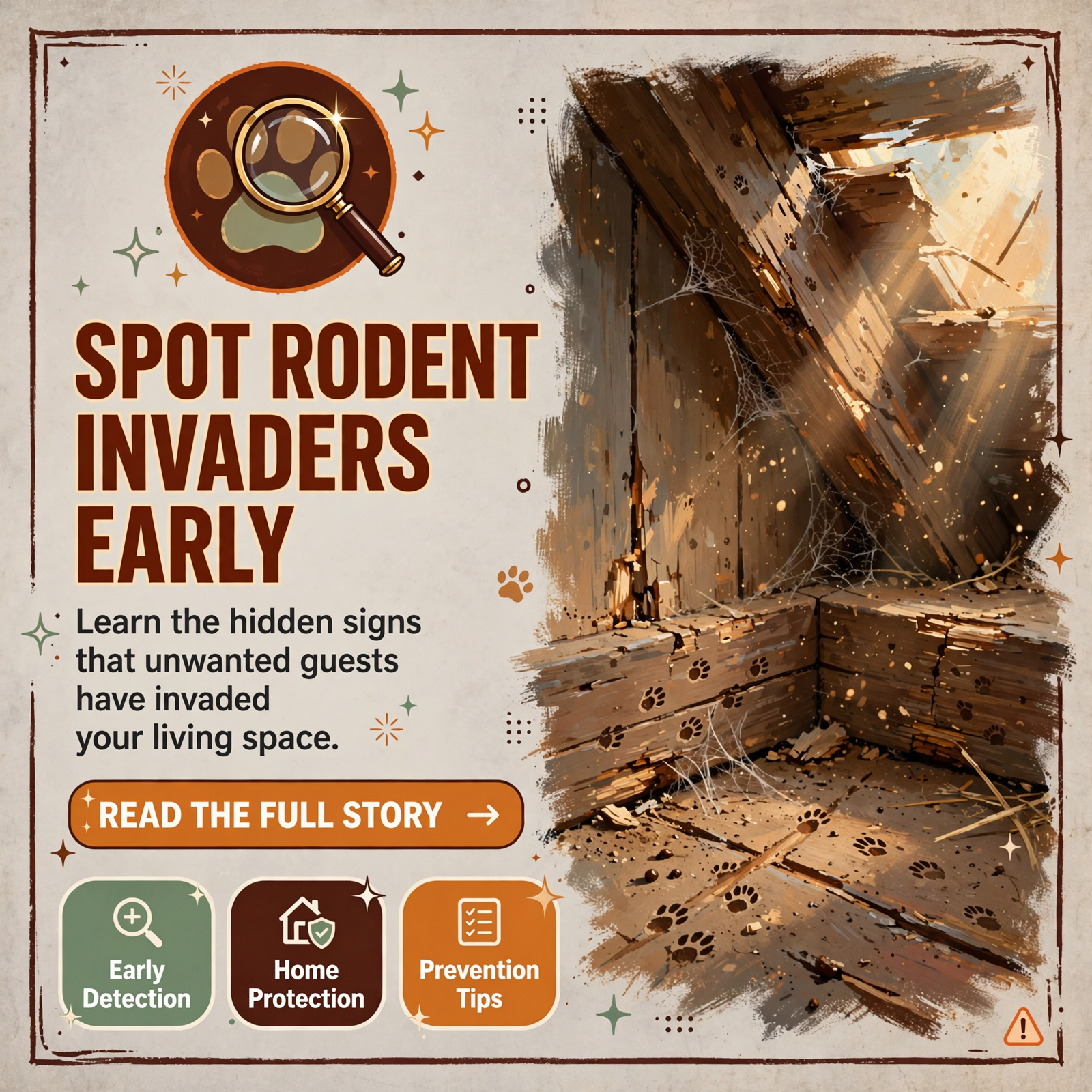
Rodents are skilled at sneaking into homes, but they rarely do so without leaving evidence. One of the first clues is rodent tracks-front paws typically show four toes, while back paws display five. 🐭 Rats and mice often leave a distinctive tail drag mark as they move, whereas squirrels do not. These tracks may appear in dusty areas, along baseboards, or in attics where rodents travel.
🛠️ Structural Damage and Contamination
Beyond tracks, rodents cause visible damage that can become costly if left unchecked. They gnaw through walls, wires, and insulation, potentially displacing insulation and creating entry points for drafts and pests. ✨ Droppings in kitchens, attics, and other areas of the home are another red flag-rodent waste can contaminate food storage and surfaces, and their urine may spread disease.
🔊 Sounds That Signal Trouble
Homeowners should also listen for unusual noises, particularly at night when rodents are most active. Squeaking, scampering, or scratching sounds in walls or ceilings often indicate rodent movement. Catching these signs early-whether visual, structural, or auditory-can help residents take swift action before an infestation spreads.
For more detailed information on rodent identification and prevention, Critter Control offers resources and professional consultation to help protect your home and family. 🏠
🤔Source
Know about an upcoming event or story in the Sequatchie Valley? Submit it here.




0 Comments