
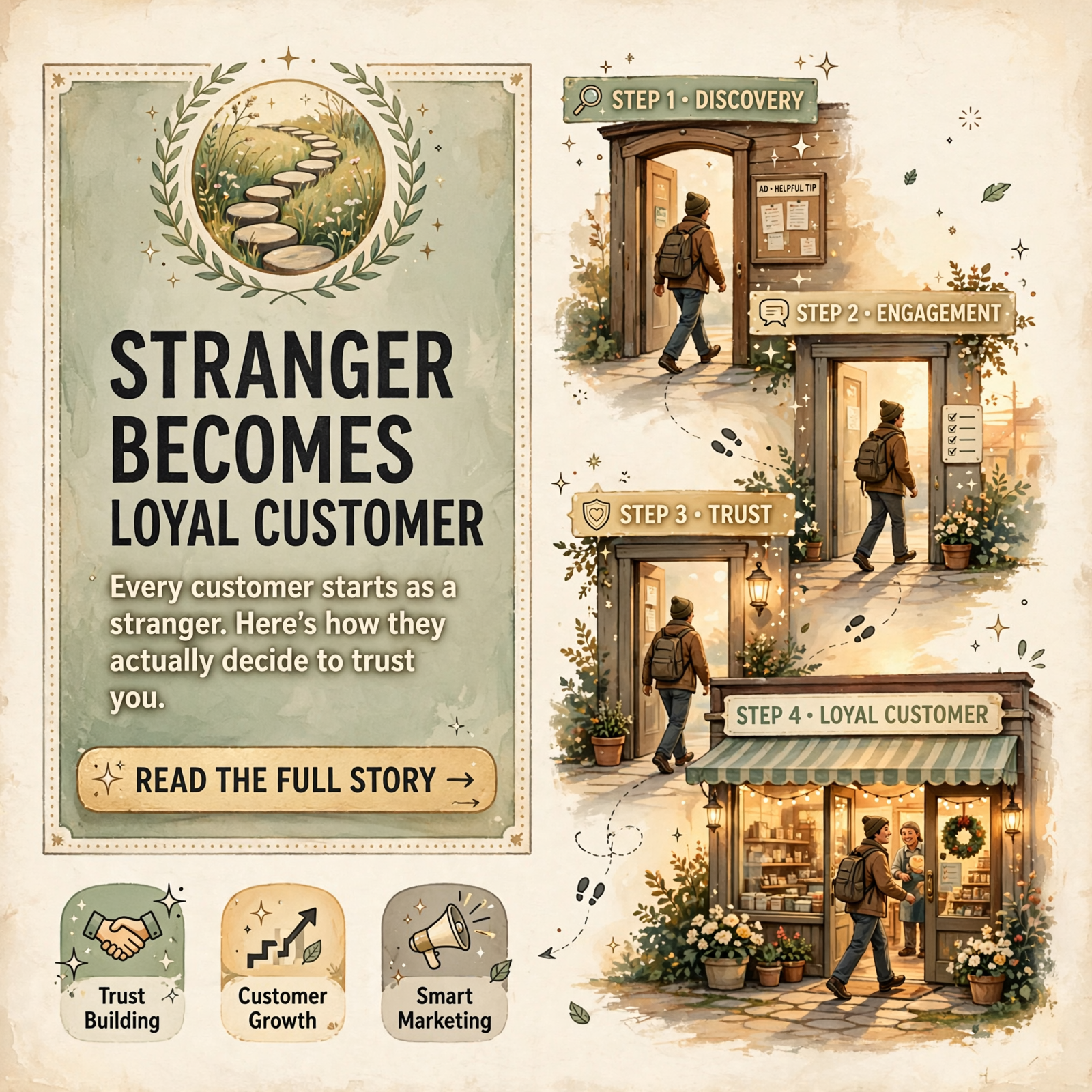
How a Stranger Becomes a Customer
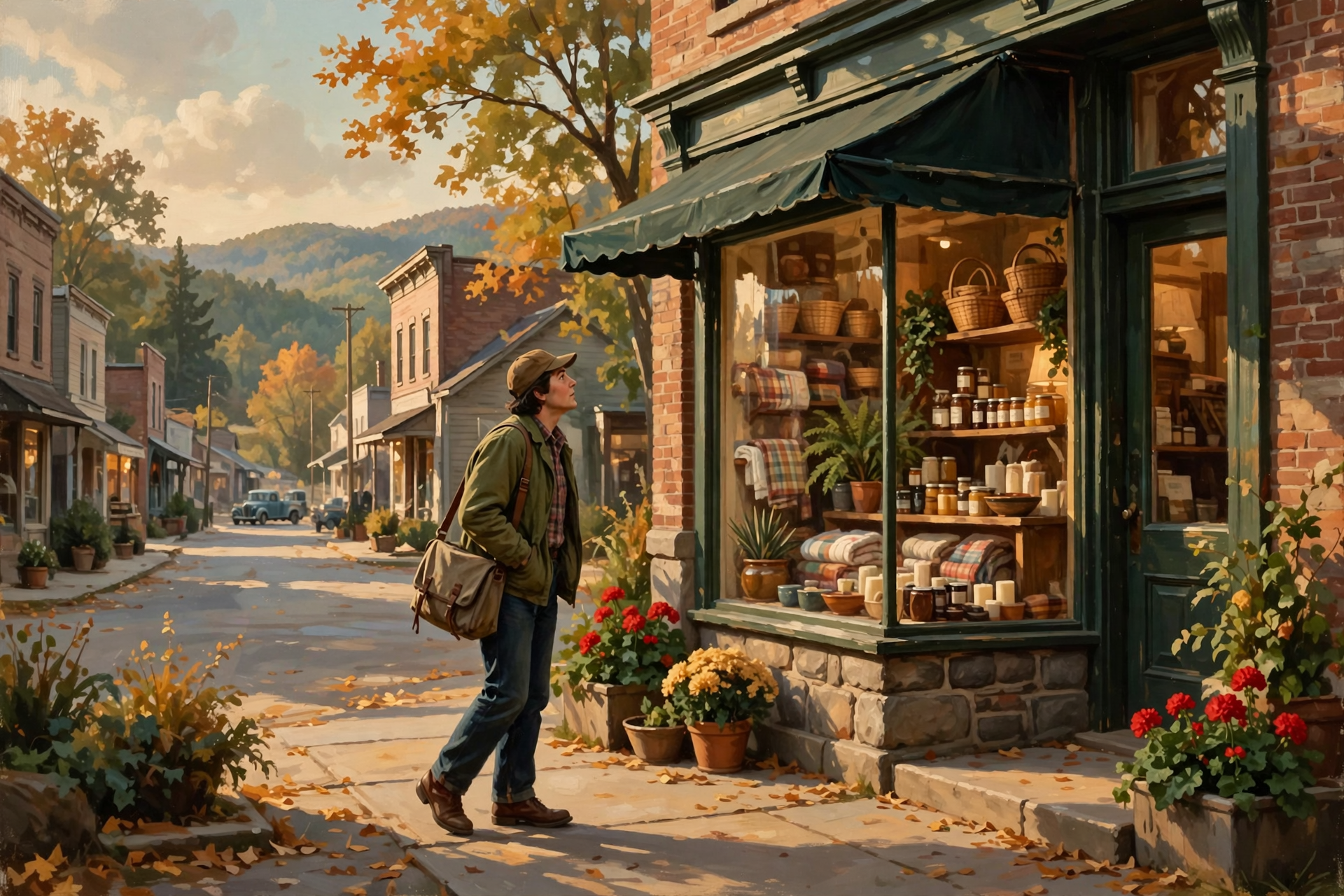
Every customer starts as a stranger.
At some point, they did not know your business existed.
They had never visited your website.
They had never seen your truck.
They had never spoken to you.
They had never read your reviews.
They may not even have known they needed what you sell.
And yet, somehow, some of those strangers eventually become customers.
How does that happen?
Usually not in one giant leap.
It happens through a series of smaller decisions.
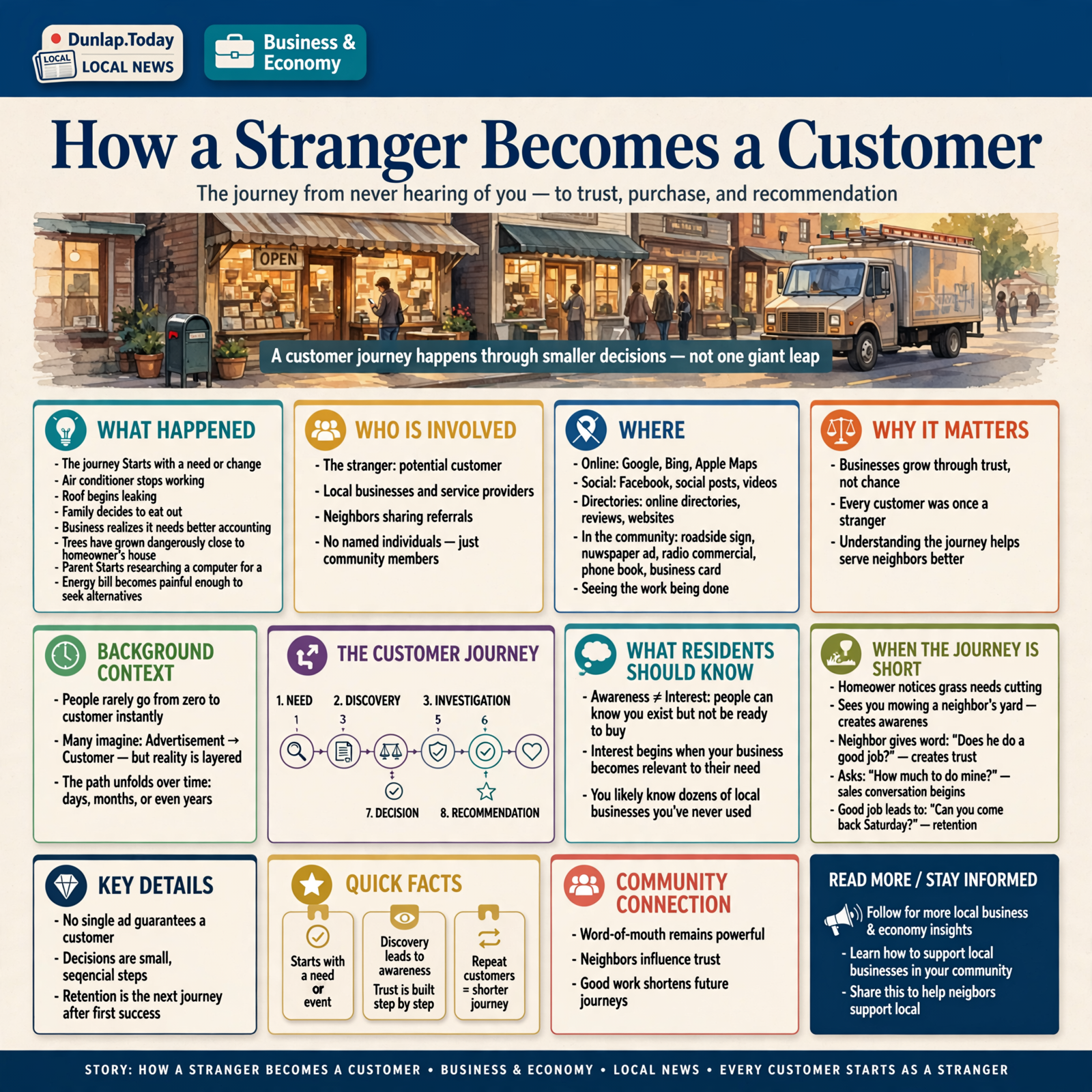
A customer journey is simply the path someone travels from not knowing you exist to deciding whether to trust, buy from, return to and recommend your business.
People Usually Don’t Go From Zero to Customer Instantly

Businesses sometimes imagine marketing like this:
Advertisement → Customer
That certainly happens occasionally.
Someone needs a plumber right now, sees the right business at the right moment, calls and schedules the job.
But many buying decisions look more like:
Need → Discovery → Investigation → Comparison → Trust → Decision → Experience → Recommendation
Each step answers a different question.
The customer may move quickly through those steps.
Or the journey may take days, months or years.
Step One: Something Happens

The customer journey often begins before the customer knows anything about your business.
Something changes.
The air conditioner stops working.
The roof begins leaking.
The family decides to eat out.
A business realizes it needs better accounting.
A homeowner notices the trees have grown dangerously close to the house.
A parent starts researching a computer for a child.
An energy bill becomes painful enough that alternatives suddenly seem interesting.
That event creates a reason to act.
Until then, the person may have had no reason to think about your category at all.
When I Mowed Lawns, the Journey Could Be Very Short

As a kid, mowing lawns provided a wonderfully simple version of the customer journey.
A homeowner might see that the grass needed cutting.
Then they might see me mowing somebody else’s yard.
That created awareness.
They could look at the finished lawn.
That provided evidence.
They might ask the neighbor:
“Does he do a good job?”
That created trust.
Then they asked me:
“How much would you charge to do mine?”
That began the sales conversation.
If I did a good job, the next journey became much shorter.
The following week, they already knew me.
They already understood the service.
They already trusted the outcome.
Now the question might simply be:
“Can you come back Saturday?”
That’s retention.
Step Two: The Customer Discovers You

Discovery can happen in many ways.
Historically, it might have been:
- a neighbor,
- a roadside sign,
- a newspaper advertisement,
- a radio commercial,
- a business card,
- a phone book,
- or simply seeing somebody doing the work.
Today, discovery can also happen through:
- Google,
- Bing,
- Apple Maps,
- Facebook,
- online directories,
- reviews,
- videos,
- social posts,
- websites,
- and increasingly artificial-intelligence systems.
The channels change.
The underlying event does not.
The stranger becomes aware that you exist.
Awareness Is Not the Same as Interest

This is an important distinction.
Someone can know your business exists and still have no intention of buying anything.
You probably know dozens of local businesses you’ve never used.
You’ve seen their signs.
You’ve driven past their buildings.
You recognize the names.
That’s awareness.
Interest begins when the business becomes relevant to something happening in the customer’s life.
The plumbing company you’ve driven past for ten years suddenly becomes much more interesting when water starts pouring out from under the sink.
Step Three: The Customer Tries to Understand You

Once the person becomes interested, they usually begin asking questions.
What do you do?
Do you handle my particular problem?
Do you serve my area?
What does this cost?
Are you open?
How long will it take?
Can I trust you?
Do other people use you?
This is where clear marketing becomes valuable.
A confused customer is rarely a confident customer.
Emerging Products Have a Longer Understanding Stage

This was one of the challenges with solar panels in the 1970s.
A homeowner might not merely have been comparing one solar provider with another.
They might first have needed to understand solar itself.
The journey could look like:
What is this? → Does it work? → Why would I want it? → Can I afford it? → Can I trust it? → Who sells it?
That is a much longer educational journey than buying something familiar.
Early personal computers faced the same challenge.
Before asking:
“Which computer should I buy?”
many people first had to ask:
“Why would I need a computer at home?”
When the category itself is unfamiliar, marketing has to educate before it can persuade.
Step Four: The Customer Begins Comparing

Once someone understands the category, they often compare alternatives.
That may mean comparing:
- businesses,
- products,
- prices,
- reviews,
- warranties,
- availability,
- quality,
- convenience,
- and risk.
Sometimes the alternative is not another business.
It might be:
do it myself.
Or:
wait until later.
Or:
do nothing.
Businesses often forget that “do nothing” is one of their biggest competitors.
Step Five: The Customer Looks for Trust

This stage becomes more important as the purchase becomes more expensive, unfamiliar or risky.
The customer asks:
“Can I trust these people?”
Trust can come from many places:
- personal recommendations,
- reviews,
- experience,
- clear explanations,
- professional appearance,
- photos,
- references,
- warranties,
- licenses,
- responsiveness,
- and simply doing what you said you would do.
In rural communities, word of mouth can compress this stage dramatically.
If someone you trust says:
“Call him. He did ours.”
the recommendation may carry more weight than ten advertisements.
Trust Can Be Lost in Seconds
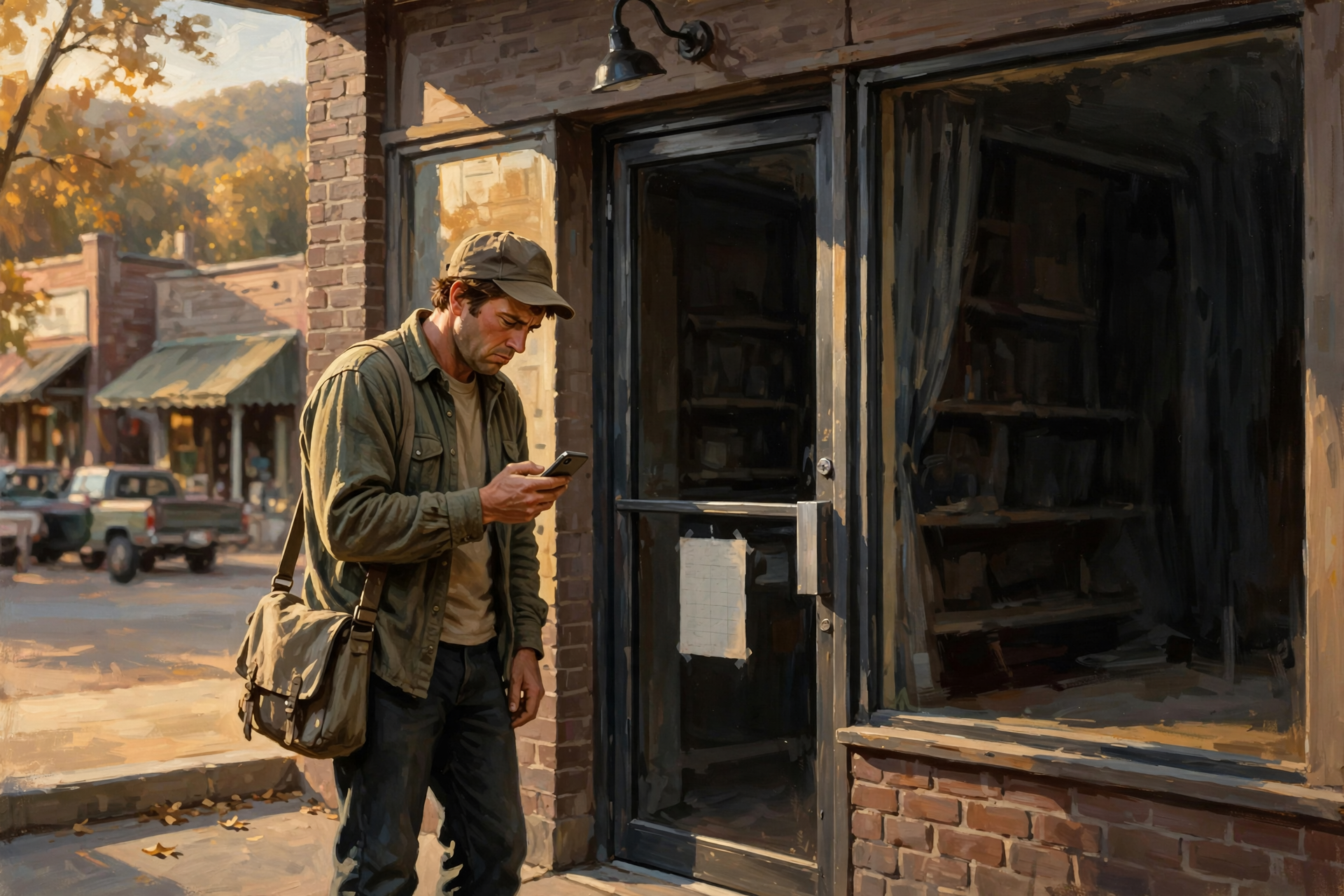
A business may spend years building a reputation and still lose a customer quickly.
The website says you’re open until 5:00.
The customer arrives at 4:15.
The door is locked.
The phone rings and nobody answers.
The voicemail box is full.
The customer sends a message.
No response.
They move to the next business.
The marketing didn’t necessarily fail at discovery.
It failed farther along the journey.
Step Six: The Customer Takes a Small Action

Before buying, people often take a smaller step.
They might:
- call,
- send a message,
- request a quote,
- visit the store,
- download information,
- schedule an appointment,
- ask a question,
- or add something to a shopping cart.
Marketers sometimes call these actions conversions.
But don’t let the terminology make it mysterious.
A conversion simply means somebody did the thing you were hoping they would do next.
If the goal was a phone call and they called, that’s a conversion.
If the goal was scheduling an estimate and they scheduled one, that’s a conversion.
The Next Step Should Be Obvious

This is where many businesses accidentally make things difficult.
The customer is interested.
They trust the company.
They’re ready to act.
And then they cannot figure out how.
No phone number.
No obvious contact button.
No directions.
No pricing guidance.
No response.
No clear next step.
Good marketing reduces friction.
The customer shouldn’t need detective skills to buy from you.
Step Seven: The Sales Conversation Begins
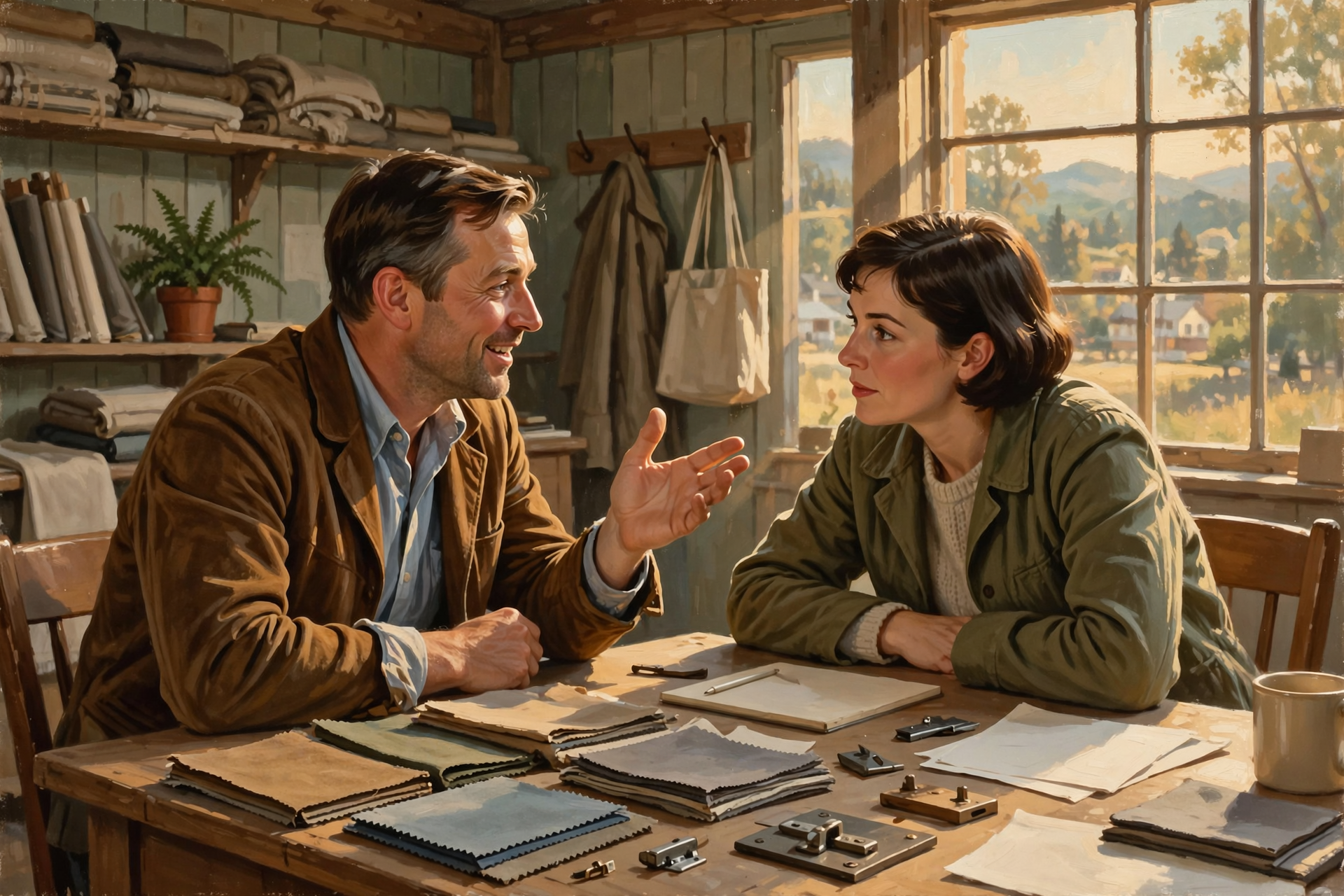
This is where the previous article connects to this one.
Marketing helped move the person from stranger to interested prospect.
Sales now helps move from interest to decision.
The customer may ask:
- What do you recommend?
- What will it cost?
- Which option is best?
- How soon can you do it?
- What does the warranty cover?
- What happens next?
The more effectively marketing answered basic questions beforehand, the more productive this conversation can become.
Step Eight: The Customer Decides
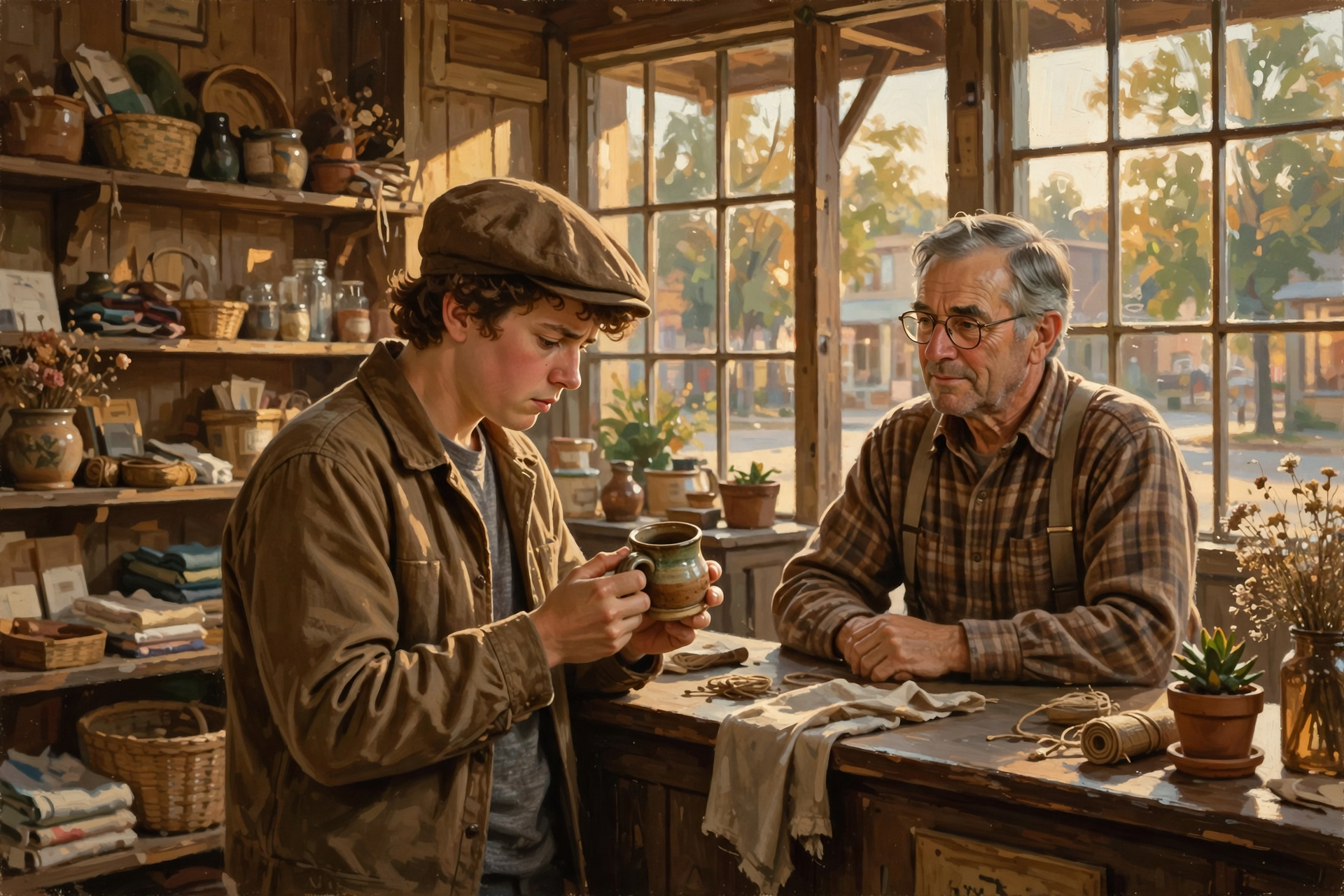
The decision isn’t always purely rational.
Price matters.
But so do:
- trust,
- convenience,
- timing,
- confidence,
- reputation,
- risk,
- personal preference,
- and how the business made the customer feel.
Two companies can offer nearly identical products at nearly identical prices and still produce very different customer reactions.
That’s because the customer is buying the whole experience around the product, not merely the product itself.
Step Nine: The Customer Experiences What You Promised
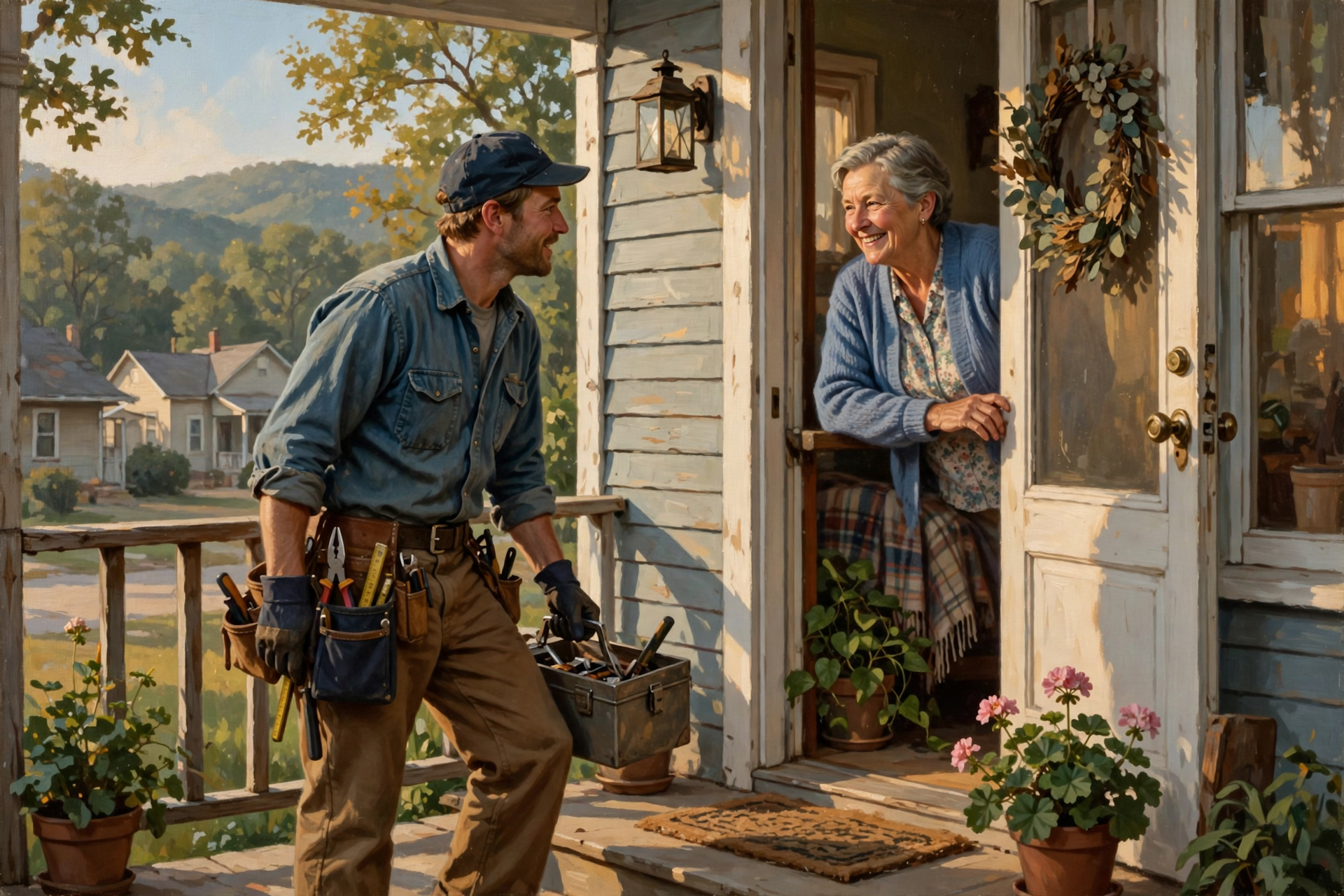
This is where marketing gets tested.
The advertisement said:
“Fast, friendly service.”
Was it fast?
Was it friendly?
The website said:
“Quality craftsmanship.”
Was the craftsmanship actually good?
The salesperson promised:
“We’ll be there Tuesday.”
Did somebody show up Tuesday?
The customer’s real experience determines whether the earlier marketing was accurate or just talk.
Step Ten: The Customer Decides What to Do Next

After the purchase, several things can happen.
The customer may:
- buy again,
- never return,
- leave a review,
- tell friends,
- complain publicly,
- refer another customer,
- or simply forget the business existed.
This is why the customer journey does not really end at the sale.
The sale creates another marketing opportunity.
A Satisfied Customer Can Become the Beginning of Someone Else’s Journey

Remember the neighbor who asks:
“Who did your roof?”
The first customer’s experience becomes the second customer’s discovery.
That is how reputation compounds.
One good experience can create:
Customer → Review → Recommendation → New Customer
And one bad experience can create the opposite.
This Is Why Customer Journeys Are Really Loops

We often draw the journey as a straight line:
Stranger → Customer
Reality looks more like a loop.
Discovery → Trust → Purchase → Experience → Reputation → New Discovery
The customer’s experience feeds the next round of marketing.
This is one reason a good business can become easier to market over time.
Its customers begin doing part of the marketing for it.
Then, Now & Next: The Customer Journey Through Time

Then
When I was mowing lawns, painting houses or trimming trees, the journey could happen almost entirely within a neighborhood.
Someone saw the work.
Someone asked a neighbor.
Someone spoke to me.
We agreed on the job.
I did the work.
They told somebody else.
The journey was highly personal.
Now
Today, much of the journey can happen before the business even knows a potential customer exists.
A person can:
- search for the service,
- read reviews,
- visit websites,
- watch videos,
- compare competitors,
- check maps,
- read FAQs,
- look at photos,
- and form an opinion.
By the time the phone rings, much of the customer’s decision may already be underway.
Next
Over the next decade, personal AI assistants may increasingly participate in that journey.
A person might say:
“Find a dependable local company that can replace my water heater this week. I don’t want the cheapest one. I want somebody with strong reviews who stands behind the work.”
The AI may help:
- identify providers,
- compare reputation,
- review business information,
- understand options,
- compare warranties,
- and potentially contact businesses.
That means tomorrow’s customer journey may include both a human and a machine gathering information.
The business will still need to be discoverable, understandable and trustworthy.
The Customer Journey Can Break Anywhere
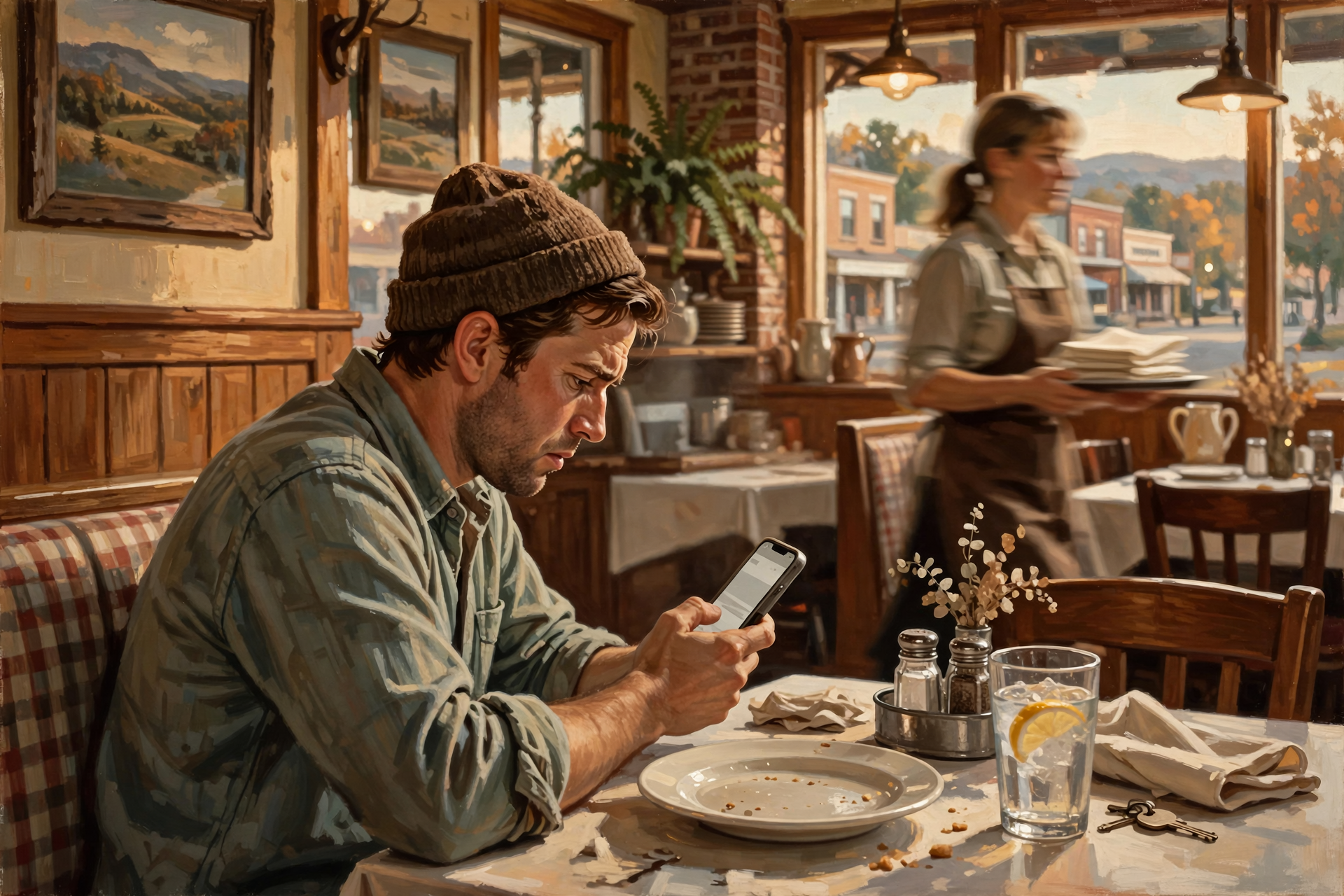
Suppose a restaurant has excellent food but terrible online information.
Discovery is broken.
Suppose a contractor appears everywhere but has poor reviews.
Trust is broken.
Suppose the business has great reviews but never answers the phone.
Conversion is broken.
Suppose the sales process is excellent but the service afterward is terrible.
Experience is broken.
Suppose customers love the business but nobody ever asks for reviews or referrals.
Advocacy is underused.
That’s why simply saying:
“We need more marketing.”
isn’t specific enough.
The better question is:
Where is the customer journey breaking?
A Simple Customer-Journey Exercise

Imagine you’re a complete stranger to your own business.
Then walk through these questions:
1. How would I discover this business?
2. Can I immediately understand what it does?
3. Can I tell whether it serves someone like me?
4. What would make me trust it?
5. What questions would I still have?
6. Is the next step obvious?
7. What happens when I call, message or visit?
8. Is buying easy or frustrating?
9. Does the actual experience match the promise?
10. What would make me return or recommend it?
That little exercise can reveal problems an advertising campaign never will.
Different Customers Take Different Journeys
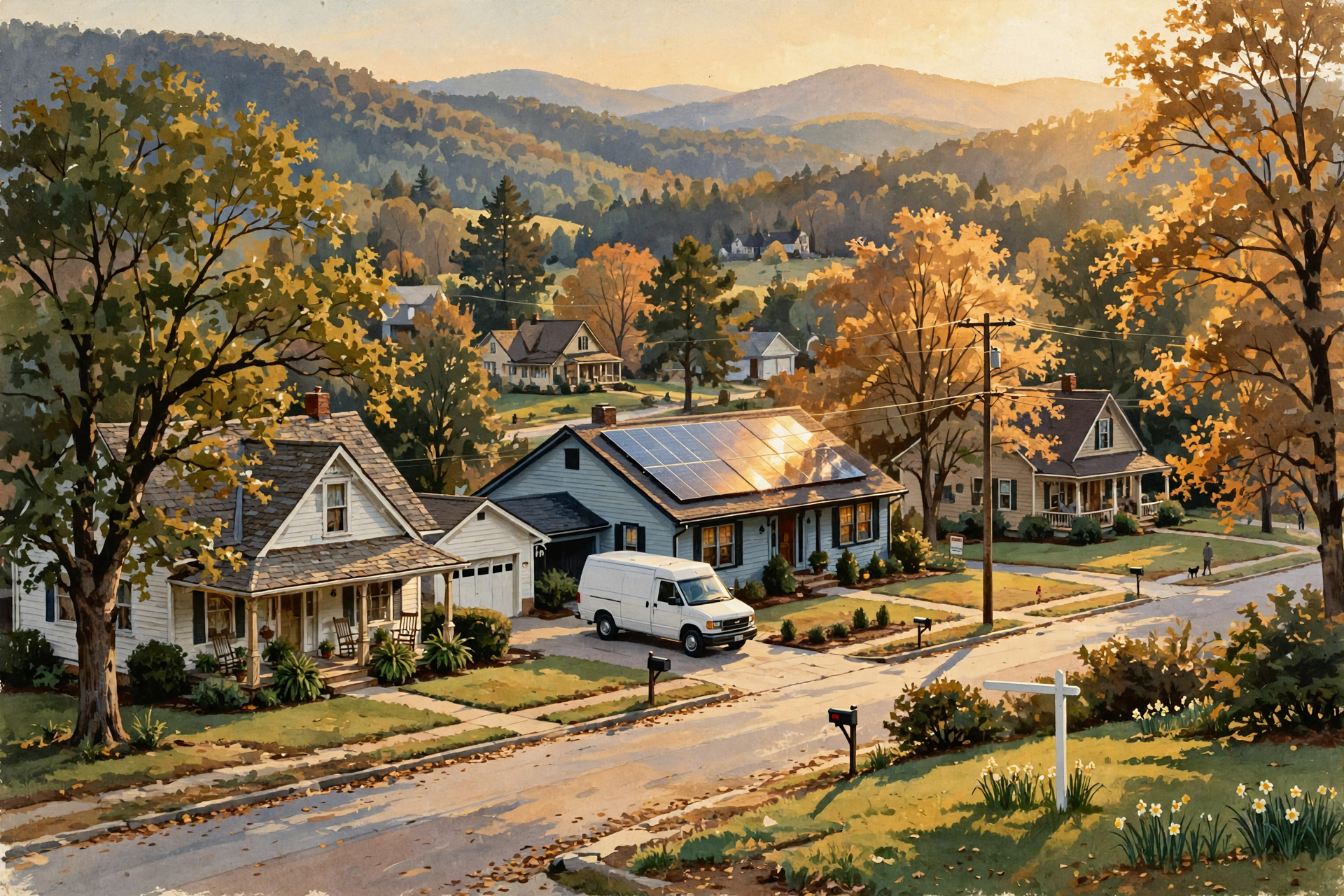
There is no single universal path.
An emergency plumber may have a customer journey lasting fifteen minutes.
A family buying a house may take months.
A company purchasing industrial equipment may spend a year researching and negotiating.
A diner may choose a restaurant in five minutes.
A homeowner considering solar panels may spend weeks learning before calling anyone.
The journey depends on:
- cost,
- risk,
- urgency,
- familiarity,
- complexity,
- and the number of alternatives.
Understanding that helps a business avoid expecting every customer to behave the same way.
The Longer the Journey, the More Education Matters

For a simple purchase, the customer may need very little information.
For a complicated purchase, education becomes increasingly valuable.
This is why content can matter so much in industries involving:
- technology,
- construction,
- financial decisions,
- large purchases,
- specialized services,
- and unfamiliar products.
The business that teaches may become the business the customer eventually trusts.
The Marketing Lesson

A stranger rarely becomes a customer because one magical advertisement convinced them.
More often, they travel through a sequence of questions:
Who are you?
Do you solve my problem?
Can I trust you?
Are you a good fit?
What will this cost?
What should I do next?
Did you deliver what you promised?
Would I use you again?
Would I recommend you?
Marketing helps answer those questions along the way.
The customer journey is not one big decision. It is a series of small decisions that eventually become a sale—or don’t.
Once you understand that, you can stop asking only:
“How do we get more people to see our advertisement?”
and start asking:
“What does the customer need at each step of the journey?”
Know Someone Building a Business?

If you know someone who is starting a business, running a newer business, or trying to understand why potential customers seem interested but never quite take the next step, share this article with them.
Understanding the customer journey can help a business owner see that marketing is not just about getting attention. It is about making each step—from discovery to trust to purchase—clearer and easier.
If this article helped you see the buying process differently, send it to someone who is building something of their own. A few small improvements along the customer journey can make a very big difference.
Next: What in the World Is a Marketing Funnel?
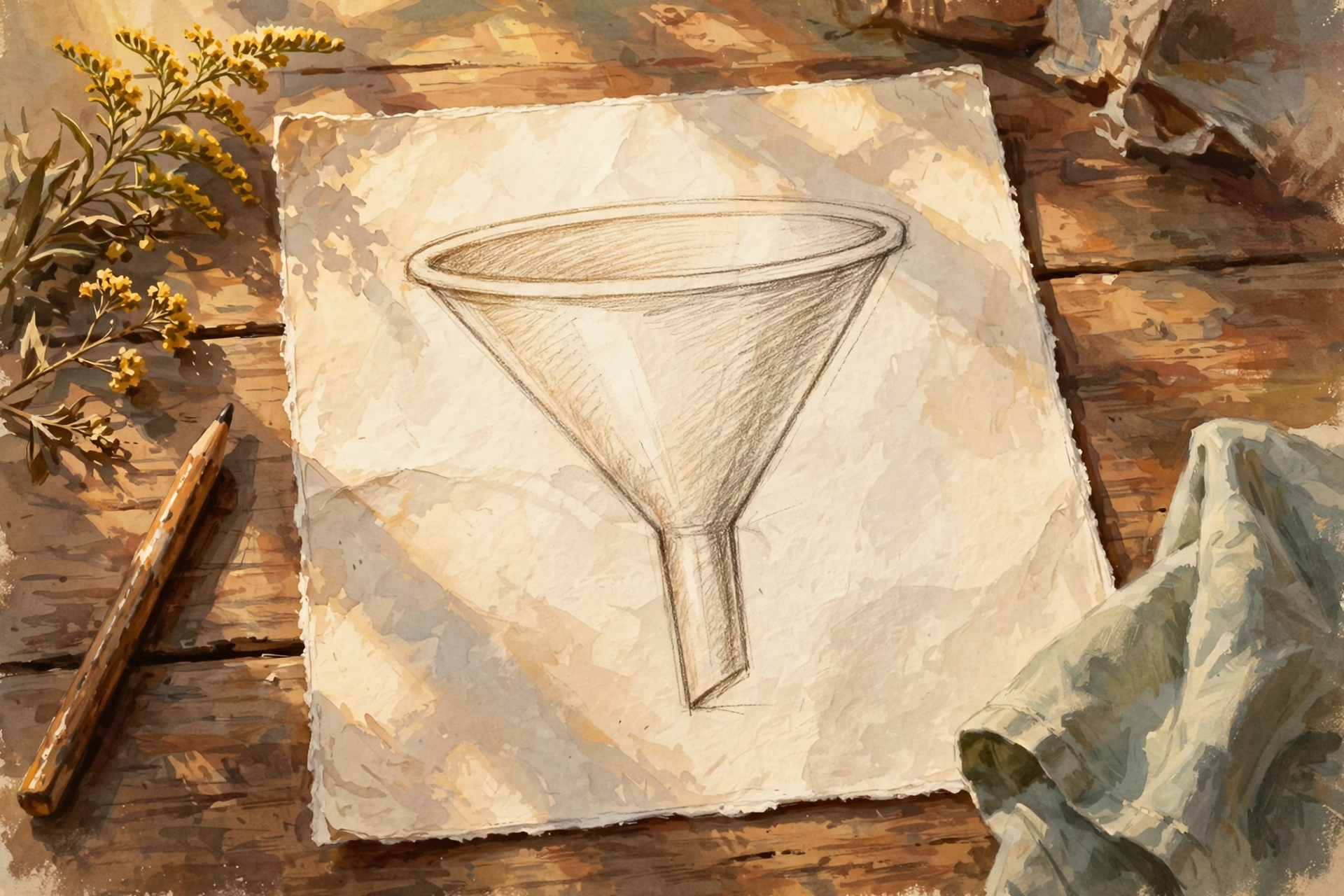
Now that we’ve followed a customer from complete stranger to buyer, we’re ready for one of the most famous—and most misunderstood—ideas in marketing.
The marketing funnel sounds technical.
It isn’t.
In the next article in Marketing Without the Mumbo Jumbo, we’ll take the customer journey we just explored and turn it into a simple funnel that explains why many people may notice a business, fewer investigate it and fewer still ultimately buy.
And we’ll do it without requiring a whiteboard covered in arrows, acronyms and somebody saying “top-of-funnel optimization.”




0 Comments