
🇺🇸 Andrew Jackson’s Midnight Gamble: The Battle of New Orleans and Why History Still Matters
On December 23, 1814, a pivotal moment in American military history unfolded in the darkness near New Orleans-a moment that continues to spark questions about leadership, risk, and the choices that shape a nation. For readers in the Sequatchie Valley and surrounding communities who value local history and civic education, this story offers a window into how we understand our founding.
📍 The Source Reflection: A Night That Changed Everything
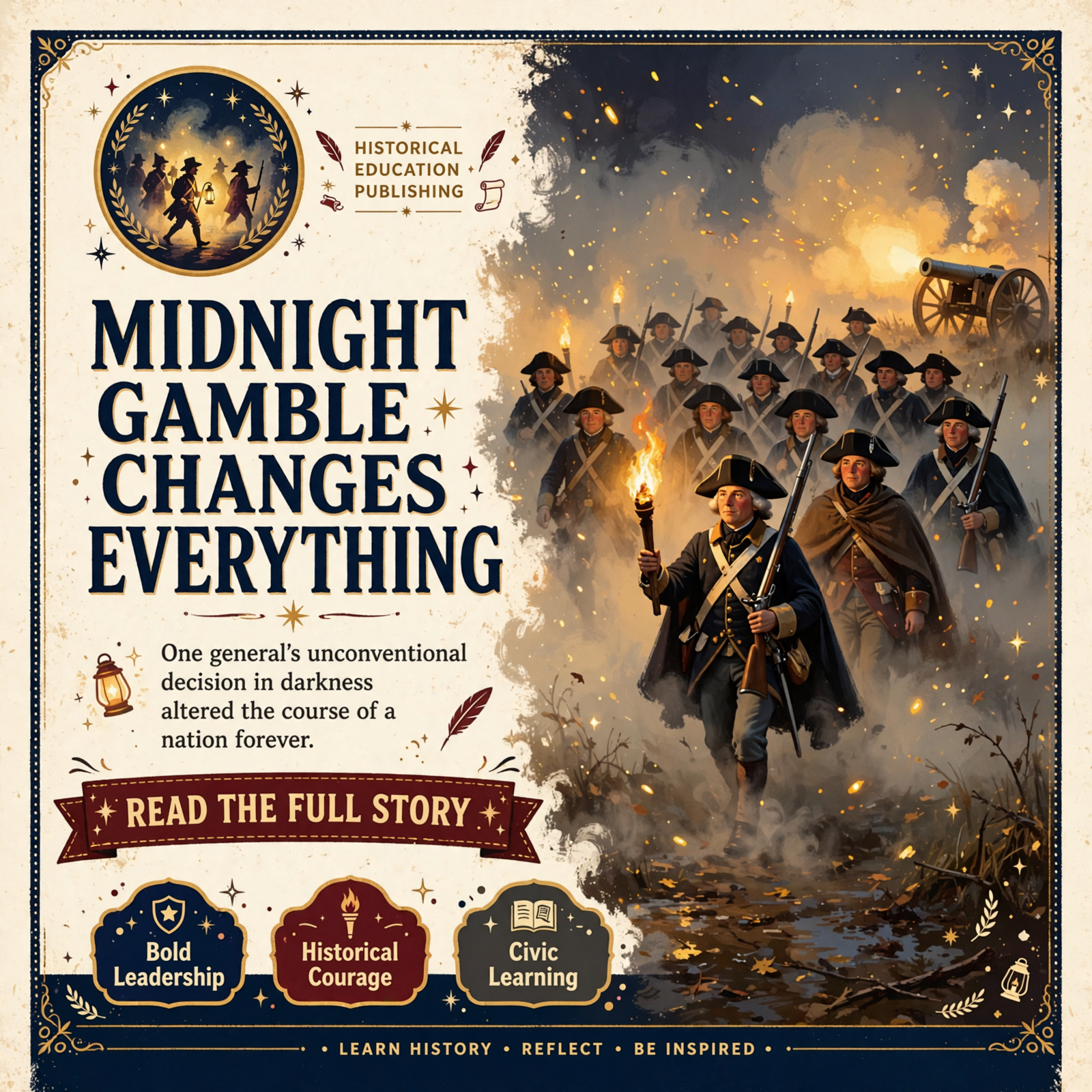
When British troops advanced to within twelve miles of New Orleans, General Andrew Jackson faced a critical decision. Rather than wait for daylight and a formal battle, Jackson chose immediate action. “Gentlemen, the British are below; we must fight them tonight,” he declared. Within hours, 2,000 American troops launched a surprise nighttime attack. The USS Carolina opened fire on the British camp, and fierce fighting erupted in darkness. The Americans sustained roughly 200 casualties while inflicting approximately 300 on the British-a costly but strategically significant exchange that demonstrated American resolve and forced the British to reconsider their approach to taking the city. 🎖️
💡 Why This Moment Matters Today
The Battle of New Orleans represents more than a military engagement-it reflects fundamental questions about leadership under pressure, the willingness to take calculated risks, and the consequences of decisive action. For communities that value civic education and historical understanding, this battle illustrates how individual choices ripple through history. Jackson’s decision to attack at night, rather than wait for conventional daylight combat, shows how unconventional thinking and quick judgment can alter outcomes. Understanding these moments helps residents think critically about leadership, strategy, and the values that shaped American identity. ⚔️
🤔 Community Connections to History and Learning
Local communities throughout the region have long valued historical education and civic engagement. Schools, churches, and community organizations often emphasize the importance of understanding American history and the decisions that built the nation. This story about Jackson’s bold choice offers a natural conversation starter for families, classrooms, and civic groups interested in exploring how historical decisions continue to influence modern thinking. The question Jackson’s choice raises-would you have attacked at night or waited for daylight?-invites reflection on risk, timing, and leadership that remains relevant to contemporary community decisions. 📚
❤️ Human Impact: What Jackson’s Choice Reveals
Behind the military statistics are human stories. The 2,000 American troops who followed Jackson into darkness faced genuine uncertainty and danger. The 200 American casualties represented families, neighbors, and individuals who paid the price for Jackson’s decision. Similarly, the 300 British casualties reflected lives altered by a single night’s choice. For modern readers, understanding these human dimensions-the fear, the courage, the consequences-transforms history from abstract dates into stories about real people making life-or-death decisions. This perspective helps communities appreciate the sacrifices embedded in national history and the weight of leadership decisions. 🕯️
🗓️ What Residents Should Know
Americana Corner offers deeper exploration of this pivotal moment and other significant events from America’s founding. Readers interested in learning more about the Battle of New Orleans and the broader context of the War of 1812 can visit Americana Corner‘s blog for detailed articles and historical analysis. The business also provides free articles and videos through its newsletter, allowing residents to deepen their historical knowledge at their own pace. For those curious about how Jackson’s midnight decision unfolded and what followed, these resources offer accessible entry points into American military and political history. 📖
🔍 Local Perspective: Why History Matters in Rural Communities
Communities throughout the Sequatchie Valley and surrounding regions have deep roots in American history. Many families in the area have ancestors who lived through the War of 1812 and its aftermath. Understanding pivotal moments like the Battle of New Orleans connects modern residents to the broader narrative of how the nation developed and how regional communities fit into that larger story. The battle occurred in 1814, just over two centuries ago-close enough in historical terms that its echoes still shape how Americans think about military strategy, leadership, and national identity. For readers in this region, engaging with this history strengthens connection to the broader American story. 🌄
💭 Community Questions Worth Considering
As you reflect on Jackson’s decision and the battle itself, consider these questions:
- What factors should a leader weigh when deciding between immediate action and waiting for better conditions?
- How do the human costs of military decisions-the 200 American and 300 British casualties-shape how we evaluate historical choices?
- What can Jackson’s willingness to take an unconventional approach teach modern communities about problem-solving and leadership?
- How does understanding this specific moment help you think about the broader War of 1812 and its impact on American development?
- Why might local communities benefit from deeper engagement with American history and the decisions that shaped the nation?
📚 Long-Term Community Impact: History as Civic Foundation
When communities invest in historical understanding and civic education, they strengthen their collective identity and decision-making capacity. Residents who engage deeply with American history-including pivotal military moments, political choices, and the lives of ordinary people caught in extraordinary circumstances-develop more nuanced thinking about leadership, risk, and consequence. This kind of historical literacy supports stronger civic participation, more thoughtful community conversations, and deeper appreciation for the sacrifices and choices that built the nation. Over time, communities that prioritize historical education tend to foster more engaged citizens and more resilient local institutions. ✨
🔗 Community Threads: The Education-to-Engagement Connection
The History-to-Citizenship Thread: When local businesses and organizations like Americana Corner provide accessible historical content, they create a bridge between casual curiosity and deeper civic engagement. Residents who start by asking “Would I have attacked at night?” may find themselves exploring broader questions about American military strategy, political leadership, and national identity. This thread connects individual learning to community strength-as more residents understand and engage with history, the community develops a richer shared narrative and stronger foundation for collective decision-making.
The Storytelling-to-Community-Identity Thread: History is fundamentally about stories-the choices people made, the consequences they faced, and the lessons those moments offer. When communities share and discuss these stories, they reinforce their own identity and values. Americana Corner‘s approach to history education strengthens this thread by inviting residents to engage not just with facts but with the human questions embedded in historical moments. This kind of storytelling builds connection between residents and deepens their sense of belonging to a community that values understanding and reflection.
🎯 What Happens Next
Readers interested in learning more about the Battle of New Orleans and other pivotal American historical moments can explore Americana Corner‘s blog and subscribe to receive free articles and videos. The business continues to share historical content through social media and its website, offering ongoing opportunities for residents to deepen their engagement with American history. For those curious about how Jackson’s bold decision played out and what it meant for New Orleans, the nation, and the broader War of 1812, these resources provide accessible pathways into deeper historical understanding. 📲
🤔Source
Gary Williams – An educational history post about Andrew Jackson and the Battle of New Orleans, encouraging readers to visit Americana Corner for more.


0 Comments