
🛒 A Store That Says "Card Declined, Try Another," a Health-Plan Call During Open Enrollment, a Holiday Job That Wants You to Pay First and a Package You Never Ordered: Your Scam Watch for This Week

Or: Close the Odd Store, Hang Up on the Plan Pitch, Never Pay to Get Hired and Don’t Fret Over a Mystery Box
By Thomas Seest, Dunlap.Today · Friday, November 13, 2026
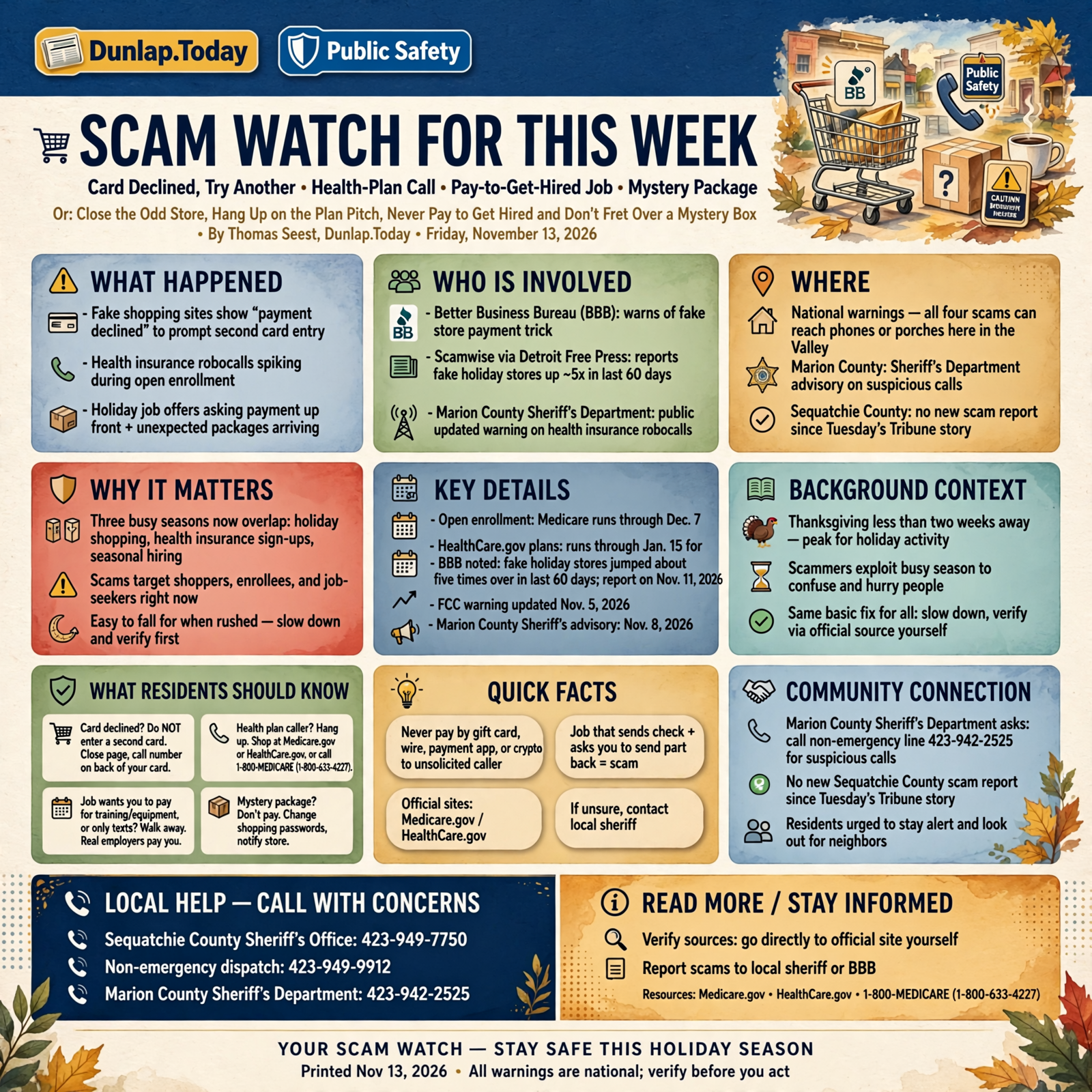
Good morning, neighbors. It’s Friday, the coffee’s hot and Thanksgiving is less than two weeks off. That means three busy seasons are stacked on top of each other right now: holiday shopping, health insurance sign-ups and seasonal hiring. The tricks that ride along with them all share one easy fix: slow down and go to the real source yourself. Type in the store’s address, call the number on your own card, and remember that real jobs pay you, not the other way around.
Here’s what’s on the porch: the Better Business Bureau (BBB) says some fake shopping sites now show a “payment declined” message so you’ll type in a second card, and a scam-checking company told the Detroit Free Press on Nov. 11 that fake holiday stores have jumped about five times over in the last 60 days; the Federal Communications Commission (FCC) updated its warning on Nov. 5 that health insurance robocalls spike during open enrollment, which runs through Dec. 7 for Medicare and Jan. 15 for HealthCare.gov plans in most states; and the BBB’s holiday “naughty list” flags seasonal job offers that ask you to pay up front, plus surprise packages you never ordered. All four warnings are national, and every one of them can land on a phone or a porch right here in the Valley. Closer to home, the Marion County Sheriff’s Department asked folks on Nov. 8 to call its non-emergency line, 423-942-2525, about any suspicious call. We haven’t seen a brand-new Sequatchie County scam report since Tuesday’s Tribune story we covered yesterday, and that’s worth a second cup.
⏱️ What this means for you in 30 seconds
- A shopping site says your card was declined and asks for another one? Don’t enter a second card. Close the page and call the number on the back of the card you used.
- A caller offers a better health plan, a new Medicare card or a free gift? Hang up. Shop plans yourself at Medicare.gov or HealthCare.gov, or call 1-800-MEDICARE (1-800-633-4227).
- A holiday job interview happens only by text, or they want you to pay for training or equipment? Walk away. Real employers pay you.
- A job sends a check and asks you to send part of it back? That’s the scam. Don’t deposit it.
- A package shows up that you never ordered? No need to panic or pay anything. Change your shopping passwords and tell the store.
- Never pay by gift card, wire, payment app or cryptocurrency to someone who called, texted or advertised to you out of the blue.
- Need local help? Sequatchie County Sheriff’s Office: 423-949-7750. Non-emergency dispatch: 423-949-9912. Marion County Sheriff’s Department: 423-942-2525.
💳 “Payment Declined, Try Another Card”: The Fake-Store Trick to Know Before Black Friday
National: Better Business Bureau via WTSP, and Scamwise via the Detroit Free Press, Nov. 11, 2026
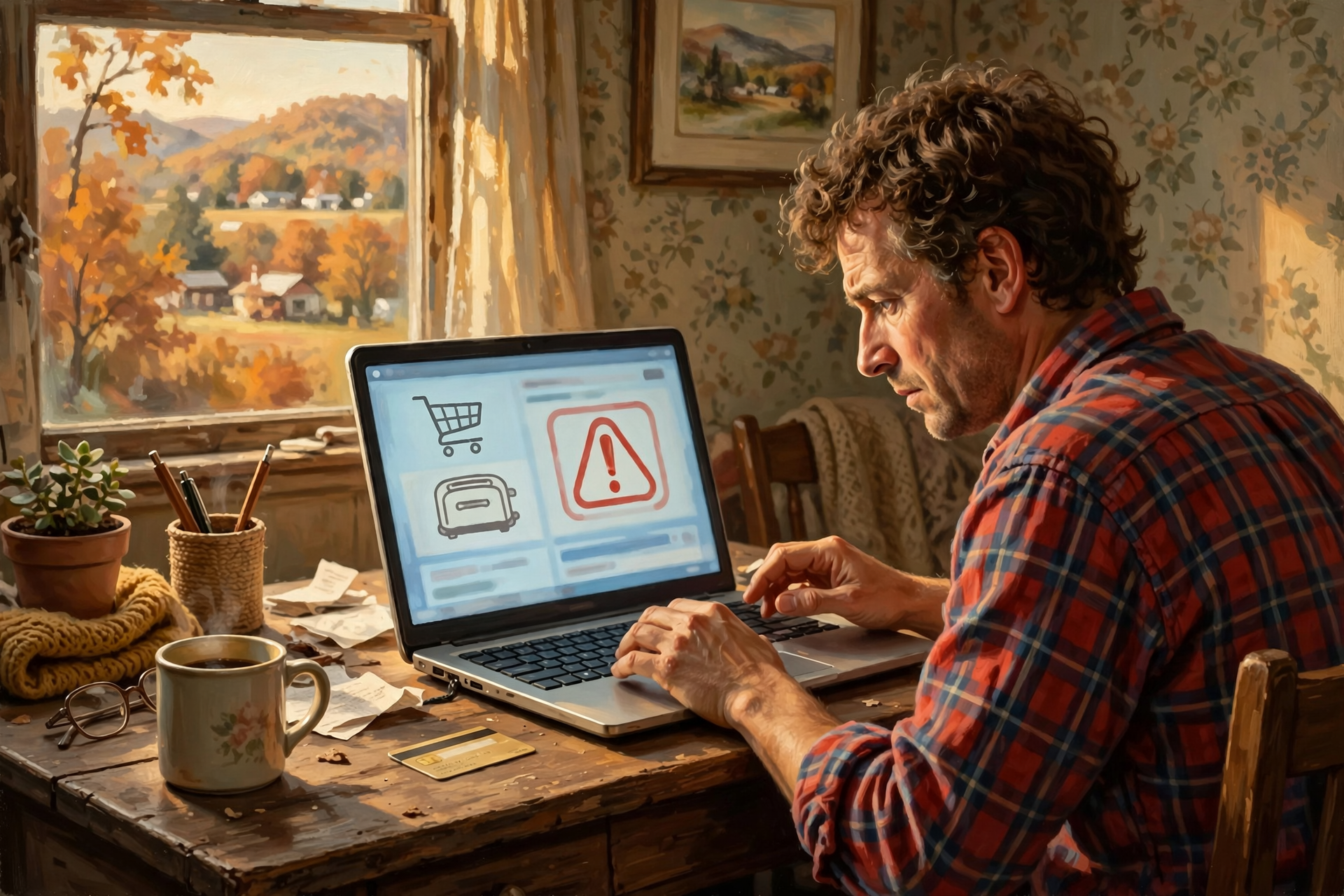
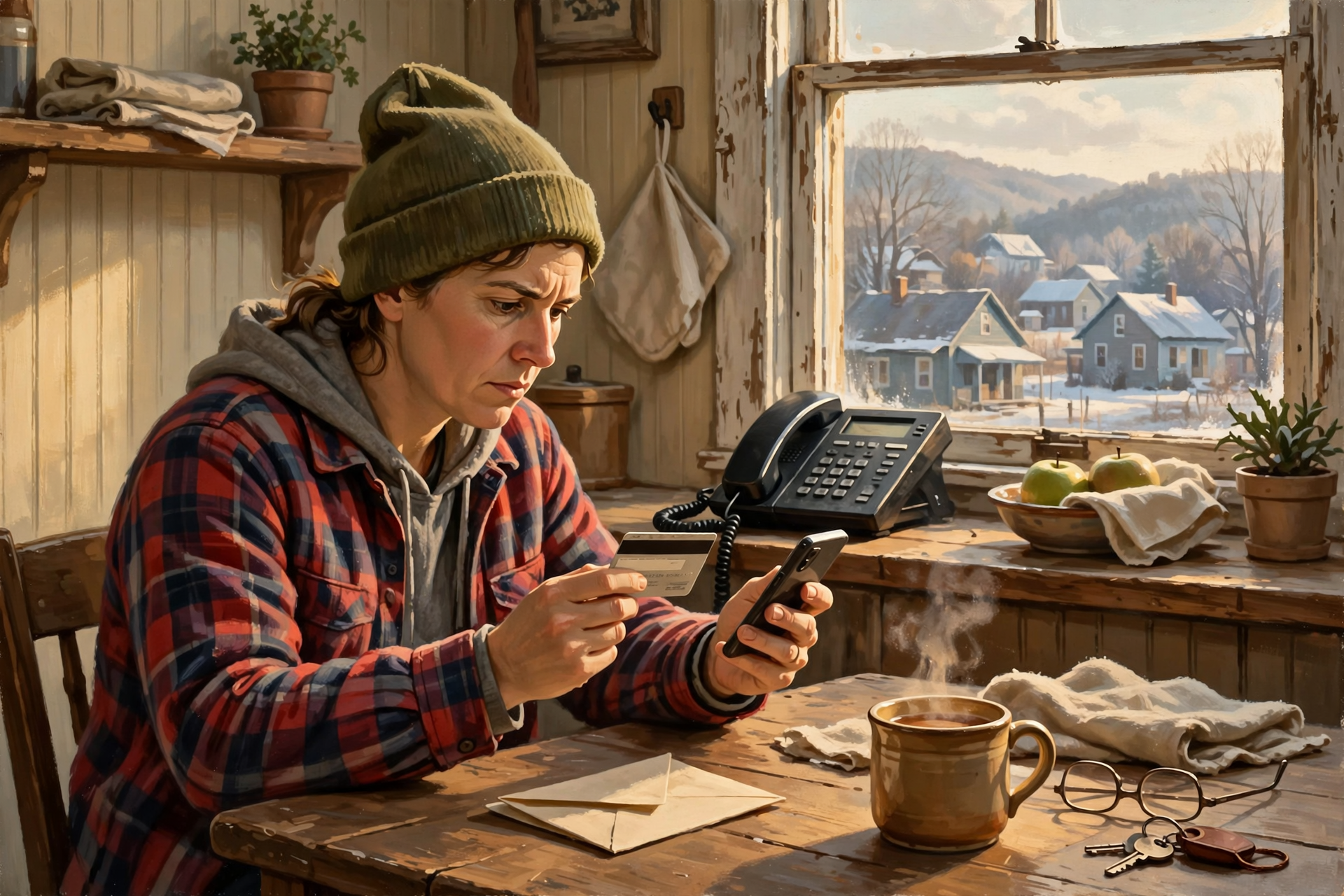
Here’s a sneaky one worth tucking away before the big sales start. A BBB spokesman told WTSP-TV about what he called a “double payment credit card trap.” You find a great deal, type in your card, and the fake website says the payment was declined or there were insufficient funds. Then it asks you to try a different card. “These are scam websites collecting your credit card information and your data,” he said. Now the crooks have two of your cards instead of one.
There are a lot of these sites popping up. On Nov. 11, the scam-checking startup Scamwise told the Detroit Free Press that fake holiday-themed online stores are up about five times in the last 60 days, with roughly 500 new fake stores a day, and that about 85% vanish within two weeks, which makes refunds nearly impossible. The BBB adds that a little padlock or “https” in the address bar doesn’t prove a store is real, since scammers can use it too.
It’s a bit like a fellow at a roadside stand who says your $20 bill “didn’t take” and asks for another one. You’d hold onto your wallet and drive on to the store you know.
What it means for you: If a site says your card was declined, don’t type in a second card. Close the page and call the number on the back of the card you used to ask whether there was really a problem, and watch your statement. Before you buy from a store you don’t know, the BBB says to check the web address for misspellings or extra letters, look for a real business address and phone number, and search the company’s name with the word “scam” or “complaint.” Better yet, type in the address of a store you already trust instead of clicking an ad. For small businesses buying supplies online, the same checks apply. Pay with a credit card, which gives you the best chance to dispute a charge.
👉 Read more (WTSP: Scammers cash in on the holiday shopping rush) · BBB: How to identify a fake website
🩺 Health Plan Sign-Up Season Brings Robocalls: The FCC Says Start With the Real Source
National: Federal Communications Commission, updated Nov. 5, 2026
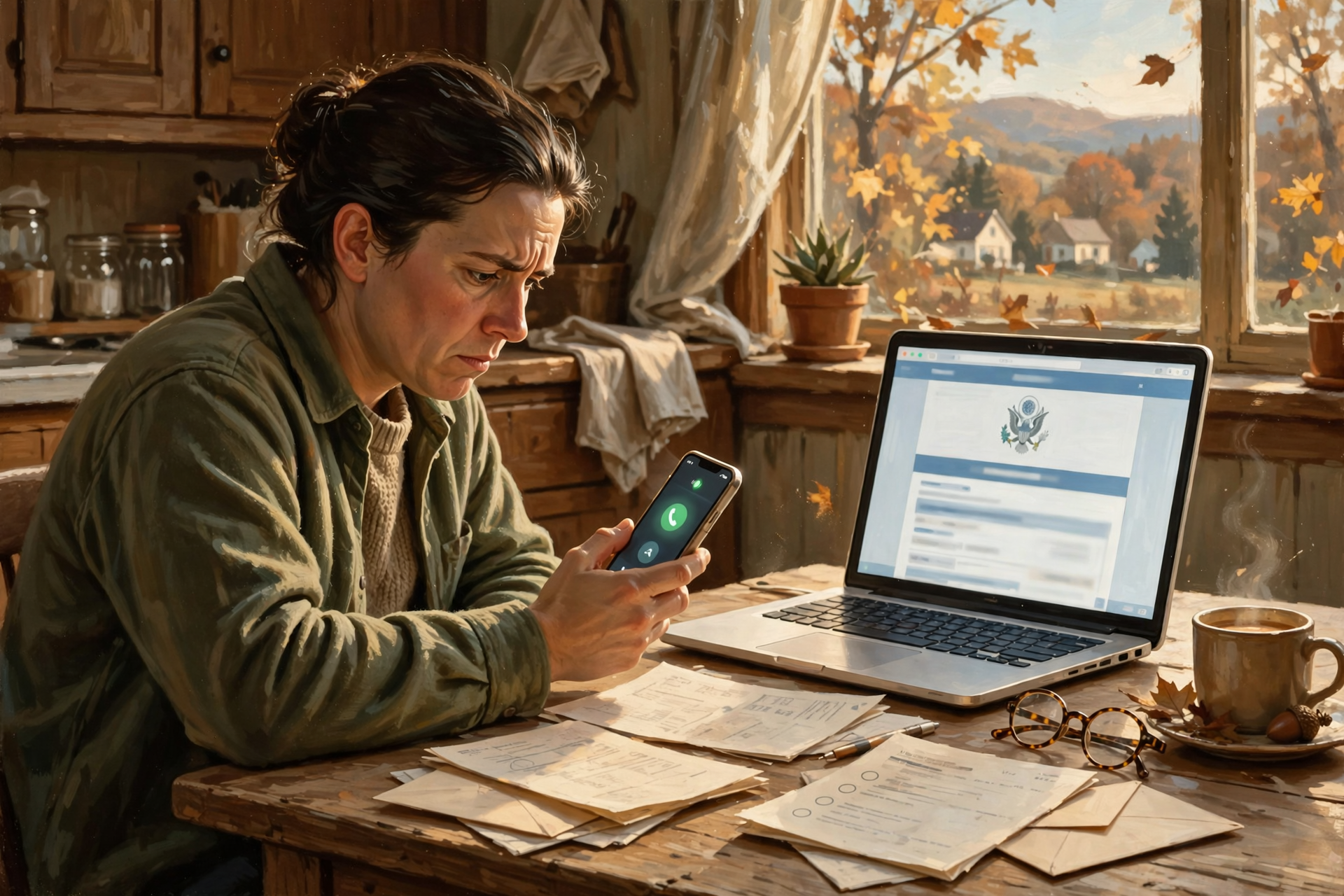
The FCC says health insurance scams are one of the most common robocall complaints it gets, and they spike right now. Two sign-up windows are open: Medicare Open Enrollment runs Oct. 15 through Dec. 7, 2026, and HealthCare.gov (Affordable Care Act) open enrollment runs Nov. 1, 2026, through Jan. 15, 2027 in most states.
The FCC says scammers pose as government offices, Medicare or insurance companies, and may offer free health screenings, gifts, lower premiums or “special enrollment deals.” They use caller ID that looks like Medicare or HealthCare.gov, QR codes or links in texts that lead to fake sign-up pages, and even AI-made voices. Warning signs to remember: promises of free items, pressure to switch your plan, notices to “renew” or “upgrade” your Medicare card, threats to cancel your coverage and claims you’re owed a refund.
Think of it like a stranger at the gate saying the feed store sent him to “upgrade” your hay order. You’d call the feed store yourself before handing him a check.
What it means for you: Never give your Social Security number, Medicare number or bank details on a call or text you didn’t expect. Hang up and look up the real number yourself. The FCC says don’t trust a callback number left in a message. Shop plans only at Medicare.gov (or 1-800-MEDICARE) and HealthCare.gov. The FCC also notes that real health plans don’t trade gift cards or prizes for your personal information. Not sure a plan is legitimate? The FCC says to contact your state insurance department, which in Tennessee is the Department of Commerce & Insurance. Your phone company may also have free call-blocking tools; the FCC lists them at fcc.gov/blockit.
👉 Read more (FCC: Beware of Health Care and Open Enrollment Scams)
🎄 A Holiday Job That Wants Your Money First Isn’t a Job

National: Better Business Bureau, “12 Scams of the Holidays”
Lots of folks pick up a little extra work this time of year, and stores, shippers and delivery services really are hiring. The BBB says scammers pose as those employers to get money and personal information from job seekers. According to its 2025 Scam Tracker Risk Report, employment scams were the second riskiest scam overall in 2025, and the riskiest for people ages 18 to 34, so this is a good one to share with the young folks in the family, too.
The BBB’s three red flags: interviews held only by text or chat, requests to pay for training or equipment, and checks that arrive with instructions to send part of the money back.
It’s like a farmer offering you a summer of hay-hauling, but first you’ve got to buy his gloves from him. That’s not a job. That’s a sale.
What it means for you: Remember this rule: real jobs pay you; they don’t charge you to start. Apply through the company’s own website or go into the store and ask. If a “boss” sends a check and wants some of it back by gift card, wire or payment app, don’t deposit it. That check can bounce days later, and you’d owe the bank. And don’t hand over your Social Security number or bank details until you’ve confirmed the job is real.
👉 Read more (BBB: The naughty list, 12 scams of the holidays)
📦 A Box You Never Ordered on the Porch? Here’s What It Usually Means

National: Better Business Bureau, “12 Scams of the Holidays”
This one’s more puzzling than scary. The BBB says a package you didn’t order can be part of a “brushing” scam: a seller ships you a cheap item so they can post a fake review in your name and make their product look popular. You aren’t being charged for it. But the BBB says it may mean someone has some of your personal information, like your name and address, and maybe an online account.
The same BBB list warns that holiday shopping brings a flood of fake shipping texts and emails about deliveries or “redelivery fees.” The safe move: never tap a delivery link you weren’t expecting.
It’s like finding a jar of jam on the porch with no note. Nice enough, but you’d want to know who’s been walking up to your door.
What it means for you: The BBB says to keep an eye on your online accounts and report the package to the retailer it came through. A good weekend chore: change the password on your main shopping account and turn on two-step sign-in if it’s offered. To track your real orders, use the store’s own confirmation email or the carrier’s official website. And if a mystery package comes with a note asking you to pay, scan a code or call a number, skip it.
👉 Read more (BBB: The naughty list, 12 scams of the holidays)
✅ Your Front-Porch Scam Checklist
- ✅ Site says “card declined, try another”? Don’t. Close it and call the number on the back of your card.
- ✅ Shop by typing in the address of a store you already know, not by clicking an ad.
- ✅ A padlock or “https” doesn’t prove a store is real. Look for a real address and phone number.
- ✅ Pay with a credit card so you can dispute a charge.
- ✅ Health plan or Medicare call you didn’t expect? Hang up. Use Medicare.gov, HealthCare.gov or 1-800-633-4227.
- ✅ Mark the dates: Medicare changes end Dec. 7; HealthCare.gov sign-ups end Jan. 15 in most states.
- ✅ Never give your Medicare or Social Security number to a caller.
- ✅ Job wants you to pay for training or equipment, or to send part of a check back? Walk away.
- ✅ Surprise package? Change your shopping password and tell the store. Don’t pay or call any number inside.
- ✅ Already paid, clicked or shared? Call your bank first, then the sheriff’s office (423-949-7750) and ReportFraud.ftc.gov.
The practical rule: Go to the source yourself. Real stores, real health plans and real jobs will still be there when you look them up on your own.
— Dunlap.Today
📚 Plain-English Glossary

- Fake online store: A website dressed up to look like a real shop, built to take your money or card number. Many disappear within weeks.
- “Double payment” card trap: When a fake site says your card was declined so you’ll enter a second card, and the crooks keep both numbers.
- Open enrollment: The yearly window to sign up for or change health coverage. Medicare’s ends Dec. 7; HealthCare.gov’s ends Jan. 15 in most states.
- Robocall: A call made by a machine, often with a recorded or computer-made voice.
- Caller ID spoofing: A trick that makes a call look like it’s coming from a different name or number, like Medicare.
- Employment scam: A fake job offer meant to get your money or personal information.
- Brushing: When a seller mails you something you didn’t order so they can post a fake review in your name.
- Two-step sign-in: An extra check, like a code sent to your phone, that keeps someone from getting into your account with just your password.
❓ Frequently Asked Questions
My card really does get declined sometimes. How do I tell the difference?
A real store won’t mind if you stop and check. Close the page and call the number on the back of your card. If the bank says there was no declined charge, that site was fishing for another card number. Watch your statement for a few weeks either way.
I already typed a card into a site I’m now unsure about. What now?
Call your card company right away using the number on the back of the card. Ask them to block it and send a new one, and to watch for charges you don’t recognize. Then report the site at ReportFraud.ftc.gov or the BBB Scam Tracker.
Does Medicare ever call me about my plan?
The FCC says to treat any unexpected call about your plan with care and never give your Medicare number to a caller. If you want help, call 1-800-MEDICARE (1-800-633-4227) yourself or use Medicare.gov.
What’s the difference between Medicare enrollment and HealthCare.gov enrollment?
Medicare open enrollment (Oct. 15 to Dec. 7) is for people on Medicare who want to change plans. HealthCare.gov open enrollment (Nov. 1 to Jan. 15 in most states) is for people buying their own health insurance under the Affordable Care Act. Scammers target both.
Is it ever OK to pay for a uniform or training for a new job?
The BBB lists requests to pay for training or equipment as a red flag. If you’re unsure, call the company’s main number from its own website, or go into the store and ask the manager.
Do I have to send back a package I never ordered?
The BBB’s advice is to report it to the retailer and keep an eye on your online accounts. You shouldn’t pay anything for it, and don’t call any number or scan any code that comes with it.
I already sent money in one of these scams. Is it too late?
No, and you’re not alone. Call your bank, card company or payment app right away and ask them to stop or reverse the payment. Then call the Sequatchie County Sheriff’s Office at 423-949-7750 and report it at ReportFraud.ftc.gov and BBB Scam Tracker.
🔗 Other Resources
- WTSP: Scammers cash in on the holiday shopping rush (BBB)
- Detroit Free Press: Hundreds of fake online stores “stocked” and ready for holiday shoppers (Nov. 11, 2026)
- BBB: How to identify a fake website · BBB: Shop with confidence on Cyber Monday
- FCC: Beware of Health Care and Open Enrollment Scams (updated Nov. 5, 2026)
- Medicare.gov · 1-800-MEDICARE (1-800-633-4227) · HealthCare.gov
- FCC: Stop unwanted robocalls and texts
- BBB: The naughty list, 12 scams of the holidays
- SValleyNow: Be Aware of Scam Calls (Marion County Sheriff’s Department, Nov. 8, 2026)
- Sequatchie County Sheriff’s Office: 423-949-7750 · Non-emergency dispatch: 423-949-9912 · Dunlap Police: (423) 949-3319 · Marion County Sheriff’s Department: 423-942-2525
- TN Attorney General: Scams, Schemes & Swindles
- National Elder Fraud Hotline (U.S. Justice Department): 1-833-372-8311 · AARP Fraud Watch Network Helpline: 877-908-3360
- Report a scam: ReportFraud.ftc.gov · FBI IC3 · BBB Scam Tracker
🌄 Rest Easy: The Real Thing Will Wait While You Check

Here’s the calm takeaway for a busy season: you don’t have to know every trick. A real store will take your order after you look it up yourself, a real health plan will still be there on Medicare.gov tomorrow, a real job will pay you instead of charging you, and a mystery box is mostly a nudge to change a password. Take a breath, put the kettle on and check on your own terms. Pass this along to the friend shopping online for grandkids, the neighbor comparing Medicare plans and the young person looking for holiday work. We’ll keep watch and bring you what’s new. Read Dunlap.Today and sign up for our newsletter for plain-English scam alerts and Valley news.
Know about an upcoming event or story in the Dunlap, TN area? Submit it here.

0 Comments