
🌾 A Dry Halloween, Real Rain Midweek, What Hay Is Selling For, How to Stretch It, and a Garden Notebook Worth Keeping — Your Farm & Garden Report
Or: A Calm Saturday in Dunlap — About 2.4 Inches of Much-Needed Rain Lines Up for Tuesday Night Through Thursday, Statewide Hay Prices, UT’s Tips to Make Hay Last, What to Write Down in the Garden, and First-Come 4-H Chick Chain Spots
By Thomas Seest, Dunlap.Today · Saturday, October 31, 2026
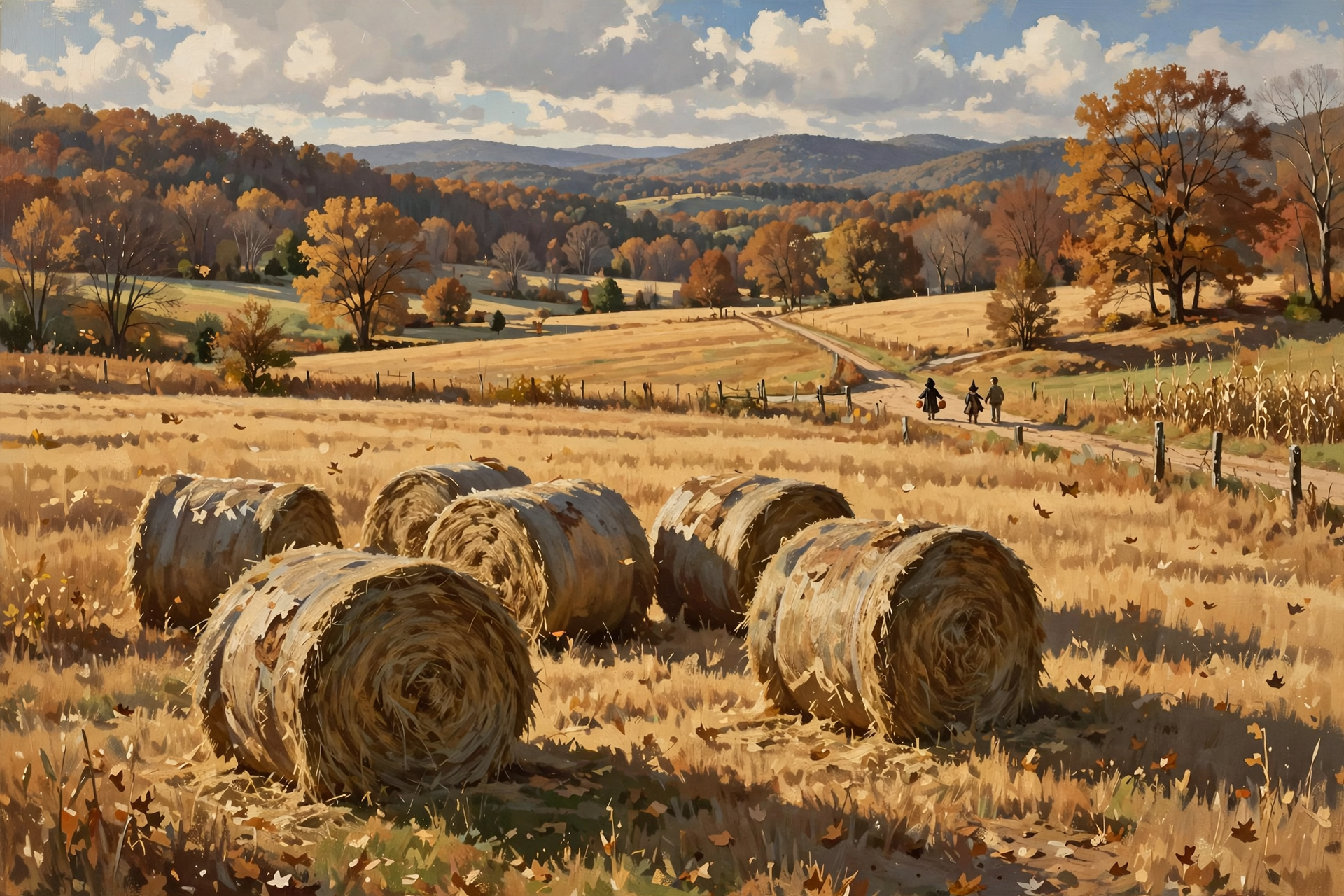
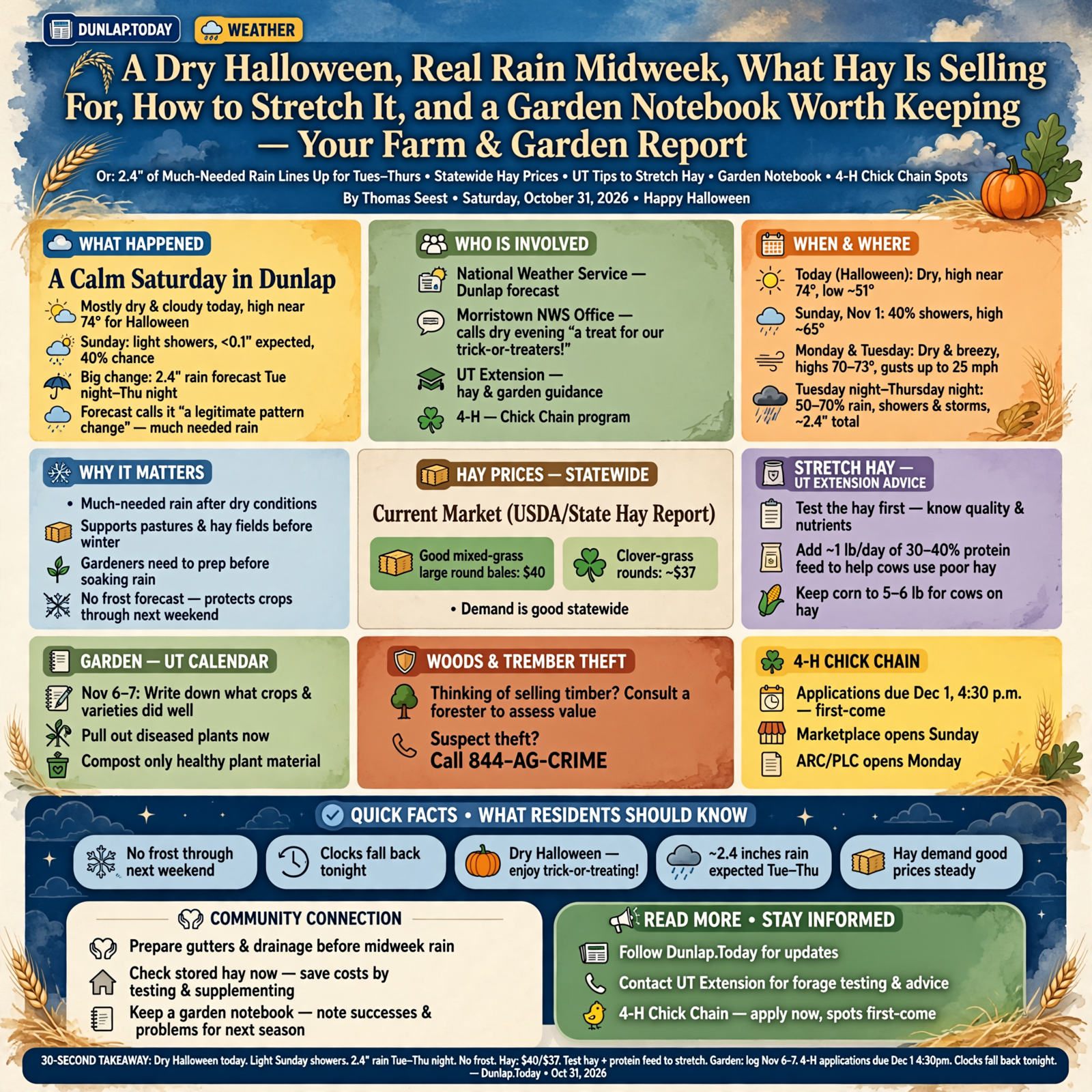
Happy Halloween. The National Weather Service forecast for Dunlap is mostly cloudy and dry today with a high near 74, and the Morristown office calls the dry evening “a treat for our trick-or-treaters!” Sunday’s showers look light, under a tenth of an inch. The big news is midweek. The Weather Service now shows about 2.4 inches of rain from Tuesday night through Thursday night, up from about 1.7 inches in yesterday’s numbers. Forecasters call it “a legitimate pattern change” and “much needed rain.” No frost is in the seven-day forecast.
Here’s the roundup. First, the rain timing and what to do before it. Then what hay is selling for across Tennessee this week, from the USDA and state hay report. UT Extension explains how to make short hay last with a forage test, a little protein and careful corn. UT’s garden calendar says this is the week to write down what worked and clear out what got sick. A stolen black walnut tree case is a good reminder for anyone with woods. And for families with young poultry fans, 4-H Chick Chain spots are first-come. A short checklist is at the end.
⏱️ What this means for you in 30 seconds
- Weather (local): Dry Halloween, high near 74. Sunday showers 40%, but light. Dry and breezy Monday and Tuesday. About 2.4 inches possible Tuesday night–Thursday night, with some thunderstorms. No frost through next weekend.
- Hay prices (statewide): Good mixed-grass large round bales traded at $40. Clover-grass rounds averaged about $37. Demand is good.
- Stretch hay (statewide UT advice): Test the hay first. About 1 pound a day of a 30–40% protein feed can help cows use poor hay. UT says producers often keep corn to 5–6 pounds for cows on hay.
- Garden: UT’s calendar says Nov. 6–7, write down which crops and varieties did well. Pull out diseased plants. Compost only healthy ones.
- Woods: Thinking of selling timber? A consulting forester can tell you what it’s worth. Suspect theft? Call 844-AG-CRIME.
- Local deadlines: 4-H Chick Chain applications due Dec. 1, 4:30 p.m., first-come. Marketplace opens Sunday. ARC/PLC opens Monday. Clocks fall back tonight.
🌧️ The Pattern Changes: A Dry Halloween, a Light Sunday, Then About 2.4 Inches Midweek
Here’s what the National Weather Service forecast for Dunlap says, as of its 6:06 a.m. CDT update this morning:
- Today (Halloween): Mostly cloudy, high near 74. Tonight, cloudy, low around 51.
- Sunday, Nov. 1: 40% chance of showers, high near 65, then falling to around 62 in the afternoon. The Weather Service says new rain amounts less than a tenth of an inch are possible.
- Monday and Tuesday (Election Day): Partly sunny and dry by day, highs near 70 to 73. Gusts as high as 25 mph Monday night and Tuesday.
- Tuesday night through Thursday night: Rain chances of 50%, then 70% on Wednesday, with showers and thunderstorms likely. The Weather Service’s early estimate adds up to about 2.4 inches, with the most on Wednesday.
- Friday and next Saturday: Mostly sunny, high near 71. Lows drop into the mid-40s by next weekend. No frost in the forecast.
The Weather Service office in Morristown says “The first week of November will bring a legitimate pattern change.” It says the front “will bring much needed rain across the TN Valley,” and that instability “looks rather meager at this time (limiting severe potential).” It also mentions “gusty mountain winds around mid week” and “more seasonable temperatures” Thursday and Friday. No watches or warnings are posted this morning.
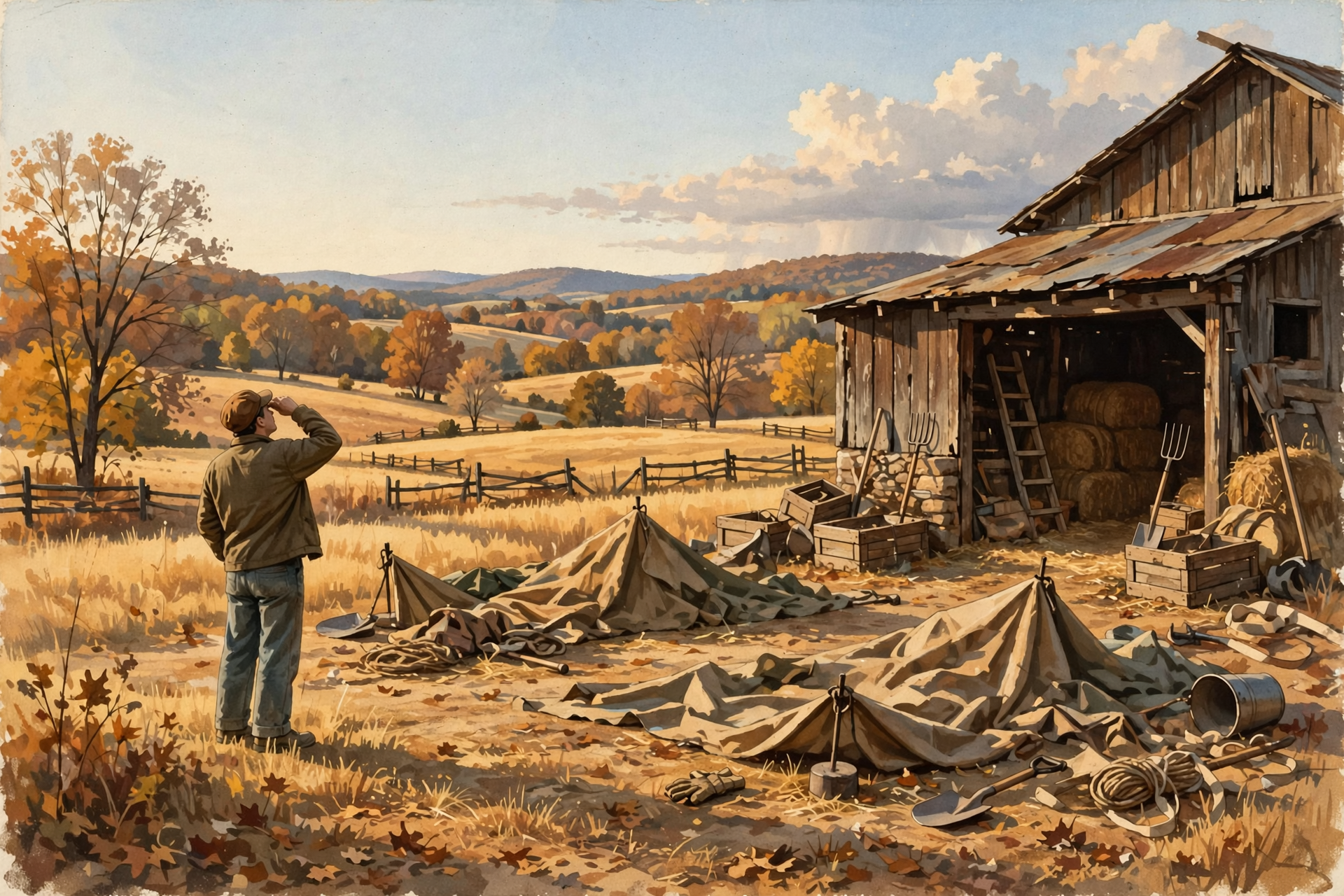
What it means for you: This is the visit from your sister we talked about yesterday, and now she’s packed the car. Rain totals four days out can still move up or down, so check again Monday. You have three dry days to get ready. Tie down tarps and loose things before the breezy days. Clear leaves out of gutters and barn drains. Feeding hay? Pick a firm, well-drained spot before the mud comes (more on that below). And for the garden, a soaking rain does the watering for you, so there’s no need to water cool-season crops this week.
👉 Read more (National Weather Service: Dunlap forecast) · NWS Morristown forecast discussion
💲 What Hay Is Selling For Across Tennessee This Week
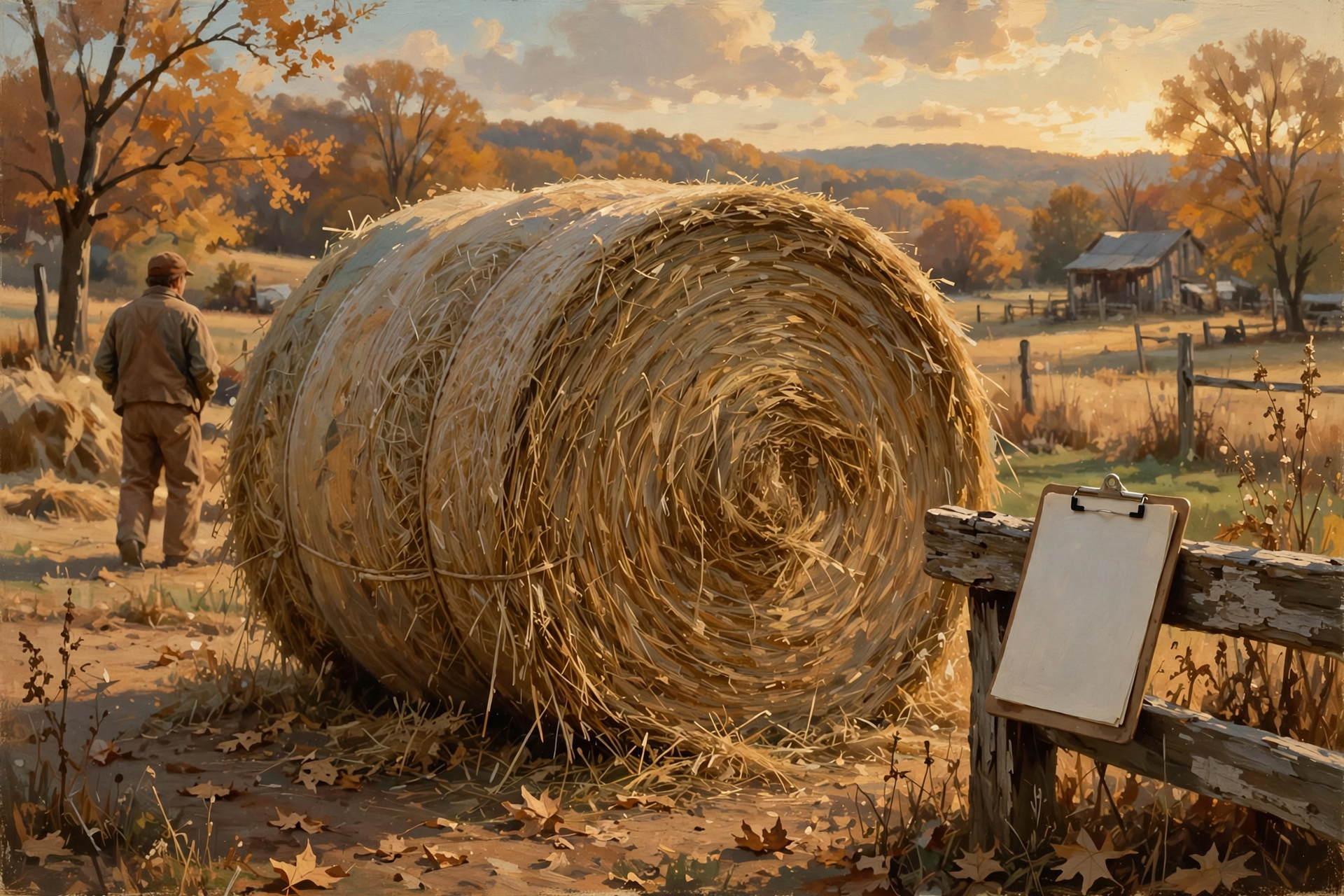
The Tennessee Direct Hay Report comes from USDA Market News and the Tennessee Department of Agriculture. The current one is dated Oct. 26, corrected Oct. 27, and labeled for the week ending Oct. 30. These are statewide numbers, not Sequatchie County prices. Prices are per bale, picked up at the farm (F.O.B.).
- Demand: The report says “Good demand was seen for hay across the state.” Dry weather helped with harvest but “reduced the yield coming off later-cuts.”
- Large round bales that sold: Mixed grass, good, first cut: 268 bales at $40. Clover/grass mix, good, first cut: 410 bales at $35–50, averaging about $37.20.
- Premium bermudagrass: Medium round bales traded at $85–100, averaging about $97.
- Small squares that sold: Good mixed grass about $7. Premium orchardgrass about $10.
- Asking prices in East Tennessee: Good grass medium rounds $55. Fair-to-good grass medium rounds $45. Good clover/grass large rounds $50. Good mixed-grass large rounds $40.
- Volume: 4,118 bales traded statewide, about double the 2,118 a year ago.
- How grass hay is graded: By crude protein. Premium: over 13%. Good: 9–13%. Fair: 5–9%. Utility: under 5%.
What it means for you: A price report is like the sale ad in the Sunday paper. It tells you about where prices sit, not what your neighbor will charge. Bale size and weight vary a lot, so compare price per ton when you can, not just per bale. The grade guide is the handy part. “Good” hay should test 9–13% protein, and a forage test is how you know. Need hay? Start with the free state hay directory or call the Sequatchie County Extension office at 423-949-2611.
👉 Read more (USDA AMS: Tennessee Direct Hay Report) · TDA Hay Directory
🐄 Make the Hay Last: Test It, Add a Little Protein, Go Easy on Corn
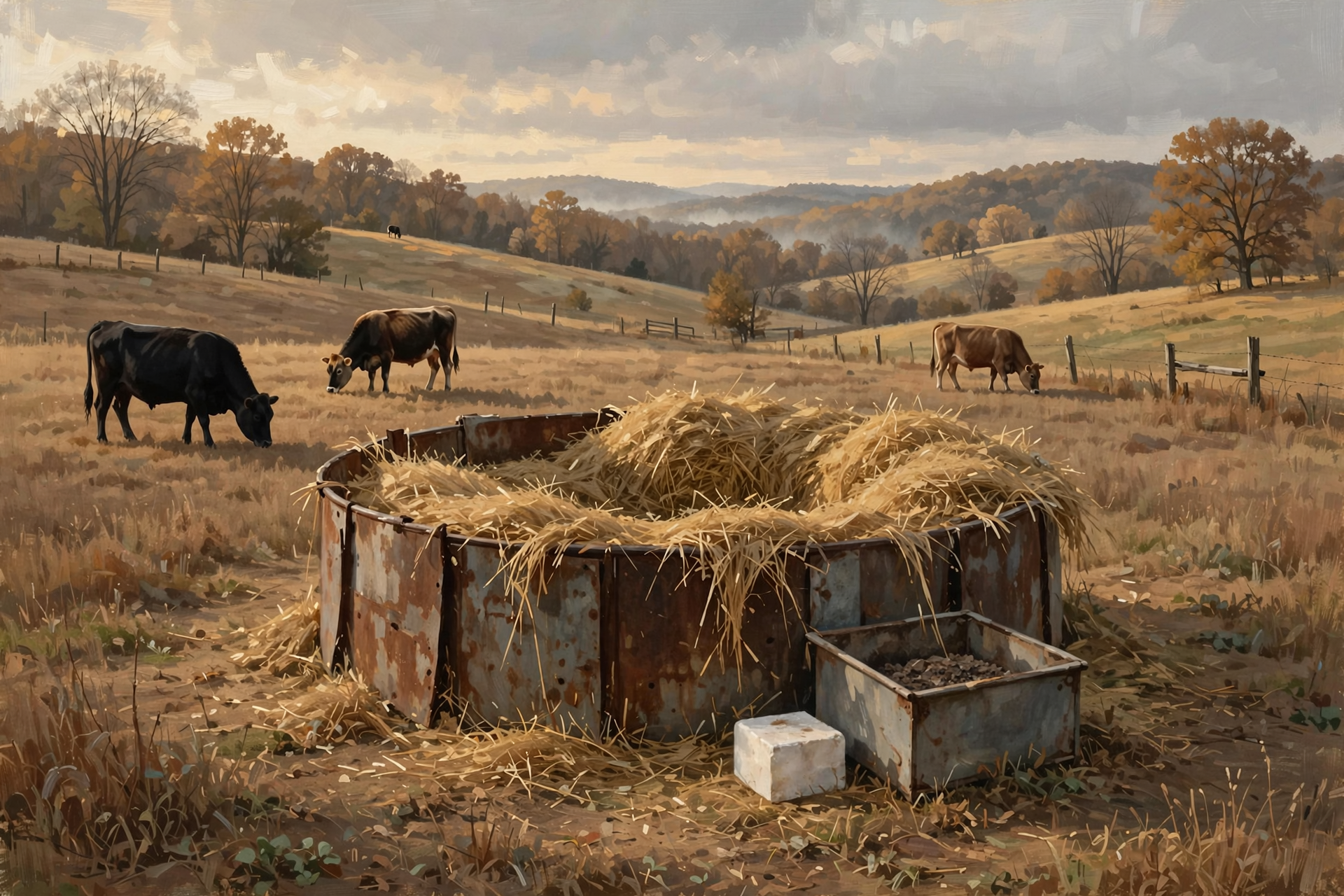
UT Extension’s guide Managing Hay Supplies for the Cow Herd (W1136) by beef specialist Dr. Katie Mason, along with UT Beef & Forage Center advice for a dry fall, applies statewide. Here are the main points:
- Start with a forage test. UT says it’s the basis for choosing a supplement.
- Protein helps cows use poor hay. UT says as little as a pound a day of a 30 to 40 percent protein feed could help cows use more of the hay and hold condition.
- Corn: careful. Starchy feeds like corn can make cows eat and use less forage. UT says producers often avoid more than 5 or 6 pounds of corn for cows on hay. If corn replaces hay, it’s about 1 pound of corn for 2 pounds of hay, and cattle should be switched over slowly, across 7 to 10 days.
- Lower-starch choices: UT lists soybean hulls, corn gluten feed, distillers grains, wheat midds, whole cottonseed and commercial blends. Whole cottonseed should stay at 5–6 pounds for cows.
- Minerals: Offer a complete free-choice mineral with calcium and phosphorus. Putting out plain white salt beside it can cut how much mineral cows eat.
- Mud costs energy. UT suggests feeding on rocky ground or old roadbeds if you have them. Use hay rings, and cut off and remove the strings.
- Watch body condition. Aim for a herd average of 5 to 6 on UT’s 1-to-9 scale. Cows at 4 are slower to rebreed.
- Culling: UT’s dry-fall advice says to consider culling open or unhealthy cows and extra bulls. Animals sold in good condition in the fall usually bring stronger prices.
What it means for you: Stretching hay is like stretching a pot of soup for unexpected company. You don’t just add water. You add the right thing in the right amount. A forage test tells you whether the hay needs protein or energy. Then a pound or so of the right feed can do more than a bucket of the wrong one. The feed store or the Extension office can help you match a feed to your test.
👉 Read more (UT Extension: Managing Hay Supplies for the Cow Herd, W1136) · UT Beef & Forage Center: Preparing for a Dry Fall
📓 Garden Notebook Week: Write Down What Worked, Clear Out What Got Sick
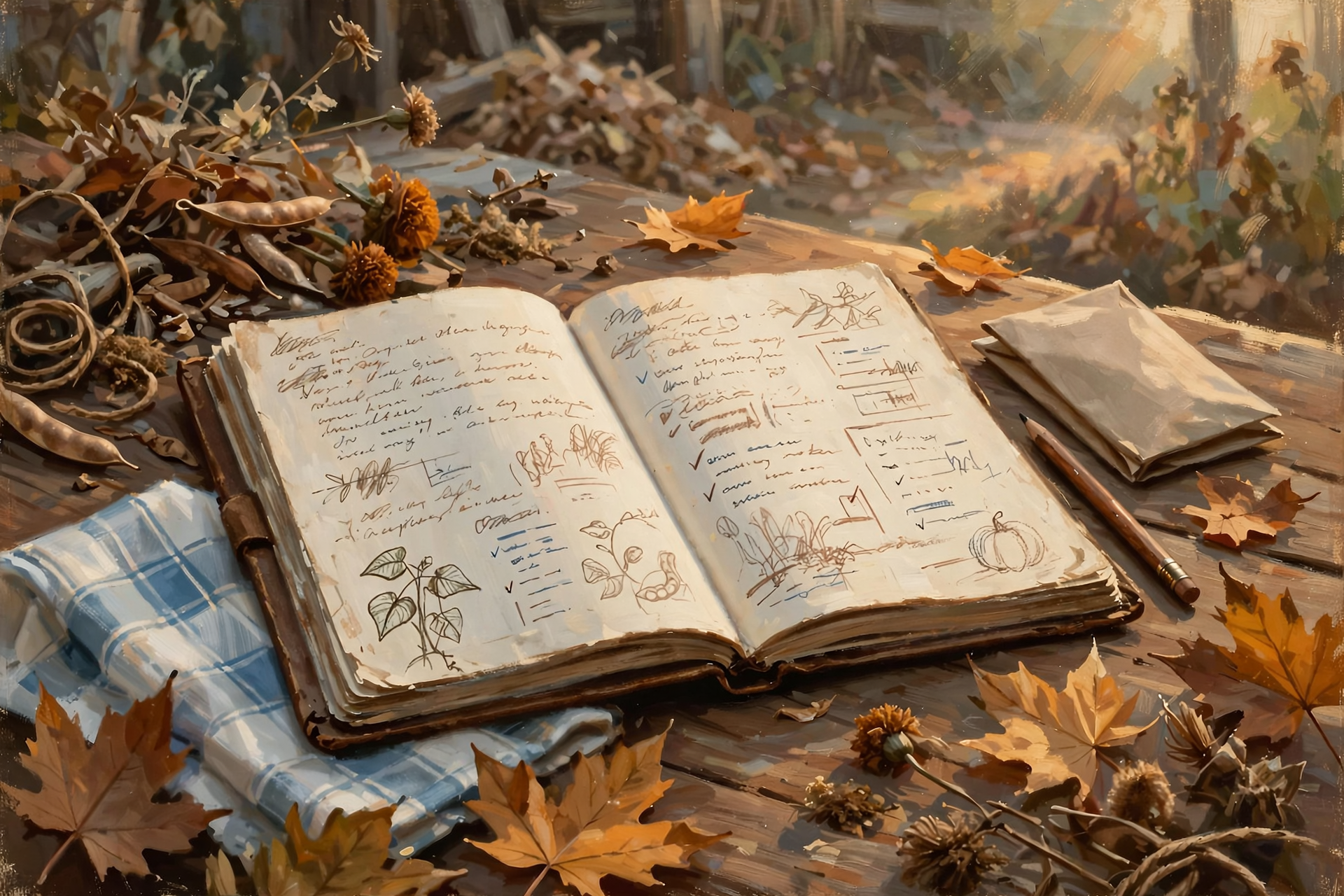
UT Extension’s 2026 Tennessee Home Fruit and Vegetable Garden Calendar (W436) has these notes for early November:
- Nov. 1: “Keep harvesting your various cool season crops.”
- Nov. 6: “Keep notes on the crops and cultivars that performed well for you this year.”
- Nov. 7: “Write those notes in the record sheets in the back of this calendar.” Those sheets have spaces for first frost date, fall rainfall totals and other notes.
- Nov. 9–12: Clean up stakes and debris, then think back on this year’s pest and disease problems to help pick next year’s crops.
- Cleanup: Remove diseased crop and fruit debris from the garden and orchard. Start a compost pile with disease-free debris plus leaves and lawn clippings.
- Water: As temperatures cool, cool-season crops need less water.
- Fruit wish list: UT calls this the shopping season for next year’s fruit order. Bare-root plants usually ship in early spring and need planting soon after arrival. Container plants give a wider planting window, but check the roots. Buy from a high-quality supplier.
What it means for you: We early risers all know the feeling of “I’ll remember that,” and then we don’t. A garden notebook is the grocery list for next spring. Keep it simple: one line for each crop, a “keep” or “skip,” and the variety name off the seed packet. Then add one more line this week: how much rain fell Tuesday through Thursday. That’s the kind of thing you’ll want to know next fall.
👉 Read more (UT Extension: 2026 Tennessee Home Fruit and Vegetable Garden Calendar, W436)
🌳 Know What Your Trees Are Worth: A Black Walnut Case and Who to Call
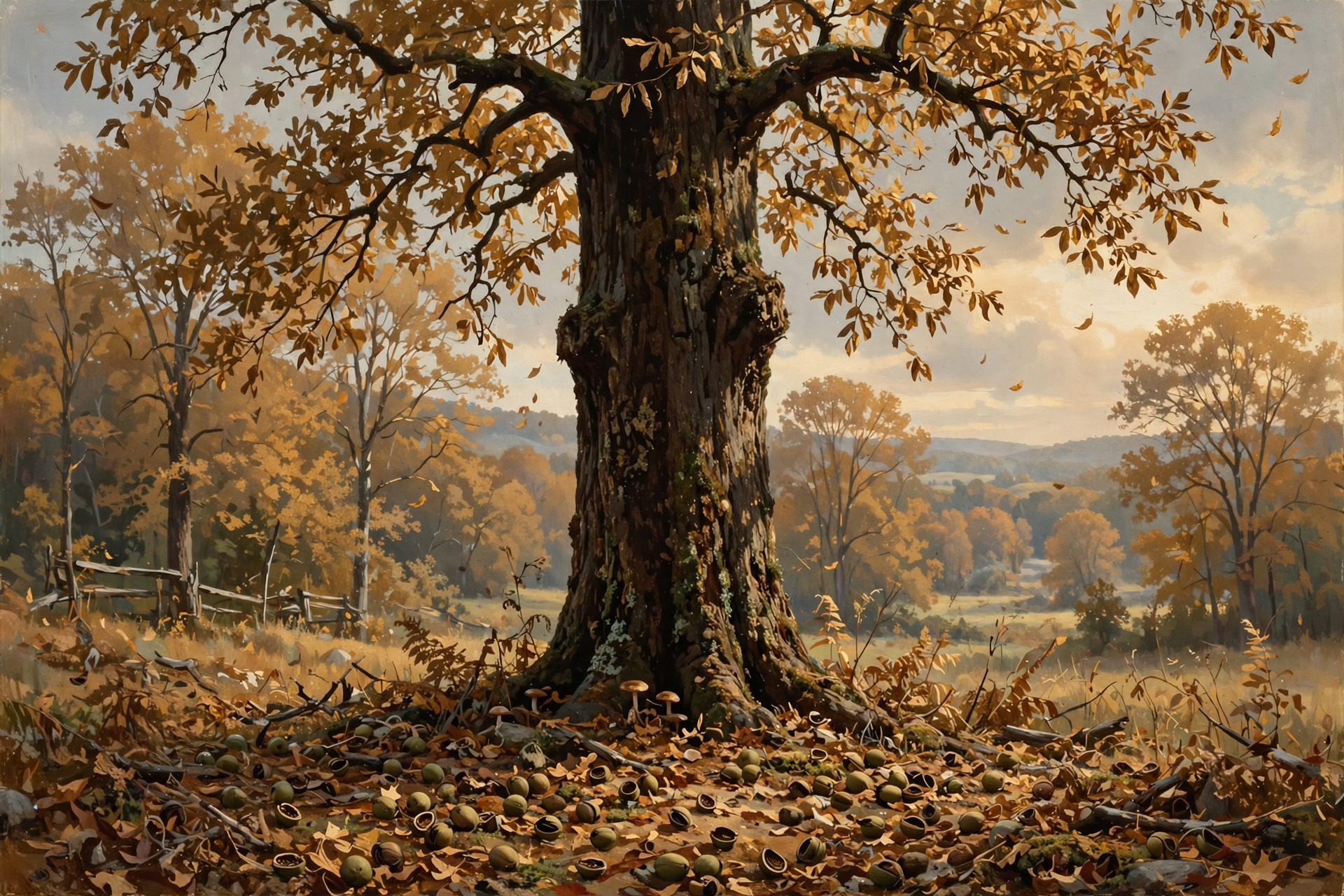
On Oct. 27, the Tennessee Department of Agriculture reported a case from Overton County. This is a statewide note, not a local case:
- A black walnut about 55 feet tall and 30 inches across was cut down and taken from Standing Stone State Forest and sold to a regional sawmill.
- The sawmill owner called TDA’s Agricultural Crime Unit and helped identify the men. Two men pleaded guilty and were sentenced, with restitution and fines.
- TDA says the unit investigated 49 cases in October 2026. To report something: 844-AG-CRIME (844-242-7463) or Agriculture.Crime@tn.gov.
- Selling timber yourself? The state Division of Forestry says to contact a consulting forester to learn what your timber is worth. Its area foresters can help with management plans, but they don’t give timber values.
- UT’s School of Natural Resources says timber is often sold “only once or twice in a lifetime.” It recommends an inventory and appraisal, sealed bids and a written contract.
What it means for you: A big walnut or white oak at the back of the place is a bit like the old pocketknife in Granddad’s drawer. It may be worth more than you’d guess, so it pays to know before anyone makes an offer. The good news in this story is that an honest sawmill owner made the call. If you ever see trees cut on land where they shouldn’t be, you don’t have to sort it out yourself. Write down what you saw and call the number.
👉 Read more (TDA: Black walnut theft case) · UT: Timber Sales for Private Landowners
🐔 Local: 4-H Chick Chain Spots Are First-Come, Due Dec. 1
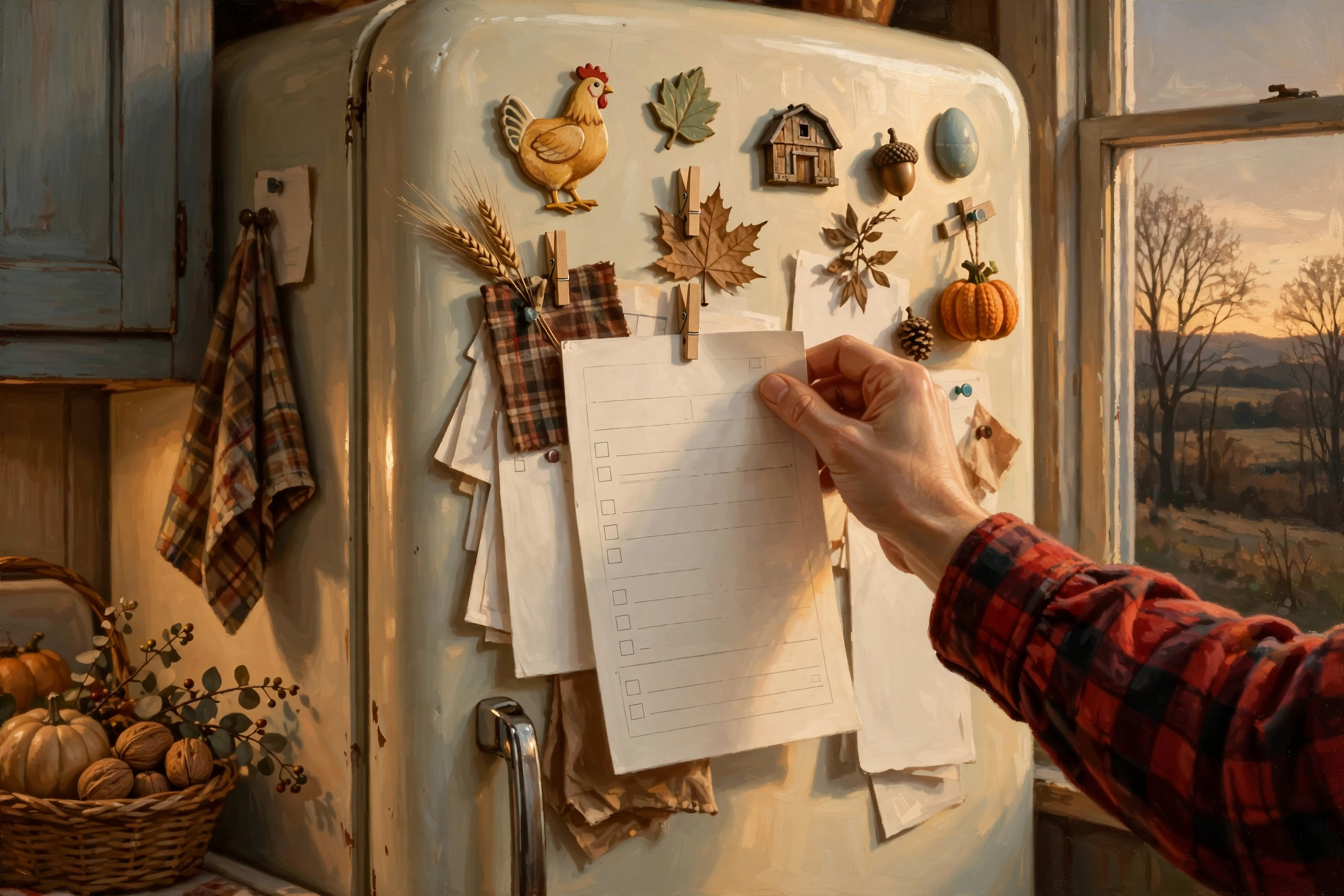
This one is local, from UT Extension Sequatchie County:
- Each year 20–25 4-H members get 25 pullets each to raise. The office orders about 500–600 Black Star pullets.
- Applications are due Tuesday, Dec. 1, by 4:30 p.m. Central. They’re chosen first-come, first-served and based on club participation.
- Timeline: Notices go out Dec. 15. A required meeting for families is in January 2027. Chicks arrive mid-March. The poultry show is in August 2027.
- At the show, each 4-H member brings four of their best pullets to be judged and auctioned. The rest are theirs to keep.
- Questions: (423) 949-2611, Extension office, 170 Church Street, Dunlap.
What it means for you: First-come means the early bird really does get the chick. If a grandchild has been asking about chickens, a December form turns into a box of peeping pullets by spring and fresh eggs by summer. Put the form on the fridge this week, not the week of Dec. 1.
👉 Read more (UT Extension Sequatchie County: 4-H Chick Chain)
🗂️ Weekend Paperwork Corner: Clocks, Health Coverage and ARC/PLC

- Tonight, 2 a.m.: Clocks fall back one hour. Morning chores will be lighter for a while, and evenings will get dark sooner.
- Sunday, Nov. 1 (nationwide): HealthCare.gov Marketplace open enrollment begins. Pick by Dec. 15 for coverage starting Jan. 1. It ends Jan. 15, 2027.
- Monday, Nov. 2 (nationwide): 2027 ARC/PLC enrollment opens and runs through March 15, 2027. The 2026 ARC/PLC deadline is Dec. 11. Call the Jasper USDA Service Center, (423) 942-2244.
- Today (local): The Dunlap Farmers Market says it runs Saturdays April through October, 9 a.m.–1 p.m. at the Jeff Johnson Pavilion in Harris Park, so today should be the last regular Saturday. Please check the market’s Facebook page before you go.
👉 HealthCare.gov: Dates and deadlines · USDA FSA: ARC/PLC enrollment
📌 Sticky Notes for the Fridge
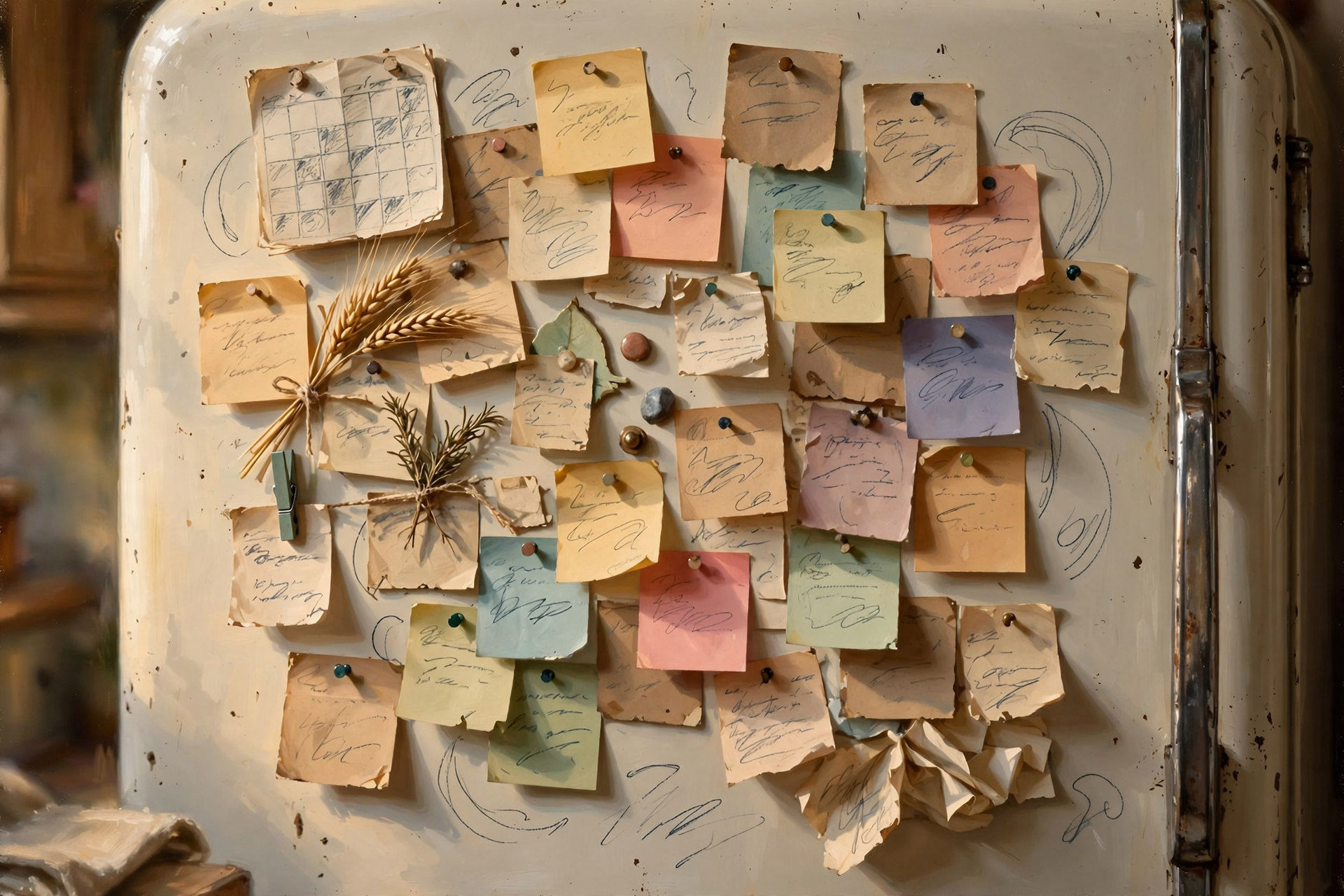
- Tonight, Nov. 1, 2 a.m.: Clocks fall back one hour.
- Sunday, Nov. 1: Marketplace open enrollment begins. Light showers possible.
- Monday, Nov. 2: 2027 ARC/PLC enrollment opens.
- Tuesday night–Thursday night, Nov. 3–5: About 2.4 inches of rain possible (early estimate). Write down the total.
- Thursday, Nov. 5: New Drought Monitor map (data through Tuesday, before most of the rain).
- Friday, Nov. 6, 8 a.m. CT: Tennessee Forage & Grassland Council annual meeting, Crossville.
- Nov. 6–7: UT garden calendar: write down which crops and varieties did well.
- Saturday, Nov. 7: Sequatchie County Master Gardeners’ quarterly meeting, Pikeville.
- Monday, Nov. 9: Deadline for FSA winter-storm emergency loans.
- Wednesday, Nov. 11: Veterans Day. USDA Service Centers closed. UT Live.Stock Broadcast (details at utbeef.com).
- Sunday, Nov. 15: Last day of the Tennessee White Oak Initiative acorn collection.
- Thursday, Nov. 19: NOAA’s next three-month outlook.
- Friday, Nov. 20: Apply-by date for 2027 NRCS conservation funding in Tennessee.
- Thursday, Nov. 26: Thanksgiving. USDA Service Centers closed.
- Tuesday, Dec. 1, 4:30 p.m.: Sequatchie County 4-H Chick Chain applications due (first-come). State water-quality grant proposals also due to TDA.
- Monday, Dec. 7: FSA county committee ballots due.
- Thursday, Dec. 10: AgLead Tennessee applications due.
- Friday, Dec. 11: 2026 ARC/PLC enrollment deadline.
- Tuesday, Dec. 15: Last day to pick a Marketplace plan for coverage starting Jan. 1. Chick Chain notices go out.
- Friday, Dec. 18: Dairy Margin Coverage signup ends.
- Thursday, Dec. 31: Organic Certification Cost Share applications due.
- Friday, Jan. 15, 2027: Marketplace Open Enrollment ends.
- Monday, March 1, 2027: LFP applications due for 2026 drought grazing losses.
- Monday, March 15, 2027: 2027 ARC/PLC enrollment closes.
👉 Dunlap–Sequatchie County Chamber events · Dunlap Farmers Market · UT Extension Sequatchie County
✅ Your Farm & Garden Checklist for the Days Before the Rain
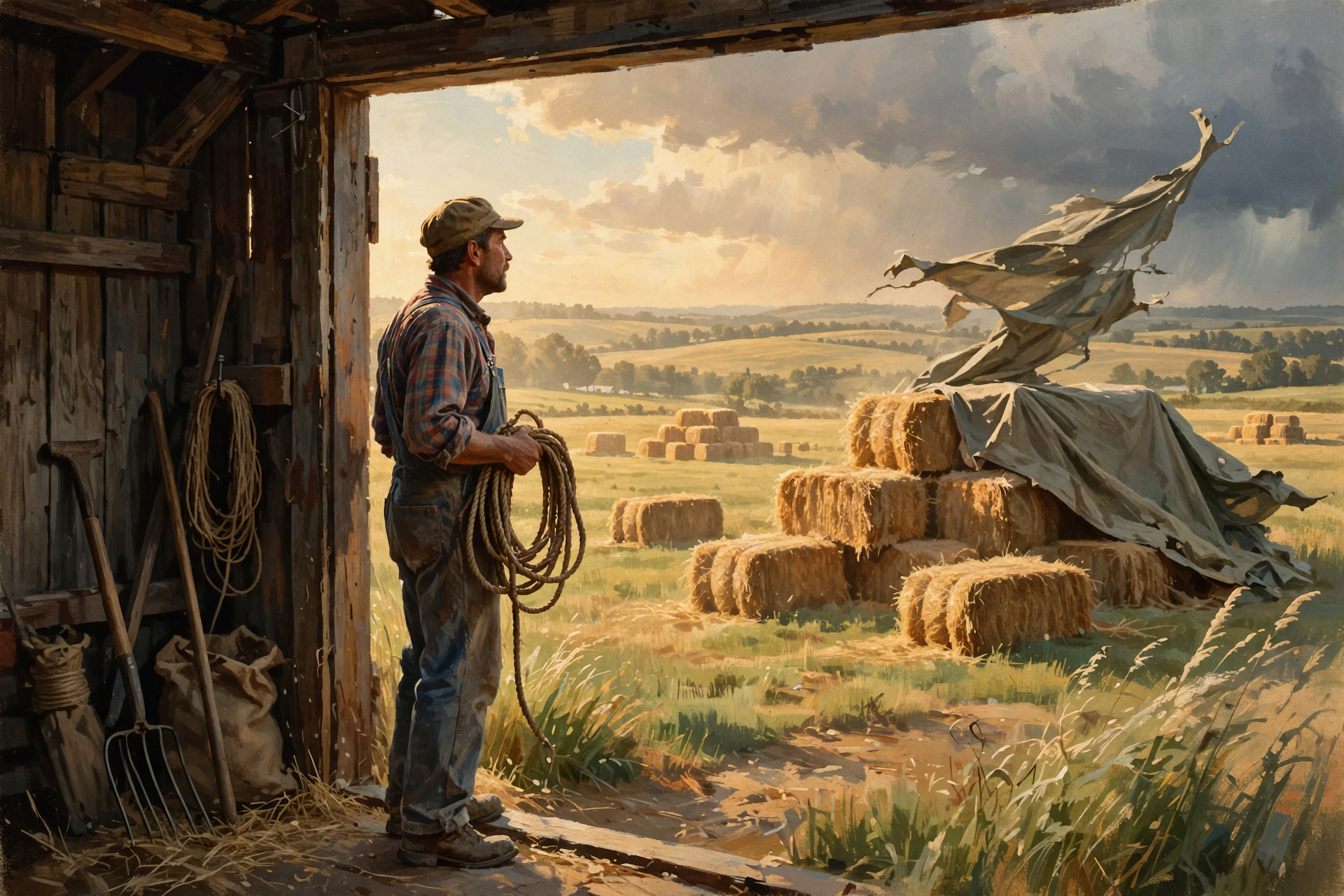
- ✅ Tie down tarps and loose things before the breezy days Monday night and Tuesday.
- ✅ Clear gutters, barn drains and culverts so the rain goes where it should.
- ✅ Pick a firm, well-drained hay feeding spot before the mud comes. Use rings, and pull off the strings.
- ✅ Send a hay sample for a forage test before you buy supplement.
- ✅ Going easy on corn? UT says producers often stay under 5–6 pounds for cows on hay, and switch over slowly.
- ✅ Buying hay? Compare prices to this week’s statewide report, and ask the bale weight.
- ✅ Pull diseased plants and fruit from the garden. Compost only the healthy stuff.
- ✅ Start a one-page garden notebook: crop, variety, keep or skip. Add the rain total next week.
- ✅ Put the 4-H Chick Chain form on the fridge. It’s first-come, due Dec. 1.
- ✅ Set the clocks back tonight, and enjoy the trick-or-treaters.
Practical rule: Tie it down, drain it out, test before you feed, and write it down before you forget.
— Dunlap.Today
📚 Plain-English Farm & Garden Glossary

- Pattern change: A shift in the large-scale weather setup, such as dry weeks giving way to more regular rain or cooler air.
- Instability: How easily air rises to make thunderstorms. Low instability means storms are less likely to turn severe.
- Mountain winds: Gusty winds that can develop when air flows over a ridge and comes down the other side.
- F.O.B.: “Free on board.” In a hay report, it means the price at the farm, before delivery.
- Weighted average: An average that counts big sales more than small ones.
- Crude protein (CP): The protein number on a forage test. It’s a main way hay quality is graded.
- Forage test: A lab test of a hay sample that shows protein, energy and more.
- Soybean hulls / corn gluten feed / distillers grains: Byproduct feeds that add energy, protein or both, with less starch than corn.
- Body condition score (BCS): A 1-to-9 score of how much flesh a cow carries. 1 is very thin. 9 is very fat.
- Cultivar: A named plant variety, like the name on the seed packet.
- Inoculum: Disease spores or germs left behind that can start the problem again next year.
- Bare-root plant: A plant dug from the field and shipped without soil around the roots.
- Consulting forester: A private forester you hire to estimate timber value and help run a sale.
- Chick Chain: A 4-H project where youth raise pullets and show the best ones.
- Pullet: A young female chicken, under a year old.
❓ Frequently Asked Questions
Will 2.4 inches of rain end the drought?
It would help a lot, but one storm rarely ends a drought this long. The 2.4-inch figure is an early estimate and may change. Thursday’s Drought Monitor map uses data through Tuesday, so it likely won’t count most of this rain until the following week. Keep checking stock water and the forecast.
Should I worry about severe storms midweek?
The Weather Service says thunderstorms are possible, but instability looks low at this time, which limits severe potential. No watches or warnings are out. Check the forecast again Monday and Tuesday.
Are those hay prices what I’ll pay in Sequatchie County?
Not exactly. The report is statewide and only covers the sales and offers reported to USDA Market News. Local prices depend on bale size, weight, quality and delivery. Use it as a starting point when you talk with a seller.
How do I know if my hay needs a supplement?
Get a forage test. UT says it’s the basis for supplement decisions. The Sequatchie County Extension office at 423-949-2611 can help you take a sample and read the results.
Can I just feed more corn to stretch hay?
Corn can replace some hay, at about 1 pound of corn for 2 pounds of hay. But UT says starchy feeds can make cows use forage less well. Producers often stay under 5 or 6 pounds of corn for cows on hay, and cattle should be switched over across 7 to 10 days.
Should I compost my tomato vines?
Only if they were healthy. UT’s calendar says to remove diseased crop and fruit debris from the garden, and to compost disease-free debris with leaves and clippings.
Who do I call to find out what my timber is worth?
The Tennessee Division of Forestry says to contact a consulting forester. Its “Find a Forester” page lists area foresters, who can help with management plans, and links to consulting foresters.
Is the Dunlap Farmers Market open today?
The market says it’s open Saturdays April through October, 9 a.m.–1 p.m. at the Jeff Johnson Pavilion in Harris Park, so today should be the last regular Saturday. Please check the market’s Facebook page before you go.
🔗 Other Resources

- National Weather Service: Dunlap forecast
- National Weather Service Morristown: Area Forecast Discussion
- NOAA Climate Prediction Center: 6–10 and 8–14 Day Outlook Discussion
- USDA AMS: Tennessee Direct Hay Report
- Tennessee Department of Agriculture: Hay Directory
- UT Extension: Managing Hay Supplies for the Cow Herd (W1136)
- UT Beef & Forage Center: Preparing for a Dry Fall
- UT Beef & Forage Center: Live.Stock Companion, October 2026
- UT Extension: 2026 Tennessee Home Fruit and Vegetable Garden Calendar (W436)
- TDA: Black walnut theft case, Standing Stone State Forest
- UT School of Natural Resources: Timber Sales for Private Landowners
- Tennessee Division of Forestry: Find a Forester
- UT Extension Sequatchie County: 4-H Chick Chain
- HealthCare.gov: Dates and deadlines
- USDA FSA: 2026 and 2027 ARC/PLC enrollment
- U.S. Drought Monitor: Tennessee
- USDA: Service Center locator (Jasper Service Center, 3709 Main St. · 423-942-2244)
- BurnSafeTN: Free burn permits
- Dunlap–Sequatchie County Chamber of Commerce: Events
- Dunlap Farmers Market
- UT Extension Sequatchie County (170 Church Street, Dunlap · 423-949-2611)
- Dunlap.Today
🏡 Keep Learning, Stay Calm and Come Back to the Porch
After a long, dry fall, the forecast finally brings good news for the land. Halloween stays dry for the little ones, and real rain looks likely midweek. None of this week’s jobs is hard. Tie down the tarps, pick a dry feeding spot, test the hay before you buy feed, and start a one-page garden notebook. Hay prices and timber values are things to know, not worry about. Pick one job, set the clocks back tonight and enjoy the extra hour.
When you want the next calm, practical update for Sequatchie Valley readers, pull up a chair at Dunlap.Today.
Sources
Know about an upcoming event or story in the Sequatchie Valley? Submit it here.



0 Comments