
🌾 A Dry Halloween, a Drier Drought Map, a Midweek Sale Barn Check, Molting Hens and a Head Start on Blueberries — Your Farm & Garden Report

Or: A Calm Thursday in Dunlap — Two More Sunny Days, a Smaller Sunday Rain, What This Morning’s Drought Map Means for Pastures, Why the Hens Quit Laying, and the Blueberry Job That Has to Start Months Ahead
By Thomas Seest, Dunlap.Today · Thursday, October 29, 2026
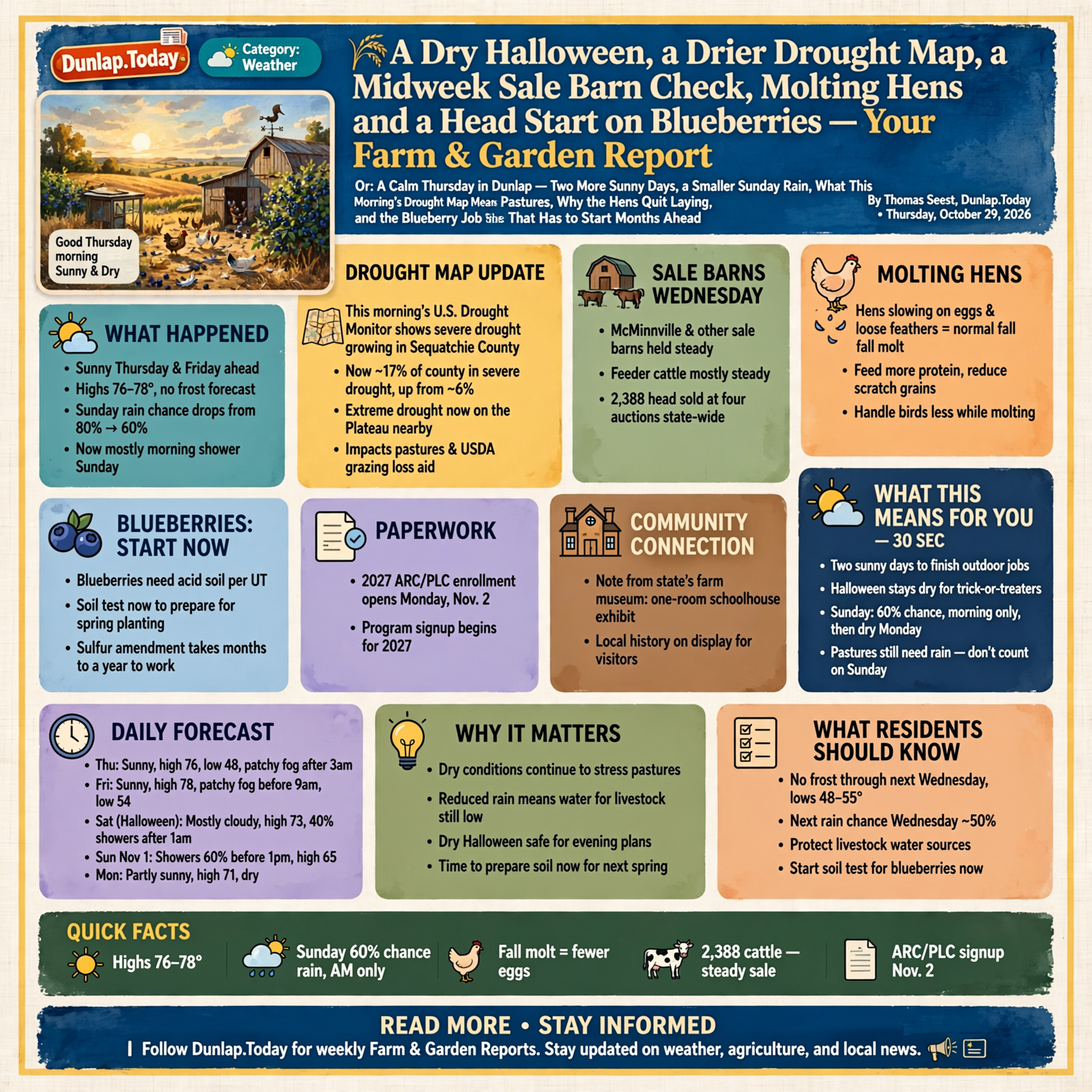
Good Thursday morning. The National Weather Service forecast for Dunlap is sunny today with a high near 76 and sunny Friday near 78, with a little patchy fog early Friday morning. No frost is in the forecast through next Wednesday, with lows in the upper 40s to mid-50s. The weekend rain got smaller overnight. Sunday’s chance dropped from 80% to 60%, with showers mainly in the morning, and Monday now looks dry. The next decent chance is Wednesday (50%).
Here’s the roundup. This morning’s U.S. Drought Monitor map shows severe drought growing in Sequatchie County and extreme drought showing up next door on the Plateau, which matters for pastures and USDA’s drought help for grazing losses. Wednesday’s sale barns, including McMinnville, sold feeder cattle mostly steady. If your hens have slowed down and the coop looks like a pillow fight, that’s probably the fall molt, and it’s normal. For the garden, UT says blueberries need acid soil, and the fix can take months to a year, so a soil test now sets up a spring planting. There’s a nice note about a one-room schoolhouse at the state’s farm museum, and the 2027 ARC/PLC signup opens Monday. A short checklist is at the end.
⏱️ What this means for you in 30 seconds
- Weather: Sunny Thursday and Friday. Highs 76–78. No frost. Halloween looks dry. Sunday showers 60%, mostly before 1 p.m. Next chance Wednesday (50%).
- Drought (local): All of Sequatchie County is in drought. Severe drought grew from about 6% to 17% of the county.
- Sale barns (statewide, Wednesday): 2,388 head at four auctions. Feeders mostly steady.
- Hens: Fewer eggs and loose feathers in fall are usually the molt. Feed more protein, fewer scratch grains, and handle birds less.
- Blueberries: They need acid soil. Soil test now. Sulfur needs several months to a year to work.
- Paperwork: 2027 ARC/PLC enrollment opens Monday, Nov. 2.
🎃 Halloween Stays Dry, and Sunday’s Rain Shrinks to a Morning Shower
Here’s what the National Weather Service forecast for Dunlap says, as of its 6:06 a.m. update this morning:
- Today (Thursday): Sunny, high near 76, calm wind. Tonight, mostly clear with patchy fog after 3 a.m., low around 48.
- Friday: Patchy fog before 9 a.m., then sunny, high near 78. Friday night, mostly cloudy, low around 54.
- Saturday (Halloween): Mostly cloudy, high near 73. Saturday night, cloudy with a 40% chance of showers after 1 a.m. Low around 53.
- Sunday, Nov. 1: Showers likely, mainly before 1 p.m. High near 65. Chance of rain is 60%. Sunday night, 30%.
- Monday: Partly sunny, high near 71.
- Tuesday and Wednesday: Shower chances of 20% Tuesday, 30% Tuesday night and 50% Wednesday. Highs near 71 to 73.
What it means for you: Yesterday’s forecast had Sunday at 80% with damp days stretching into next week. Today it’s a 60% morning shower and a dry Monday. It’s like a dinner guest who called to say he can only stay for coffee. That’s good news for trick-or-treaters, but not much help for thirsty pastures, so don’t count on Sunday to fill the pond. You still have two sunny days for outdoor jobs, and you don’t have to rush quite as hard to get things under a roof. If you drive the farm truck early Friday, slow down in the low spots near creeks where fog likes to sit.
👉 Read more (National Weather Service: Dunlap forecast)
🏜️ The New Drought Map, Farm Edition: Severe Drought Grows in the Valley, Extreme Drought Arrives on the Plateau

The U.S. Drought Monitor map released this morning uses data through Tuesday, Oct. 27. Here’s what it shows, compared with last week:
- Sequatchie County: 100% in at least moderate drought. Severe drought grew from about 6% to about 17% of the county, with a tiny sliver (less than 1%) of extreme drought.
- Grundy County: Nearly all in severe drought, and about 65% now in extreme drought, up from none last week.
- Van Buren County: Severe drought jumped from about 20% to about 61%, with about 10% extreme.
- Marion County: About the same as last week, with about 20% in severe drought.
- Bledsoe and Hamilton: Milder. Moderate drought covers about 49% of Bledsoe and about 10% of Hamilton.
- Tennessee as a whole: Severe drought or worse grew from about 48% of the state to about 59%. Extreme drought or worse about doubled, from about 19% to about 39%.
Why farmers watch this map: USDA’s Livestock Forage Disaster Program (LFP) uses the Drought Monitor to decide payments for grazing lost to drought. FSA says a county can qualify for one monthly payment after four straight weeks of severe drought (D2), and for more payment months at higher levels, including three months if extreme drought (D3) shows up at any time during the normal grazing period. Applications for 2026 losses are due March 1, 2027.
What it means for you: The drought map is like the thermometer on the porch post. It tells you what already happened, not what to do next. Whether your county and your pastures qualify for LFP is FSA’s call, not ours, and it depends on where your land sits on the map and your grazing records. So the calm move is simple: call the Jasper USDA Service Center at (423) 942-2244 and ask, “Does my county qualify for LFP this year, and what records should I bring?” Meanwhile, keep an eye on stock ponds and springs, and keep feeding hay where pastures are short.
👉 Read more (U.S. Drought Monitor: Tennessee) · USDA FSA: Livestock Forage Disaster Program
🐄 Midweek Sale Barn Check: McMinnville and Three Other Barns Hold Mostly Steady
The Tennessee Daily Cattle Auction Summary released this morning by USDA and Tennessee Department of Agriculture Market News covers Wednesday, Oct. 28, sales at Columbia, Savannah, Sweetwater and McMinnville. Here’s what it shows:
- Cattle sold: 2,388 head, and about 93% were feeder cattle.
- Feeder cattle: Mostly steady compared with last week, with some sales $2 to $4 lower per hundredweight.
- Cull cows: Slaughter cows sold steady to $2 lower.
- Demand: Market News called it moderate, on cattle of average to good quality.
- A sample price: Thirty Medium and Large No. 1 steers weighing 505 to 534 pounds (about 530 pounds on average) brought an average of $403.32 per hundredweight. That’s roughly $2,138 a head on our back-of-the-envelope math.
What it means for you: This is a midweek peek, like checking the biscuits through the oven window before the timer goes off. Prices are holding about where they were. These numbers mix four barns across the state, so your calves could bring more or less depending on weight, condition and the day. McMinnville is the closest of the four to the Valley. If you’re selling soon, call your sale barn for its latest results.
👉 Read more (USDA/TDA Market News: Tennessee Daily Cattle Auction Summary, Oct. 29, 2026) · Tennessee Weekly Cattle Auction Summary
🐔 Feathers Everywhere and Hardly Any Eggs? Your Hens Are Probably Just Molting
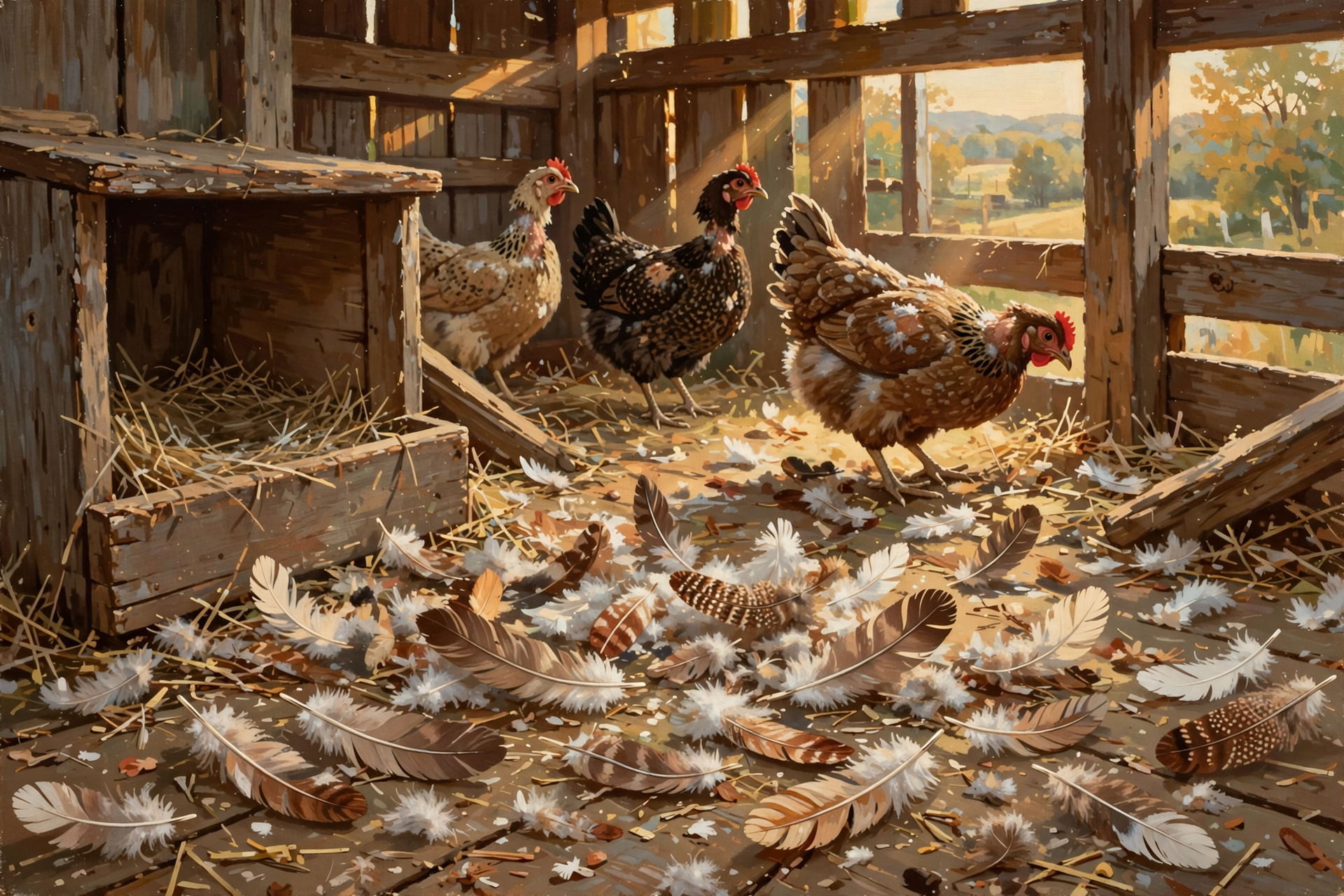
If the egg basket is coming back light and the coop floor is covered in feathers, don’t worry. In the October/November issue of the Tennessee Farmers Cooperative’s Cooperator magazine, ProTrition nutritionist Grey Parks explains that molting is a normal process that happens every year in mature chickens. Here’s the short version:
- What triggers it: Shorter days. Young hens usually have their first molt at about 18 months, and older birds molt each fall.
- How long: Some hens finish a “hard molt” in a few weeks. Others molt slowly over 3 to 4 months. Most lay only now and then, or not at all, while they regrow feathers.
- Feed: Feathers are about 85% protein, so molting birds need a higher-protein feed. Cut back on low-protein treats like scratch grains. Higher-protein treats such as dried mealworms should stay under 10% of the diet.
- Handling: New feather shafts are tender, so handle birds as little as possible.
- Space: Give at least 4 square feet per chicken in the coop. If one hen bullies the others, take the bully out for a few days, not the bird being picked on.
UT Extension’s backyard chicken guide (D168) adds that hens usually lay about one egg every 25 hours, and that top egg production takes about 16 hours of light a day. Hens will stop laying in late fall as days get shorter unless they get extra light. Dunlap gets about 10 hours and 50 minutes of daylight today, and a little less each day until late December.
What it means for you: A molting hen is like a farmer taking a winter rest after a long season. She isn’t sick, she’s just recharging. Switch to a higher-protein layer feed, go easy on the scratch, and let her be. If you want to add light in the coop to keep eggs coming, ask your county Extension office first, and keep any wiring and bulbs well away from bedding and dust. If a bird looks sick, not just scruffy, call your vet or Extension.
👉 Read more (Tennessee Farmers Cooperative Cooperator: The Shedding Season) · UT Extension: Raising Your Own Backyard Chickens in Tennessee (D168)
🫐 Want Blueberries Someday? The Soil Work Starts Long Before the Bush
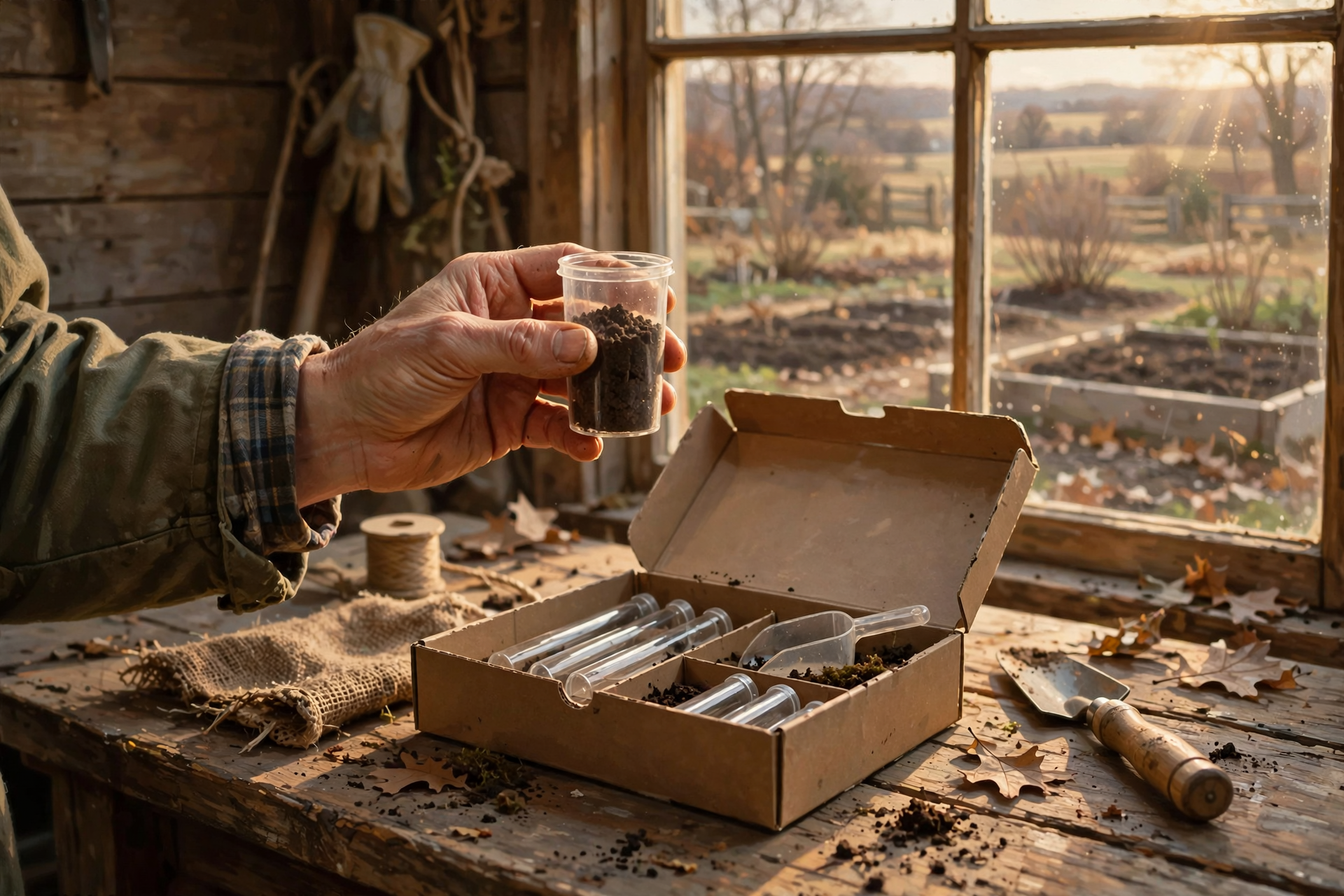
UT Extension’s 2026 garden calendar has a mid-November reminder: adjust soil pH well before planting blueberries, because sulfur that lowers pH can take months to fully work. UT’s guide to growing blueberries at home (W1297A, by Natalie Bumgarner, Seth Whitehouse and David Lockwood) explains why. Here’s the plain-English version:
- Acid soil is a must: Blueberries need soil with a pH between 4.5 and 5.3. Many Tennessee yards are higher than that.
- Test first: A soil test tells you your pH and what to add. Elemental sulfur lowers pH, but it needs to go on several months to a year before planting.
- Plan B: If your soil is heavy clay, packed down or hard to fix, UT suggests raised beds or containers, often filled with a mix based on composted pine bark.
- Which kind: Rabbiteye blueberries, native to the Southeast, are a good fit for home gardens because they’re a bit more forgiving about soil and water.
- When to plant: Container plants can go in during more seasons, and fall or early spring gives roots a head start before summer heat. Bare-root plants usually go in dormant in late winter or early spring.
- Patience pays: UT says to pick off blooms for the first two years or so so the bush builds roots, and a well-cared-for planting can produce for 20 years or more.
What it means for you: Blueberries are like a good cast-iron skillet: they take some seasoning up front, then they serve you for decades. If a blueberry row is on your wish list, the first step this fall isn’t buying a bush. It’s mailing a soil sample. The Sequatchie County Extension office at 170 Church Street (423-949-2611) can help with the box and explain your results. Then you’ll know whether to add sulfur this winter or go with a raised bed.
👉 Read more (UT Extension: Planting and Managing Blueberries for Residential Production in Tennessee, W1297A) · UT Extension: 2026 Home Fruit and Vegetable Garden Calendar (W436)
🏫 A Ramp for the One-Room Schoolhouse, Plus ARC/PLC Opens Monday
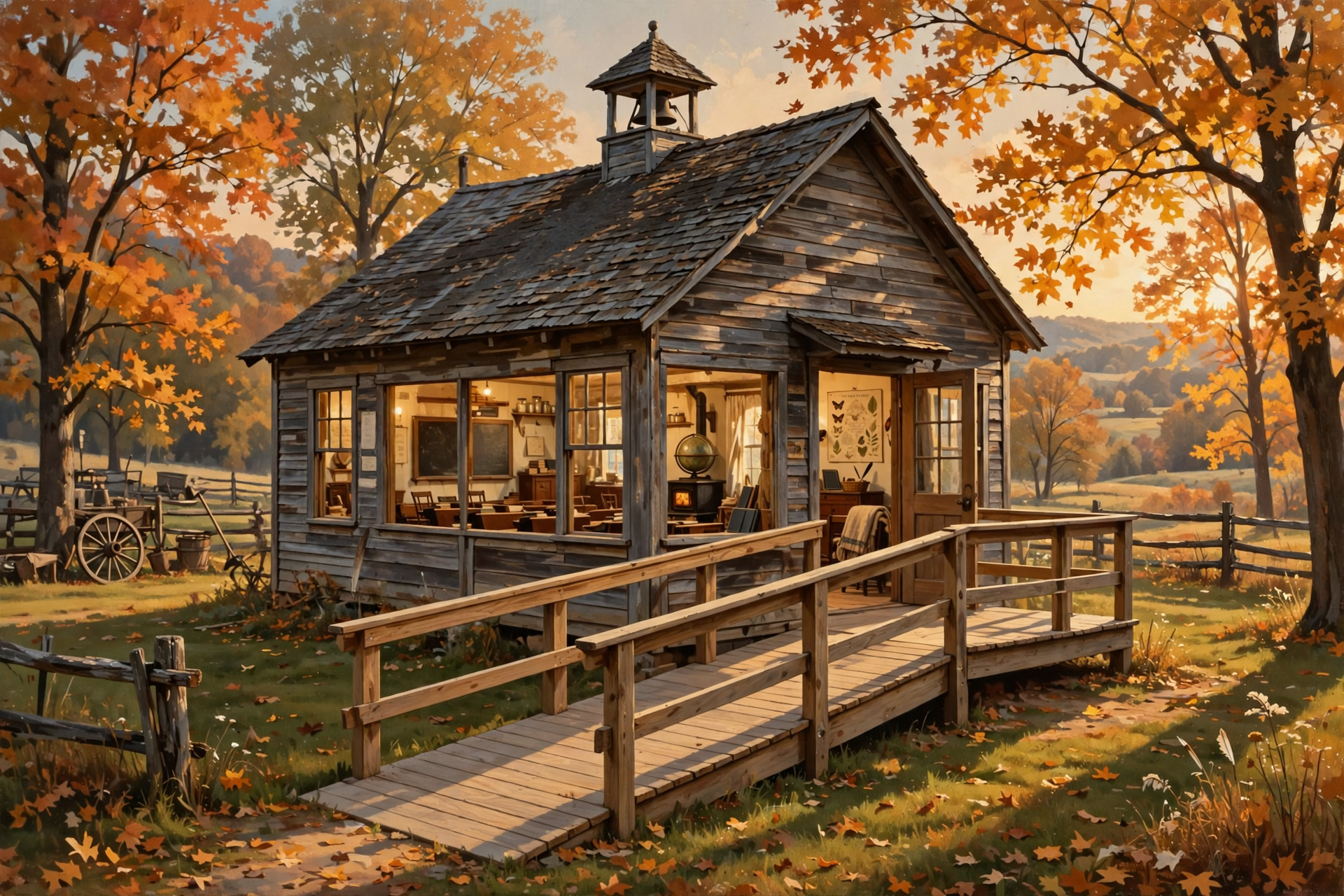
Farm museum news: The Tennessee Department of Agriculture says the Tennessee Agricultural Museum in Nashville will replace the deck on its historic one-room schoolhouse with a larger, safer one and add a wheelchair-accessible ramp. The museum’s support group, the Oscar L. Farris Agricultural Museum Association, received a $14,800 grant from the Tennessee State Museum for the work. Museum director Elaura Guttormson said, “we want every student and visitor to have the opportunity to experience it.” The museum has free admission, more than 3,000 artifacts, an heirloom garden, three historic cabins and the schoolhouse, at 404 Hogan Road in Nashville.
2027 ARC/PLC: A quick reminder from USDA’s Farm Service Agency: enrollment for the 2027 crop year opens Monday, Nov. 2, and runs through March 15, 2027. The 2026 deadline is still Friday, Dec. 11. These programs are for crops like corn, soybeans and wheat on farms with base acres, so most pasture-and-hay farms won’t need them.
What it means for you: The museum news is the kind you share over the fence: grandparents in wheelchairs and kids on crutches can now get into the old schoolhouse too. It’s worth a stop next time you’re in Nashville. And if you grow row crops, ARC/PLC is like renewing your fishing license. It’s routine, but you don’t want to forget. Call the Jasper USDA Service Center at (423) 942-2244 to set up a time.
👉 Read more (TDA: Tennessee Agricultural Museum Receives Grant to Improve Schoolhouse Accessibility) · USDA FSA: 2026 and 2027 ARC/PLC enrollment
📌 Sticky Notes for the Fridge
- This week: Sunny in Dunlap Thursday and Friday. Highs 76–78. Patchy fog early Friday. No frost expected.
- Saturday, Oct. 31, 9 a.m.–1 p.m. Central: Halloween, and the last regular Dunlap Farmers Market Saturday at the Jeff Johnson Pavilion, Harris Park (confirm before you go). Daytime looks dry. Shower chance 40% after 1 a.m. Saturday night.
- Sunday, Nov. 1, 2 a.m.: Clocks fall back one hour. Showers likely (60%), mainly before 1 p.m.
- Monday, Nov. 2: 2027 ARC/PLC enrollment opens.
- Wednesday, Nov. 4: Next decent rain chance in Dunlap (50%).
- Thursday, Nov. 5: Next U.S. Drought Monitor map.
- Friday, Nov. 6, 8 a.m. Central: Tennessee Forage & Grassland Council annual meeting, Crossville.
- Saturday, Nov. 7: Master Gardeners’ quarterly meeting, Pikeville.
- Monday, Nov. 9: Last day to apply for winter-storm emergency loans with FSA.
- Wednesday, Nov. 11: Veterans Day. USDA Service Centers closed.
- Sunday, Nov. 15: Last day of the Tennessee White Oak Initiative acorn collection.
- Thursday, Nov. 19: NOAA’s next three-month outlook.
- Friday, Nov. 20: Apply-by date for 2027 NRCS conservation funding in Tennessee.
- Thursday, Nov. 26: Thanksgiving. USDA Service Centers closed.
- Tuesday, Dec. 1: State water-quality grant proposals due to the Tennessee Department of Agriculture.
- Monday, Dec. 7: FSA county committee ballots due.
- Thursday, Dec. 10: AgLead Tennessee applications due.
- Friday, Dec. 11: 2026 ARC/PLC enrollment deadline.
- Friday, Dec. 18: Dairy Margin Coverage signup ends.
- Thursday, Dec. 31: Organic Certification Cost Share applications due.
- Monday, March 1, 2027: LFP applications due for 2026 drought grazing losses.
- Monday, March 15, 2027: 2027 ARC/PLC enrollment closes.
👉 Dunlap–Sequatchie County Chamber events · Dunlap Farmers Market · UT Extension Sequatchie County
✅ Your Farm & Garden Checklist for a Sunny, Dry-Leaning Week
- ✅ Use Thursday and Friday for outdoor jobs: hay hauling, fence fixing, fall planting.
- ✅ Don’t count on Sunday’s shower to fill the pond. Check stock water and keep feeding hay where pastures are short.
- ✅ Raise cattle or goats? Call FSA in Jasper, (423) 942-2244, and ask whether your county qualifies for LFP this year.
- ✅ Selling calves soon? Call your sale barn for its latest numbers.
- ✅ Hens molting? Switch to a higher-protein layer feed, cut back on scratch, and handle them less.
- ✅ Dreaming of blueberries? Get a soil test now. Call Extension at 423-949-2611 for a box.
- ✅ Row-crop farmer? Write “Nov. 2: 2027 ARC/PLC opens” and “Dec. 11: 2026 deadline” on the barn calendar.
- ✅ Driving early Friday? Slow down in foggy low spots.
Practical rule: Work while it’s sunny, check the water before the weather, call FSA before you guess, and let the hens rest.
— Dunlap.Today
📚 Plain-English Farm & Garden Glossary

- U.S. Drought Monitor: A weekly national map, released Thursdays, that shows where drought is and how bad it is.
- D2 (Severe Drought) and D3 (Extreme Drought): The second and third of the map’s four drought levels. At D3, crop and pasture losses become common.
- LFP (Livestock Forage Disaster Program): A USDA Farm Service Agency program that pays eligible livestock producers for grazing lost to drought.
- Normal grazing period: The part of the year FSA counts as regular grazing season for a type of pasture in your county.
- Hundredweight (cwt): 100 pounds. A price of $403 per cwt means about $4.03 a pound.
- Feeder cattle: Young cattle sold to be grown out or fattened before market.
- Molt: When a chicken drops old feathers and grows new ones, usually each fall. Egg laying slows or stops while it happens.
- Scratch grains: A mix of cracked corn and other grains that chickens love but that’s low in protein. Think of it as candy, not supper.
- Soil pH: A number that tells how acid or sweet your soil is. Lower numbers are more acid. Blueberries like it low.
- Elemental sulfur: A soil amendment that slowly lowers pH as soil microbes break it down.
- Rabbiteye blueberry: A tall blueberry type native to the Southeast that’s a good fit for many Tennessee home gardens.
- ARC/PLC: Agriculture Risk Coverage and Price Loss Coverage, two USDA safety-net programs for crops like corn, soybeans and wheat.
❓ Frequently Asked Questions

Will Sunday’s rain help the drought?
A little, but not much. The National Weather Service gives Sunday a 60% chance of showers, mainly before 1 p.m., and Monday looks dry. The next better chance is Wednesday at 50%. Keep checking stock water.
Does the new drought map mean I’ll get an LFP payment?
Not automatically. FSA decides which counties qualify based on the Drought Monitor during the normal grazing period, and you have to apply with records of your grazing land and livestock. Call the Jasper USDA Service Center at (423) 942-2244 to ask. Applications for 2026 losses are due March 1, 2027.
Are the sale barn numbers from Dunlap?
No. Wednesday’s daily summary combines sales at Columbia, Savannah, Sweetwater and McMinnville. Prices at any one sale depend on the day and on the weight and condition of the cattle.
My hens quit laying. Are they sick?
Probably not. Fewer eggs and lots of loose feathers in fall usually mean a normal molt, which can last a few weeks to 3 or 4 months. If a bird seems weak, stops eating or looks sick rather than just scruffy, call your vet or the Extension office.
Should I put a light in the chicken coop?
UT says hens lay best with about 16 hours of light a day, and they’ll slow down in late fall without extra light. Letting them rest is fine too. If you add a light, use a timer, keep bulbs and wiring away from dust and bedding, and ask Extension for advice.
Can I plant blueberries this fall?
Container-grown plants can go in during fall, which gives roots a head start. But if your soil pH is too high, UT says sulfur needs several months to a year to work, so a soil test comes first. Raised beds or containers are a good option if your soil is hard to fix.
Is the Tennessee Agricultural Museum free?
Yes. TDA says admission is free. It’s at 404 Hogan Road in Nashville. Check the museum’s hours before you go.
🔗 Other Resources

- National Weather Service: Dunlap forecast
- U.S. Drought Monitor: Tennessee
- USDA FSA: Livestock Forage Disaster Program (LFP)
- USDA/TDA Market News: Tennessee Daily Cattle Auction Summary
- USDA/TDA Market News: Tennessee Weekly Cattle Auction Summary
- Tennessee Farmers Cooperative Cooperator: The Shedding Season
- UT Extension: Raising Your Own Backyard Chickens in Tennessee (D168)
- UT Extension: Planting and Managing Blueberries for Residential Production in Tennessee (W1297A)
- UT Extension: 2026 Tennessee Home Fruit and Vegetable Garden Calendar (W436)
- Tennessee Department of Agriculture: Agricultural Museum schoolhouse grant
- USDA FSA: 2026 and 2027 ARC/PLC enrollment
- Tennessee Department of Agriculture: Hay Directory
- USDA: Service Center locator (Jasper Service Center, 3709 Main St. · 423-942-2244)
- BurnSafeTN: Free burn permits
- Dunlap–Sequatchie County Chamber of Commerce: Events
- Dunlap Farmers Market
- UT Extension Sequatchie County (170 Church Street, Dunlap · 423-949-2611)
- Dunlap.Today
🏡 Keep Learning, Stay Calm and Come Back to the Porch
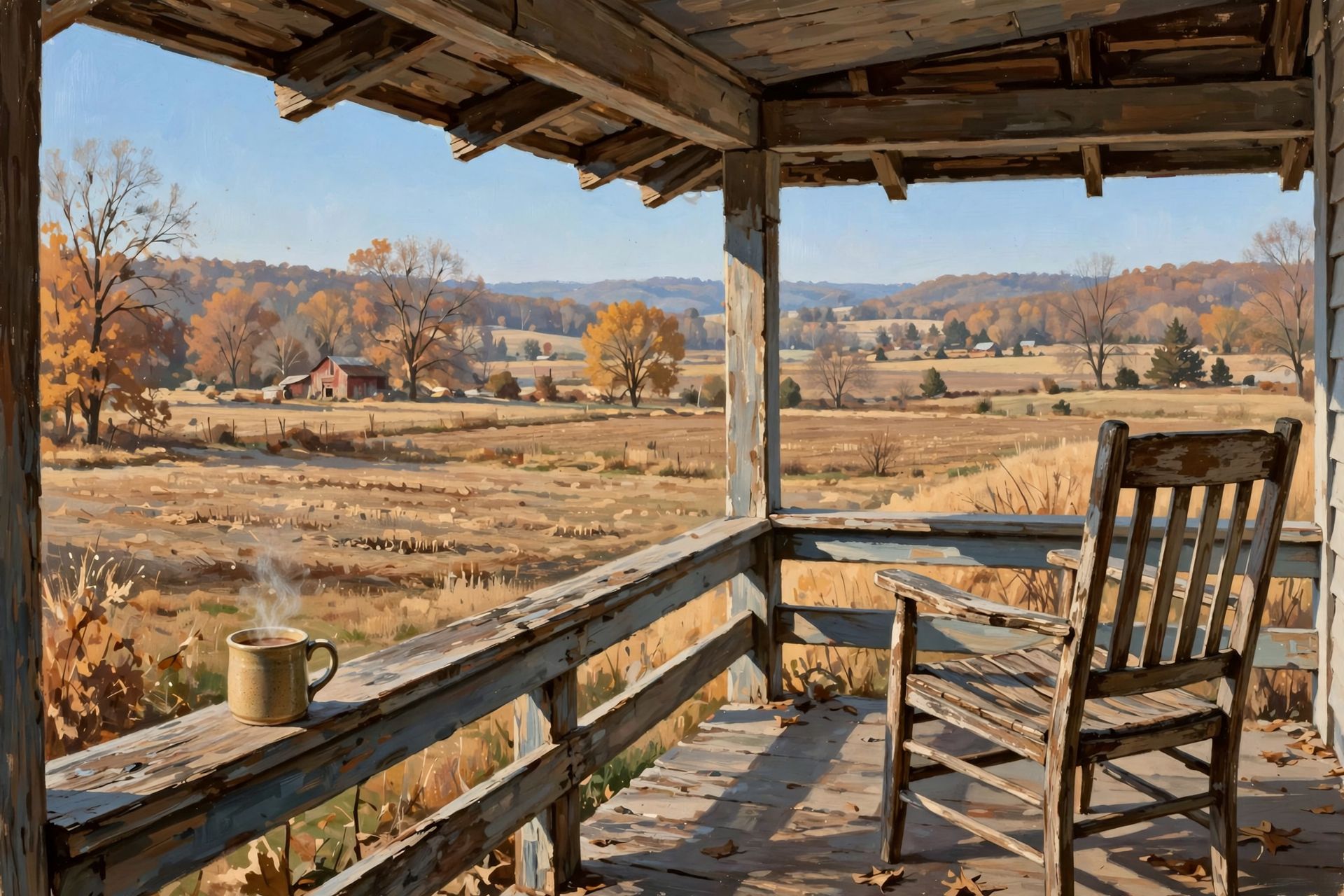
Nothing this week needs a rush. You’ve got two sunny days, a dry Halloween and a small Sunday shower. The drought map got worse, but the answer is a phone call to FSA, not a worry. The cattle market is holding steady. Your hens aren’t broken, they’re resting. And if blueberries are in your future, a soil test this fall is the best first step. Pick one job, check the stock water, and enjoy the candy rounds Saturday evening.
When you want the next calm, practical update for Sequatchie Valley readers, pull up a chair at Dunlap.Today.
Know about an upcoming event or story in the Sequatchie Valley? Submit it here.




0 Comments