
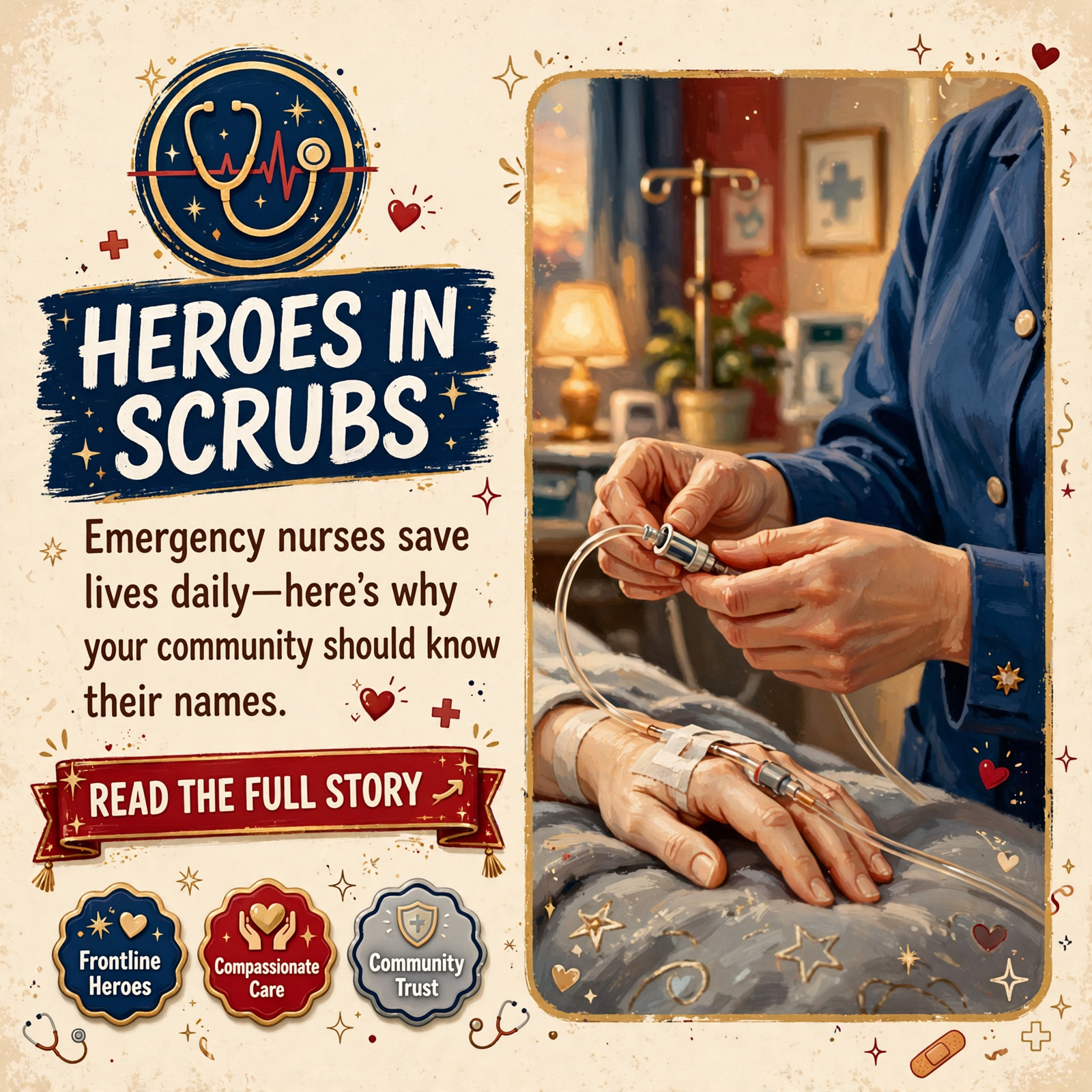
🩺 Emergency Nurses Week: Puckett EMS Honors the Frontline Caregivers
Emergency Nurses Week (October 11-17) is a national observance that celebrates the skilled, compassionate professionals who respond to medical crises and provide critical care when communities need it most. For readers across the Sequatchie Valley and surrounding areas, this week is a reminder of the essential role that emergency nurses play in local healthcare and emergency response systems.
💙 Why This Matters
Emergency nurses are often the first clinical professionals patients encounter during their most vulnerable moments. They assess injuries and illnesses, stabilize patients, administer medications, and provide emotional support-often under intense time pressure and in unpredictable conditions. In rural and valley communities, where emergency departments and EMS services operate with smaller teams, each nurse’s expertise and dedication directly affects survival rates, recovery outcomes, and community trust in the healthcare system.
Puckett EMS‘s recognition of Emergency Nurses Week signals a commitment to honoring the people who form the backbone of emergency medical response in the region. This acknowledgment matters because it reminds the community that emergency care is not just equipment and protocols-it is people, trained and compassionate, who show up for neighbors in crisis.
🏥 Who Emergency Nurses Are and What They Do
Emergency nurses work in emergency departments, ambulances, urgent care centers, and trauma centers. They triage patients, manage airways, monitor vital signs, assist with procedures, and often serve as a calm, reassuring presence for frightened patients and families. Many emergency nurses also work closely with EMS teams like Puckett EMS, coordinating handoffs and ensuring continuity of care from the field to the hospital.
The work is physically and emotionally demanding. Emergency nurses encounter trauma, loss, uncertainty, and the full spectrum of human suffering-often in rapid succession. They also navigate staffing shortages, long shifts, and the pressure to deliver expert care under resource constraints.
❤️ Community Impact and Recognition
When local emergency services organizations like Puckett EMS publicly recognize Emergency Nurses Week, they are doing more than posting a message. They are signaling to their own staff, to partner hospitals like Erlanger Sequatchie Valley Emergency Department, and to the community that emergency nursing is valued work. This recognition can strengthen morale, reinforce professional identity, and remind nurses that their sacrifice is seen and appreciated.
For residents in Dunlap and surrounding communities, this recognition is also a prompt to think about the emergency nurses who may respond to a 911 call in their family’s moment of need. It is an opportunity to understand that emergency care is a team effort-and that the nurse at the bedside or in the ambulance is a trained professional whose presence can make the difference between a good outcome and a tragic one.
🤝 Community Connections
Emergency nursing is deeply woven into the fabric of local healthcare. Emergency nurses work alongside paramedics and EMTs at Puckett EMS, collaborate with physicians and specialists at regional hospitals, and often live in the same communities they serve. Many emergency nurses have family members, friends, and neighbors who depend on their expertise. This creates a reciprocal relationship: the community trusts emergency nurses because they are part of the community.
Emergency Nurses Week also connects to broader healthcare conversations in the region. As healthcare systems face staffing challenges and burnout, recognizing and supporting emergency nurses becomes a community health priority. When organizations like Puckett EMS celebrate this week, they are also advocating-implicitly-for the resources, respect, and working conditions that allow emergency nurses to do their best work.
💡 What Residents Should Know
Emergency Nurses Week runs October 11-17 each year. It is a time to recognize emergency nurses in your life-whether they work at a local hospital, with an ambulance service, or in an urgent care center. A simple thank-you can mean more than you might expect.
If you need emergency medical services in Dunlap and the surrounding area, Puckett EMS is available at (423) 598-8898 or online at puckettems.com. The team includes paramedics, EMTs, and nurses trained to respond to life-threatening emergencies.
If you are interested in emergency nursing as a career, many regional healthcare systems and EMS organizations offer training programs and employment opportunities. Emergency nursing requires certification, ongoing education, and a commitment to compassionate care-but it is also deeply rewarding work for those called to it.
🌟 Long-Term Community Impact
The recognition of emergency nurses contributes to a culture that values healthcare workers and emergency responders. Over time, this culture shift can improve recruitment and retention, reduce burnout, and strengthen the quality of emergency care available to the community. When nurses feel valued and supported, they are more likely to stay in their roles, mentor new nurses, and maintain the high standards of care that save lives.
Additionally, celebrating emergency nurses helps normalize conversations about mental health, trauma, and resilience in the workplace. Emergency nurses often witness suffering and loss; acknowledging their emotional labor and providing support resources is part of a healthy, sustainable healthcare system.
🔗 Community Threads: The Nurse-Community Relationship
The Frontline Trust Bond: Emergency nurses are trusted by residents precisely because they are accessible, local, and committed to the community’s wellbeing. This trust is earned through consistent, compassionate care-and it is fragile. When communities recognize and support emergency nurses, they strengthen this bond and reinforce the mutual commitment between healthcare workers and the people they serve.
The EMS-Hospital Partnership: Puckett EMS and regional hospitals like Erlanger Sequatchie Valley Emergency Department work as a coordinated system. Emergency nurses in both settings depend on each other to provide seamless, high-quality care. Recognition of emergency nurses acknowledges this partnership and the interdependence of rural healthcare.
The Neighbor-Helper Relationship: Many emergency nurses live in the same communities they serve. They may be your neighbor, your child’s teacher’s spouse, or a member of your church. This proximity creates accountability, compassion, and a shared stake in community health. When you recognize an emergency nurse, you are also recognizing a neighbor who has chosen to dedicate their career to helping others in crisis.
❓ Questions for Community Reflection
- Do you know an emergency nurse or paramedic in your community? Have you thanked them for their work?
- What support or resources do you think emergency nurses need to do their best work and maintain their own wellbeing?
- How can community members strengthen relationships with local emergency responders and healthcare workers?
- What role should communities play in advocating for fair wages, safe working conditions, and mental health support for emergency nurses?
📍 What Happens Next
Emergency Nurses Week 2026 runs through October 17. During this week, you may see additional recognition posts from Puckett EMS, local hospitals, and community organizations. This is a good time to reach out to emergency nurses you know, share their stories, and express gratitude for their service.
Beyond this week, the conversation about supporting emergency nurses continues year-round. Community members, healthcare organizations, and policymakers will continue to grapple with questions about staffing, burnout, mental health resources, and the future of emergency nursing in rural areas. Staying informed and engaged with these conversations helps ensure that emergency nurses have the support they need to continue serving the community.

0 Comments