
🚨 Hurricane Safety Reminders as Storm Season Approaches
As severe weather threats move across the region, emergency responders are reminding residents in the Sequatchie Valley and surrounding communities to prepare now rather than wait for a storm to arrive. The window between a weather warning and actual impact is often narrow, making advance planning essential for families and households across the area.
📋 Why This Matters
Hurricanes and severe storms don’t follow predictable paths, and their impacts vary widely depending on location, terrain, and local infrastructure. For residents in the Sequatchie Valley and nearby communities, heavy rainfall, strong winds, flash flooding, and power outages pose real risks to homes, families, and daily life. The difference between a prepared household and an unprepared one can mean the difference between weathering a storm safely and facing a crisis when help is needed most.
Emergency responders like Puckett EMS depend on clear roads and accessible routes to reach people in distress. When residents understand how to prepare and how to stay safe during severe weather, they not only protect themselves-they also help ensure that EMS teams can focus resources on those facing the most urgent emergencies.
🏠 Essential Preparation Steps
Emergency officials recommend several concrete steps residents can take now:
- Monitor local forecasts and alerts: Stay tuned to the National Weather Service, local emergency management agencies, and official weather updates. Know your evacuation zone and follow instructions if officials issue evacuation orders.
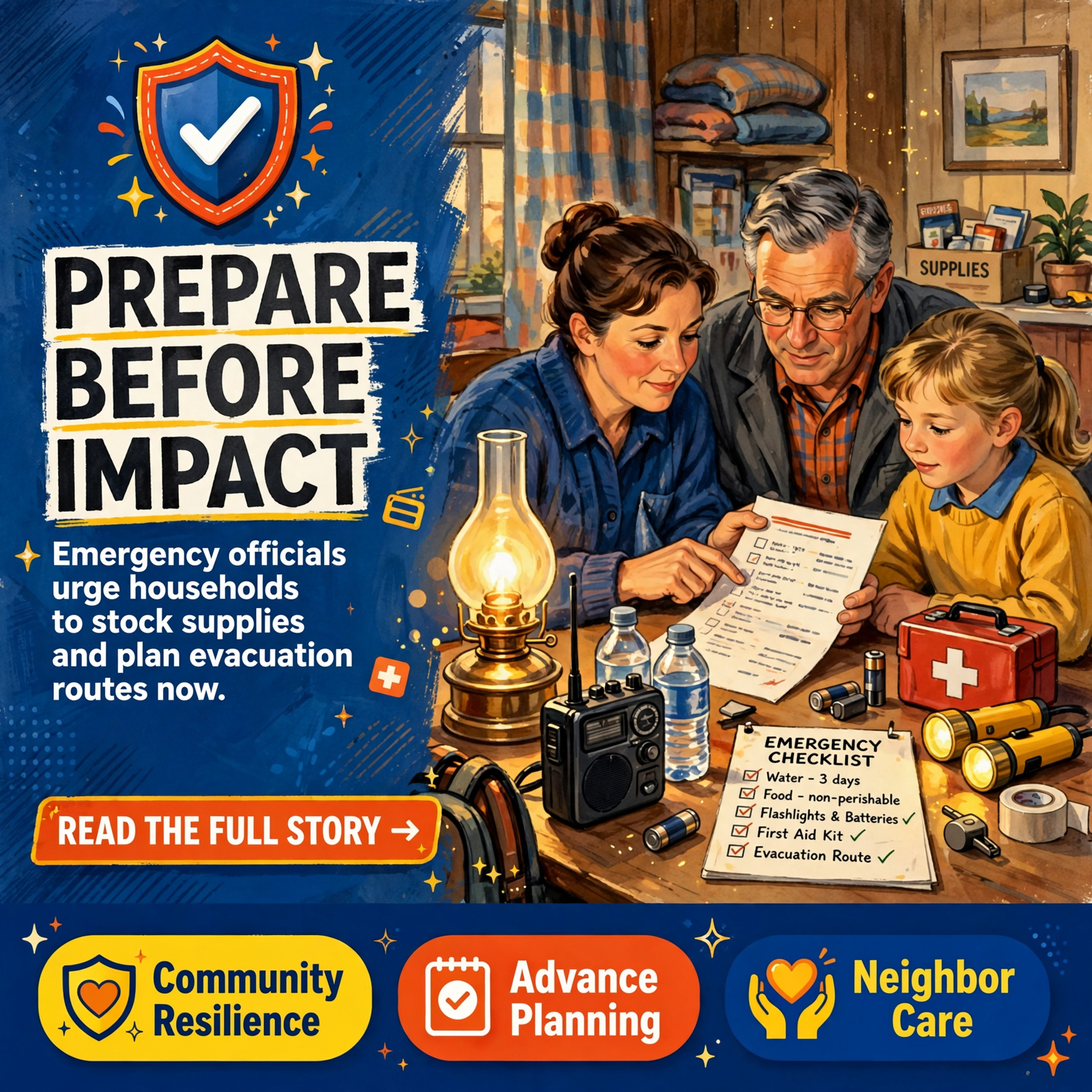
- Stock emergency supplies: Gather flashlights, batteries, bottled water, nonperishable food, prescription medications, and any other essentials your household needs. Having these items on hand before a storm arrives prevents last-minute scrambles.
- Charge devices and power banks: Power outages are common during severe weather. Keeping phones, tablets, and portable chargers fully charged ensures you can stay connected and access emergency information.
- Know the dangers: Never drive or walk through floodwaters-even shallow water can sweep vehicles off roads. Avoid downed power lines, fallen trees, and standing water. Seek shelter indoors when dangerous conditions develop.
- Check on vulnerable neighbors: When it’s safe to do so, reach out to elderly neighbors, family members, or others who may need extra help. Community care strengthens resilience during crises.
❤️ Community Impact and Responsibility
Severe weather affects entire communities, not just individual households. When residents keep emergency routes clear by avoiding unnecessary travel during storms, they allow EMS teams, fire departments, and other first responders to reach people who genuinely need help. This shared responsibility-each person doing their part-creates a safer environment for everyone.
Families with young children, elderly relatives, or members with medical conditions should pay special attention to preparedness. Having medications, medical equipment, and important documents accessible before a storm arrives can prevent dangerous delays if evacuation becomes necessary.
🌳 What Residents Should Know
For the most current information about hurricane tracking, local weather threats, and evacuation guidance, residents should follow:
- The National Weather Service
- Local emergency management agencies in your county
- Official alerts and notifications from your city or county
Puckett EMS and other emergency responders across the region remain committed to serving their communities during severe weather. However, their ability to respond effectively depends partly on residents making smart choices-staying informed, preparing ahead, and following safety guidance when storms approach.
💡 Community Threads: The Preparation-Response Connection
The Prepared Household and Emergency Response: When individual households prepare in advance-stocking supplies, charging devices, knowing evacuation routes-they reduce the burden on emergency services during the crisis itself. This invisible connection between personal preparedness and community response capacity means that each family’s preparation contributes to the safety of the entire community.
Neighbor Networks and Mutual Aid: The reminder to “check on others” reflects a deeper community thread: neighbors looking out for neighbors. In rural and valley communities, these informal networks often activate during emergencies, helping elderly residents, families without transportation, or those with mobility challenges. Knowing your neighbors and having a plan to check on them strengthens this thread before a crisis arrives.
Clear Roads and Responder Access: When residents avoid unnecessary travel during severe weather, they keep roads passable for emergency vehicles. This practical connection between individual behavior and emergency response capacity is often invisible until a storm hits-then it becomes critical. Communities where residents understand this connection tend to experience faster response times and better outcomes during emergencies.
🤔 Questions for Community Reflection
- Does your household have a current emergency supply kit, and do all family members know where it is?
- Do you know your evacuation zone and the routes out of your area if officials issue an evacuation order?
- Have you checked on elderly neighbors or vulnerable family members recently to discuss their storm preparedness?
- Does your community have a way to share emergency alerts and check on residents during severe weather?
📞 Getting Help and Staying Connected
Emergency responders are always available for life-threatening situations. During severe weather, however, calling 911 for non-emergencies ties up resources that may be needed for critical cases. If you have questions about preparedness, evacuation procedures, or emergency planning, contact your local emergency management office or county emergency services before a storm arrives.
Preparation is not about fear-it’s about confidence. Households that prepare ahead tend to weather storms more safely and recover more quickly. Communities where residents understand the connection between personal preparedness and collective safety tend to emerge from crises stronger and more resilient.


0 Comments