
Could AI Help Keep Rural Healthcare Closer to Home?
Tennessee is investing heavily in the future of rural healthcare, including telehealth, remote monitoring, better computer systems and artificial intelligence. The most useful question isn’t whether AI can replace your doctor. It’s whether technology can help the doctors and nurses we already have spend more time caring for people closer to home.
If you live in a rural community, healthcare sometimes involves a medical procedure nobody lists on the insurance form:
Driving.
You drive to the doctor.
You drive farther to the specialist.
You drive somewhere else for a test.
Then perhaps you drive back again so somebody can tell you what the test said.
And if you’re older, sick, caring for somebody else, missing work or depending on another person for transportation, those miles aren’t merely inconvenient.
They become part of the cost of being sick.
Tennessee is now spending a substantial amount of money trying to improve rural healthcare, and technology is part of the plan.
That includes some words that tend to make ordinary people’s eyes glaze over:
Telehealth. Remote monitoring. Information technology. Robotics. Cybersecurity.
And yes, artificial intelligence.
But perhaps we should ignore the impressive terminology for a moment and ask a much simpler question:
Can any of this help somebody get good care without having to travel quite so far to get it?
Tennessee Is Putting Real Money Behind Rural Healthcare
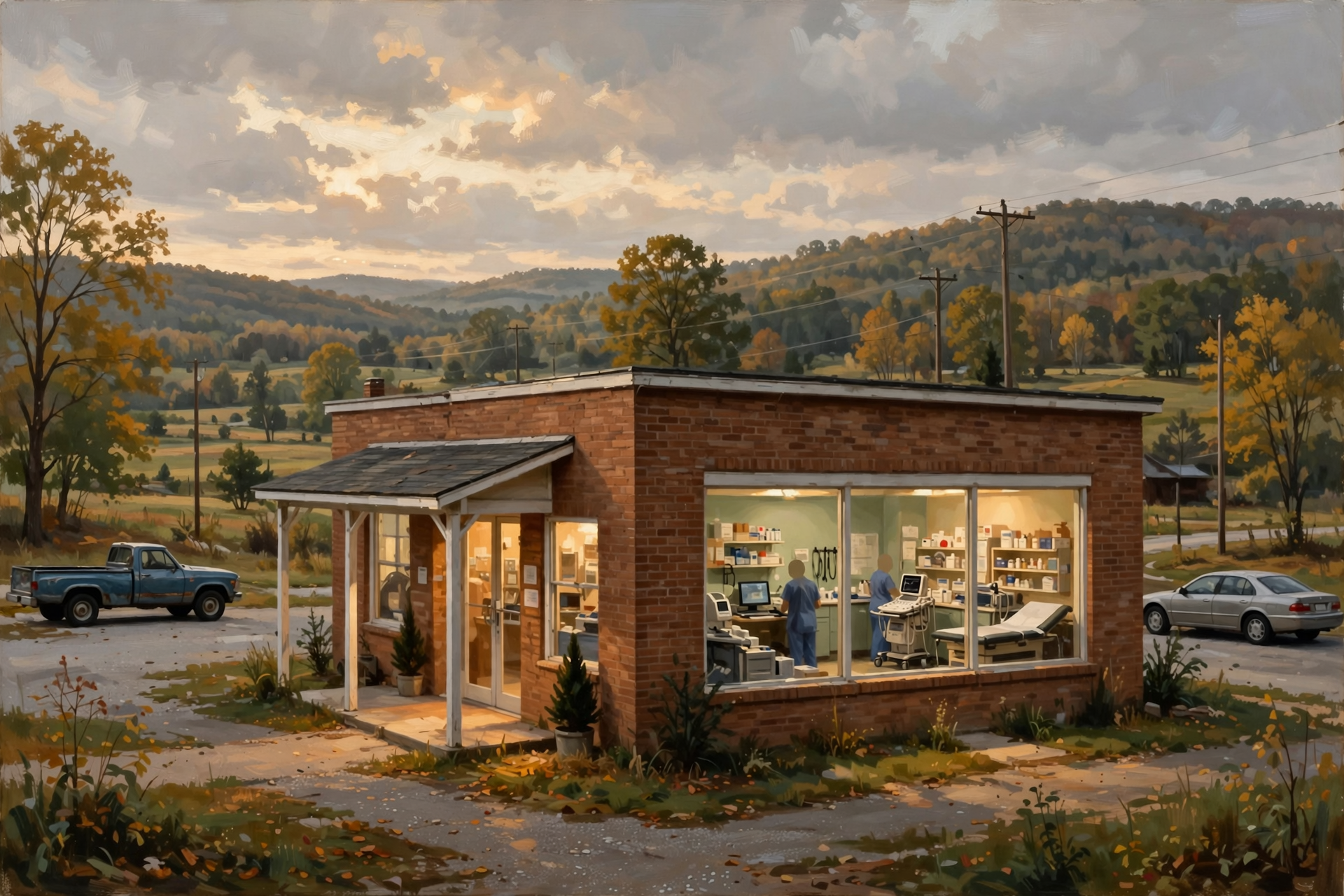
This isn’t merely another technology company predicting what healthcare might look like someday.
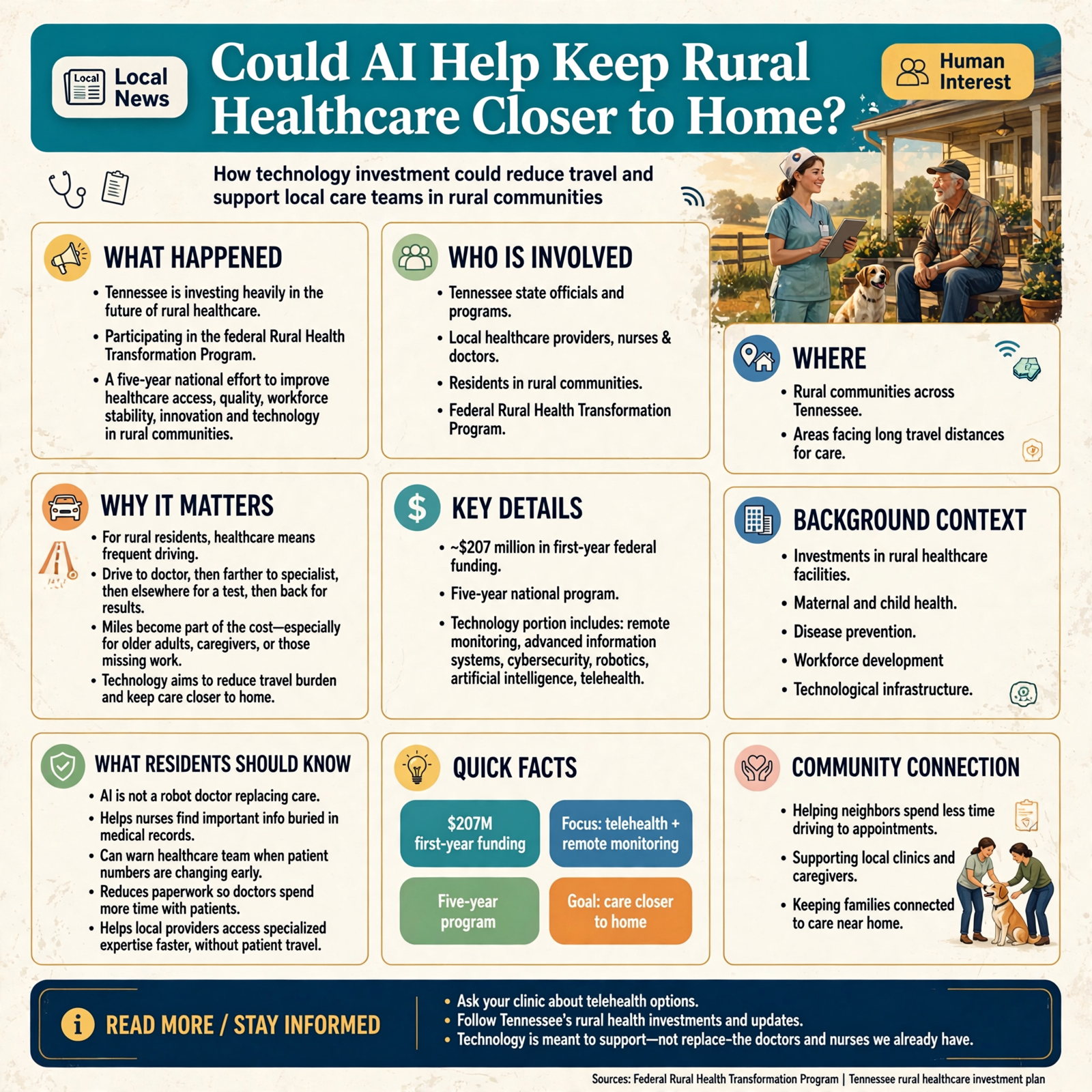
Tennessee is participating in the federal Rural Health Transformation Program, a five-year national effort intended to improve healthcare access, quality, workforce stability, innovation and technology in rural communities.
Tennessee received approximately $207 million in first-year federal funding for the program.
The state’s broader plan includes investments in rural healthcare facilities, maternal and child health, disease prevention, workforce development and technological infrastructure.
The technology portion specifically includes things such as remote monitoring, advanced information systems, cybersecurity, robotics and artificial intelligence.
In other words, we’re no longer talking only about whether these technologies might someday reach rural Tennessee.
We’re talking about how they should be used when they do.
First, Let’s Get One Thing Straight: We Don’t Need a Robot Doctor
Whenever artificial intelligence and healthcare appear in the same sentence, it’s easy to imagine some shiny machine rolling into the examination room and announcing:
“Good afternoon. I have reviewed 14 million medical textbooks and determined that you should quit eating fried chicken.”
That would be particularly disappointing if we’d already reached the same conclusion ourselves and were hoping for a second opinion.
But that’s probably not where the most practical value of AI in rural healthcare will be found.
The more useful question is whether technology can help the people who already care for us.
Can it help a nurse find the important information buried in a long medical record?
Can it warn a healthcare team that a patient’s numbers are changing before that patient becomes seriously ill?
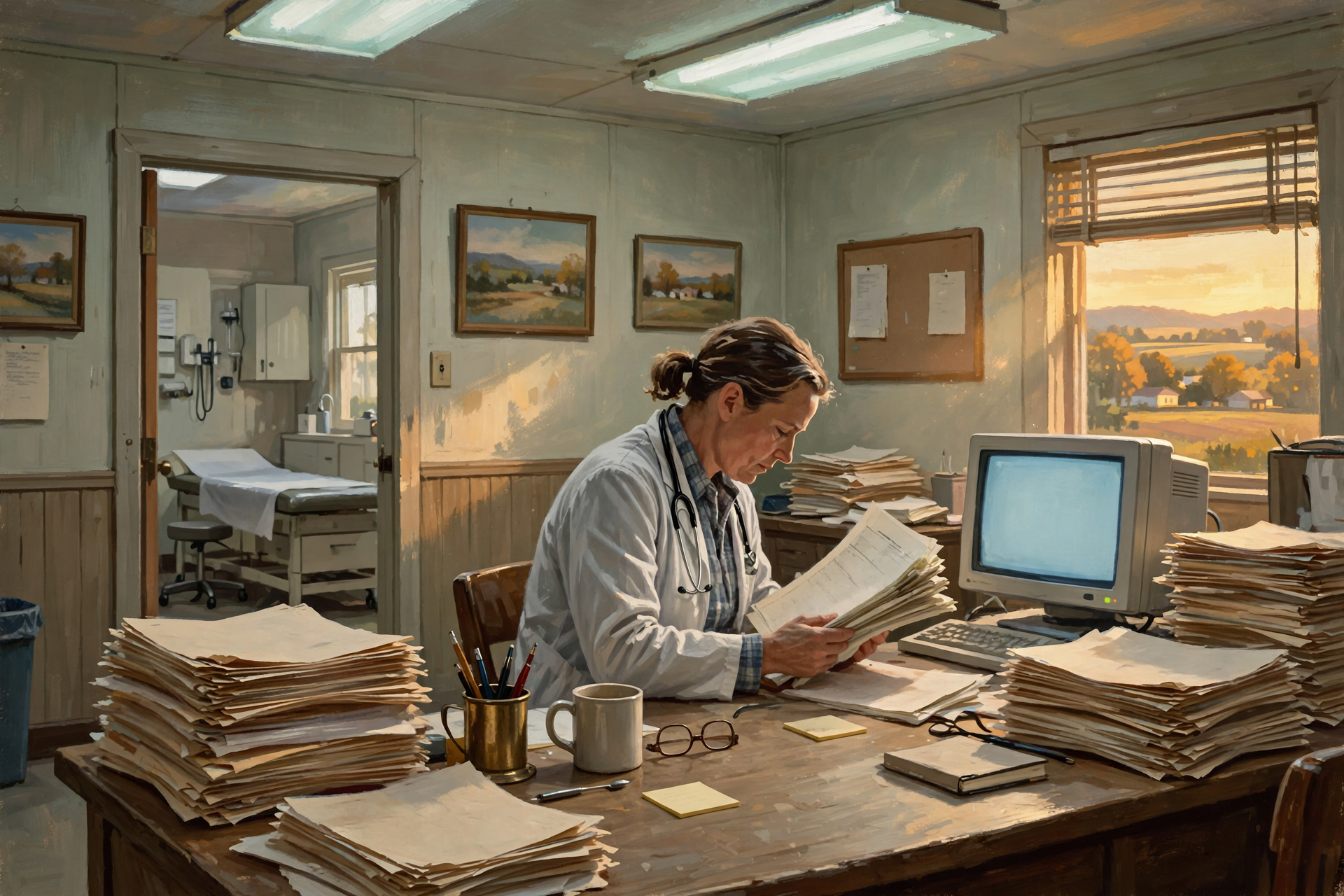
Can it reduce some of the paperwork keeping a doctor in front of a computer instead of in front of a patient?
Can a local provider get quicker access to specialized expertise without requiring the patient to spend half a day on the highway?
Those aren’t science-fiction questions.
They’re workflow questions.
And workflow matters tremendously when you don’t have enough people to begin with.
Rural Healthcare Has a Math Problem

A large city can support specialists because there are enough patients nearby to keep those specialists busy.
A rural community may not have enough patients to support every medical specialty locally.
That isn’t anybody’s fault.
It’s geography and economics.
If 100,000 people live within a short drive, a specialized medical practice may make perfect sense.
If those same patients are scattered across mountains, valleys and several counties, the equation changes.
Technology can’t repeal geography.
But it can sometimes reduce how often geography gets in the way.
Remote Monitoring Could Move Part of the Exam Room Home
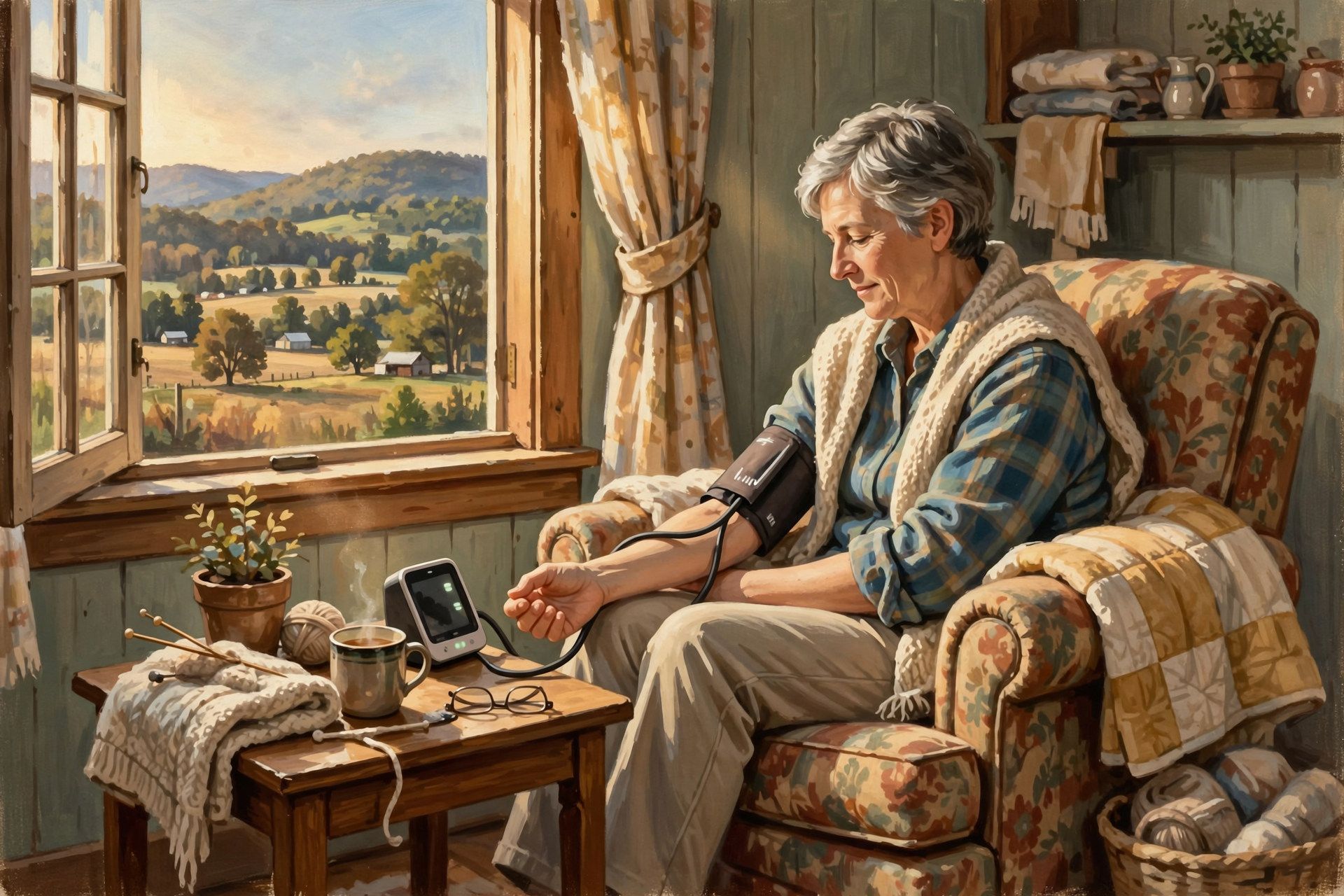
One of the more practical technologies Tennessee specifically identifies is remote monitoring.
The basic idea isn’t particularly exotic.
Instead of waiting for every piece of health information to be collected inside a medical office, some information can be collected where the patient already is.
Depending on the condition and equipment involved, that might include things such as:
- blood pressure,
- heart rate,
- blood oxygen,
- blood sugar,
- weight changes,
- heart rhythm,
- activity,
- or other measurements a medical team wants to follow.
The valuable part isn’t merely putting a gadget in somebody’s house.
The valuable part is noticing when something changes.
Suppose a patient normally has fairly predictable readings.
Then over several days, something starts moving in the wrong direction.
A well-designed system could help identify that change and bring it to the attention of the healthcare team.
The goal isn’t for a computer to diagnose the patient by itself.
The goal is to help the human healthcare team know which patient might need attention today instead of discovering the problem next week.
AI Could Help Find the Needle in the Medical Haystack

Modern healthcare produces an astonishing amount of information.
Doctor notes.
Lab results.
Prescriptions.
Imaging reports.
Hospital records.
Specialist reports.
Insurance information.
Messages.
Measurements.
Forms.
And then, naturally, somebody prints half of it and asks you to fill out another form containing information they already have.
Artificial intelligence is particularly good at sorting, summarizing and identifying patterns in large collections of information.
That creates an obvious potential use in healthcare.
Imagine a physician opening a patient’s chart and receiving a concise summary:
- Three medications changed since the last visit.
- Blood pressure has trended upward for six weeks.
- A specialist recommended a follow-up that doesn’t appear to have occurred.
- A recent lab result is outside the patient’s normal range.
The computer hasn’t practiced medicine.
It has organized the paperwork so the person practicing medicine can see what deserves attention.
That’s a very different idea from replacing doctors.
The Best Technology May Give Doctors More Time to Be Doctors
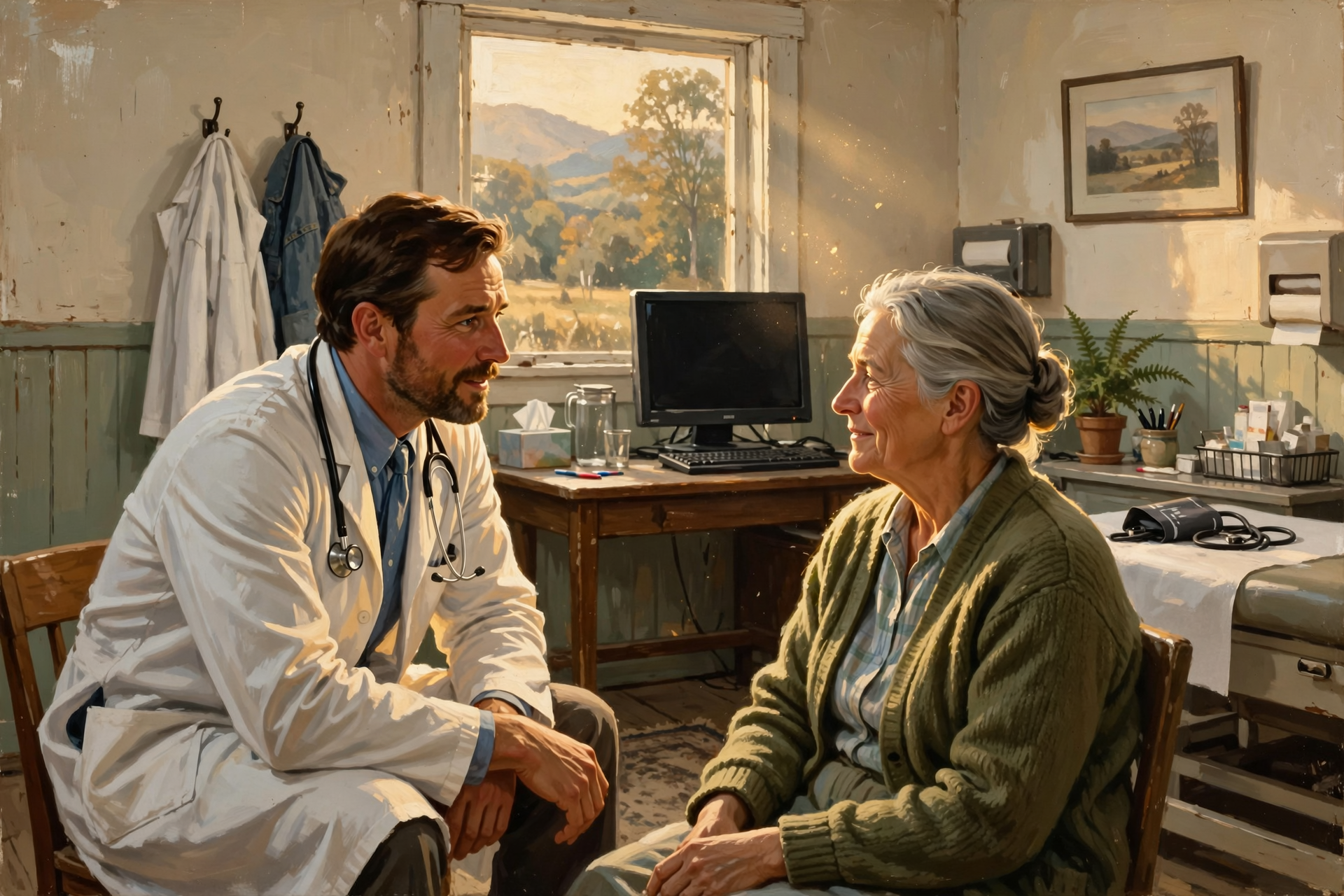
One of healthcare’s strangest modern problems is that highly trained professionals spend enormous amounts of time doing things that don’t require highly trained professionals.
Typing.
Documenting.
Searching through records.
Copying information from one system into another.
Preparing routine correspondence.
Handling administrative requirements.
Some of that documentation is necessary.
Some of it probably keeps everyone out of trouble.
Some of it may exist because three computer systems have apparently never been formally introduced to one another.
If artificial intelligence can safely reduce some of that administrative burden, the benefit isn’t merely saving labor.
It could return something more valuable:
attention.
A doctor looking at the patient instead of the keyboard.
A nurse spending another few minutes explaining something instead of entering the same information twice.
A rural clinic using limited staff for the things only those people can do.
Specialists Don’t Necessarily Have to Live Next Door
Telehealth taught many Americans something during the pandemic that rural residents already understood:
Not every medical conversation requires everybody to be in the same building.
That doesn’t mean every appointment should become a video call.
You can’t set a broken bone through Wi-Fi.
There are examinations, tests, procedures and emergencies where physical presence obviously matters.
But there are also situations where a local provider needs advice from somebody with specialized expertise.
Technology can make that collaboration easier.
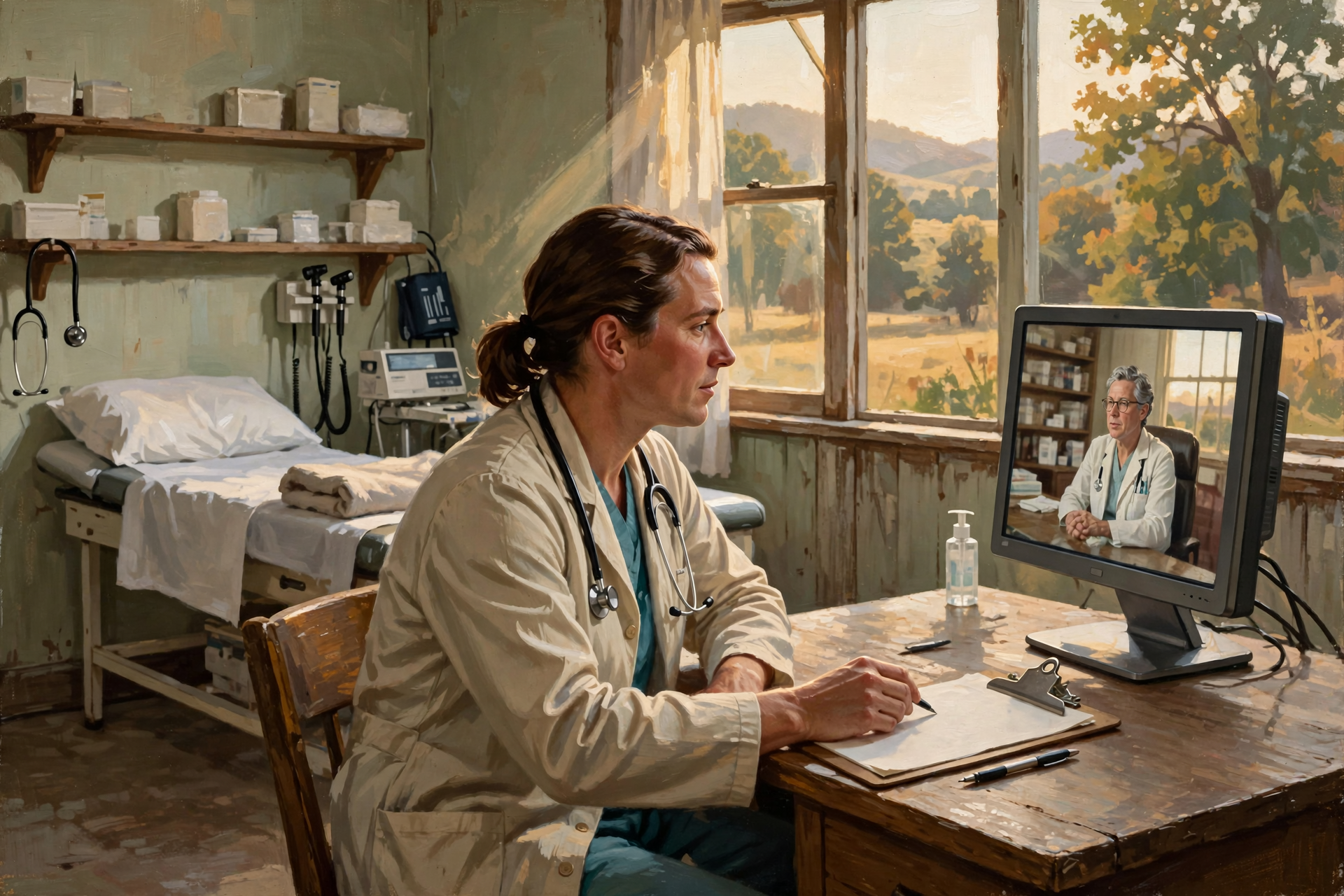
A rural healthcare worker could potentially gather the local information, perform the hands-on portion of the care and consult electronically with a specialist located elsewhere.
The specialist travels electronically.
The patient doesn’t always have to.
For somebody who currently drives an hour or two each way, that matters.
But Faster Isn’t Automatically Better

This is healthcare.
Accuracy matters more than novelty.
An artificial intelligence system can misunderstand information.
It can produce an incorrect summary.
It can miss something important.
It can confidently suggest something that sounds perfectly reasonable and happens to be wrong.
That’s inconvenient when you’re asking what temperature to cook a roast.
It is considerably more serious when people’s health is involved.
So the sensible question shouldn’t be:
“Can AI make medical decisions?”
A better question is:
“Which tasks can technology safely assist with, and where must qualified humans remain responsible?”
Those boundaries matter.
Privacy Matters Too
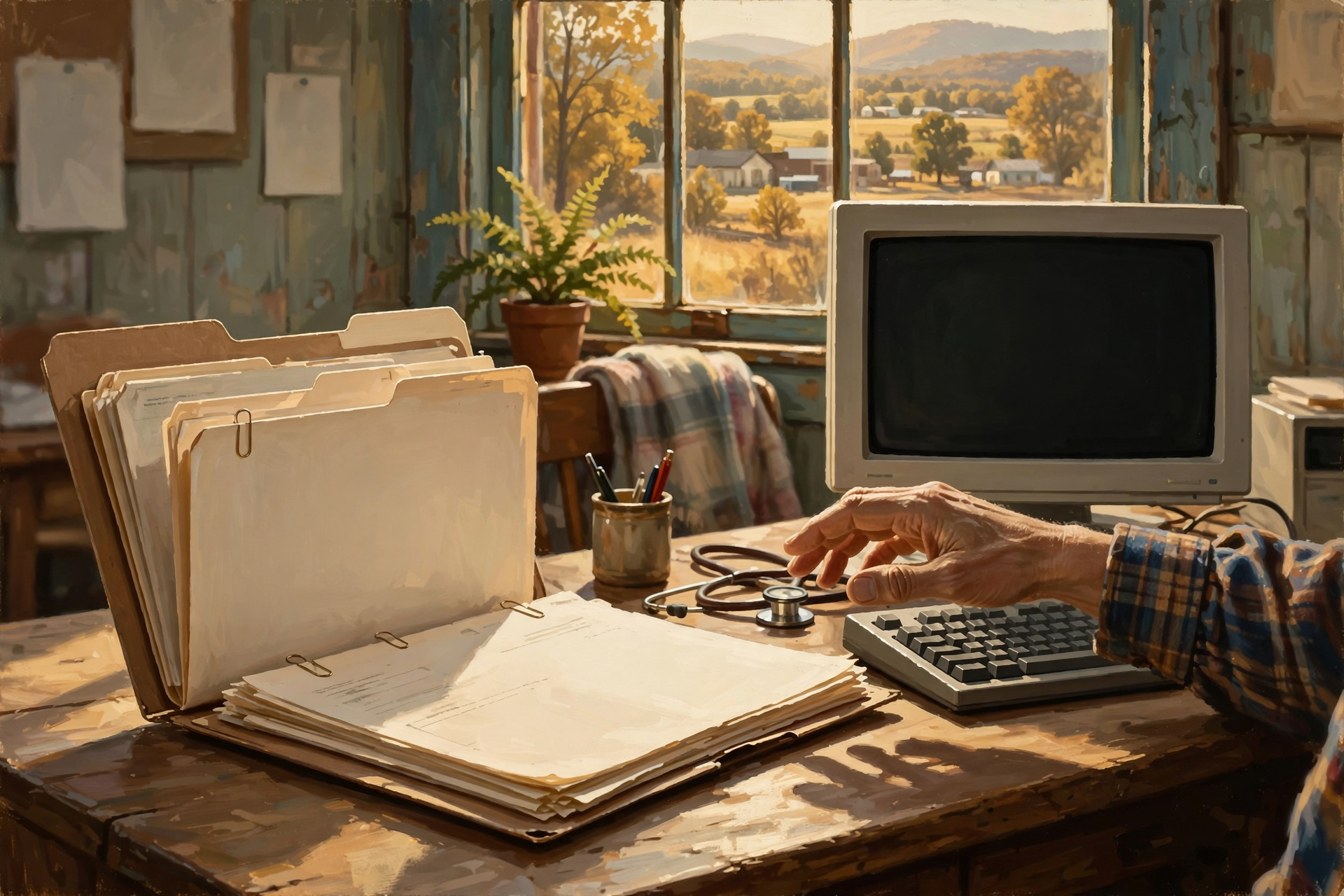
Healthcare information is among the most personal information we possess.
For an AI system to be useful, it may need access to information.
And that creates exactly the same tradeoff we discussed in the first article in this series:
The more a digital assistant can see, the more useful it may become—and the more carefully we need to control what it can see and what it can do.
A useful rural healthcare system should be able to answer basic questions clearly:
- What information is being collected?
- Where is it stored?
- Who can access it?
- Is AI processing it?
- What decisions can the system make?
- What requires human review?
- What happens when the technology gets something wrong?
Those aren’t anti-technology questions.
They’re good-government and good-business questions.
And Then There’s the Internet
There’s a certain irony in promising rural residents wonderful internet-connected healthcare tools if the first requirement is:
“Step one: obtain wonderful internet.”
Technology doesn’t eliminate infrastructure problems.
It can inherit them.
Remote healthcare requires reliable connections, usable equipment and systems ordinary people can actually operate.
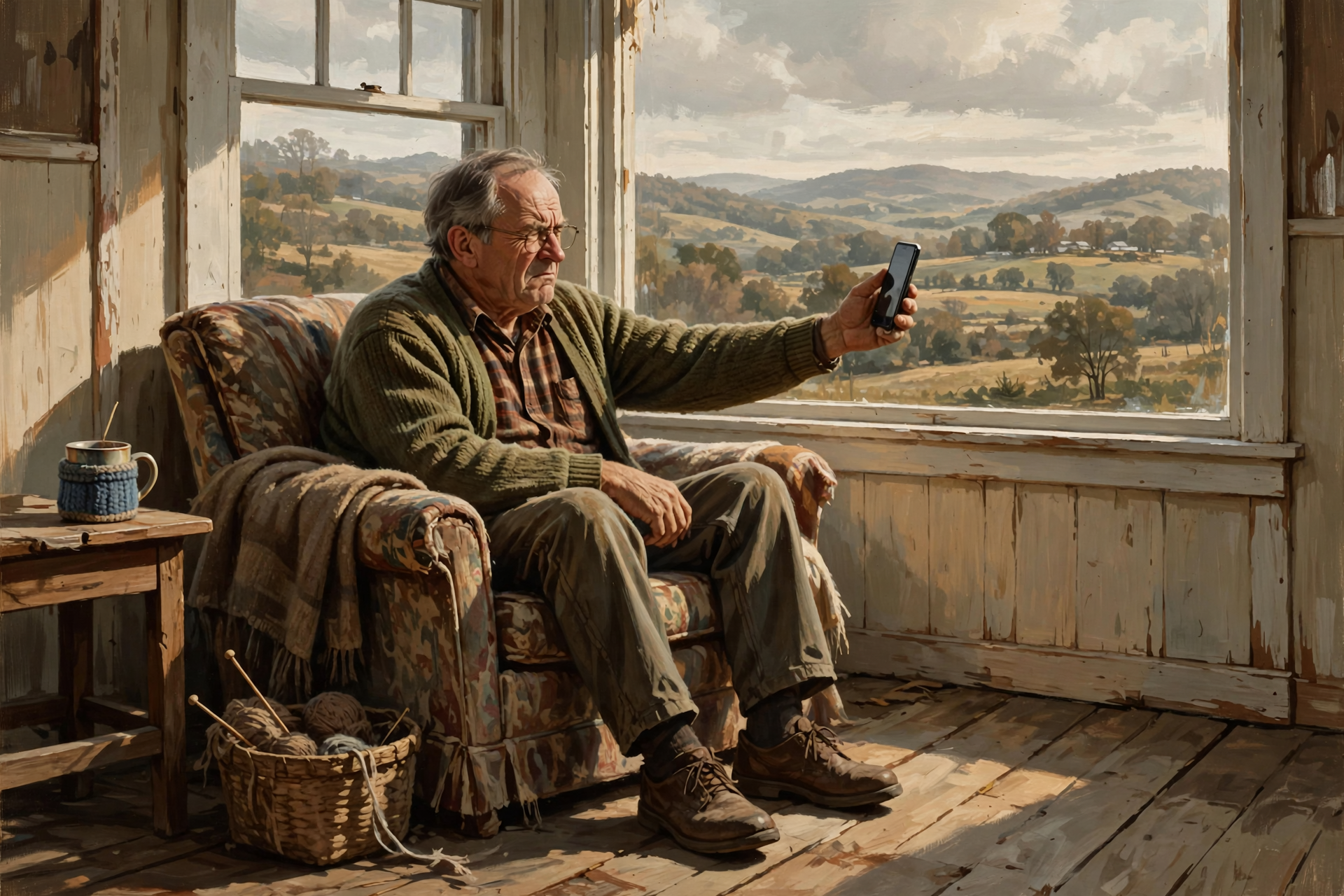
A program designed beautifully for somebody with high-speed internet, a new smartphone and excellent eyesight may work rather differently for an 82-year-old patient with a weak cell signal.
Successful rural technology has to be designed for the rural environment that actually exists.
Not the rural environment somebody in a conference room imagines.
Technology Can’t Fix a Missing Nurse
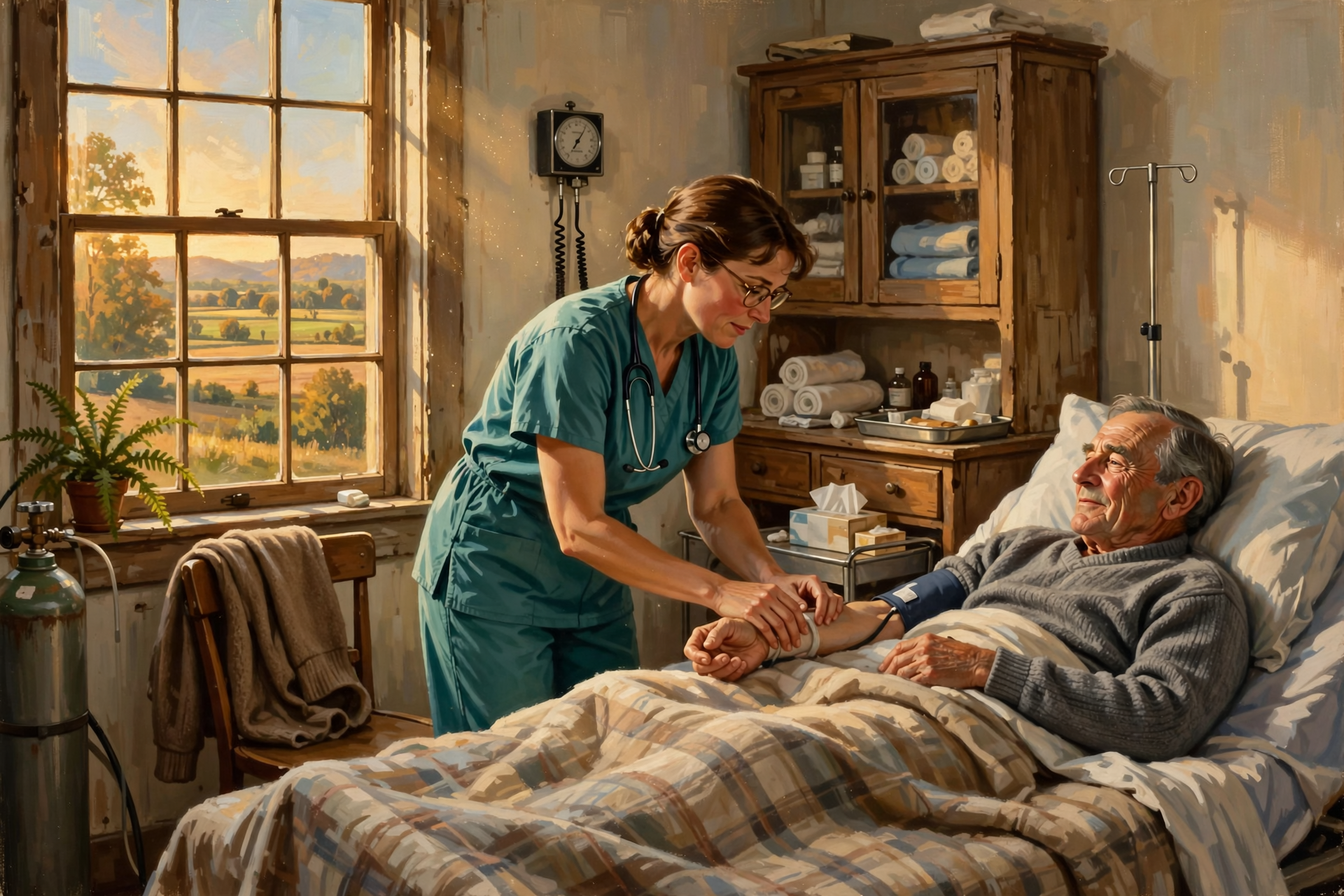
There is another important limitation.
If a community doesn’t have enough nurses, doctors, paramedics, pharmacists and other healthcare workers, artificial intelligence doesn’t magically manufacture them.
Tennessee’s rural health plan recognizes this. Workforce development is one of its major priorities alongside technology.
That’s important because technology should multiply scarce human expertise—not become an excuse for eliminating it.
If a nurse can safely oversee more patients because technology handles routine monitoring, that’s useful.
If a doctor can spend less time on paperwork and more time practicing medicine, that’s useful.
If a small rural clinic gains access to specialized knowledge it couldn’t otherwise afford locally, that’s useful.
But eventually somebody still has to take your blood, listen to your lungs, set the bone, give the injection, run the ambulance or sit beside the hospital bed.
Healthcare remains stubbornly human.
The Little Hospital May Benefit More Than the Giant One

There’s a pattern emerging in artificial intelligence that could be particularly important for rural communities.
Large organizations have specialists for everything.
Small organizations don’t.
A giant hospital system may have teams of analysts, computer specialists, administrative staff, compliance personnel, cybersecurity experts and data scientists.
A small rural facility has fewer people wearing more hats.
If thoughtfully designed technology can provide some of those capabilities at lower cost, the small organization may gain disproportionately.
That’s one reason rural healthcare is an interesting place to watch this technology develop.
AI doesn’t necessarily have to replace something rural communities already have.
It may be most valuable when it helps provide a capability they couldn’t reasonably afford before.
The Measurement That Matters Is Not How Much AI We Use

It’s easy for large government programs to start measuring activity instead of results.
How many devices did we install?
How many systems did we purchase?
How many people logged in?
How many artificial intelligence tools did we deploy?
Those numbers may be useful internally.
But rural residents should care about different numbers.
Did people get care sooner?
Did fewer people have to make unnecessary long-distance trips?
Did doctors and nurses spend more time with patients?
Were health problems caught earlier?
Did rural clinics become more sustainable?
Did the cost of delivering good care go down?
Did health outcomes improve?
If the answer is yes, then the technology is doing its job.
If the answer is no, calling it artificial intelligence doesn’t make it innovative.
This Is Already a Tennessee Question

The federal Rural Health Transformation Program is investing $50 billion nationwide over five years.
Tennessee’s first-year federal award is approximately $207 million, and the state is also committing additional resources to rural healthcare modernization.
Tennessee’s plan is built around the idea of delivering better care closer to home.
That phrase deserves attention.
Because rural healthcare doesn’t need technology merely for the sake of having newer technology.
It needs practical tools that help limited resources travel farther.
Sometimes that may mean an AI system helping organize a medical record.
Sometimes it may mean monitoring a patient from home.
Sometimes it may mean connecting a local provider with a distant specialist.
Sometimes it may mean better cybersecurity so a rural hospital can keep operating.
And sometimes the best investment may have nothing to do with artificial intelligence at all.
So What Should You Do Today?
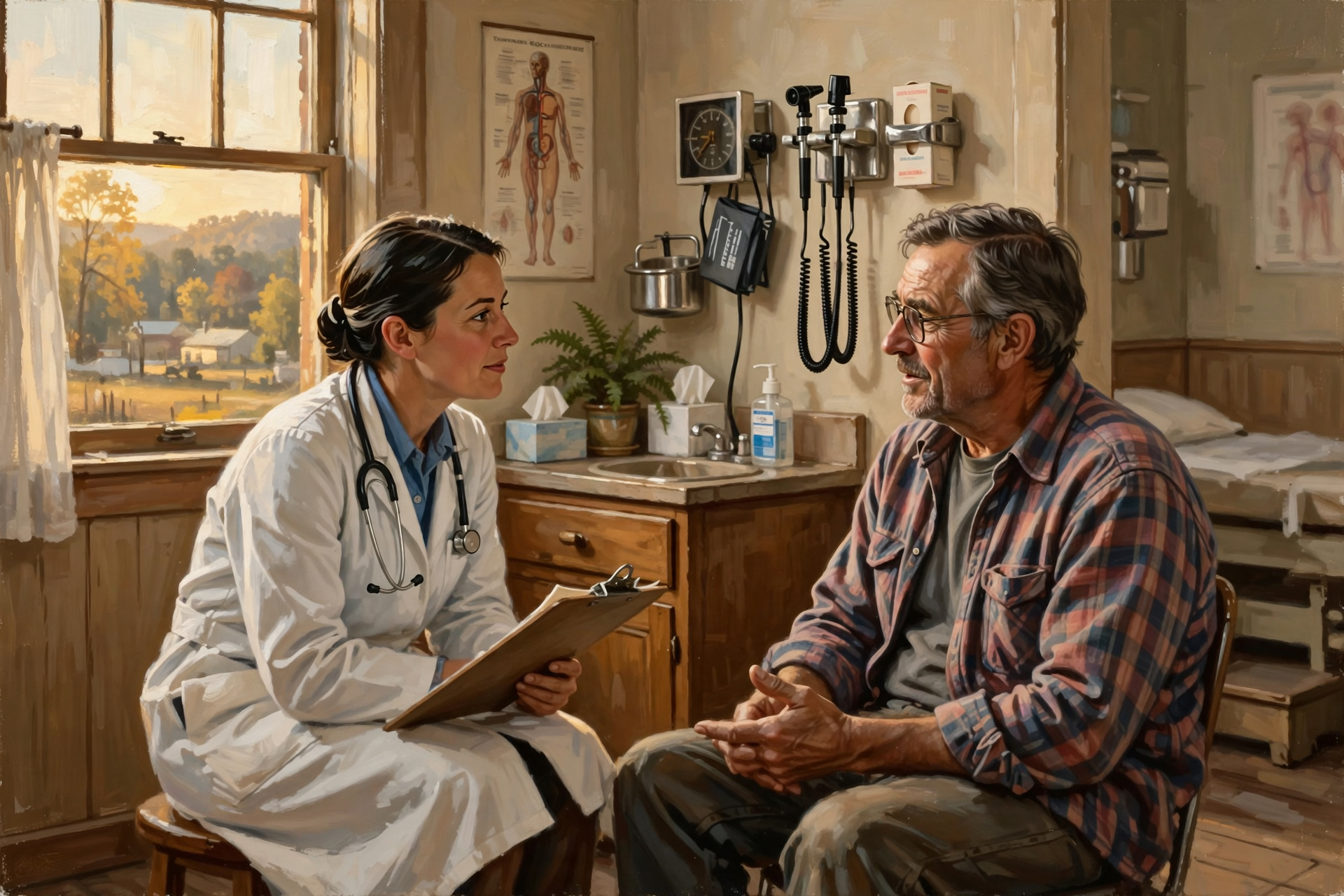
Probably nothing different at your next doctor’s appointment.
This isn’t a reason to abandon your doctor for an app or start buying medical gadgets from advertisements on Facebook.
But it is worth paying attention to what Tennessee builds with this investment.
When new healthcare technology arrives, ask simple questions:
- Does this make it easier for patients to receive care?
- Does this help healthcare workers do their jobs better?
- Does a qualified human remain responsible when the decision matters?
- Is patient information properly protected?
- Can ordinary rural residents actually use it?
If the answer to those questions is yes, artificial intelligence may turn out to be useful in rural healthcare without ever replacing the most important part of healthcare.
The people.
Because the best future probably isn’t one where a computer becomes your doctor.
It’s one where your doctor has better tools, fewer unnecessary chores and a better chance of taking care of you without making you drive halfway across Tennessee to get there.
AI, In Plain English is a Dunlap.Today series explaining new technology without assuming you have a computer science degree—or particularly want one. We focus on what changed, what it means for ordinary people, what could go right, what could go wrong and whether you actually need to do anything about it.


0 Comments