
The Future Didn’t Ask Permission Before It Came to Rural Tennessee
Somewhere along the way, while we were busy arguing about potholes, grocery prices, football scores, property taxes, Facebook, church dinners, school calendars, and whether somebody ought to finally fix that blinking light down the road, the future showed up.
It didn’t pull into town with a marching band.
It didn’t ask the county commission for permission.
It didn’t knock on the door and say:
“Excuse me, rural Tennessee. Are y’all ready for artificial intelligence, gigabit internet, remote work, robots, voice cloning, automated businesses, and computers that can apparently write better grammar than half the people on Facebook?”
Nope.
It just arrived.
And now we have to figure out what in the dang world we’re going to do with it.
🌄 Something Has Changed Out Here
For decades, one of the biggest disadvantages of living in a rural community was distance.
Distance from jobs.
Distance from universities.
Distance from specialists.
Distance from major markets.
Distance from customers.
Distance from information.
If you wanted certain opportunities, you often had to go where the opportunities were.
That usually meant Chattanooga.
Nashville.
Knoxville.
Atlanta.
Maybe farther.
And for generations, we became pretty good at raising capable young people and then watching them leave.
We even invented a polite phrase for it:
Brain drain.
But something fundamental has changed.
The distance is still there on the road.
It just doesn’t matter quite as much to the computer anymore.
🌐 We Asked for Better Internet. We Got It.
For years, rural communities fought for broadband.
We wanted faster connections.
Better reliability.
Fiber.
More access.
And much of rural Tennessee is finally getting exactly that.
Some houses sitting miles from a major city now have internet connections that would have made large corporations jealous not very many years ago.
That is an extraordinary accomplishment.
But it also raises an uncomfortable question:
Now what?
Because broadband by itself is not opportunity.
Fiber is infrastructure.
Opportunity is what we build on top of it.
Running electricity to a farmhouse didn’t automatically create refrigerators, welding shops, milk coolers, electric tools, factories, air conditioning, and modern agricultural systems.
Electricity made those things possible.
Broadband works much the same way.
Getting the wire to the house was never supposed to be the finish line.
It was the starting line.
🤖 Then Artificial Intelligence Walked Through the Door
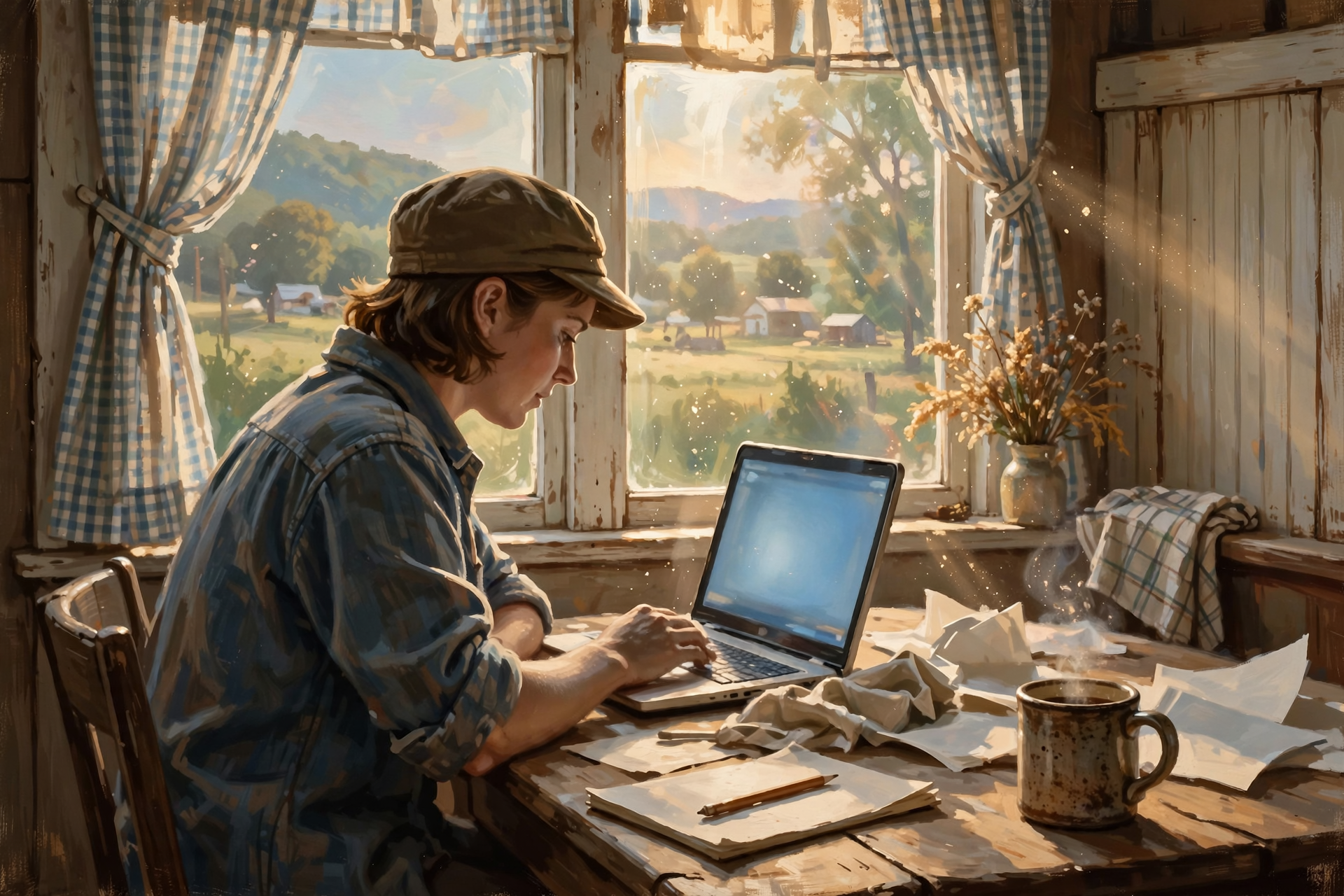
Just as rural communities began getting better access to the digital world, artificial intelligence moved from laboratories and science fiction into everyday life.
And it happened quickly.
Today, ordinary people can use machines to help:
✍️ Write letters and advertisements
📊 Analyze spreadsheets
🎨 Create graphics
🧾 Organize paperwork
💻 Write computer software
🎙️ Transcribe conversations
🌎 Translate languages
📚 Research complicated subjects
📣 Develop marketing
🛠️ Troubleshoot equipment
📋 Create plans, checklists, proposals, and reports
☎️ Answer questions from customers
And that’s the short list.
Ten years ago, many of those capabilities required employees, agencies, consultants, or specialized training.
Today, some of them are available to a one-person business sitting at a kitchen table.
🔧 What Does That Mean for the Guy Fixing Air Conditioners?
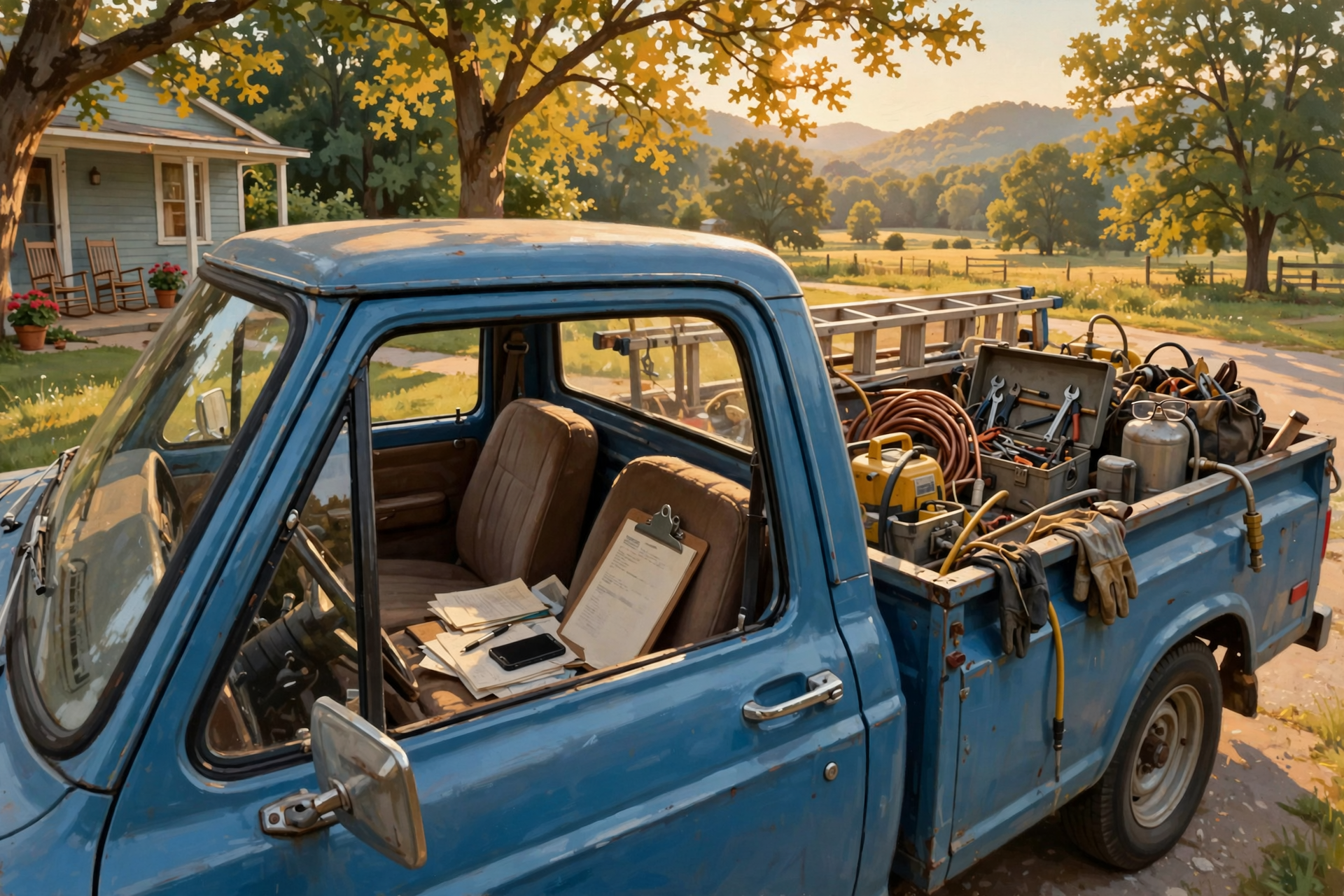
This is where I think most conversations about artificial intelligence go wrong.
We talk too much about the technology.
We don’t talk enough about the chore.
A two-person HVAC company probably isn’t sitting around discussing large language models.
They’re wondering:
Who is going to answer the phone?
Who follows up on estimates?
Who writes the Facebook post?
Who schedules tomorrow’s calls?
Who explains financing?
Who reminds customers that their system needs maintenance?
Who writes the website?
Who answers reviews?
Who keeps up with all of it while somebody is crawling around underneath a house?
That’s where this becomes interesting.
Artificial intelligence doesn’t necessarily mean replacing three employees.
Sometimes it means helping the business owner who never had three employees in the first place.
🚜 What Does It Mean for a Farmer?
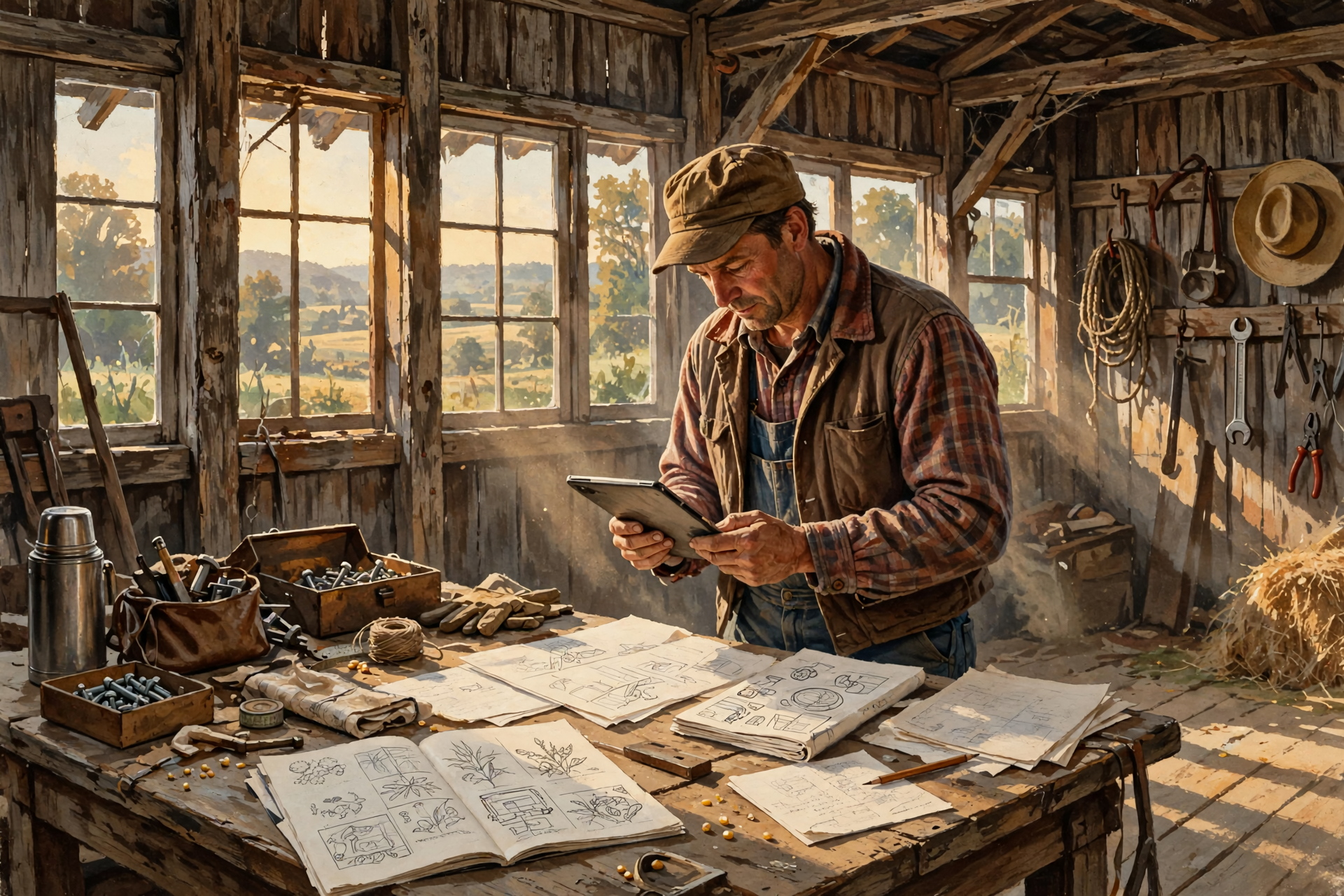
Maybe it’s comparing seed information.
Maybe it’s helping diagnose an equipment problem.
Maybe it’s organizing records.
Maybe it’s summarizing regulations nobody had time to read.
Maybe it’s helping sell directly to customers.
Maybe it’s translating information for a worker.
Maybe it’s looking through decades of farm notes.
Maybe it’s nothing at all.
That’s an acceptable answer, too.
The purpose of technology should never be to find an excuse to use technology.
The question should always be:
Does this solve a real problem?
🏪 What Does It Mean for a Small Business?
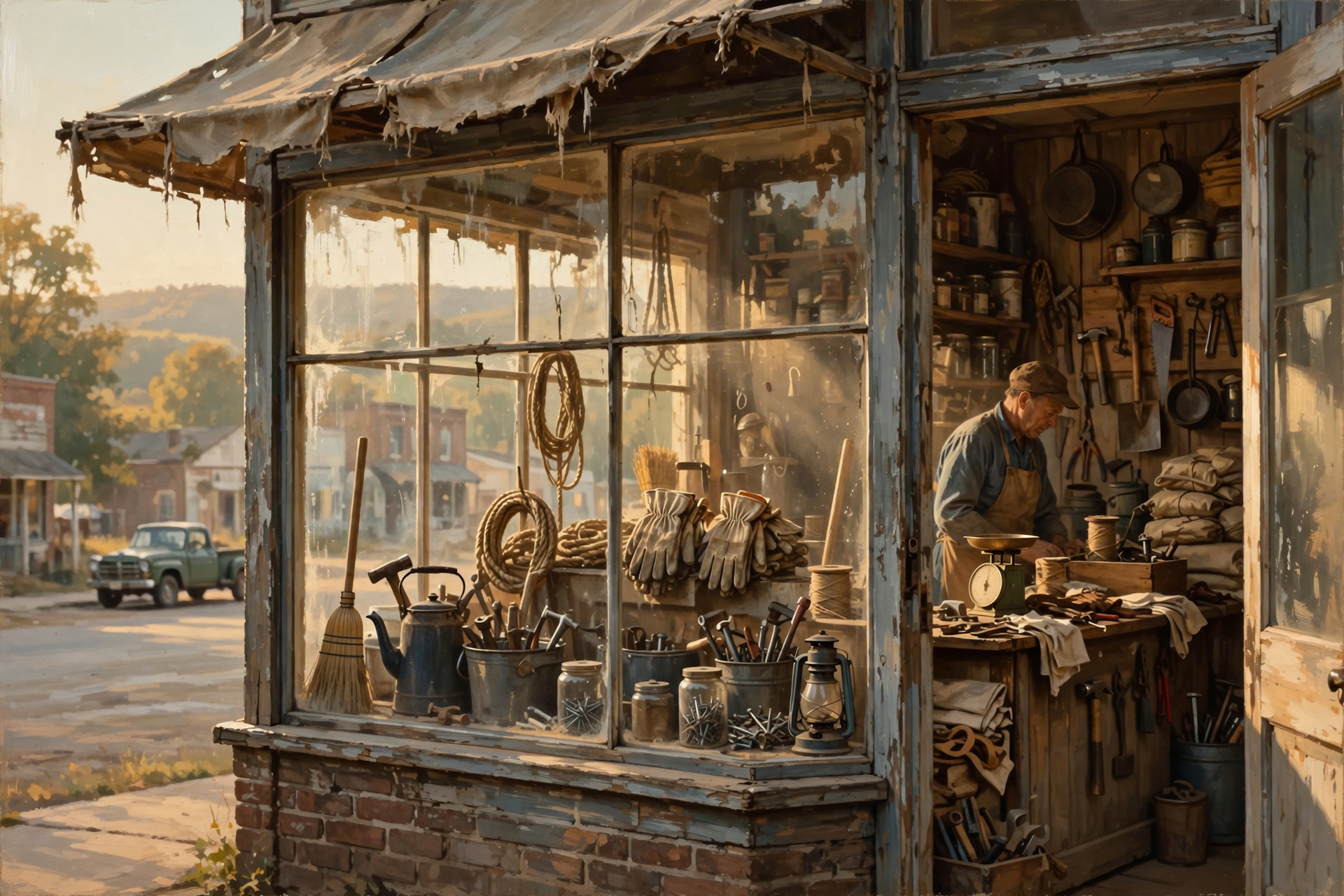
There are businesses throughout rural Tennessee that are extremely good at what they do.
Their customers trust them.
Their workmanship is excellent.
Their reputation may have been built across decades.
And yet, online, they can be practically invisible.
No website.
Old Facebook page.
No hours listed.
No clear service area.
No current phone number.
No information that a search engine—or an artificial intelligence system—can confidently understand.
That leads to another question we’re going to explore:
What happens when a perfectly legitimate local business becomes harder for a machine to identify than a fake business created by a machine?
That’s not a theoretical problem.
We’re already entering that world.
👨👩👧👦 What Does It Mean for Families?
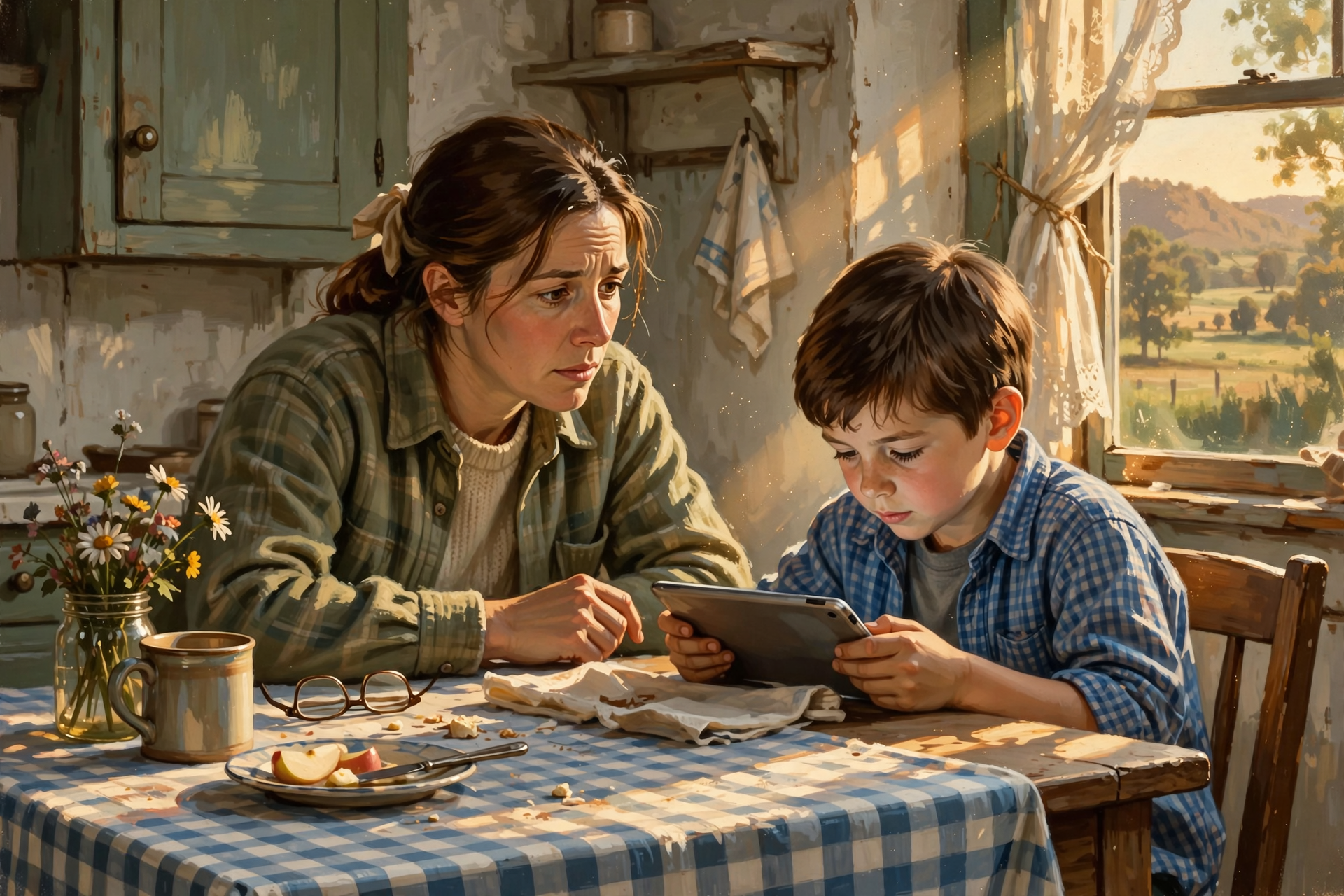
Technology can expand opportunity.
It can also create entirely new dangers.
The same artificial intelligence that can help a student understand algebra can help a criminal write a better scam.
A computer can now imitate voices.
Create convincing photographs.
Produce fake documents.
Generate realistic videos.
Pretend to be somebody it isn’t.
That means digital literacy isn’t just a workplace skill anymore.
It’s becoming a household skill.
We need to teach people how to use these tools.
We also need to teach people how not to be used by them.
🧓 What Does Technology Mean for the Stories We Are Losing?

Here’s another side of this discussion that doesn’t get nearly enough attention.
Every rural community contains enormous amounts of knowledge that have never been written down.
It’s stored inside people.
Who owned that building?
Who lived on that ridge?
Where did that road get its name?
Who remembers the flood?
Who remembers the old factory?
Who remembers when the school looked different?
Who knows why two families haven’t spoken since 1973?
Who has the photograph nobody else has?
When that person dies, part of the community database disappears.
Artificial intelligence may eventually prove just as important for preserving rural memory as it is for creating new things.
We can record voices.
Transcribe stories.
Organize photographs.
Identify names.
Search decades of material.
Connect one person’s story with another person’s memory.
Sometimes the future can help us preserve the past.
⚠️ But New Technology Doesn’t Automatically Mean Progress

I don’t intend for this series to become a two-month commercial for artificial intelligence.
Some technology is useful.
Some is silly.
Some is dangerous.
Some solves problems nobody actually has.
Some creates problems faster than it solves them.
Some should be embraced.
Some should probably be shown the door.
And there are some things human beings should never outsource simply because a computer is willing to do them.
If somebody hasn’t been seen at church for six weeks, maybe a computer can help notice.
But the computer shouldn’t replace the person who picks up the telephone and asks:
“Are you okay?”
That’s a distinction I’m increasingly interested in.
Let technology detect passively.
Let humans respond actively.
🏡 The Question Isn’t Whether Rural Communities Will Change
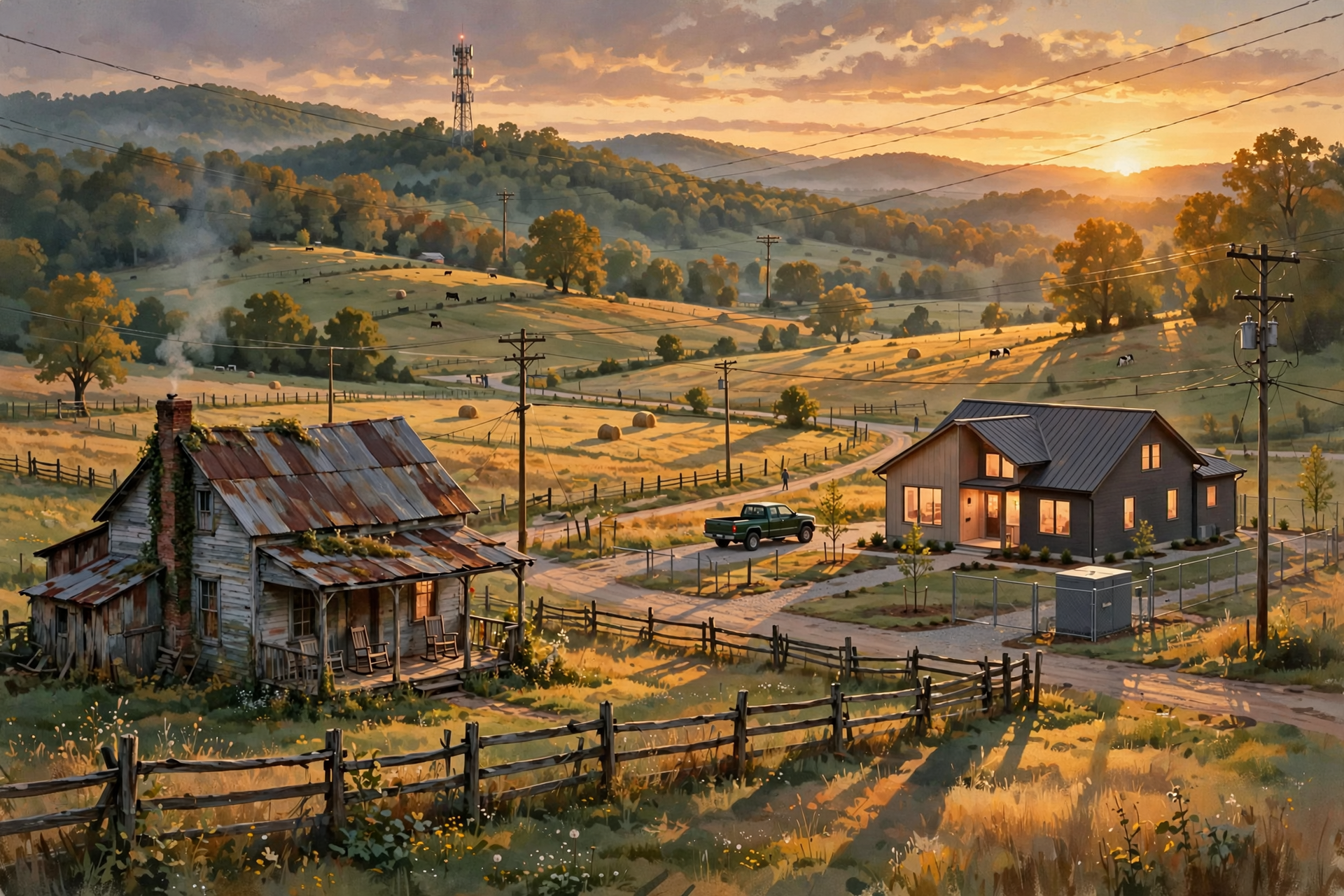
They always have.
Electricity changed them.
Automobiles changed them.
Interstate highways changed them.
Television changed them.
Factories changed them.
Walmart changed them.
Cell phones changed them.
Facebook changed them.
Broadband changed them.
Artificial intelligence will change them, too.
But change doesn’t tell us whether something gets better or worse.
That’s where people come in.
Technology may create possibilities.
Communities still make choices.
🛣️ So We’re Going to Spend the Next Several Weeks Asking Questions
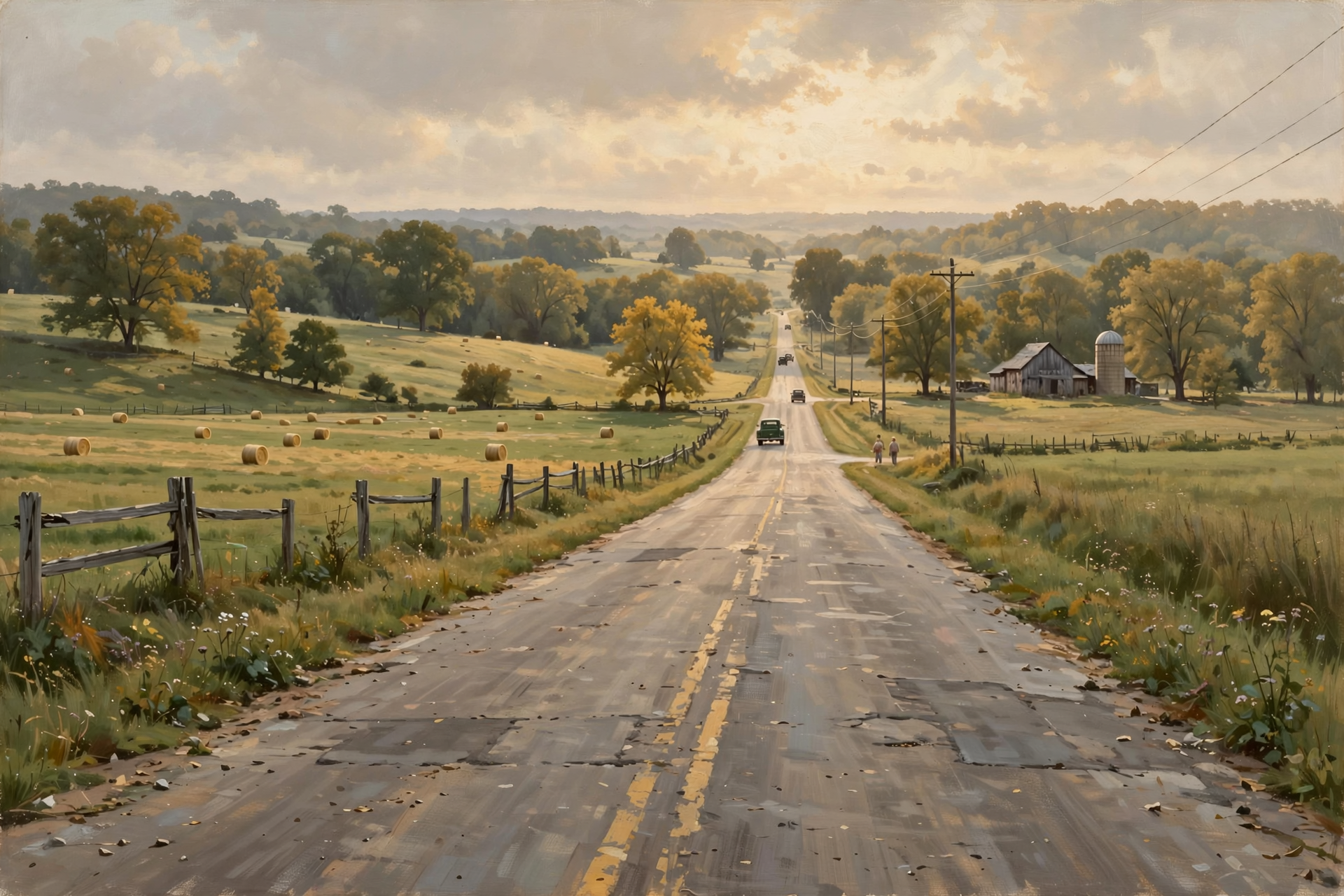
Between now and November 19, I’m going to spend a lot of time looking at what all of these changes mean for people who live in communities like ours.
Not Silicon Valley.
Not some technology laboratory in California.
Here.
For the farmer.
The contractor.
The restaurant owner.
The teacher.
The pastor.
The volunteer.
The retiree.
The student.
The person trying to start a business.
The person afraid their job may disappear.
The person wondering whether their child will have to leave home to build a good life.
And the business owner who’s heard everybody talking about artificial intelligence but still doesn’t know what in the dang world they’re supposed to do with it Monday morning.
📅 Why November 19?
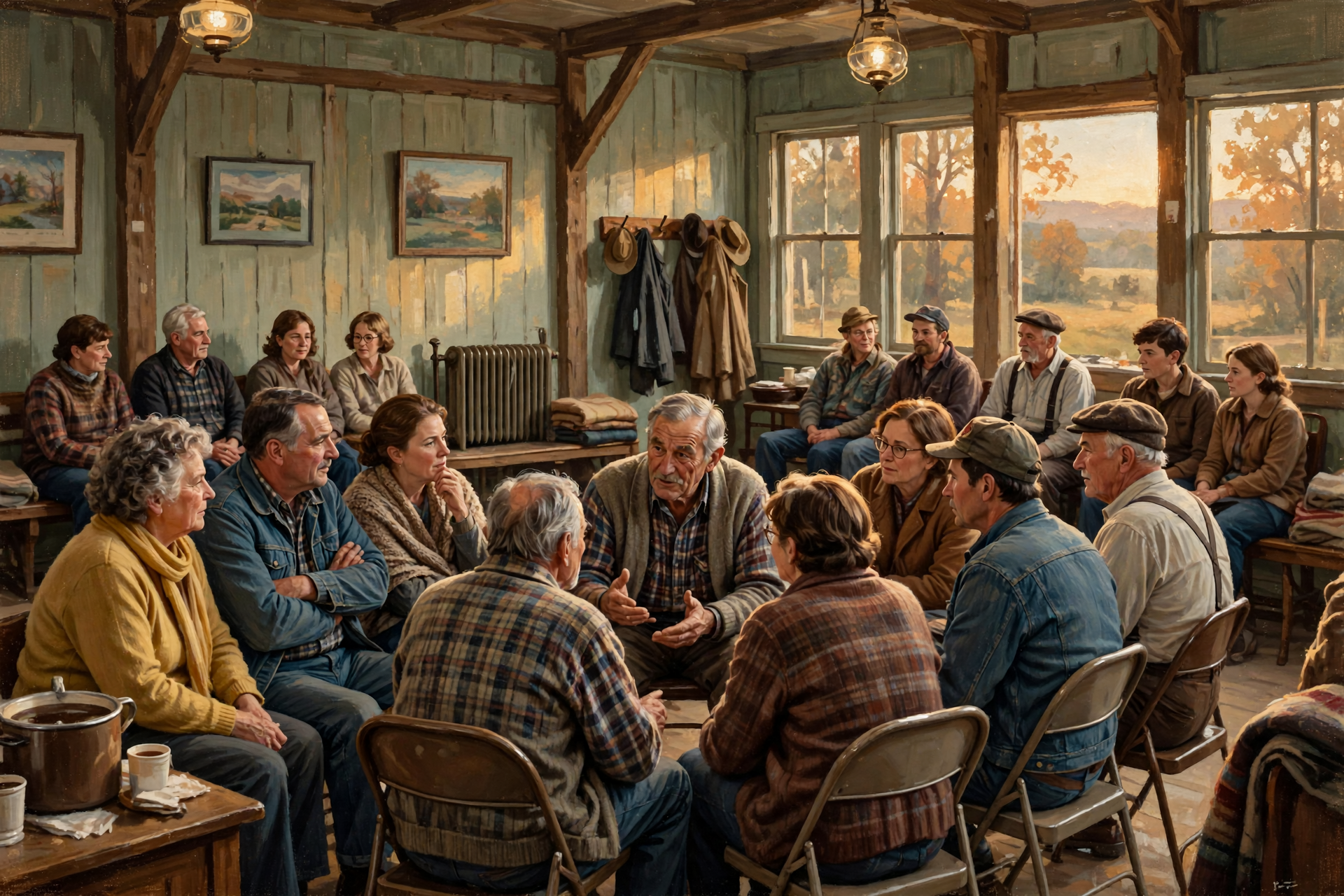
There’s a reason we’re beginning this conversation now.
On November 19, people from across our region will gather to talk about technology, opportunity, cybersecurity, artificial intelligence, infrastructure, education, workforce development, and the future of rural communities.
I’ll be part of that conversation.
But I don’t want to wait until November 19 to start asking the questions.
I want the questions we ask between now and then to help shape what we talk about when we get there.
Because the best discussion about rural technology isn’t going to come entirely from technologists.
It’s going to come from the people who actually live here.
💬 So I’m Starting With One Question
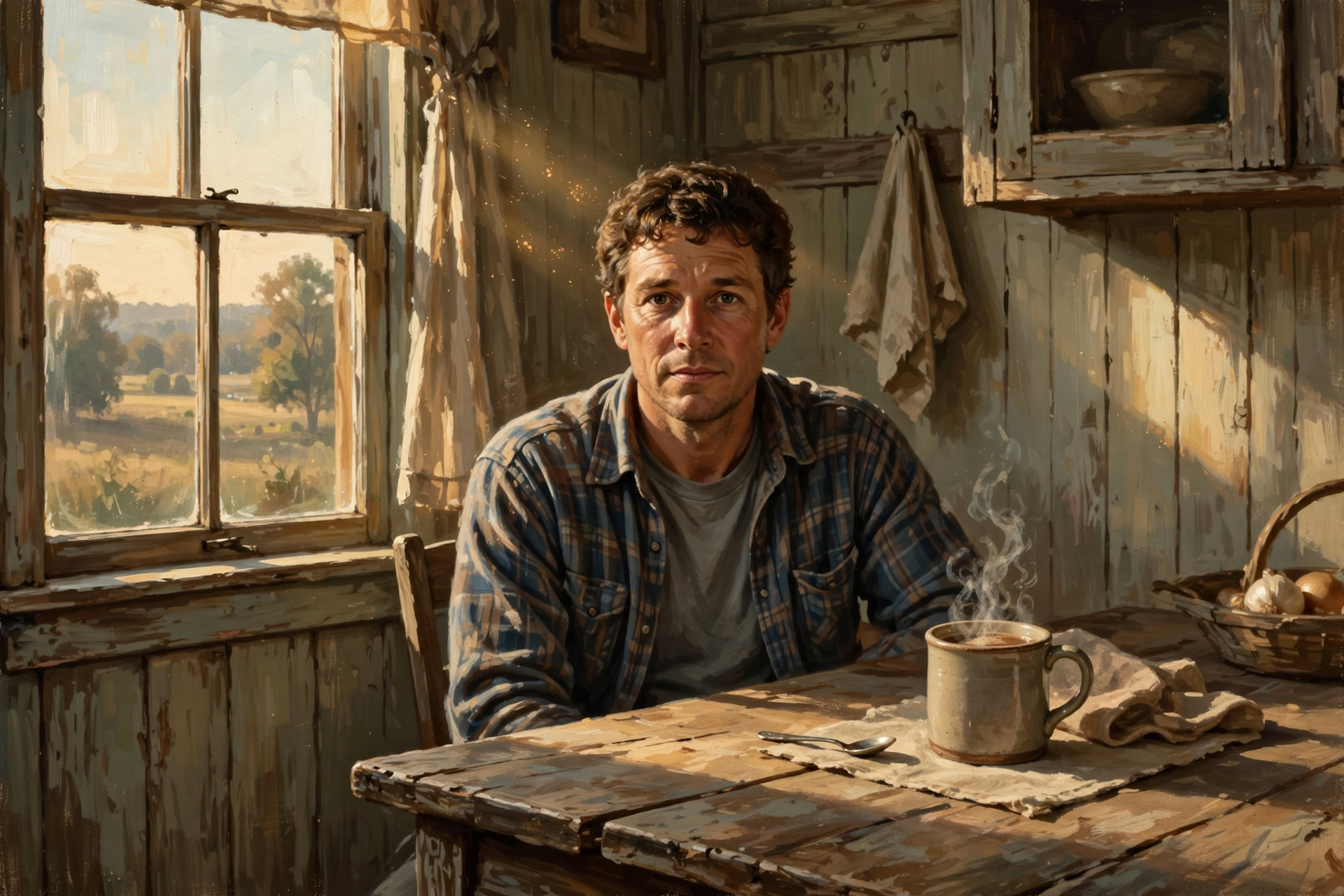
What is the one thing about technology, artificial intelligence, or the future that you most want rural communities like ours to figure out?
What excites you?
What scares you?
What confuses you?
What opportunity do you think we’re missing?
What problem do you wish somebody would solve?
Tell me.
Leave a comment.
Send me a message.
Stop me when you see me.
Your question may become one of the stories we explore over the next several weeks.
And it may be one of the questions I carry with me on November 19.
🌄 The Future Is Already Here
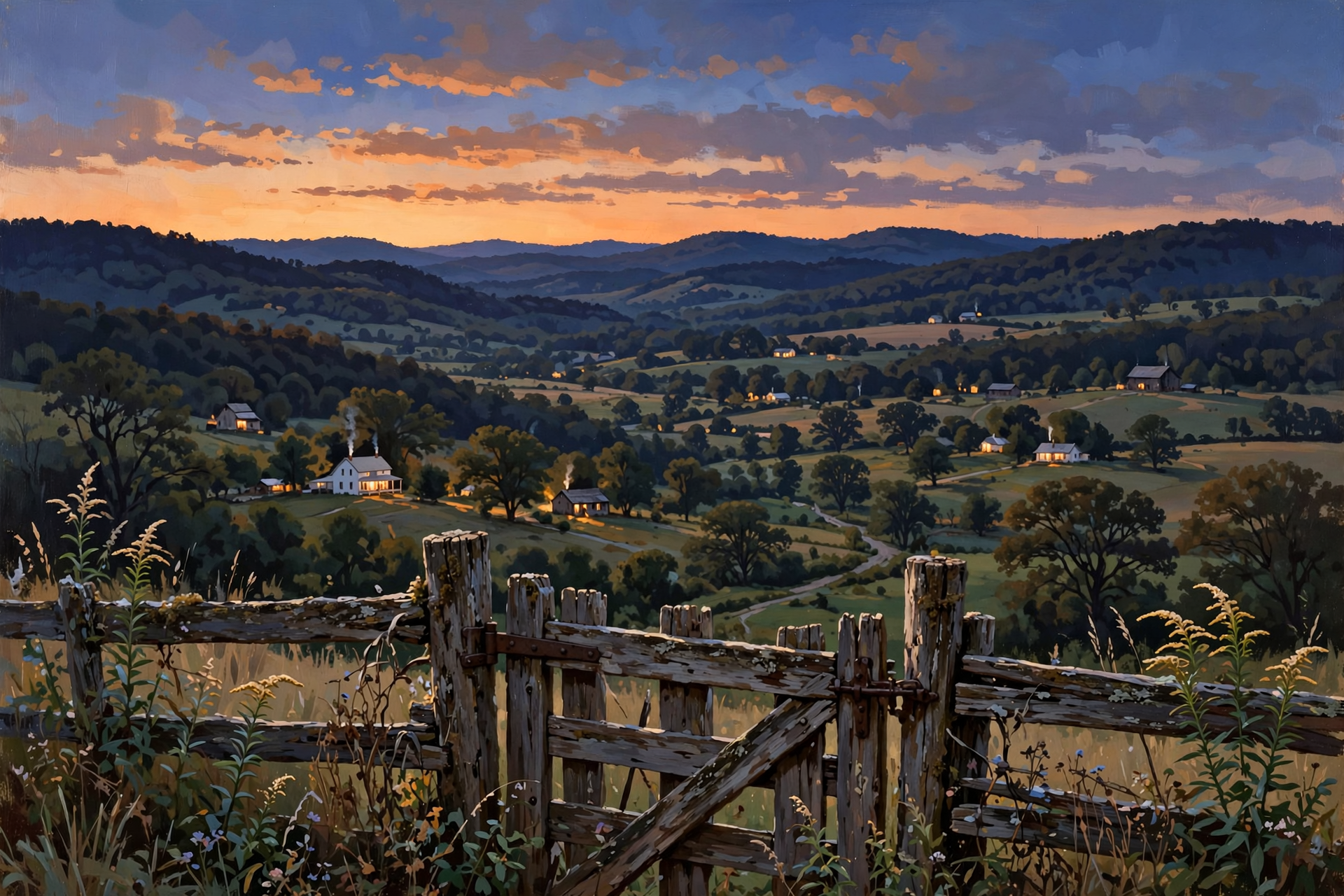
We don’t have to worship it.
We don’t have to fear all of it.
We don’t have to accept every new gadget somebody tries to sell us.
And we certainly don’t have to let somebody else decide what all of this means for rural Tennessee.
But ignoring it won’t make it go away.
The future didn’t ask permission before it came.
Now we get to decide what we’re going to do with it.
🌄 The Rural Future Is Already Here
This story is part of an ongoing series exploring artificial intelligence, broadband, technology, economic opportunity, cybersecurity, community, and the future of rural Tennessee leading up to a regional technology symposium on November 19.
We want your questions. What do you most want rural communities like ours to understand, protect, build, or figure out as technology changes around us?
Follow the series between now and November 19—and join the conversation.



0 Comments