
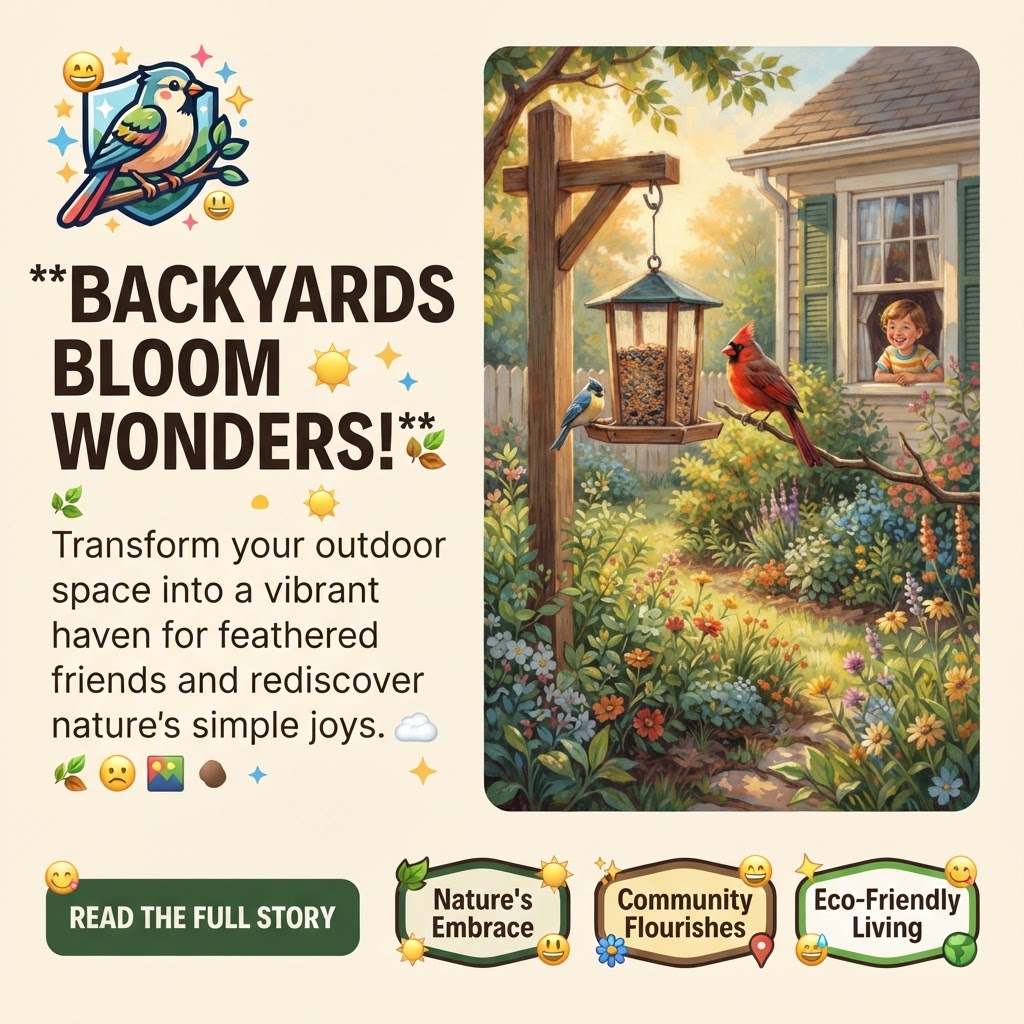
🐦 Transforming Backyards Into Havens for Birds Across the Sequatchie Valley
The quiet moments of watching birds flit between branches are a simple joy many Sequatchie Valley residents cherish—but for some, creating that experience starts with the right tools. A local business is inviting neighbors to rediscover their backyards as vibrant ecosystems where nature thrives.
🌿 WHY THIS MATTERS
For those who love watching birds but aren’t sure how to attract them—or for families looking to connect with nature—this message offers more than just a reminder. It’s an invitation to transform ordinary spaces into places of wonder. In a region where outdoor recreation and community appreciation for natural beauty are cherished, this could inspire residents to slow down, observe their surroundings differently, and even foster local biodiversity right in their own yards.
💡 COMMUNITY CONNECTIONS
The Happy Birdwatcher Company’s vision aligns with long-standing Sequatchie Valley traditions of environmental stewardship. Local schools, nature clubs like the Sequatchie Valley Institute, and community gardens often emphasize outdoor learning and conservation—making this a natural extension of those efforts. Birdwatching isn’t just a hobby; it’s a way to engage with the land and each other, whether through shared stories at picnics or collaborative projects like neighborhood bird counts.
👨👩👧👦 HUMAN IMPACT
For families, this could mean more quality time spent outdoors—especially for children who might otherwise be glued to screens. For retirees and empty-nesters, it offers a fulfilling way to stay connected to the natural world. And for those who simply enjoy quiet reflection, birdwatching provides a peaceful escape from daily routines.
Yet, not everyone has the same access to resources or space. Residents in smaller homes or urbanized areas might wonder how they can participate meaningfully. The company’s message suggests that even small changes—like placing a feeder near a window—can make a difference, making it accessible for all.
🌄 LOCAL PERSPECTIVE
The Sequatchie Valley’s diverse landscapes, from rolling hills to wooded areas, provide ideal habitats for birds like chickadees, cardinals, and even migratory species. While birdwatching isn’t a new pastime in the region—many locals recall childhood memories of spotting wild turkeys or owls—this reminder could reignite interest, especially among younger generations who may not have grown up with such traditions.
For those who’ve lived here for years, this might also spark nostalgia. Remembering how their own backyards once attracted more wildlife—or how they used to share tips with neighbors—could become a conversation starter at community events or farmers’ markets like Sequatchie Valley Farmers Market.
✨ OPPORTUNITIES FOR CONNECTION
The Happy Birdwatcher Company’s approach invites residents to take action in small, manageable ways. Here are a few opportunities to engage:
- Explore their website for beginner-friendly guides on attracting birds and creating welcoming spaces—no prior experience needed.
- Join or start a neighborhood birdwatching group, perhaps even partnering with local libraries or parks to host workshops.
- Share your backyard success stories online using relevant hashtags (like #SequatchieBirds) to inspire others in the community.
- Visit local garden centers, such as Sequatchie Valley Nursery, for native plants that support birds and pollinators.
📅 WHAT RESIDENTS SHOULD KNOW
The Happy Birdwatcher Company’s mission is rooted in accessibility, emphasizing that everyone—regardless of skill level or space constraints—can contribute to a richer backyard ecosystem. Their website likely offers resources on:
- Choosing the right feeders and seeds for local bird species.
- Creating water sources like shallow dishes or birdbaths.
- Planting native shrubs and flowers that provide food and shelter.
🔮 WHAT HAPPENS NEXT
The company’s focus on community engagement suggests future opportunities for collaboration, such as:
- Seasonal birdwatching events, perhaps in partnership with local parks or conservation groups.
- Workshops at libraries or community centers to teach residents how to identify birds and create welcoming habitats.
- A growing online community where locals can share photos, tips, and sightings—fostering a sense of shared purpose around nature.
🤔 COMMUNITY QUESTIONS
How might your backyard become a haven for birds—and what small changes could you make this season?
What memories do you have of watching birds in the Sequatchie Valley? Could sharing them inspire others to reconnect with nature?
If you’re new to birdwatching, where would you start—feeders, plants, or simply observing what’s already visiting your yard?
How could local schools or community groups partner with businesses like the Happy Birdwatcher Company to teach children about wildlife and conservation?
🌱 LONG-TERM COMMUNITY IMPACT
Over time, this movement could strengthen ties between residents by creating shared experiences around nature. Imagine a valley where neighbors chat over coffee about the bluebirds visiting their feeders or collaborate on neighborhood bird counts during migration seasons. Beyond that, healthier backyard ecosystems can support local biodiversity, benefiting pollinators and other wildlife that contribute to the region’s ecological balance.
🧵 COMMUNITY THREADS
The Nature Connection Thread: Birdwatching bridges generations by offering a simple yet profound way for families to bond over shared observations. In the Sequatchie Valley, where storytelling and outdoor traditions are cherished, this could become another layer of community identity—one that ties residents to their land in meaningful ways.
The Conservation Mindset Thread: By encouraging small, intentional actions like planting native species or reducing pesticides, this initiative aligns with broader environmental efforts across the region. It reminds us that even individual choices can contribute to a healthier ecosystem for everyone.
The Shared Experience Thread: Birdwatching events or online communities could become new gathering places where neighbors meet not just over shared interests but also over a love of the natural world. This kind of connection is especially valuable in rural areas, where community spaces can sometimes feel sparse.

0 Comments