
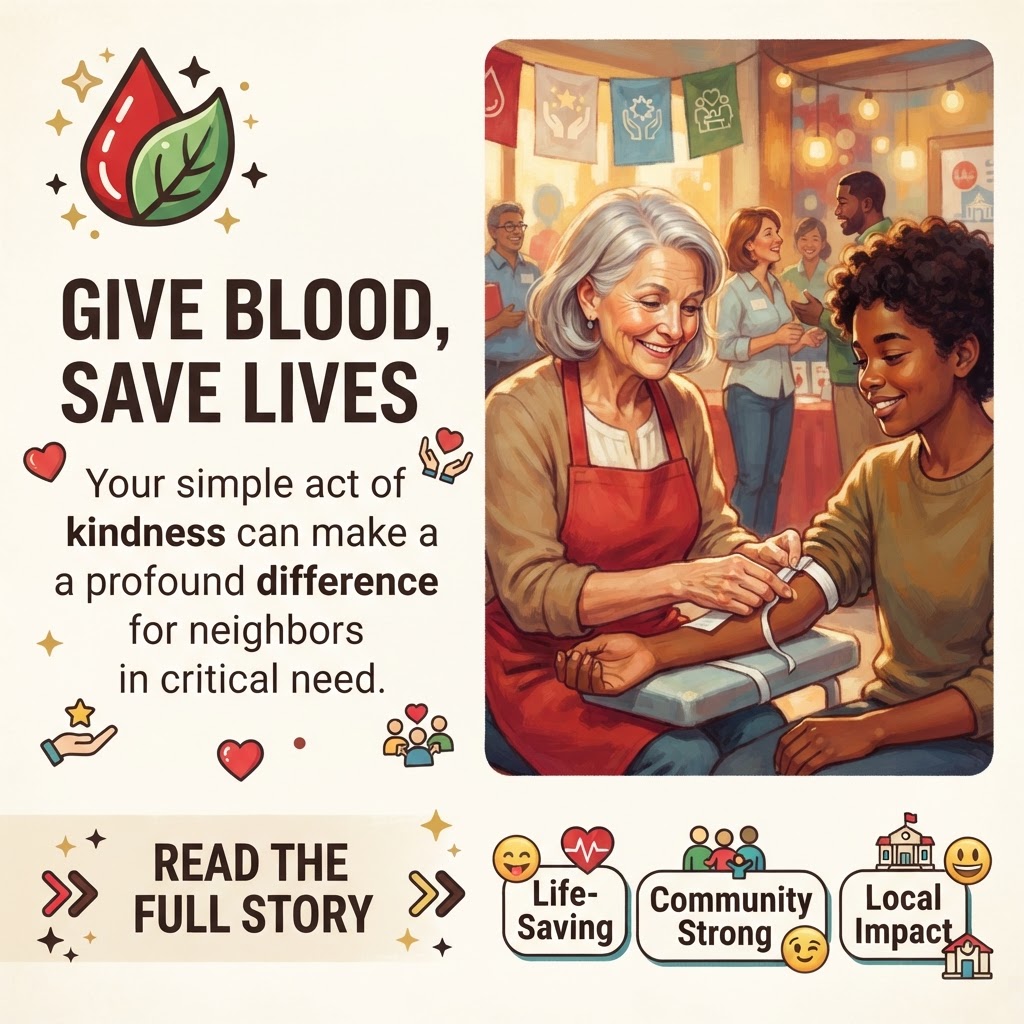
🩸 Local Blood Drive Saves Lives in Sequatchie Valley: Donate July 16 at Dunlap ’s Cooperative Response Center
The Sequatchie Valley’s summer season is a time when families gather, neighbors reconnect, and community efforts shine brightest. This week, one of the most meaningful ways to give back comes with a simple act that could save lives right here in our region: donating blood.
📍 Why This Matters
Every two seconds, someone in the U.S. needs blood—but only 3% of eligible people donate, creating a persistent gap between need and supply. For rural communities like Sequatchie Valley, where medical emergencies can stretch resources thin, local donations become even more critical. Hospitals, trauma centers, and clinics across the region rely on donated blood for surgeries, childbirths, cancer treatments, and everyday injuries. When blood is scarce, patients—especially children, accident victims, or those with chronic illnesses—may face longer waits or travel farther for life-saving transfusions.
This drive at the Cooperative Response Center, a trusted local nonprofit, ensures that blood stays in the hands of Sequatchie Valley residents who need it most. “We don’t just collect blood; we keep it close to home,” says the organization’s mission. For families with loved ones at Sequatchie County Hospital or smaller clinics like those in nearby towns, this drive could mean the difference between a quick recovery and a longer struggle.
❤️ Community Connections
The Cooperative Response Center isn’t just a blood drive location—it’s a lifeline woven into Sequatchie Valley’s safety net. The organization partners with local hospitals, emergency services, and community health initiatives to ensure medical resources are accessible. This event also connects to broader efforts like the Sequatchie County Health Department, which promotes wellness programs, and the Dunlap Chamber of Commerce, which champions local volunteerism. For churches, youth groups, or workplace teams looking for service opportunities, this drive offers a tangible way to strengthen community bonds while addressing an urgent need.
Longtime residents may recall similar drives hosted by the American Red Cross in past years, but this partnership with Blood Assurance—combined with the Cooperative Response Center’s local focus—marks a fresh approach. “It’s about building resilience,” notes a local healthcare worker who has participated in drives before. “When we support each other here, it ripples through schools, farms, and small businesses too.”
Key details:
- Eligibility: You must be at least 17 years old (16 with parental consent), weigh over 110 pounds, and meet health guidelines. First-time donors undergo a quick screening.
- What to bring: A valid ID and a well-rested state of mind—donors are encouraged to eat a good meal beforehand and stay hydrated (avoid energy drinks).
- Reward: Every donor receives a $25 Blood Assurance eGift Card, redeemable at participating retailers. Cards are emailed within 10 days of donation.
- Follow-up: The Cooperative Response Center may reach out to donors about future drives or blood donor clubs for ongoing support.
⏳ What Happens Next
After July 16, the Cooperative Response Center will process and distribute the donated blood to local hospitals and clinics. Donors can expect:
- A follow-up email with their eGift Card details within two weeks.
- An invitation to share their story—how their donation impacted someone else (anonymously if preferred).
- Updates on how many lives were saved or improved through the drive, shared via the Sequatchie County – Dunlap Chamber of Commerce’s social media.
The organization also plans to host another drive later in the year, so this event is just the beginning. For now, residents are encouraged to spread the word: every pint donated can save up to three lives. “We’re not just collecting blood; we’re building a healthier community,” emphasizes a local volunteer.
🤔 Community Questions
As you consider participating—or even just learning more—here are a few questions to reflect on:
- How often have you or someone in your family needed blood? Many people assume transfusions are rare, but they’re far more common than we realize—from routine surgeries to unexpected accidents.
- What would it mean for Sequatchie Valley if every eligible resident donated just once a year? Imagine the difference in emergency response times or patient outcomes across our schools, farms, and homes.
- How could your workplace, church group, or school team turn this into a regular act of service? Collaborative drives strengthen community ties while addressing a critical need.
- What’s one way you could encourage others to donate? Whether it’s sharing the flyer, hosting a watch party during the drive, or donating plasma in between red blood cell donations, small actions add up.
- How does this drive compare to past local efforts? Have you participated in similar events? What made them successful—or what could improve future initiatives?
🌱 Long-Term Community Impact
The ripple effects of this blood drive extend far beyond July 16. By ensuring a steady supply of local blood, the Cooperative Response Center helps:
- Reduce healthcare costs: Fewer emergency transfers to Nashville or Chattanooga mean savings for families and insurance providers alike.
- Support rural healthcare resilience: When medical resources are close at hand, patients can recover closer to home, preserving family bonds and local economies.
- Foster a culture of giving: Regular drives normalize community service, inspiring younger generations to see themselves as part of Sequatchie Valley’s support system.
- Strengthen relationships between residents and institutions: Hospitals, clinics, and nonprofits gain trust when they show up for their communities—and this drive is a tangible example of that partnership.
🧵 Community Threads: The Hidden Network Behind the Drive
This blood drive isn’t just an event—it’s a thread in Sequatchie Valley’s larger web of care. Here are some of the invisible connections it reveals:
- The Healthcare Safety NetThe Cooperative Response Center collaborates with Sequatchie County Hospital, local clinics, and emergency services to ensure blood is available when needed. This partnership highlights how rural healthcare relies on community-driven solutions when larger systems can’t reach every corner of the valley.
- The Volunteer EconomyDrives like this rely on unpaid labor—nurses, coordinators, and donors who give their time. It’s a reminder that Sequatchie Valley’s economy isn’t just built on agriculture or tourism; it’s also sustained by the quiet work of people who show up for each other.
- The Cycle of ReciprocityWhen you donate blood, you’re not just giving plasma or red cells—you’re participating in a long-standing tradition of Sequatchie Valley residents helping one another. Think of it as the modern version of neighbors sharing produce from their gardens or lending tools during harvest season.
- The Bridge Between GenerationsYounger donors might not know that older generations in the valley have stories of waiting for blood deliveries by horse and buggy—or traveling hours to Nashville for transfusions. This drive connects those experiences with today’s technology, showing how far we’ve come—and how much further we can go together.
- The Local Business BoostThat $25 eGift Card doesn’t just sit in a donor’s wallet—it likely gets spent at a Dunlap diner, a family-owned grocery store, or a farm stand. In this way, blood drives become economic stimulants for small businesses across the valley.
🤔Source
📰Other Stories
- 4th Annual Bike & Car Show in Dunlap , TN — August 15, 2026 🏍️
- 🚛 Local Dumpster Rental Service Expands Options for Homeowners & Contractors in Chattanooga
- Coffee Roasters at Baker Mountain Share Their Passion for Quality Brews
- The Southern Pantry ‘s Menu for July 9th
- 🤝 Champion Recovery Community Launches Women’s Support Program in Dunlap
- 🔧 Trusted Plumbing Services Available in Sequatchie Valley
- 🇺🇸 Historic Declaration of Independence Reading Unites Sequatchie County on a Summer Morning

0 Comments