
🐣 Unlikely Newcomers: Flightless Feathers Join Weakley Hog Farm ’s Unexpected Menagerie
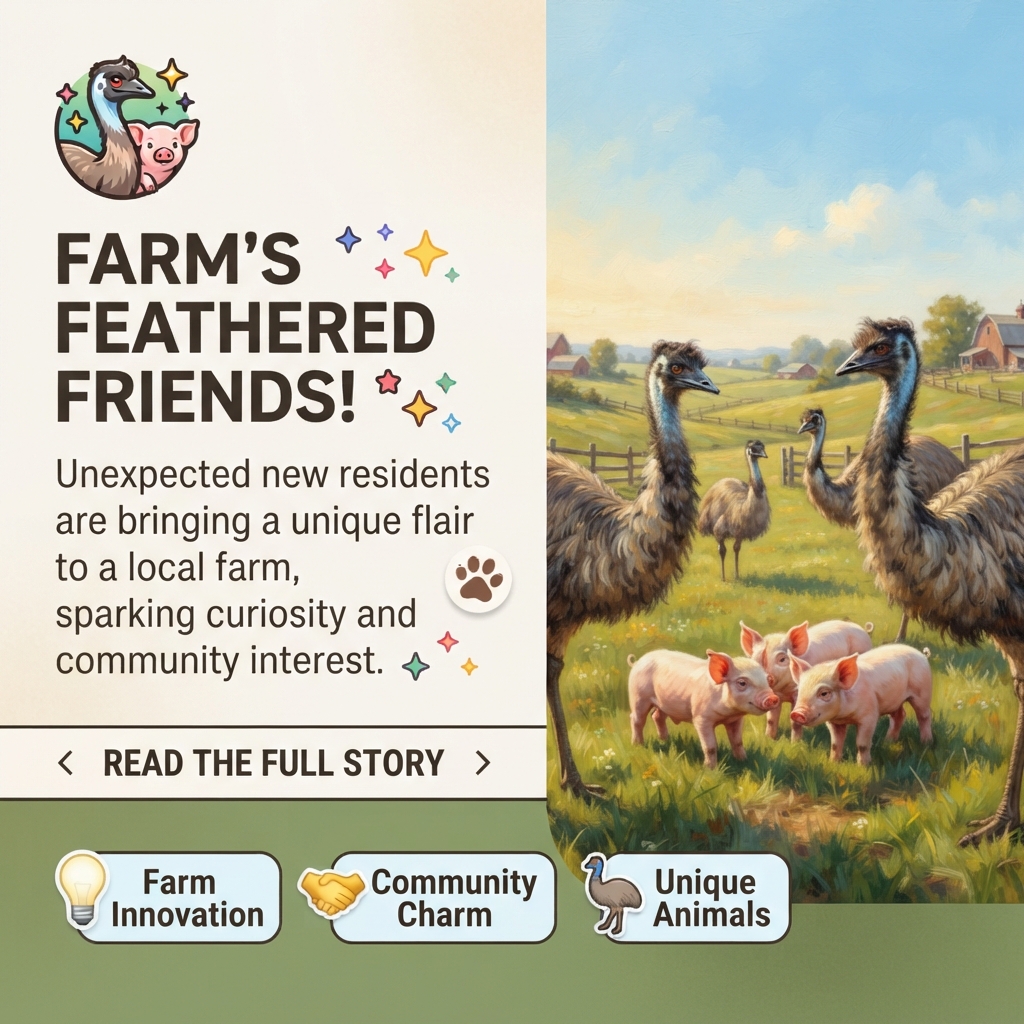
In a region where traditional livestock like hogs and cattle often take center stage, this latest addition to the farm scene—six emus—stands out as both whimsical and practical. As Sequatchie Valley continues to embrace unique agricultural ventures, these flightless birds may soon become familiar figures on local pastures, blending novelty with potential for the community.
The newest residents of Weakley Hog Farm have arrived in a most unusual form: three breeding pairs of emus—large, feathered dinosaurs with survival instincts and a penchant for drama. According to a recent announcement from the farm’s owner, these birds are currently undergoing their “imprinting stage,” bonding with humans while learning the rhythms of farm life.
📍 Why This Matters
For residents who enjoy observing the quirks of local agriculture, this addition offers a fresh perspective on how farms can adapt to unconventional livestock. Emus are known for their hardiness and unique behaviors—qualities that could complement traditional farming while adding entertainment value for visitors or passersby. For businesses nearby, such as bed-and-breakfasts, agritourism spots, or even local schools, these birds might become a talking point or attraction, drawing curiosity from those who stop by the farm.
💡 Community Connections
The arrival of emus ties into broader trends in Sequatchie Valley’s agricultural community. As more farmers experiment with niche livestock—whether for breeding, tourism, or educational purposes—the region continues to showcase its creativity and adaptability. Local organizations like the Sequatchie County Farm Bureau or agricultural extension programs may take note of this trend, as emus represent a rare but growing interest in alternative livestock.
Additionally, schools and nature-focused groups could find inspiration in the farm’s approach to animal care. Emus’ distinctive personalities—like their “confidence” (or lack thereof) when faced with new environments—might spark discussions about animal behavior or even STEM-based learning opportunities for students.
👥 Human Impact
The farm’s owner humorously describes the emus as “beautiful little trouble makers,” and their presence is already reshaping daily life on the property. For now, they’re bonding with the family but will soon be moved to pasture, where they’ll likely test boundaries and entertain observers with their antics. Neighbors might notice new sounds or sights—think loud calls, curious wanderings, or even the occasional emu “judging” the timing of meals.
For Allen, the farm’s co-manager, the addition has been met with a mix of amusement and resignation. His underwhelming reaction underscores a common theme: while some farm expansions are embraced as exciting, others—like adding flightless birds instead of more practical equipment—might feel like a playful but costly detour.
🌱 Local Perspective
Emus aren’t new to the broader agricultural landscape, but they remain rare in Tennessee. Their presence at Weakley Hog Farm reflects a growing curiosity about alternative livestock across the U.S., where emus are often valued for their eggs (which are high in protein), meat, and oil. Locally, this could signal an opportunity: if the birds thrive, they might attract visitors curious about sustainable or novel farming practices.
For Sequatchie Valley, where traditional farming remains a cornerstone of the economy, emus offer a chance to blend heritage with innovation. Whether they become a permanent fixture or a temporary experiment, their arrival adds another layer to the region’s agricultural tapestry—one that could inspire other farmers to think outside the pen.
🎉 Opportunities for Connection
While the emus are still in their imprinting phase, Weakley Hog Farm invites curiosity from the community. Visitors who stop by might catch a glimpse of these feathered newcomers or even learn more about their care and behavior. For those interested in agriculture, this could be an opportunity to engage with the farm’s owner about their choices—or to share stories of their own unconventional livestock experiences.
Schools or youth groups looking for hands-on learning might also find value in a visit. Emus’ size and distinct characteristics make them fascinating subjects for lessons on animal behavior, ecosystems, or even prehistoric biology. The farm’s owner has hinted at future updates about the birds’ names and purpose, which could spark further interest in how these creatures fit into the farm’s long-term plans.
🗓️ What Residents Should Know
The emus are currently adjusting to their new home but will be moved to pasture by Sunday. While they’re unlikely to roam freely beyond the property, their presence could become a regular sight for those passing by or visiting nearby areas. The farm’s owner plans to share more details about the birds’ names and the reasoning behind their addition in an upcoming post.
For now, the focus remains on their imprinting period—an essential phase where they learn to recognize humans as part of their environment. This process is crucial for their eventual integration into pasture life, where they’ll have more space to explore (and perhaps test the limits of their new surroundings).
🔮 What Happens Next
The next few weeks will be critical for the emus as they transition from imprinting to pasture life. The farm’s owner has teased that names and long-term plans will be revealed soon, so residents should keep an eye out for updates. If the birds prove adaptable and engaging, they could become a recurring feature of Weakley Hog Farm’s operations—offering both entertainment and potential educational value.
Beyond the immediate adjustments, the farm may also explore how emus fit into its broader goals. Are they primarily for breeding? Will they attract visitors? Or are they simply part of a whimsical experiment that adds joy to daily life on the property? The answers could shape not only this family’s farming journey but also how other local operations view unconventional livestock.
🤔 Community Questions
As the emus settle in, here are a few questions worth pondering for those who care about Sequatchie Valley’s agricultural future:
- Could emus or other alternative livestock become a unique selling point for local farms looking to attract visitors?
- How might the presence of unusual animals like emus influence perceptions of traditional farming in the region?
- What lessons could local farmers learn from experimenting with niche livestock—whether practical, educational, or purely entertaining?
- If emus thrive on this farm, would other Sequatchie Valley residents consider adding them to their own operations?
- How might schools or community groups leverage the emus as a teaching tool for science, history, or even humor?
✨ Long-Term Community Impact
The introduction of emus at Weakley Hog Farm could have ripple effects beyond the immediate farm. If successful, this experiment might inspire other local farmers to diversify their operations, blending tradition with innovation. For visitors and tourists, it adds another layer of charm to the region’s agricultural landscape—one that highlights Sequatchie Valley’s ability to embrace the unexpected.
On a broader scale, emus could also foster a sense of community around agriculture. By drawing attention to unique farming practices, they might encourage collaboration between farmers, educators, and enthusiasts who share an interest in sustainable or creative livestock management. Over time, this could strengthen ties within the agricultural network, making Sequatchie Valley’s farm scene even more vibrant.
🧵 Community Threads
The arrival of emus weaves together several threads that define Sequatchie Valley’s agricultural identity:
- Tradition Meets Innovation: While hog farming remains a staple, the addition of emus represents a playful yet intentional blend of tradition and experimentation. This thread highlights how farms can evolve without losing their core identity.
- Agritourism Potential: Emus could become a conversation starter for visitors, tying into Sequatchie Valley’s growing interest in experiences that go beyond traditional farm tours. This thread connects the farm to broader trends in experiential agriculture.
- Community Engagement: The farm’s openness about the emus’ arrival invites neighbors, families, and students to engage with the process. This thread strengthens bonds between farmers and the community they serve.
- Educational Opportunities: Emus’ distinct characteristics make them a natural fit for lessons on animal behavior, ecosystems, or even humor in science. This thread links the farm directly to educational institutions and youth groups.
- The Humor of Farm Life: The owner’s witty descriptions of the emus—from their “confidence” to their potential to “judge life choices”—reflect a shared appreciation for the quirks of rural living. This thread reminds residents that agriculture isn’t just work; it’s also part of the community’s culture and identity.
🤔Source
📰Other Stories
- 🙏 Seeking a Faith Community in Sequatchie Valley: What Makes a Church Feel Like Home?
- 🗑️ Sequatchie’s New ‘Trash Can Kid’ Tackles Post-July 4th Smelly Surprises — One Clean Can at a Time
- Kendra Boyd, Sequatchie County Register of Deeds Office – REGISTER OF DEEDS MONTHLY REPORT
- 🍕 BBQ Pizzas Arrive in Dunlap : Holloways BBQ Opens for Takeout and Delivery
- 🏡 Chattanooga Homeowners: What to Know Before Replacing Your Deck
- 🍰 Fresh Kolaches & Seasonal Bounty: A Weekly Treat at a Local Farm 🌱
- 🌿 “Cardinal Classic” Birdseed: A Local Love Letter to Sequatchie Valley’s Feathered Friends

0 Comments