
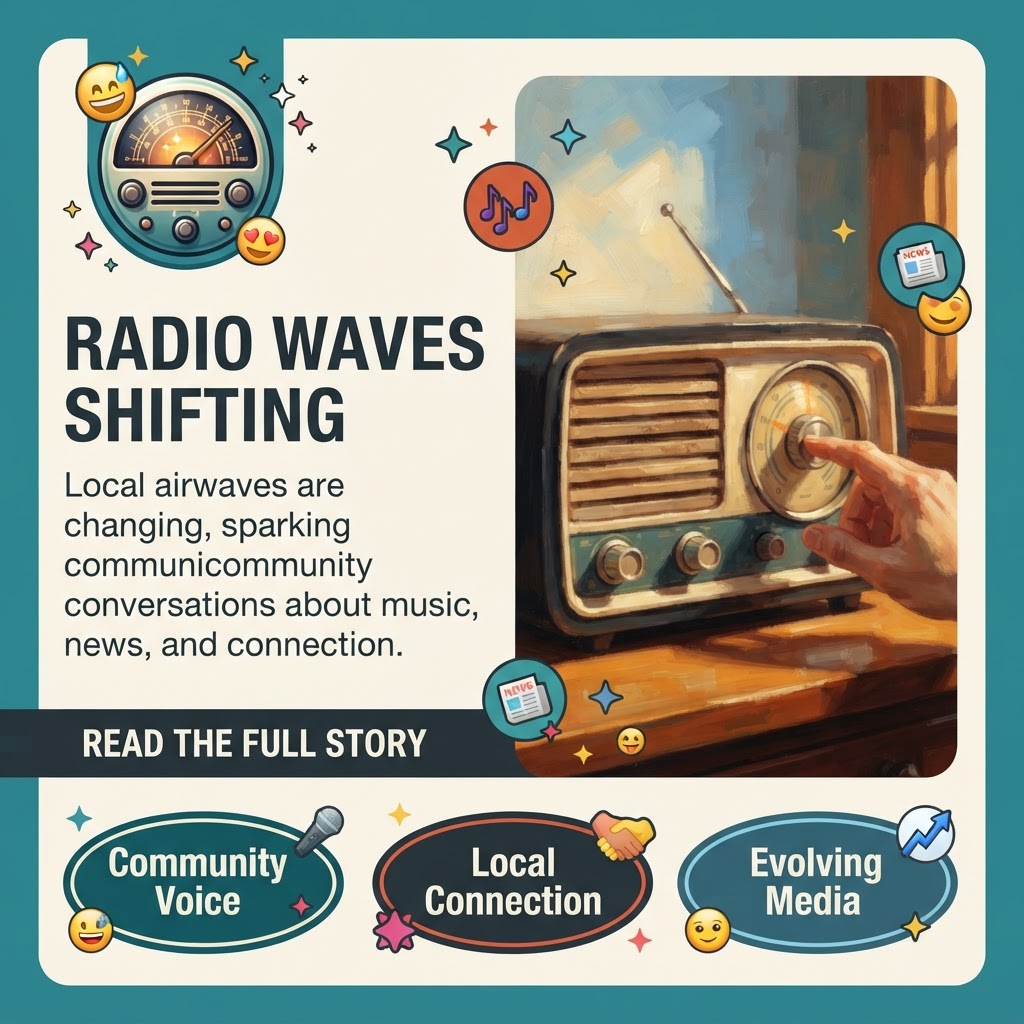
🎧 Local Radio Shifts: Where to Find Music + News in Sequatchie Valley
The Sequatchie Valley’s radio landscape is always evolving—whether through station format changes, new local voices, or community shifts in taste. As listeners like Melanie Stieger note, even beloved stations can transform, leaving residents wondering where to turn for the latest hits and trusted local updates without the religious or country focus.
With eight comments already weighing in on the Van Buren County Community Bulletin, this isn’t just a personal preference—it’s a conversation about how local media shapes daily life. For many, radio is more than entertainment; it’s a connection to neighbors, news, and shared experiences.
📍 Why This Matters: More Than Just Music 🎶
For residents who rely on radio for local news, traffic updates, school announcements, or small-business promotions, a station’s format shift can mean missing critical information. Whether it’s road closures during summer construction, farmers’ market schedules, or emergency alerts, the right station keeps Sequatchie Valley connected—especially in rural areas where internet access varies.
Beyond news, radio fills cultural gaps: it’s the soundtrack to workdays, road trips between towns like Crossville and Sweetwater, and gatherings at porches or diners. When a station changes direction, it disrupts those rhythms. For younger listeners, it may also mean losing access to the latest mainstream music—something many take for granted in an era of streaming.
🗣️ Community Connections: Who’s Talking?
The discussion in the Van Buren County Community Bulletin group reveals a tight-knit network of listeners who rely on each other for recommendations. While no station names were specified in the original post, the conversation hints at deeper threads:
- 🎙️ Local DJs and Stations: Longtime radio personalities often become community figures, bridging gaps between generations. A shift in format could mean losing those familiar voices—and the trust they’ve built.
- 📚 Schools and Libraries: Many Valley schools use radio for announcements or study hall music. Parents and teachers may now need to seek alternatives for classroom playlists.
- 🍽️ Diner and Business Culture: Local eateries, auto shops, and hardware stores often rely on radio for ambiance. A change in music style could alter the vibe of these gathering spots—whether positively or negatively.
- 🚗 Road Trip Traditions: Families who drive between towns like Vonore or Dunlap might now have to adjust their routes or playlists, breaking long-standing habits.
❤️ Human Impact: Who’s Affected?
The shift likely touches multiple groups differently:
- 👵 Older Adults: Many rely on radio for news and companionship. A sudden change might feel jarring, especially if they’ve tuned in to the same station for decades.
- 🧑🎓 Students: Teens and young adults may miss out on music trends or local events advertised on former pop/rock stations.
- 🚗 Commuters: Those who drive for work (e.g., healthcare staff, truckers) might now have to adjust their routes to find a station that fits their mood.
- 🏪 Small Business Owners: Shops that depend on radio ads could see a drop in visibility if listeners switch stations.
📻 Local Perspective: A Valley Divided?
The Sequatchie Valley has long been a patchwork of tastes—from country roots to modern pop influences. While country music remains strong in rural areas, younger residents and those in towns like Sweetwater or Crossville often gravitate toward broader formats. This shift reflects a broader trend: local media must balance tradition with what appeals to newer generations.
Has this happened before? Yes. In 2015, a similar format change in another Tennessee valley station sparked months of debate about who gets to define “local” music. The outcome? A compromise: the station kept some local programming but shifted most playlists to appeal to a wider audience. Residents who stuck with it reported feeling more connected to the community’s evolving identity.
💡 Opportunities for Connection
If you’re looking for alternatives—or want to weigh in—here are ways to engage:
- 🎤 Support Local Podcasts or FM Stations: Groups like the Sequatchie Valley Media Collective (if it exists) often host community-driven radio projects. Check Facebook groups or local libraries for DIY broadcasting opportunities.
- 🗣️ Join the Conversation: The Van Buren County Community Bulletin group is still open for discussion. Share your favorite stations, frustrations, or suggestions—this could help shape future local media decisions.
- 📡 Tune Into FM Scanning: Many Valley residents use apps like TuneIn to test stations before committing. Try scanning between 88–107 MHz for hidden gems.
- 🎨 Attend Local Events: Music festivals, farmers’ markets, or town hall meetings often feature live DJs or local artists—great places to discover new sounds and voices.
🗓️ What Residents Should Know
While no specific dates were shared in the post, here’s what to watch for:
- 🔍 Check Station Websites: Most local radio outlets list their current format and programming online. Call or visit their pages to confirm changes.
- 📢 Listen for Announcements: Stations often air public service announcements about format shifts—keep an eye out during news breaks.
- 🎧 Test Drive Alternatives: If you’re unsure, try streaming platforms like iHeartRadio or TuneIn to preview other stations before switching.
- 📞 Contact the FCC: If you believe a station’s change harms local interests (e.g., lack of news coverage), you can submit feedback to the Federal Communications Commission. Details are available on their website.
🔮 What Happens Next?
The next steps depend on how actively residents engage:
- ✅ If the Community Speaks Up: Stations often adjust based on listener feedback. A surge of comments or calls could prompt them to reintroduce familiar formats—or at least offer more local content.
- 📡 If New Stations Emerge: Some Valley residents have started their own community radio projects (e.g., via WPRA.org). Keep an eye out for crowdfunded or volunteer-run options.
- 🎶 If the Shift Sticks: Expect to see more residents turning to online alternatives (e.g., YouTube, Spotify playlists) for music—and possibly demanding better local news coverage elsewhere.
🤔 Community Questions
The shift in radio formats raises bigger questions about what makes a station truly local. Here’s how the Valley might reflect on it:
- How does changing music formats affect our sense of community identity? For example, does a pop station feel more inclusive than a country one—or vice versa?
- What role should local news play in radio? Should stations prioritize breaking updates over music, or is that a trade-off too many can’t make?
- If we lose our favorite station, what’s the cost to small businesses that rely on radio ads for visibility?
- Could this be an opportunity to revive community radio projects—like student-run stations at Sequatchie County Schools or volunteer DJs at local libraries?
- How might younger residents bridge the gap between old and new formats? For example, could a local podcast fill the void for news + music?
🧵 Community Threads: The Hidden Network Behind Local Radio
Radio isn’t just about sound—it’s woven into the Valley’s social fabric. Here are some of the invisible threads this story reveals:
🎤 The DJ as Neighbor
Longtime local DJs often become familiar faces at grocery stores, church potlucks, or high school football games. When a station changes format, it’s not just music that shifts—it’s the human connection listeners have built with those voices.
🚗 The Road Trip Ritual
Families who drive between Vonore and Sweetwater or Crossville and Dunlap often sync their radio stations as part of their route. A format change disrupts these unspoken traditions, forcing everyone to recalibrate—whether they like it or not.
📚 The School Announcement Link
Many Valley schools use radio for emergency alerts or sports updates. If students and parents can’t rely on their usual station, it forces a scramble to find alternatives—highlighting how deeply media touches daily routines.
🍽️ The Diner Soundtrack
Local eateries like the Sequatchie Valley Café or Sweetwater’s Main Street Grill often set their ambiance based on radio playlists. A shift in music could alter the mood of these gathering spots, making them feel more or less welcoming.
🗣️ The Facebook Feedback Loop
The discussion in the Van Buren County Community Bulletin shows how digital conversations can translate into real-world action. When residents share their preferences, it creates pressure for stations to listen—or risk losing their audience entirely.
🌱 Long-Term Community Impact: More Than Just Music
The ripple effects of this shift could extend beyond playlists:
- 💼 Economic Shifts: If listeners abandon a station, local advertisers (e.g., auto shops, real estate agents) might follow, reducing revenue for Valley businesses.
- 🎓 Educational Gaps: Students who rely on radio for study music or announcements could fall behind if their usual stations disappear—especially in areas with limited internet access.
- 🤝 Cultural Identity: Radio formats often reflect a community’s evolving tastes. A sudden change might leave some residents feeling like the Valley is drifting from its roots—or embracing a more modern identity.
- 📡 Tech Adaptation: As listeners turn to streaming, local radio may need to innovate (e.g., podcasts, live events) to stay relevant—creating new opportunities for community collaboration.
🤔Source
📰Other Stories
- Fresh Produce Available at Feral Forrest Pantry & Apothecary 🍅
- 🔥 Morgan Brothers BBQ Reopens for In-House Dining in Pikeville, Tennessee
- 🤠 Cowboy Church Brings Biggest Presentation of the Season This Saturday
- 🌡️ Recognizing HVAC Warning Signs Before Summer Heat Peaks
- 💰 Affordable Finds: Local Thrift Store Offers Kitchen & Furniture Deals This Weekend
- 🎤 Local Talent Showcase Returns: Sign Up for Lakesite’s Got Talent Show #6
- 🎩 Customize Your Hat at The Dunlap Mercantile


0 Comments