
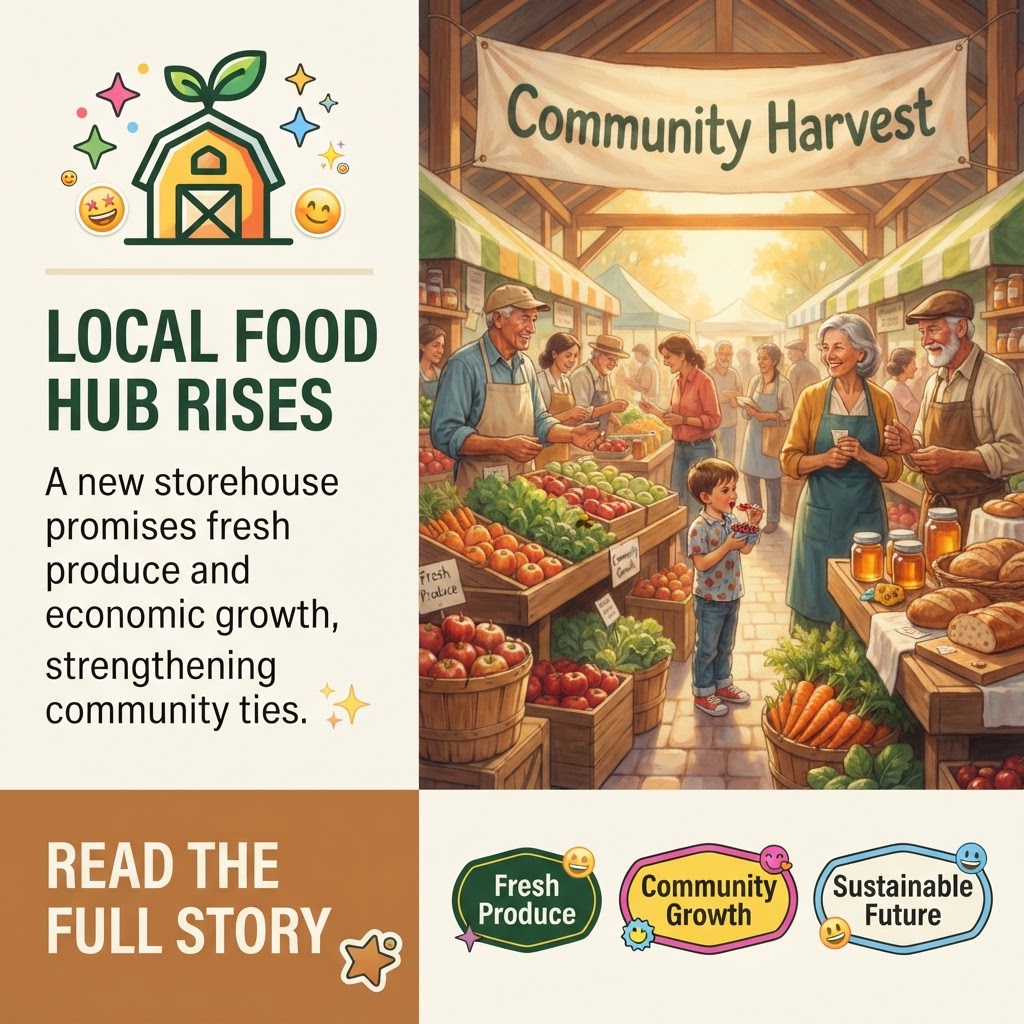
🌱 Nashville Farmers’ Storehouse Breaks Ground: A New Hub for Local Food Security in Sequatchie Valley
The groundbreaking of Nashville Farmers’ Storehouse marks a pivotal moment for Sequatchie Valley’s food system—one that goes beyond commerce to strengthen local identity, economic resilience, and community bonds in a region where agriculture has been both livelihood and legacy.
Why This Matters 🌱💡
For residents of Sequatchie Valley, this project directly addresses two critical challenges: the food insecurity affecting nearly 30% of households (per Sequatchie County Health Department data) and the economic vulnerability of local farmers who often face unpredictable markets and transportation costs. The storehouse will serve as a year-round hub for fresh, affordable produce—something currently scarce in rural areas like Dunlap or the valley’s outlying communities—while giving farmers a stable platform to sell directly to consumers without middlemen.
The initiative also responds to broader regional frustrations with Tennessee’s food system, where small producers often struggle against corporate supply chains. By creating a local-first alternative in White County (just across the border from Sequatchie Valley), this project could reduce reliance on distant grocery stores and inspire similar cooperatives in neighboring counties like Cumberland or Bledsoe.
For families who currently drive hours to Sparta for fresh produce, or for seniors relying on limited grocery options, this storehouse promises convenience and affordability. Meanwhile, farmers—many of whom already supply the existing Farmers’ Storehouse location in White County—may see increased demand for their goods, potentially allowing them to expand operations or hire local help.
Community Connections 🤝🌾
The Nashville Farmers’ Storehouse isn’t operating in isolation; it builds on Sequatchie Valley’s deep-rooted agricultural and cooperative traditions. Key connections include:
- Local Producers: Many valley farmers already supply the White County storehouse, including mills like Sequatchie Valley Mill and honey producers like Sweetwater Honey Company. The new location could strengthen these relationships while reducing transportation costs for both farmers and shoppers.
- Education & Youth Programs: Schools in Sequatchie County—particularly those with FFA chapters or agricultural education programs—could integrate the storehouse into curricula. The Sequatchie Valley 4-H Club has already engaged youth in farming initiatives, and this project could offer real-world learning opportunities, from harvest seasonals to food preservation workshops.
- Faith & Nonprofit Partnerships: Organizations like First Baptist Church of Dunlap, which runs a food pantry, or the Sequatchie Valley Community Foundation may collaborate to distribute surplus produce to vulnerable populations. The storehouse’s mission aligns with their efforts to reduce hunger and foster community resilience.
- Agritourism Synergy: The valley’s growing appeal as a farm-to-table destination—highlighted by events like the Sequatchie Valley Harvest Festival—could gain momentum if the storehouse becomes a central hub. Visitors might explore connected experiences, such as visiting nearby farms before shopping, boosting revenue for local businesses.
- Cooperative Legacy: The project continues Tennessee’s tradition of cooperative enterprises, including the Sequatchie Valley Electric Membership Corporation. This model—where farmers collectively own and govern the storehouse—could deepen trust and collaboration among producers while ensuring profits stay local.
Human Impact 👨🌾👩🍳
The Nashville Farmers’ Storehouse will create both opportunities and challenges for different groups in Sequatchie Valley:
- Farmers & Millers: Local producers who already supply the White County storehouse may benefit from reduced transportation costs and bulk purchasing power. However, smaller operations could face competition if larger farms dominate distribution channels.
- Consumers: Residents—especially those in rural areas with limited grocery access—may gain year-round access to fresher, more affordable produce. Low-income families could benefit from potential subsidies or community-supported agriculture (CSA) models, though pricing will remain a key consideration.
- Youth & Families: Students in Sequatchie County Schools could participate in farm-to-school programs, learning about nutrition and local agriculture firsthand. Parents might also find more reliable sources for school lunches or after-school snacks.
- Rural Economic Vitality: In a region where population decline has strained services, this project could attract new residents who prioritize sustainable living. It may also inspire young farmers to stay in the valley by providing better market access.
Potential challenges include:
- Infrastructure Needs: Rural roads and utilities may need upgrades to accommodate increased foot traffic, especially if the storehouse becomes a major destination. Some valley neighborhoods lack reliable internet, which could hinder online ordering or marketing efforts.
- Competition with Existing Markets: Established venues like the Sequatchie County Farmers Market may see shifts in customer flow. Transparency about how the storehouse will differentiate itself—whether through pricing, variety, or community programs—will be critical.
- Logistical Hurdles: Storing and distributing perishable goods in a region with seasonal weather extremes (e.g., summer heatwaves) could require innovative solutions like solar-powered refrigeration.
Local Perspective 🏡🌄
In Sequatchie Valley, where agriculture has been the economic and cultural backbone for generations, this project reflects both tradition and innovation. The valley’s history of cooperative efforts—from the Sequatchie Valley Electric Membership Corporation to early 20th-century grain cooperatives—shows residents’ long-standing commitment to collective problem-solving.
The storehouse’s success will depend on whether it can balance ambition with grassroots engagement. Unlike corporate-owned stores, this model prioritizes farmer ownership and community input. If executed well, it could become a model for other rural Tennessee communities facing similar food system challenges—echoing the success of projects like The Common Market in Nashville or Farmers’ Fishers Folk in Knoxville.
For many valley residents, this project also offers a practical solution to the daily inconvenience of driving to Sparta for fresh produce. By bringing a reliable food hub closer to home, it could reduce transportation burdens while strengthening local economic ties.
Opportunities for Connection 🤲📢
Residents who want to engage with the project early have several ways to get involved:
- Follow Updates: The Nashville Farmers’ Storehouse Facebook page (link) will likely share construction progress, volunteer opportunities, and behind-the-scenes content. Joining the group can help residents stay informed.
- Volunteer or Donate: Construction phases often need labor, and future operations may seek help with events like harvest festivals or community clean-up days. Skills-based donations—such as marketing expertise or accounting support—could also be valuable.
- Advocate for Local Sourcing: If the storehouse partners with valley farms, residents can amplify demand by shopping locally, sharing stories on social media, or attending farmers’ market events to promote the new hub.
- Attend Ceremonial Events: The groundbreaking video suggests upcoming milestones like ribbon-cutting ceremonies. These gatherings offer opportunities to meet project leaders and fellow community members.
- Participate in Planning: If the storehouse aligns with a nonprofit or cooperative, there may be town halls or surveys to shape its direction. Watch for announcements on how residents can provide feedback.
What Residents Should Know 📍🗓️
While details are still emerging, here’s what’s known—and what to watch for:
- Location Clarification: The project is being developed in White County (near Sparta), which borders Sequatchie Valley. While not within the valley itself, it will serve as a critical resource for residents who frequently travel there for shopping and services.
- Construction Timeline: Active building has begun, but no official timeline is provided. Followers are encouraged to share updates, suggesting transparency will be a priority. Residents may want to check the Facebook page for progress reports.
- Mission Clarity: The post’s rhetoric about “uplifting farmers” and “outmaneuvering the corrupt food system” is aspirational. To ensure alignment with community values, residents might ask: How will the storehouse operationalize these goals? Will there be a farmer advisory board? How will pricing be determined to ensure affordability?
- Public Feedback Opportunities: If this project is tied to a nonprofit or cooperative, there may be surveys, focus groups, or town halls to gather input on priorities like product selection, operating hours, or community programs.
What Happens Next ⏳🔧
The next phases of the Nashville Farmers’ Storehouse project will likely include:
- Finalizing Logistics: Securing permits, sourcing sustainable building materials, and hiring staff with local knowledge to ensure the storehouse reflects valley needs.
- Community Engagement: Hosting events like ribbon-cutting ceremonies or “meet the farmers” days to rally support and gather input. These gatherings could also serve as networking opportunities for producers.
- Pilot Programs: Testing distribution models, such as partnerships with schools or nonprofits, before full-scale operations launch. Early adopters may include Sequatchie County Schools‘ cafeteria programs.
- Fundraising Milestones: The post’s gratitude to supporters suggests crowdfunding or grants may play a role. Watch for updates on progress toward funding goals, such as matching challenges or donor recognition events.
- Soft Opening Phase: A limited launch with select farmers and community partners could precede the official grand opening, allowing for adjustments based on early feedback.
Community Questions 💬
As this project develops, residents might reflect on how it will shape Sequatchie Valley’s future:
How can the storehouse ensure affordability for low-income shoppers while supporting farmers’ livelihoods?
What role will existing farmers’ markets play in collaboration—or competition—with this new hub? Could they become satellite locations or focus on niche products like heirloom seeds or specialty cheeses?
Could this storehouse inspire other rural Tennessee communities to build their own food sovereignty projects, particularly those facing similar transportation and economic challenges?
How might schools, churches, and nonprofits integrate the storehouse into their programs—such as school lunch partnerships or community garden initiatives—that reinforce local food systems?
What safeguards will prevent corporate influence from undermining the farmer-centric mission of this cooperative, especially if it expands beyond White County’s borders?
Long-Term Community Impact 🌱📈
If successful, the Nashville Farmers’ Storehouse could have far-reaching effects on Sequatchie Valley’s economy, culture, and quality of life:
- Economic Resilience: By reducing dependency on distant supply chains, the storehouse may help insulate local economies from inflation or disruptions. Farmers could reinvest profits into expanding operations, creating jobs in processing, packaging, or delivery—opportunities that might attract young residents back to the valley.
- Cultural Preservation: The project reinforces the valley’s identity as a farming community, potentially attracting new residents who value sustainability and craftsmanship. It could also become a symbol of rural Appalachia’s resilience in the face of industrial food systems.
- Youth Engagement: Programs like farm-to-school initiatives or internships could inspire younger generations to stay connected to agriculture, addressing workforce gaps in rural Tennessee. The storehouse might partner with Sequatchie County Schools‘ FFA chapter for hands-on learning.
- Tourism Synergy: A well-marketed storehouse with farm tours, seasonal events, or cooking demonstrations could become a draw for visitors. This could diversify revenue streams for valley businesses, from bed-and-breakfasts to restaurants—even if the storehouse itself is located in White County.
- Health & Wellness: Increased access to fresh, local produce could improve nutrition outcomes in the valley, particularly for families who currently rely on processed foods or limited grocery options. Partnerships with food pantries could ensure surplus produce reaches those who need it most.
Community Threads 🧵🌾
The Nashville Farmers’ Storehouse isn’t just an event—it’s a convergence of threads that already weave through Sequatchie Valley’s fabric. Understanding these connections can help residents see how their daily lives intersect with the project:
1. The Farmer-Producer Network 🤝
Why it matters: For decades, valley farmers and millers have relied on informal networks to share resources—whether borrowing equipment, pooling orders for feed, or trading produce. This storehouse could formalize those connections into a centralized hub where producers collaborate on pricing, branding, or bulk sales.
How residents benefit: By supporting the storehouse, shoppers directly strengthen these relationships. When farmers earn fair wages, they can reinvest in their land and pass down family businesses to the next generation. For example, a local miller who benefits from stable grain sales might later sponsor a youth farming program at Sequatchie County Schools.
2. The Food Security Movement 🍎🏥
Why it matters: Initiatives like church-sponsored food pantries and school meal programs often struggle with inconsistent supply chains. The storehouse’s focus on local sourcing could provide a reliable, high-quality backup for these efforts.
How residents benefit: Families relying on food assistance may see more variety in their meals—think fresh tomatoes in winter or honey from valley hives instead of imported alternatives. Volunteers at pantries like First Baptist Church of Dunlap‘s program could also partner with the storehouse to distribute surplus produce.
3. The Agritourism Economy 🚜🍷
Why it matters: Even though the storehouse is in White County, the valley’s agritourism sector—from u-pick farms like Sweetwater Orchard to farm-to-table restaurants in Dunlap—could expand if the storehouse becomes a central meeting point for producers and visitors.
How residents benefit: Local businesses may see increased foot traffic as tourists explore connected experiences. For instance, a visitor might stop at Hickory Ridge Farms to pick apples before shopping at the storehouse for jams and honey. This could create seasonal revenue boosts for valley entrepreneurs.
4. The Education-Farm Link 🎓🌾
Why it matters: Sequatchie County Schools already incorporate agriculture into STEM curricula through programs like FFA. This storehouse could deepen those ties by offering internships, field trips, or curriculum materials tied to real-world farming challenges.
How residents benefit: Students gain hands-on learning opportunities, such as designing a marketing campaign for valley produce or analyzing soil health data. Parents might also find more reliable sources for school lunches, ensuring children have access to nutritious meals.
5. The Transportation & Accessibility Thread 🚗📦
Why it matters: For many valley residents, driving to Sparta for fresh produce is a weekly necessity—one that takes time and fuel. This storehouse reduces those barriers by bringing a reliable food hub closer to home.
How residents benefit: Seniors, low-income families, and working parents may save hours each month by accessing local goods without long trips. The project also aligns with broader efforts to reduce rural isolation by creating community-focused destinations.
🤔Source
📰Other Stories
- 🔧 High Mark Plumbing Brings Local Service to Chattanooga & Surrounding Areas
- 🏠 Risher Roofing Offers Deck Replacement Services in the Area
- 🚿 Local Plumbing Expertise: McClure Services Brings Reliable Bathroom Remodels to Sequatchie Valley 🔧
- 🏡 East Tennessee Realtor Expands Local Options for Home Buyers & Sellers
- 🎉 ChattEvents.com Launches as Central Hub for Chattanooga Event Discovery and Promotion
- 🏕️ Flexible RV Rentals Open Doors for Weekend Getaway in Sequatchie Valley
- 🚗 Vehicle Customization Services Now Available with Flexible Financing Options

0 Comments