
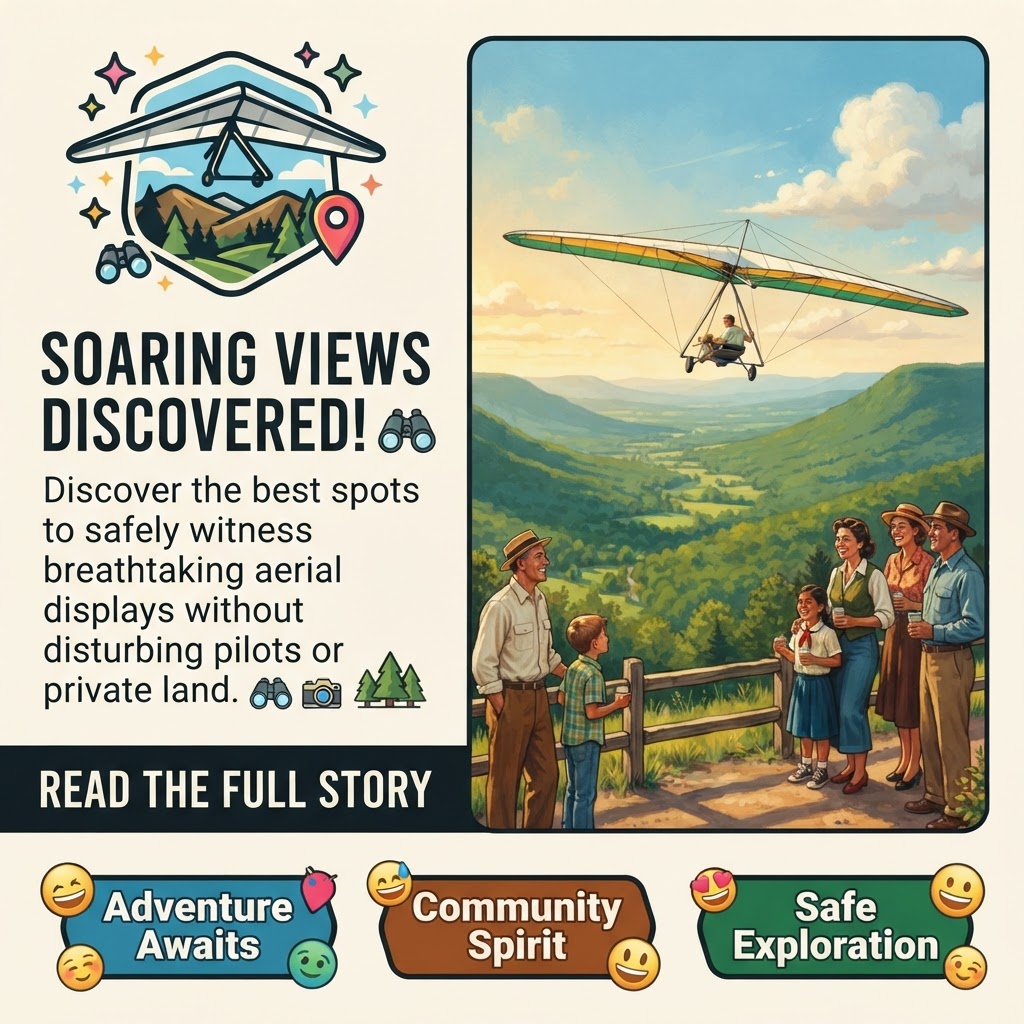
🌄 Where to Safely Watch Hang Gliders & Paragliders in Sequatchie Valley
The Sequatchie Valley’s dramatic bluffs and rolling hills create a natural stage for adventure sports, but finding the right vantage point to watch hang gliders and paragliders safely—and legally—can be tricky. With summer’s peak flying season underway, locals and visitors alike are curious about public access spots where they can enjoy these thrilling aerial displays without disrupting pilots or trespassing on private land.
📍 Why This Matters for Adventurers & Spectators Alike
The question of where to watch hang gliders and paragliders isn’t just about curiosity—it’s about safety, respect for pilots, and preserving the valley’s growing reputation as a hub for outdoor recreation. For residents who’ve watched these sports take off in nearby areas like Gatlinburg or Chattanooga, finding an accessible spot in Sequatchie Valley could deepen local engagement with the region’s adventure tourism scene. Meanwhile, pilots rely on clear visibility and minimal ground interference to fly safely, making designated viewing areas a win for everyone.
💡 Community Connections: Where Adventure Meets Tradition
The Sequatchie Valley has long been a crossroads for outdoor enthusiasts, from mountain bikers on the Tennessee Trail to hikers exploring the Cumberland Plateau. Local organizations like the Sequatchie Valley Outdoor Club, schools (such as Sequatchie County Schools’ outdoor education programs), and even churches hosting group hikes may already have informal spots they recommend for watching flyers. The conversation sparked by Brooke Dobson’s post could spark a broader discussion about how to share these breathtaking views responsibly—whether through designated trails, partnerships with pilots, or even guided viewing events.
❤️ Human Impact: Who Benefits—and What Could Change?
For families looking for a unique summer activity, this could mean discovering a new way to bond over the valley’s stunning landscapes. Local businesses like bluffside cafés or outdoor shops might see an opportunity to offer “pilot’s-eye-view” experiences, pairing refreshments with guided viewing spots. Meanwhile, pilots and flight schools in the area could gain visibility—and perhaps even new students—if they collaborate on safe public access points. On the flip side, residents who haven’t considered these sports before might feel hesitant about where (or if) they can safely observe them without disrupting local wildlife or private property.
🏔️ Local Perspective: A Growing Trend with Local Roots
The Sequatchie Valley has seen a quiet rise in adventure sports over the past decade, from hang gliding at Cloudland Canyon State Park to paragliding near Signal Mountain. While these activities are more commonly associated with nearby cities like Chattanooga, the valley’s rugged terrain and fewer crowds make it an ideal (though underutilized) backdrop. Locals recall past instances where pilots have shared their favorite spots—often along Bluff Creek Road or near abandoned mining sites—but without clear guidelines, confusion persists about what’s open to the public. This conversation could finally clarify those gray areas.
🗓️ What Residents Should Know
The Facebook post hasn’t provided a definitive answer yet, but here’s what we do know based on local knowledge and past trends:
- No official public viewing area has been confirmed, though pilots often fly near Bluff Creek Road or the Sequatchie Valley State Park boundary. Always check with local flight schools for real-time updates.
- Avoid private property: Many bluffs are privately owned, and trespassing can disrupt pilots. Stick to public roads or trails like the Tennessee Trail, which may offer distant views.
- Safety first: Hang gliders and paragliders typically fly at altitudes of 500–1,500 feet, so wear sunglasses and check wind conditions. The National Weather Service’s Chattanooga office often posts updates on local flying weather.
- The conversation is just beginning: With 21 comments already in the thread, this could evolve into a collaborative effort to identify safe spots—so stay tuned for updates!
🤝 Opportunities for Connection
If you’re curious about watching (or even trying) hang gliding or paragliding, here’s how to get involved:
- Join the discussion: The Dunlap Enquirer Facebook group is already buzzing with suggestions—share your favorite viewing spots or ask pilots for tips.
- Partner with local flight schools: Groups like the Sequatchie Valley Outdoor Club might organize a “Fly & Watch” event this fall. Keep an eye on their calendar for announcements.
- Volunteer to map safe zones: If you’re familiar with local trails, reach out to the Tennessee Trails Advisory Council about designating pilot-friendly viewing areas.
- Attend a pilot meet-up: Many local pilots gather at spots like Cloudland Canyon’s overlook. Strike up a conversation—they’re often happy to share their favorite (and safest) spots.
🔮 What Happens Next
The next steps could unfold in a few ways:
- A pilot or local organization may chime in with a confirmed spot, turning this into a practical guide for visitors.
- This could spark a broader conversation about adventure tourism regulations, especially as Sequatchie Valley’s popularity grows. Will designated areas emerge, or will pilots and spectators self-regulate?
- A “Watch the Flyers” trail marker might appear, similar to those used for birdwatching in other regions—a low-cost way to preserve access without formal infrastructure.
🤔 Community Questions
As this conversation develops, consider reflecting on these questions:
- Have you ever watched hang gliders or paragliders from a safe spot in the valley? What made it work—or not?
- If you’re a pilot, do you have a favorite (and safe) public viewing area for spectators?
- Could local businesses like cafés or outfitters host “pilot’s-eye-view” events this summer to boost tourism responsibly?
- What other outdoor activities in the valley could benefit from clearer public access guidelines?
- How might this conversation change how we think about sharing our bluffs and trails with visitors?
🌱 Long-Term Community Impact
If the Sequatchie Valley embraces safe, designated viewing spots for hang gliders and paragliders, the ripple effects could be significant:
- Economic boost: Visitors drawn to watch flyers might spend more at local shops, restaurants, or B&Bs—especially if paired with guided experiences.</strong></li><li><strong>Stronger community bonds: Shared outdoor traditions (like watching sunrise flights) could become a new way for residents and visitors to connect over the valley’s beauty.
- Preserved access: Clear guidelines might prevent conflicts between pilots, hikers, and property owners, ensuring everyone can enjoy the bluffs without tension.</strong></li><li><strong>A model for other sports: This could inspire similar discussions about safe viewing for mountain biking, rock climbing, or even stargazing in the valley.
🧵 Community Threads: The Hidden Network Behind the Skies
This question taps into several invisible threads that weave through Sequatchie Valley’s outdoor culture:
- The Pilot-Community Connection: Local pilots often double as mentors, offering rides to beginners or sharing their knowledge with schools. A designated viewing area could strengthen this bond, turning spectators into future students.</strong></li><li><strong>Trail & Land Stewardship: The conversation highlights how public and private land use overlaps near bluffs. Organizations like the Tennessee Wildlife Resources Agency or Sequatchie Valley Land Trust might play a role in balancing recreation with conservation.
- The “Third Place” Tradition: Just as diners and churches serve as social hubs, safe viewing spots could become informal gathering places for families, photographers, and adventure seekers—fostering serendipitous connections.</li><li>Seasonal Tourism Opportunities: Summer isn’t the only time flyers take to the skies. Fall foliage and winter stargazing could pair with pilot events, extending the valley’s appeal year-round.
🤔Source
📰Other Stories
- 🎩 Customize Your Hat at The Dunlap Mercantile
- 🌹 Sacred Rose Oil Infused with Two Years of Care and Intention
- 🛠️ Big D Junk Removal Expands Services Across Sequatchie Valley and Beyond
- 🔧 Trusted Plumbing Services Available in Sequatchie Valley
- 🎨 TooCool HVAC ’s Heartfelt Story: How a Daughter’s Doodle Became Chattanooga’s Trusted Climate Control Partner
- 💉 First Medical Aesthetic Pop-Up in Soddy Daisy Offers Affordable Services This Saturday
- 🎆 Four Decades of Family Tradition: Fall Creek Falls State Park Celebrates 4th of July




0 Comments