

🛰️ The Ads That Track Satellite Users, the AI That Pulls You Over, and the Glasses Nobody Trusts

Or: Ads That Spy, Stops That Start With an Algorithm, and Glasses at the Gym Door
By Thomas Seest, Dunlap.Today · Tuesday, October 27, 2026
Grandma used to say the walls have ears. She never imagined the ads would, too.
This week, Reuters reported that an ad company may have used ordinary online ads to find people using satellite internet. The ACLU says police are pulling drivers over because a computer decided their road trip looked “suspicious.” And across the world, people are showing camera glasses the door.
Here’s the roundup for folks who buy bug sweeps and the private investigators who do the work: ads that track you, AI traffic stops and plate cameras, AI break-ins and AI investigators, robot-voice bank scams and deepfakes, smart glasses, spyware and face scanners, and hidden cameras and the PI desk.
⏱️ What this means for you in 30 seconds
- Worried about being tracked? Use an ad blocker and turn off ad tracking on your phone. Ads can leak your location.
- Got pulled over for a “lane violation”? If you fight it, ask whether a plate-camera alert started the stop.
- A bank calls and says “press 1”? Hang up. No real bank asks you to tap your card on your phone.
- Holding a sensitive meeting? Ask guests to leave camera glasses at the door. The little recording light can be disabled.
- Using a bathroom or locker room? Take a look at any odd phone charger plugged into the wall.
🛰️ The Ads That Hunted Satellite Users

Reuters says researchers at TrendAI found that an Israeli ad company, Discover-Tech, was the No. 1 bidder for ads shown to Starlink satellite internet users in more than 100 countries, including places where Starlink is banned. It was also the top ad buyer in Syria, Libya, Yemen, and South Sudan, where real advertisers have almost nothing to sell. The researchers believe the ads were used to locate or watch people. Google and Comcast have dropped the company. It didn’t answer Reuters.
Every time an ad loads, your phone tells the bidders a little about you. Collect enough of those little bits, and it’s like Cousin Billy reading everybody’s postcards at the mailbox.
What it means for you: For people at real risk, like reporters, executives, and folks in war zones, an ad blocker is now a privacy tool, not just a nicety. The attribution comes from people familiar with the research; the company hasn’t responded.
🚓 Pulled Over Because the Computer Said So
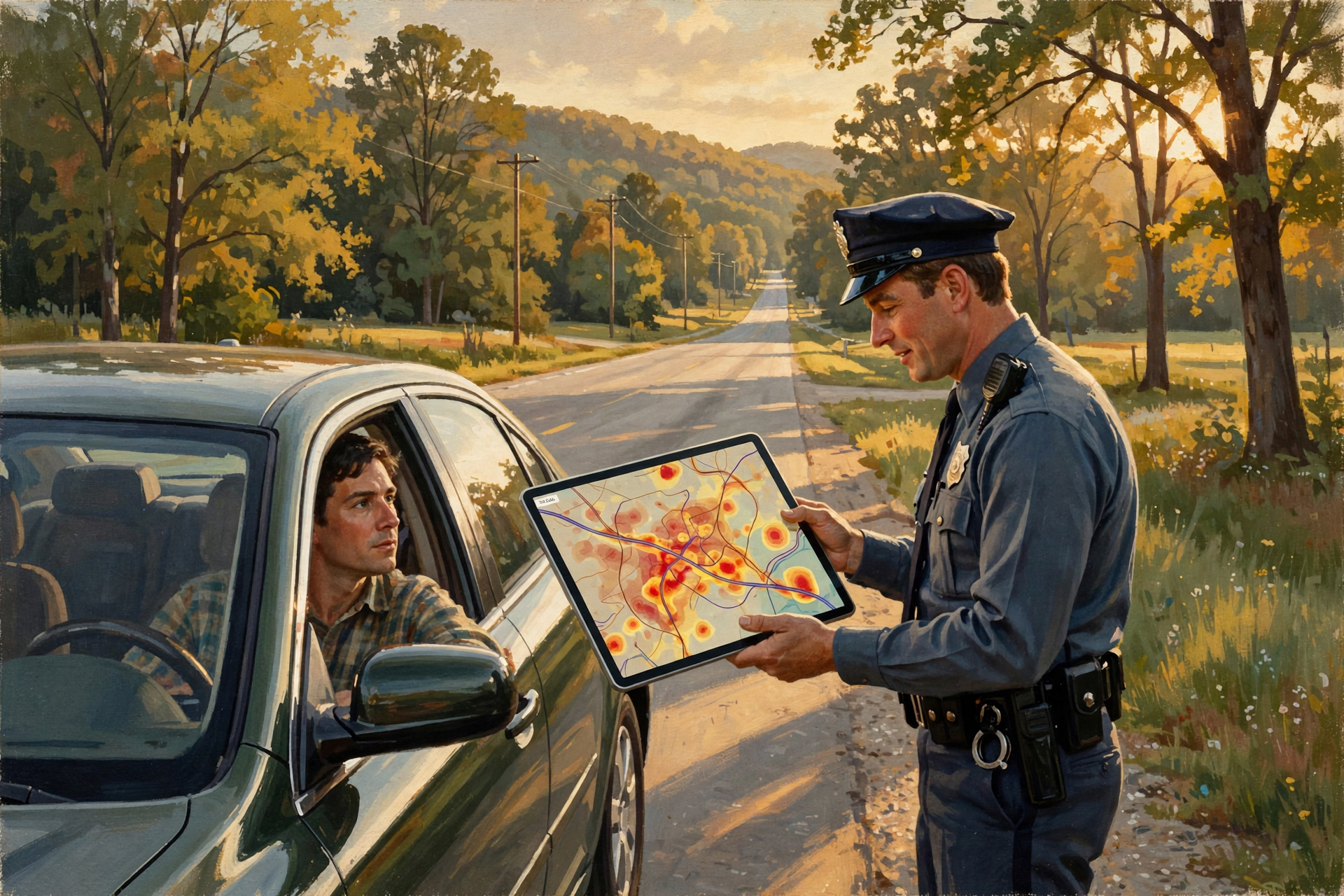
The ACLU shared the story of Grace Knowles, a young Virginia woman on a road trip in 2025. She was pulled over for supposedly staying in the left lane too long. The officer, who said he worked with the FBI, told her plate scans showed “suspicious travel patterns” and showed her a heat map of everywhere her car had been. The ACLU says AI that flags “suspicious” drives is behind more of these “whisper stops.”
In Oklahoma, a state lawmaker said that at face value, the state’s plate-reader law doesn’t allow Flock cameras to be used the way police use them. A state senator warned defense lawyers could find “a big hole” in that data. Providence police are fighting a plan to ban all plate readers, and a Lansing council member wants them off public streets after learning the city’s camera data was shared with 141 organizations.
What it means for you: If a traffic stop turns into a case, ask whether a plate-camera alert started it and request the alert and search logs.
👉 ACLU · Tulsa World via GovTech · Boston Globe · The Inference · WILX
🤖 AI Agents Break In, and AI Investigators Clock In

A new security start-up called Cathedral says its AI agents found a way into AI company Anthropic’s business systems in under 12 hours. They didn’t go through the front door. They went through outside business software, reaching things like salary data and meeting transcripts. Anthropic says only a limited set of sales, HR, and IT systems were reached, and no customer chats, code, or AI models. It also says Cathedral broke the testing program’s rules.
On the other side of the desk, Casepoint launched an “AI Investigator Agent” that sorts piles of email, chats, and video for workplace and government investigations and cites each fact back to its source document.
What it means for you: Snooping on a boardroom doesn’t always need a hidden bug anymore. Ask where your meeting recordings and transcripts are stored and who can reach them. And if an AI tool helps with an investigation, check every fact it cites.
👉 Washington Post · Gizmodo · Casepoint
📞 Robot-Voice Bank Calls and Fake Sweethearts

Dutch police arrested two men in a scheme that used AI-made voices to warn people about “suspicious activity” on their bank accounts. Victims who pressed 1 were told to install an app and tap their bank card on their phone. The app copied the card for an accomplice at an ATM. About 170 people lost around €380,000 in three weeks. In Korea, one bank now video-calls customers before suspicious transfers, and police have put AI crime analysts in every regional agency after a woman lost 35 million won to a fake actor with AI-made photos.
Australia’s Queensland introduced a bill to make it a crime to create sexual deepfakes, not just share them.
What it means for you: If the voice on the phone wants you to install something or tap your card, hang up and call the number on the back of the card. Those arrested are presumed innocent.
👉 Security Affairs · SBS News · ABC News Australia
🕶️ Camera Glasses Get Shown the Door

Hong Kong’s privacy commissioner published nine tips for smart glasses, warning they can record quietly and that AI processing adds risk. In Ireland, gym chains like BD Gyms and FlyeFit have banned them, and a Dublin law professor called the little recording light “a joke” because people drill it out. In the U.S., the group Public Citizen says lawmakers in 14 states plan bills next year to stop glasses from naming strangers with face recognition.
What it means for you: Treat camera glasses like a phone held up to record. Add them to your meeting-room and locker-room rules.
👉 Hong Kong Free Press · The Irish Times · Altoona Mirror / Pluribus News
📱 “Is My Phone Listening?” Goes Viral Again

Two posts are going around: one claims social apps turned on a phone’s microphone hundreds of times, and another says an AI coding tool found nearly 148,000 “deleted” photo thumbnails still sitting on an iPhone. The apps deny listening. Leftover thumbnails are a real thing forensic examiners know about, but the scarier claims haven’t been checked by experts.
What it means for you: Check which apps have microphone permission and watch for the mic indicator. “Deleted” doesn’t always mean gone.
🛡️ Spyware, Face Scanners, and Drones
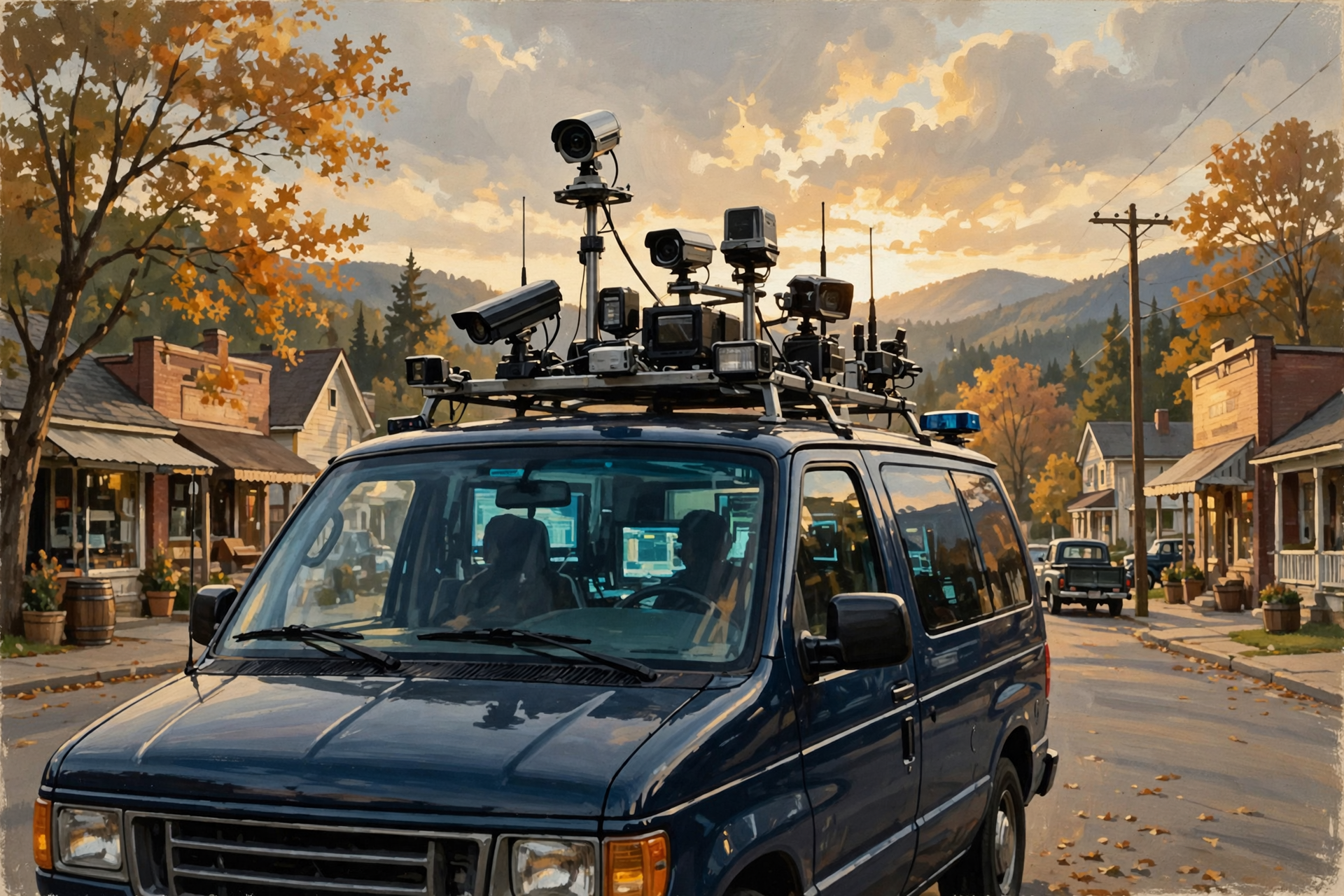
In Serbia, longtime leader Aleksandar Vučić conceded defeat after a year of reports that critics’ phones were hit with Pegasus spyware or cracked with Cellebrite tools during police custody. In England, Hertfordshire Police got two vans dedicated to live face scanning. In Western Australia, police are flying drones from docking stations, dispatched from a command center in Perth, to emergencies before officers arrive. The police minister’s words: “you won’t see us coming.”
What it means for you: If police ever hold your phone, have it checked before you trust it again. More cameras, on vans and in the sky, mean more footage to ask for if you’re building a case.
👉 The Record · BBC News · WA Government
🔌 The Phone Charger That Wasn’t

A former Williams College student got 30 days in jail, out of a one-year sentence, for hiding a camera disguised as a phone charger in a campus gym bathroom. Investigators tied him to it partly through key-card swipes. He can’t own surveillance gear other than home security systems while on probation. The district attorney says Massachusetts’ penalties are far too light.
What it means for you: The charger in the wall is still the No. 1 hiding spot. Businesses should keep their door-swipe logs.
🕵️ From the PI Desk

In Dublin, a tenant hired a licensed private investigator after his landlords said they needed the house for their daughter. The PI checked about 30 times over two months and saw signs of life on only two days. The tenancy board awarded the tenant €837.90 in moving costs plus €500 in damages. And Washington State held a hearing on raising PI license fees starting in January, from $220 to $250 for an individual license.
What it means for you: Good old-fashioned, well-logged legwork still wins. Hire a licensed PI and keep the logs.
👉 The Irish Times · Washington State DOL
— Dunlap.Today
📚 Plain-English AI Glossary

- Ad bidding: The split-second auction that decides which ad you see. Bidders get bits of info about your device and location.
- ALPR: Automated license plate reader, a camera that reads and logs plates as cars pass.
- Pretext stop: A traffic stop for a small violation used as cover for the real reason, sometimes an AI alert.
- AI agent: AI software that can take steps on its own, like logging in, searching, and trying again.
- NFC: Near-field communication, the tap-to-pay chip in bank cards and phones.
- Deepfake: A fake video, photo, or voice made with AI to look or sound like a real person.
- Smart glasses: Eyeglasses with a built-in camera, microphone, and often AI.
- Live facial recognition: Cameras that compare passing faces to a watchlist in real time.
- Spyware: Hidden software that secretly copies what’s on a phone, like messages, location, and the mic.
- TSCM: Technical surveillance countermeasures, the professional name for a bug sweep.
❓ Frequently Asked Questions

Can an ad really reveal where I am?
Ads can pass along your IP address and device details to bidders, and that can hint at your location. Ad blockers and turning off ad tracking in your phone settings cut down that leak.
Can police pull me over because of an AI alert?
The ACLU says it’s happening, often with a minor violation as the stated reason. If it leads to charges, your lawyer can ask what alert or data started the stop.
How do I spot smart glasses?
Look for thick frames with tiny camera lenses near the hinges. Don’t count on the recording light, since it can be covered or disabled.
Is my phone listening to me?
Phones show a mic indicator when the microphone is on, and you can check which apps have mic permission in settings. If you’re truly worried, a TSCM pro can examine the phone.
Why hire a licensed PI?
Licensed investigators know the rules, keep proper logs, and their evidence holds up, like the Dublin tenant whose PI’s notes helped win damages.
✅ This Week’s Counter-Surveillance Checklist

- ✅ Turn on an ad blocker and limit ad tracking on your phone
- ✅ Ask whether a plate-camera alert started any stop that becomes a case
- ✅ Find out where your meeting recordings and transcripts are stored
- ✅ Never tap your bank card on your phone because a caller asked
- ✅ Add “no camera glasses” to meeting-room and locker-room rules
- ✅ Review which apps have microphone permission
- ✅ Have your phone checked if police or anyone else held it
- ✅ Check wall chargers in bathrooms and changing areas
- ✅ Hire licensed PIs, and keep their logs
Practical rule: When ads, algorithms, and eyeglasses can all be watching, cut the data you leak, ask what started the suspicion, and keep your own logs.

Know about an upcoming event or story in the Sequatchie Valley? Submit it here.



0 Comments