
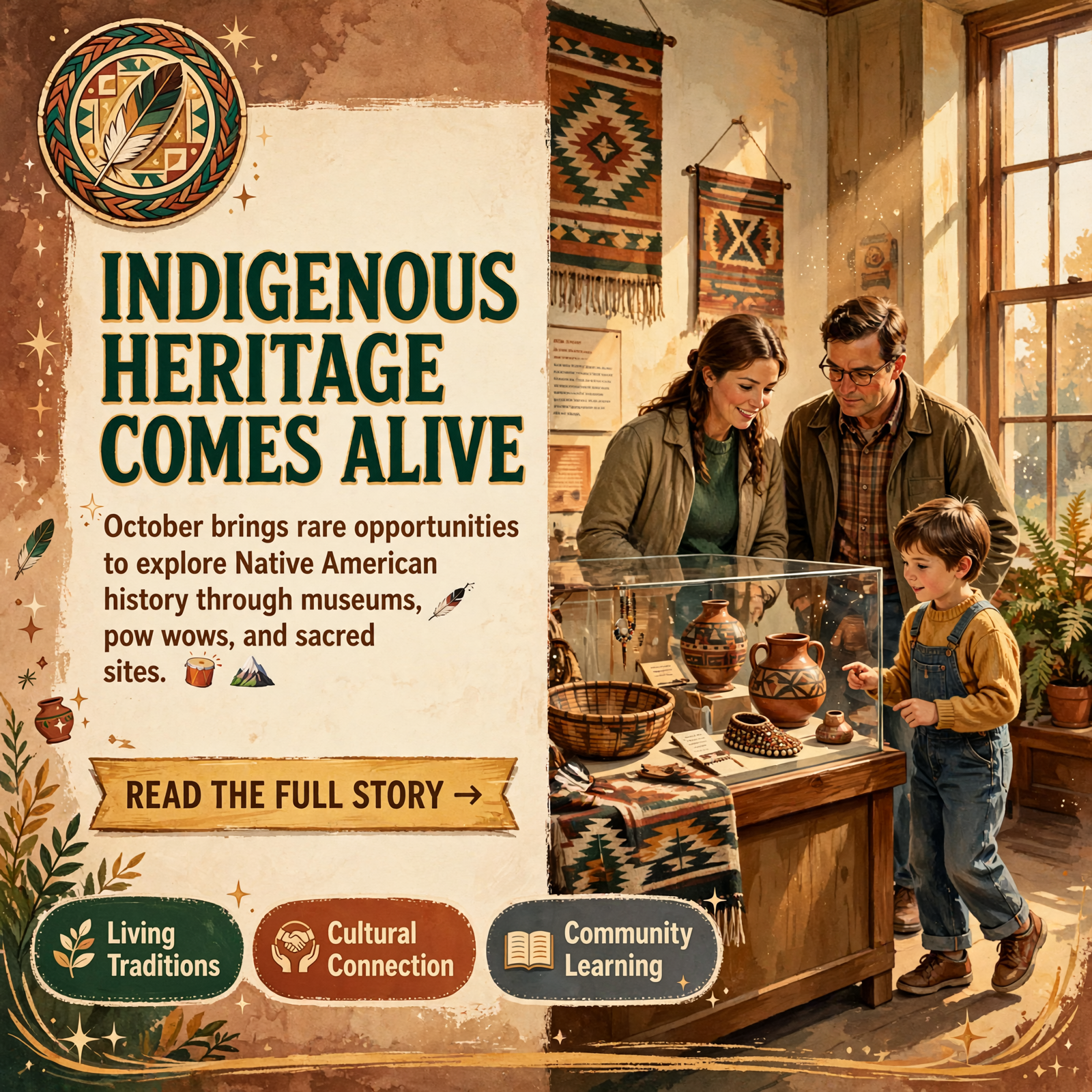
🏛️ Tennessee’s Indigenous History Comes Alive This October – Here’s Where to Start
October 12 marks Indigenous Peoples’ Day, a moment when Tennessee residents can reconnect with the deep roots of Native American history that shaped the state long before European settlement. For readers across the Sequatchie Valley and surrounding communities, this year offers a rare opportunity to explore both historical sites and living traditions – from museum exhibitions to a statewide pow wow – that reveal the complexity and continuity of Tennessee’s Indigenous heritage.
📍 Why This Matters
Tennessee’s Indigenous history spans thousands of years, yet many residents have limited exposure to the people, cultures, and achievements that defined the region before statehood. October 12 serves as a reminder that understanding this history is not academic – it shapes how we understand the land we live on, the communities around us, and the deeper identity of Tennessee itself. 🌍
For families, educators, students, and community members curious about local and state heritage, this October offers accessible entry points. Whether you’re planning a field trip, a family outing, or simply want to deepen your own knowledge, the combination of museum exhibitions and live cultural events creates a fuller picture than any single visit could provide.
🗓️ What’s Happening and When
October 12 – Indigenous Peoples’ Day
This date marks a national observance and a good moment to visit or learn about Tennessee’s major Indigenous heritage sites. The Tennessee State Museum’s First Peoples exhibition offers a comprehensive look at Native American history and culture. Other key destinations include Pinson Mounds, Old Stone Fort, and the Sequoyah Birthplace Museum – each telling different chapters of Tennessee’s Indigenous story. 📚
October 16-18 – Tennessee Indian Education Pow Wow
Long Hunter State Park will host a living celebration of Native traditions, bringing together Indigenous communities, educators, and visitors for three days of cultural exchange. Pow wows are not museum exhibits – they are active, participatory events where attendees can witness traditional dancing, music, crafts, and food while connecting directly with Native peoples and learning from their perspectives. 🎶
❤️ Community Connections and Human Impact
These events and sites create opportunities for residents to build relationships across cultural lines. Teachers can bring students to deepen classroom learning. Families can explore together and ask questions. Local historians and community members interested in regional heritage can connect with state parks, museums, and the Native American Indian Association of Tennessee – organizations dedicated to preserving and sharing these stories. 🤝
For Native American residents and descendants of Tennessee’s Indigenous peoples, these events and sites represent recognition, continuity, and a platform to share their own heritage with the broader community. For everyone else, they offer a chance to listen, learn, and correct historical gaps in understanding.
💡 What Residents Should Know
Museum and Site Visits: The Tennessee State Museum’s First Peoples exhibition is a good starting point for understanding the broader context. Pinson Mounds, Old Stone Fort, and the Sequoyah Birthplace Museum each focus on specific regions and time periods, so visiting multiple sites over time builds a more complete picture. Plan ahead – some sites may have seasonal hours or require advance notice for group visits. 🎫
The Pow Wow Experience: The Tennessee Indian Education Pow Wow at Long Hunter State Park (October 16-18) is open to the public. Pow wows are welcoming events, but it’s helpful to know basic etiquette: ask permission before photographing, respect designated areas, and listen to announcements about appropriate participation. This is a learning opportunity – come with curiosity and respect. ✨
Getting Connected: Guide to Tennessee has compiled these resources and events as part of its mission to showcase Tennessee’s vibrant community and heritage. For more information about specific sites, hours, admission, and event details, reach out directly to the Tennessee State Museum, Tennessee State Parks, the Sequoyah Birthplace Museum, or the Native American Indian Association of Tennessee.
🌄 Local Perspective
For readers in the Sequatchie Valley and surrounding counties, Indigenous history is not distant or abstract – it is embedded in the landscape itself. The valley’s geography, waterways, and ridges were home to Native peoples for millennia. Understanding that history deepens appreciation for the region’s natural and cultural identity. Many nearby state parks and natural areas – including South Cumberland State Park, Fall Creek Falls State Park, and others throughout the Cumberland Plateau – sit on lands with deep Indigenous roots. 🏞️
This October, these events and sites offer a chance to see Tennessee’s Indigenous heritage not as a historical footnote, but as a living, ongoing part of the state’s identity and future.
🔗 Community Threads: Heritage and Continuity
The Museum-to-Community Connection: Museums like the Tennessee State Museum preserve artifacts and knowledge, but pow wows and cultural events bring that knowledge to life through people. Residents who visit both gain a fuller understanding – the exhibition provides context, and the pow wow provides voice and presence. This connection between institutional preservation and living culture strengthens both. 📖
Education and Intergenerational Learning: Teachers, students, families, and community members all benefit when they engage with Indigenous history together. Schools can use these resources to improve curriculum. Families can explore heritage questions together. Elders can share knowledge. These events and sites become gathering places for learning across generations. 👨👩👧👦
Regional Identity and Land Stewardship: Understanding that Tennessee’s landscape has been home to Indigenous peoples for thousands of years changes how residents think about land use, conservation, and community planning. State parks, natural areas, and local communities increasingly recognize this connection and work to honor it. 🌱
❓ Questions Worth Considering
- How much do you know about the Indigenous peoples who lived in Tennessee before European settlement, and where could you learn more?
- What opportunities exist in your own community to learn about or honor local Indigenous heritage?
- How might visiting a pow wow or museum exhibition change your understanding of Tennessee’s history and identity?
- What role should schools, parks, and community organizations play in preserving and sharing Indigenous history?
📅 What Happens Next
October 12 and the October 16-18 pow wow are immediate opportunities, but they are part of a larger, ongoing conversation about Tennessee’s Indigenous heritage. Museums continue to update exhibitions. State parks work to honor and interpret the lands they steward. Community organizations and Native American groups continue to share knowledge and traditions. 🔄
For residents interested in deepening engagement, consider visiting multiple sites over time, attending educational programs, or connecting with local organizations that focus on heritage and history. These events are not one-time moments – they are invitations to a longer journey of understanding.
🌟 Long-Term Community Impact
When communities engage with Indigenous history authentically – through museums, pow wows, and direct relationships with Native peoples – several things shift. Historical understanding improves. Respect for the land deepens. Educational outcomes strengthen. And community identity becomes more complete and accurate. Over time, this can influence how residents think about conservation, education, civic planning, and their own place in Tennessee’s story. 🎯
For the Sequatchie Valley and surrounding regions, recognizing and honoring Indigenous heritage is part of strengthening local identity and ensuring that future generations understand the full, complex history of the places they call home.

0 Comments