
🛣️ Songer Transport Builds Road Infrastructure for New Subdivision Development
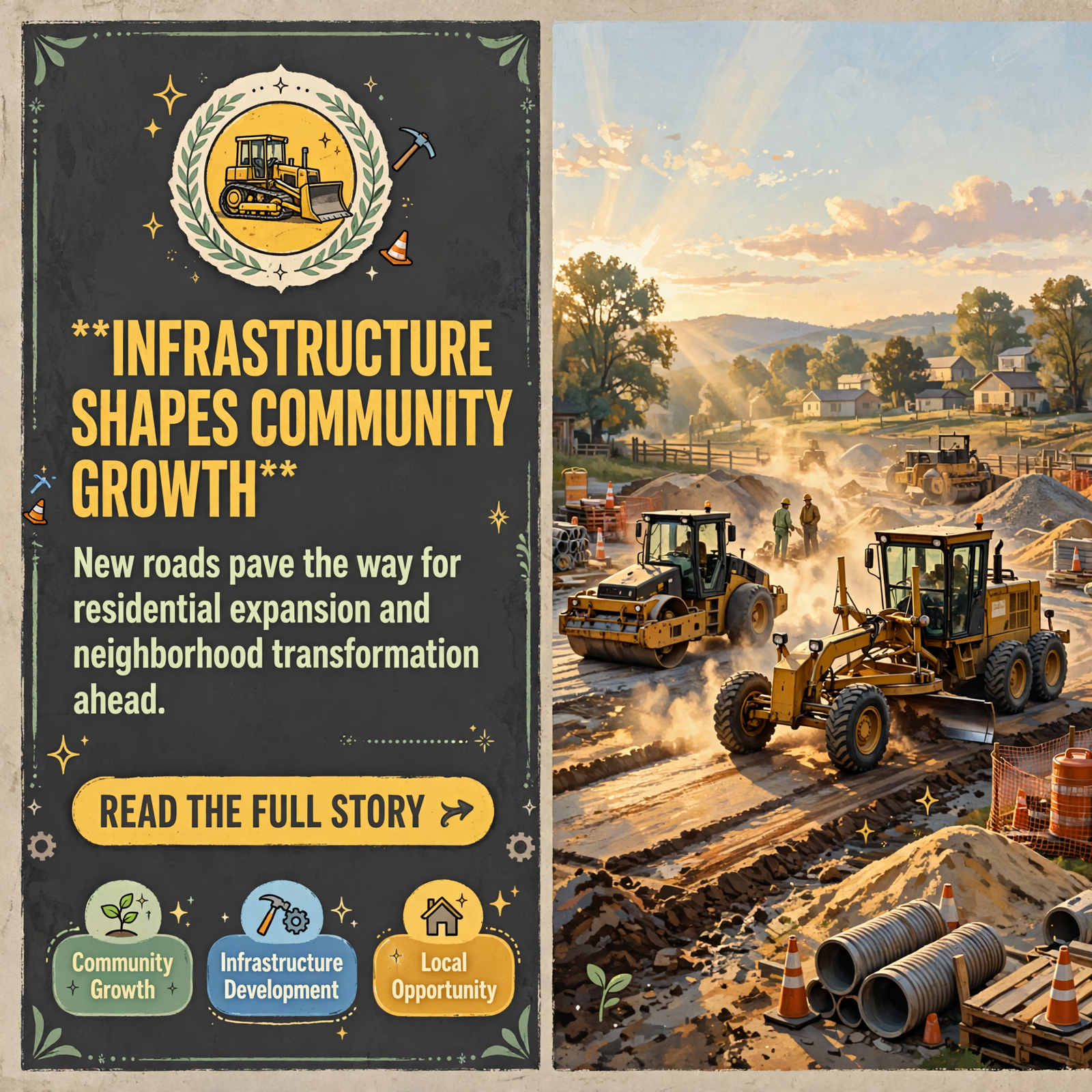
Construction activity across the region continues to reflect growing development pressure, with established local contractors taking on infrastructure projects that shape how communities expand. Songer Transport, a regional earthwork and hauling specialist based in Graysville, is currently engaged in road construction and site preparation work for a new residential subdivision.
📍 What’s Happening
Songer Transport has been actively involved in cleaning and building road infrastructure for a new subdivision project. The work involves earthwork material transport and site preparation-core services the company specializes in as a regional trucking and hauling operation. The project represents the kind of foundational construction work that precedes residential development and shapes the physical layout of growing communities.
💡 Why This Matters
Subdivision development and road construction are visible indicators of growth and change in a region. When new residential areas are built, they affect traffic patterns, property values, school enrollment, local services demand, and the character of surrounding neighborhoods. Road infrastructure projects like this one determine how residents will access new homes, how emergency services will reach the area, and how the subdivision will integrate with existing communities. For property owners near the development, understanding these projects helps clarify what changes may be coming to their area.
🏗️ Community Connections
Subdivision development typically involves coordination among multiple local contractors, engineers, municipal planning departments, and utility companies. Songer Transport‘s role in site preparation and road building connects to a broader network of construction professionals and municipal infrastructure planning. The project may also affect local material suppliers, equipment rental services, and other contractors involved in the broader development process. For residents in areas experiencing similar growth, these projects often become topics of community discussion about planning, density, and neighborhood character.
👥 Human Impact
New subdivisions bring new residents to an area, which can mean new families enrolling in local schools, new customers for area businesses, and new neighbors for existing residents. The construction phase itself creates temporary activity-equipment, traffic, and work schedules-that may affect nearby property owners. Once completed, the road infrastructure and homes will shape how people move through the area and interact with their surroundings for decades. For construction workers and equipment operators, projects like this represent employment and business opportunity during the active building phase.
🔄 What Happens Next
Road construction and site preparation are typically early phases of subdivision development. Once infrastructure is complete, the project will likely move into home construction, utility installation, and final landscaping phases. Residents in the area may want to monitor the project’s progress and completion timeline, as finished roads and new homes will eventually change local traffic patterns and neighborhood composition. The subdivision’s opening will likely be followed by a period of new resident move-ins and integration into the community.
❓ Questions Worth Considering
- How might new residential development in this area affect traffic patterns on nearby roads?
- What services (schools, emergency response, utilities) may need to expand to serve new residents?
- How do residents in adjacent neighborhoods feel about the growth and change this development represents?
- What opportunities might new residents create for local businesses and community organizations?
- How does this project fit into the broader planning and zoning decisions of the municipality?
🌱 Long-Term Community Impact
Subdivision development shapes the long-term character and growth trajectory of a region. New residential areas can bring economic vitality, expand the tax base, and create housing opportunities-but they also change traffic patterns, affect school capacity, and alter the feel of established neighborhoods. Over time, how well the new subdivision integrates with existing communities, how its infrastructure holds up, and whether it attracts the intended demographic will influence the area’s future development patterns and community identity. Projects like this one are part of the ongoing conversation about growth, planning, and what kind of community residents want to build.

0 Comments