
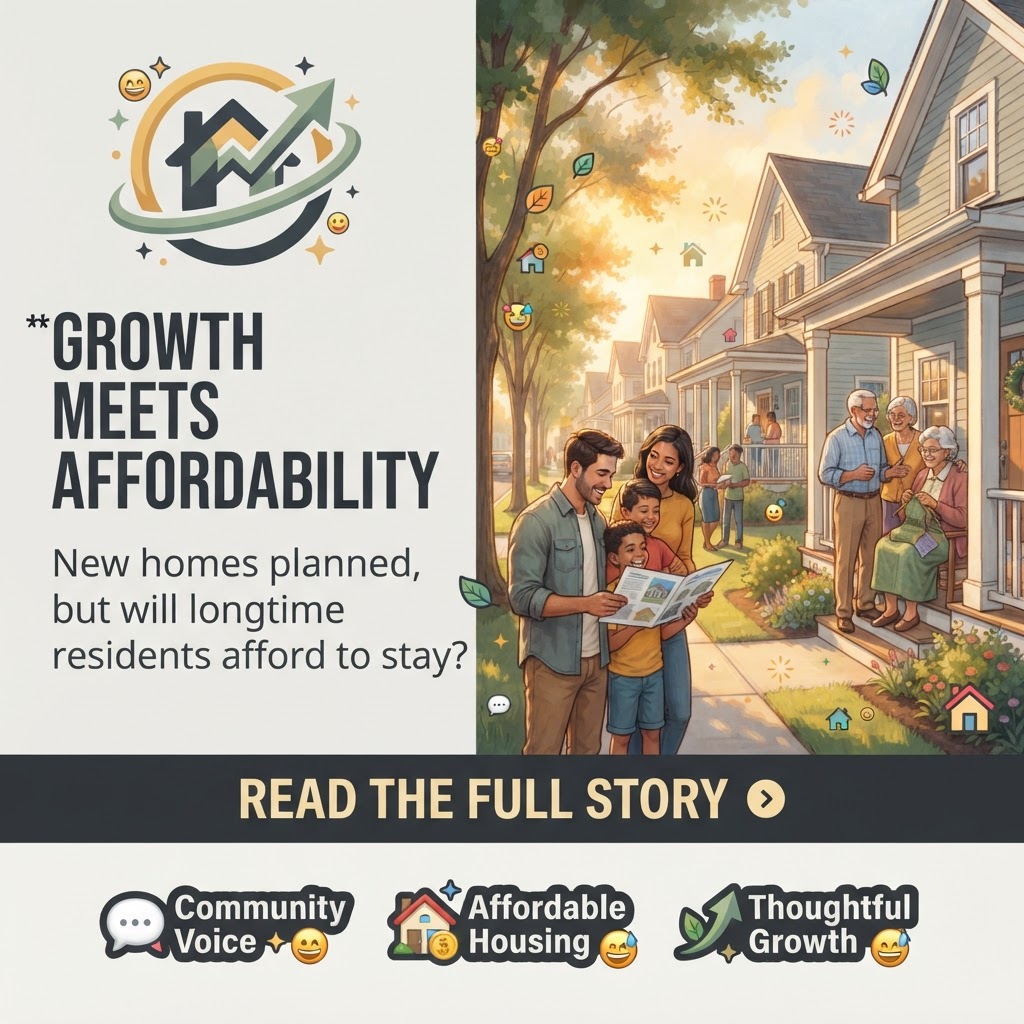
🏘️ Proposed Residential Development Sparks Community Conversation About Growth and Affordability
A proposed residential development project has drawn attention from community members concerned about housing affordability and the pace of local growth. The discussion reflects broader questions many neighborhoods face as they balance development opportunities with the needs of long-time residents.
📍 What’s Being Proposed
According to community discussion, a residential development involving approximately 60 homes is being planned in a local area. The project has generated significant conversation on social media, with residents expressing concerns about the scale, design, and accessibility of the homes for existing community members. 🏗️
💭 Why This Matters
Housing development decisions shape a community’s future in tangible ways. When new residential projects are built, they affect property values, neighborhood character, local infrastructure needs, school enrollment, and the economic diversity of a community. For residents who have lived in an area for generations, rapid development can feel like a fundamental shift in the place they call home. The affordability question-whether new homes will be accessible to people who grew up in the community-touches on economic opportunity and whether longtime residents can afford to stay as their neighborhoods change. ✨
🤔 Community Concerns
The social media discussion reveals concerns about housing affordability and whether new development serves the needs of existing residents. Community members have expressed worry that new homes may be priced beyond what local families-especially those raised in the area-can realistically afford. This reflects a tension many growing communities face: development can bring investment and opportunity, but it can also price out the very people who built the community’s foundation. 📢
❓ Questions Worth Considering
As residents think about this development and others like it, several questions may help frame the broader conversation:
- What role should local government play in ensuring that new housing remains accessible to people at different income levels?
- How can communities balance growth with preserving affordability for longtime residents and their families?
- What infrastructure-schools, roads, utilities, services-will be needed to support new residents?
- Are there opportunities for community input on development plans before decisions are finalized?
- What do residents want their community to look like in 10 or 20 years, and how should that vision guide growth decisions?
🗳️ What Happens Next
Development projects typically move through local planning and zoning processes that include opportunities for public comment. Residents interested in learning more about this project-its timeline, design, infrastructure impact, or affordability components-may want to attend local government meetings, review planning documents, or reach out to elected officials. Community engagement early in the process can help shape how projects develop and what considerations are prioritized. 📋
🏘️ Long-Term Community Impact
How communities manage growth today affects their character, economic health, and social fabric for decades. When housing becomes less affordable, younger families and longtime residents may move away, changing the community’s demographics and culture. Conversely, thoughtful development can bring new residents, economic activity, and resources. The key question many communities face is whether growth happens intentionally-with input from residents and planning for affordability, infrastructure, and community values-or whether it happens reactively, driven primarily by market forces. The decisions made now will shape what this community looks like and who can afford to live here in the future. 🌄
💬 Community Threads: Growth, Belonging, and Local Voice
The Generational Continuity Thread: When longtime residents worry that new homes won’t be affordable for people “raised up here,” they’re expressing concern about whether future generations can stay in their home community. This thread connects family history, economic opportunity, and a sense of belonging. Communities where young people must leave because housing is unaffordable lose continuity, institutional knowledge, and the presence of people with deep roots. Understanding this concern helps explain why development isn’t just about adding houses-it’s about who gets to stay and build their lives where they grew up. 👨👩👧👦
The Civic Participation Thread: The post’s reference to voting and mayoral decisions reflects residents’ understanding that local government choices shape community outcomes. This thread connects individual votes, elected leadership, and collective responsibility for the community’s future. When residents feel heard-or unheard-in development decisions, it affects their trust in local institutions and their willingness to participate in future civic conversations. Strong communities create pathways for residents to understand, discuss, and influence decisions that affect their neighborhoods. 🗳️
The Shared Values Thread: Beneath the disagreement about growth lies a shared concern: what kind of community do residents want to live in? Some may prioritize growth and economic development; others may prioritize affordability and stability. These aren’t necessarily opposing values-they’re different priorities that communities can often address together through thoughtful planning. When residents understand each other’s concerns, they’re better positioned to find solutions that work for more people. 🤝


0 Comments