
🌤️ A Record Soaker, a Dry Week and the First Frost Likely Saturday Night — Your Farm & Garden Report
Or: Chattanooga Sets a Daily Rain Record, Today’s Drought Map Came Before the Rain, Frosted Fescue Gets Sweet for Founder-Prone Horses, How to Tell Dry Firewood From Green, a New UT Study on Native Summer Grasses, and Monday’s FSA Loan Date
By Thomas Seest, Dunlap.Today · Thursday, November 5, 2026
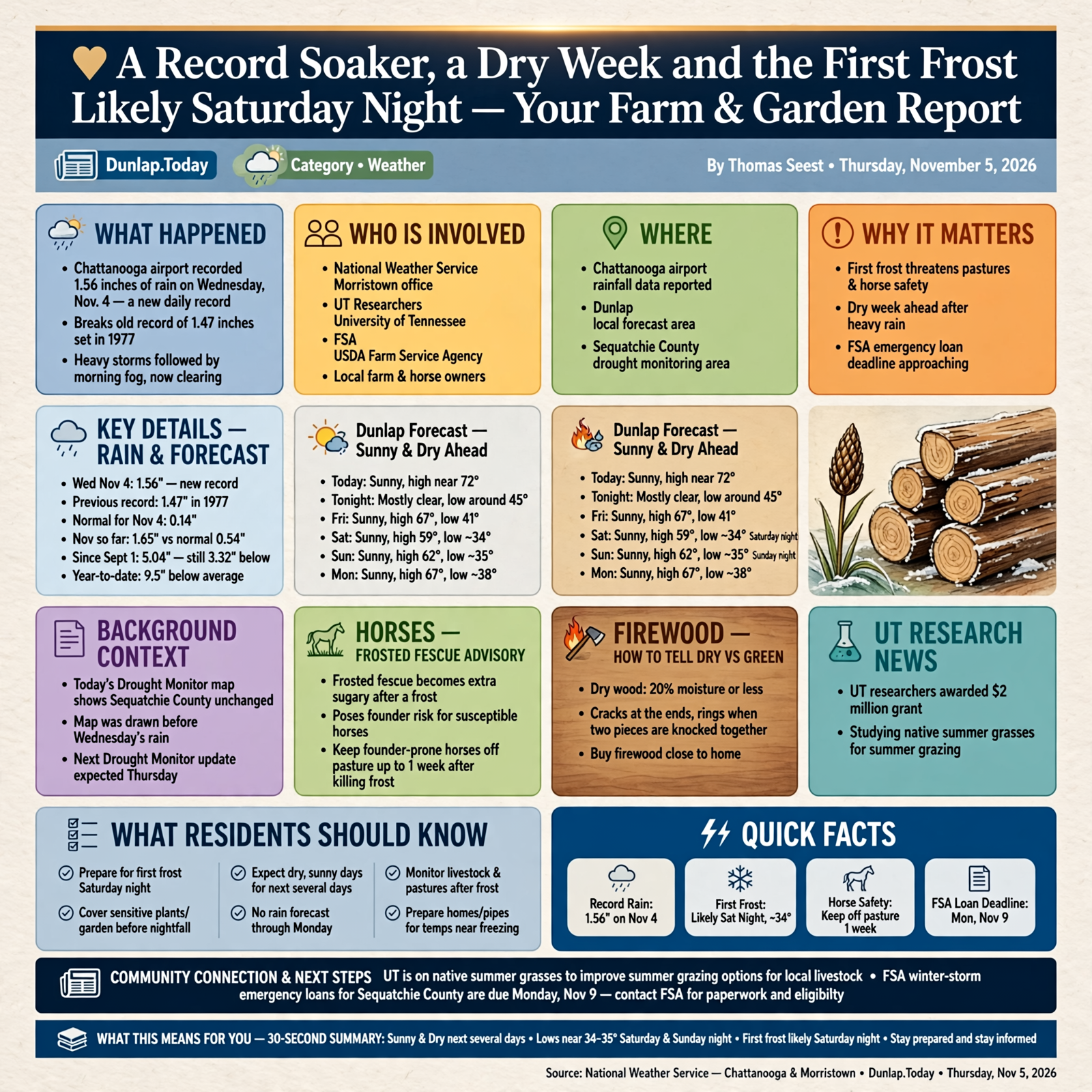
Good morning. The rain gauge finally earned its keep. Wednesday’s storms dropped 1.56 inches at the Chattanooga airport, a new record for Nov. 4, beating the old mark of 1.47 inches set in 1977. After this morning’s fog, the National Weather Service forecast for Dunlap turns sunny and dry for the next several days. The big change is the cold. The Morristown office says Saturday night “will likely be the first frost for many places, along with a first freeze for some as well.”
Here’s the roundup. First, the rain totals and the frost forecast. Then today’s Drought Monitor map, which was drawn before the rain, so don’t be surprised it looks the same. For horse owners, we explain why frosted fescue gets sweeter and why that matters for founder-prone horses. With the first cold weekend coming, we’ve got a quick guide to dry firewood. UT researchers also landed a $2 million grant to study native grasses for summer grazing. Finally, the FSA winter-storm loan deadline is Monday. A short checklist is at the end.
⏱️ What this means for you in 30 seconds
- Weather (local): Sunny and dry. Lows near 34 Saturday night and 35 Sunday night. The Weather Service says the first frost is likely Saturday night for many places.
- Rain (regional): Chattanooga got 1.56 inches Wednesday, a daily record. It’s still about 3.3 inches behind since Sept. 1.
- Drought map (local): Sequatchie County is unchanged on today’s map, but the map didn’t count Wednesday’s rain. Watch next Thursday’s.
- Horses (general extension advice): Frosted grass can be extra sugary. Founder-prone horses may need to stay off pasture for up to a week after a killing frost.
- Firewood: Dry wood reads 20% moisture or less, cracks at the ends and “rings” when you knock two pieces together. Buy firewood close to home.
- Paperwork (federal): FSA winter-storm emergency loans for Sequatchie County are due Monday, Nov. 9.
🌤️ A Record Soaker, a Dry Week, and the First Frost Likely Saturday Night
This is local for the forecast, with regional rain numbers from the Chattanooga airport. The Weather Service’s Chattanooga climate report for Wednesday, Nov. 4, shows:
- Rain: 1.56 inches, a record for the date. The old record was 1.47 inches in 1977. A normal Nov. 4 brings about 0.14 inch.
- November so far: 1.65 inches, about three times the normal 0.54 inch for this point in the month.
- Since Sept. 1: 5.04 inches, still 3.32 inches below normal. For the year, the airport is 9.5 inches behind.
Here’s the National Weather Service forecast for Dunlap, as of its 8:37 a.m. CST update:
- Today: Sunny. High near 72, falling to around 63 in the afternoon. Tonight: Mostly clear, low around 45.
- Friday: Mostly sunny, high near 67. Friday night: Low around 41.
- Saturday: Sunny, high near 59. Saturday night: Mostly clear, low around 34.
- Sunday: Sunny, high near 62. Sunday night: Mostly clear, low around 35.
- Monday: Sunny, high near 67. Low around 38.
The Morristown office’s forecast discussion says high pressure settling overhead Saturday night will send lows “well into the 30s.” It adds: “This will likely be the first frost for many places, along with a first freeze for some as well.” After that, it expects “a gradual warming trend” next week with dry weather continuing. The Hazardous Weather Outlook, which includes Sequatchie County, says “No hazardous weather is expected” Friday through next Wednesday.
A neighbor note: the same storm dropped 6 to 10 inches in north Georgia, by radar estimate, and the Ocoee River at Copperhill crested at a record level this morning. That’s in Polk County, well east of us, and the Weather Service expects the water there to go down slowly through tonight.
What it means for you: Wednesday’s rain was like a good Sunday dinner after a long week: it doesn’t fix everything, but everybody feels better. The ground got a real drink, and now we get a string of sunny days to work in. Plan Saturday afternoon as “tuck-in time” for anything tender. If you have Johnsongrass, sudangrass or sorghum-sudangrass pastures, UT’s Beef & Forage Center says to wait 10 to 14 days after a frost before grazing them. Write down the date of your first frost so you know when the clock started.
👉 Read more (NWS Morristown discussion) · NWS Dunlap forecast · NWS Chattanooga climate report · UT Beef & Forage: Prussic acid after frost (PDF)
🗺️ Today’s Drought Map Came Before the Rain: Next Thursday Is the One to Watch
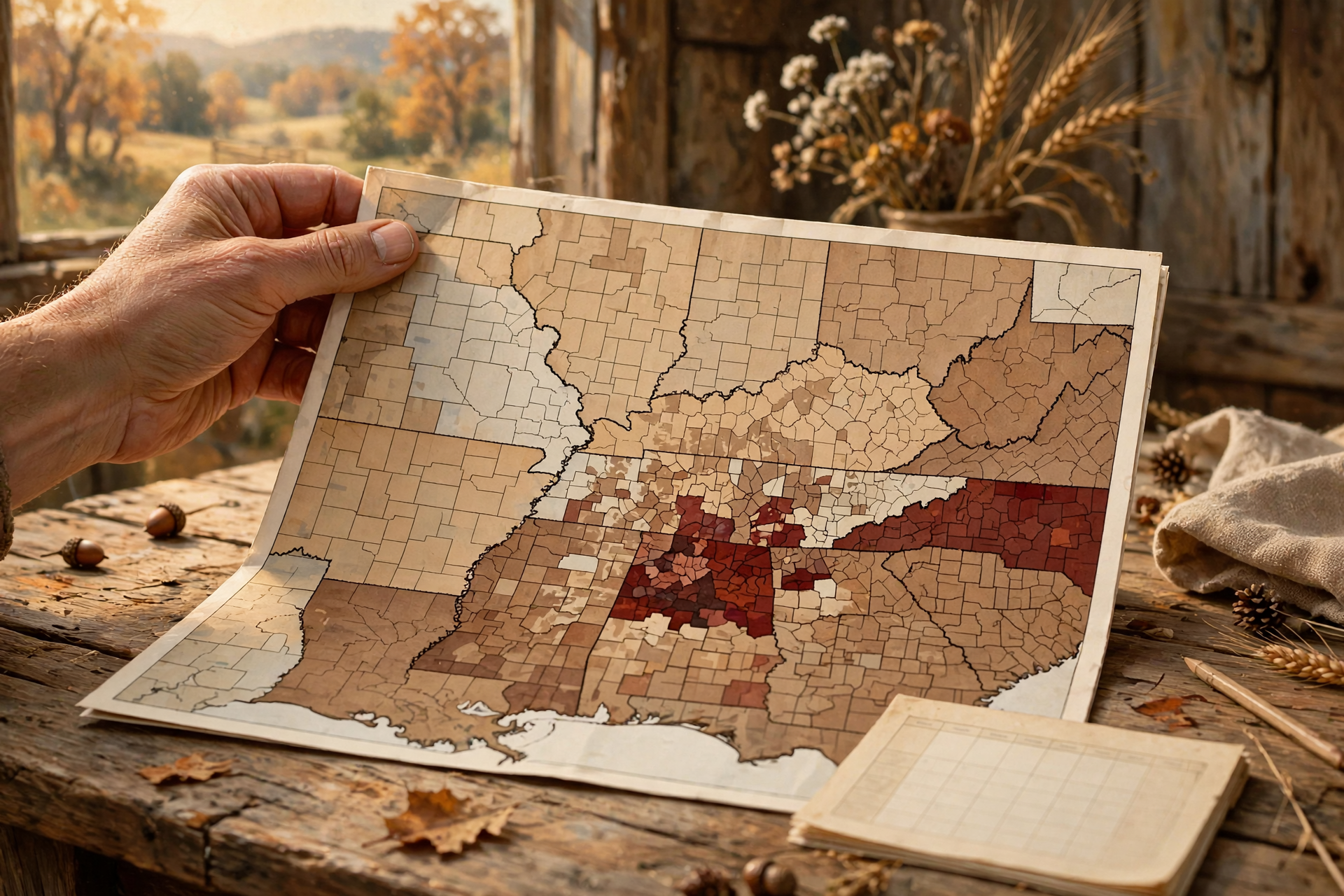
This is local and statewide. The U.S. Drought Monitor map released this morning uses data through Tuesday morning, so it does not include Wednesday’s rain. Here’s what it shows:
- Sequatchie County: No change from last week. All of the county is in moderate drought (D1), about 17% is in severe drought (D2), and a sliver, less than 1%, is in extreme drought (D3).
- Our neighbors: Grundy County is nearly all in severe drought, with about 65% in extreme drought. Marion County is almost all moderate, with about 20% severe. About half of Bledsoe County is in moderate drought. Rhea County is only “abnormally dry,” and Hamilton County is mostly abnormally dry, with about 10% in moderate drought.
- Statewide: The share of Tennessee in extreme drought or worse dropped from about 38.6% last week to about 29.4%. The share in at least moderate drought rose a little, to about 72.9%.
What it means for you: Today’s map is like a photo taken right before the family walked in the door: accurate, but a little out of date. The first map to count Wednesday’s rain comes out next Thursday, Nov. 12. One good rain won’t erase a dry fall, so keep feeding hay where pastures are short and let them recover.
👉 Read more (U.S. Drought Monitor: Tennessee)
🐴 For Horse Owners: Frost Makes the Grass Sweeter, and That Matters for Founder-Prone Horses
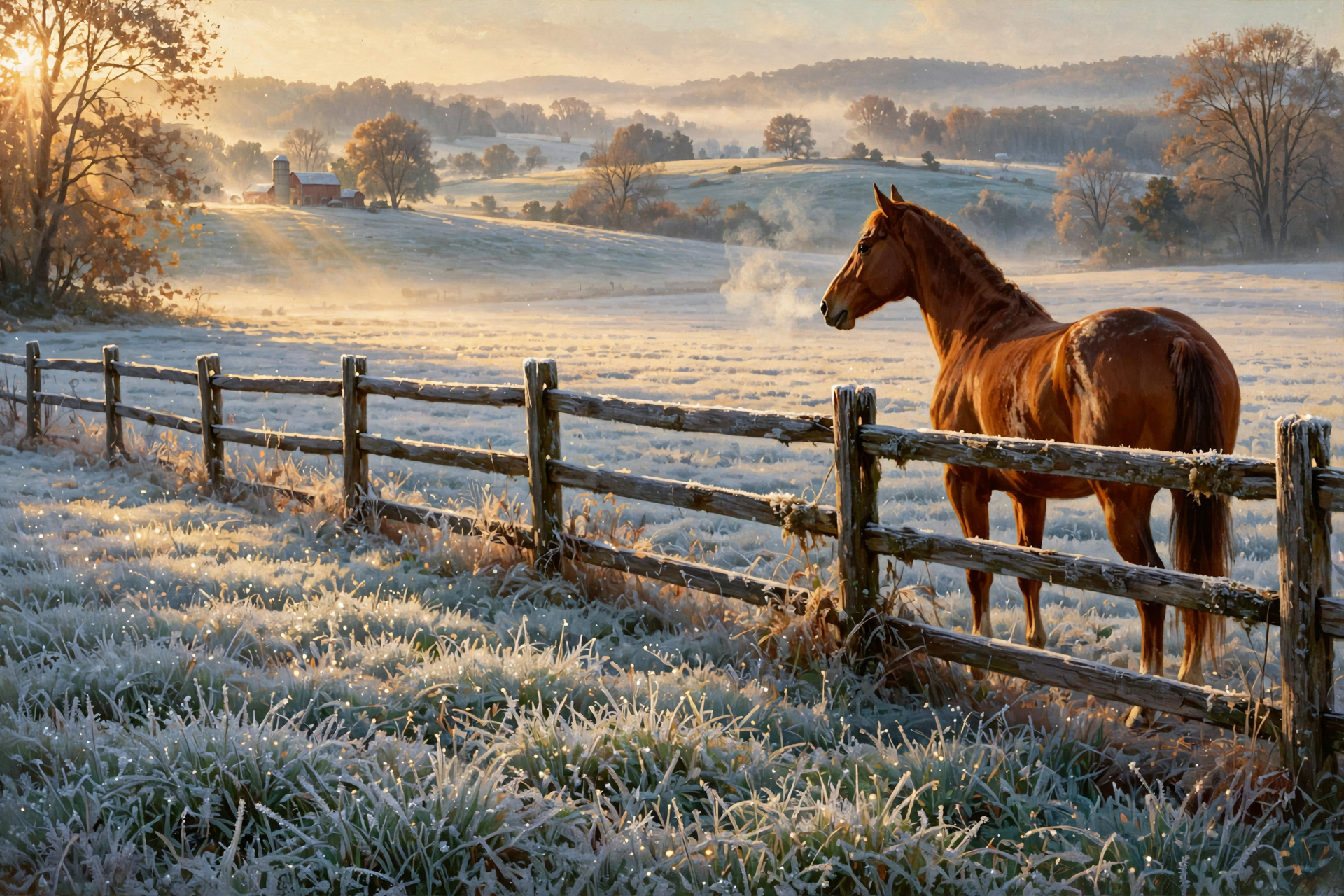
This is general extension advice for anyone with horses, ponies or donkeys on cool-season grass like fescue. University of Minnesota Extension and N.C. Cooperative Extension explain that grass stores sugar during the day and uses it at night to grow. When nights turn cold, growth slows, and the sugar piles up. For horses prone to laminitis (founder), that sugar can be trouble. Here’s what they say:
- When sugar runs highest: Minnesota lists cool nights with warm, sunny days, the time after a hard freeze, and drought. It also says plants collect sugar when temperatures fall below 40°F. This weekend checks all those boxes.
- After a killing frost: To help prevent colic and founder, Minnesota recommends waiting up to a week before turning horses back onto pasture.
- Who’s most at risk: N.C. Extension names horses that are overweight or have EMS, insulin resistance or Cushing’s. It says fescue and other cool-season grasses are most often the culprit.
- Best time to graze: Minnesota says sugar is lowest early in the day, so at-risk horses that do graze should go out between 3 a.m. and 10 a.m. A grazing muzzle can help too.
- Don’t graze it to the dirt: The lower part of the plant holds the most sugar. N.C. Extension suggests keeping pastures at 4 to 6 inches and feeding some hay before turnout so horses don’t gorge.
- Two more frost cautions: Minnesota says to keep horses away from wilted maple and cherry leaves and off frost-damaged sorghum-sudangrass.
What it means for you: After a frost, fescue is like the pie on the counter the morning after Thanksgiving: hard to resist and easy to overdo. Most healthy, fit horses handle it fine. But if you have an easy keeper or a horse that has foundered before, plan a few days in the dry lot with hay after Saturday night. Talk with your vet about what’s right for your horse.
👉 Read more (UMN Extension: Horse pasture drought and frost concerns) · UMN Extension: Grazing horses prone to laminitis · N.C. Extension: Preventing laminitis in grazing horses
🪵 First Fire of the Season? Make Sure the Wood Is Dry, and Buy It Close to Home
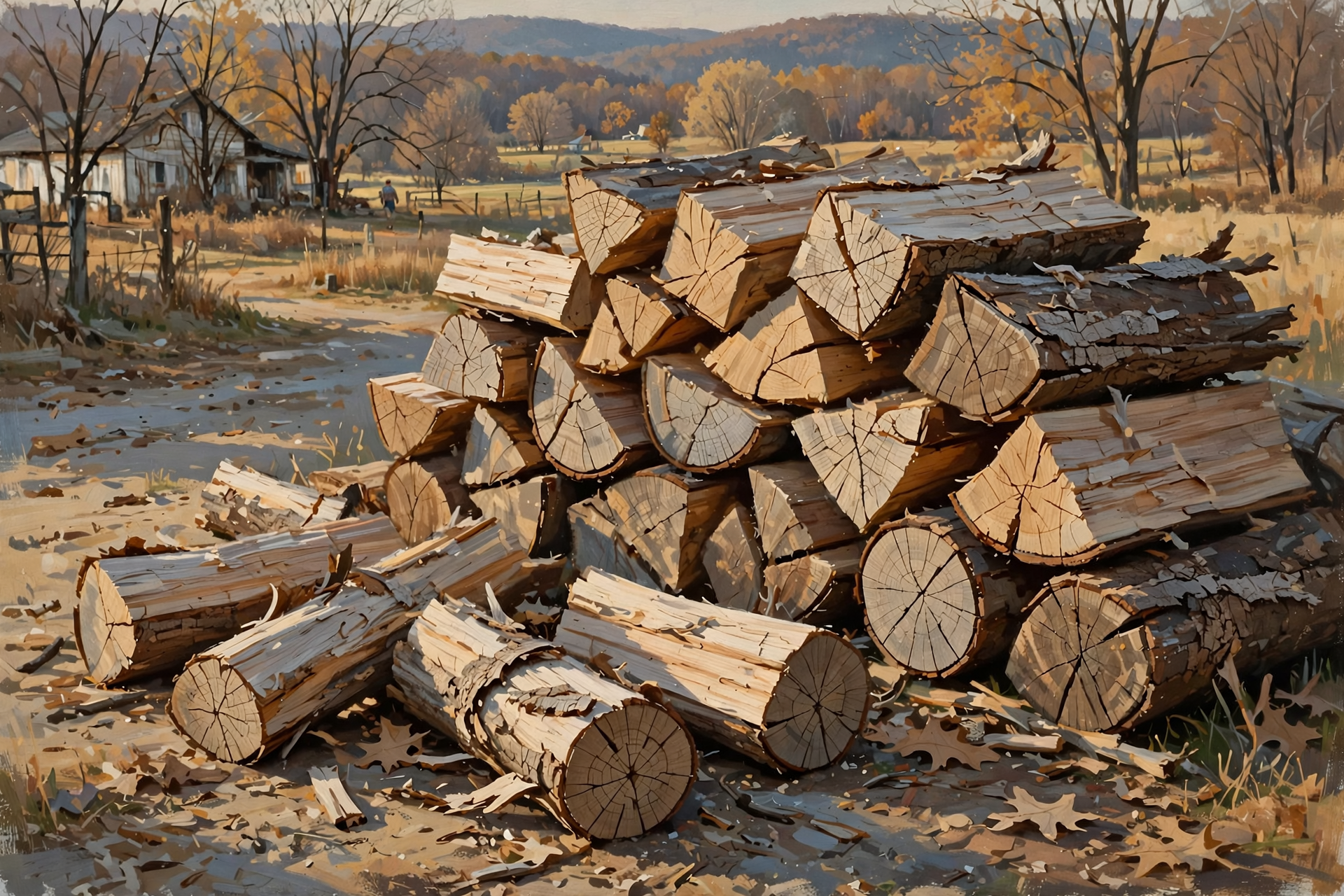
This is general advice, with a statewide firewood rule. A frosty weekend means many of us will light the woodstove or fireplace for the first time. Dr. Adam Taylor, a wood products specialist with UT’s School of Natural Resources, says moisture is “the most important factor in providing a safe, clean and efficient fire.” Here’s what UT and University of New Hampshire Extension say:
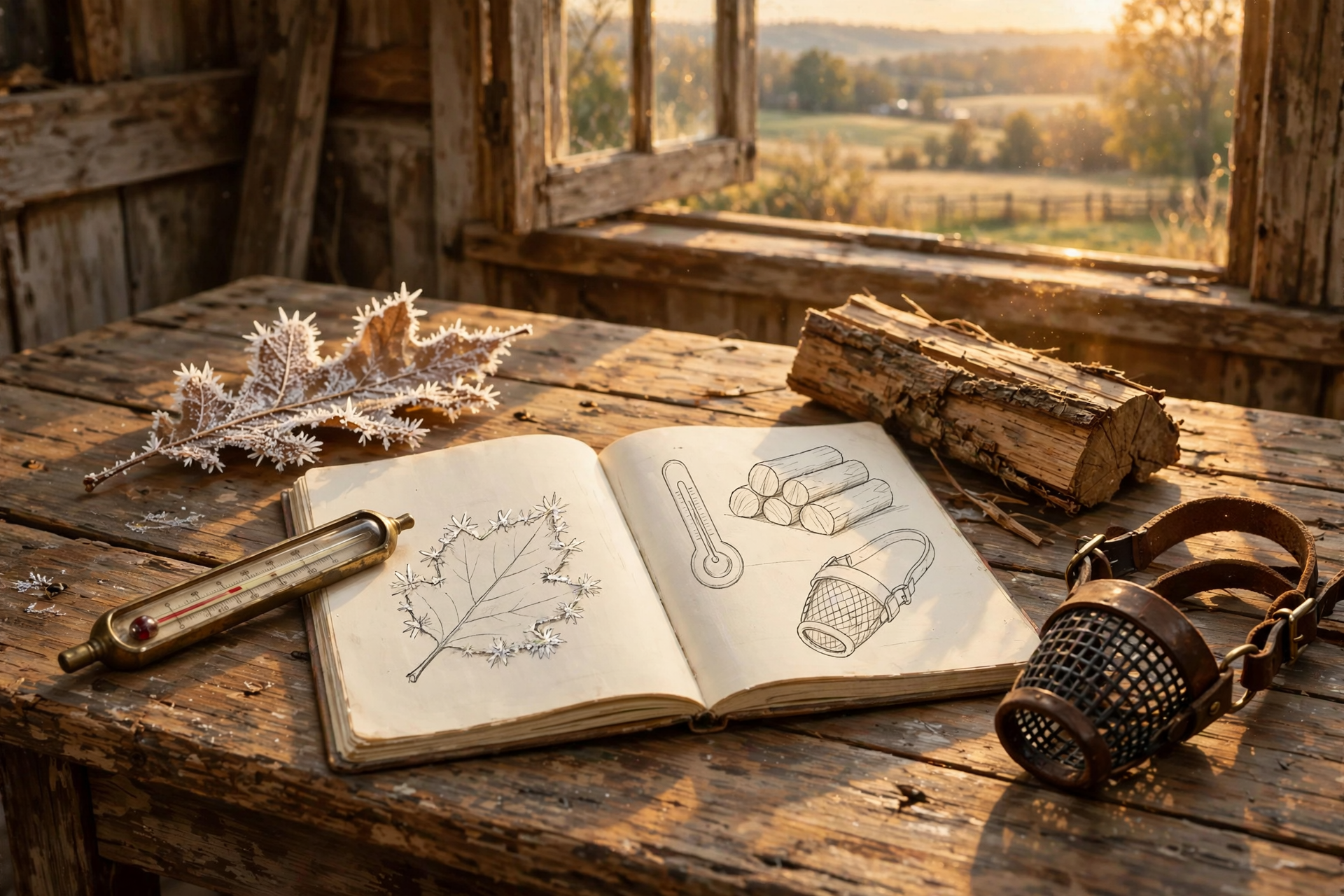
- The magic number: Wood is dry enough when a moisture meter reads 20% or less. Split a piece and test the fresh inside face, and test several pieces from different spots in the pile.
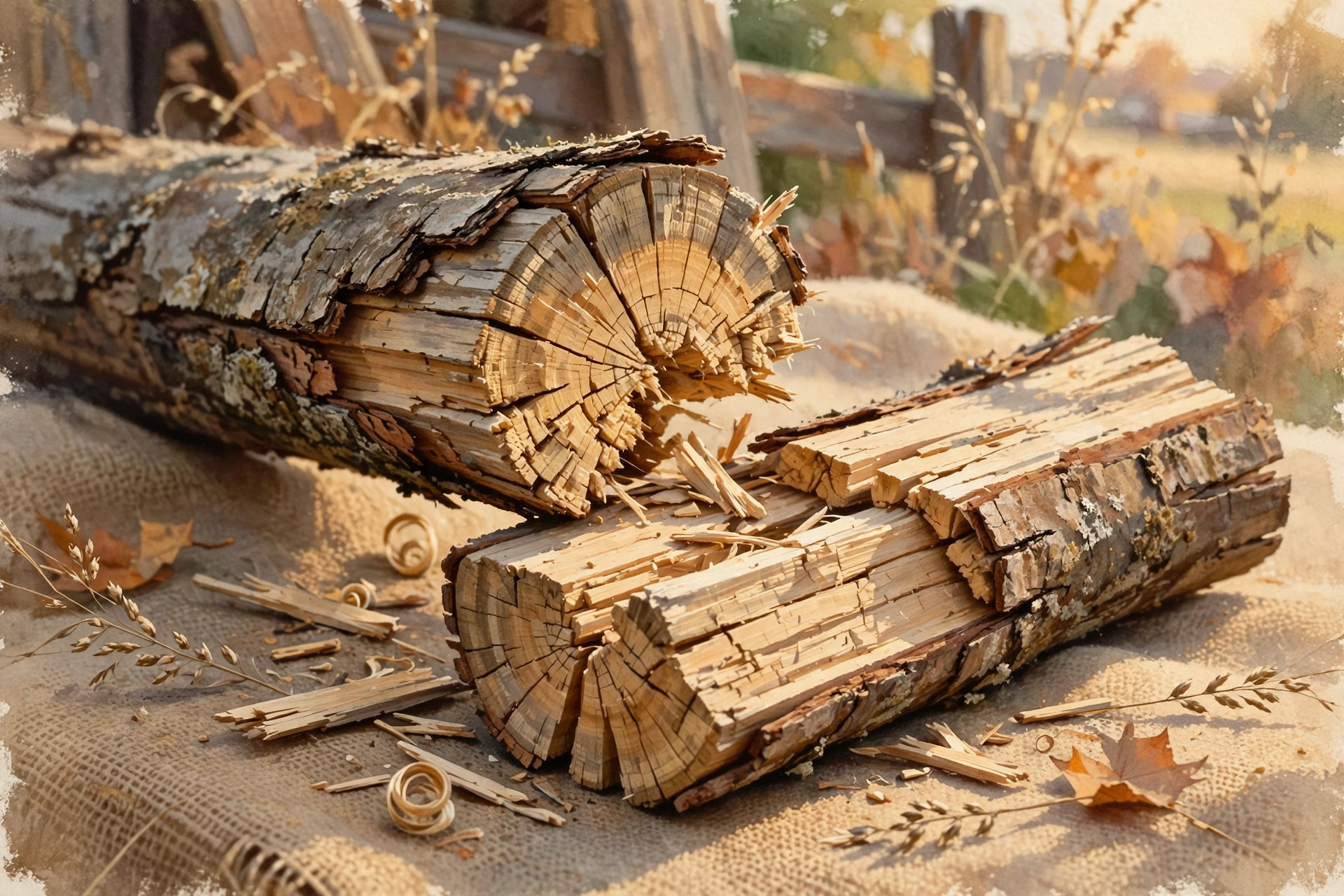
- No meter? Use your senses: Dry wood has cracks on the ends, feels lighter, and its bark often comes off easily. Knock two pieces together: dry wood “rings,” wet wood “thuds.”
- Why it matters: Wet wood gives less heat and more smoke, and it builds up creosote in the chimney, which can lead to chimney fires.
- How long it takes here: Taylor says in Tennessee, firewood usually dries after one summer, if it’s split, kept out of the rain and gets good airflow.
- About those store bundles: Taylor notes that “heat treated” or “kiln dried” labels mean the wood was treated to kill insect pests. That is no guarantee the wood is dry.
The national Don’t Move Firewood program says Tennessee bans out-of-state firewood unless it’s certified, heat-treated and labeled, because pests like the emerald ash borer can hide in it. Inside the state, everyone is encouraged to use local or certified heat-treated firewood.
What it means for you: Firewood is like cornbread batter: it has to sit a while before it’s ready. If this year’s pile is green, burn the oldest, driest wood first and save the fresh splits for next winter. Buying a load? Buy from someone in the Valley, not from across the state line. And if you haven’t had the chimney checked in a while, this is a good week to do it.
👉 Read more (UT Forestry, Wildlife & Fisheries newsletter, PDF) · UNH Extension: Is my firewood seasoned? · Don’t Move Firewood: Tennessee
🌾 UT Gets $2 Million to Study Native Grasses for Summer Grazing
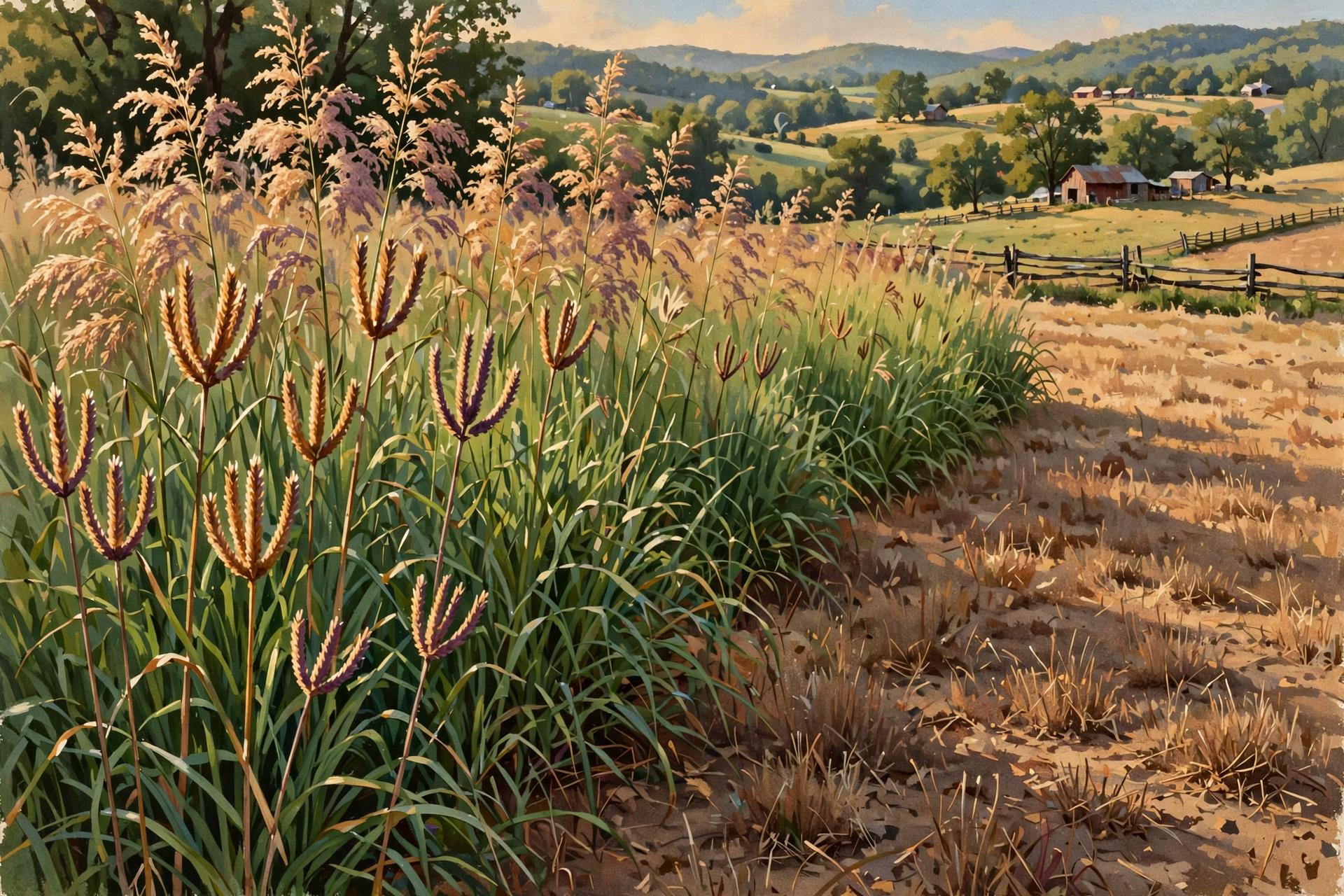
This is statewide news, released this morning. The University of Tennessee Institute of Agriculture says its researchers won a $2 million grant from the U.S. Department of Agriculture to study the best ways to organically establish native warm-season grasses in pastures. Here are the basics:
- The grasses: Switchgrass, eastern gamagrass, and a blend of big bluestem, little bluestem, Indiangrass and sideoats grama.
- Why it matters: UTIA says these grasses help livestock farmers extend the grazing season through hot summers, when fescue slows down. It also notes fescue may contain toxic alkaloids that affect livestock health.
- What they’ll test: Three ways to get the grasses started: reduced tillage in spring or fall followed by planting, interseeding legumes, and prescribed burning.
- Where and how long: Four years of trials at the UT East Tennessee AgResearch and Education Center and a USDA research center in Booneville, Arkansas, plus two on-farm demonstrations on certified organic land in Tennessee and Arkansas.
Lead researcher Sindhu Jagadamma said native warm-season grasses are “an attractive practical option to increase summer forage production in this region,” but that good organic ways to establish them “remain limited.” UTIA says the results will feed into Extension programs for farmers.
What it means for you: Think of fescue and native grasses like a winter coat and a summer shirt: you want both in the closet. This study won’t change anything on your farm this year, but it’s worth knowing that help is coming for those of us whose fescue browns out every August. Your county Extension office can already talk with you about native grasses if you’re curious.
👉 Read more (UTIA: Native warm-season grasses study) · UT Extension Sequatchie County
💵 Paperwork Corner: Monday’s Loan Date, and a New Drought Designation Out West

This is federal, with dates for our county:
- Monday, Nov. 9: Deadline to apply for FSA winter-storm emergency loans. Sequatchie and Hamilton are primary counties. Bledsoe, Grundy, Marion and Van Buren are contiguous counties and also eligible.
- New this week, not for us: On Nov. 4, USDA named Shelby County in far West Tennessee a drought disaster area, with Fayette and Tipton counties also eligible. That doesn’t change anything for the Valley.
- Our drought designation: Sequatchie County farmers can still ask about drought emergency loans through Jan. 6, 2027.
- Other dates: FSA county committee ballots due Dec. 7. 2026 ARC/PLC enrollment ends Dec. 11. Dairy Margin Coverage signup ends Dec. 18. 2027 ARC/PLC runs through March 15, 2027.
What it means for you: Monday’s deadline is like the last day to return a library book: easy to make, easy to forget. If last winter’s storms cost you equipment, livestock or income, call the Jasper USDA Service Center (3709 Main St., 423-942-2244) Friday or Monday. The office is closed Wednesday, Nov. 11, for Veterans Day.
👉 Read more (FSA: Winter-storm emergency loans, Tennessee counties) · FSA: Shelby County drought designation · FSA: National deadlines
📌 Sticky Notes for the Fridge

- Today, Thursday, Nov. 5: Sunny after the fog. New Drought Monitor map (made before Wednesday’s rain).
- Friday, Nov. 6: Tennessee Forage & Grassland Council annual meeting, 8 a.m. to 1:30 p.m. CT, Clyde M. York 4-H Center, Crossville. Registration required.
- Saturday afternoon, Nov. 7: Cover or bring in tender plants. Move founder-prone horses to the dry lot if you plan to.
- Saturday night, Nov. 7: Low near 34. First frost likely for many places, a first freeze for some.
- Sunday night, Nov. 8: Low near 35, mostly clear.
- After your first frost: Start the 10-to-14-day clock for Johnsongrass and sorghum-type pastures. Write the date down.
- Monday, Nov. 9: FSA winter-storm emergency loan deadline (Sequatchie is a primary county).
- Wednesday, Nov. 11: Veterans Day. USDA Service Centers closed. UT Beef & Forage Center broadcast at 2 p.m. ET (1 p.m. CT).
- Thursday, Nov. 12: First Drought Monitor map likely to count Wednesday’s rain.
- Sunday, Nov. 15: TDA white oak acorn collection ends.
- Nov. 16–17: UT Plateau heifer preview (Nov. 16) and sale close (Nov. 17), Crossville.
- Monday, Dec. 7: FSA county committee ballots due.
- Friday, Dec. 11: 2026 ARC/PLC enrollment deadline.
- Friday, Dec. 18: Dairy Margin Coverage signup deadline.
- Wednesday, Jan. 6, 2027: FSA drought emergency loan applications due.
👉 USDA Service Center locator · UT Extension Sequatchie County · Dunlap.Today
✅ Your Farm & Garden Checklist for This Week
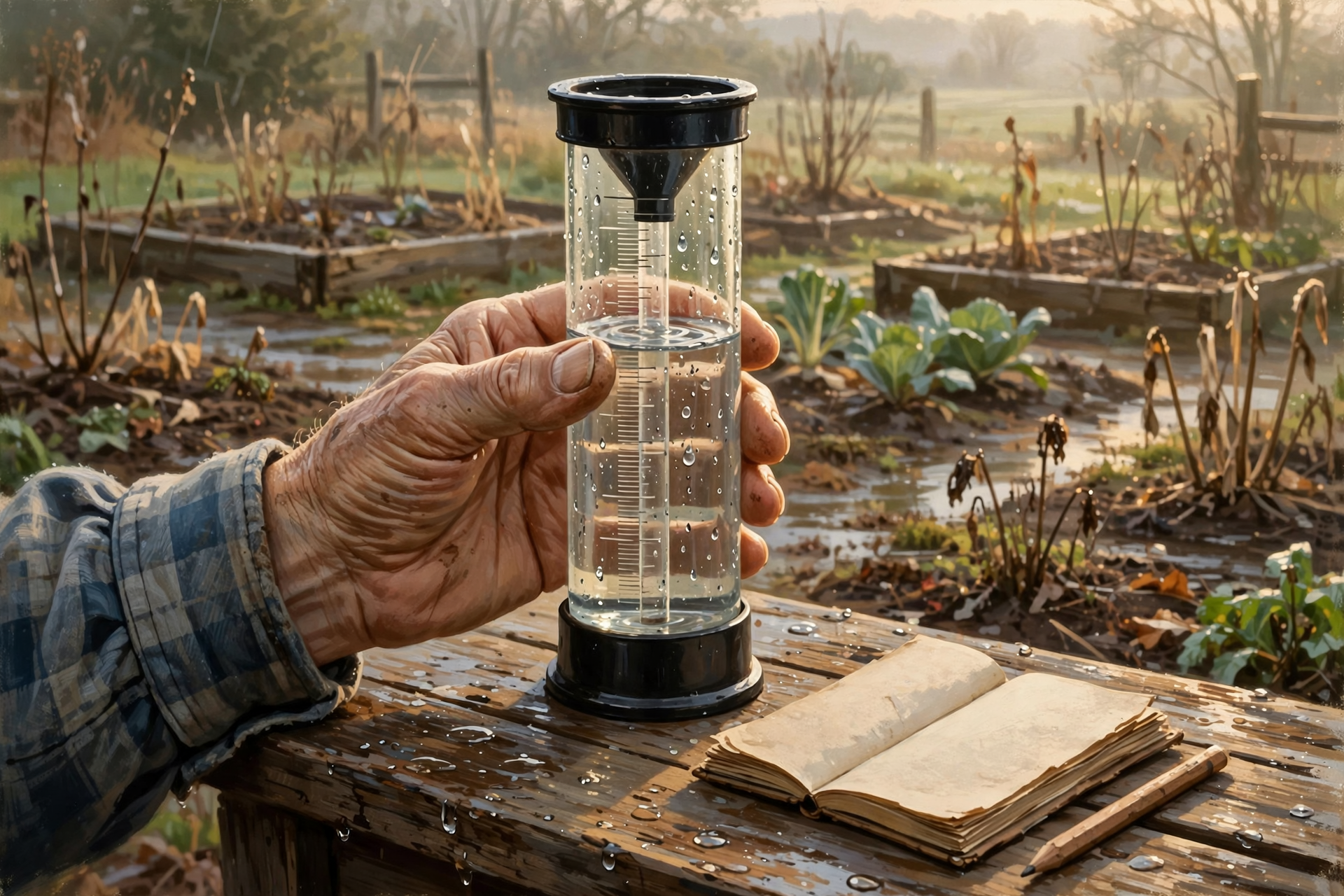
- ✅ Empty the rain gauge and write down Wednesday’s total. It’s worth remembering.
- ✅ Saturday afternoon, cover or bring in tender plants before the first frost.
- ✅ Write down your first frost date, and wait 10 to 14 days before grazing Johnsongrass or sorghum-type pastures.
- ✅ Keep feeding hay where pastures are short. One rain is a start, not a finish.
- ✅ Have a founder-prone horse? Plan a few days in the dry lot with hay after Saturday night, and ask your vet.
- ✅ Knock two pieces of firewood together. Burn the ones that “ring” first.
- ✅ Buy firewood close to home, and get the chimney checked before the first big fire.
- ✅ Had winter-storm losses? Call the Jasper USDA office by Monday, Nov. 9.
Practical rule: When the first frost comes, slow the horses, start the grazing clock and burn only dry wood.
— Dunlap.Today
📚 Plain-English Farm & Garden Glossary
- Climate report: A daily Weather Service summary of temperature and rain at an official station, like the Chattanooga airport.
- Frost vs. freeze: Frost is ice crystals on plants and surfaces. A freeze means the air itself reaches 32°F or colder.
- U.S. Drought Monitor: A weekly map, released Thursdays, that rates drought from D0 (abnormally dry) to D4 (exceptional drought).
- Laminitis (founder): A painful swelling inside a horse’s hoof. Too much sugary grass is a common trigger.
- EMS: Equine metabolic syndrome, a condition that makes some horses, often easy keepers, more likely to founder.
- Grazing muzzle: A basket-like cover that lets a horse graze but slows how much it can eat.
- Seasoned firewood: Wood that has dried long enough to burn cleanly, generally 20% moisture or less.
- Creosote: A tarry buildup inside a chimney from smoky fires. It can catch fire.
- Native warm-season grasses: Grasses native to this region, like switchgrass, that grow best in hot summer months.
- Emergency loan: An FSA loan to help farmers recover from losses in a declared disaster area.
❓ Frequently Asked Questions
Will it freeze in Dunlap this weekend?
The Dunlap forecast low is 34 Saturday night, which is close. The Weather Service says Saturday night will likely bring the first frost for many places and a first freeze for some. Low spots and hollows usually get colder than the forecast.
Did Wednesday’s rain end the drought?
Not by itself. Chattanooga set a daily record, but it is still about 3.3 inches behind since Sept. 1. We’ll know more when the Drought Monitor counts the rain on Nov. 12.
Why does today’s drought map look the same?
The map released Thursday uses data through Tuesday morning. Wednesday’s rain came after that cutoff, so it will show up next week.
Does every horse need to come off pasture after a frost?
No. The extension advice is mainly for horses at risk of founder, like overweight horses or those with EMS, insulin resistance, Cushing’s or a past episode. Ask your vet about your horse.
What about cattle on frosted fescue?
The founder concern here is for horses. For cattle, the big frost caution is Johnsongrass, sudangrass and sorghum-sudangrass. UT says to wait 10 to 14 days after a frost before grazing those.
I don’t have a moisture meter. How else can I tell if wood is dry?
Look for cracks on the ends, feel for lighter weight, and knock two pieces together. UNH Extension says dry wood “rings” and wet wood “thuds.”
Is “kiln-dried” firewood from the store always dry?
Not always. UT’s Dr. Adam Taylor says heat-treated and kiln-dried labels mean the wood was treated to kill pests, which is no guarantee it’s dry.
Can I bring firewood back from a trip out of state?
Tennessee bans out-of-state firewood unless it’s certified, heat-treated and labeled. Buy wood near where you’ll burn it.
Can I plant native warm-season grasses now?
The UT study is just starting, and it will test spring and fall planting windows. For advice on your own fields, call UT Extension Sequatchie County at 423-949-2611.
Who do I call about Monday’s loan deadline?
The Jasper USDA Service Center, 3709 Main St., 423-942-2244. It’s closed Nov. 11 for Veterans Day.
🔗 Other Resources

- National Weather Service: Dunlap forecast
- National Weather Service Morristown: Area Forecast Discussion
- National Weather Service Morristown: Hazardous Weather Outlook
- National Weather Service: Chattanooga daily climate report
- U.S. Drought Monitor: Tennessee
- UT Beef & Forage Center: Live.Stock Companion, October 2026 (PDF)
- University of Minnesota Extension: Horse pasture drought and frost concerns
- University of Minnesota Extension: Grazing horses prone to laminitis
- N.C. Cooperative Extension: Strategies to prevent laminitis in grazing horses
- UT Forestry, Wildlife & Fisheries Extension newsletter: “Wet Firewood is Illegal?” (PDF)
- University of New Hampshire Extension: How can I tell if my firewood is seasoned?
- Don’t Move Firewood: Tennessee
- Firewood Scout: Tennessee
- UTIA: Researchers study native warm-season grasses for organic livestock forage
- Tennessee Forage & Grassland Council: 2026 annual meeting
- USDA FSA: Winter-storm emergency loans, Tennessee counties
- USDA FSA: Shelby County drought designation
- USDA FSA: National deadlines
- USDA: Service Center locator (Jasper Service Center, 3709 Main St. · 423-942-2244)
- UT Extension Sequatchie County (170 Church Street, Dunlap · 423-949-2611)
- Dunlap.Today
🏡 Keep Learning, Stay Calm and Come Back to the Porch
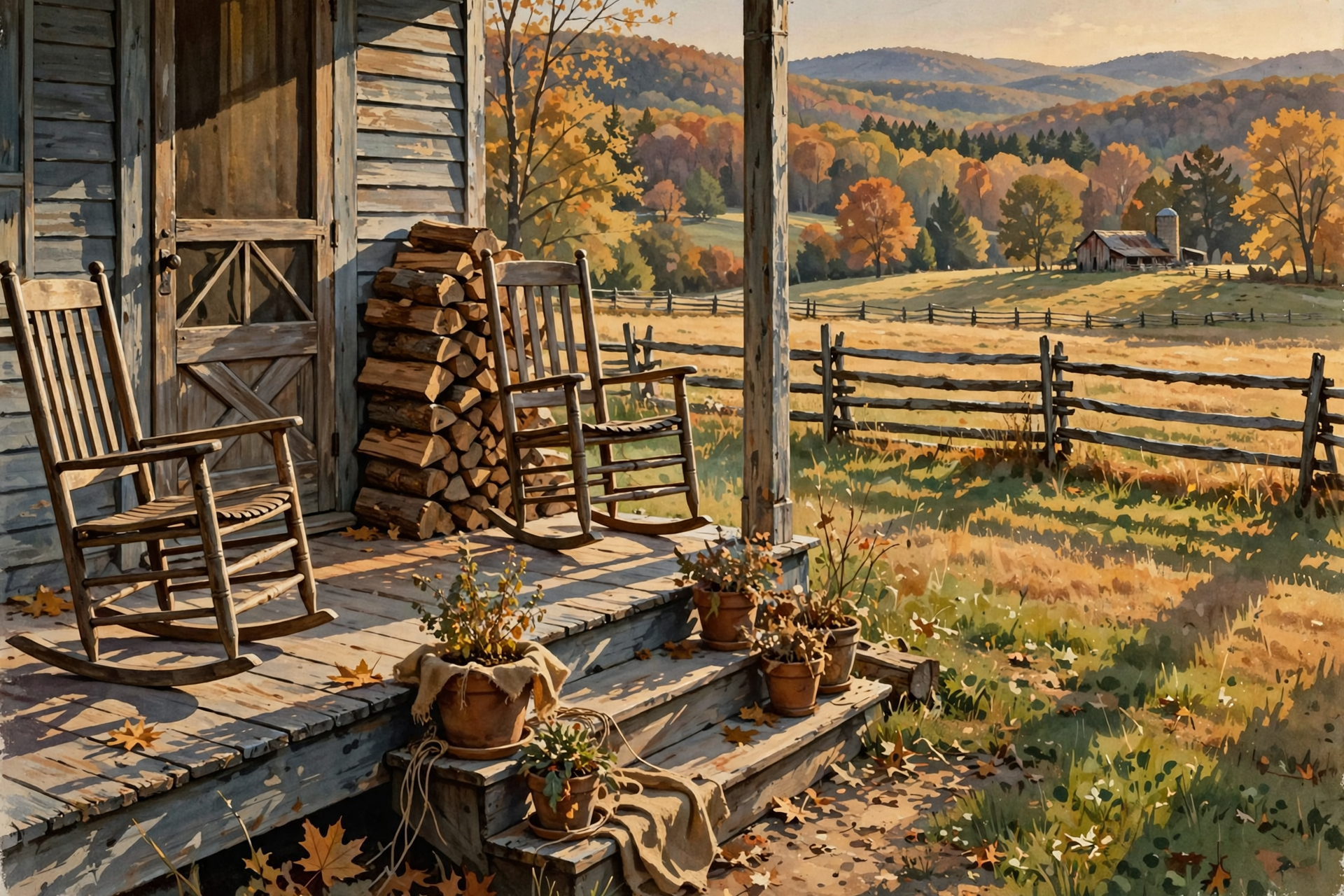
We finally got the rain we were waiting on, and now we get a calm, sunny stretch to enjoy it. The first frost is a normal part of the year, not a surprise. A little planning Saturday afternoon is all it takes: cover the tender plants, give the founder-prone horses a few days off the grass, start the grazing clock, and stack the driest wood closest to the door. Small, steady chores keep the farm and the household ready for winter.
When you want the next calm, practical update for Sequatchie Valley readers, pull up a chair at Dunlap.Today.
Know about an upcoming event or story in the Dunlap, TN area? Submit it here.



0 Comments