

Data Center Questions: The Tennessee Checklist

Seven practical questions every Tennessee community should ask before a data center gets the green light.
Data centers are becoming part of the conversation wherever people talk about artificial intelligence, economic development, and the future of American technology.
They power the websites we visit, the cloud services businesses depend on, and the artificial intelligence tools that seem to be popping up everywhere.
They can also bring substantial private investment, construction activity, and additional property tax revenue.
But they need something in return: land, electricity, cooling, infrastructure, and sometimes considerable amounts of water.
So what happens when somebody proposes building one near your community?
Do we welcome the investment? Worry about the electricity? Ask about the water? Wonder whether our neighbors will hear cooling equipment running all night?
Those are reasonable questions. And asking them doesn’t make anyone anti-technology or anti-business.
It means we’re doing our homework.
A Tennessee County Has Given Us a Useful Starting Point

In October 2026, Montgomery County, Tennessee, considered proposed zoning requirements for future data centers.
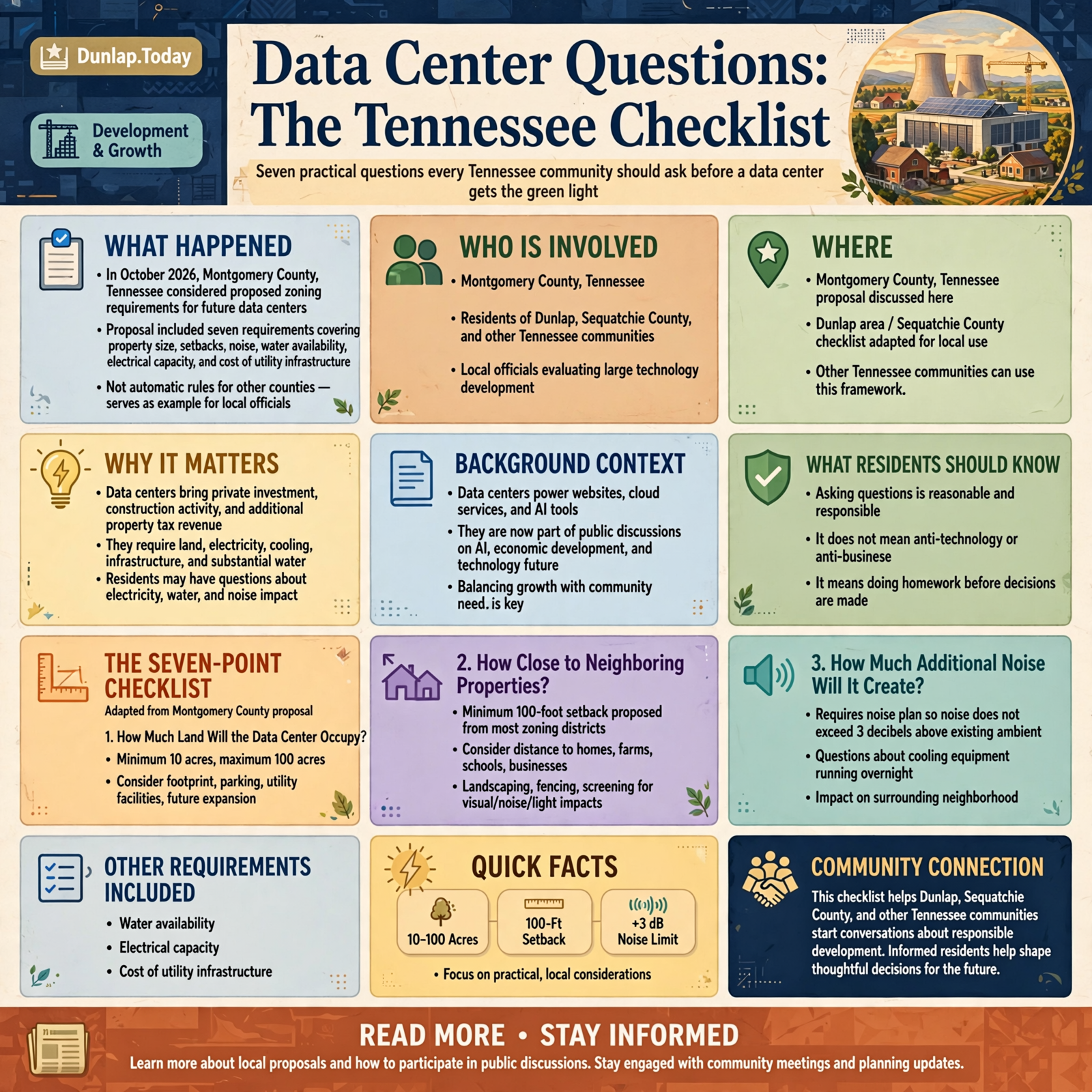
The proposal included seven requirements covering property size, setbacks, noise, water availability, electrical capacity, and the cost of utility infrastructure.
The requirements discussed in Montgomery County are not automatically rules for Sequatchie County. They’re a useful example of the questions local officials can consider when evaluating a large technology development.
We’ve adapted those seven requirements into a practical checklist for residents of Dunlap, Sequatchie County, and other Tennessee communities.
1. How Much Land Will the Data Center Occupy?
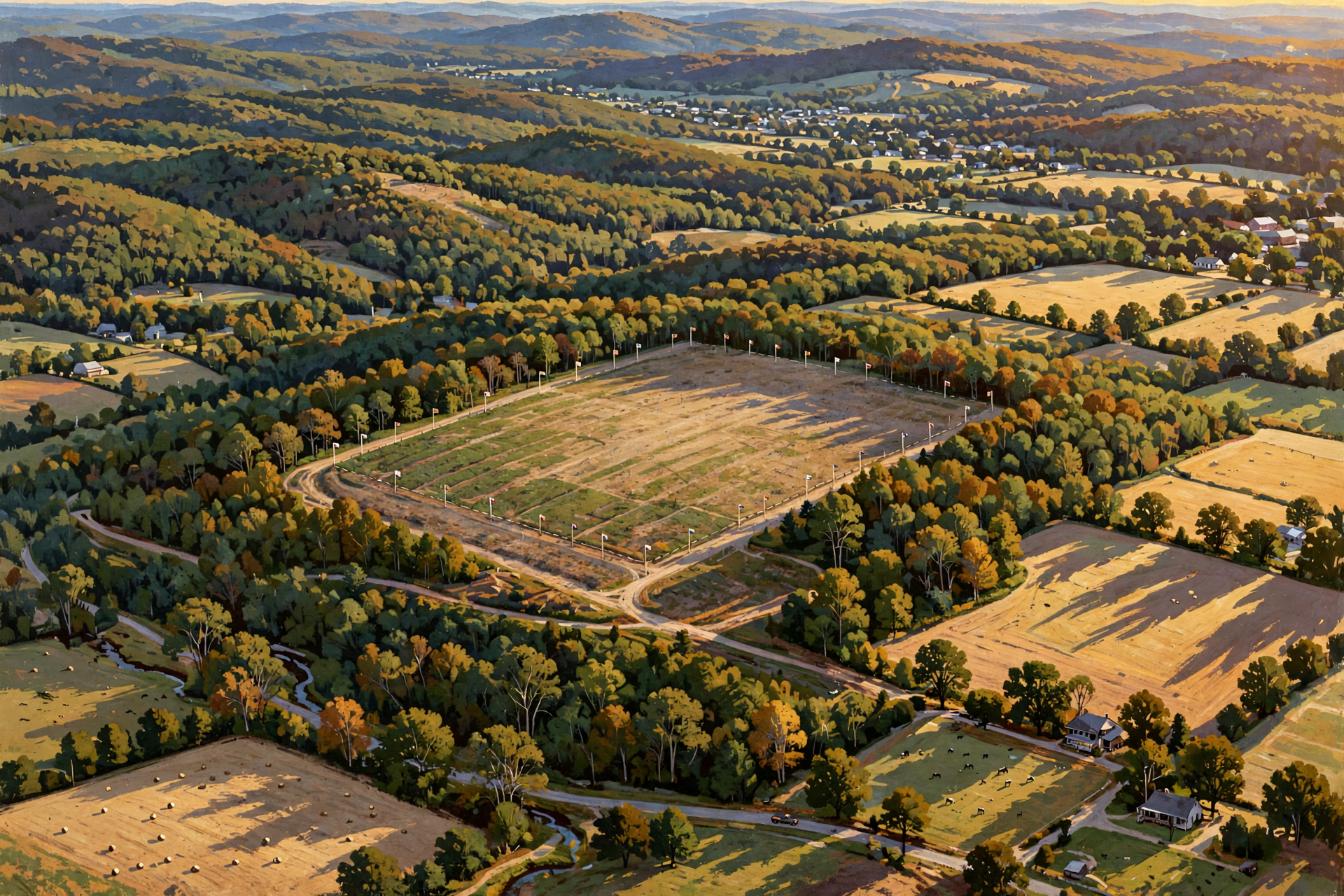
Montgomery County’s proposal specified a minimum property size of 10 acres and a maximum of 100 acres.
That’s a useful reminder that the physical footprint matters, even when a proposed facility looks like a relatively ordinary industrial building.
Questions worth asking:
- How many acres will the development occupy?
- How much land will be covered by buildings, parking areas, utility facilities, and supporting equipment?
- Will additional acreage be needed for future expansion?
- Could the development change the surrounding area’s future land use?
One building today might become several buildings tomorrow. Residents deserve to understand both the immediate proposal and any anticipated expansion.
2. How Close Will It Be to Neighboring Properties?
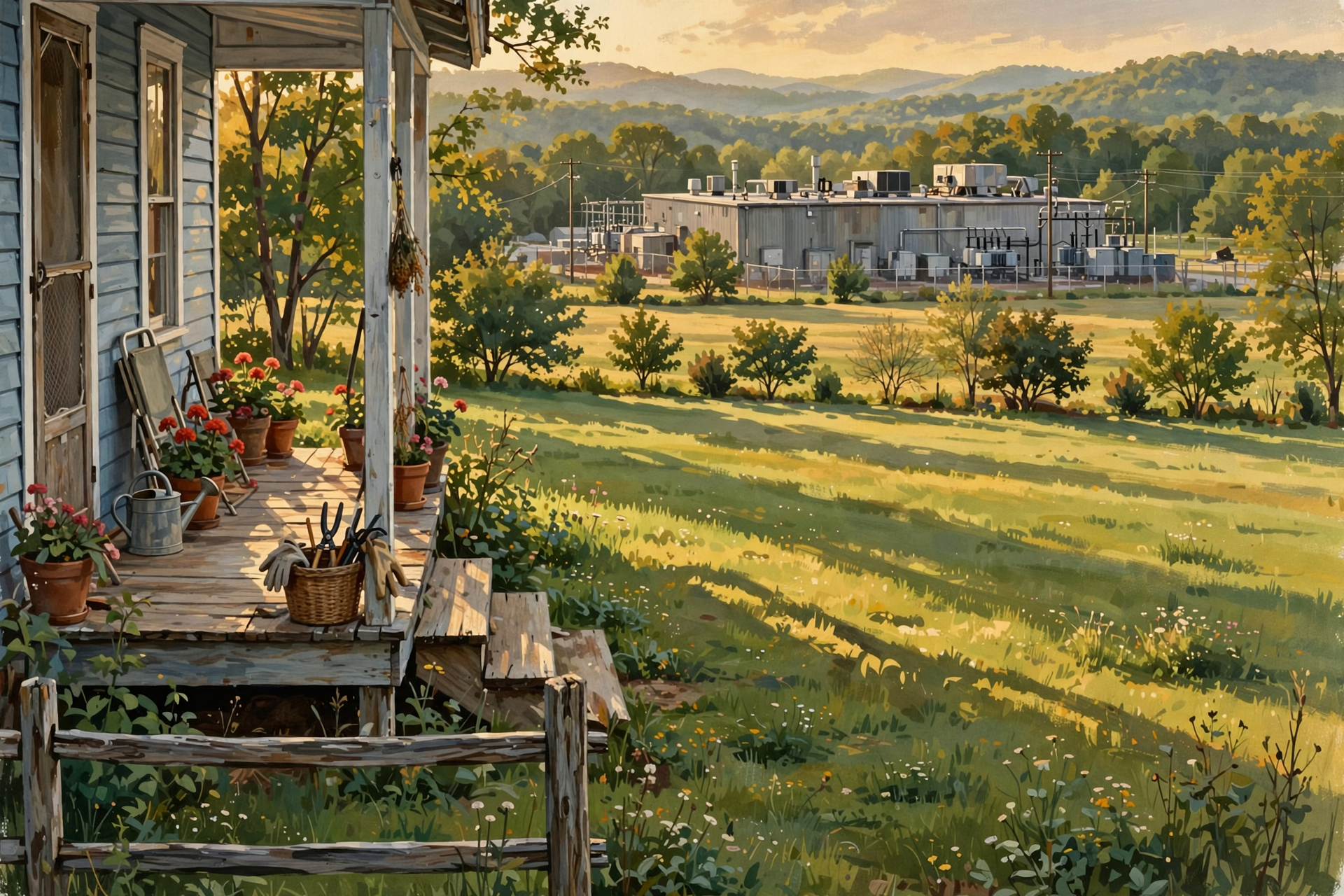
Montgomery County proposed a minimum setback of 100 feet from most zoning districts, except certain industrial districts.
A setback is simply the required distance between a building or other development and a property boundary.
Questions worth asking:
- How far will the facility be from nearby homes, farms, schools, and businesses?
- Where will cooling systems, transformers, and backup generators be located?
- Will landscaping, fencing, or other screening reduce visual impacts?
- Could lighting or security operations affect neighboring properties?
One hundred feet might sound generous until you’re standing in your backyard looking at a large industrial building. The appropriate distance depends on the site and what is being built.
3. How Much Additional Noise Will It Create?
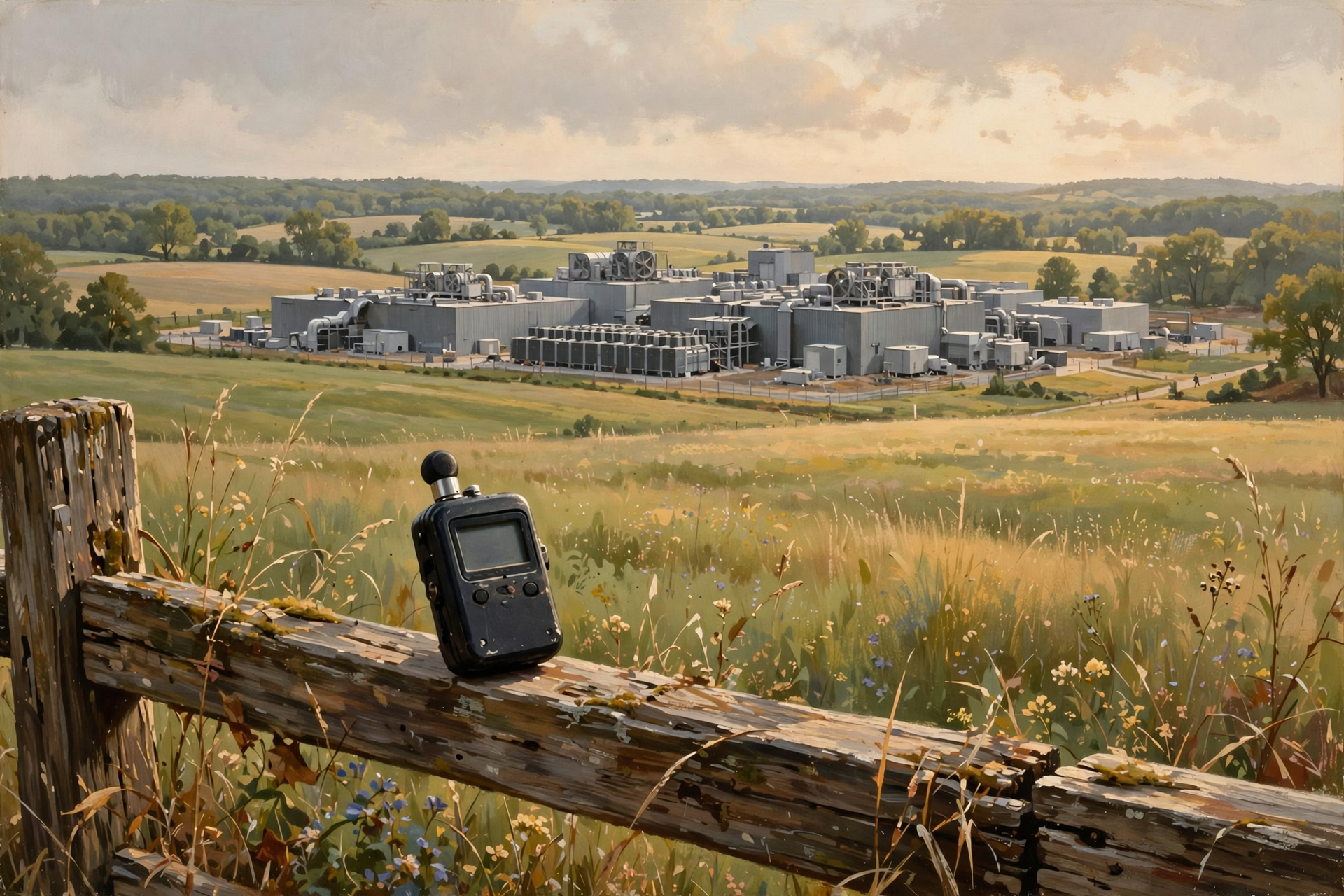
Montgomery County’s proposed checklist required applicants to provide a noise plan demonstrating that noise would not exceed three decibels above existing ambient conditions.
Ambient noise is the sound already present in an area before a new facility begins operating.
That matters because a noise level that blends into a busy industrial district might be much more noticeable beside a quiet country road.
Questions worth asking:
- Has an independent noise assessment been completed?
- What are the existing daytime and nighttime noise levels?
- How much noise will cooling equipment, transformers, and other machinery add?
- Does the study account for emergency generator testing?
Data centers often operate around the clock. A noise study should reflect how the facility will actually operate, not just what it sounds like during an afternoon inspection.
4. What Is the Maximum Noise Allowed at the Property Line?
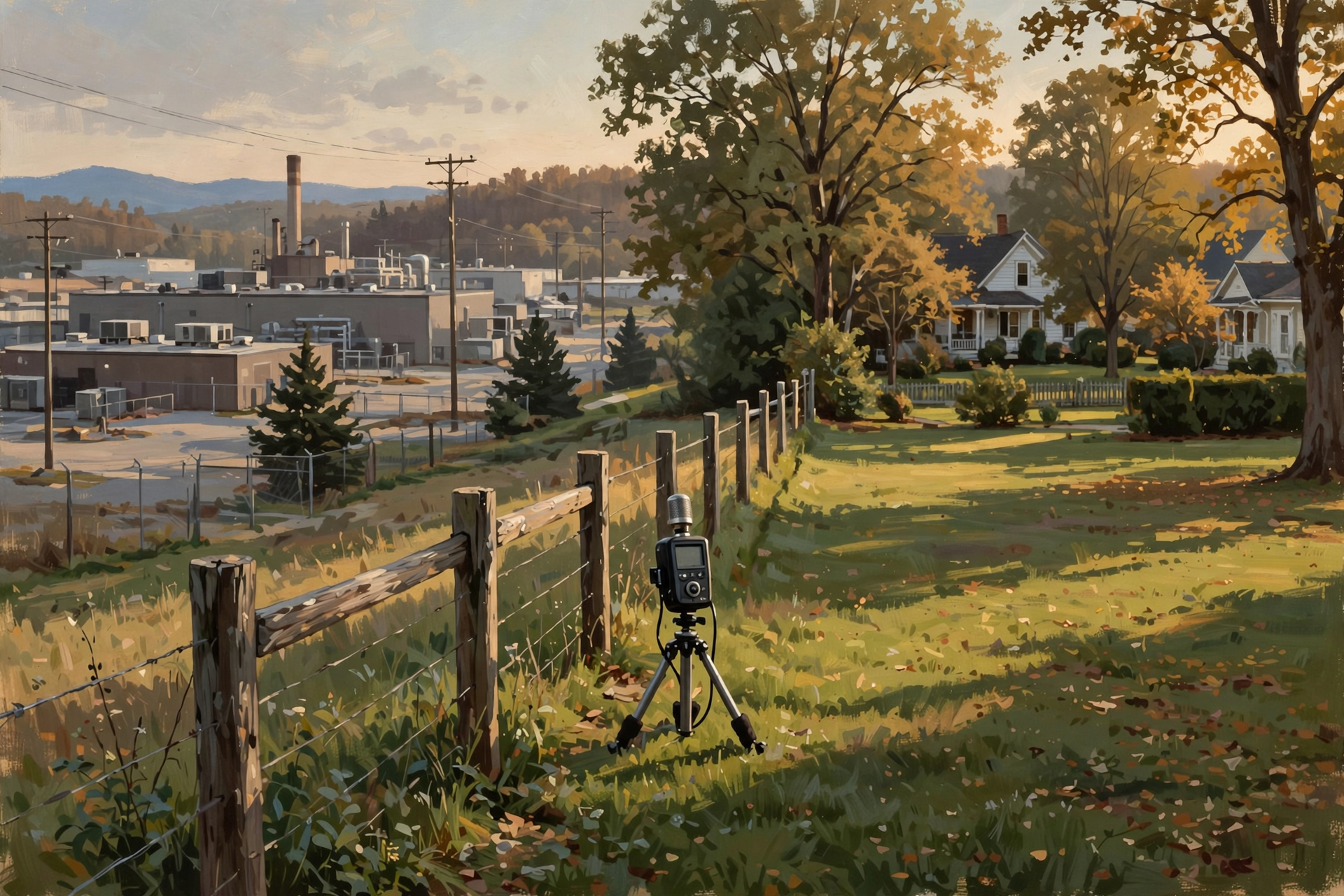
Montgomery County proposed an additional requirement: noise could not exceed 55 decibels where the adjoining property was outside specified industrial zoning districts.
That’s different from measuring how much louder the neighborhood becomes. It establishes an absolute limit at the affected property line.
Questions worth asking:
- What noise limit would apply to the proposed facility?
- Where and how will noise levels be measured?
- Who verifies compliance after construction?
- What happens if noise levels exceed the approved limits?
The most useful noise requirement is one that can be measured, monitored, and enforced.
5. Has the Water Provider Confirmed It Can Support the Project?

Montgomery County proposed requiring a letter from the water provider confirming service availability, along with appropriate approvals for certain surface-water withdrawals.
Not all data centers use the same amount of water. Cooling technology, facility design, climate, and operating practices can make a substantial difference.
That’s why actual projected water consumption is more useful than assumptions.
Questions worth asking:
- How much water will the facility need on an average day?
- What will its maximum demand be during hot weather?
- Will water be continuously consumed, recirculated, or otherwise conserved?
- Has the water provider confirmed adequate capacity in writing?
- Will service to existing homes, farms, and businesses remain reliable?
- Would additional water infrastructure be necessary?
A written capacity letter gives the community something more meaningful than an assurance that everything should be fine.
6. Has the Electric Utility Confirmed It Can Supply the Power?
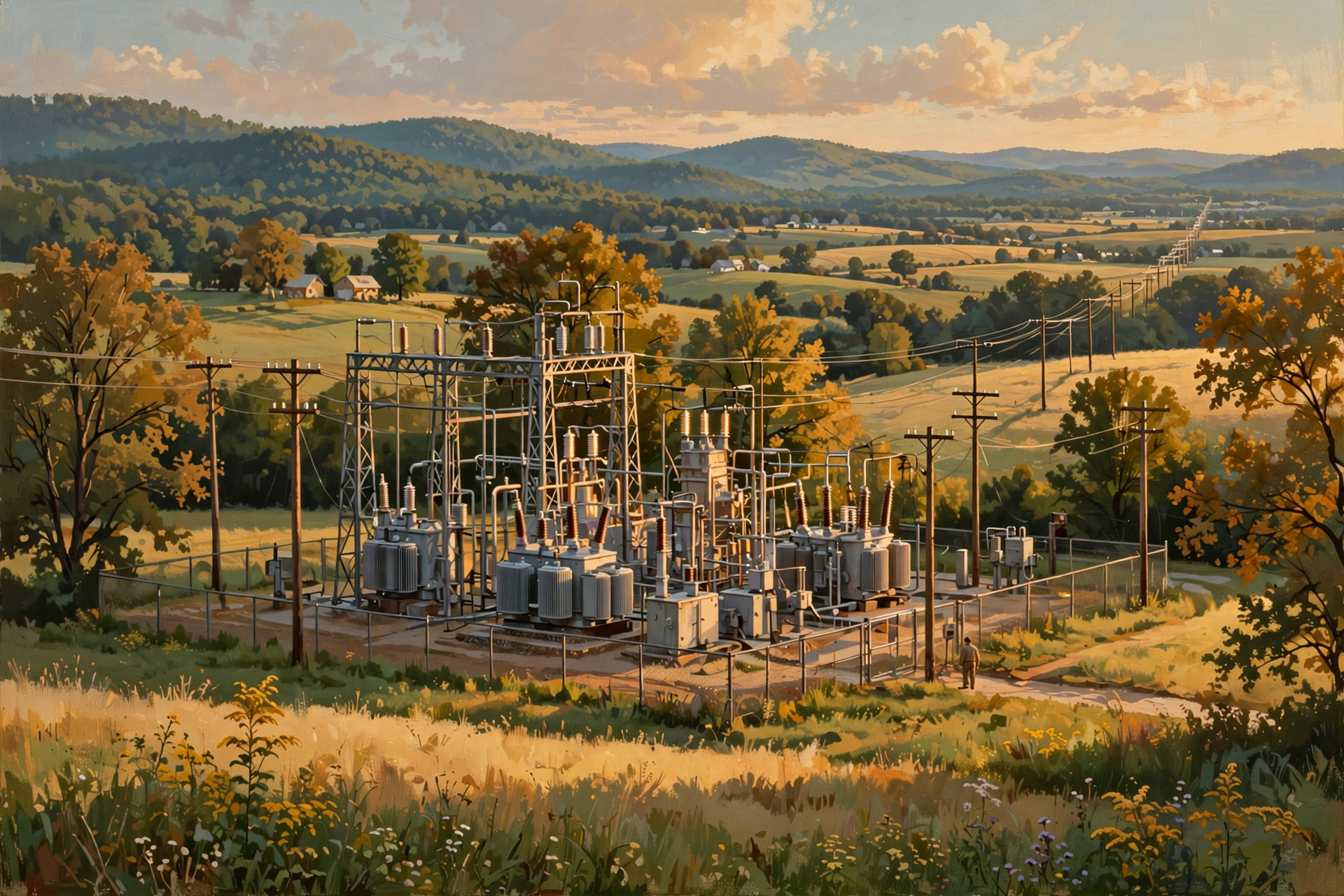
Data centers can require substantial electrical capacity, particularly facilities designed for demanding AI computing workloads.
Montgomery County’s proposal included written confirmation from utility providers that the necessary service could be supplied.
Questions worth asking:
- How many megawatts of electrical capacity will the facility require?
- Has the serving utility confirmed that sufficient capacity is available?
- Will new substations, transmission lines, or other electrical infrastructure be needed?
- Could the additional demand affect reliability for existing customers?
- How will ongoing electrical costs and system improvements be allocated?
Here in the Sequatchie Valley, electric service is an especially practical part of the conversation. Residents should expect project-specific answers from the utility that would serve a proposed development.
It’s also important to distinguish between a utility’s ability to provide service and the financial arrangements required to make that service possible.
7. Who Pays for the Hookups?
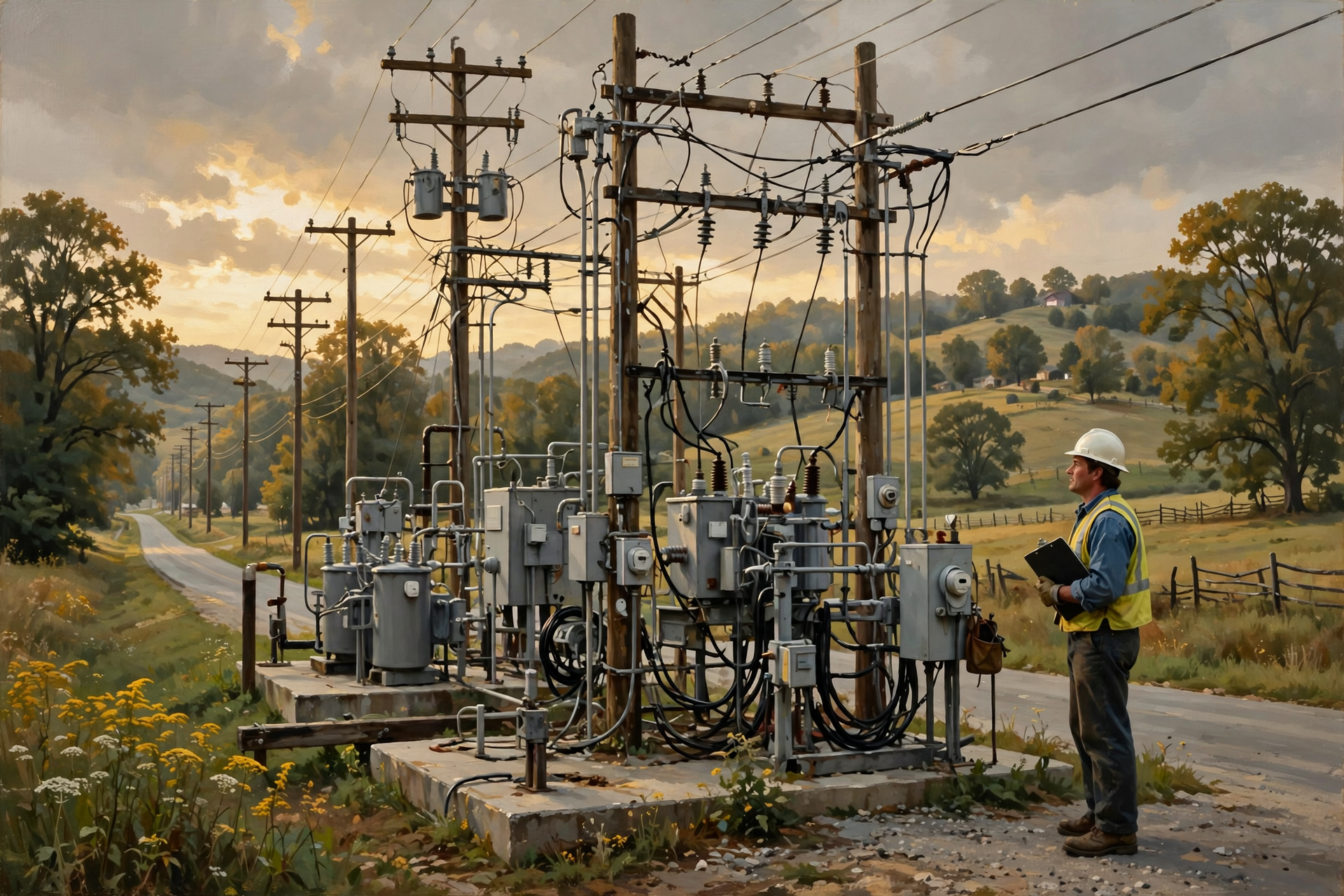
Perhaps the simplest question on Montgomery County’s list is also one of the most important.
Under the proposal, the data center applicant would be responsible for infrastructure improvements necessary to provide utility services to the facility.
That’s a useful starting principle for any community.
Questions worth asking:
- Who pays for additional electrical infrastructure?
- Who pays for water and wastewater system upgrades?
- Will public roads need to be improved?
- Are any local tax incentives, grants, or public financing arrangements being considered?
- Could existing utility customers face additional costs?
- Who pays for future maintenance or improvements made necessary by the facility?
A company paying for its initial utility connection does not necessarily answer every question about long-term public costs.
Communities should understand the complete financial arrangement, including construction, ongoing maintenance, and any public commitments.
Where Do Sequatchie County Residents Ask Zoning Questions?

The right starting point depends on whether the property is inside or outside Dunlap’s city limits.
For property outside Dunlap city limits: Contact Sequatchie County Government at 423-949-3479 or visit 22 Cherry Street in Dunlap. Ask which office or authority handles land-use, planning, zoning, and development review for the specific property.
For property inside Dunlap city limits: Contact Dunlap City Hall at 423-949-2115. The city has zoning regulations and a planning commission, and its published zoning information is available through the city and the Southeast Tennessee Development District.
County and municipal requirements are not necessarily the same. Neither are the agencies responsible for electric service, water service, environmental permits, and construction approvals.
The first step is identifying the property and determining which rules and authorities apply.
Ask for Documents, Not Just Promises

One advantage of a written checklist is that it changes the conversation from general assurances to information that can be examined.
For any proposed data center, residents should be able to request or ask whether the following documents are available:
- A site plan identifying buildings, property boundaries, and proposed expansion areas.
- A noise study showing expected operating conditions.
- Written confirmation of water service capacity.
- Written confirmation of electrical service capacity.
- Projected water consumption and electricity demand.
- A description of necessary infrastructure improvements.
- A clear explanation of who pays for construction and long-term infrastructure costs.
Some information may be proprietary or unavailable until a project reaches a particular review stage. But the public can still ask what has been submitted, what remains outstanding, and which documents will be considered before a decision is made.
Good Questions Are Not Opposition to Progress
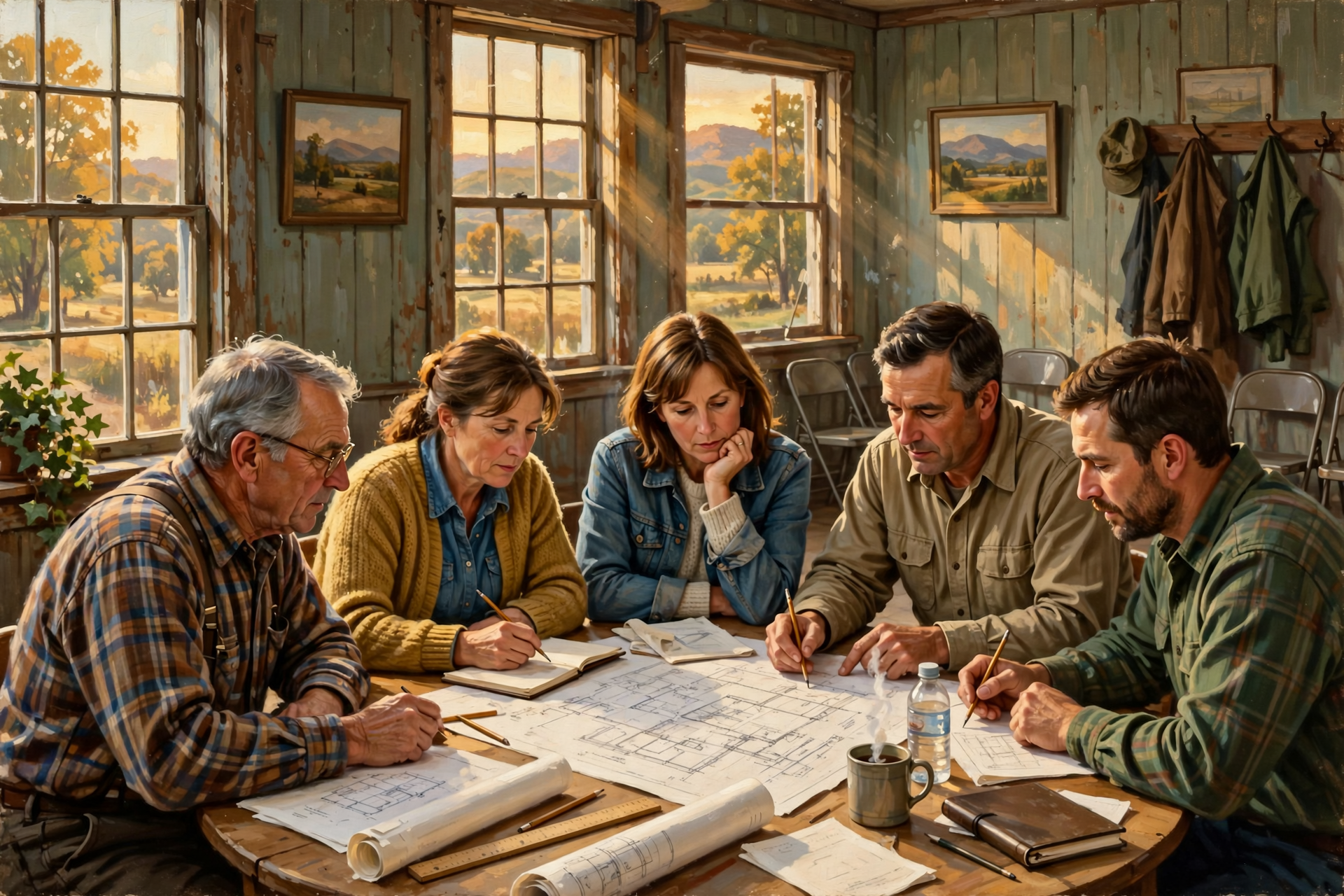
A data center might be an appropriate development for a particular site. It might bring new tax revenue, support local construction jobs, and contribute to the infrastructure behind technologies that businesses increasingly depend upon.
Another location might be poorly suited because of limited utility capacity, neighboring land uses, infrastructure costs, or environmental concerns.
Neither conclusion should be automatic.
The purpose of this checklist is not to encourage opposition or manufacture enthusiasm. It’s to help residents and decision-makers evaluate a proposal using the same practical questions.
And there’s no need to wait until a developer arrives with architectural drawings and a request for approval.
Communities can discuss their expectations ahead of time.
That’s what makes Montgomery County’s approach worth examining. The county was exploring standards before additional developments arrived, rather than trying to invent the questions after the fact.
For Dunlap and Sequatchie County, this is an opportunity to think ahead without assuming that any particular project is coming.
The bottom line: We don’t need to be afraid of new technology, and we don’t need to give every proposal a standing ovation.
We simply need good information, clear expectations, and a fair process.
A good project should be able to answer good questions. And the best time to ask them is before the bulldozers arrive.
Sources
- Clarksville Now — County Commission discusses data center limits on setbacks, noise, water/power use
- Sequatchie County Government — Contact Us
- City of Dunlap — Government and Zoning
- Southeast Tennessee Development District — Dunlap Planning and Zoning
- Sequatchie County Assessor of Property — General Information




0 Comments