
🤝 Community Resources Guide: A Neighbor-to-Neighbor Map for Help Across the Valley
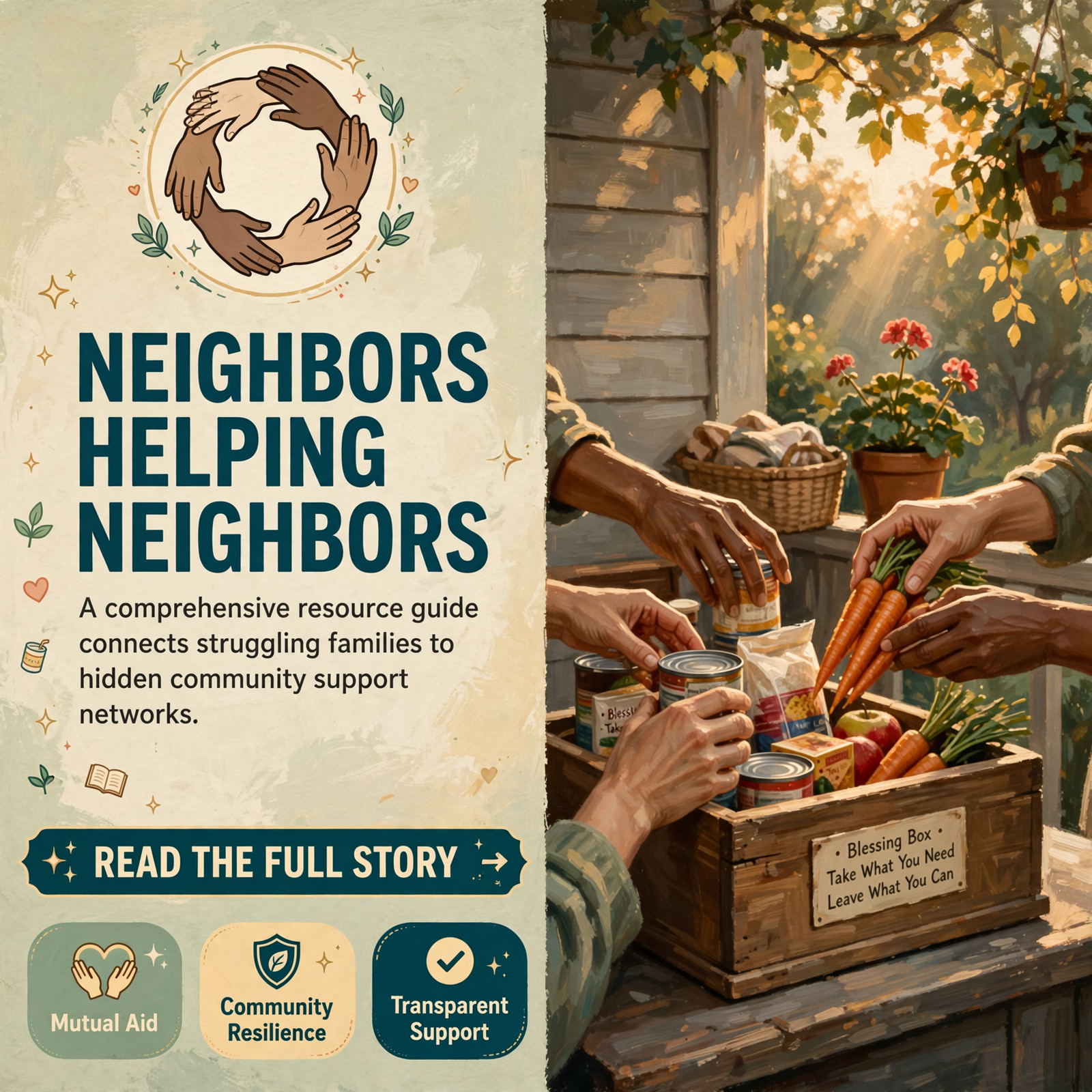
When bills pile up, gas tanks run empty, and cupboards grow bare, the difference between hardship and survival often comes down to knowing where to turn. CWC Thrift Store in Whitwell recently compiled and shared a comprehensive resource guide-organized by county-to help residents across the Sequatchie Valley and nearby communities access assistance with utilities, food, housing, health care, and recovery services. The post reflects a deeper truth about life in this region: neighbors helping neighbors is not just a saying; it’s how communities endure.
💡 Why This Matters
Financial hardship is not a personal failure-it’s a reality many families face when unexpected expenses, job loss, or illness strike. The challenge is that help exists, but it’s scattered across multiple organizations, counties, and websites. A single parent working two jobs may not have time to search. An elderly person on a fixed income may not know where to start. A family facing eviction may not know that resources exist just a few miles away.
By gathering this information in one place and sharing it publicly, CWC Thrift Store removed a barrier: the barrier of not knowing. For residents across Bledsoe, Sequatchie, Marion, Rhea, Hamilton, and Jackson counties, this guide becomes a practical lifeline-and a reminder that asking for help is not weakness; it’s wisdom.
❤️ Human Impact: Who This Serves
The guide speaks directly to real situations: families choosing between paying electric bills and buying groceries. Workers whose cars have broken down, leaving them stranded without transportation to jobs. Children whose bellies are empty because the cupboards are bare. People struggling with addiction who need discipleship and recovery support. Families experiencing domestic violence seeking safety and advocacy. Pet owners who cannot afford veterinary care but love their animals.
Each resource listed-from Lee Station Baptist Church House of Hope in Pikeville to Marion County Community Ministries in Jasper, from The Vine’s Blessing Box in Dunlap to Victory Baptist Food Giveaway in Jasper-exists because someone in the community decided that their neighbor’s struggle mattered. The guide honors that work by making it visible and accessible.
🌄 Local Perspective: Why This Resonates in the Sequatchie Valley
The Sequatchie Valley and surrounding communities have long been places where economic opportunity is uneven. Manufacturing jobs have shifted. Agricultural work is seasonal. Healthcare and education jobs are stable but often don’t pay enough to cover rising housing and utility costs. In this context, mutual aid-neighbors helping neighbors-is not a luxury; it’s infrastructure.
The fact that CWC Thrift Store took time to compile and share this guide reflects a community value: transparency about struggle, and solidarity in response. Thrift stores themselves serve this function-they make clothing and household goods affordable for families on tight budgets. By sharing a broader resource map, the business extended its mission beyond its own walls.
📍 What Residents Should Know
The guide is organized by county, making it easy to find resources closest to home:
- Bledsoe County: Lee Station Baptist Church House of Hope offers assistance and can be reached at 423-667-2287 or through their website.
- Sequatchie County The Vine (Dunlap) maintains a Blessing Box with food and necessities; Sethra provides resource coordination; Beauty for Ashes offers addiction recovery and discipleship training.
- Marion County: Marion County Community Ministries, At the Table (mobile kids closet and life skills), Smiles Charitable Dental Clinic, The Pink Cottage on Main, Victory Baptist Food Giveaway (Mondays, 10:50-11:10 AM), and Village Charities all serve residents.
- Rhea County: Helping Hands provides donated items free of charge.
- Hamilton County: Good Neighbors, Inc., Shower Up (mobile showers), and Maclellan Shelter for Families serve Chattanooga residents.
- Jackson County: Grace Thrift Store (Bridgeport, Alabama) is open Monday-Saturday, 9 AM-5 PM.
The guide also includes specialized services: Glimmer in the Dark (advocacy for survivors of sexual and domestic violence), Champion Recovery (recovery community support), pet sitting, and veterinary care. Many organizations have phone numbers, websites, and specific hours listed-details that matter when someone needs help today.
🤲 Community Connections: The Network Behind the Guide
This resource guide reveals an invisible network of churches, nonprofits, thrift stores, and community organizations working in parallel. Churches like Lee Station Baptist Church and The Vine are not just places of worship; they are anchors of material support. Nonprofits like Sethra and Marion County Community Ministries coordinate services across county lines. Thrift stores like CWC Thrift Store and Grace Thrift Store make dignity affordable. Recovery programs like Beauty for Ashes and Champion Recovery address root causes of hardship.
What’s striking is that many of these organizations likely know about each other, but residents often don’t. By mapping the network, CWC Thrift Store created a bridge between isolated individuals and a web of support that already exists-but was invisible without a guide.
🔗 Community Threads: Relationships That Strengthen Resilience
The Faith-Based Safety Net: Churches across the valley-from Pikeville to Dunlap to Jasper-have become de facto social service agencies. They operate food pantries, blessing boxes, and emergency assistance programs. This thread matters because it shows how spiritual community and material support are inseparable in this region. Residents benefit by understanding that churches are not just for Sunday worship; they are places to turn in crisis.
The Thrift Store as Community Hub: Thrift stores like CWC Thrift Store and Grace Thrift Store serve a dual purpose: they make goods affordable, and they signal that secondhand is not shameful-it’s smart. By sharing a broader resource guide, CWC Thrift Store positioned itself as a community information center, not just a retail business. This thread matters because it shows how local businesses can amplify community resilience beyond their own transactions.
The County-Level Coordination: Organizations like Marion County Community Ministries and Sethra work across county lines to coordinate services. This thread matters because it shows that help doesn’t stop at county borders. A family in one county may find resources in a neighboring county, and these organizations know how to connect them.
The Peer-to-Peer Recommendation Culture: The fact that CWC Thrift Store posted this guide in a community Facebook group-and asked for corrections and additions-reflects a culture of peer-to-peer knowledge sharing. Residents are invited to improve the guide, add missing resources, and correct outdated information. This thread matters because it shows that community resilience is not top-down; it’s collaborative and evolving.
🎯 Opportunities for Connection and Participation
For residents facing hardship: Use this guide to find the specific help you need. Many organizations operate on a first-come, first-served basis or by appointment. Call ahead to confirm hours and eligibility. There is no shame in asking.
For volunteers and donors: Many of these organizations rely on donations of food, clothing, household goods, and money. If you have resources to share, reach out directly. Churches, nonprofits, and thrift stores are always looking for volunteers to sort donations, staff blessing boxes, or help with events.
For community members with information: If you know of resources missing from this guide, or if any contact information is outdated, share it in community groups or directly with local organizations. Keeping the guide current is a collective responsibility.
For local businesses: Consider how your business might amplify community resilience. CWC Thrift Store modeled this by using its platform to share information. Other businesses might donate goods, offer discounts to low-income families, or sponsor community events.
📢 What Happens Next
This guide is not static. As the post notes, CWC Thrift Store is actively seeking corrections and additions. Residents should watch for updates as new resources emerge or existing ones change hours or services. The guide may grow to include more specific information about bill assistance programs-a gap the original post identified.
More broadly, this guide may inspire similar efforts in other communities. Other thrift stores, churches, or nonprofits might compile their own county-level or neighborhood-level resource maps. The model-transparent, community-sourced, organized by geography-is replicable.
💭 Community Questions Worth Considering
- What resources exist in your immediate neighborhood that you didn’t know about before reading this guide?
- If you were facing a sudden financial crisis, which organization on this list would you feel most comfortable contacting first-and why?
- Are there gaps in this guide? What types of assistance do you think are missing?
- How might local businesses, schools, or civic organizations help expand or strengthen this network?
- What would it take for every resident in the valley to know about these resources before they’re in crisis?
🌱 Long-Term Community Impact
In the long term, this guide-and the culture of information-sharing it represents-could shift how residents experience hardship. Instead of suffering in silence or turning to predatory lending, families might reach out to trusted community organizations. Instead of feeling isolated, they might discover that their struggle is shared and that help is nearby.
For organizations listed in the guide, visibility could mean more clients served, more volunteers engaged, and more donations received. For the valley as a whole, a robust, well-known network of mutual aid strengthens community resilience. When people know they can turn to neighbors-through churches, nonprofits, and thrift stores-they are more likely to stay in the community, invest in it, and help others in turn.
This is how communities endure: not through individual strength alone, but through networks of care that make hardship less isolating and recovery more possible.
🤔Source
CWC Thrift Store – A user shares a comprehensive community resource list categorized by county, seeking additional recommendations and information for local assistance programs…


0 Comments