
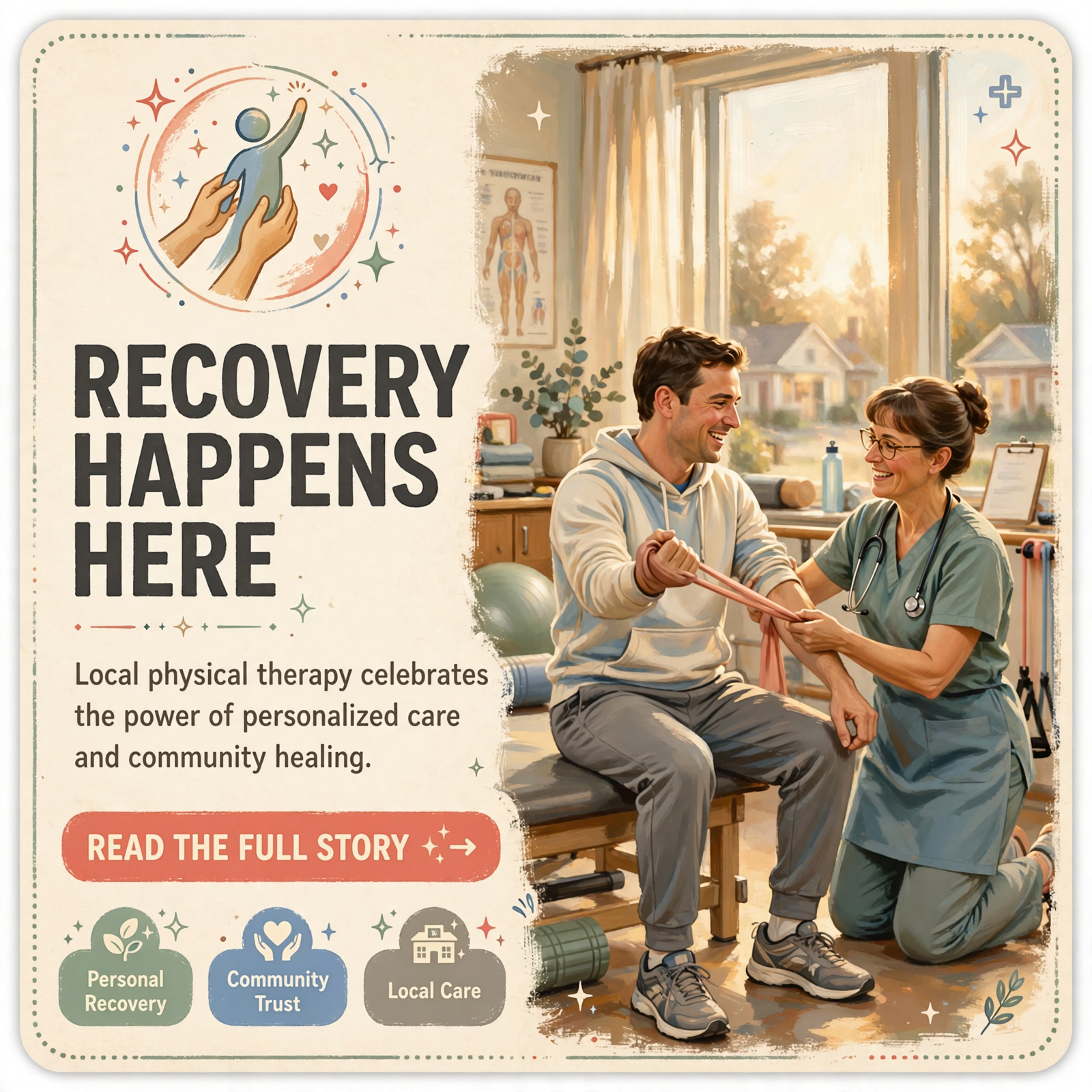
🩵 Physical Therapy Month Celebrates Local Care and Community Recovery
October brings a national spotlight to physical therapy-a profession that touches the lives of people recovering from injury, managing chronic pain, and rebuilding strength in communities across the region. For a family-owned practice serving the Sequatchie Valley and surrounding areas, the month is a chance to reflect on what recovery means when it happens one person at a time.
📍 What Physical Therapy Month Means Locally
Physical Therapy Month, observed each October, celebrates the role rehabilitation professionals play in helping people regain independence and return to the activities they love. For residents in the valley and nearby communities, this recognition highlights services available close to home-from post-surgical recovery to chronic pain management to mobility improvement for aging adults.
Omni Rehab – Dunlap Office, a small, family-owned physical therapy practice, marked the occasion by reflecting on its mission: caring for the community “one person at a time” through listening, trust-building, and personalized goal-setting. The practice emphasizes that physical therapy extends beyond exercise routines-it’s about understanding each patient’s life and helping them return to what matters most.
💙 Why This Matters to Your Community
Physical therapy touches nearly every household in some way. Whether someone is recovering from surgery, managing arthritis, rebuilding strength after an accident, or working through chronic pain, access to skilled rehabilitation services affects quality of life, independence, and the ability to stay active in family and community life. When these services are available locally, residents avoid long commutes and can receive consistent, personalized care from providers who understand their daily lives.
For older adults, physical therapy can mean the difference between living independently at home and requiring institutional care. For working-age adults, it can mean returning to jobs and family responsibilities faster. For athletes and active people, it can mean getting back to the sports and hobbies that define their lives.
🤝 Community Connections and Trust
The post’s comments reveal something important about local healthcare relationships: community members recognize individual therapists by name and speak of the entire team with genuine appreciation. One commenter specifically praised a team member and noted that “everyone at Omni is wonderful,” suggesting that reputation and personal relationships matter deeply in how residents choose and trust their healthcare providers.
This reflects a broader pattern in smaller communities: healthcare decisions are often shaped by word-of-mouth, personal experience, and the relationships people build with their providers. When a local practice is family-owned and embedded in the community, those relationships become part of the fabric of local life.
👥 Human Impact: Recovery Stories in Your Neighborhood
Behind every physical therapy patient is a personal story-someone learning to walk again after a fall, a parent regaining the strength to play with their children, a worker returning to their job, or an older adult maintaining independence in their own home. Physical therapy succeeds not when exercises are completed, but when people return to living.
The emphasis on “celebrating progress” and “helping each patient reach their goals” reflects a philosophy that recognizes recovery as deeply personal. What success looks like differs for every person-and local providers who know their patients’ lives can tailor care accordingly.
🏥 Local Healthcare Landscape
The Sequatchie Valley and surrounding communities have several healthcare and wellness options available to residents. Physical therapy is one piece of a broader network of services-from urgent care facilities to family medicine practices to specialized care centers-that together support community health and recovery.
❓ Questions for Community Reflection
As you think about physical therapy and recovery in your community, consider:
- Do you know where to find physical therapy services if you or a family member needed them after an injury or surgery?
- How do personal relationships and word-of-mouth recommendations shape your healthcare choices?
- What role does local, accessible healthcare play in helping people stay independent and active in your community?
- Are there barriers-distance, cost, awareness-that prevent some residents from accessing rehabilitation services when they need them?
🔄 Long-Term Community Impact
When physical therapy services are accessible and trusted locally, the ripple effects extend beyond individual recovery. Families experience less disruption. Workplaces see employees return sooner. Older adults remain active in their homes and communities longer. Schools and civic organizations benefit from volunteers and participants who maintain their health and mobility. Over time, accessible rehabilitation services contribute to a community where people of all ages can live independently, participate fully, and support one another.
💡 What Happens Next
Physical Therapy Month concludes at the end of October, but the work of recovery continues year-round. For residents considering physical therapy-whether for recent injury, chronic pain, post-surgical recovery, or mobility improvement-local providers remain available. If you’re interested in learning more about services, speaking with a provider, or understanding whether physical therapy might help with a specific concern, reaching out to a local practice is a good first step.
The broader conversation about community health and accessible care will continue as well. As the region grows and changes, questions about healthcare access, provider availability, and the role of family-owned practices in community wellness remain important for residents and local leaders to consider.

0 Comments