
We Spent Years Asking for Better Internet. Now What?
For years, rural communities had a pretty simple technological wish list.
Better internet.
Faster internet.
More reliable internet.
Internet that didn’t disappear every time it rained, somebody sneezed near a utility pole, or three grandchildren came over and tried to watch YouTube at the same time.
We complained about dead zones.
We complained about slow speeds.
We complained about paying too much for too little.
We watched people in cities get faster service while folks living a few miles outside town were sometimes lucky to get anything resembling broadband at all.
So we asked for fiber.
We pushed for broadband.
We spent money.
Companies invested.
Governments created programs.
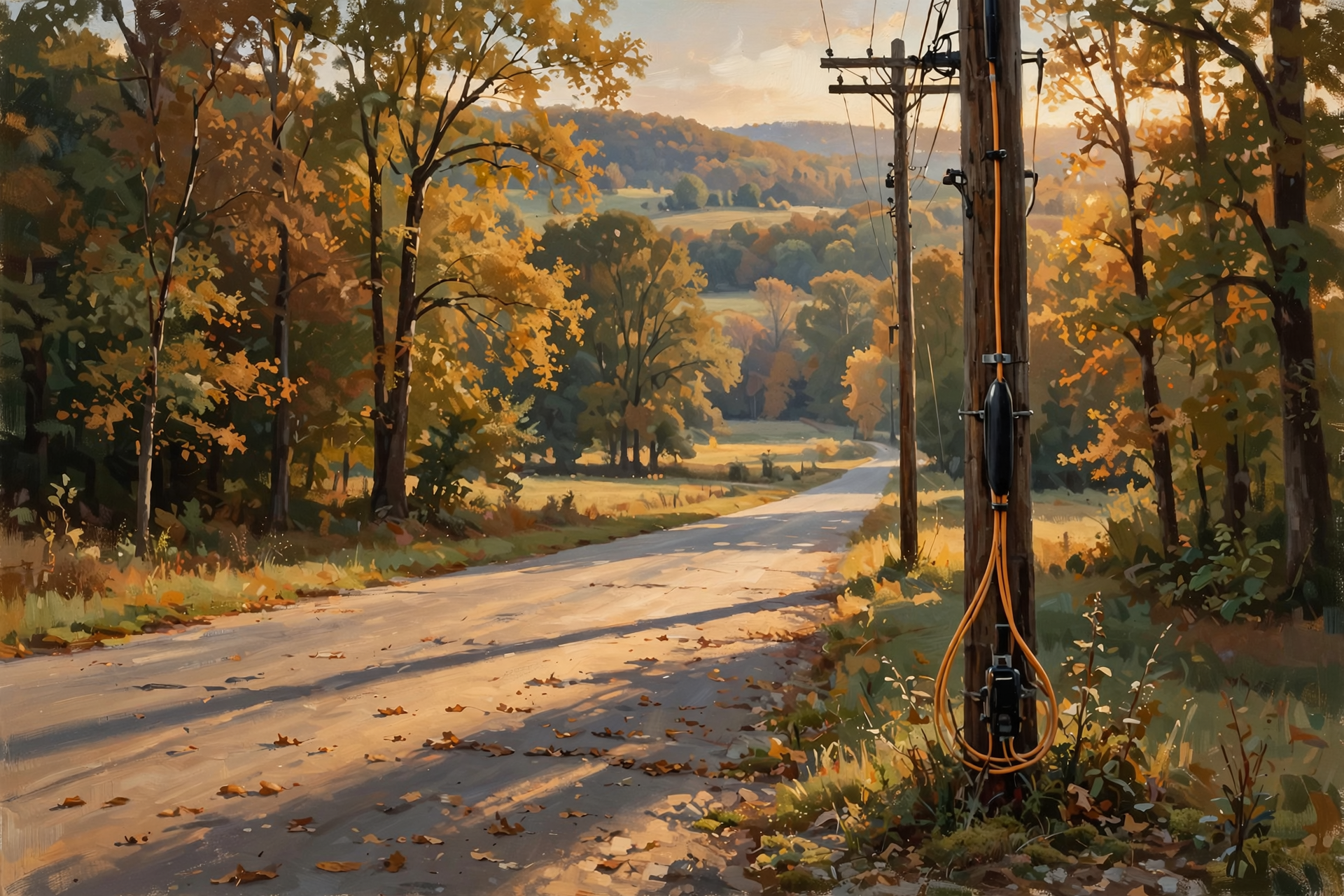
Utility crews climbed poles, buried cable, crossed mountains, and ran fiber down rural roads where many people once assumed high-speed internet would never arrive.
And in a lot of places, it worked.
The internet got better.
Which leaves us with a slightly awkward question.
Now what?
🌐 Getting Connected Was Never Supposed to Be the Finish Line
We sometimes talk about broadband as though getting the connection itself solves the problem.
It doesn’t.
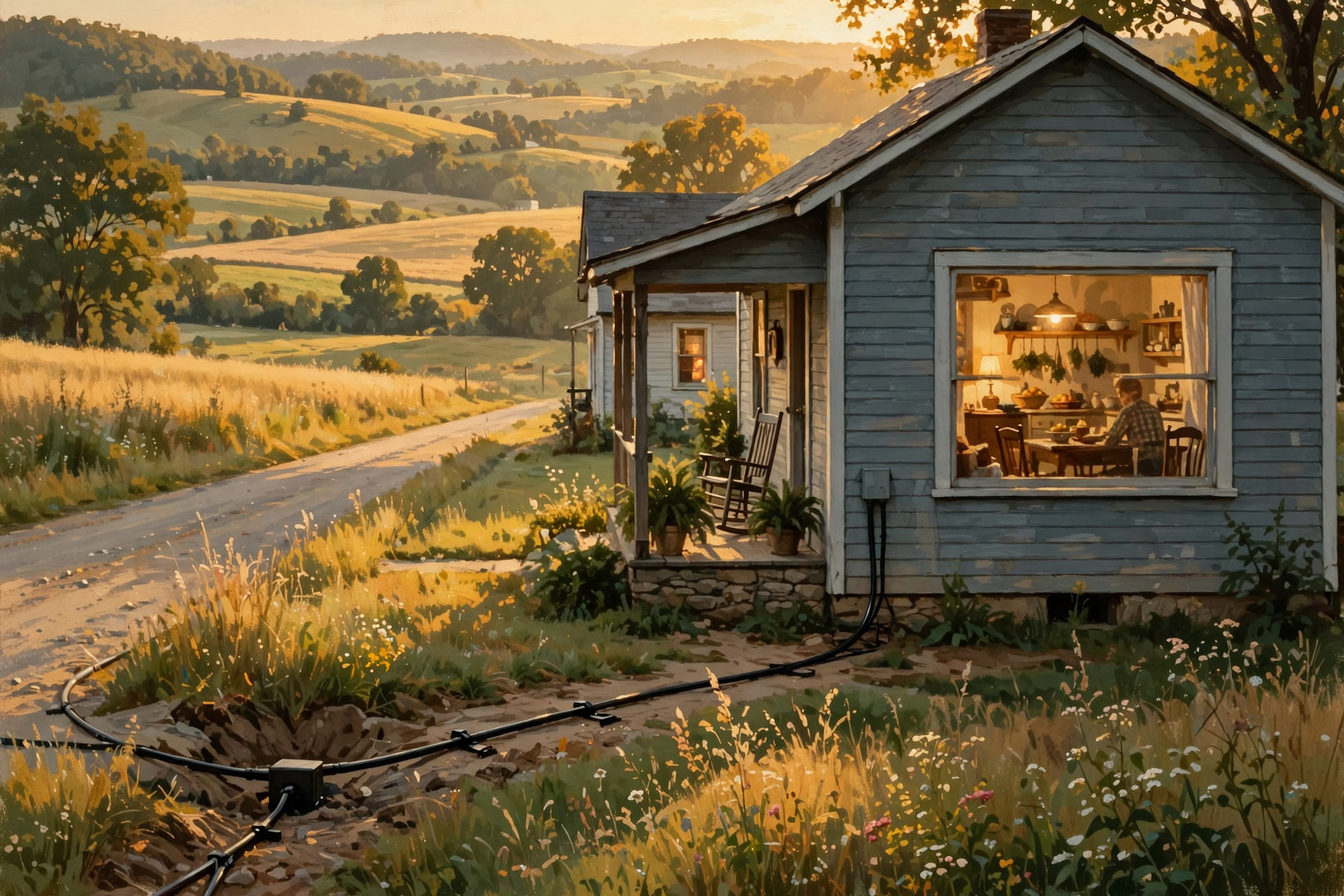
A fiber line running past your house is enormously valuable.
But it is still just infrastructure.
It’s a road.
It’s electricity.
It’s plumbing.
It’s a railroad track.
Infrastructure creates possibility.
What matters next is what people build on top of it.
When electricity finally reached rural homes, the value wasn’t simply that people could say:
“Well, we’ve got electricity now.”
The value came from what electricity allowed people to do.
Lights stayed on after dark.
Food could be refrigerated.
Equipment could run.
Homes could become safer and more comfortable.
Businesses could operate differently.
Farms could become more productive.
New industries became possible.
Broadband should be viewed the same way.
The wire matters because of what can travel through it.
🏡 What Changed When Fiber Reached Rural Tennessee?
Quite a lot, actually.
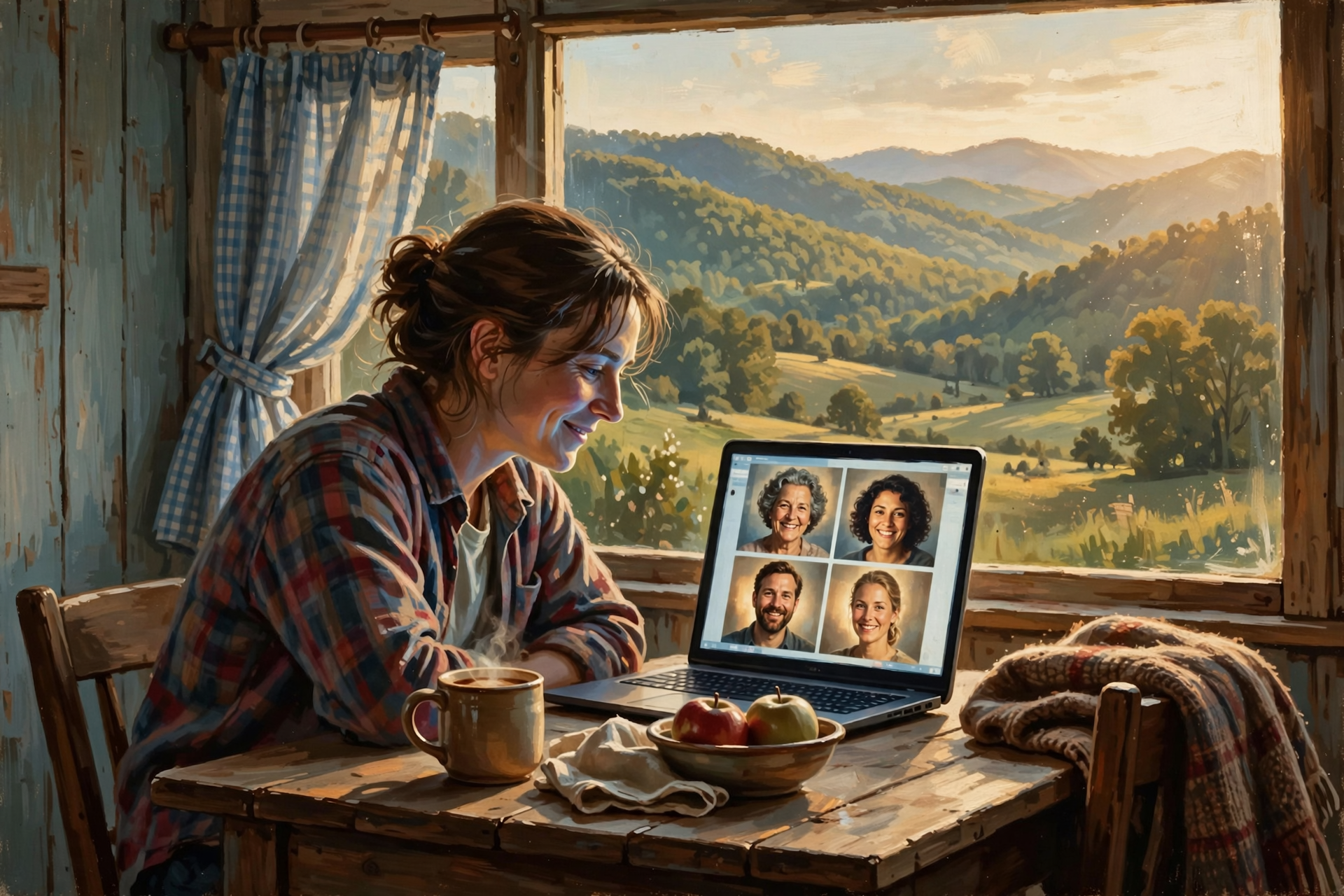
A person living on a mountain can now participate in a meeting with people scattered across the country.
A student can take a course from a university that may be hundreds of miles away.
A small business can sell products beyond the county line.
A contractor can send estimates electronically from the truck.
A farmer can access markets, weather data, equipment information, and agricultural research without driving anywhere.
A patient can sometimes talk to a medical provider from home.
A retired professional can continue consulting without relocating.
A person can work for a company in another state and still live near family.
A one-person business can reach customers that would have been impossible to reach twenty years ago.
And now artificial intelligence adds another layer on top of that connection.
The fiber brings access.
The AI can help turn access into capability.
But only if we actually use it.
🛣️ A Road Nobody Drives On Doesn’t Create Much Commerce
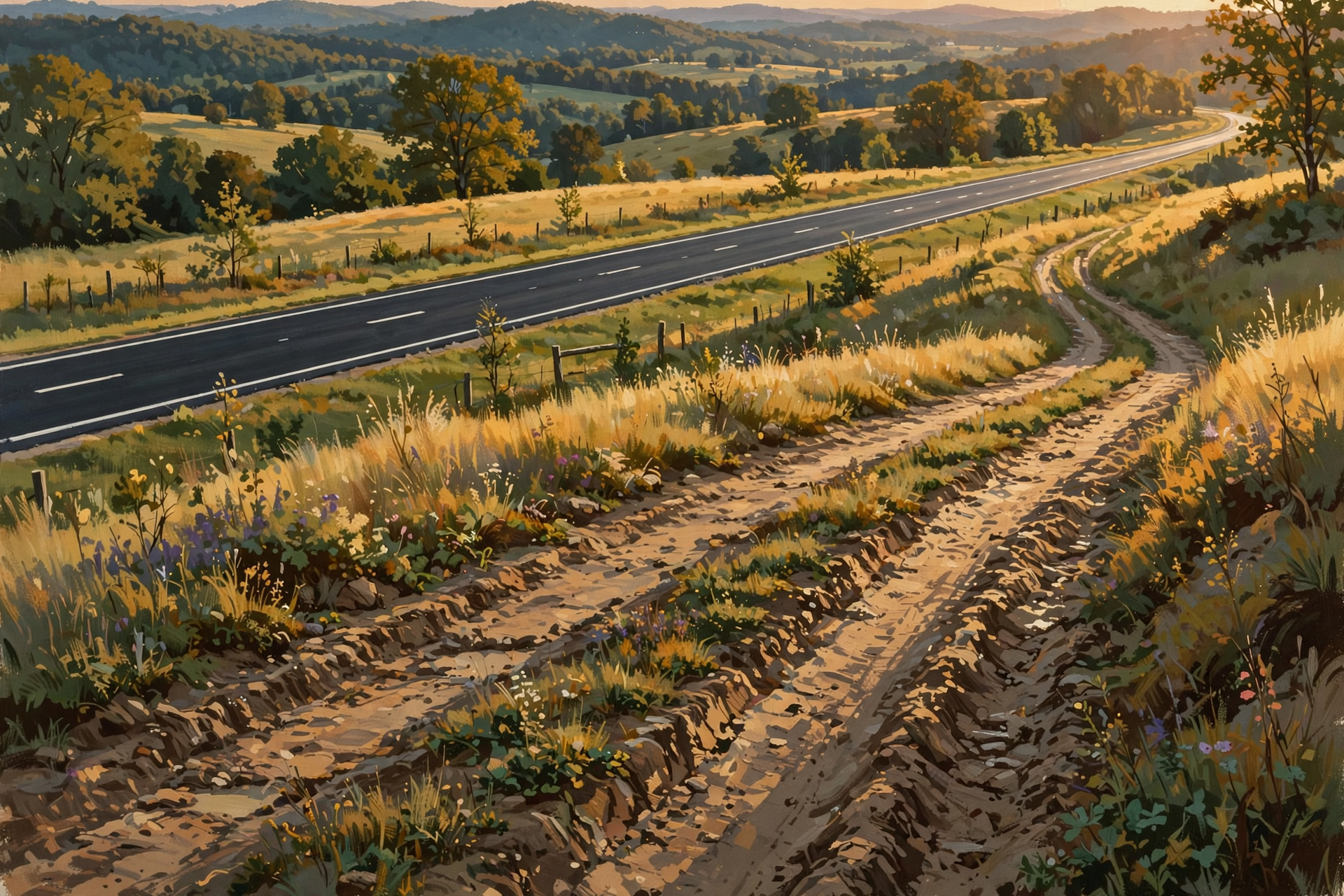
Imagine spending millions of dollars building a beautiful new highway.
Perfect pavement.
Wide shoulders.
Fresh lines.
Modern bridges.
Then everyone keeps using the old dirt road because nobody has figured out where the highway goes.
That would sound ridiculous.
Yet that is roughly the risk we face with rural broadband.
We can build world-class digital infrastructure and still fail to capture much of its economic value if people don’t know what to do with it.
That creates a second digital divide.
The first divide was:
Who has broadband?
The next divide may be:
Who knows how to use it?
📊 Two Businesses Can Have the Same Internet and Live in Different Worlds
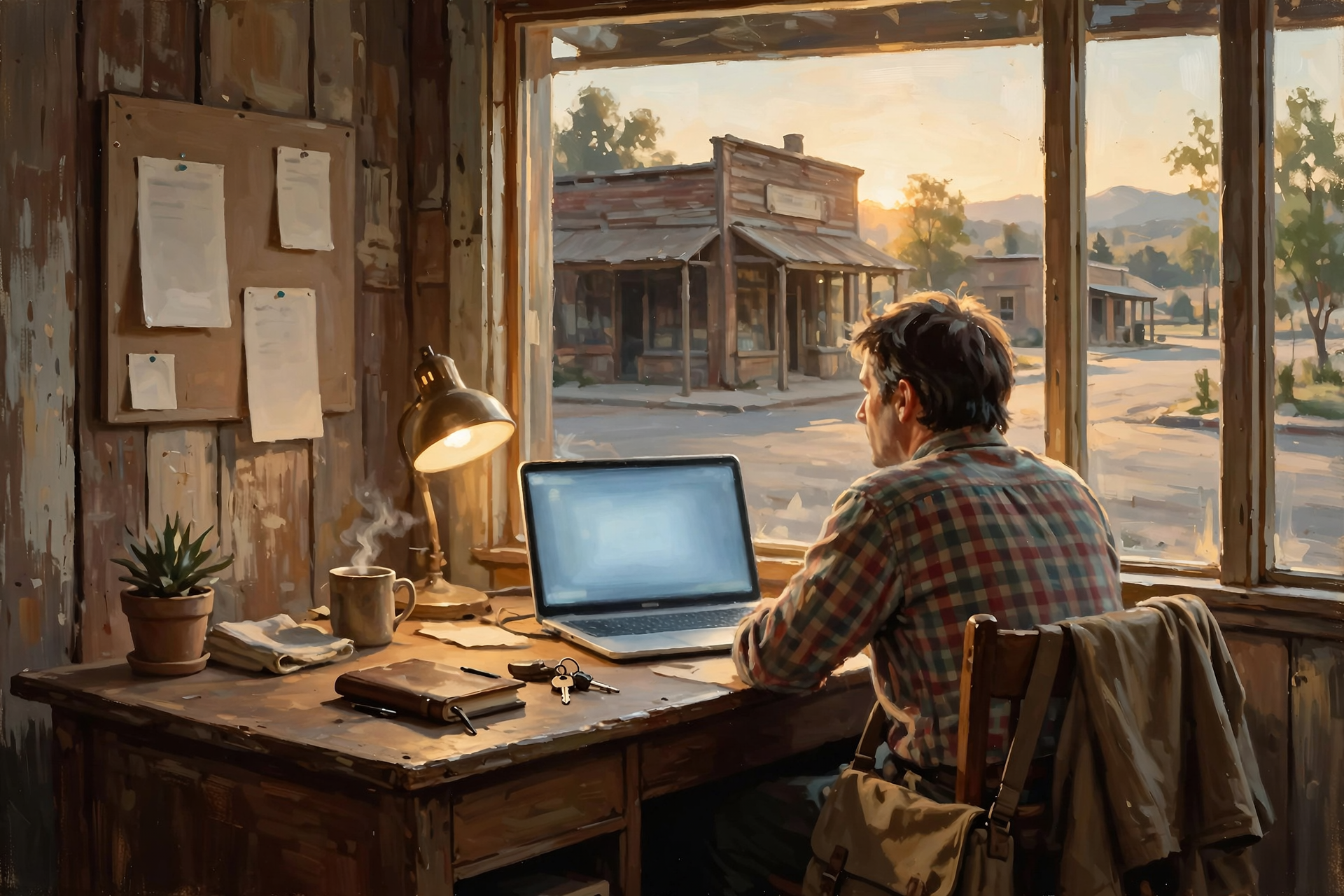
Picture two small businesses sitting five miles apart.
Both have fiber.
Both can access the same internet.
Both technically have the same digital infrastructure.
But one business uses:
🌐 A good website
📍 Accurate online listings
📧 Email marketing
🗓️ Online scheduling
🤖 AI-assisted customer service
📊 Digital bookkeeping and reporting
⭐ Review management
📱 Social media
🧾 Automated estimates and follow-up
🛒 Online sales
Meanwhile, the other business has:
A Facebook page somebody’s niece created six years ago.
Neither business lacks internet.
One lacks digital capability.
That distinction is going to matter more and more.
🔧 The Real Opportunity Is Not Becoming a Technology Company
This is where I think some people understandably tune out.
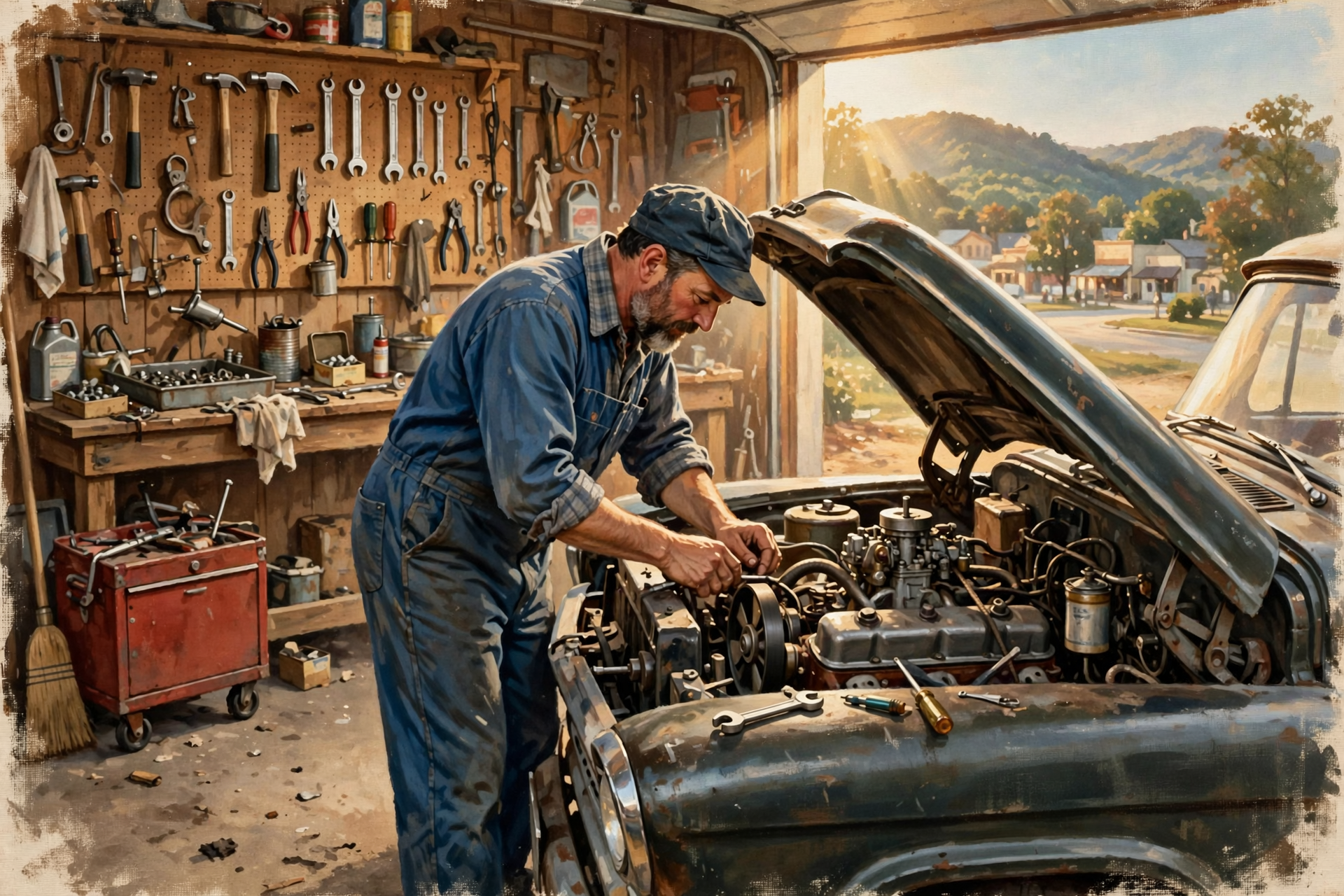
The local mechanic doesn’t want to become a software engineer.
The farmer doesn’t want to spend all day learning apps.
The restaurant owner probably doesn’t want another dashboard.
The contractor doesn’t want to become a social media influencer.
They want to fix cars.
Grow food.
Serve meals.
Build houses.
Install air conditioners.
Take care of customers.
And that should remain the goal.
Technology should help people do the thing they are already good at.
It should remove friction.
It should save time.
It should reduce paperwork.
It should help customers find them.
It should help them communicate.
It should help a small operation accomplish things that once required a larger staff.
The goal is not to turn every rural business into a technology company.
The goal is to let technology make a good rural business stronger.
👷 What Happens When the Business Owner Is Also the Entire Office?
Small rural businesses face a problem that large companies don’t always understand.
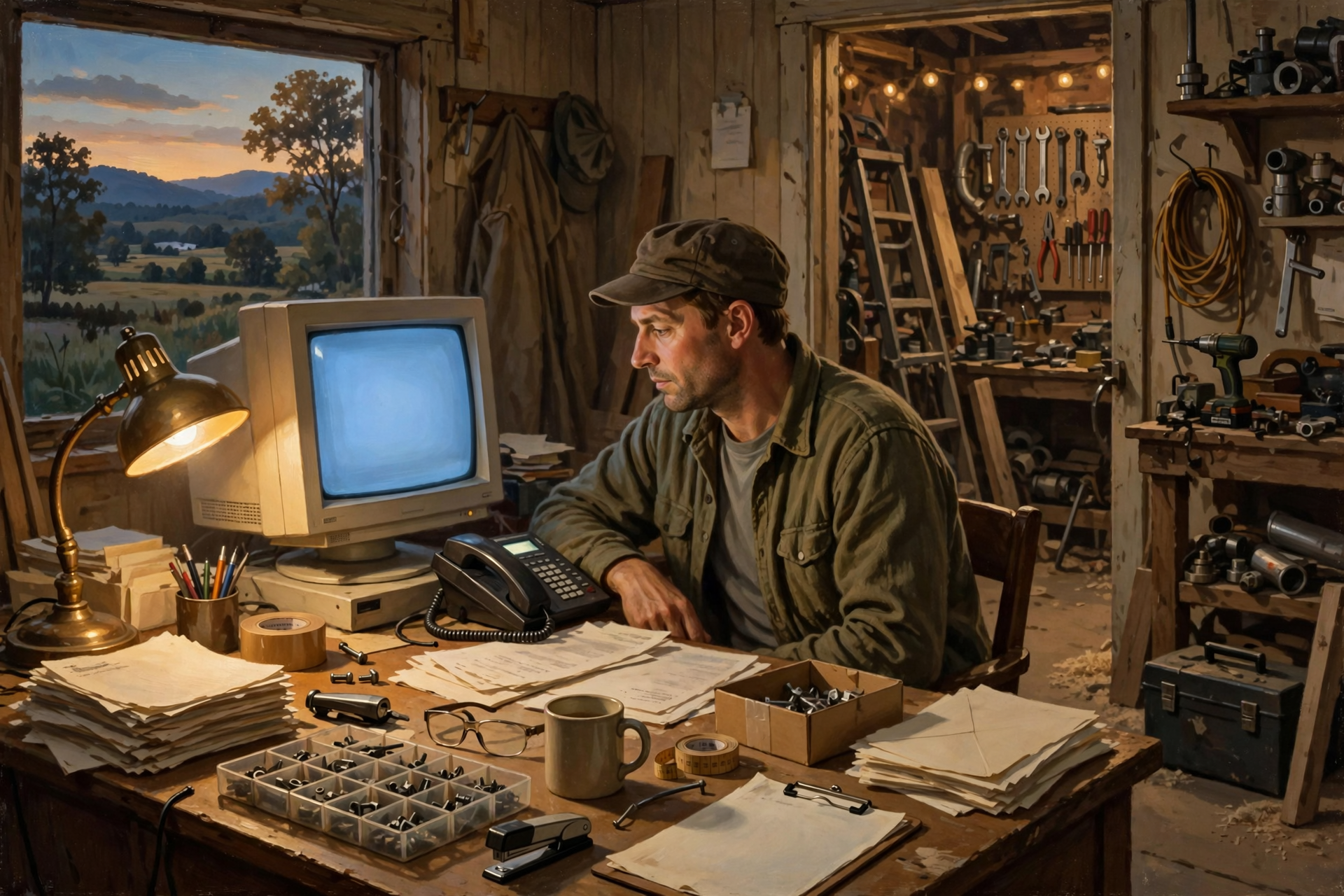
Sometimes there isn’t an office staff.
The owner is the office staff.
He answers the phone.
She sends the invoice.
He does the work.
She orders supplies.
He posts to Facebook.
She answers the reviews.
He tries to remember who wanted an estimate.
She remembers at 10:30 at night that somebody left a voicemail at 8:15 that morning.
And then people wonder why the website hasn’t been updated since 2019.
This is where the combination of broadband, automation, and artificial intelligence gets particularly interesting.
Not because we can eliminate workers.
But because many small businesses never had enough workers in the first place.
💼 What If Rural Economic Development Isn’t Just About Recruiting Employers?
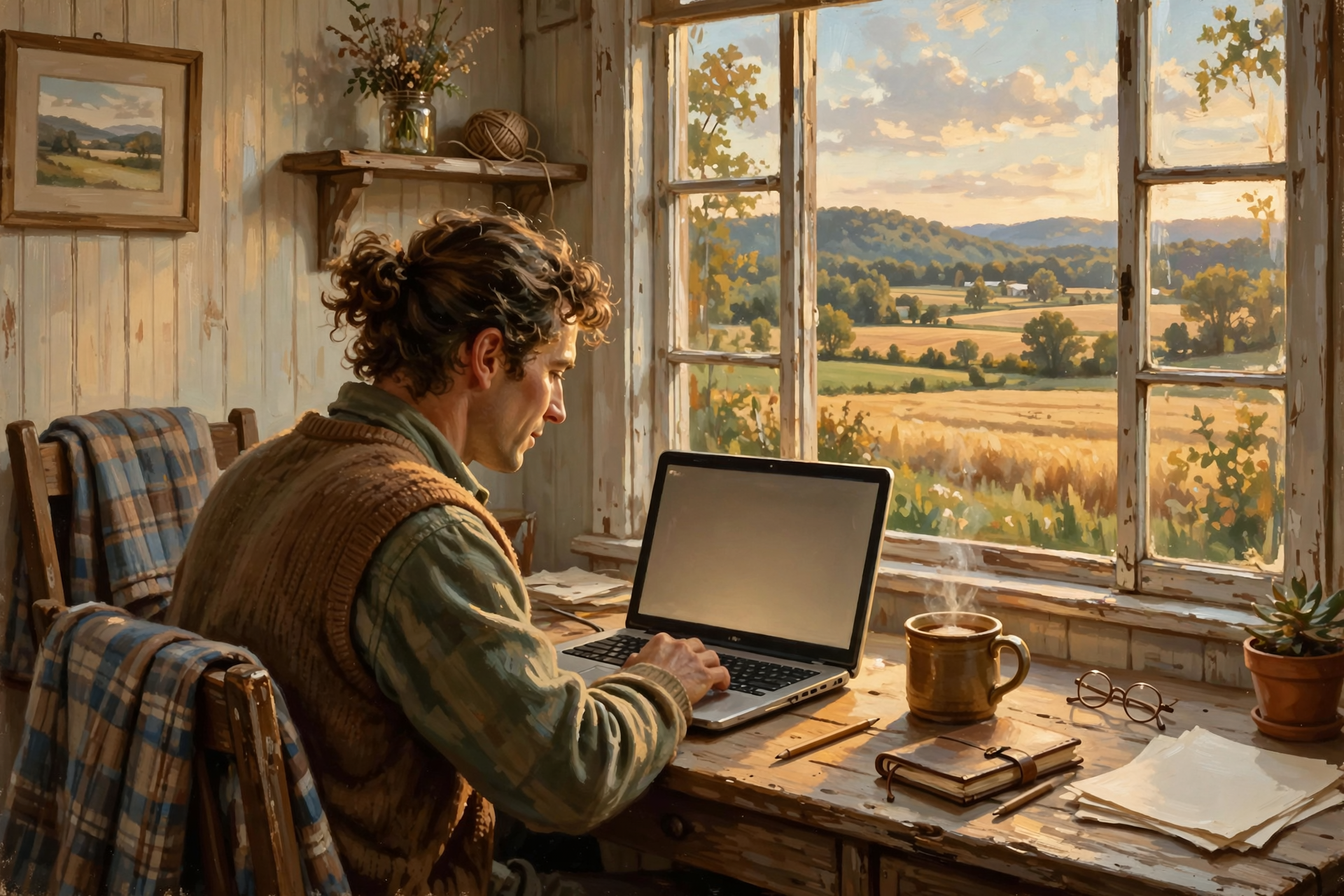
For generations, economic development often meant trying to bring a large employer to town.
And that can still be extremely valuable.
Factories matter.
Manufacturing matters.
Large employers matter.
But broadband gives us another possibility.
Instead of only asking:
“How do we bring more jobs here?”
We can also ask:
“How do we connect people who live here to work that already exists somewhere else?”
Those are two very different approaches.
One requires moving the employer.
The other moves the opportunity.
And information moves a whole lot easier than a factory.
🧑🎓 What Does This Mean for the Kid Who Thinks They Have to Leave?
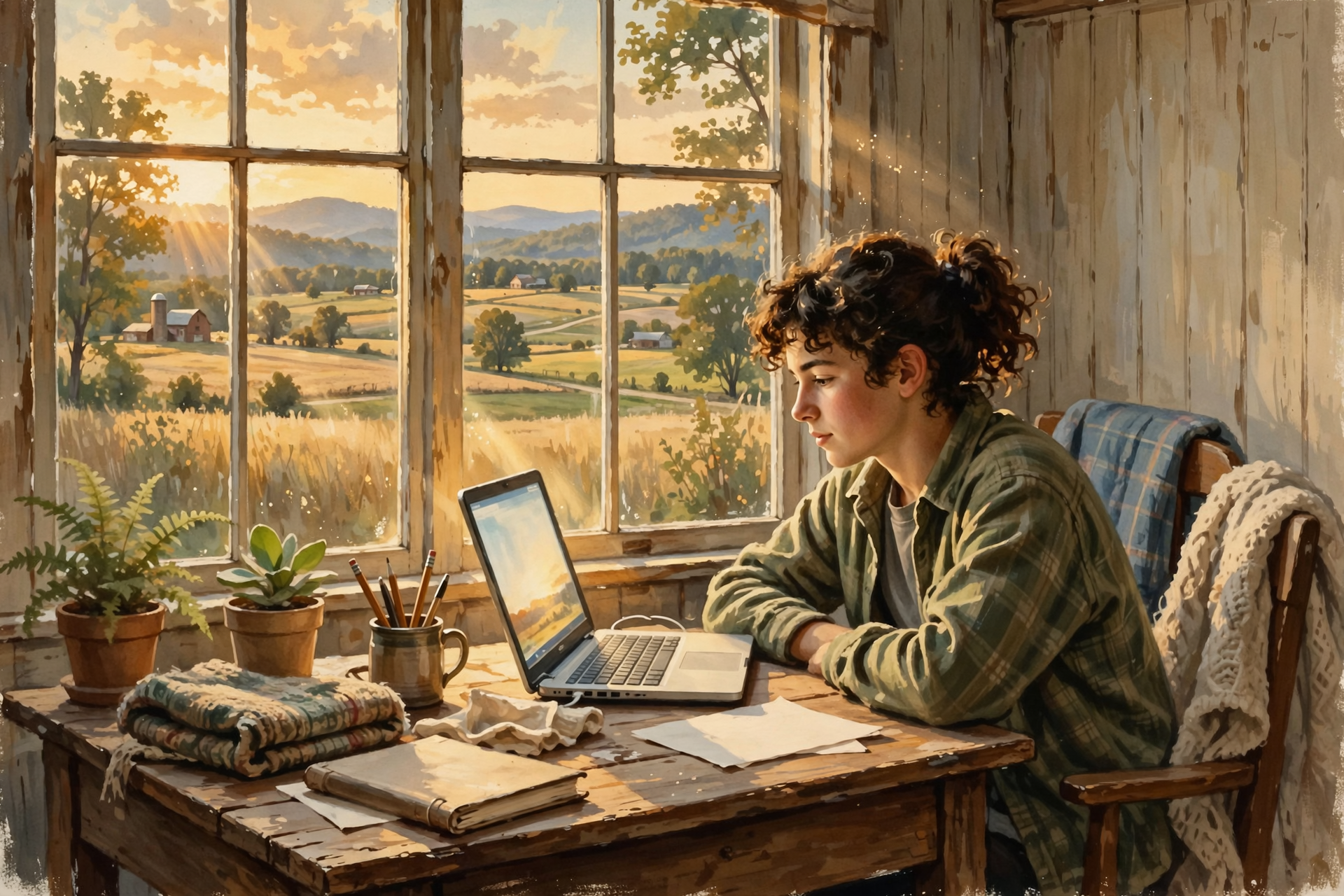
This may be one of the most important questions in the entire conversation.
For a long time, we told talented young people something that was both loving and a little heartbreaking:
Go somewhere you can make something of yourself.
Sometimes that was good advice.
Opportunity had geography.
The jobs were somewhere else.
The companies were somewhere else.
The expertise was somewhere else.
The customers were somewhere else.
But broadband has started weakening that connection between opportunity and location.
Not eliminating it.
Weakening it.
And artificial intelligence may weaken it further.
A young person may increasingly be able to build something significant without first abandoning the place where they grew up.
That doesn’t mean everyone should stay.
Some people should leave.
Some should explore.
Some should live in cities.
Some may eventually come back.
The important thing is having another option.
Staying should not automatically mean settling.
🤖 Broadband Plus AI Changes the Equation Again
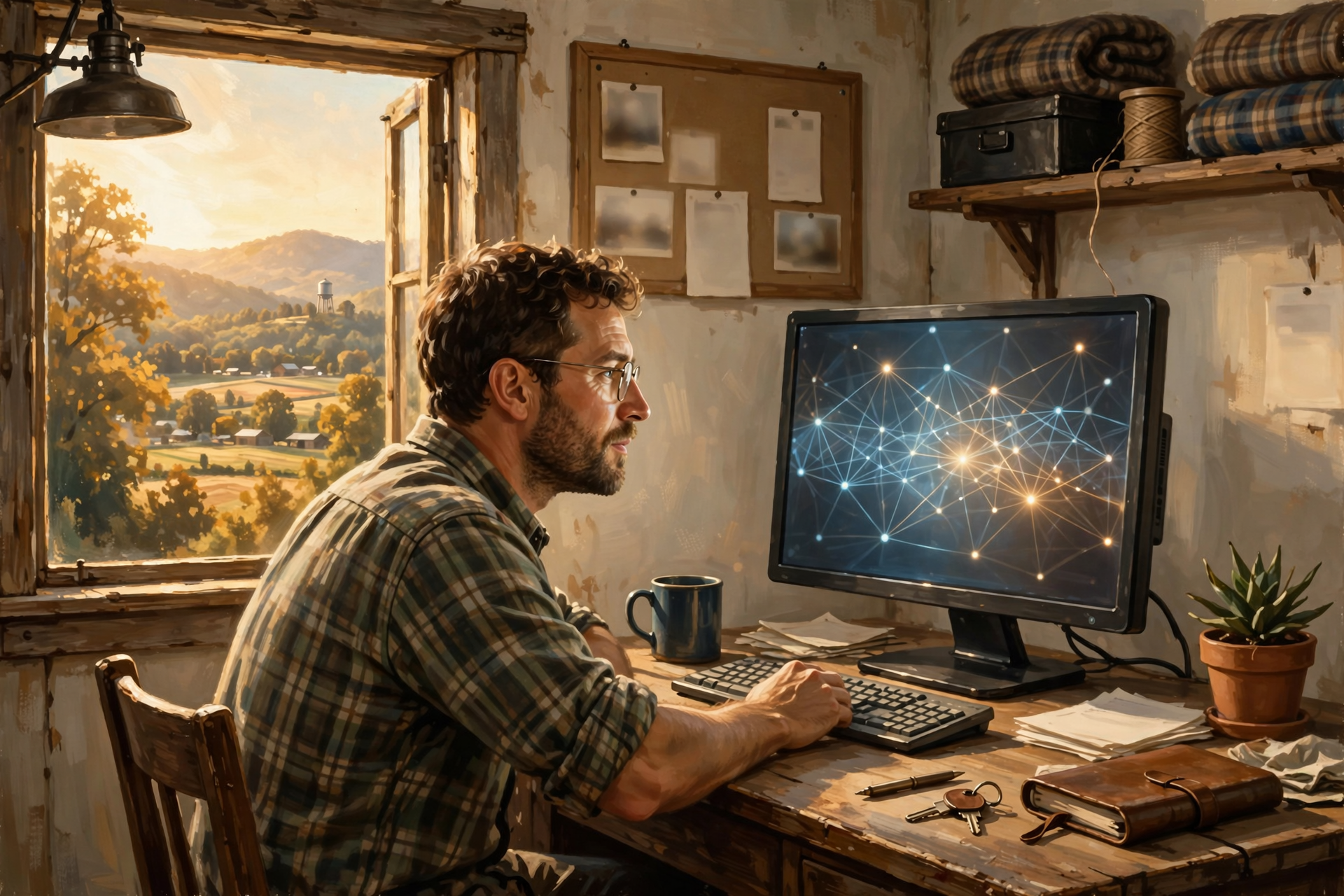
Broadband connected us to information.
Artificial intelligence can increasingly help us make sense of it.
That’s a major difference.
The internet gave us access to billions of pages of information.
Which was wonderful.
And occasionally about as useful as having a library where somebody dumped all the books in the parking lot.
AI can help sort through information.
Summarize it.
Compare it.
Explain it.
Organize it.
Turn it into something useful.
That capability may be particularly valuable in small communities where specialized expertise is difficult or expensive to obtain.
The rural business may never have had:
A marketing department.
A graphic designer.
A data analyst.
A researcher.
A programmer.
A technical writer.
An administrative assistant.
AI doesn’t perfectly replace any of them.
But it can give a small organization pieces of capabilities it simply never had access to before.
⚠️ Access Without Understanding Creates New Problems Too
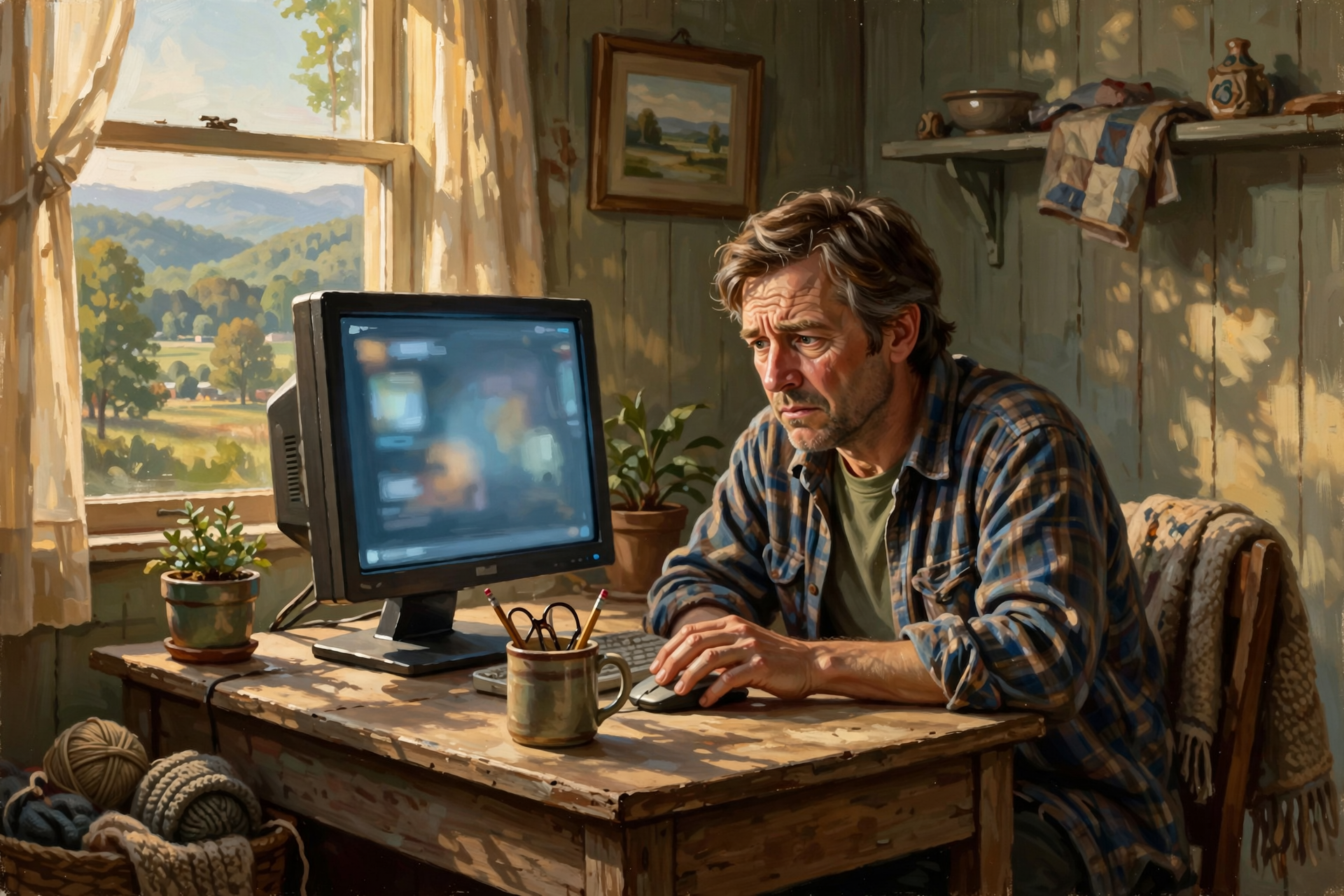
There is another side to this.
Connecting everyone to everything also connects everyone to:
Scammers.
Malware.
Misinformation.
Identity theft.
Fake businesses.
Phishing.
Deepfakes.
Automated fraud.
Bad advice delivered very convincingly.
So digital development cannot simply mean giving people faster internet.
It also means helping people develop:
Digital judgment.
Cybersecurity awareness.
Verification skills.
Privacy awareness.
The ability to recognize when something doesn’t smell right.
We’ve spent generations teaching children not to get into a stranger’s car.
Now we have to teach everyone what to do when the stranger comes through the screen.
💡 Maybe This Is the Next Rural Infrastructure Project
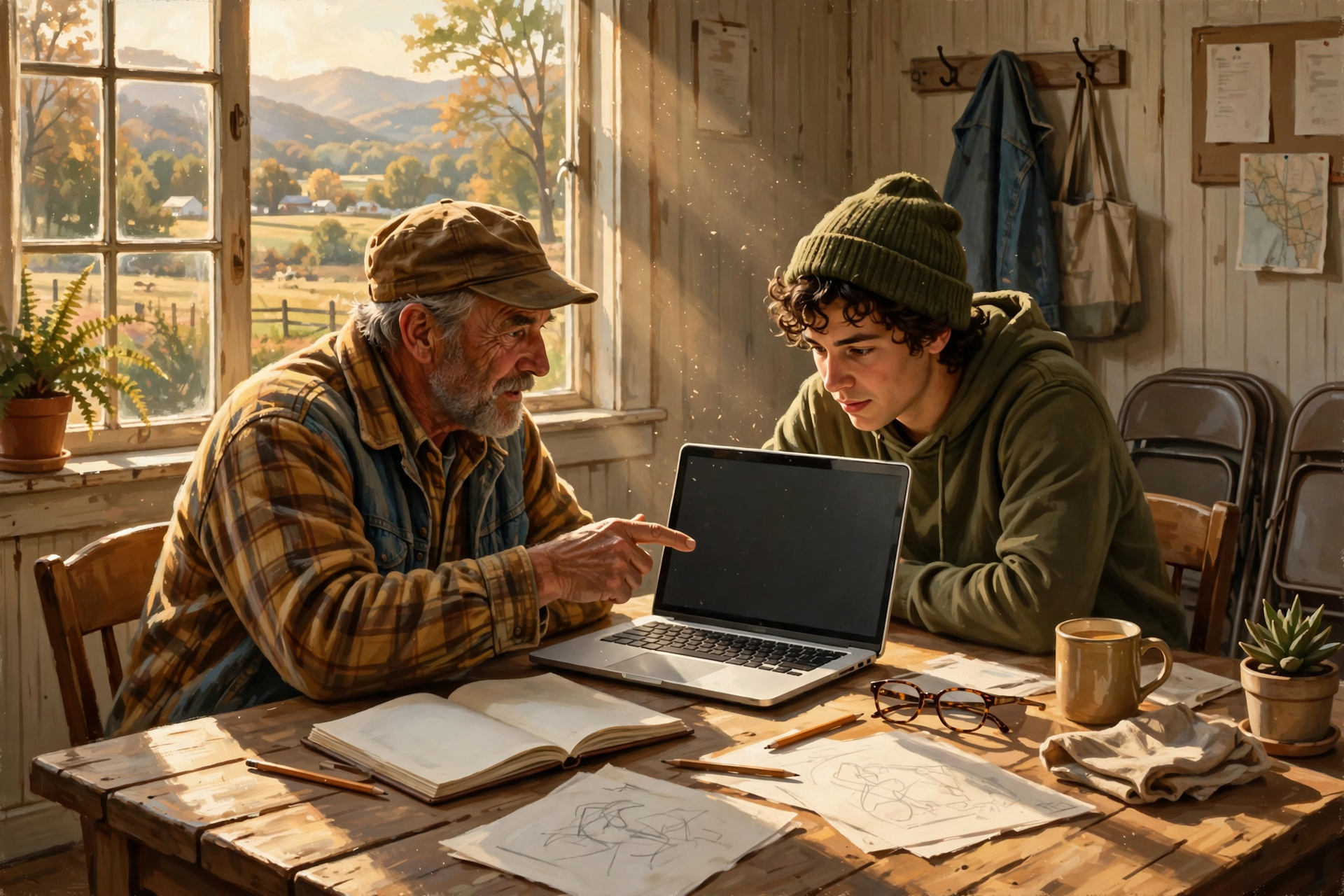
The first project was getting the connection here.
The next one may be building the knowledge around it.
Teaching businesses what they can do.
Helping older residents participate.
Showing young people opportunities they may not realize exist.
Helping organizations protect themselves.
Teaching people how to tell the difference between useful technology and expensive nonsense.
Helping local businesses become visible to the digital world.
Helping communities preserve the things they don’t want technology to erase.
In other words:
We built the digital roads.
Now we need to learn where they can take us.
📅 That’s Why We’re Having This Conversation Before November 19
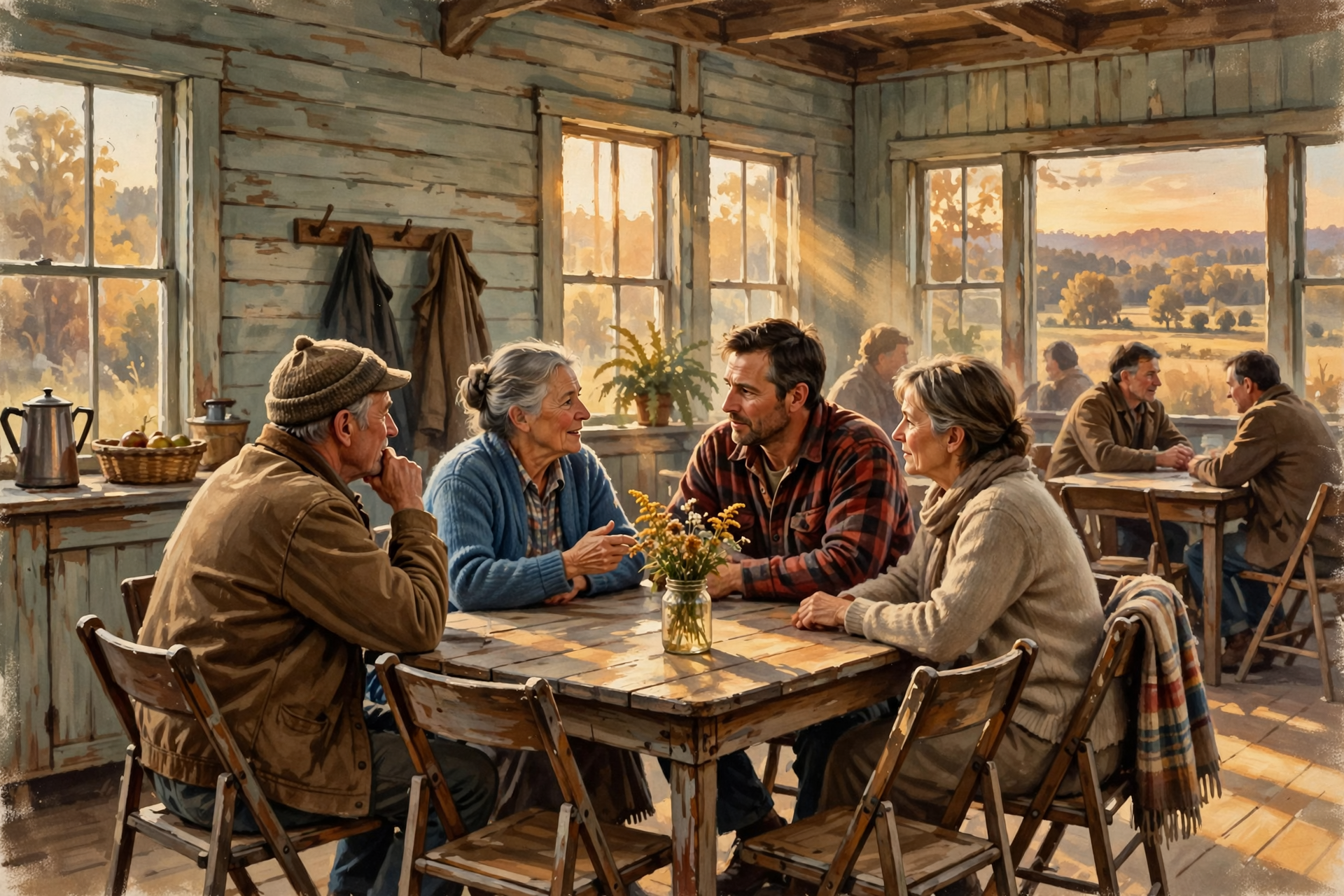
Over the next several weeks, I’m exploring questions about artificial intelligence, broadband, work, small business, cybersecurity, education, community, and what technological change means for rural Tennessee.
Those questions lead toward a larger regional conversation on November 19.
But I don’t want the conversation to begin when somebody walks to a microphone that evening.
I want it happening now.
At the restaurant.
In the shop.
At church.
In the classroom.
At the kitchen table.
In the comments.
Because one of the biggest mistakes we could make would be allowing the future of rural technology to become a conversation conducted entirely by people who work in technology.
The people who live here have a stake in it.
That means they should have a voice in it.
💬 Today’s Question
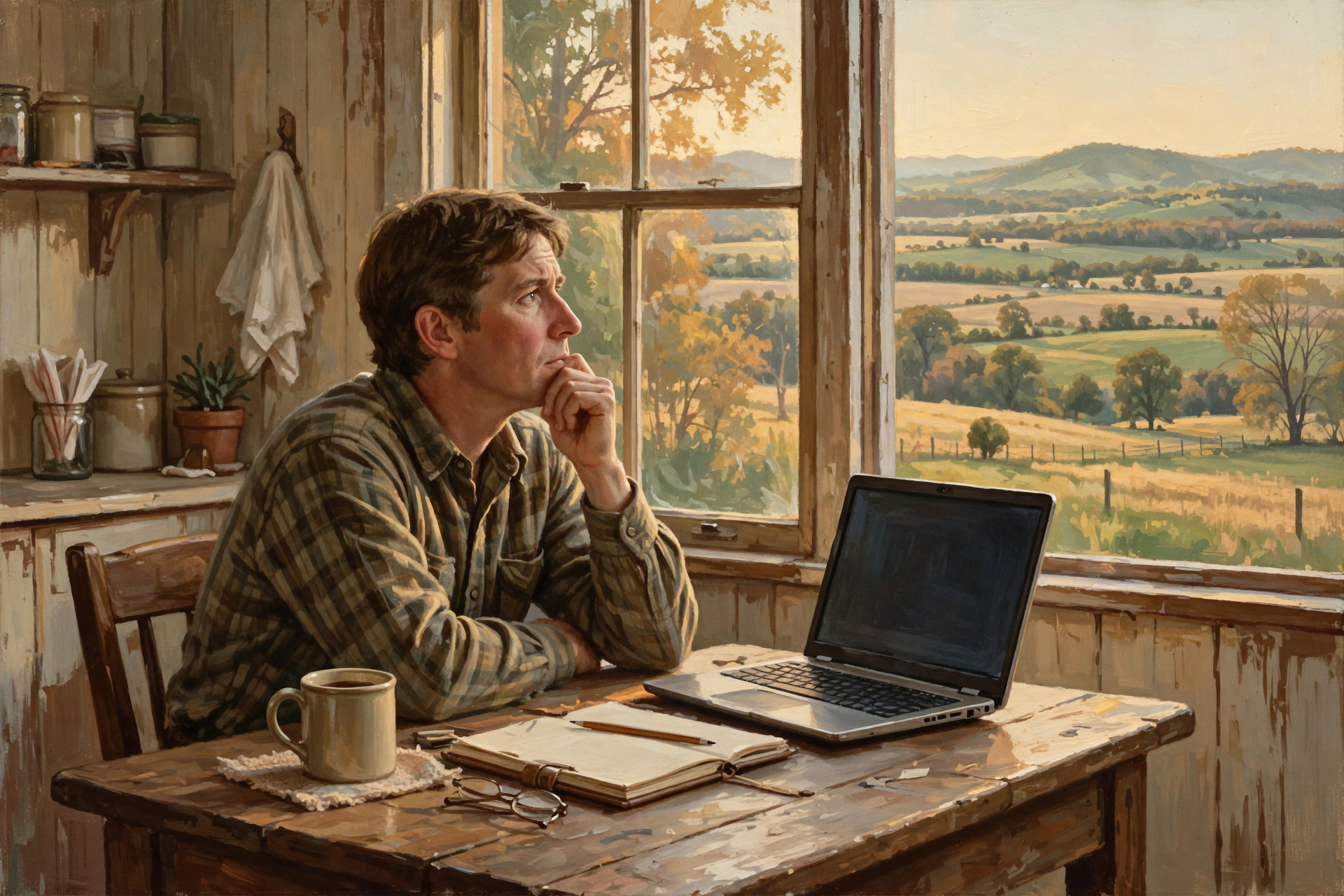
Yesterday I asked what you most want rural communities to figure out about technology and the future.
Today, let’s get more specific.
If fast, reliable internet is already available where you live, what is one thing you wish you, your family, your business, or your community knew how to do better with it?
Not what gadget you want.
Not what app you want.
What problem would you like technology to help solve?
That’s the question.
Leave an answer.
Send me a message.
Tell me when you see me.
Some of those answers are going to help shape where this series goes next.
🌄 We Got the Connection. Now Comes the Harder Part.
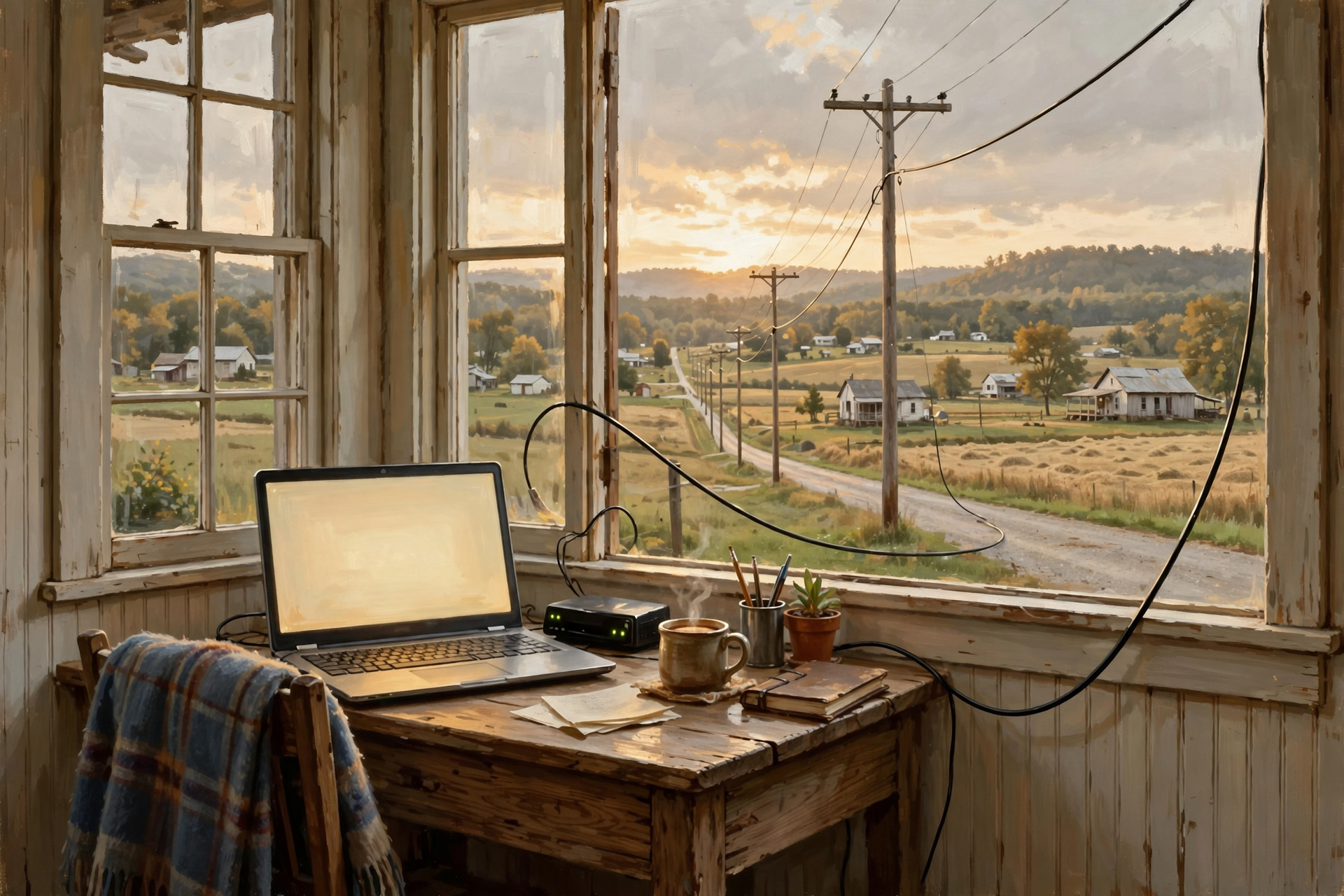
Rural Tennessee spent years trying to get connected.
That work mattered.
It still matters in places where reliable broadband hasn’t arrived yet.
But for communities that now have the infrastructure, the next challenge is different.
It’s no longer simply:
“Can we get online?”
It’s becoming:
“What are we going to do now that we are?”
The fiber reached us.
The opportunity didn’t automatically come with it.
That part is up to us.
🌄 The Rural Future Is Already Here
This story is part of an ongoing series exploring artificial intelligence, broadband, technology, economic opportunity, cybersecurity, community, and the future of rural Tennessee leading up to a regional technology symposium on November 19.
The Future Didn’t Ask Permission Before It Came to Rural Tennessee
We want your questions. What do you most want rural communities like ours to understand, protect, build, or figure out as technology changes around us?
Follow the series between now and November 19—and join the conversation.

0 Comments