
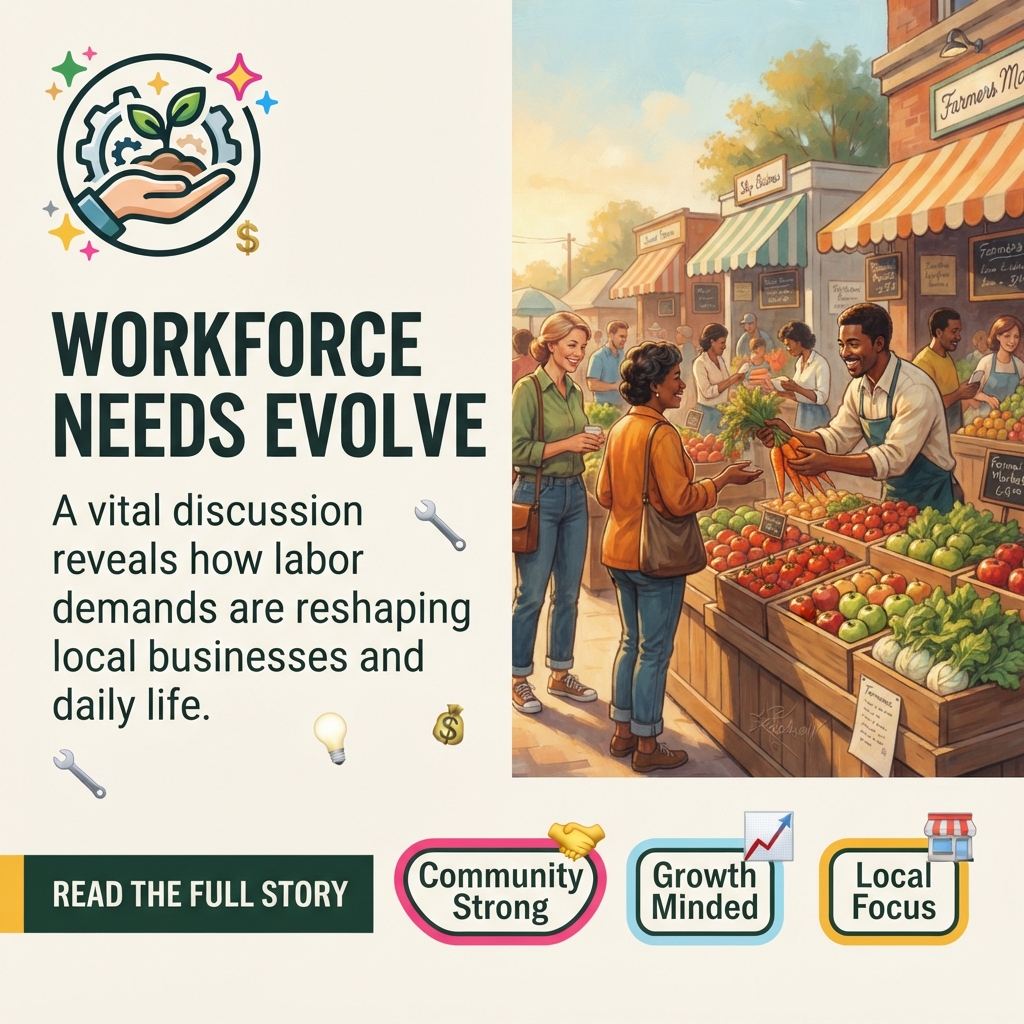
🌍 Community Conversation: How Labor Needs Shape Local Economy in Sequatchie Valley
The question of how our local workforce is made up—and what happens when jobs go unfilled—isn’t just an abstract debate. In the heart of Sequatchie Valley, where agriculture and small businesses keep the region thriving, labor shortages hit close to home. A recent discussion in a regional community group sparked thoughtful (and sometimes surprising) perspectives on how these challenges affect everyday life, from farm fields to grocery store shelves.
💬 Why This Matters
The conversation around immigration and labor needs isn’t just about policy—it’s about the practical realities that shape Sequatchie Valley’s economy. For farmers struggling to harvest crops, for small business owners stocking shelves, or even for residents who notice empty positions at local stores, the issue directly impacts daily life.
One commenter pointed out a familiar frustration: “If we truly weren’t needed, why has agriculture struggled for years to find enough workers?” This reflects a broader trend across rural Tennessee, where industries like farming and hospitality rely on seasonal labor that often isn’t filled by local residents alone. When jobs go unfilled, it doesn’t just mean missed harvests—it means delayed deliveries, fewer services, and sometimes even closures of businesses that keep the community running.
🌾 Community Connections
The Sequatchie Valley’s economy is deeply tied to agriculture, tourism, and small businesses. Local farmers’ markets, roadside stands, and family-owned shops depend on a steady workforce—whether for planting seasons, holiday rushes, or everyday operations. When labor shortages arise, it affects:
- Farmers: Seasonal crops may not get harvested in time, leading to spoilage or lost revenue.
- Retailers: Stores like Walmart and local grocers struggle with stock shortages, as one commenter humorously noted (“We need ice here desperately!”).
- Tourism-dependent businesses: Hotels, restaurants, and attractions rely on workers to keep visitors happy during peak seasons.
- Neighborhoods: Empty positions at local shops or service providers can mean longer waits for residents.
👥 Human Impact
The debate isn’t just about numbers—it’s about the people who fill these roles and the families they support. For many in Sequatchie Valley, labor shortages create ripple effects:
- Workers: Those who do take on these jobs often face long hours or difficult conditions, sometimes without local support networks.
- Business owners: Operators of small farms and shops may have to cut hours, reduce services, or even close temporarily if they can’t find help.
- Residents: Everyday conveniences—like fresh produce, stocked shelves, or available services—can become harder to access.
🌱 Local Perspective: Rural Tennessee’s Labor Landscape
The Sequatchie Valley isn’t alone in facing these challenges. Across rural Tennessee and the broader Southeast, agriculture and tourism sectors have long relied on seasonal labor that often comes from outside the region. Programs like the H-2A visa—mentioned in the discussion—are designed to address this gap by bringing temporary workers for specific jobs.
However, local perspectives vary widely. Some residents argue that these programs are necessary to keep the economy afloat, while others express concerns about integration or long-term impacts on wages and services. What’s clear is that the conversation reflects a broader tension: How do we balance the needs of our businesses with the values of our community?
🤝 Opportunities for Connection
While this discussion highlights challenges, it also offers opportunities for residents to engage thoughtfully:
- Attend local forums: Check announcements from organizations like the Sequatchie Valley Chamber of Commerce or agricultural extension offices for discussions on labor trends.
- Support local businesses: When shops or farms face shortages, your patronage can help them prioritize hiring and sustainability.
- Volunteer or mentor: Programs like 4-H or agricultural education initiatives often help train the next generation of workers for local industries.
- Share perspectives respectfully: Community groups like the one where this discussion took place can be spaces to listen and learn from diverse viewpoints.
📢 What Residents Should Know
The conversation in the community group touched on a few key points worth noting:
- Agriculture’s reliance on labor: The H-2A visa program is one tool used to fill gaps, but it’s not the only solution. Many local farmers also rely on word-of-mouth hiring or partnerships with nearby communities.
- Seasonal challenges: Shortages often peak during harvest seasons (e.g., summer for produce) or holiday rushes (e.g., Thanksgiving through New Year’s). Planning ahead can help businesses and residents prepare.
- The human side of labor: Behind every job is a person—whether they’re from the area or beyond. Understanding their contributions can foster greater empathy in community discussions.
⏳ What Happens Next
This discussion is likely just one thread in an ongoing conversation about labor, immigration, and economic resilience in Sequatchie Valley. Here’s what to watch for:
- Policy updates: Watch for announcements from state or federal agencies on programs like H-2A visas or other initiatives aimed at rural workforce needs.
- Local hiring trends: Keep an eye on job postings in agriculture, hospitality, and retail—these will reflect how businesses are adapting to labor shortages.
- Community dialogues: Organizations like the Sequatchie Valley Foundation or agricultural extension offices may host events to explore solutions collaboratively.
🤔 Community Questions
As this conversation continues, residents might consider:
- How do labor shortages affect the businesses or services I rely on most in my daily life?
- What role could local education (e.g., vocational training, 4-H programs) play in preparing the next generation for these jobs?
- If our community faced a sudden labor shortage tomorrow, which industries would be hit hardest—and how could we support them?
- How can we balance the needs of businesses with the values and concerns of residents when discussing immigration or workforce policies?
- What small steps could I take to contribute to solutions—whether through volunteering, advocacy, or simply understanding others’ perspectives?
🧵 Community Threads: The Network Behind Labor in Sequatchie Valley
The discussion about immigration and labor reveals deeper threads that connect our community:
- The Farm-to-Table Thread 🌱Sequatchie Valley’s agriculture isn’t just an industry—it’s a way of life. Local farmers’ markets, roadside stands, and family farms rely on seasonal labor to bring produce to tables across the region. When these jobs go unfilled, it disrupts not just harvests but also the cultural fabric of food security in our community.
- The Small Business Lifeline Thread 🏪From the corner grocery store to the bed-and-breakfast on Main Street, small businesses are the backbone of Sequatchie Valley’s economy. Their ability to hire and retain workers directly affects whether they can stay open, offer local jobs, or even expand services for residents. Labor shortages force tough choices that ripple through neighborhoods.
- The Tourism Dependency Thread 🎌During peak seasons, visitors flock to Sequatchie Valley’s parks, restaurants, and attractions—creating temporary jobs that sustain local families year-round. When labor is scarce, it’s not just about filling positions; it’s about preserving the visitor experience that brings revenue and goodwill to the community.
- The Generational Gap Thread 👨👩👧👦Many young residents leave rural areas for education or career opportunities, leaving fewer local workers for seasonal jobs. This creates a cycle where businesses struggle to hire, and new generations see limited pathways back to the valley. Bridging this gap could mean reviving traditions of staying local—while also attracting workers who see Sequatchie Valley as a place to build a future.
🌿 Long-Term Community Impact
The way Sequatchie Valley addresses labor needs today will shape its future in meaningful ways:
- Economic resilience: Sustainable solutions—whether through local training, immigration policies, or community partnerships—could ensure businesses thrive even during shortages.
- Community identity: How we discuss labor reflects our values. Will Sequatchie Valley be known for its welcoming approach to workers, or for the challenges they face?
- Quality of life: Reliable services and jobs make neighborhoods more livable. When businesses struggle, residents feel it in longer lines at the store or fewer options for local goods.
- Youth engagement: Investing in vocational training or agricultural education could inspire younger generations to return—and stay—rather than leaving for urban opportunities.
The conversation about immigration and labor is far from over, but it’s a chance to reflect on what truly makes Sequatchie Valley strong. By understanding the threads that connect us—from farm fields to family-owned shops—the community can build solutions that honor both its challenges and its potential.
🤔Source
Amanda Lynn – A user asks for opinions on whether illegal immigrants are needed, sparking discussion in comments.



0 Comments