
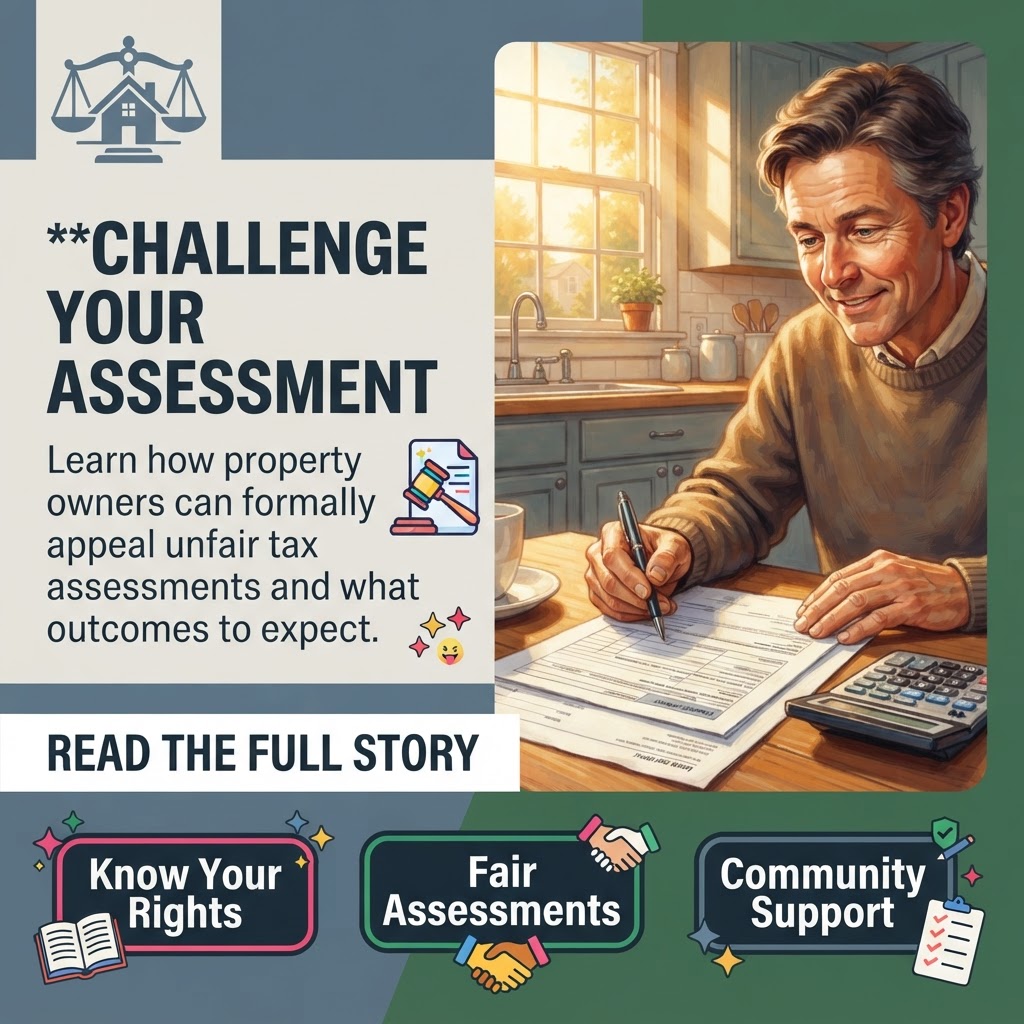
🏠 Property Assessment Appeals in Sequatchie Valley: What Residents Should Know About the Board of Equalization Process
Property tax assessments are a routine part of homeownership across the Sequatchie Valley, but when residents believe their assessments are unfair, the Board of Equalization offers a formal appeal process. A recent community conversation has surfaced questions about how these appeals work and what outcomes residents can realistically expect.
❓ Why This Matters
Property assessments directly affect the taxes homeowners and landowners pay each year. 💰 For many families and businesses in the region, a significant difference in assessed value can mean hundreds of dollars in annual tax liability. Understanding whether appeals are successful—and under what circumstances—helps residents make informed decisions about whether to pursue one and what to expect from the process.
🏛️ Understanding the Appeal Process
The Board of Equalization exists to provide property owners with a formal mechanism to challenge assessments they believe are inaccurate or unfair. When a resident appeals, they’re essentially asking the board to review whether their property’s assessed value reflects its true market value and is consistent with similar properties in the area. The board then decides whether to uphold the original assessment, lower it, or in some cases, raise it.
👥 Community Connections
Property assessment questions touch nearly every household and business owner in the valley. 🏘️ Homeowners, farmers, small business operators, rental property owners, and longtime residents all navigate this system. Churches and nonprofits that own property also participate in the assessment and appeal process. When residents share their experiences—whether appeals were successful or denied—they help neighbors understand what’s possible and what documentation or arguments may strengthen a case.
💡 What Residents Should Know
If you’re considering an appeal, here are practical considerations:
- Documentation matters: Successful appeals typically rely on comparable sales data, professional appraisals, or evidence that your property differs significantly from similar properties that were assessed at lower values.
- Timing is important: Most counties have specific deadlines for filing appeals with the Board of Equalization, usually within a set window after assessments are mailed. Missing the deadline typically means losing the right to appeal that year.
- Outcomes vary: Some appeals result in lower assessments, while others are denied. The board’s decision depends on the evidence presented and how assessments compare across the community.
- Local resources: County assessor offices can explain how your property was valued and what factors influenced the assessment. This information is often the starting point for deciding whether to appeal.
🤔 Community Questions Worth Considering
As residents think about property assessments and the appeal process, several questions emerge:
- Have you appealed a property assessment in the past, and what was your experience? What evidence or approach did you find most helpful?
- Are there patterns in your community where certain types of properties (older homes, rural land, commercial buildings) seem consistently over- or under-assessed compared to similar properties?
- What information would help residents better understand how assessments are calculated and when an appeal might be worthwhile?
- How transparent is the assessment process in your county, and do residents feel they have adequate opportunity to understand and challenge valuations?
📍 What Happens Next
Community members sharing their appeal experiences—both successful and unsuccessful—can help neighbors understand what to expect. 📢 If you’ve gone through the appeal process, your story matters. Sharing what worked, what didn’t, and what you learned can help others make better decisions about their own assessments and whether an appeal is right for them.
🔗 Community Threads
Property ownership and civic participation: The Board of Equalization represents one of the few formal channels where individual residents can directly challenge a government decision. When neighbors share their experiences with appeals, they’re strengthening community knowledge about how local government works and what rights property owners have.
Economic fairness and trust: Fair property assessments affect whether the tax burden is distributed equitably across the community. When residents feel assessments are inconsistent or unfair, it can erode trust in local government. Transparent appeal processes and successful outcomes help maintain confidence that the system works.
Neighbor-to-neighbor support: Property tax questions often surface in casual conversations—at church, at the coffee shop, or among longtime friends. When residents share what they’ve learned about appeals, they’re building informal networks of knowledge that help others navigate the system more effectively.
💬 Share Your Story
If you’ve appealed a property assessment to your local Board of Equalization, your experience—whether the appeal was successful or denied—can help other residents understand the process and make informed decisions. Consider sharing what you learned, what documentation helped, and what you’d do differently next time. Community conversations like these strengthen local knowledge and help neighbors support one another through processes that affect everyone’s finances and property rights.




0 Comments